Continuing our journey north the next stop was a small farm just outside Waipapa, not far from Bay of Islands. We visited the Bay of Islands in 2023 during our cruise from Vancouver, Canada to Sydney, Australia and found it so beautiful we wanted to return. Waipapa is a growing rural settlement in the Far North District and while it serves primarily as a shopping hub for the area, it is surround by rolling hills, orchards, cattle and sheep farms, and historic landmarks.
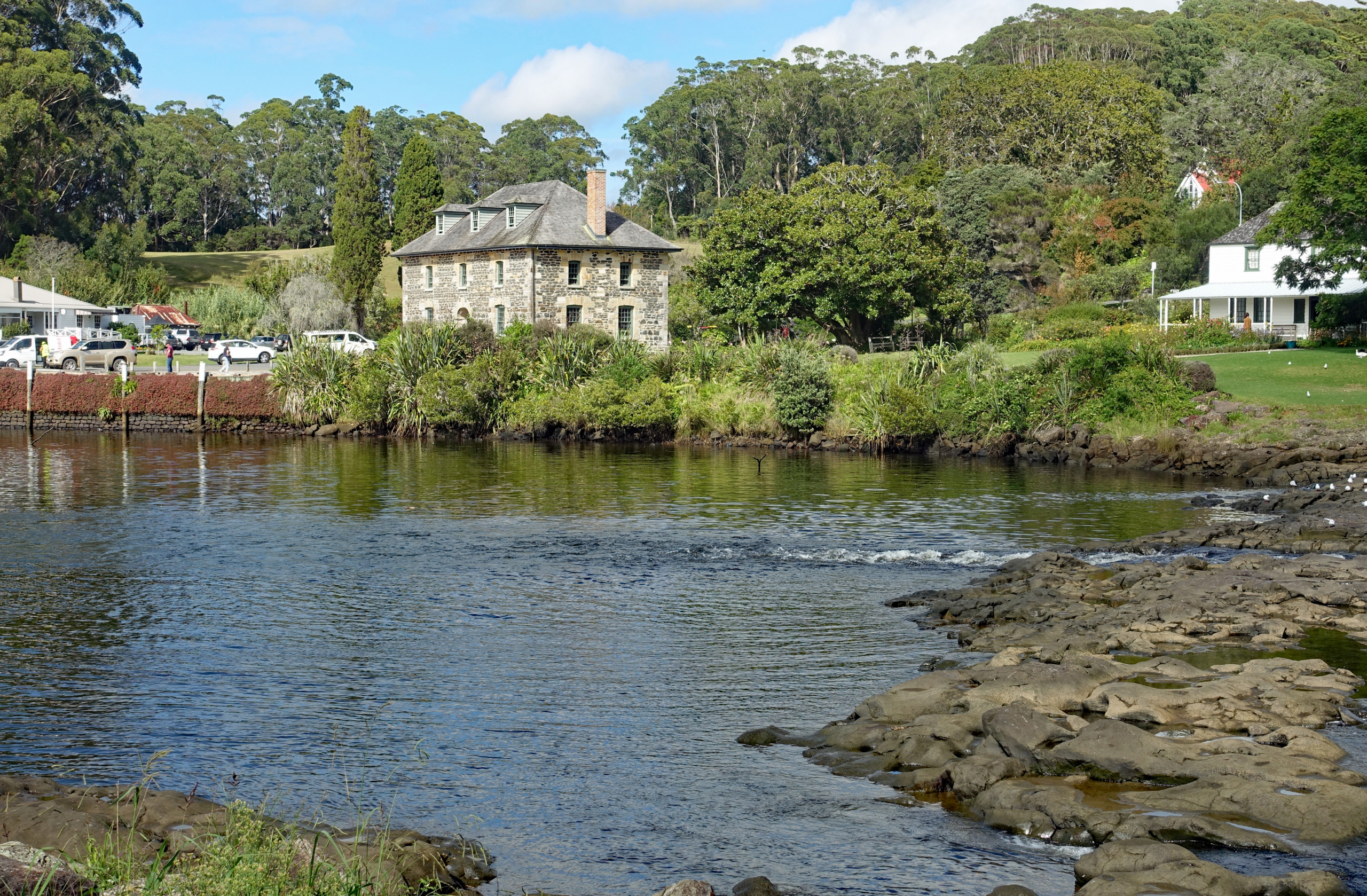
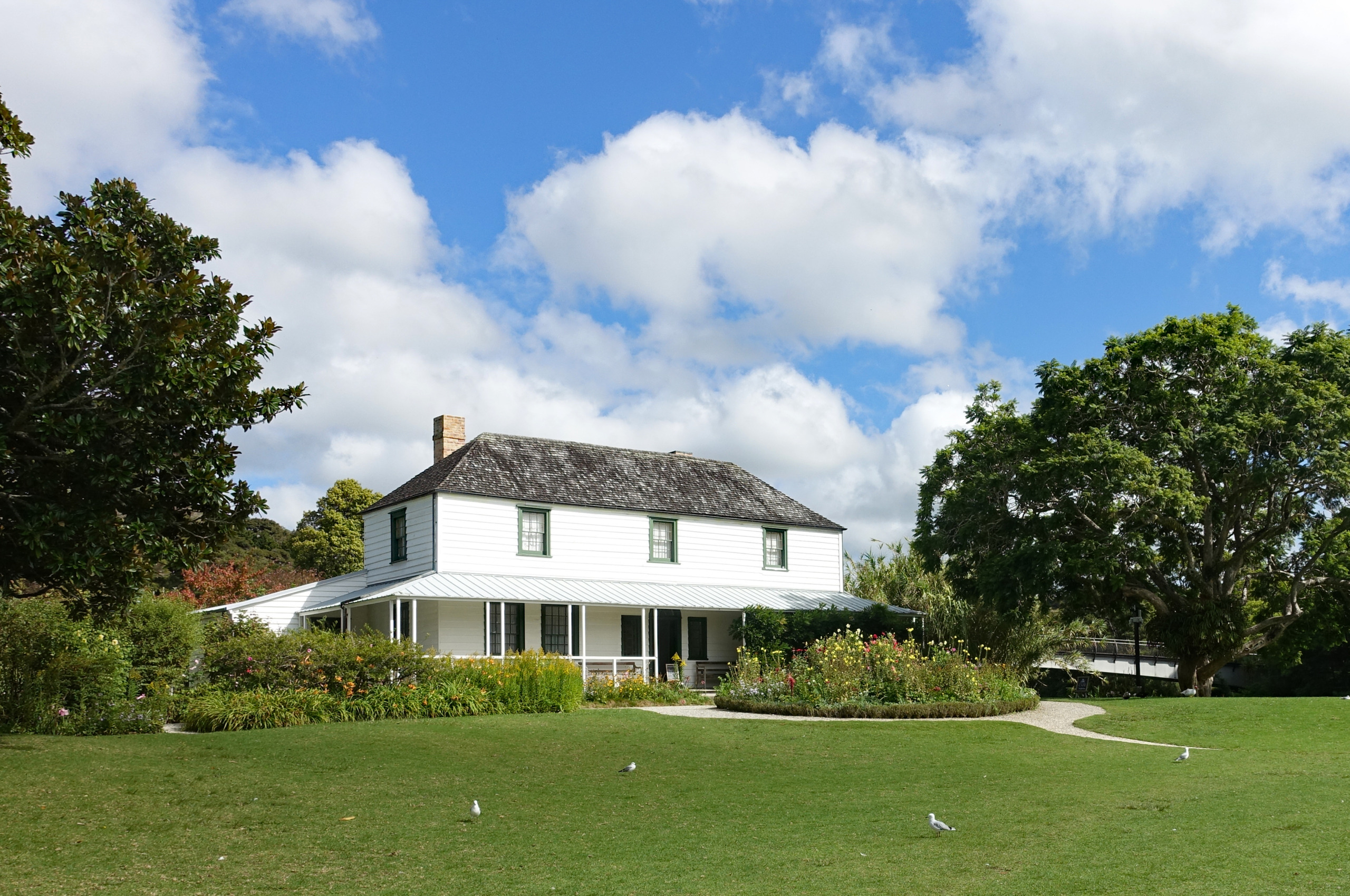
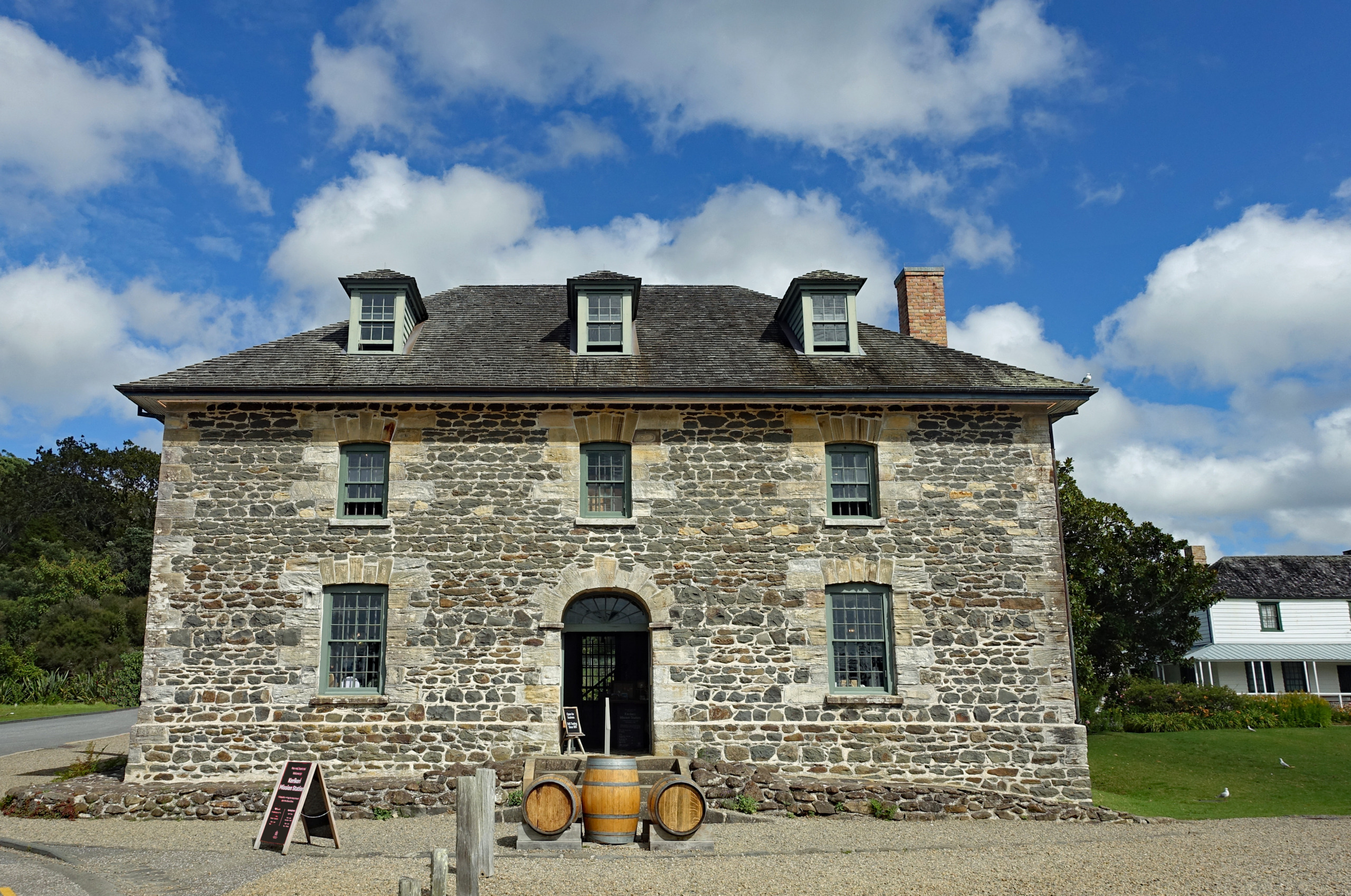
Not far from town, in Kerikeri Basin, is the famous Stone Store and Kemp House. The Stone Store holds the title of New Zealand’s oldest surviving commercial building, originally completed in 1836. The store was built using local basalt and sandstone imported from Australia, originally intended as a warehouse for the Church Missionary Society. Stepping inside feels like traveling back in time, as the interior maintains its original 19th-century grit and charm. Over the nearly 200 years it has stood, the building has served as a trading post, a kauri gum store, a school, a library, and even a barracks for soldiers during the Northern Wars. Located right next door is the Kemp House, the oldest surviving European building in New Zealand. Completed in 1822, it stands as a significant landmark of early contact between Māori and European settlers, having survived over two centuries of tribal warfare, floods, and societal change. The house was built for Reverend John Butler under the protection of the powerful Ngāpuhi chief Hongi Hika. After Butler’s departure in 1823, it became home to the mission storekeeper James Kemp and his family, whose descendants lived there until 1974.
Waianiwaniwa (Rainbow Falls) is a 27-meter single-drop waterfall located on the Kerikeri River close to Waipapa. Unlike most New Zealand waterfalls formed by soft rock erosion, these falls plunge over a hard basalt ledge on to the softer mudstone beneath. There are three distinct viewpoints of the falls. Two provide top-down perspectives of the 27-meter drop, while the third is located near the base of the falls.
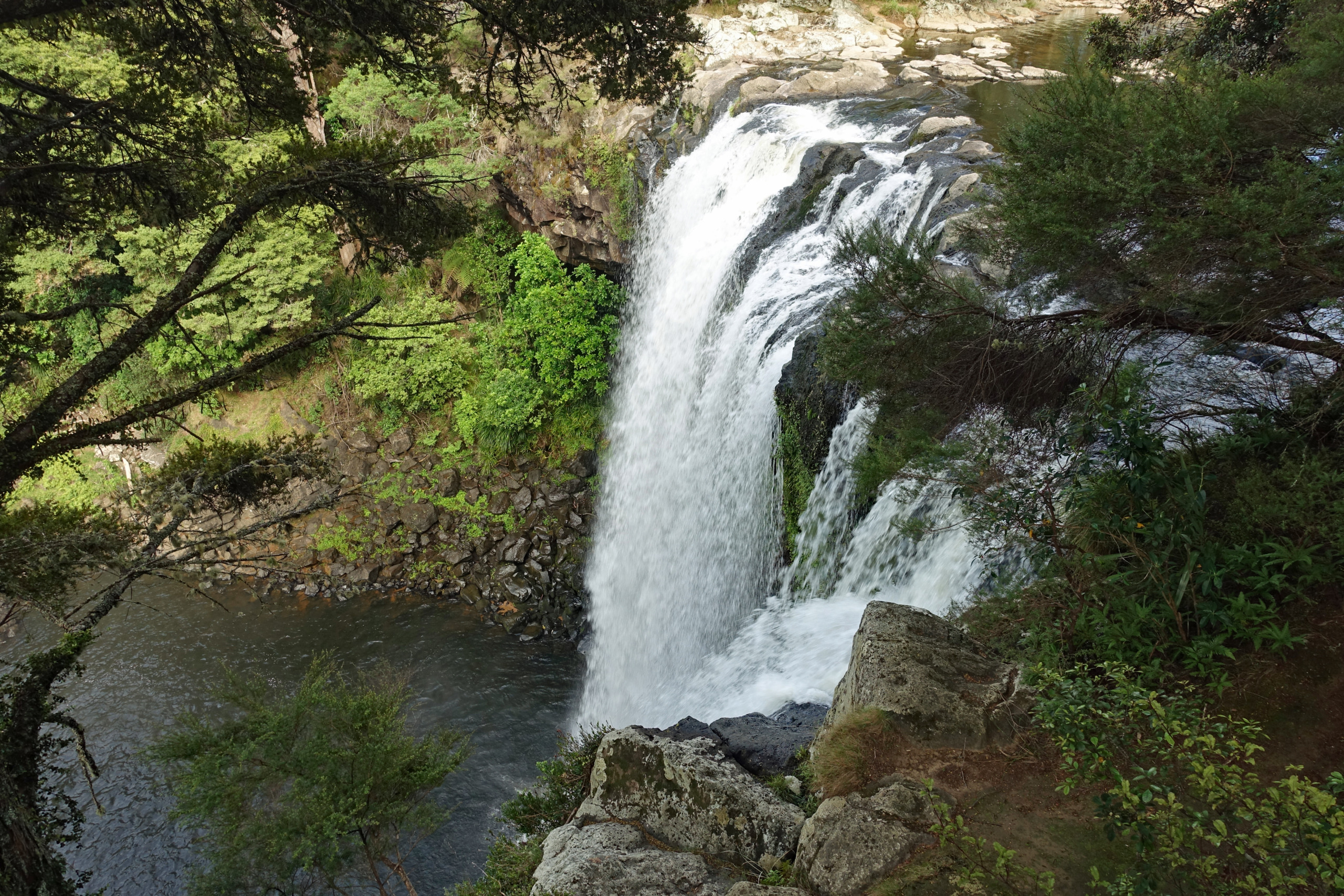
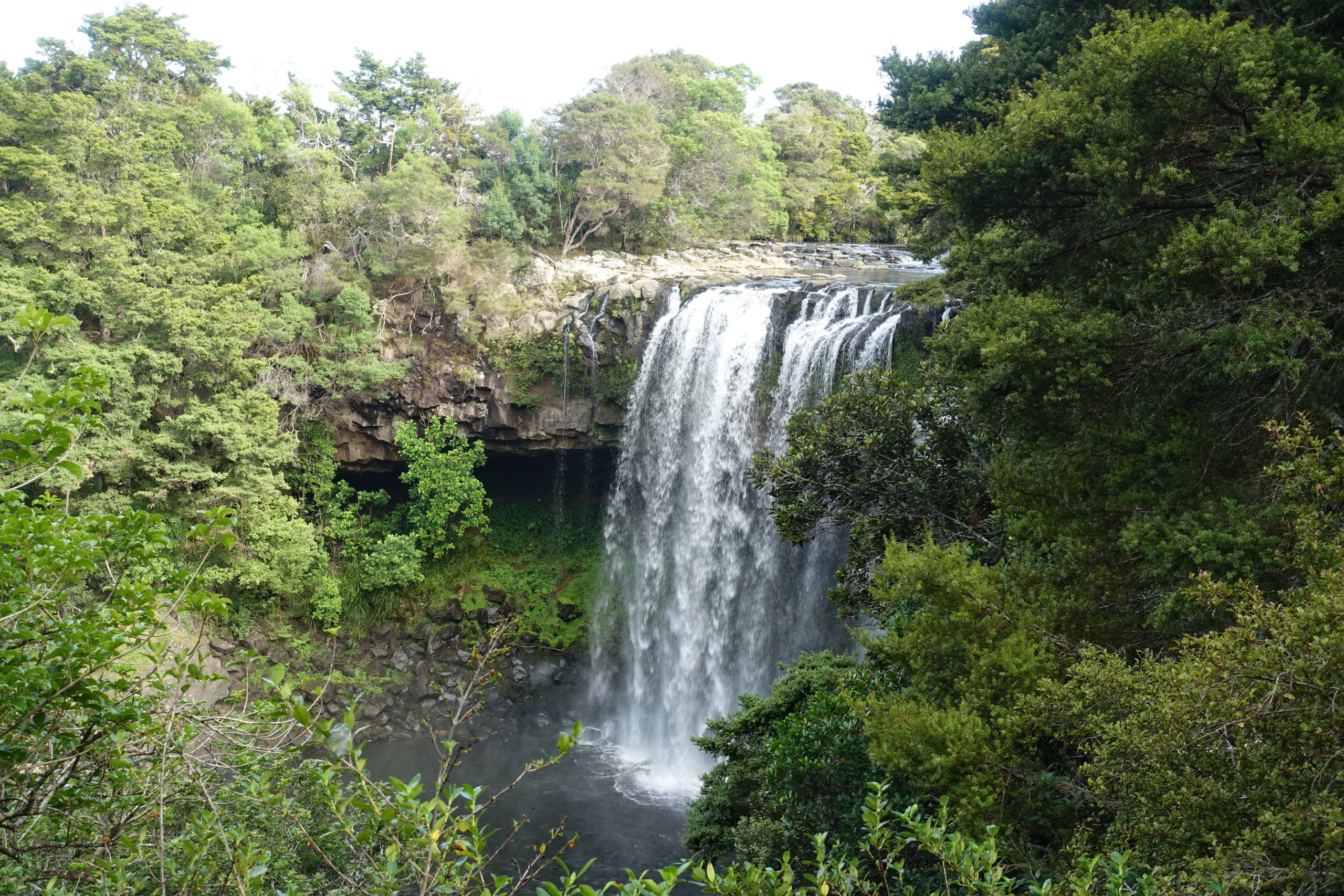
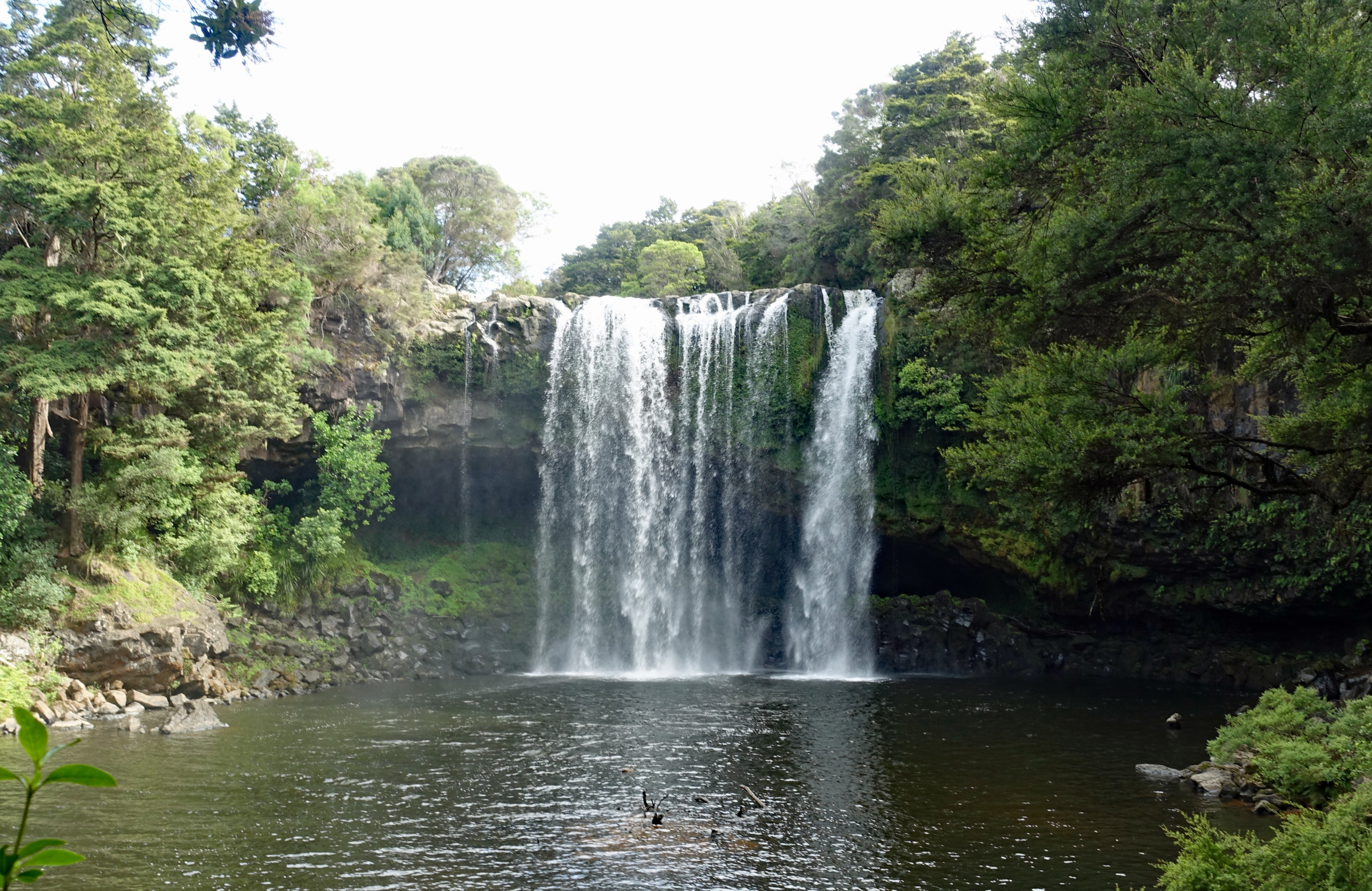
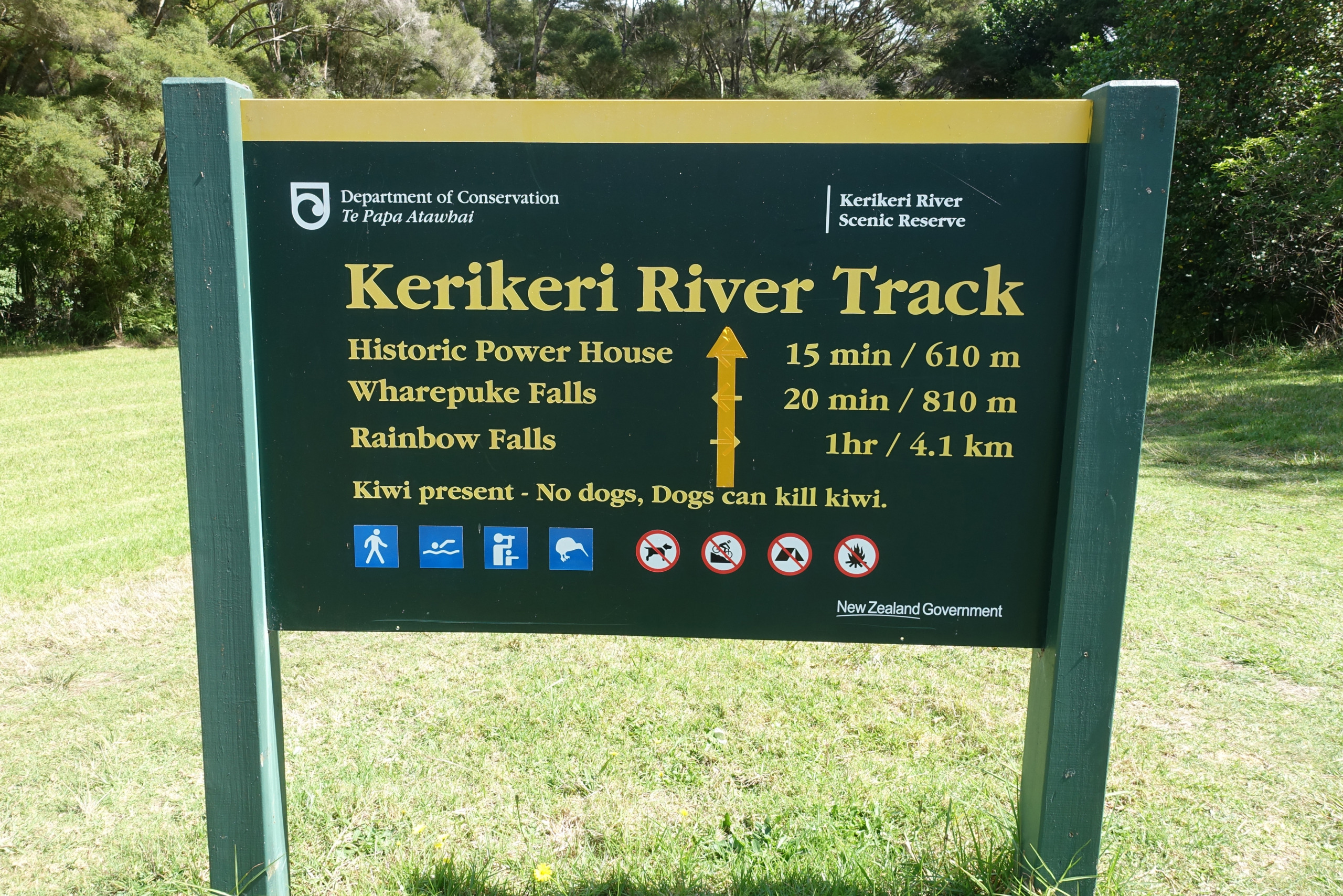
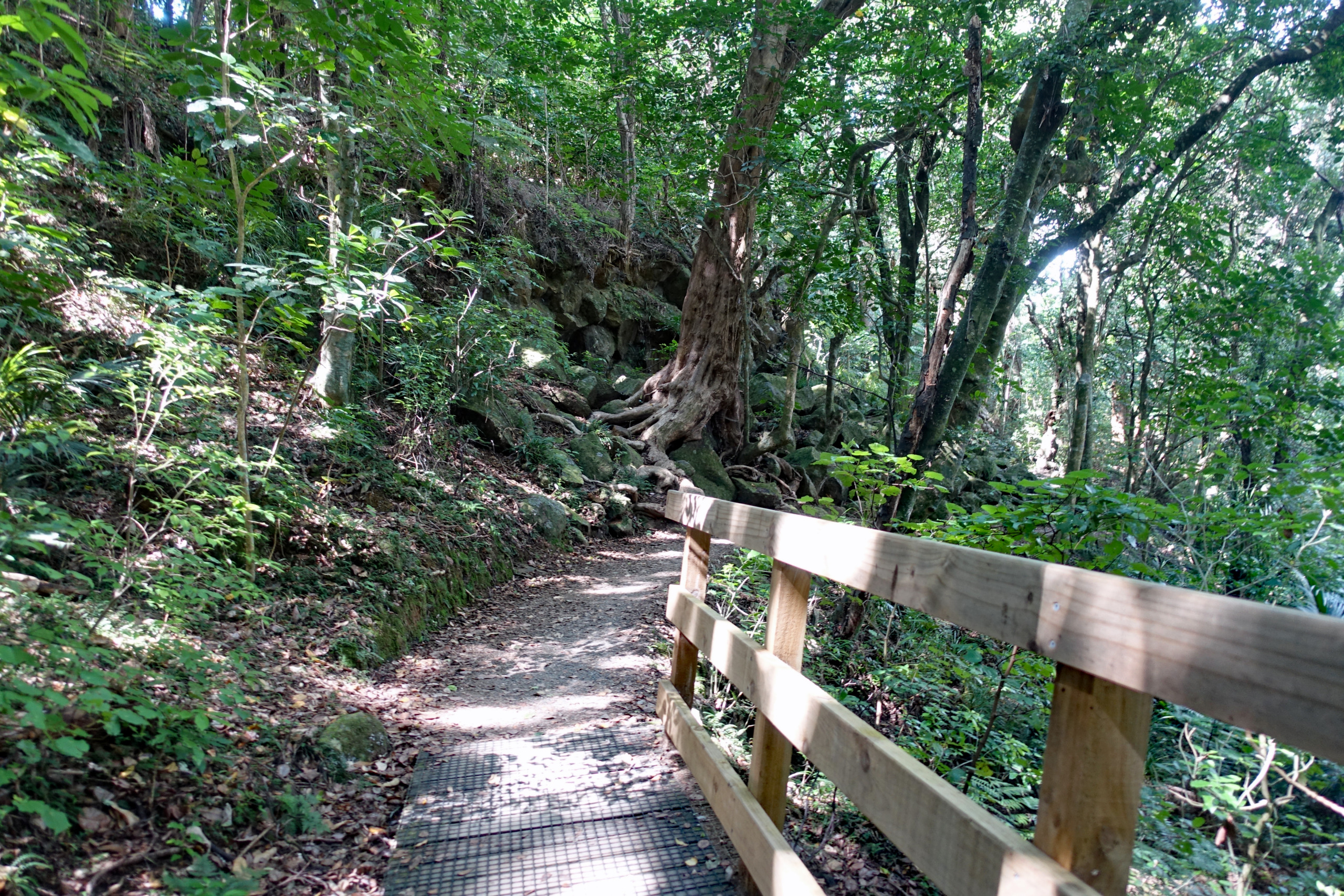
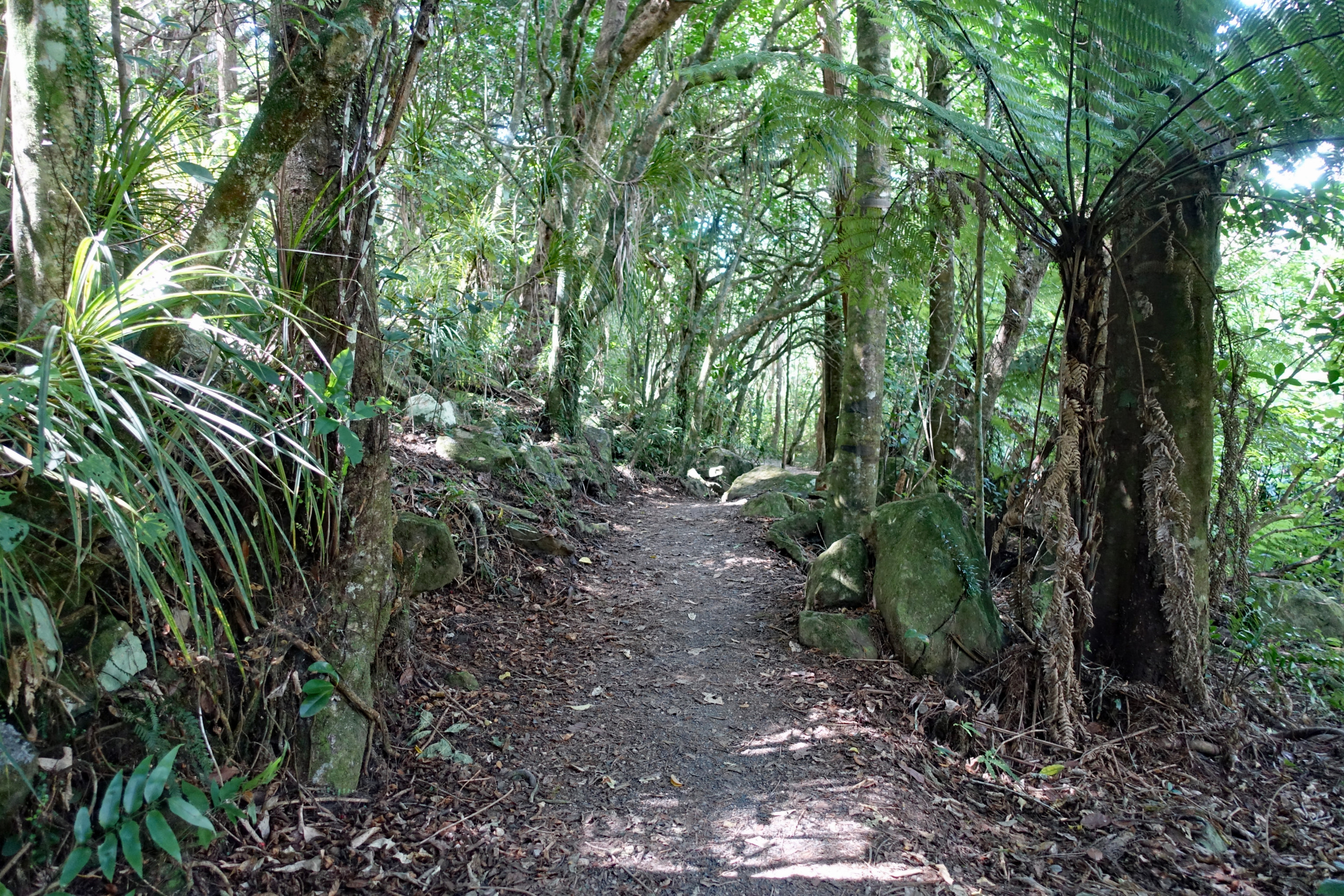
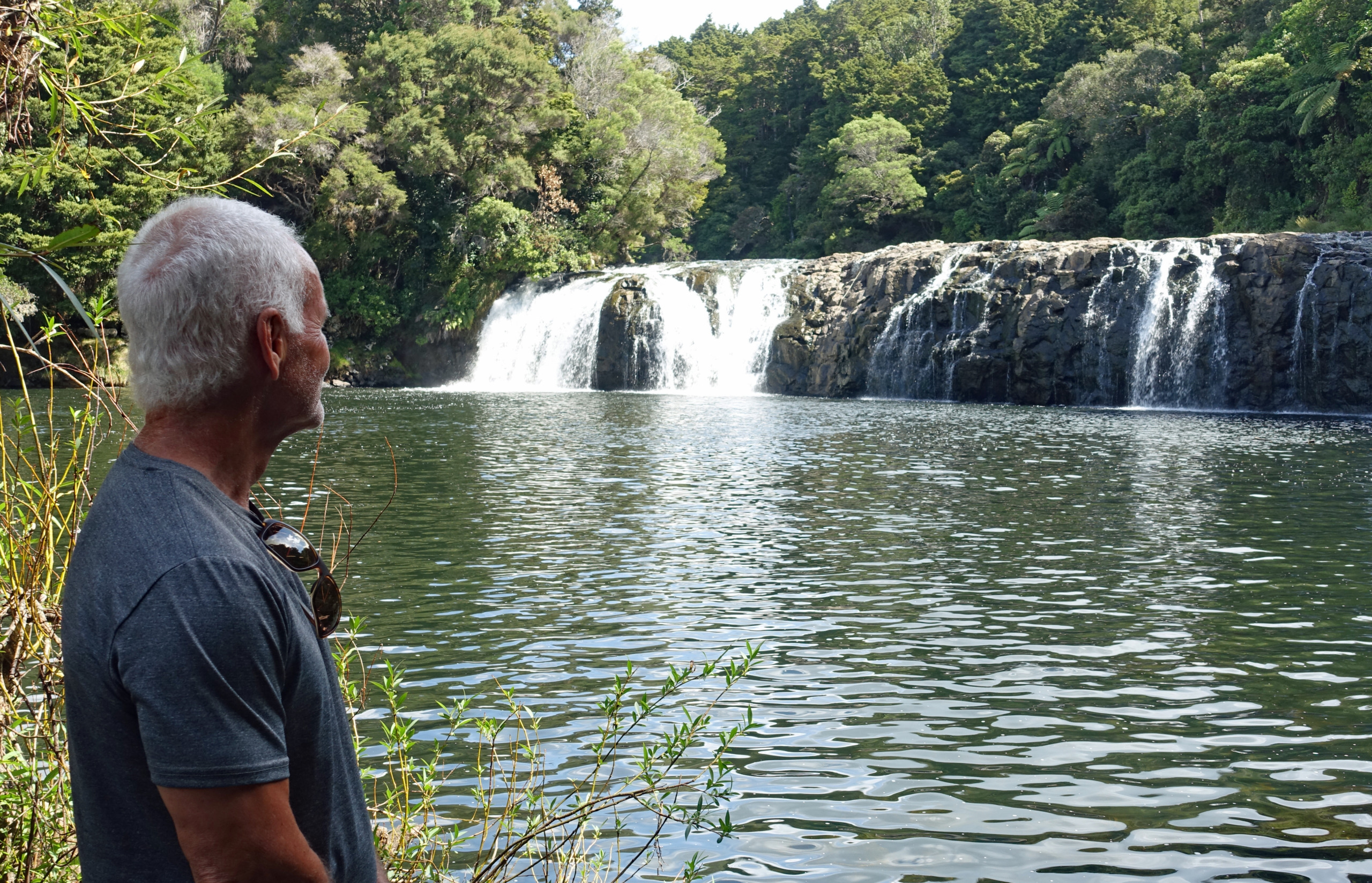
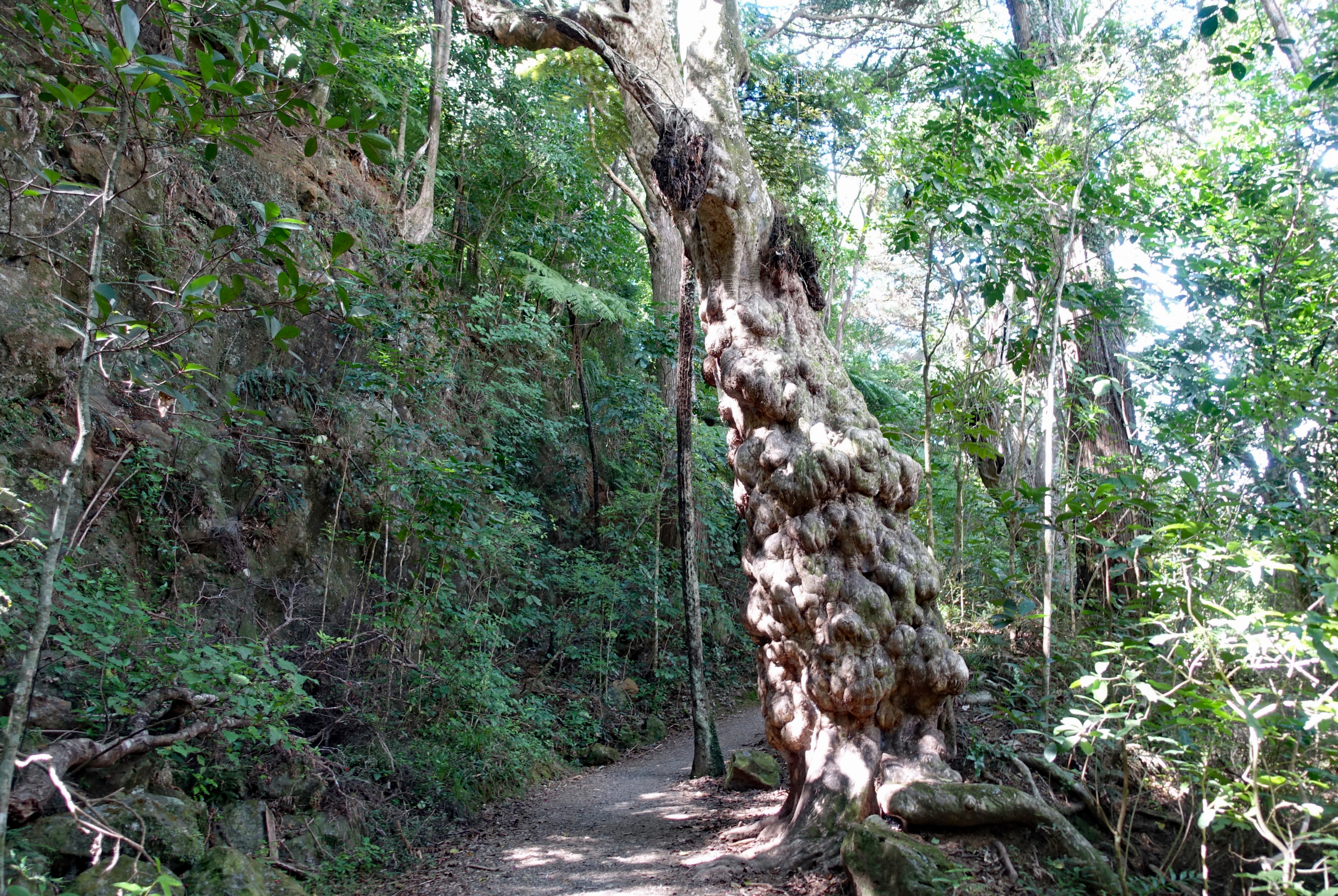
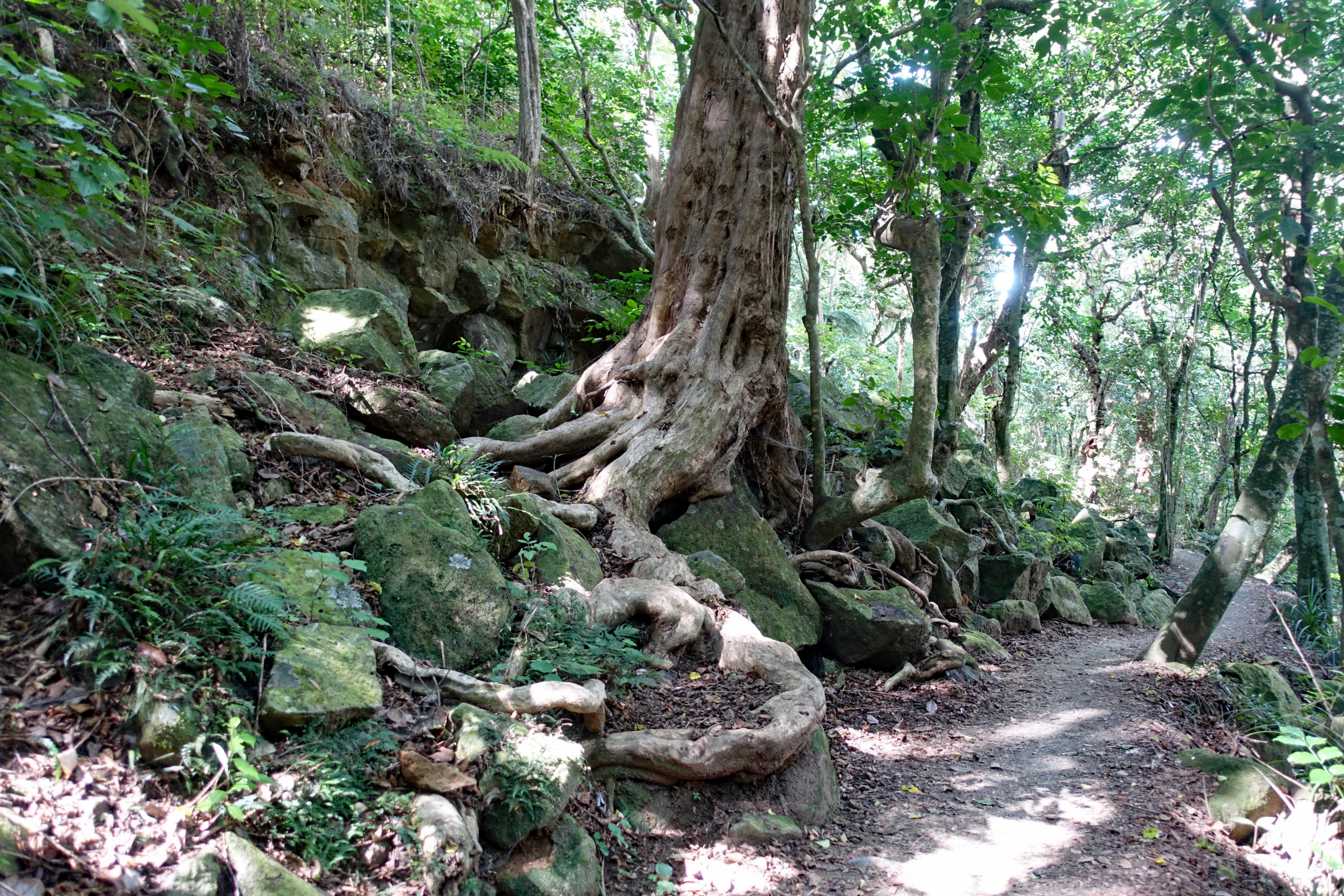
Stretching from the mist of Rainbow Falls to the colonial charm of the Stone Store, the Kerikeri River Track is a 4.1 km shaded sanctuary. The path winds through lush forests, past hidden swimming holes and the beautiful Wharepuke Falls. Our two-hour trek was a perfect way to keep us cool and out of the sun.
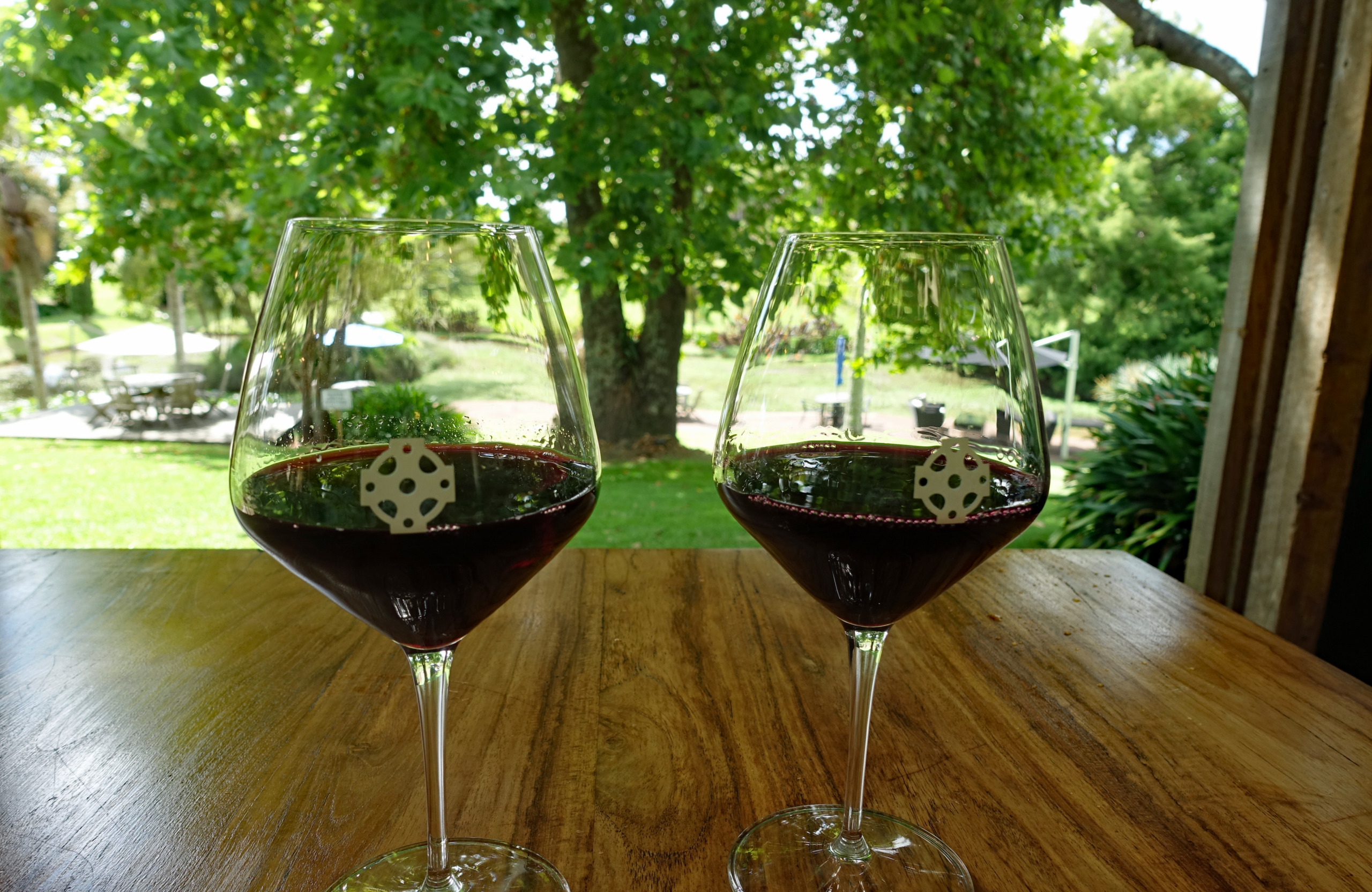
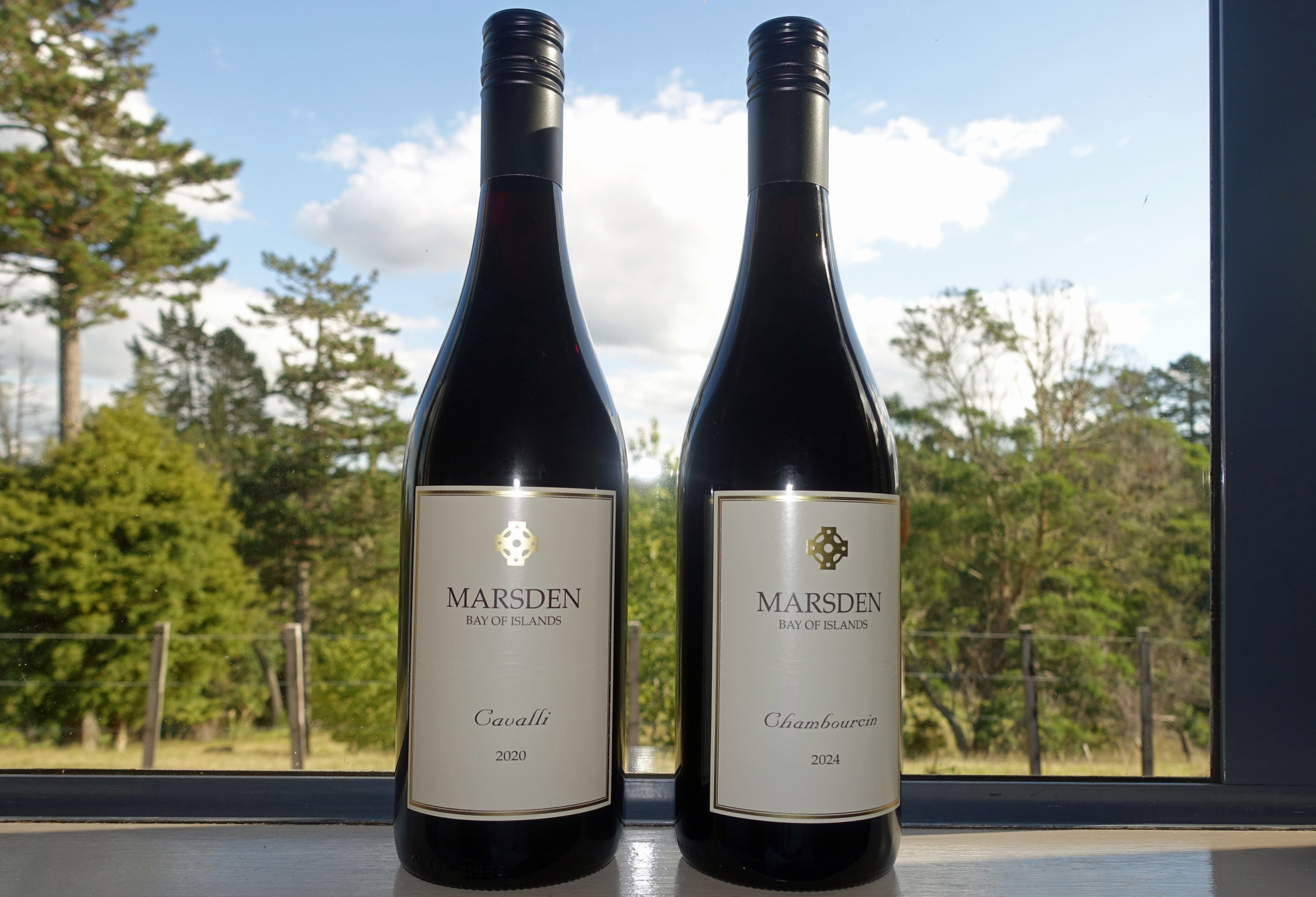
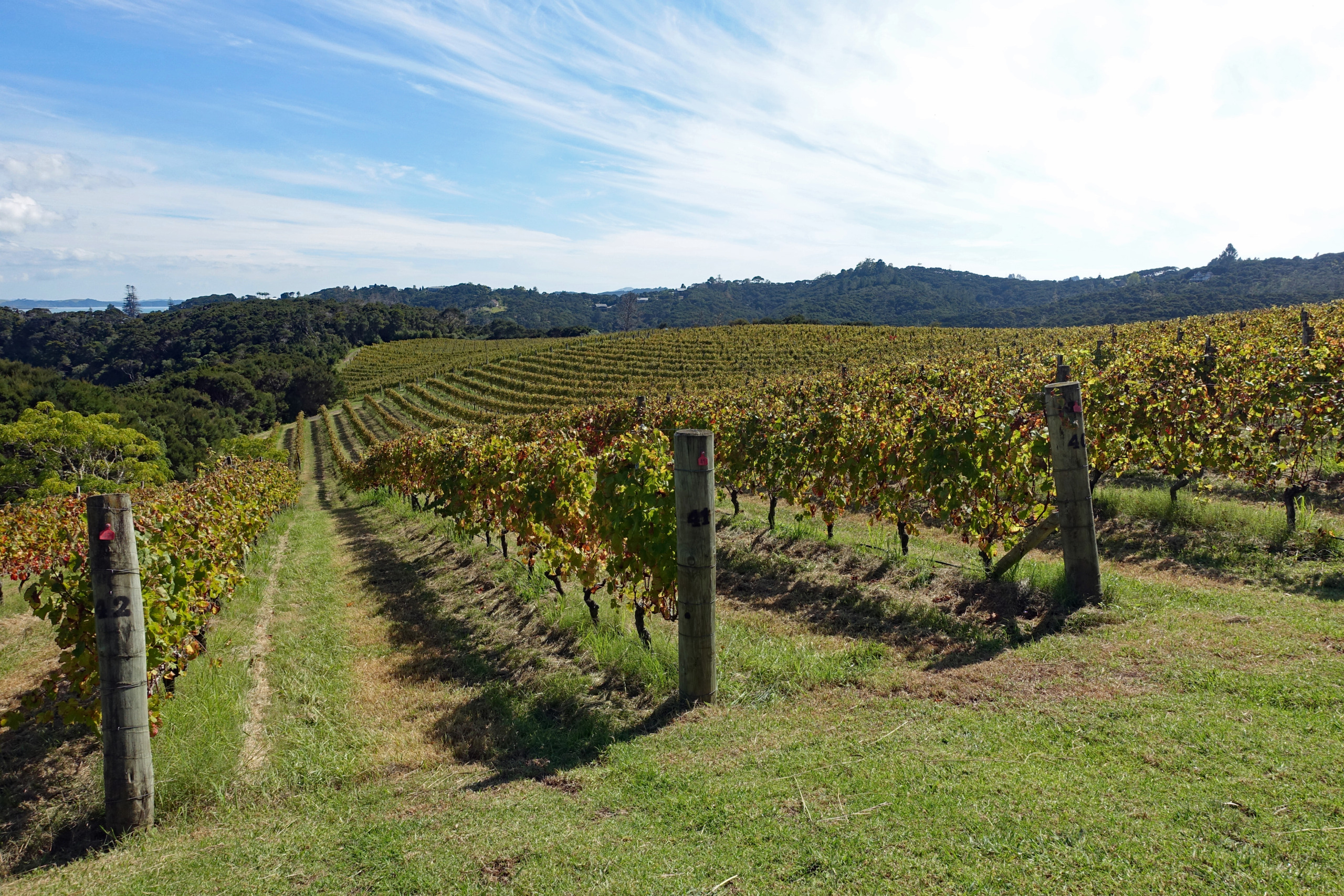
Just a stone’s throw from our cottage was Marsden Estate winery, a cornerstone of the Northland wine scene. Known for its collaborative spirit, the estate crafts labels for dozens of local growers alongside its own award-winning vintages. Since we prefer red wines over whites, we skipped the standard tasting flight and curated our own experience, selecting four distinct reds. We settled onto the vine-shaded terrace overlooking a private lake and ten acres of rolling vines, and by the end of the afternoon, two bottles emerged as our favorites: the Cavalli—a signature estate blend—and the Chambourcin, a fascinating French hybrid.
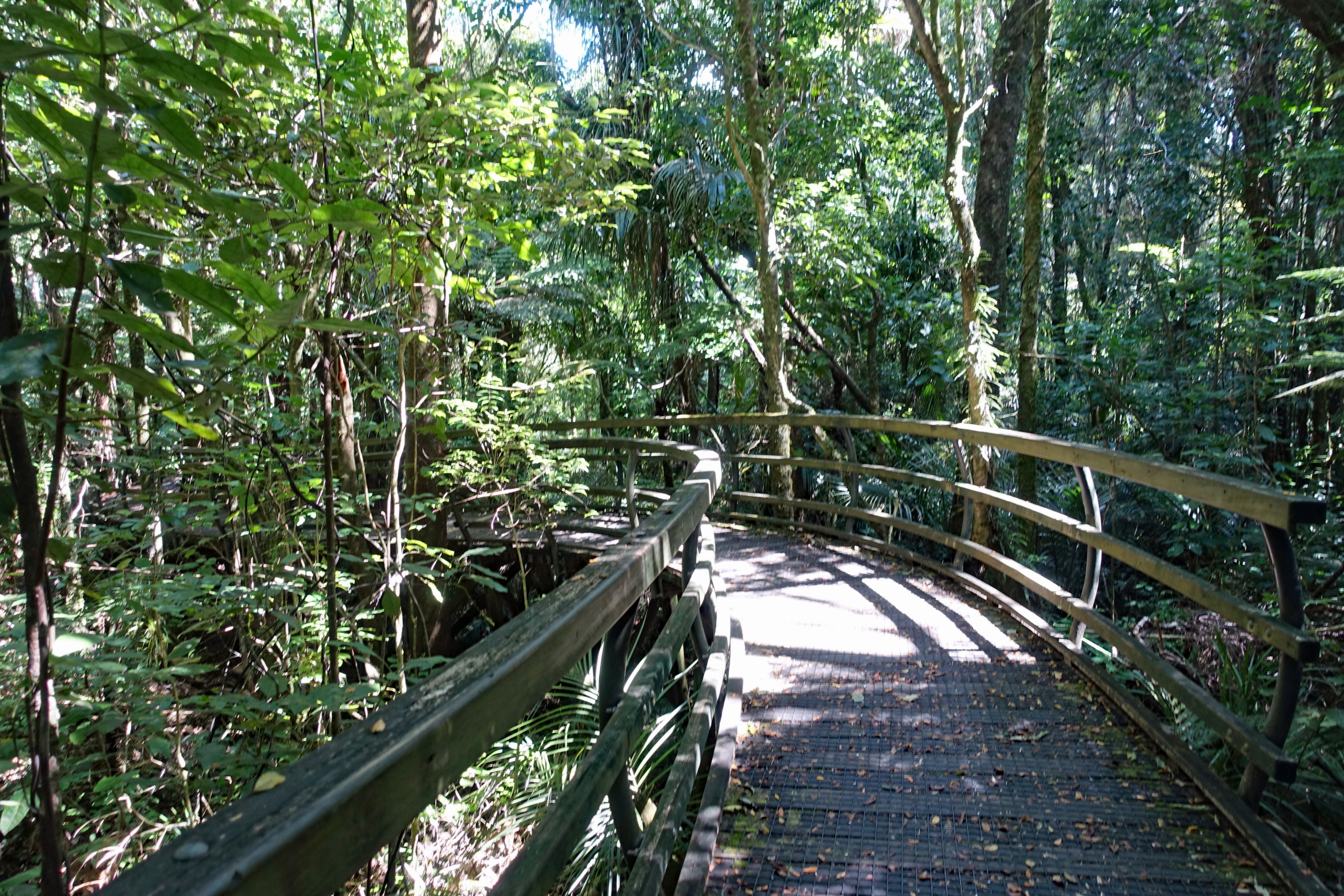
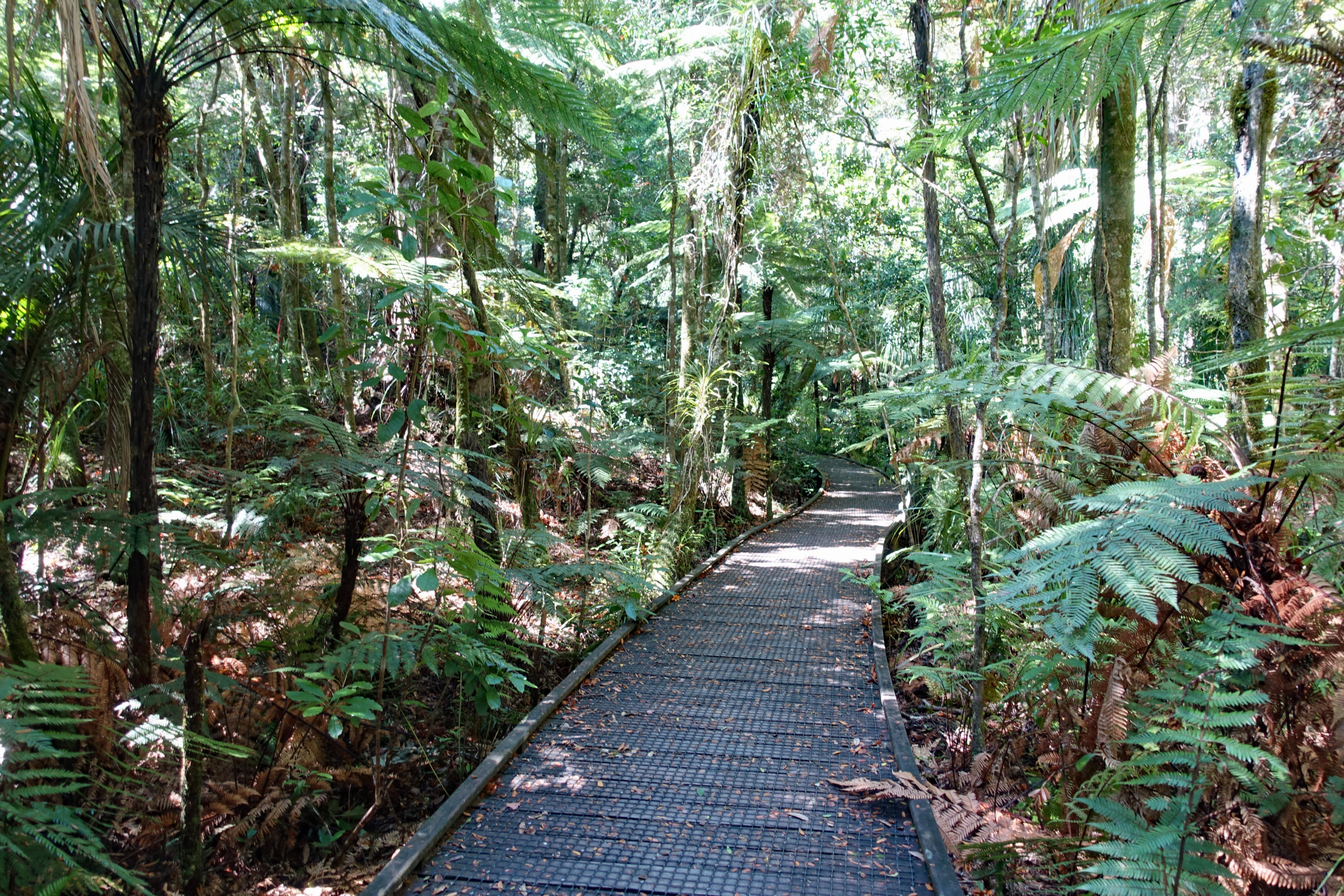
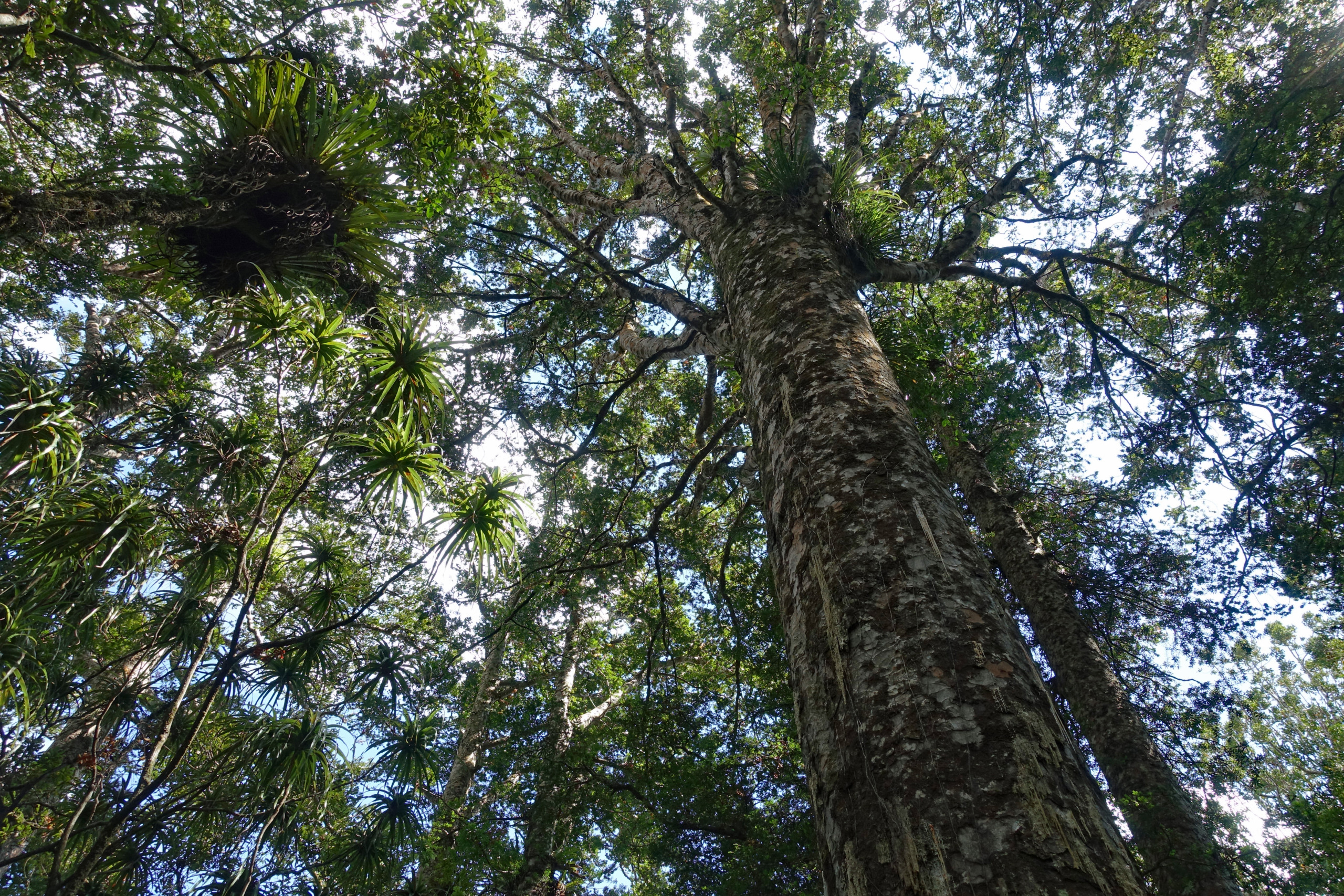
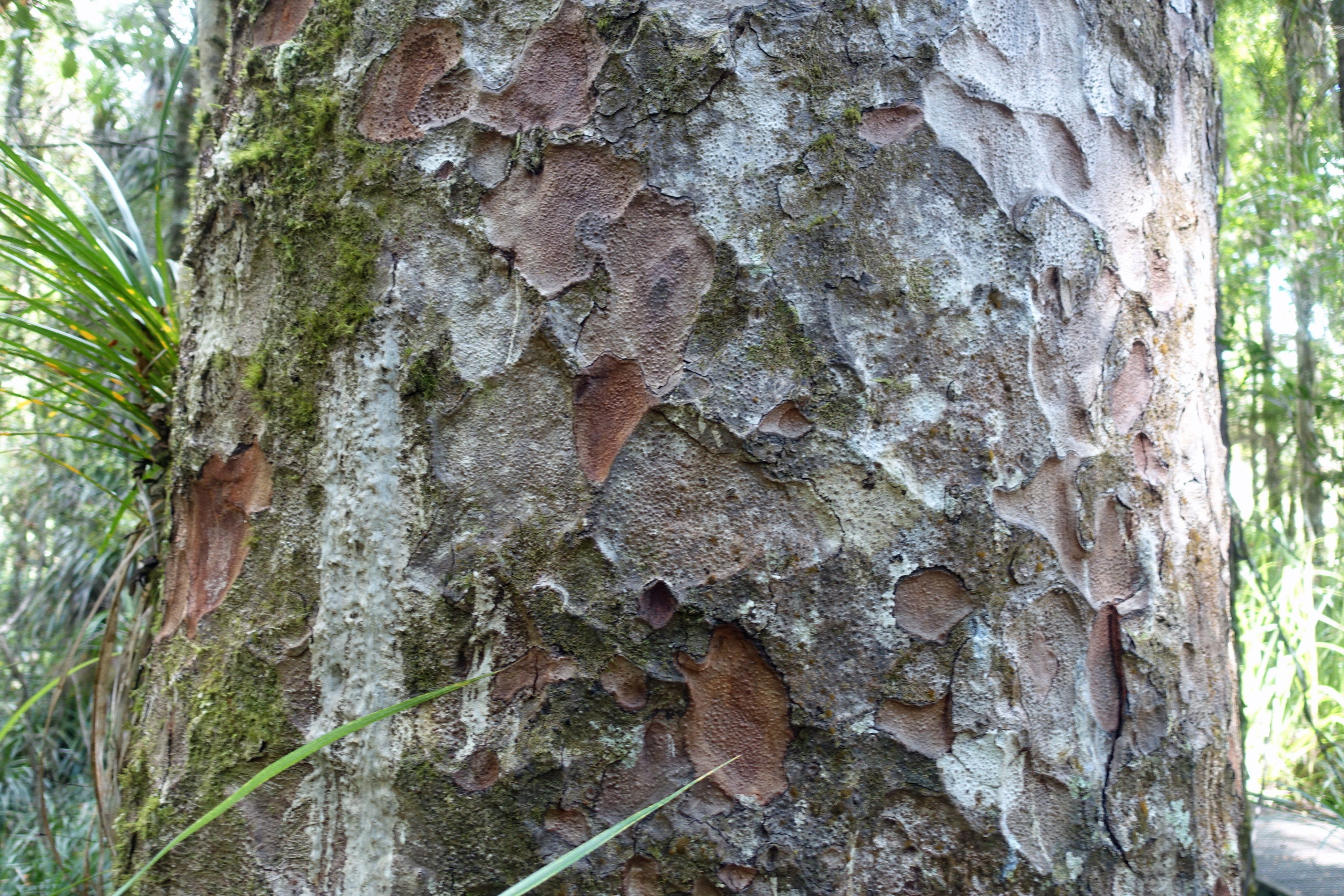
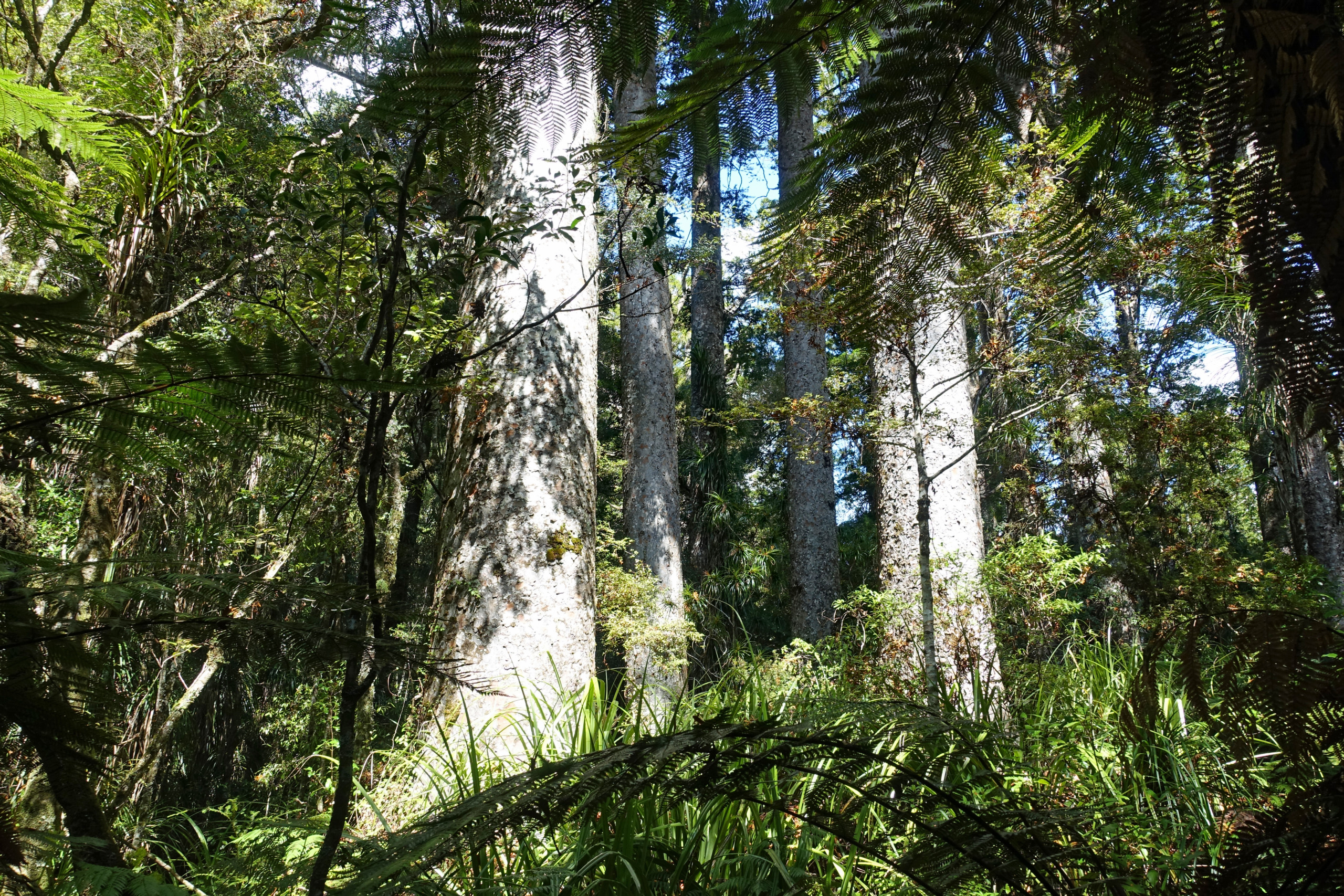
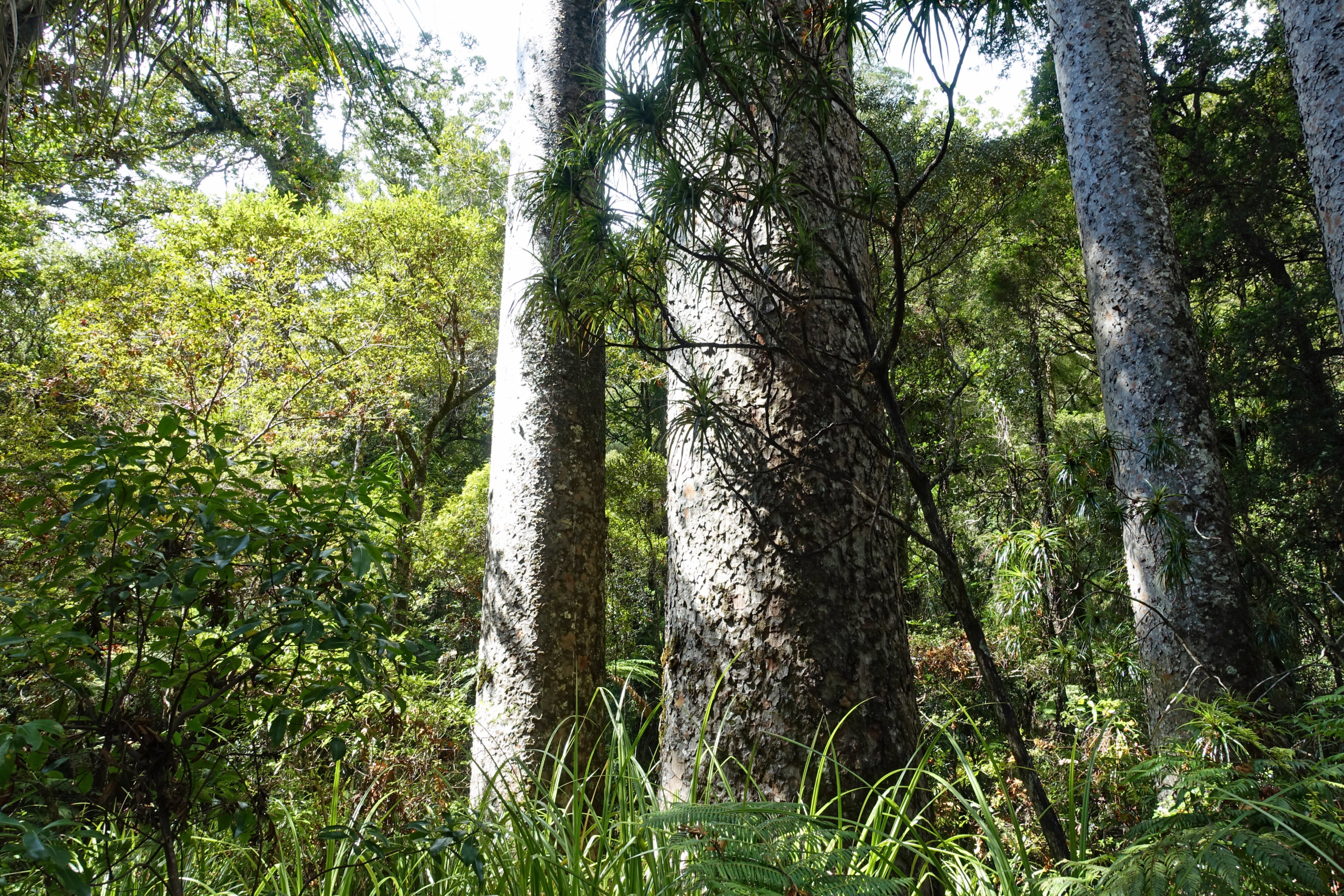
The Kauri Walk is a short, elevated path through a world of giants. Here in the Puketi Forest, the Kauri trees rise like ancient monuments, their wide trunks reaching towards the clouds. The Kauri tree is among the largest and longest-living tree on earth and while not the tallest, they are famous for their massive, cylindrical trunks that do not taper as they grow. They can reach over 50 meters in height with trunk girths exceeding 15 meters. Kauri’s can live for over 2,000 years and some that are alive today were saplings during the Roman Empire. In the 1800’s, European settlers prized Kauri for its straight, strong, and rot-resistant timber, ideal for ship masts and construction.
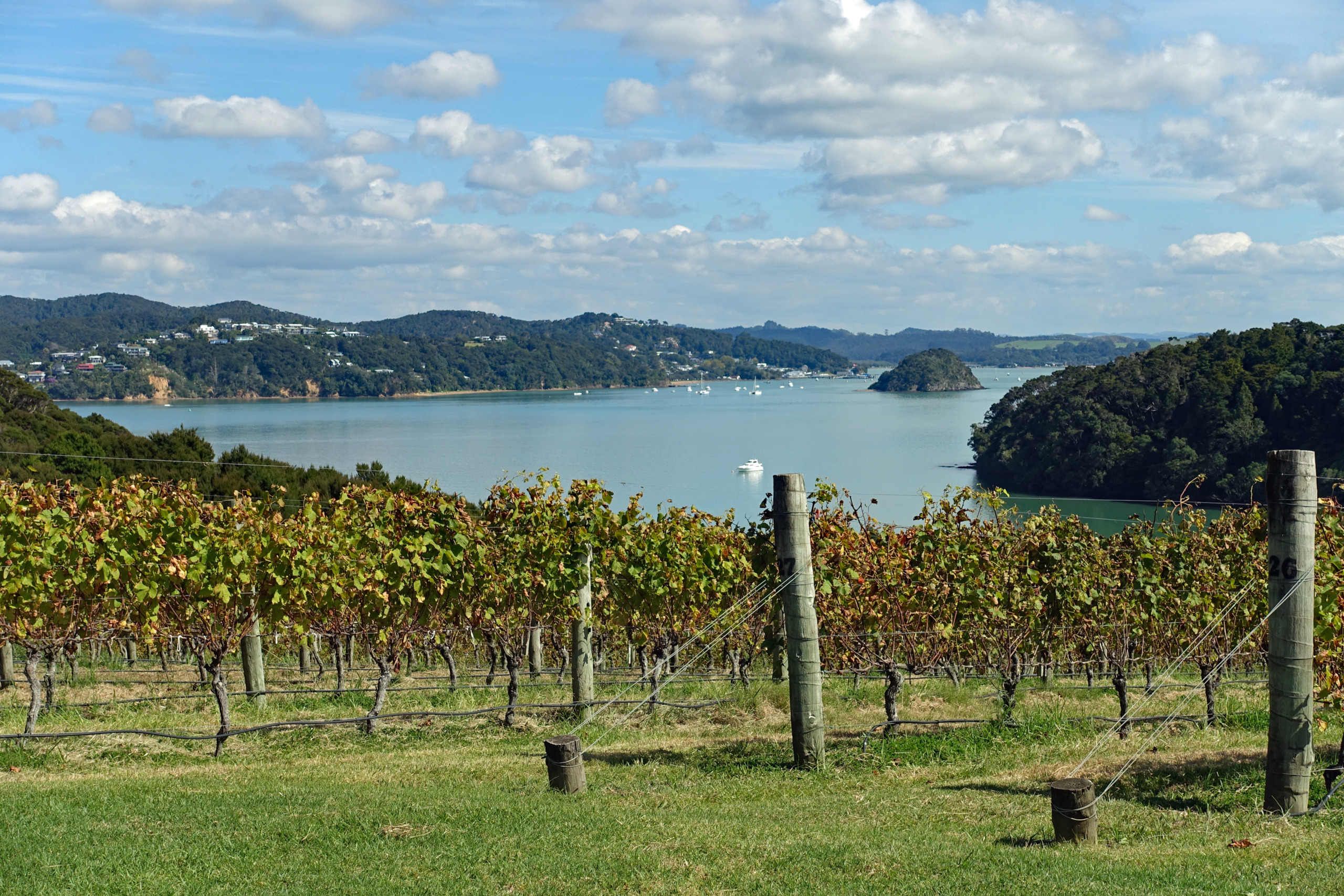
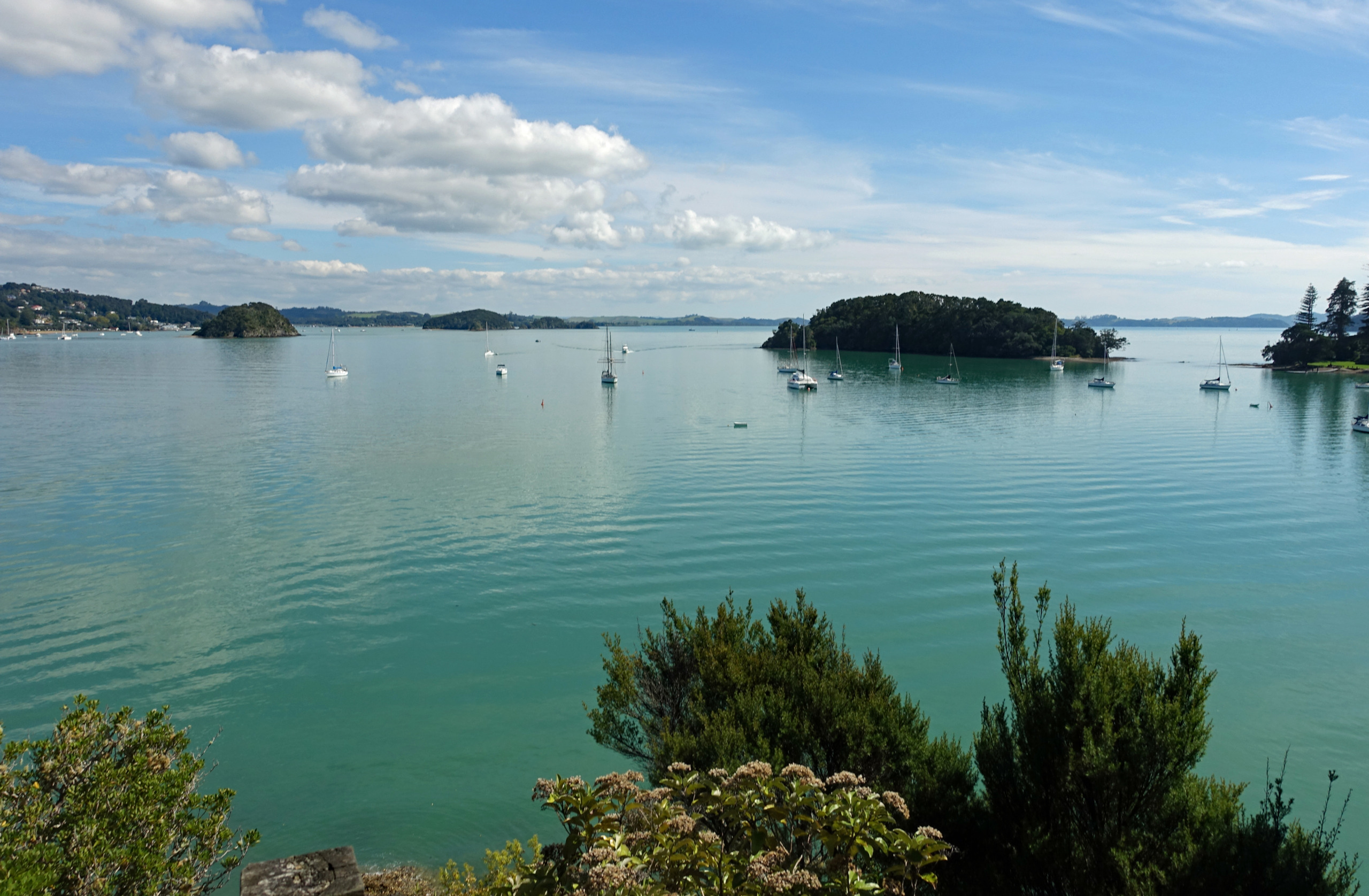
While Paihia remains the bustling heart of the Bay of Islands—and the primary hub for incoming cruise ships—we chose the quieter side of the bay. Having explored the main town before, we headed south to Opua where we caught the car ferry for the short, scenic hop over to the Russell Peninsula. A return trip ticket cost $37 NZD ($22.42 USD). Here is how we spent our day on the other side:.
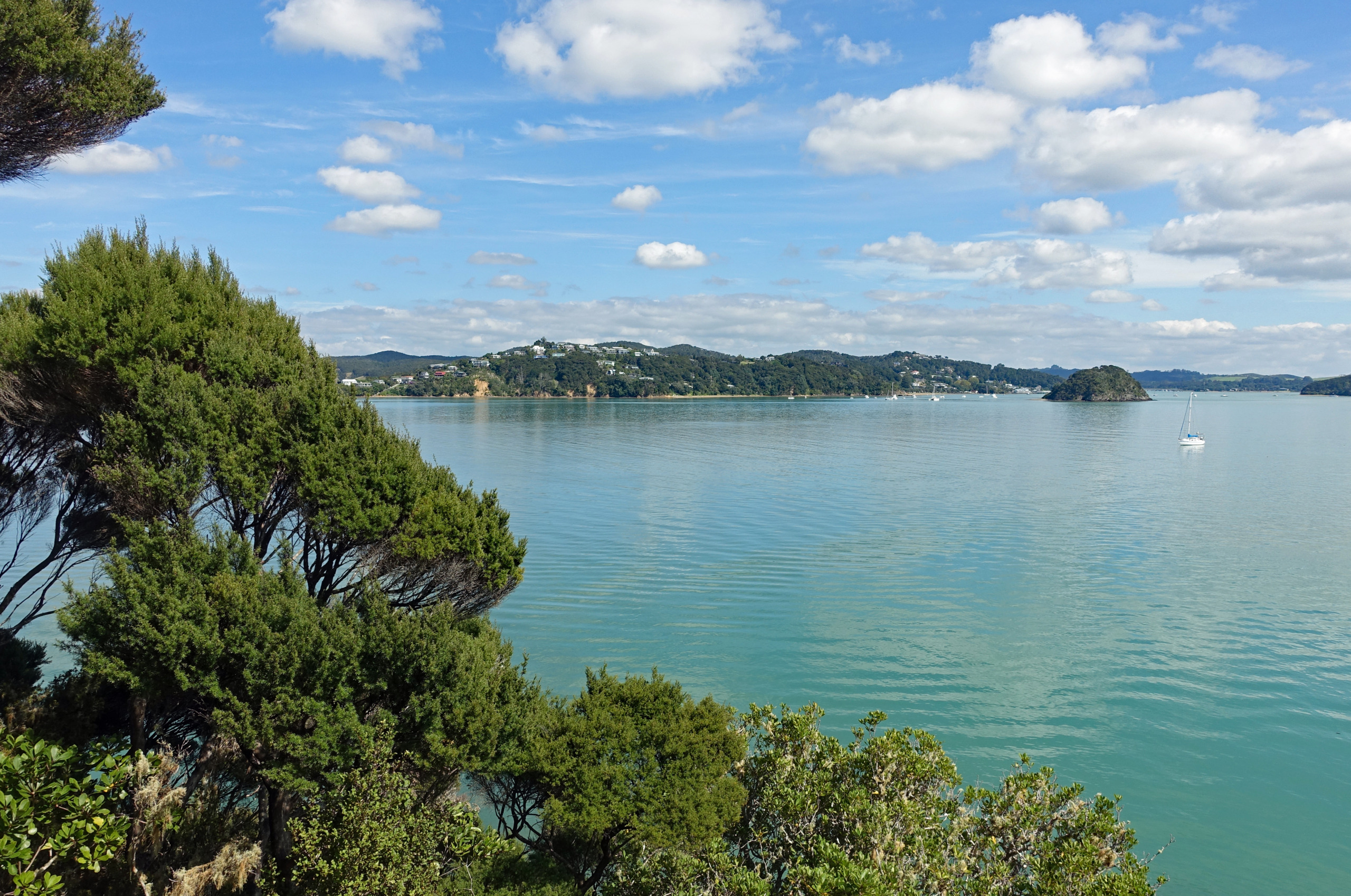
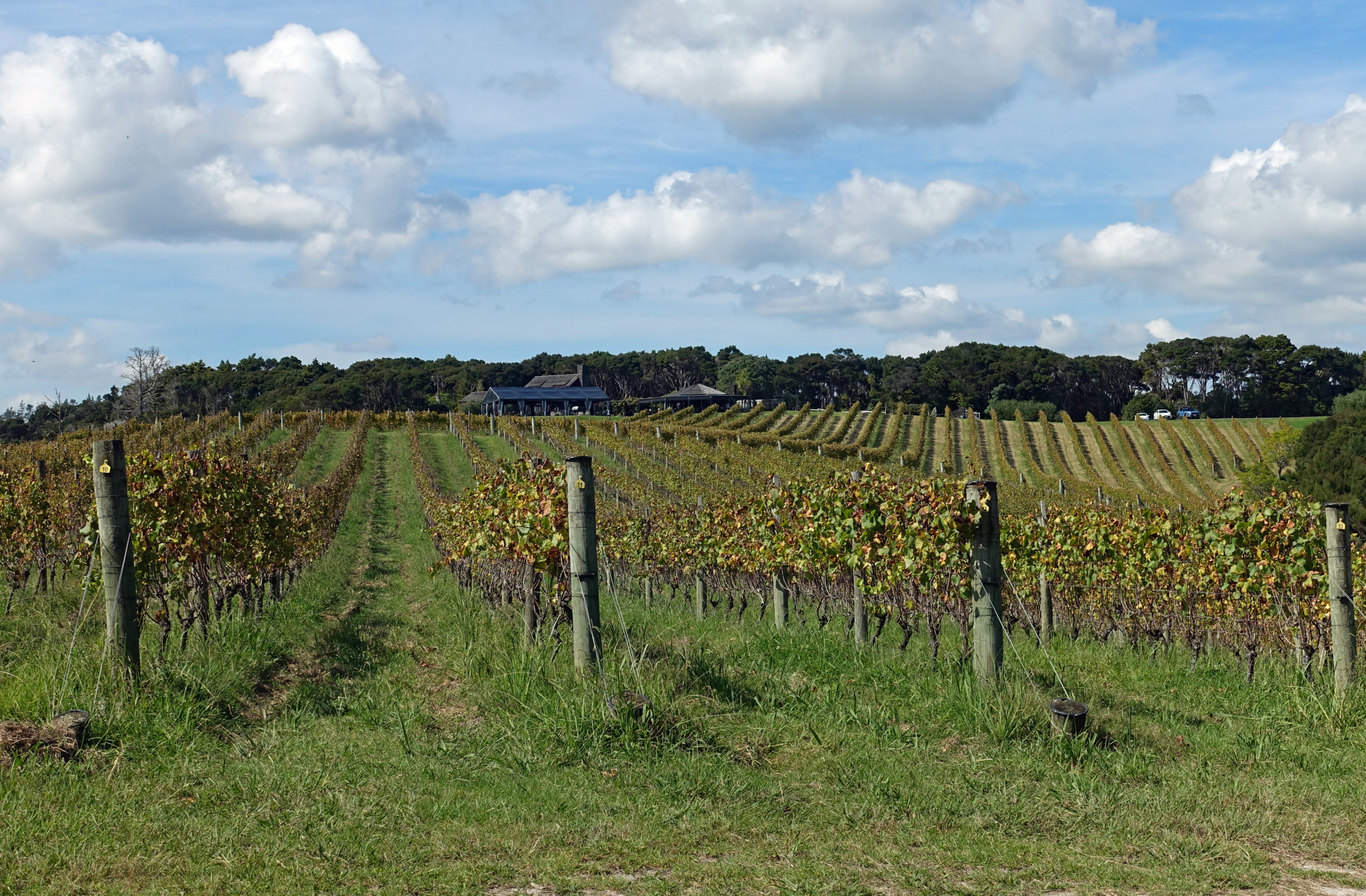
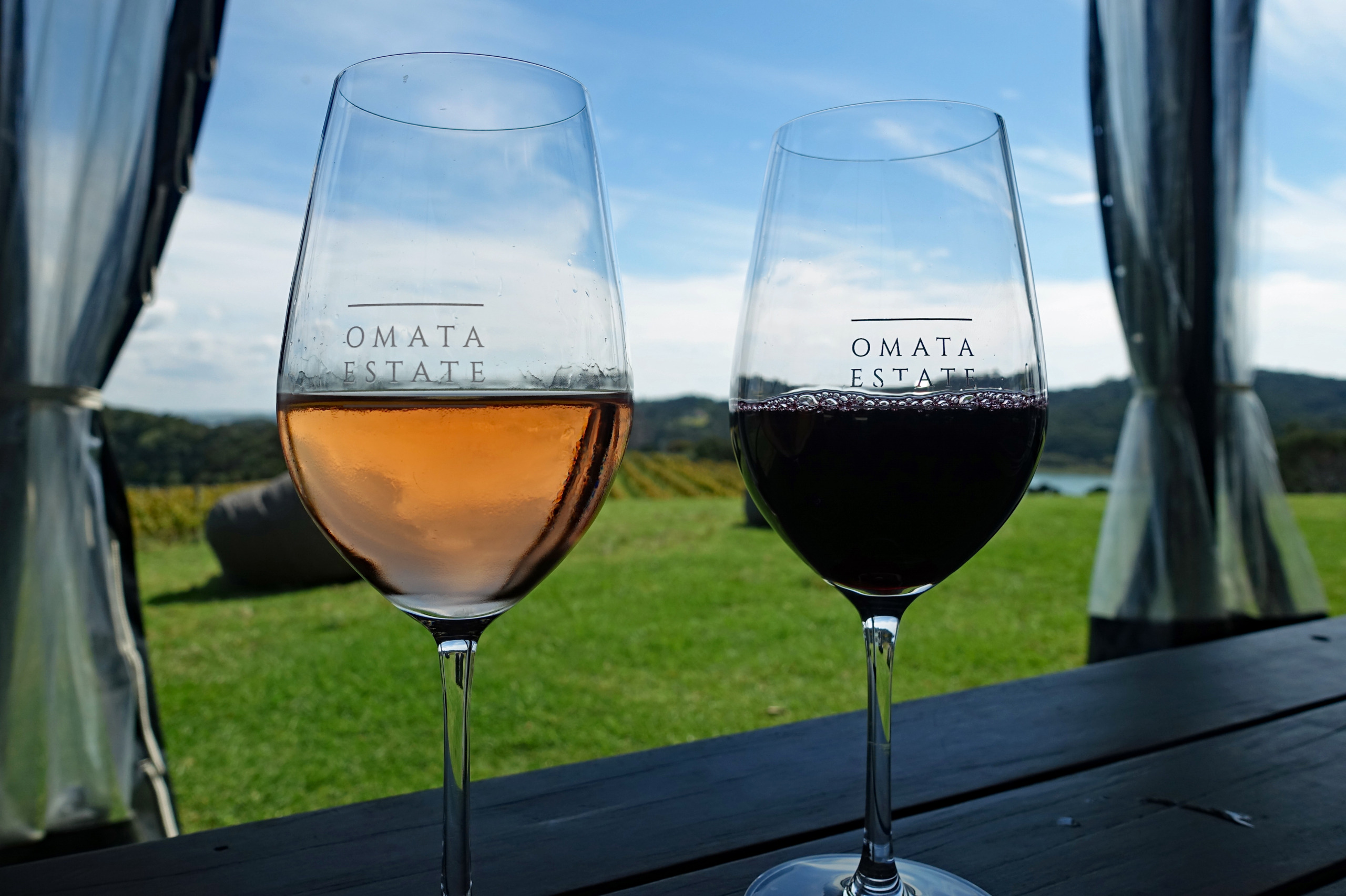
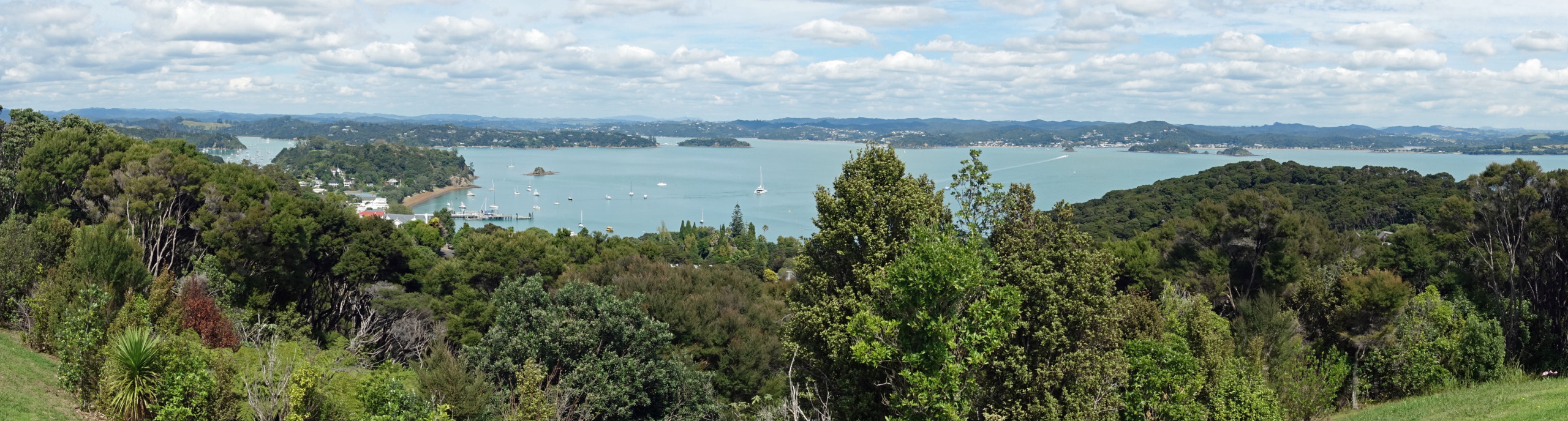
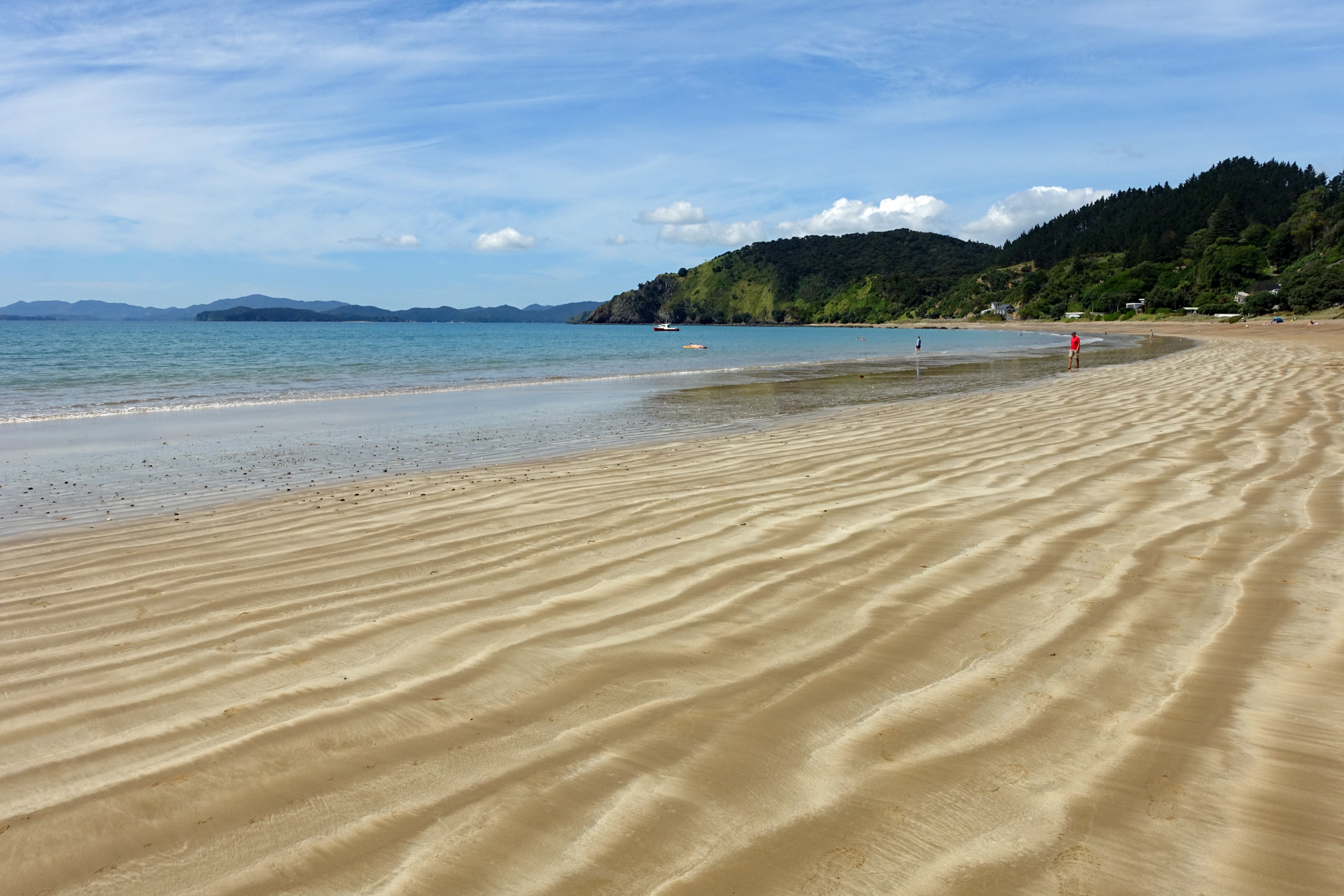
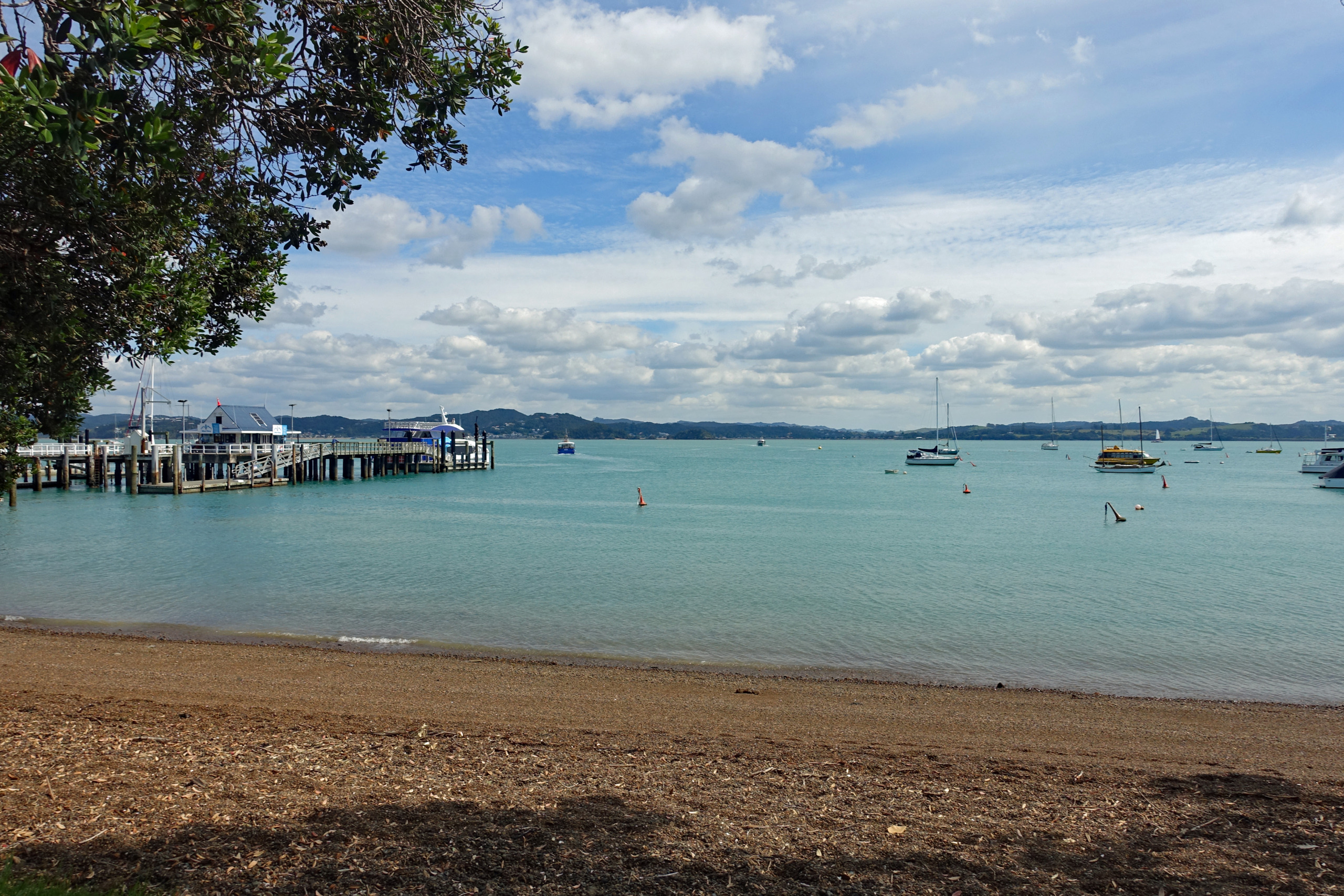
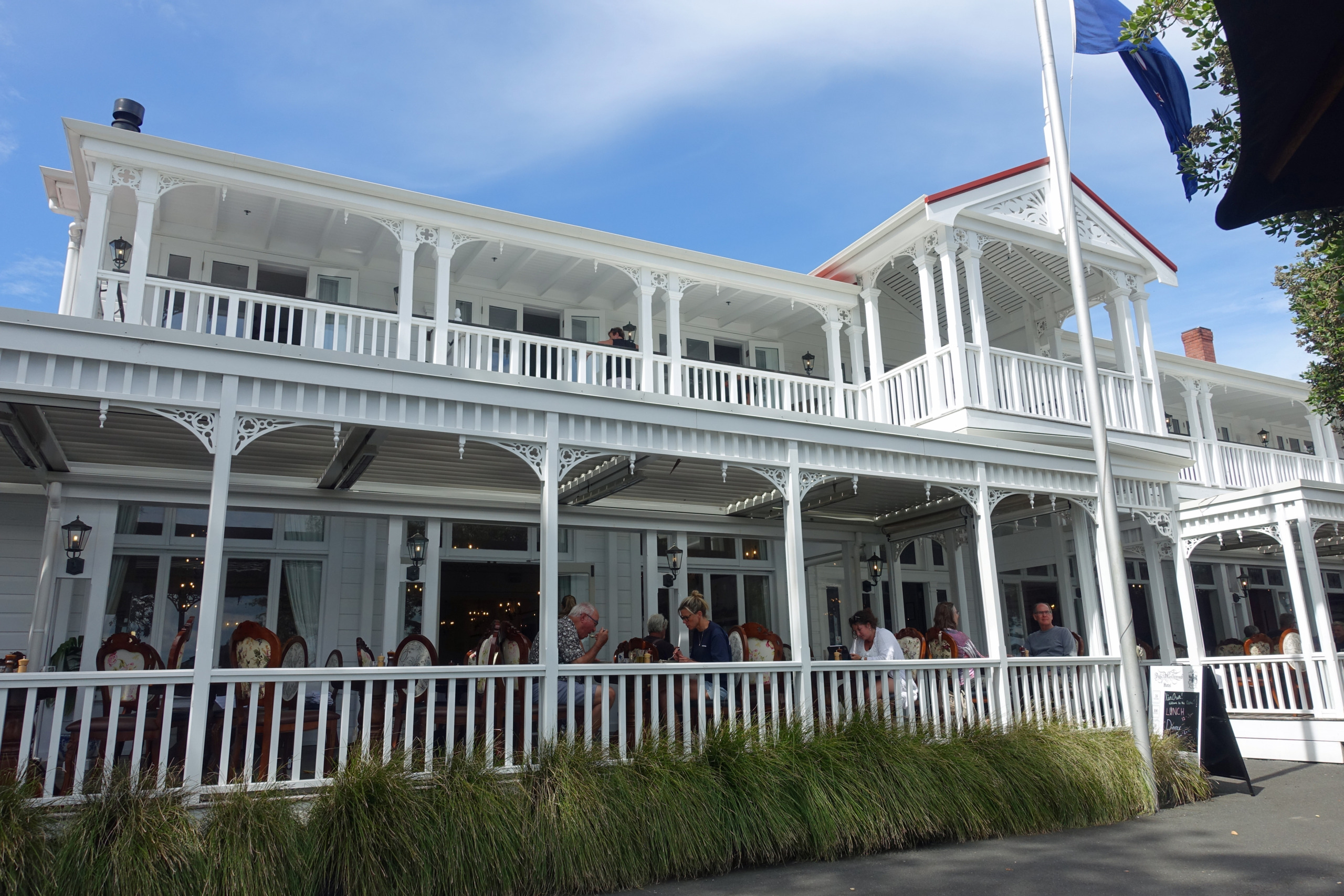
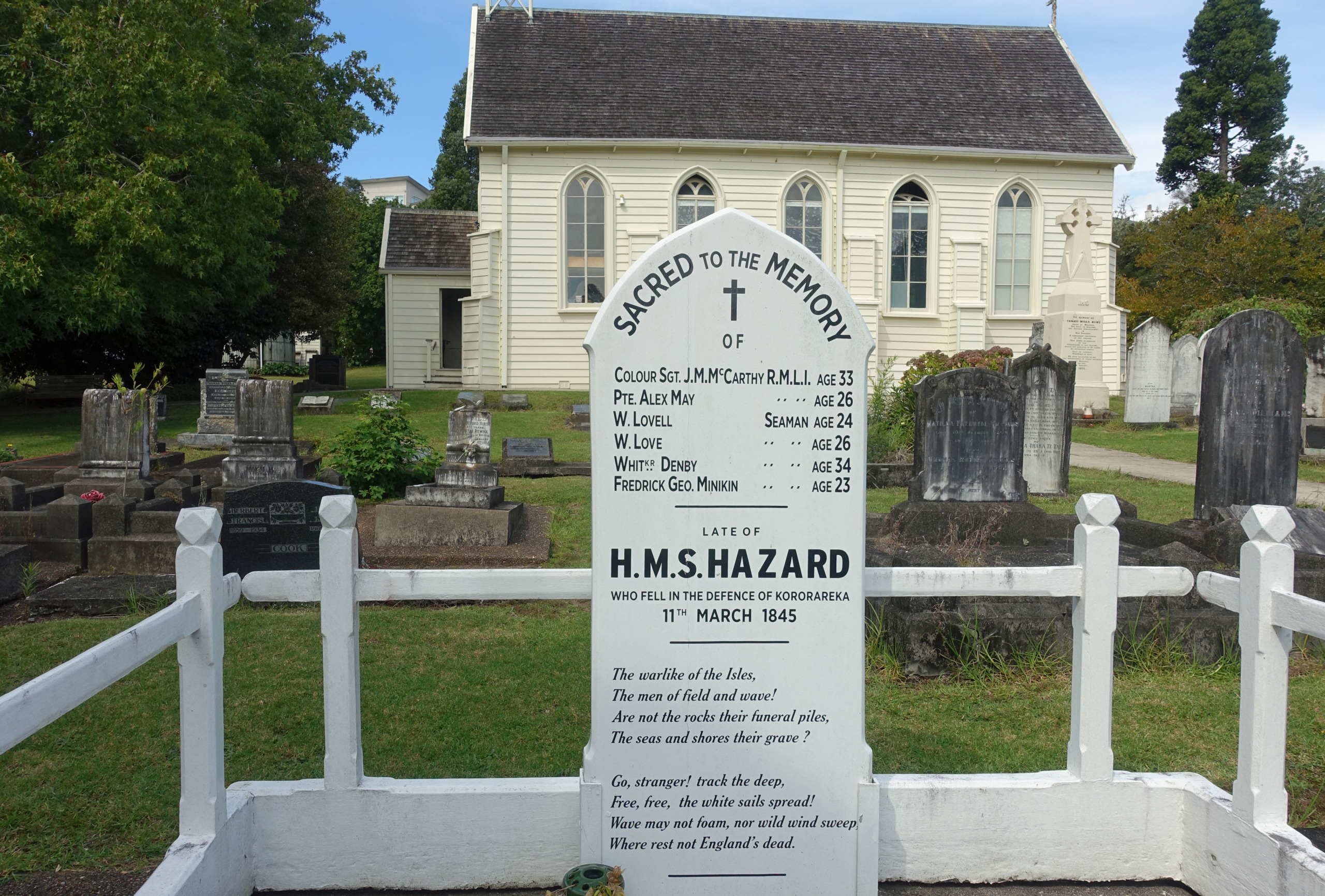
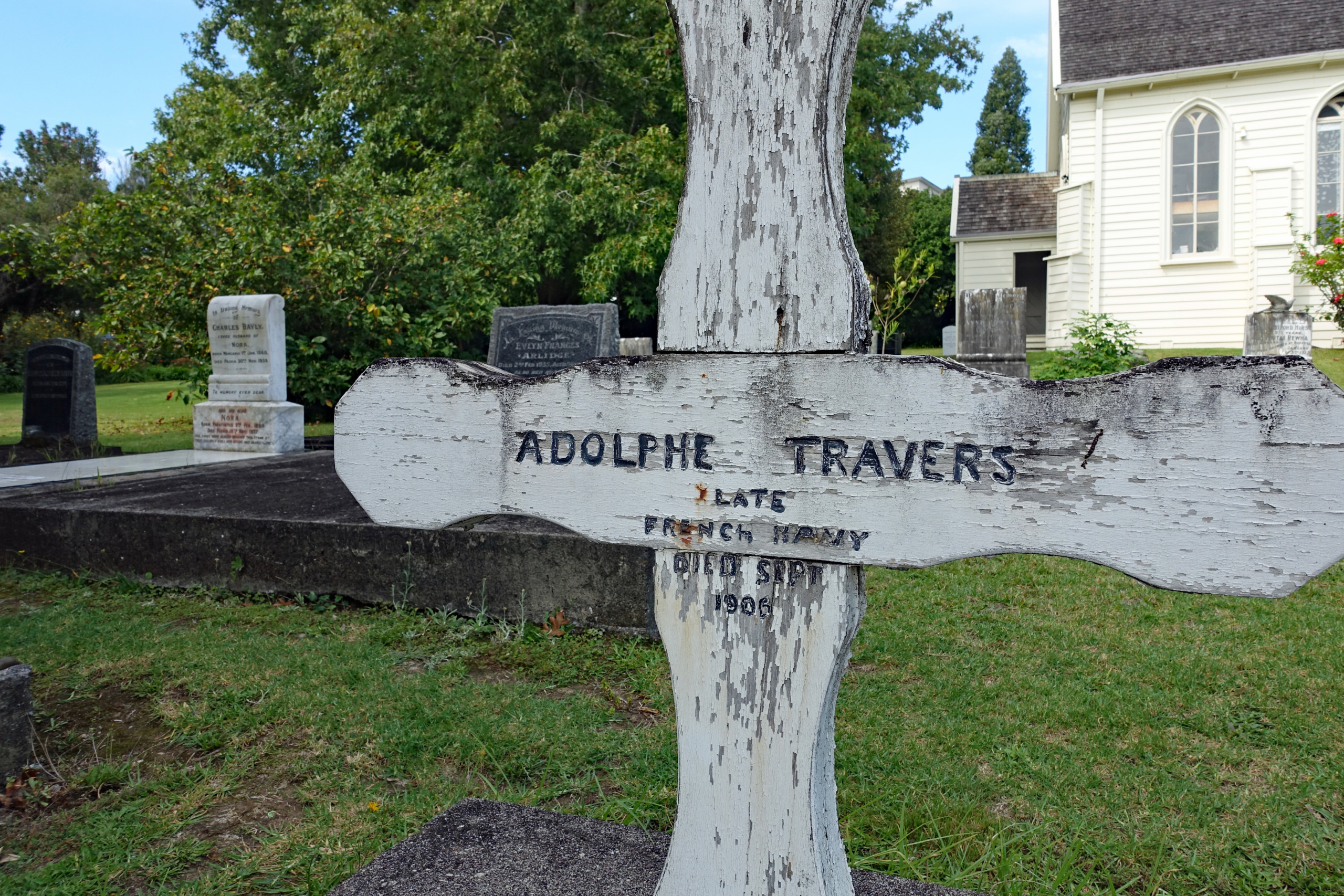
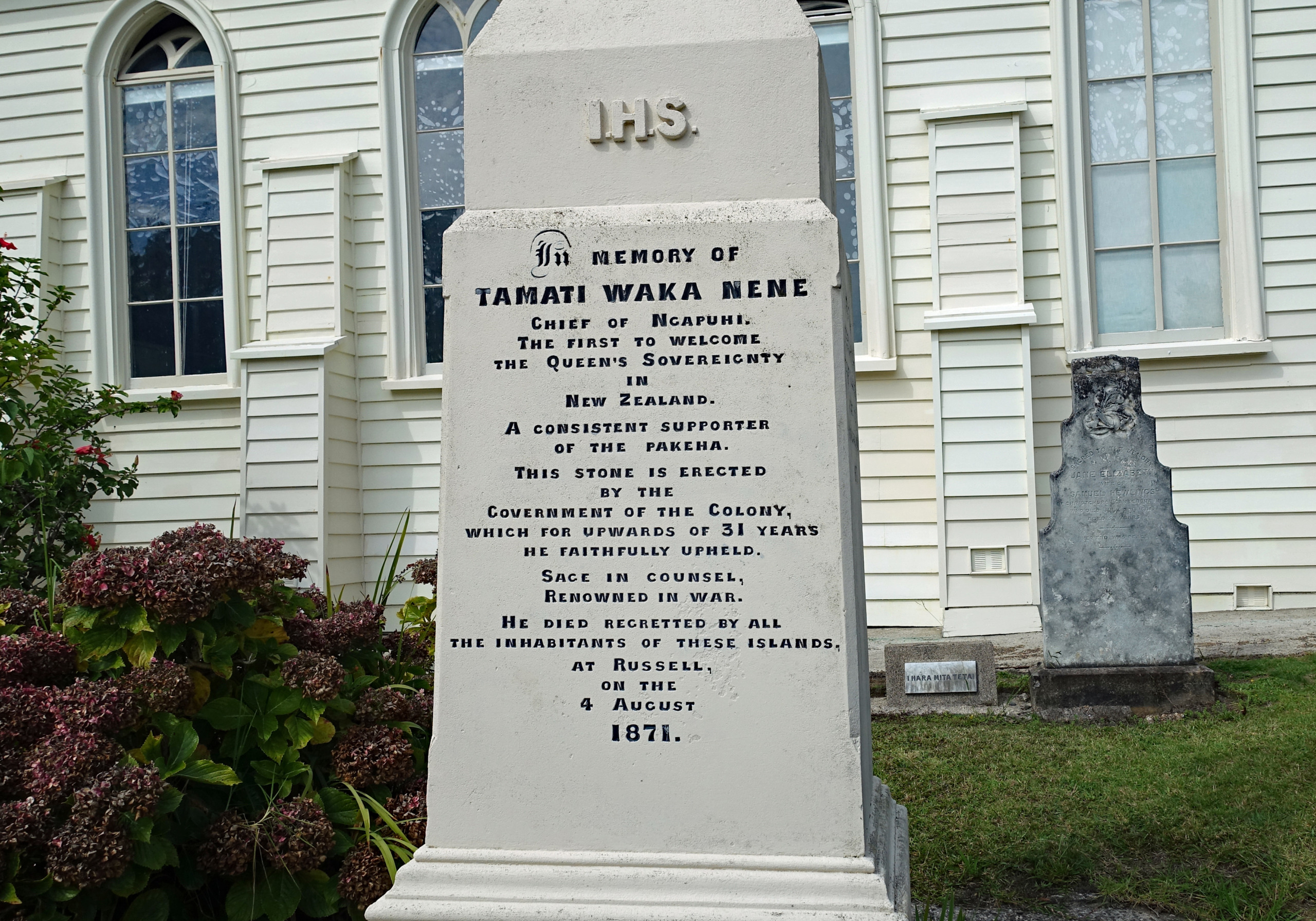
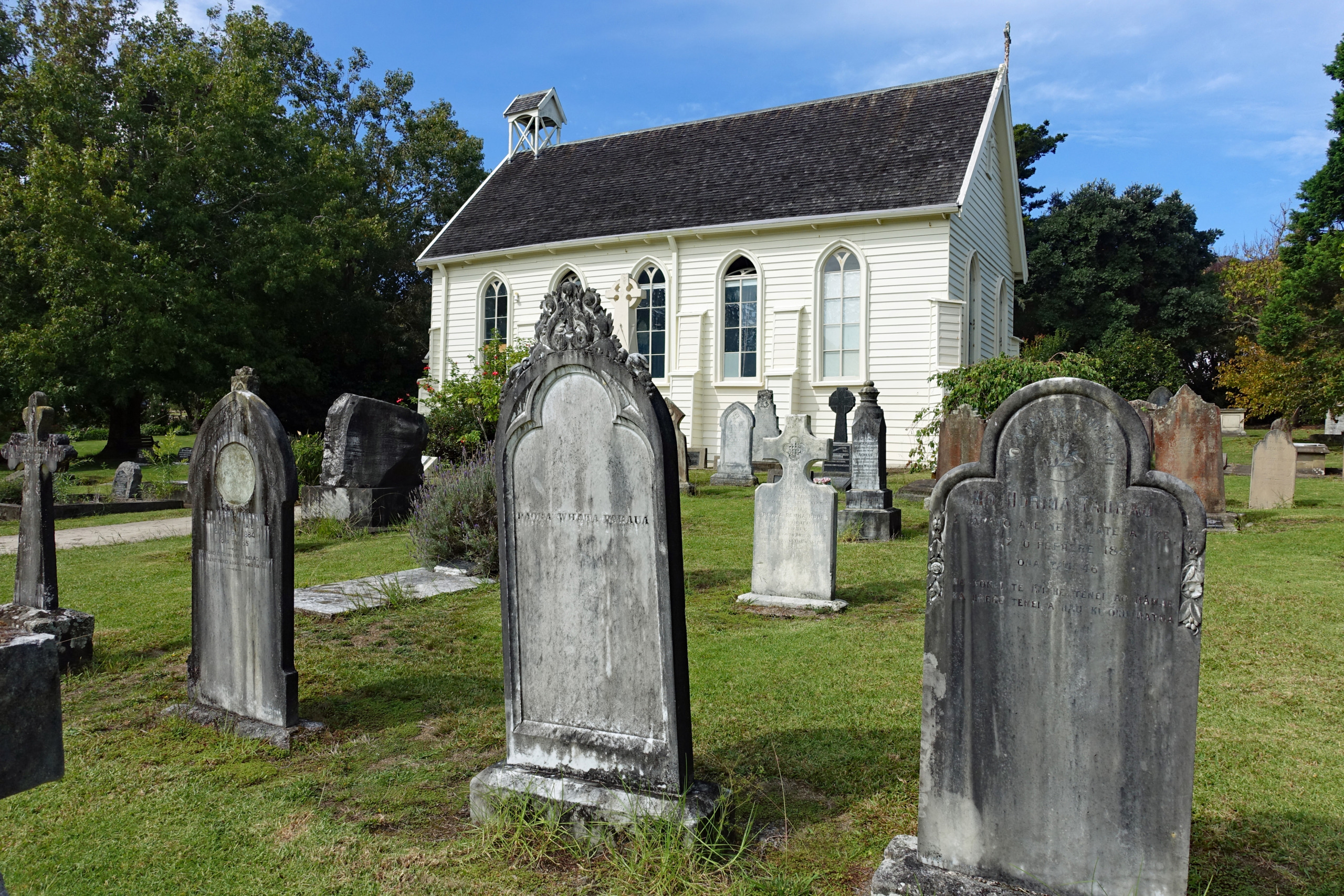
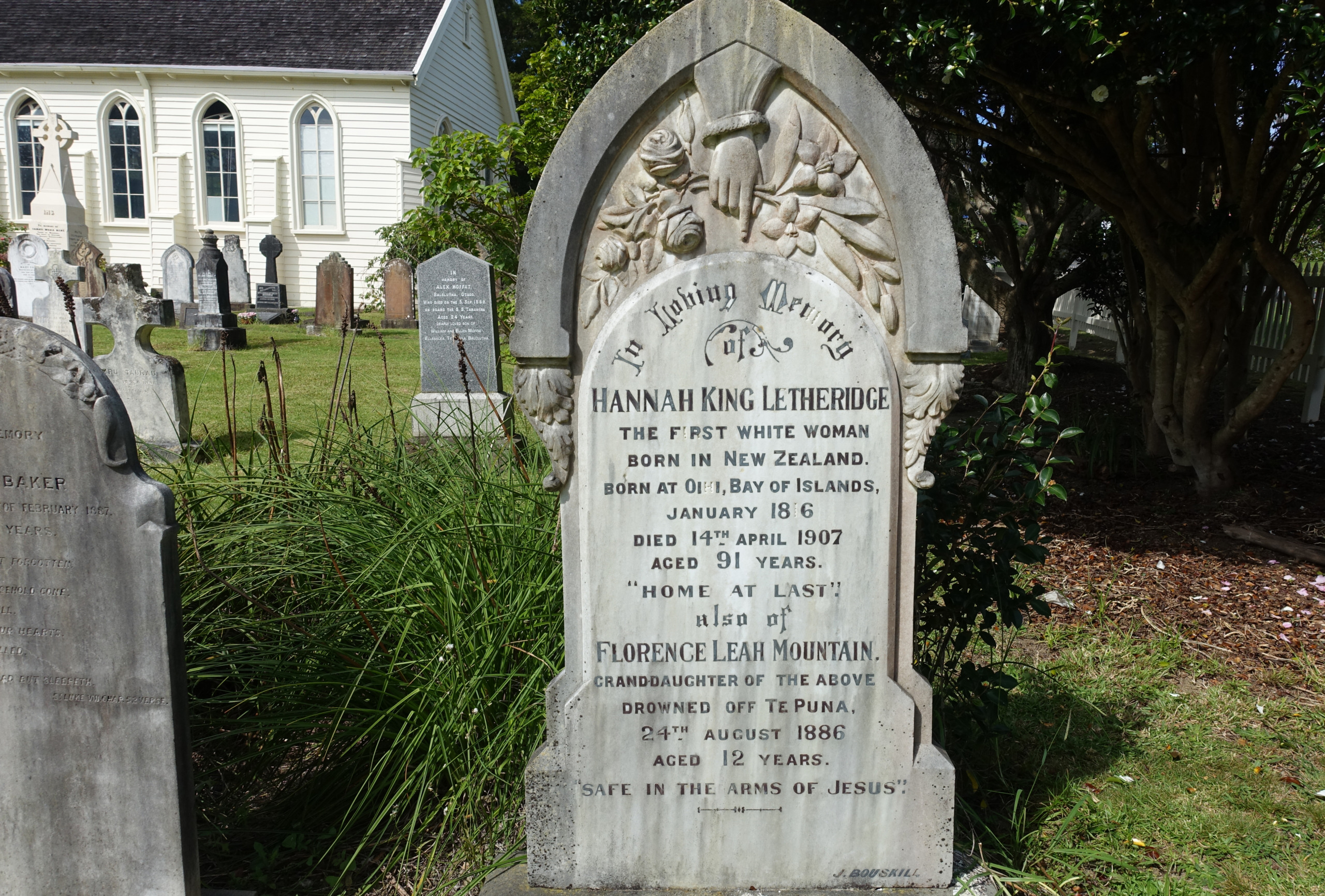
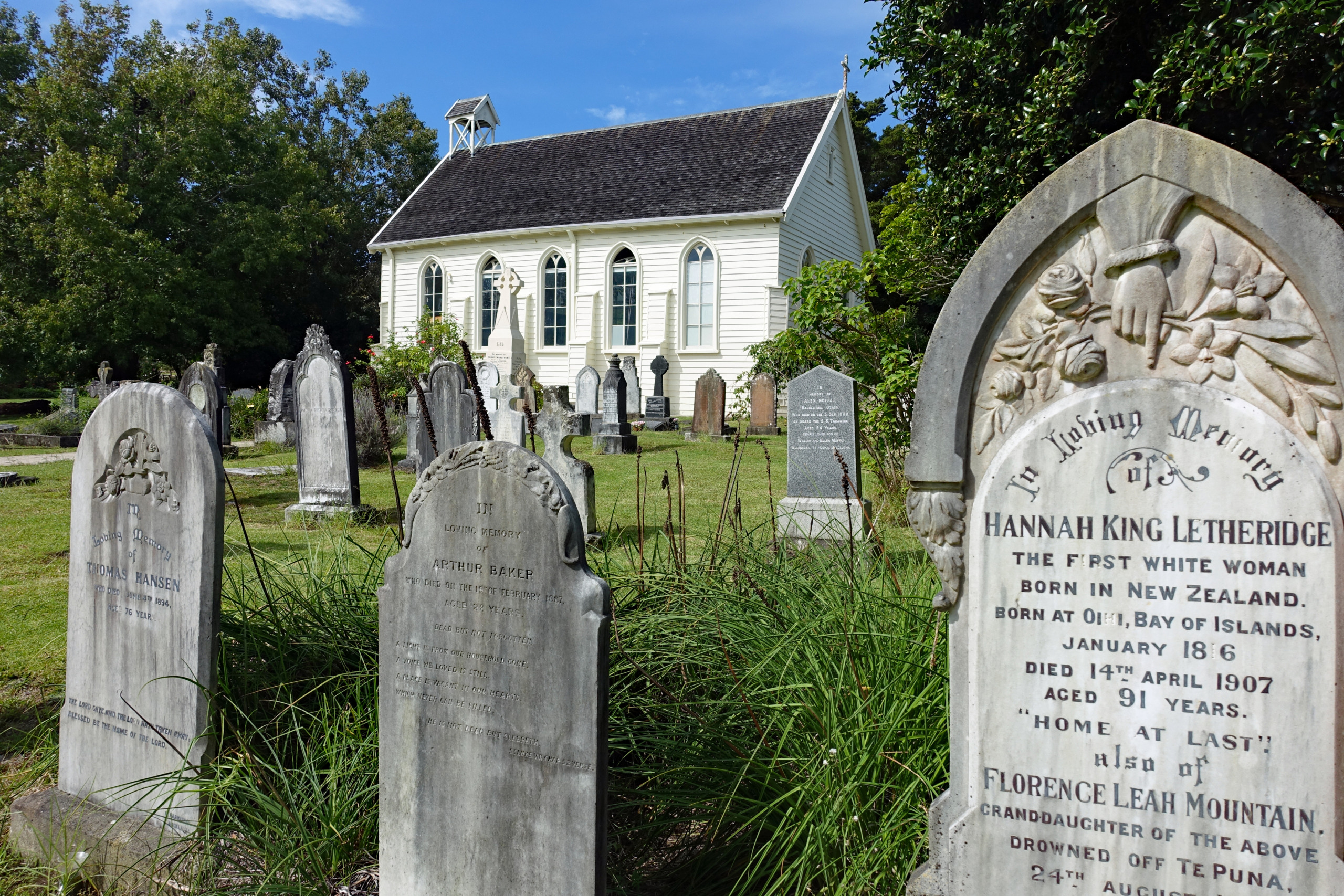
As we began the drive back to the ferry we spied a pretty church and a weathered cemetery enticing us in for a look. We had stumbled upon Christ Church, the oldest surviving church in New Zealand and one of the country’s most significant heritage sites. Completed in 1835, it has stood through the transition of Russell from a lawless whaling port to the serene seaside village it is today. Even Charles Darwin left his mark here; during his 1835 voyage on the HMS Beagle, he contributed to the church’s construction fund, though he famously grumbled about the town’s rowdy character at the time. The surrounding cemetery is as much of an attraction as the building itself, serving as a resting place for many notable figures from New Zealand’s early history. Wandering among the headstones we found the final resting palces of early settlers, mariners, and powerful Māori leaders. Most notably, we stood at the grave of Tāmati Waka Nene, the influential Ngāpuhi chief and key British ally whose signature on the Treaty of Waitangi changed the course of the nation. It was an interesting end to our day on the peninsula.
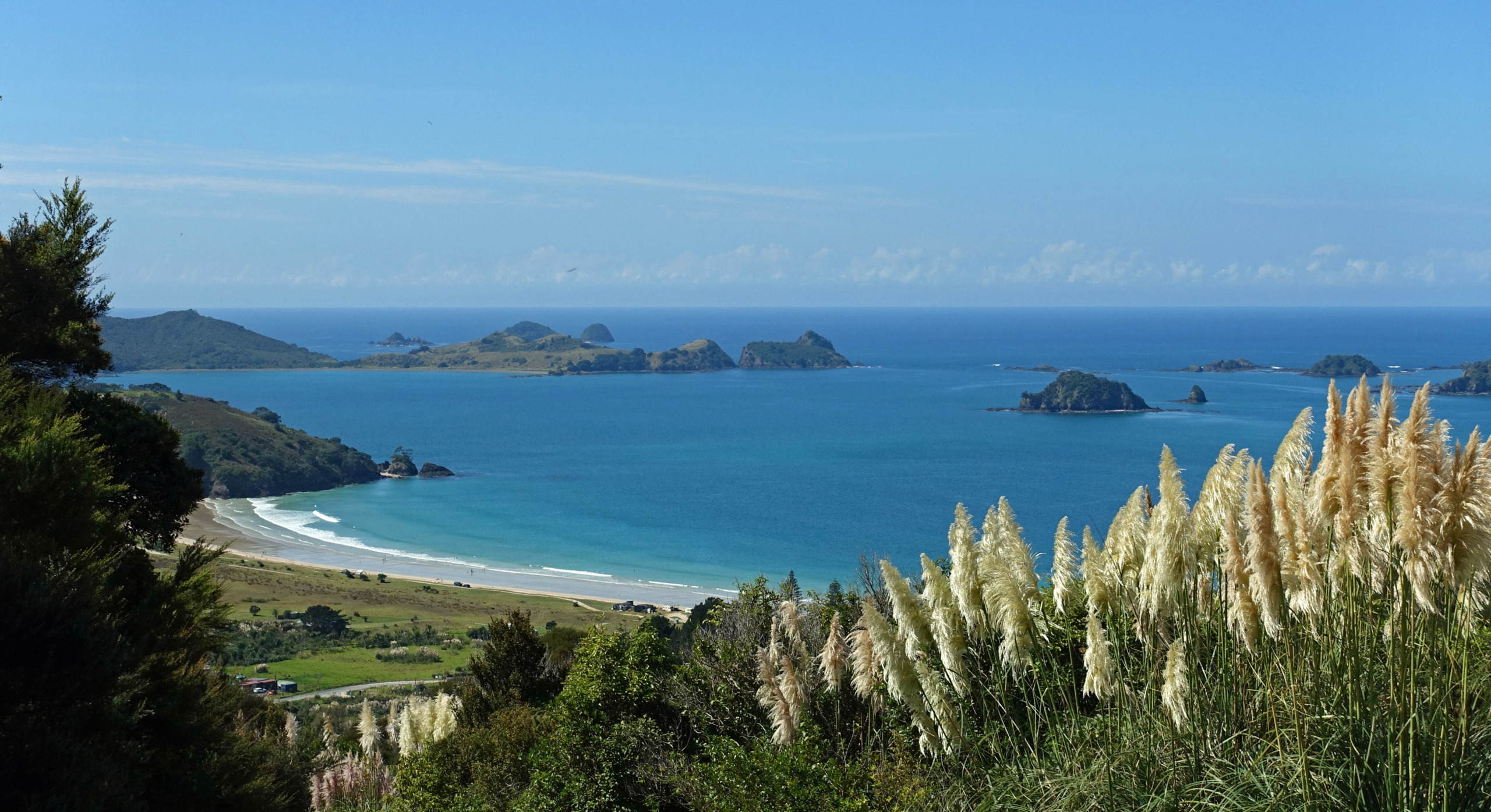
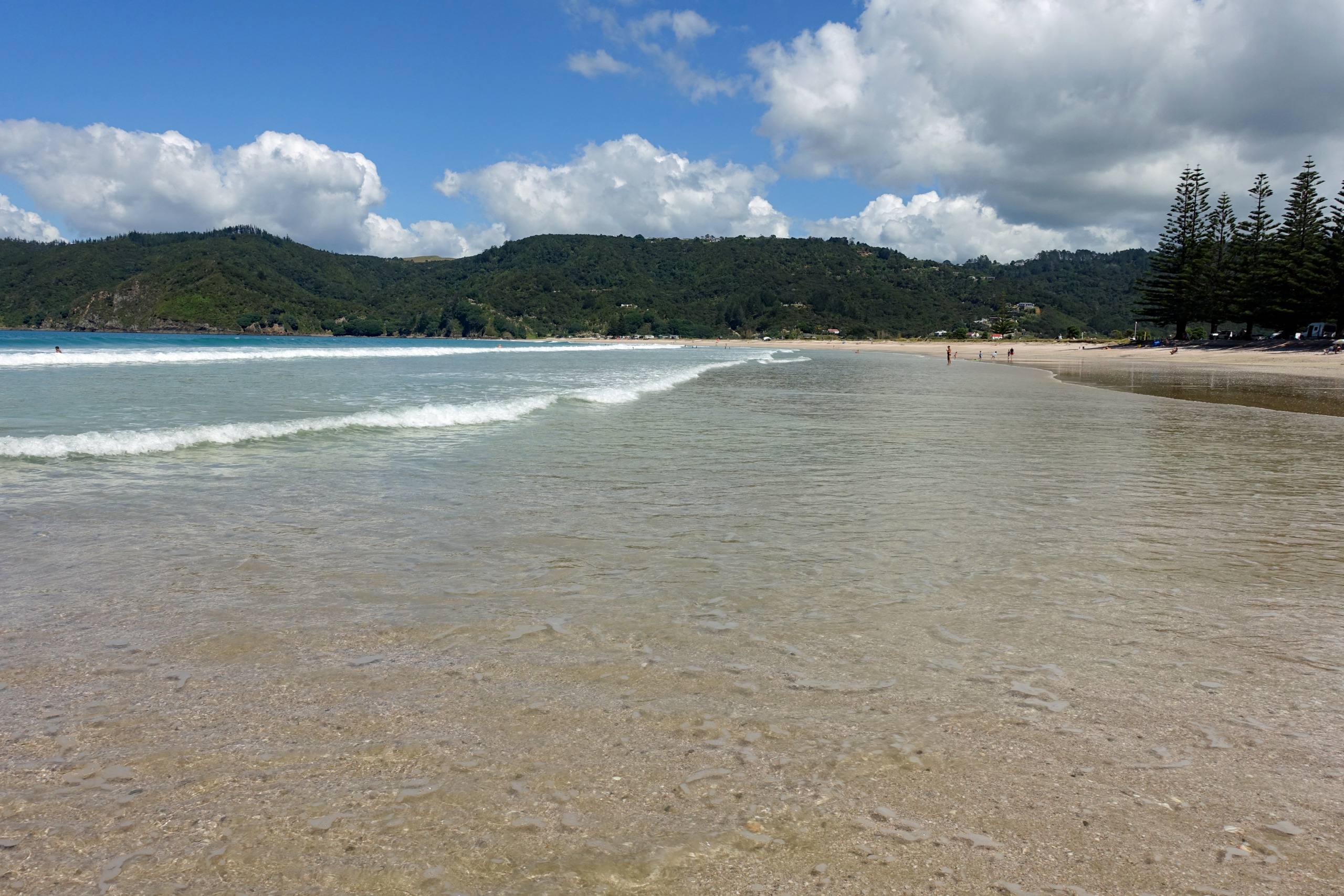
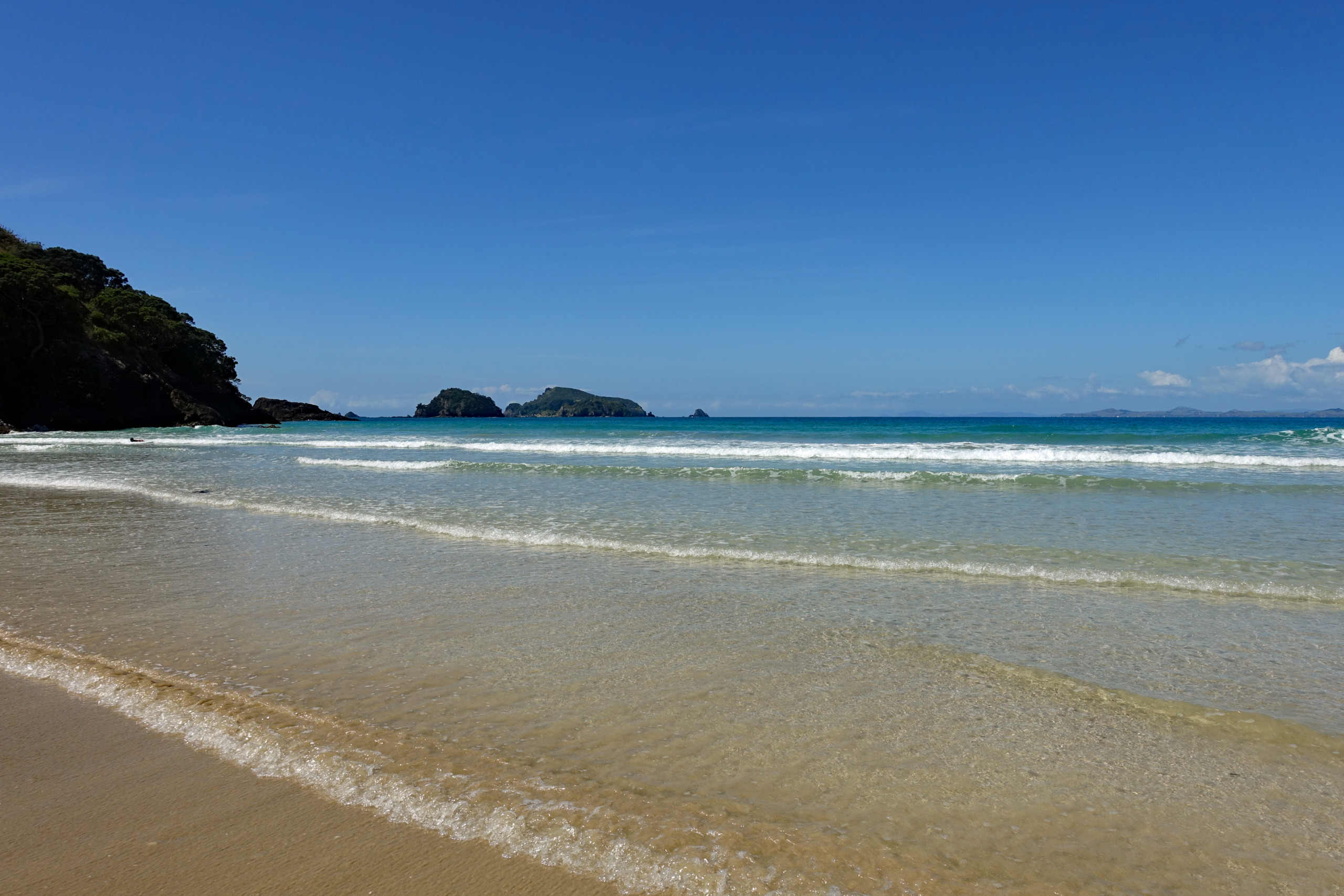
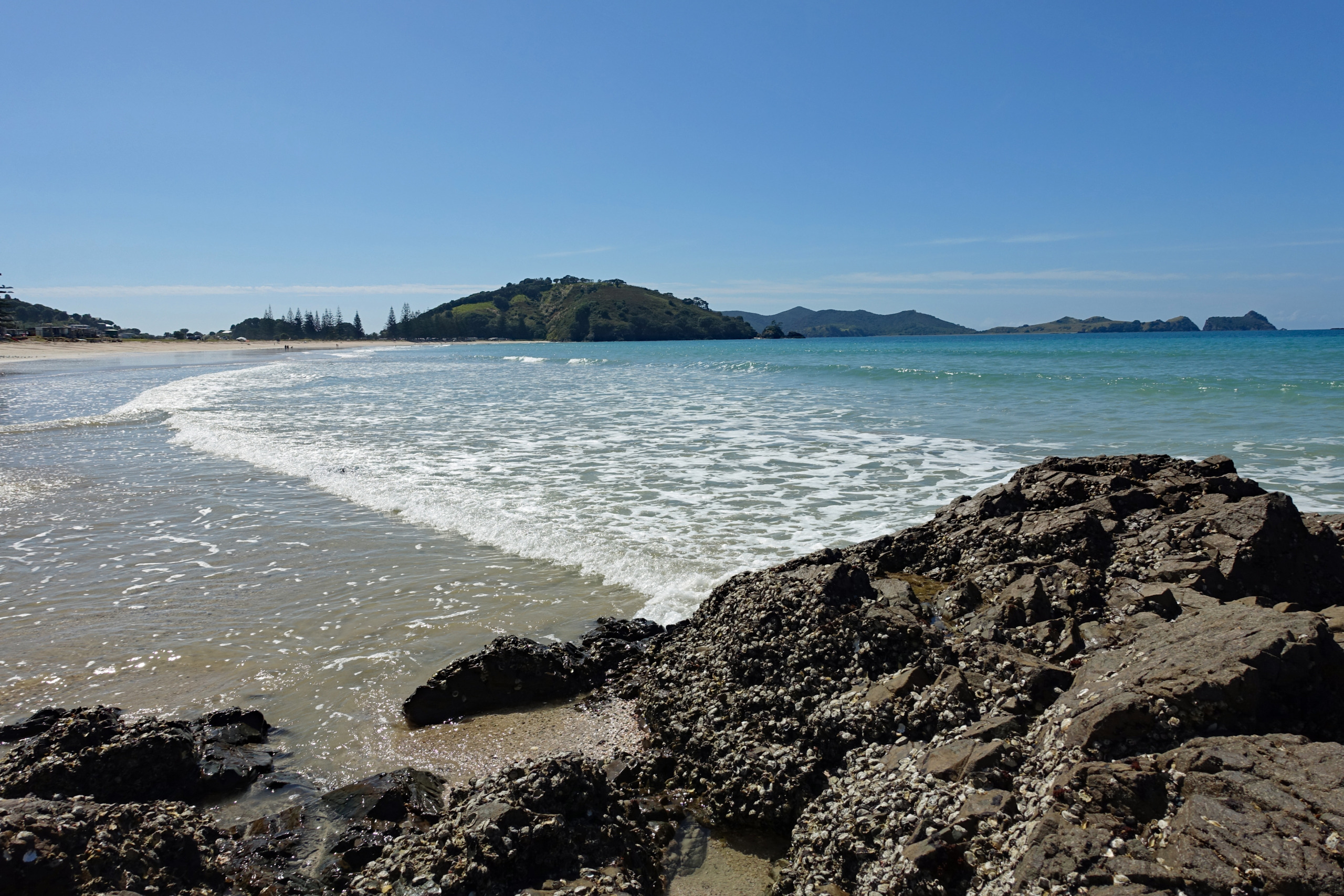
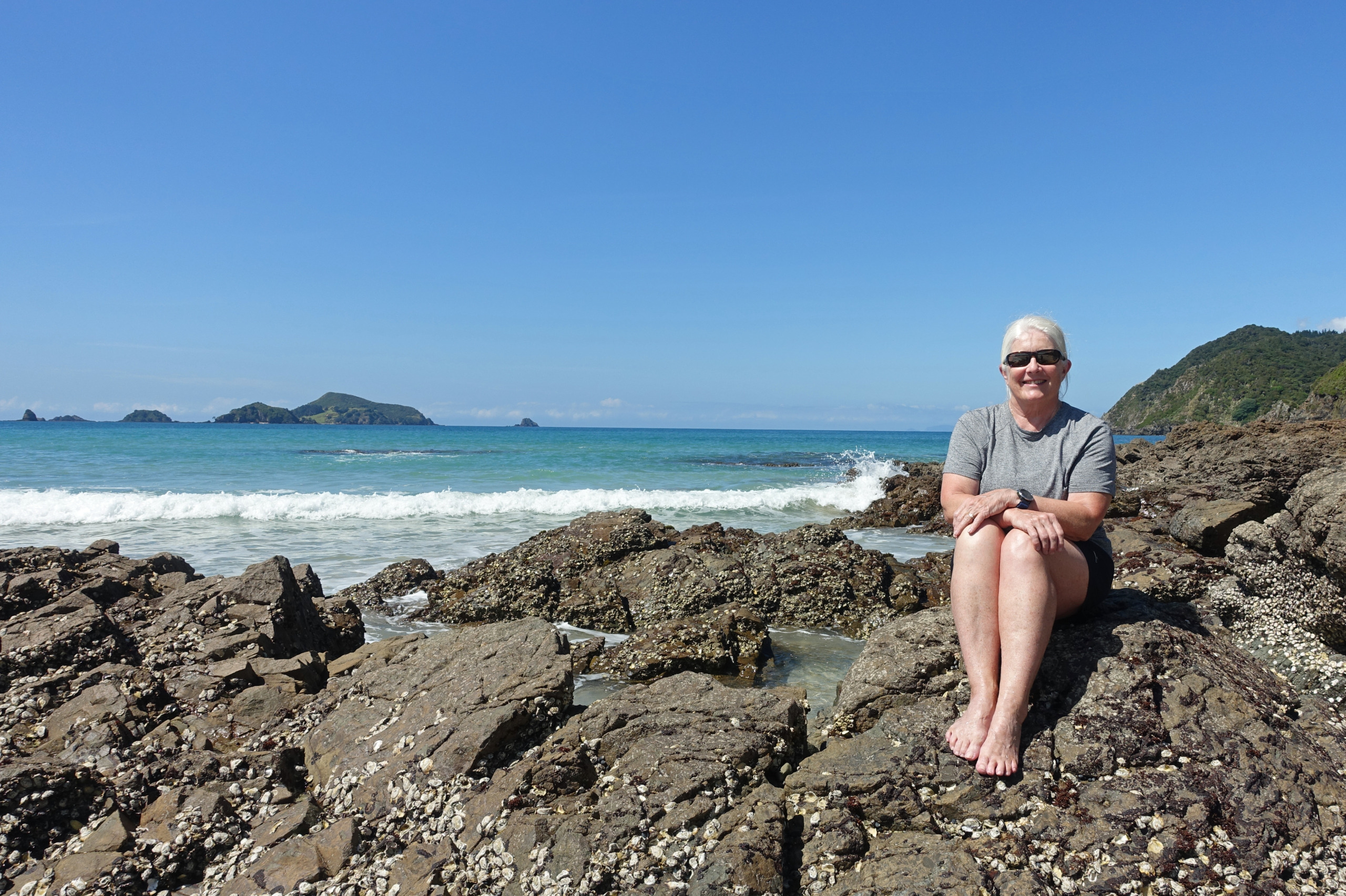
Just 30 km north of Kerikeri is Matauri Bay. Known as a sacred ancestral site, this stretch of coastline guards the entrance to the Cavalli Islands with some of the clearest water in the country. Matauri Beach is one of Northland’s most spectacular places, known for its brilliant turquoise waters and fine white sand.
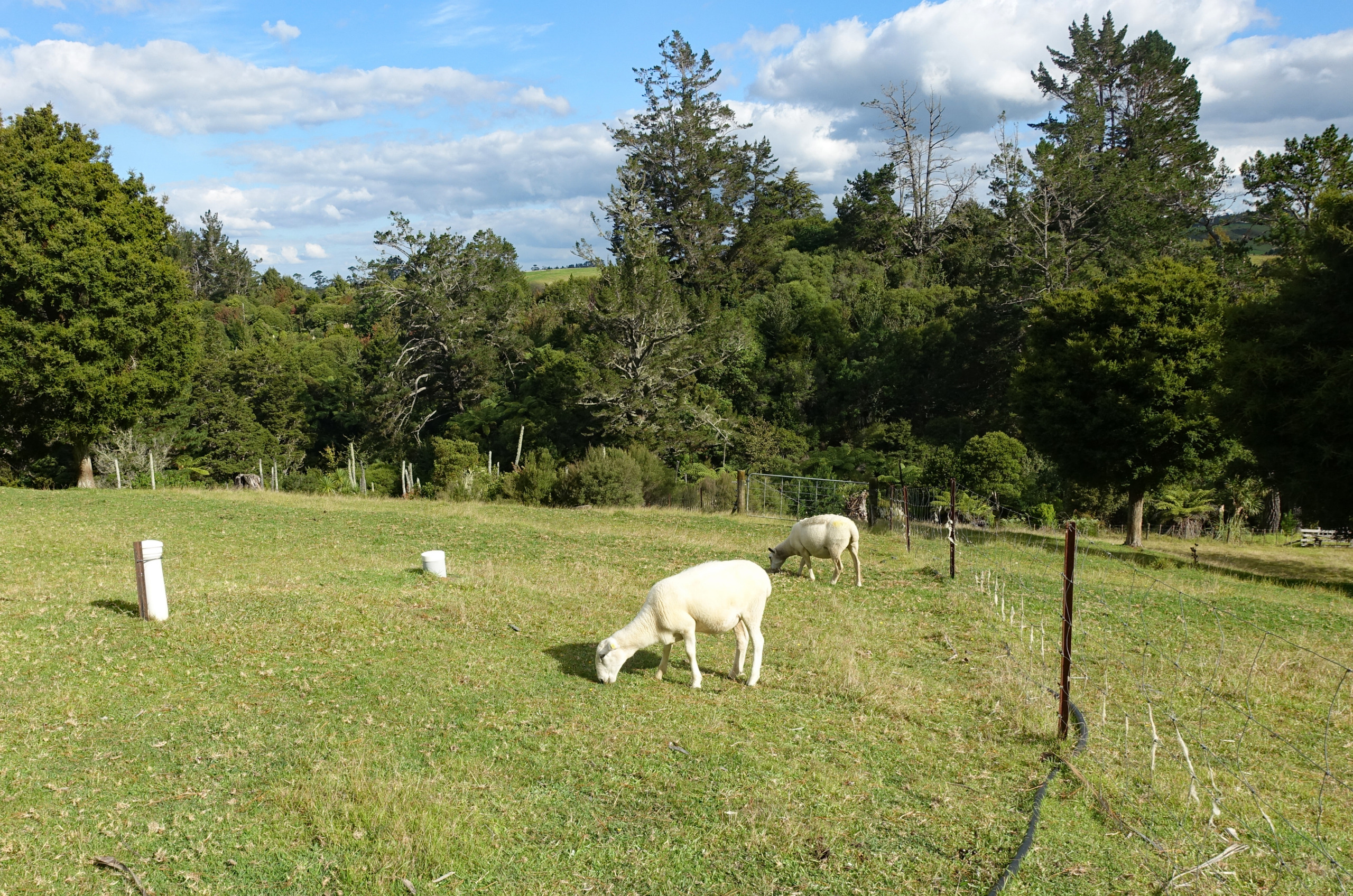
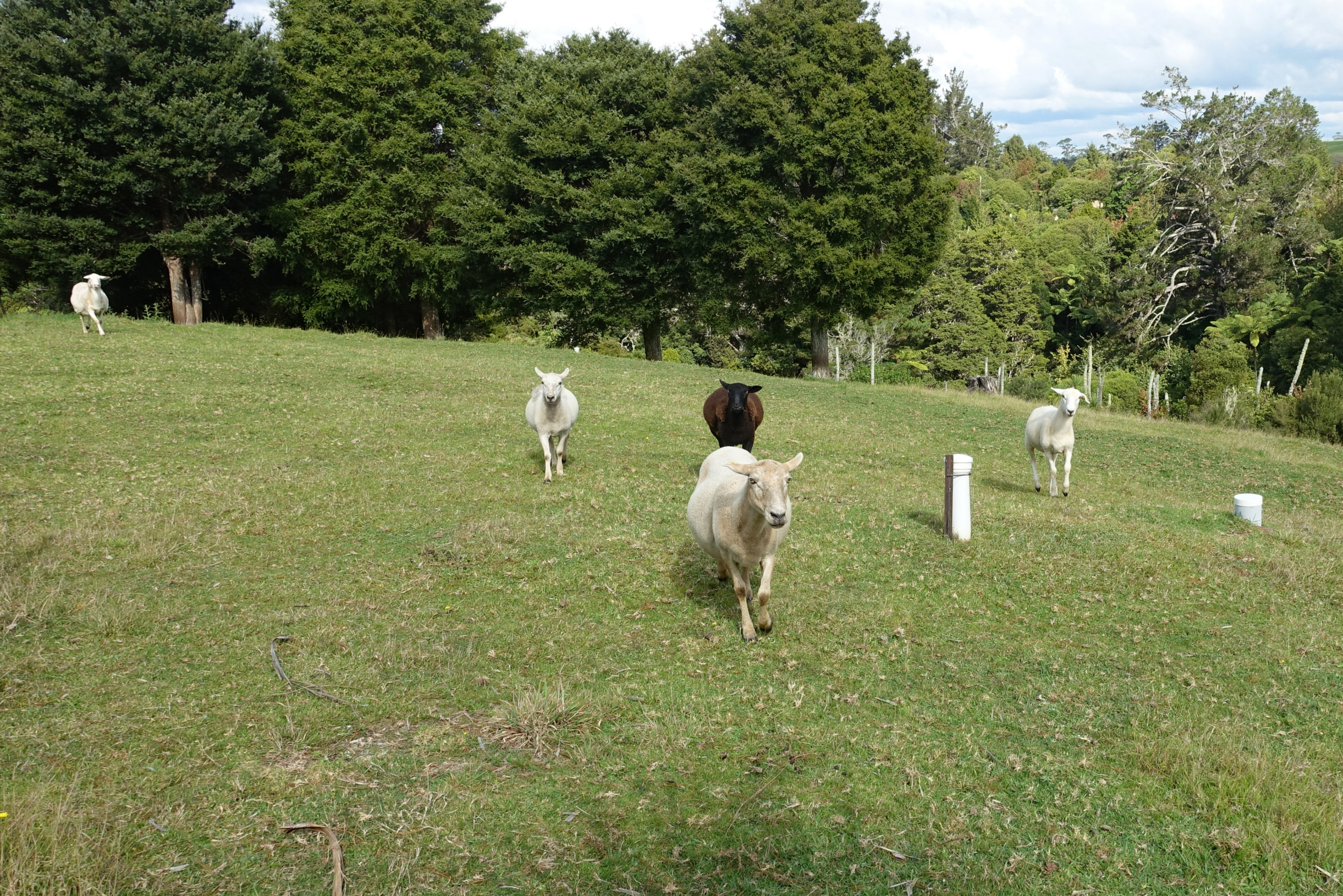
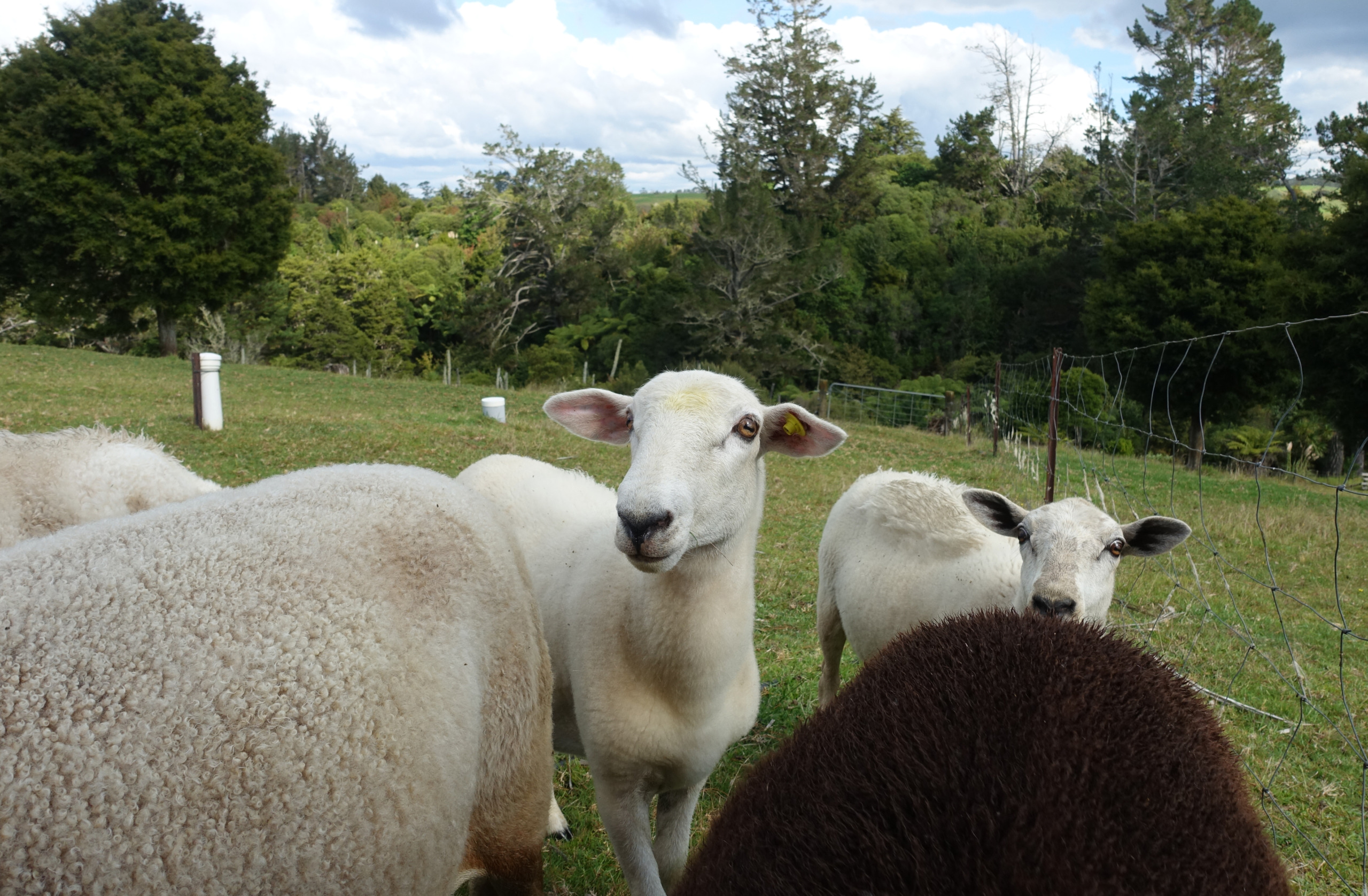
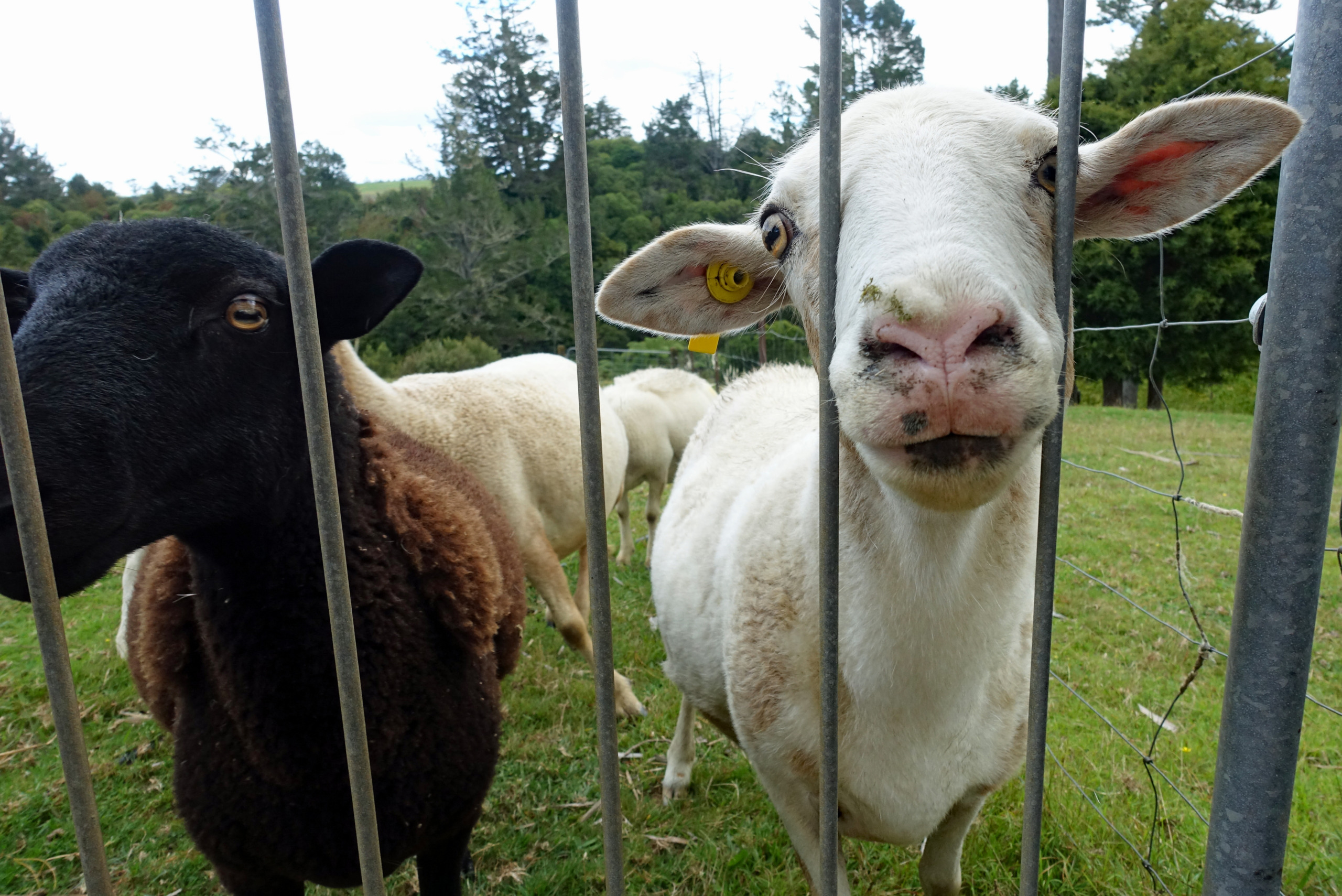
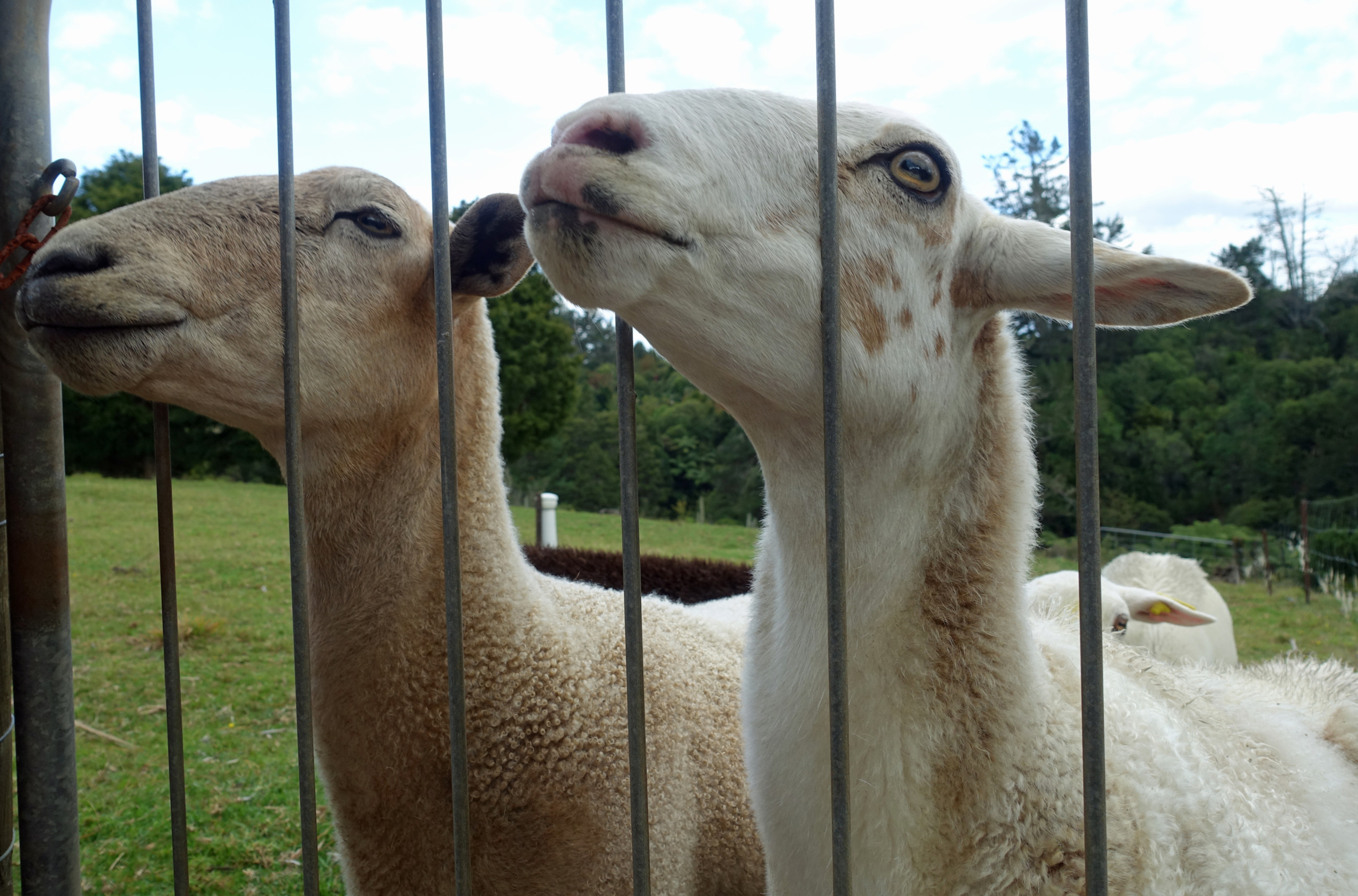
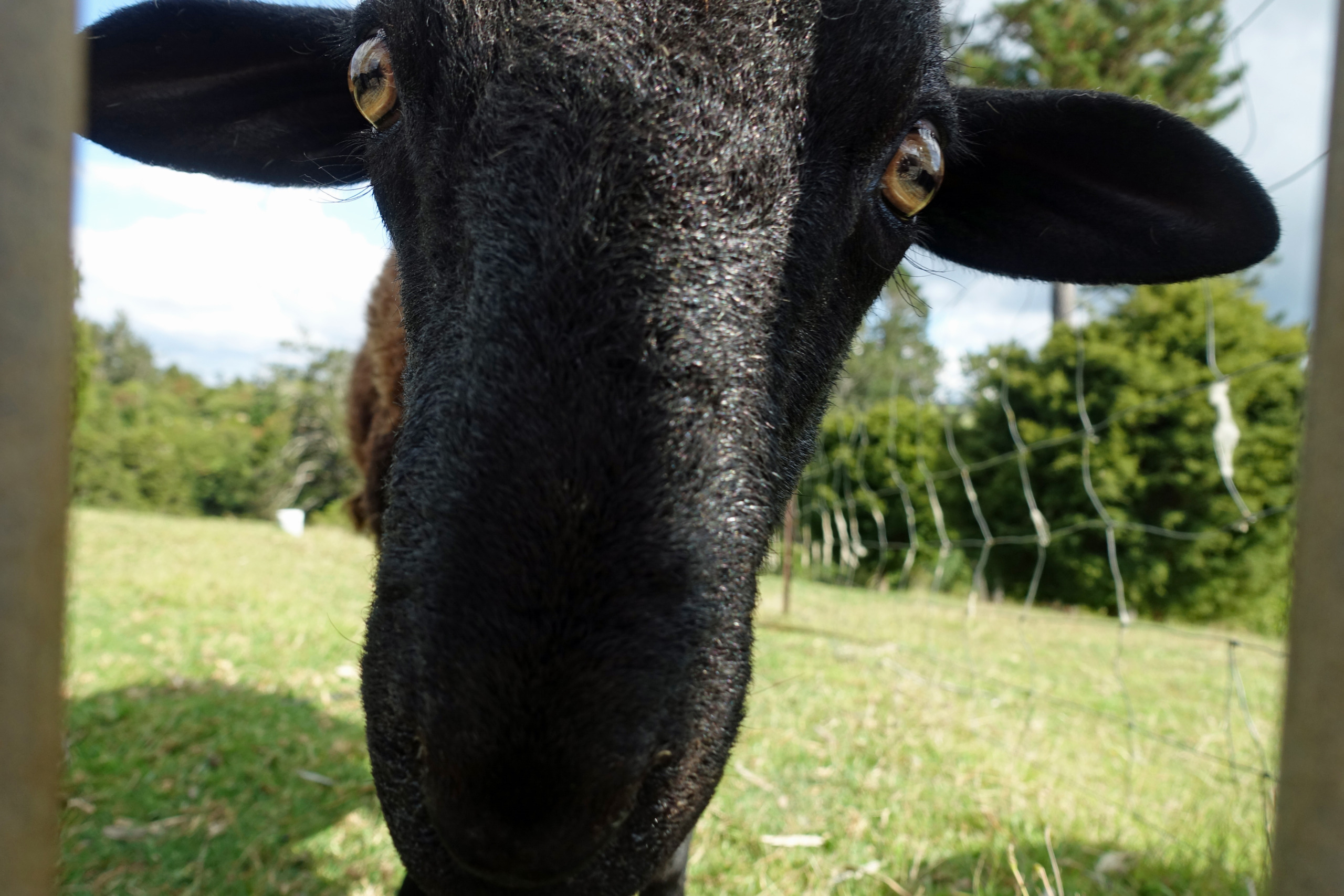
Our lovely cottage near Waipapa came with a few unexpected friends: a small flock of woolly locals! 🥰 Our hosts left us a stash of “sheep nuts”, and let’s just say we became instant celebrities the moment the box rattled. There’s nothing quite like the happy greeting of eager sheep to make our time here feel special.
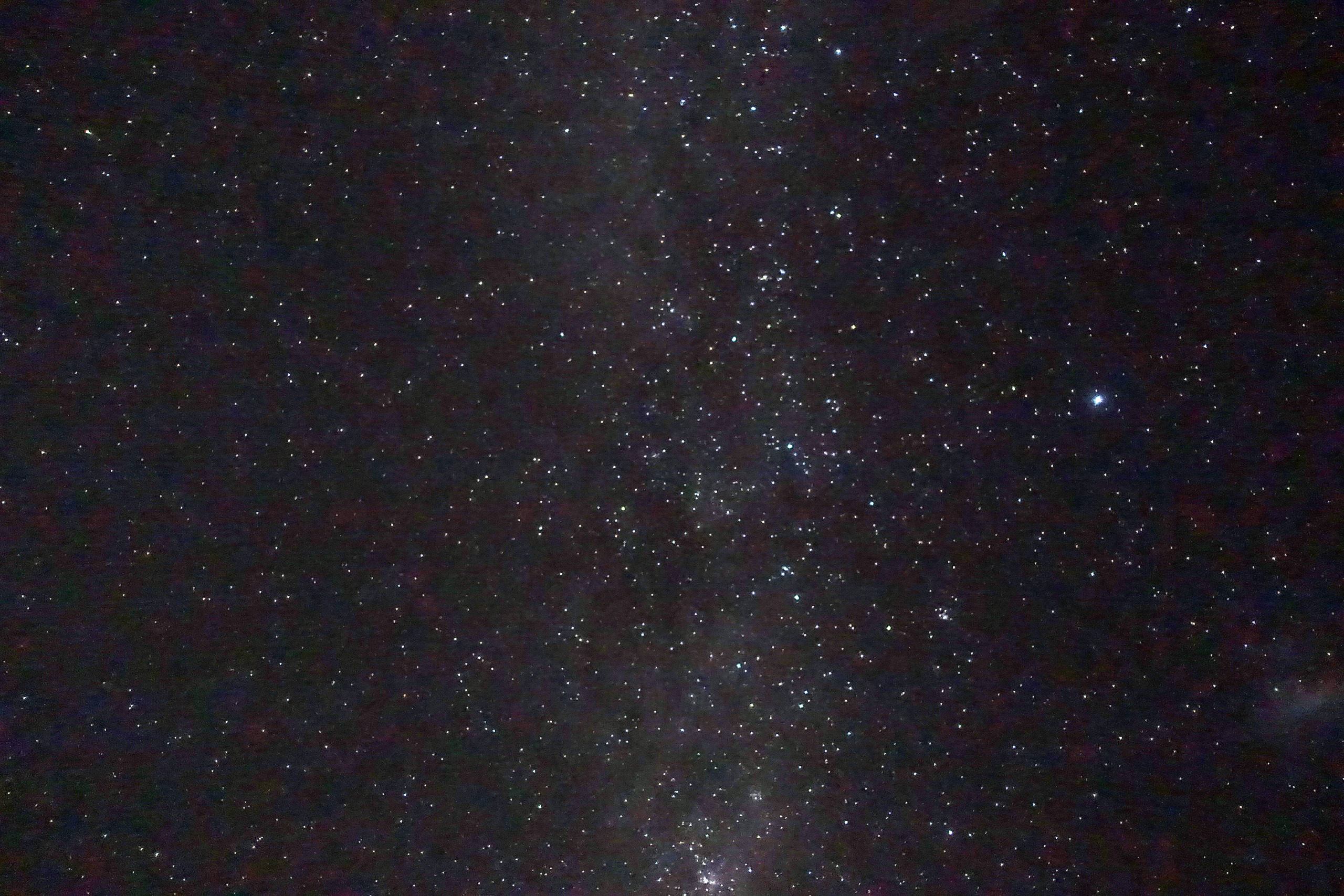
Our time at the cottage has come to and end, and it’s the night sky that we’ll miss the most. Without the glare of city lights, the sky is dominated by the glowing arch of the Milky Way and more stars than I thought possible.
Moving on, our next cottage is the most northern location of this journey. Houhora here we come…..