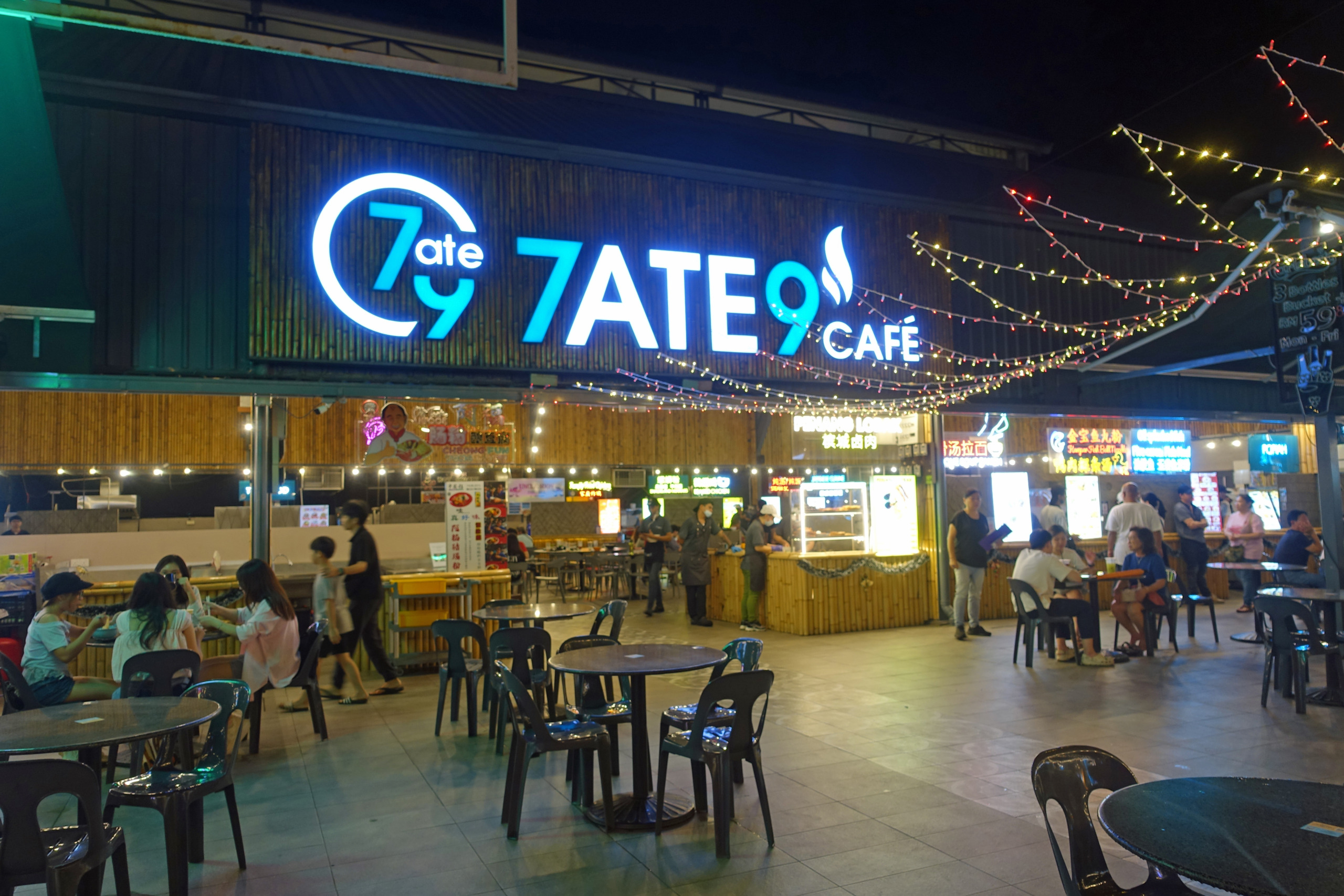
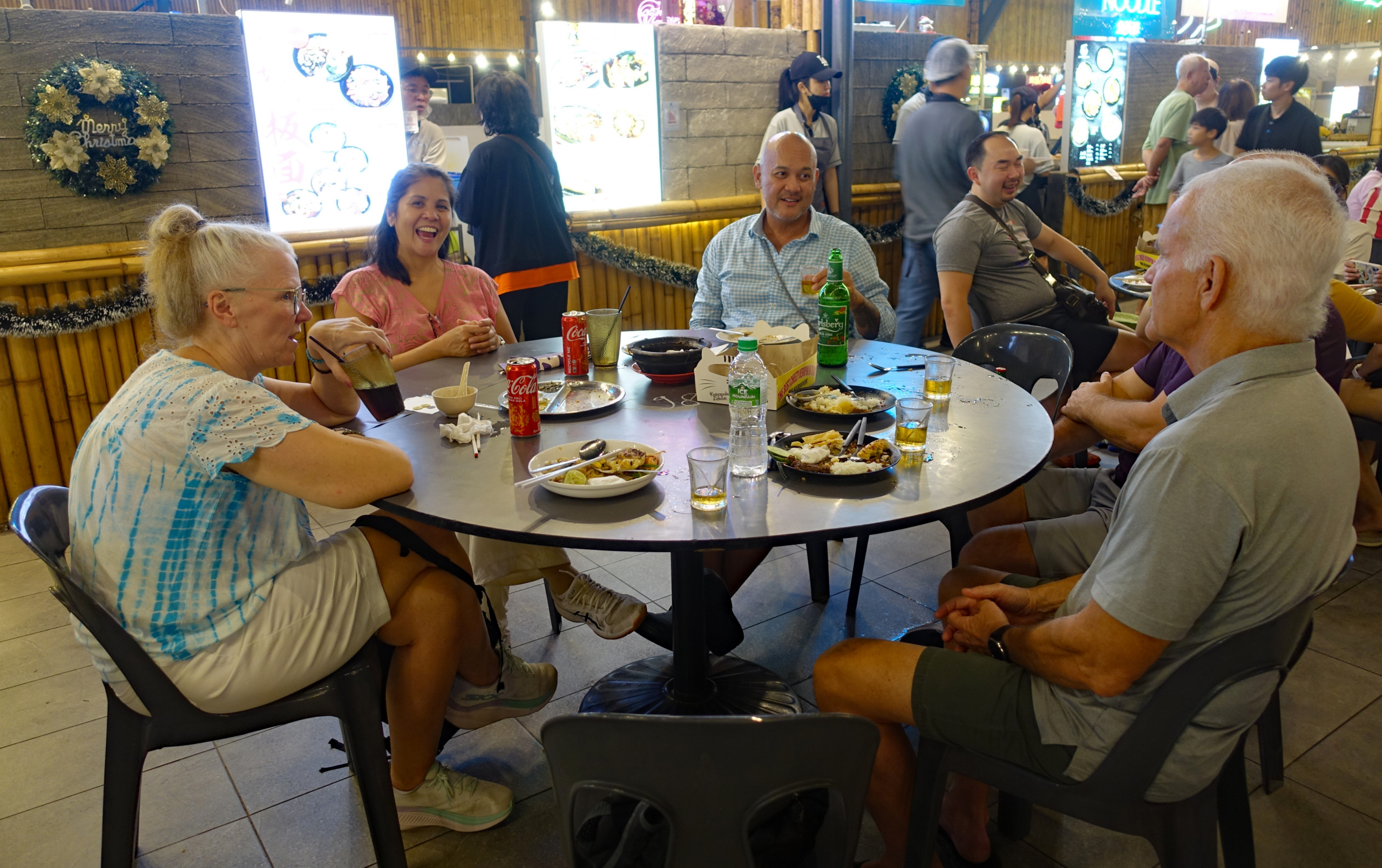
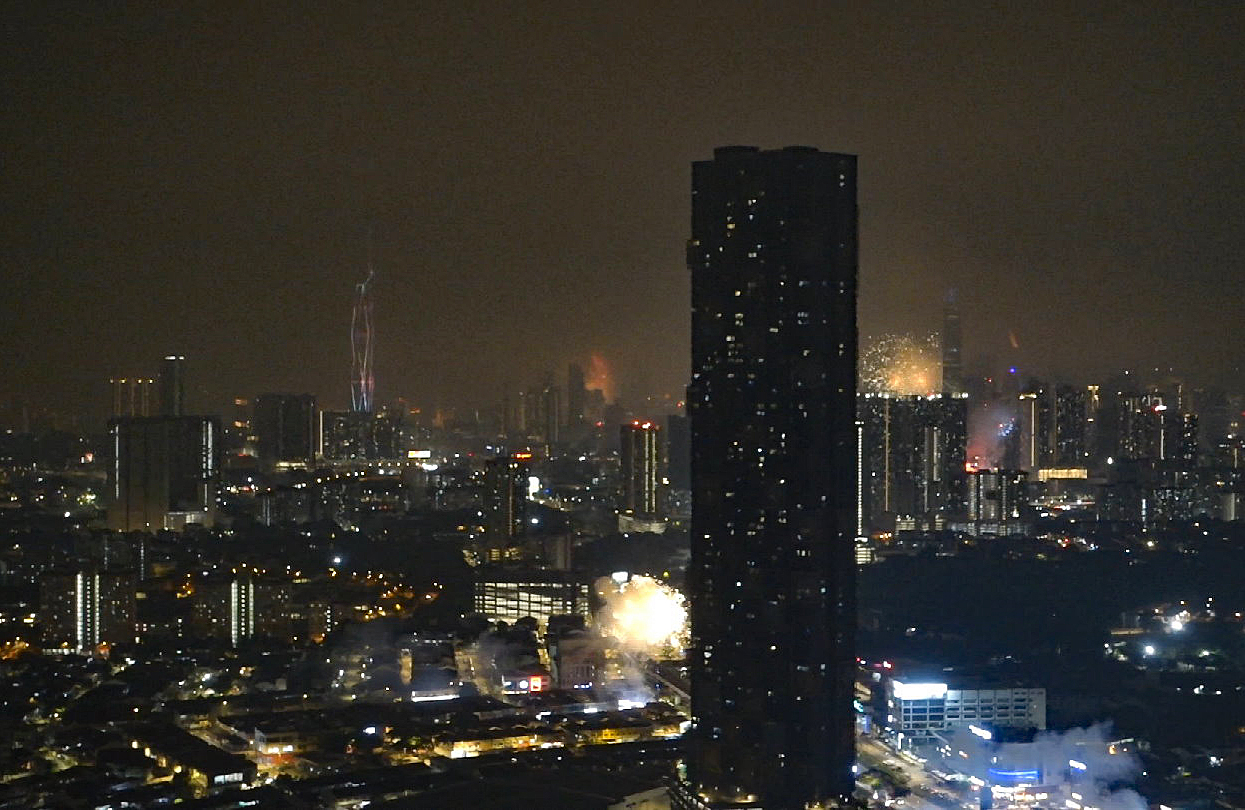
The second half of our stay in Kuala Lumpur began by welcoming in 2026. Normally we do not bother staying up until midnight because we are usually by ourselves, but this year we spent the evening with friends and midnight rolled around before we knew it. Our evening started at the 7Ate9 Food Market a short walk from our apartment. We tried a variety of familiar and new dishes over the course of 3 hours. By 10:30pm we decided to make our way back to our apartment building, head up to the roof and enjoy the fireworks displays all around the city. We were too far away to get a good view of the major shows in KLCC but we were all happy staying close to home and not fighting the crowds on the metro to get home. Here is a link showing the crowds around the Petronas Towers and the Bukit Bintang neighborhood prior to midnight that we were happy not to be a part of 😂
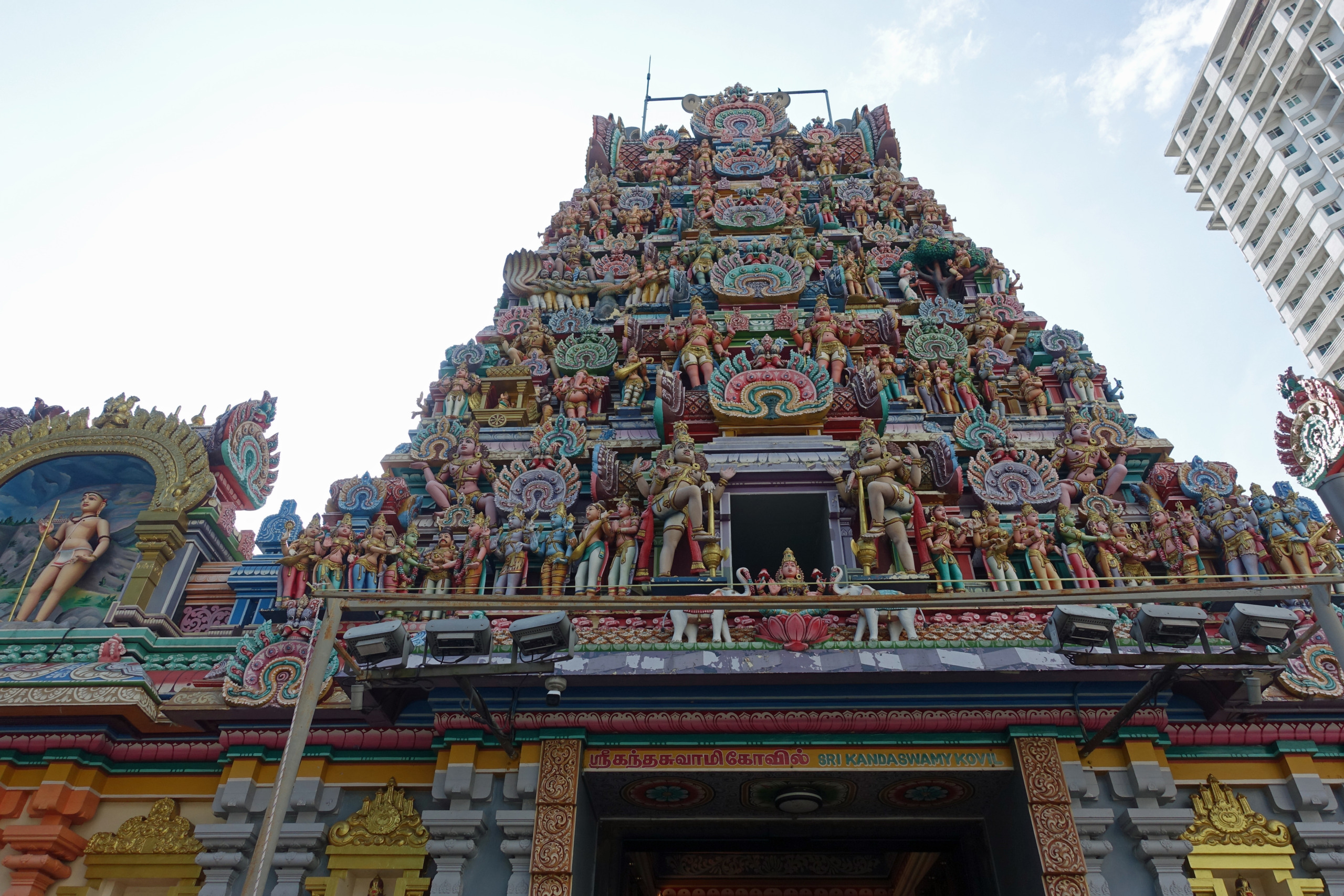
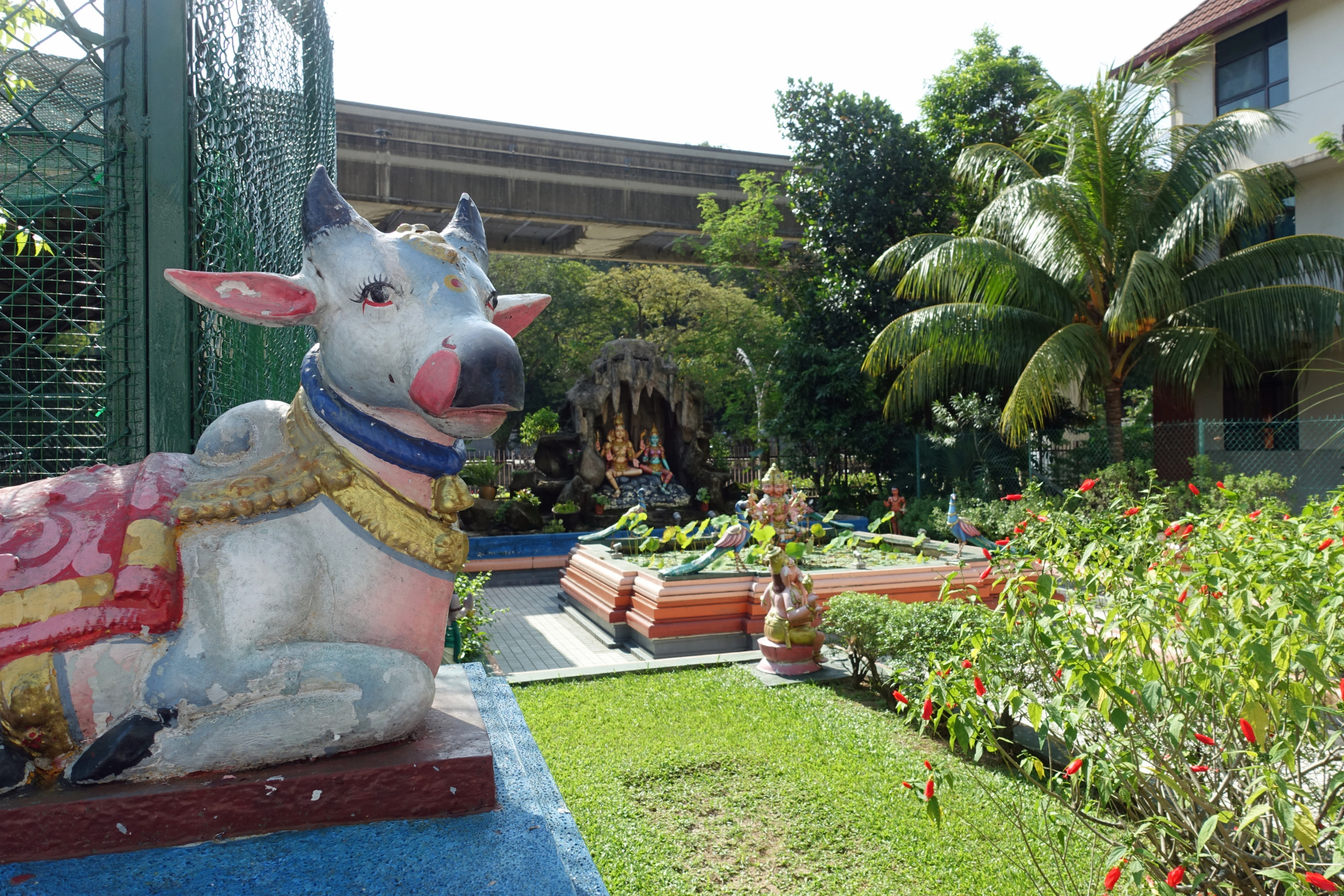
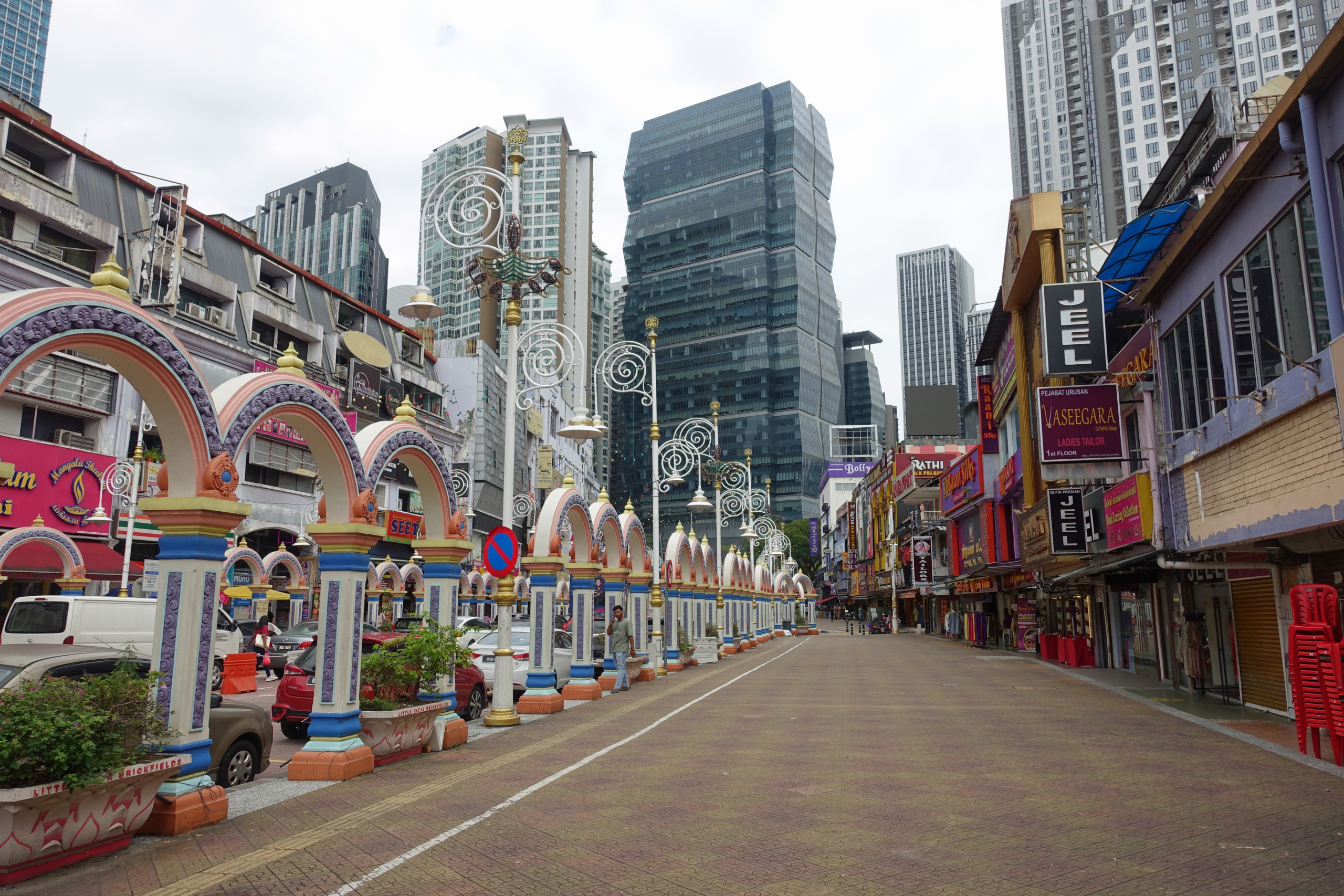
Kuala Lumpur’s vibrant Brickfields “Little India” district is a sensory explosion where the aroma of authentic Indian spices wafts through the air and century-old temples sit in the shadow of gleaming skyscrapers. We started our morning at Sri Kandaswamy Temple, one of the most prominent and historically significant Hindu landmarks in the city. Established in 1902 by the Sri Lankan Tamil community the temple is a spiritual hub in the heart of Brickfields. The towering, intricate carvings are inspired by the Nallur Kandaswamy Temple in Sri Lanka, and around the back of the temple is a beautifully landscaped garden and lotus pond.
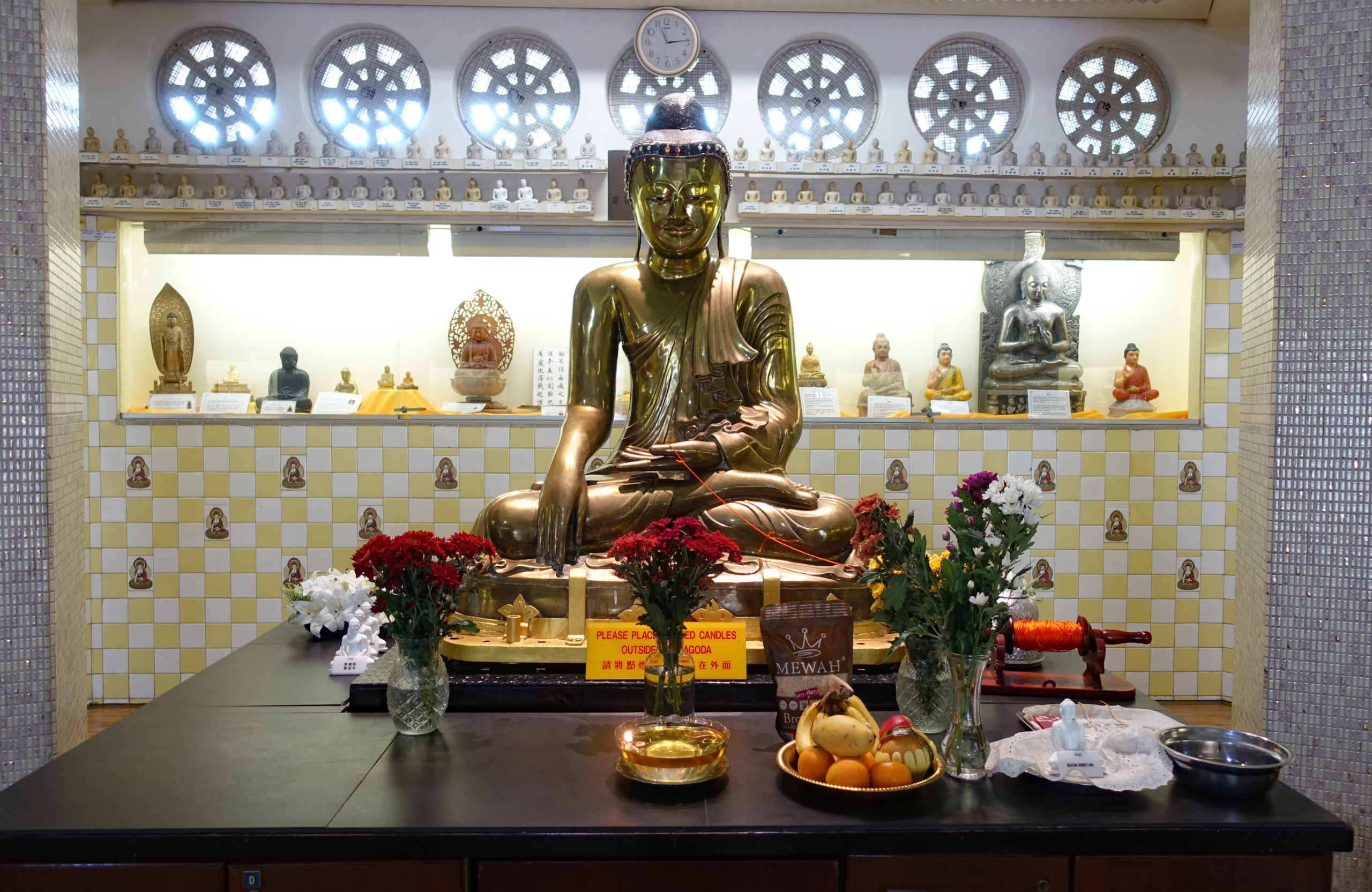
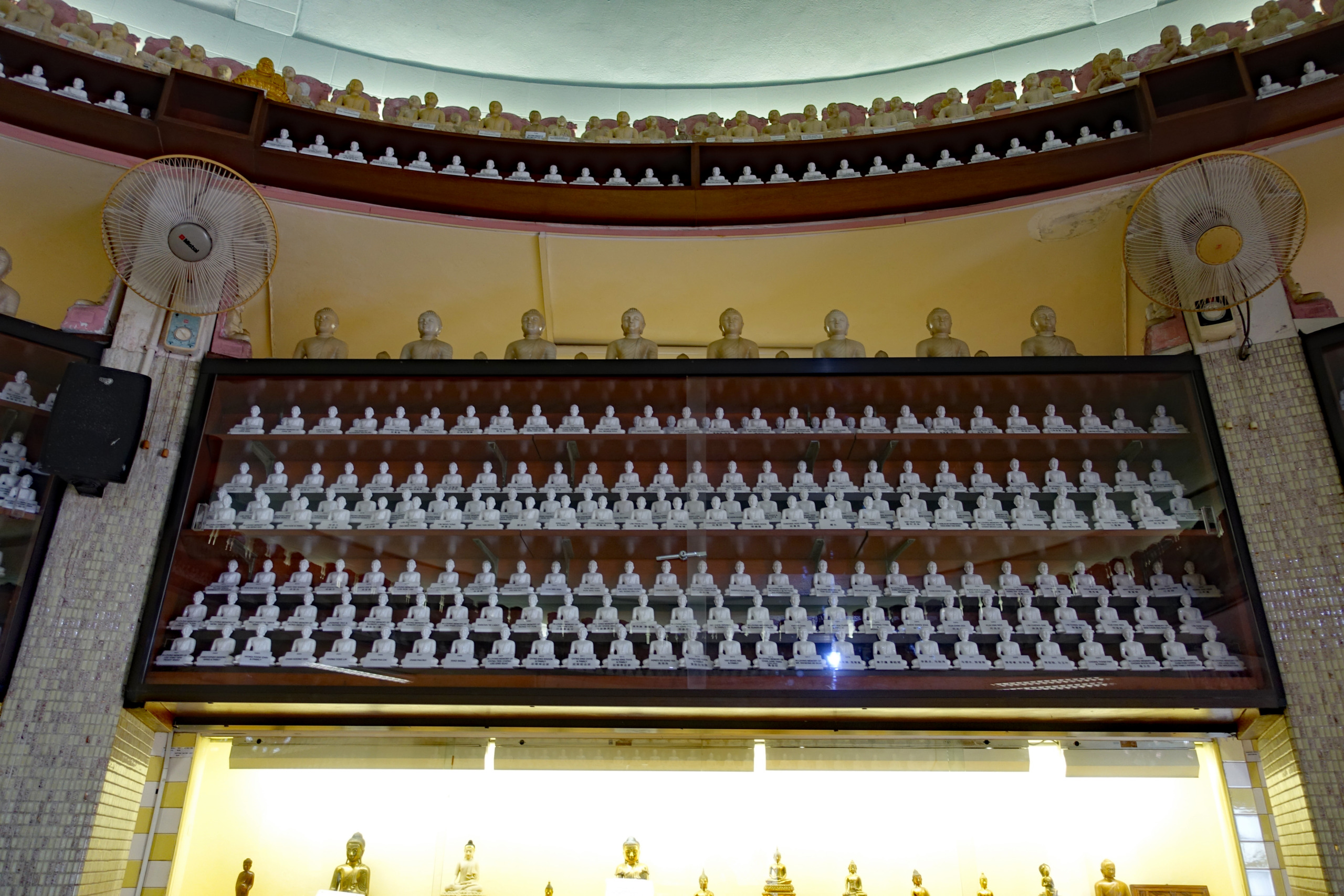
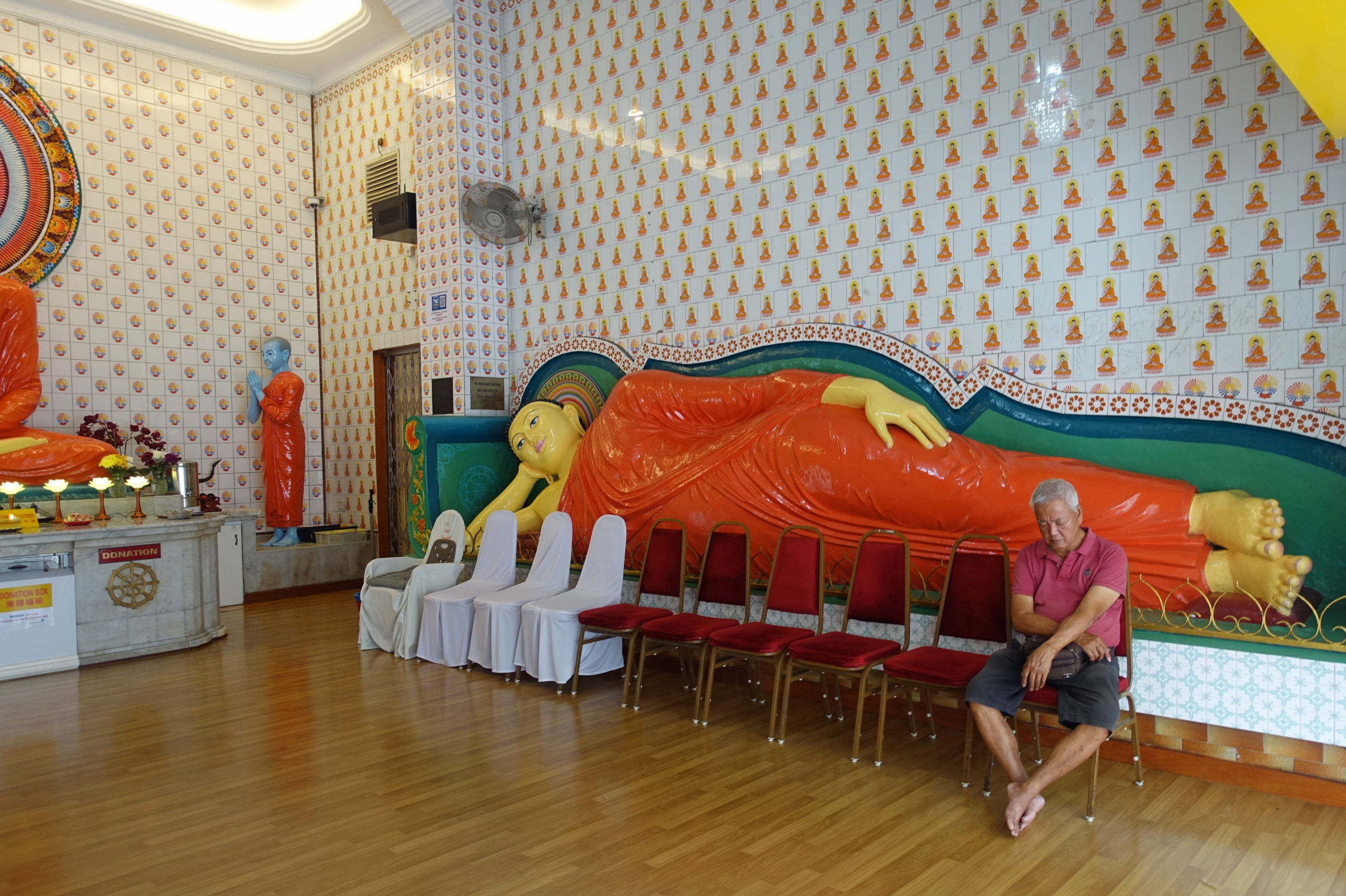
Our next stop was the Buddhist Maha Vihara Temple, a serene Sri Lankan temple founded in 1894. The compound houses numerous Buddha images gifted from various countries, including Thailand and Mongolia. Inside the main shrine, you’ll find a large reclining Buddha.
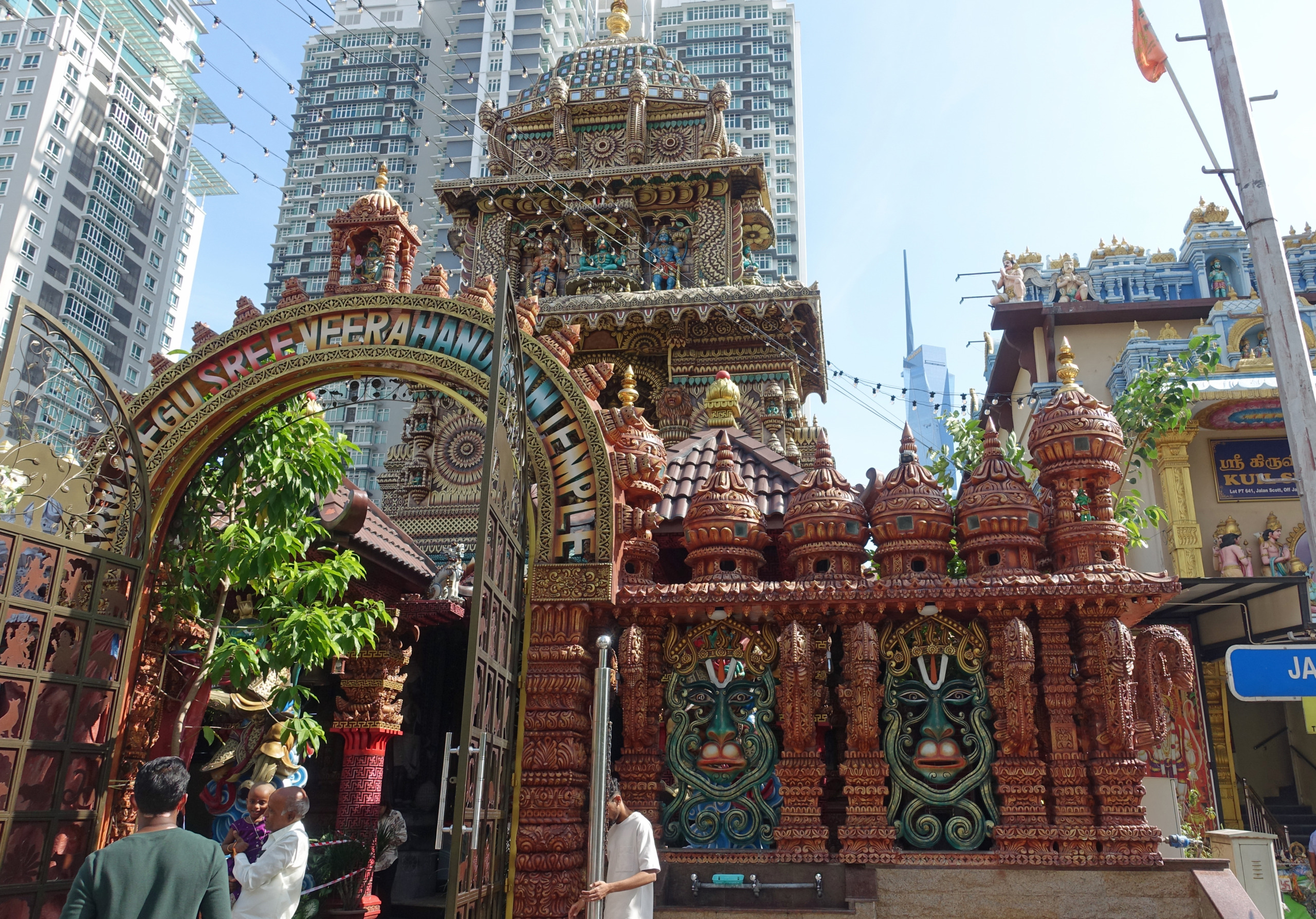
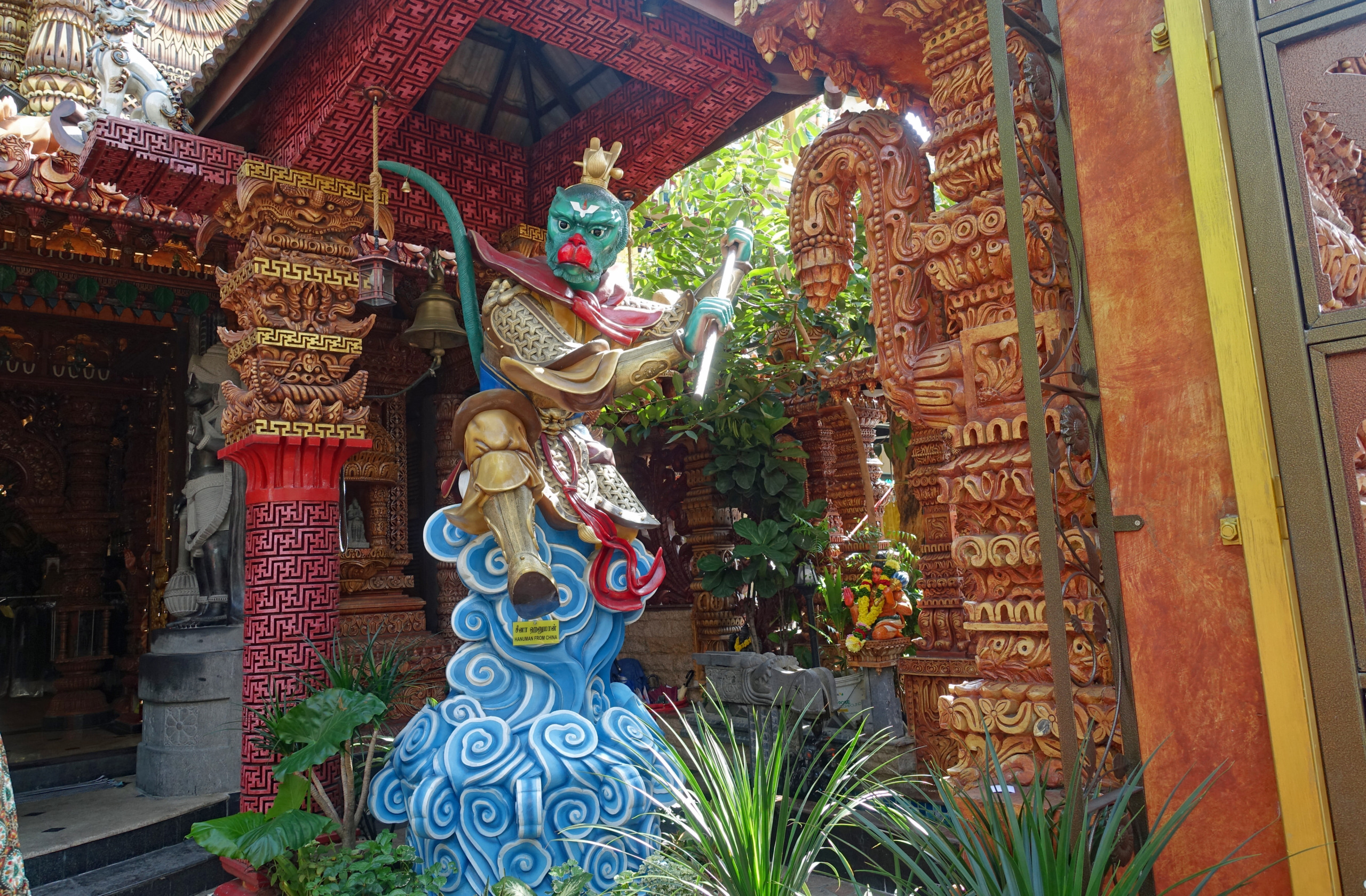
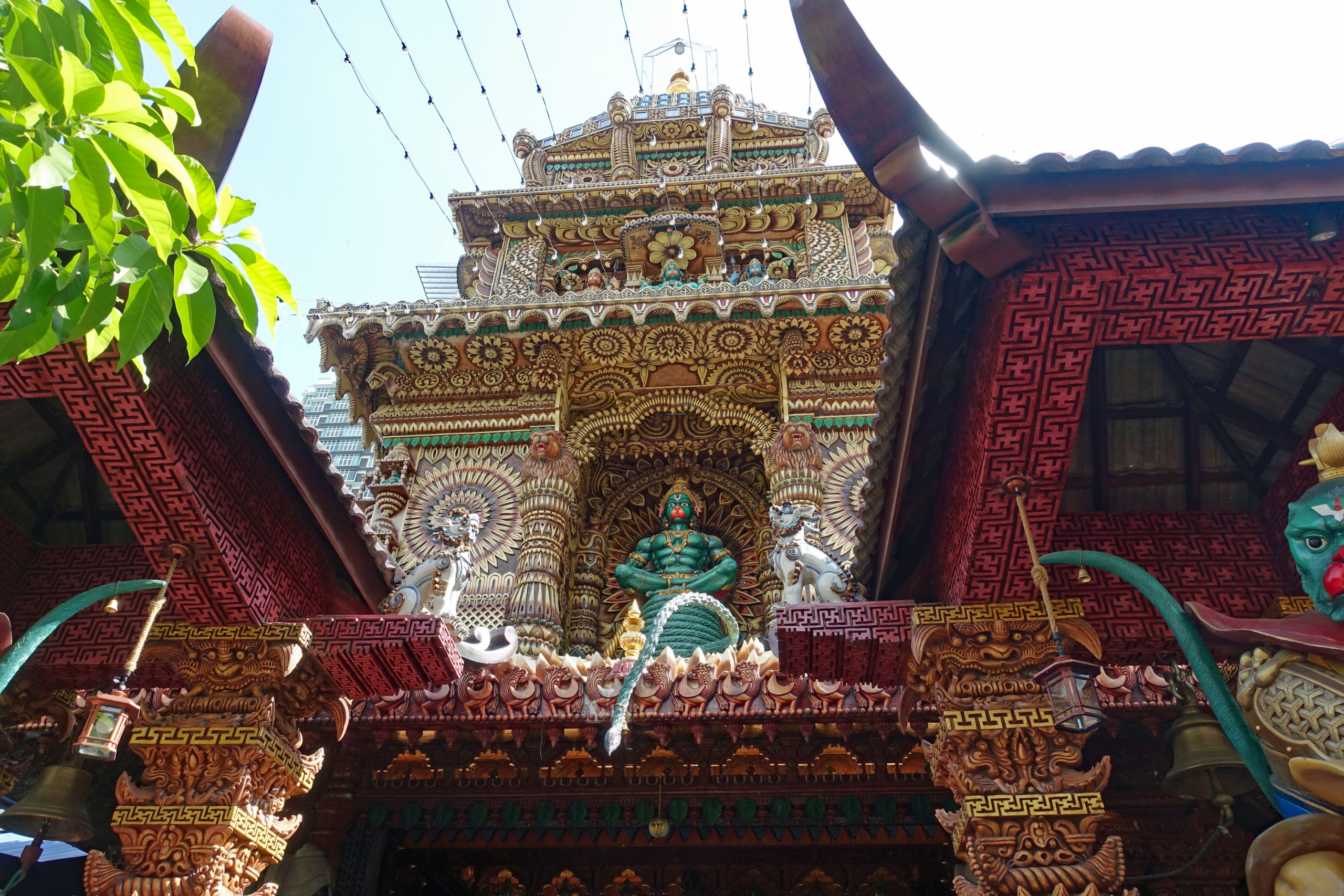
The beautiful exterior of the Sree Veera Hanuman Temple had us stopping to admire this Hindu landmark. This temple began as a humble shrine for South Indian railway laborers over 100 years ago before being relocated to its current spot to make way for the KL monorail. Just inside the entrance you will find statues of Hanuman including the Chinese Monkey God with a magical staff. This temple was not on our walking list but its well worth lingering for a look.
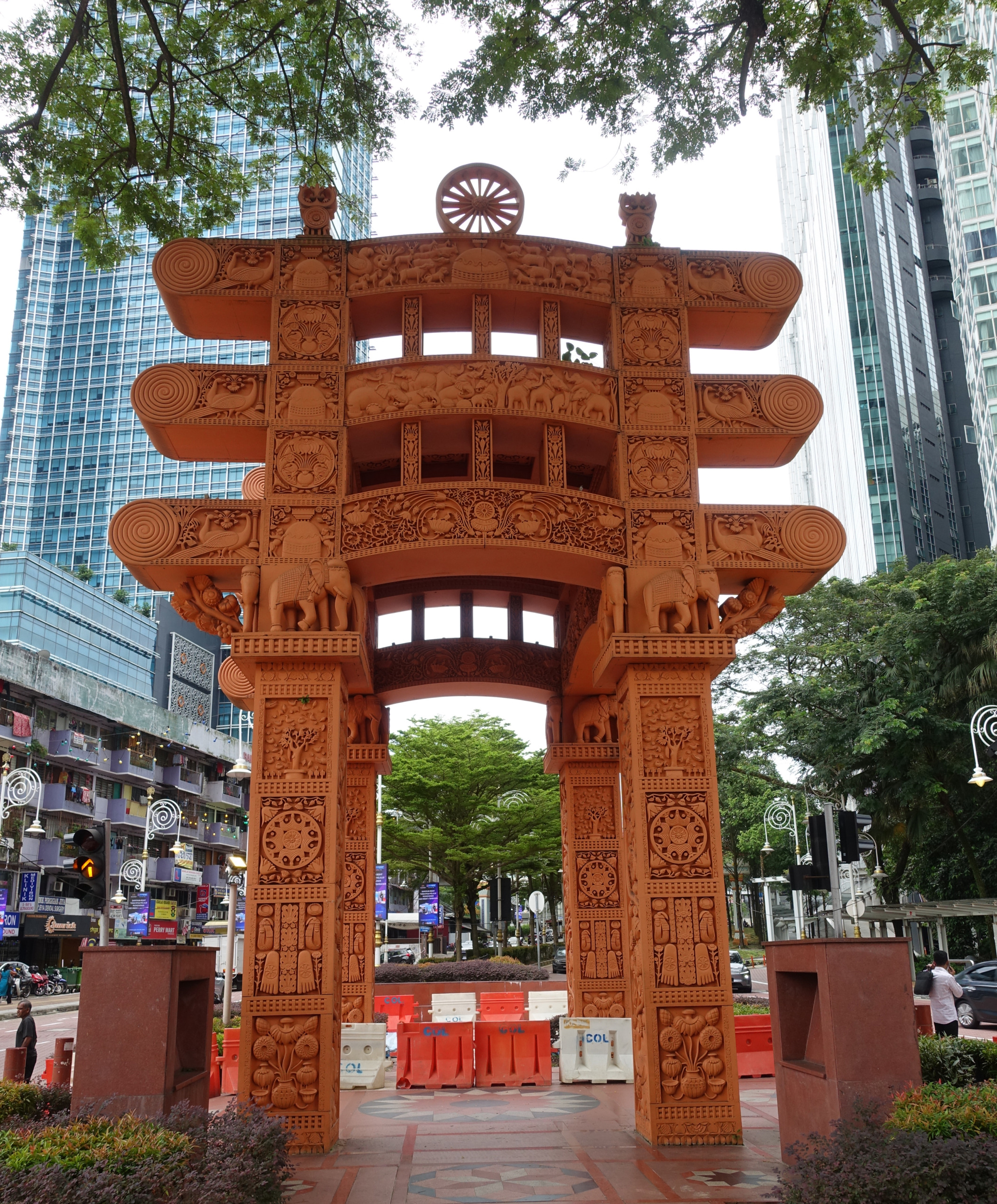
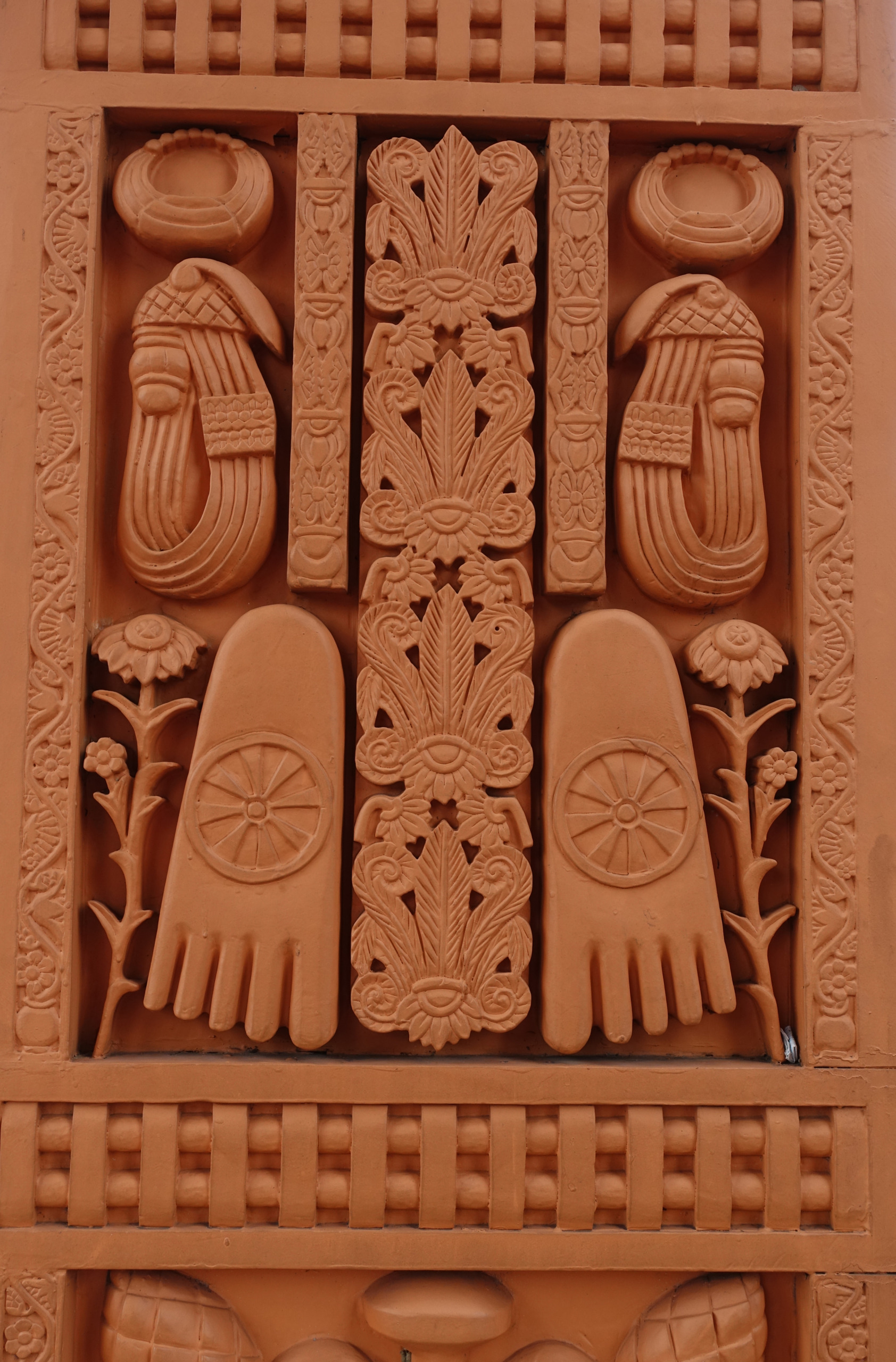
Jalan Tun Sambanthan is the main artery of the Brickfields neighborhood lined with shops selling vibrant saris, gold jewelry and spices. At the end of the street is the Brickfields Arch, officialy known as the Torana Gate, acting as a ceremonial entrance to the “Little India” district. It was a gift from the Government of India to the people of Malaysia as a symbol of the deep-rooted cultural and historical ties between the two nations. The gate is modeled after the famous Sanchi Stupa in India, which dates back to the 3rd century BCE. The arch is made of sandstone and features incredibly detailed relief carvings depicting the life of Buddha, as well as various flora and fauna characteristic of ancient Indian art.
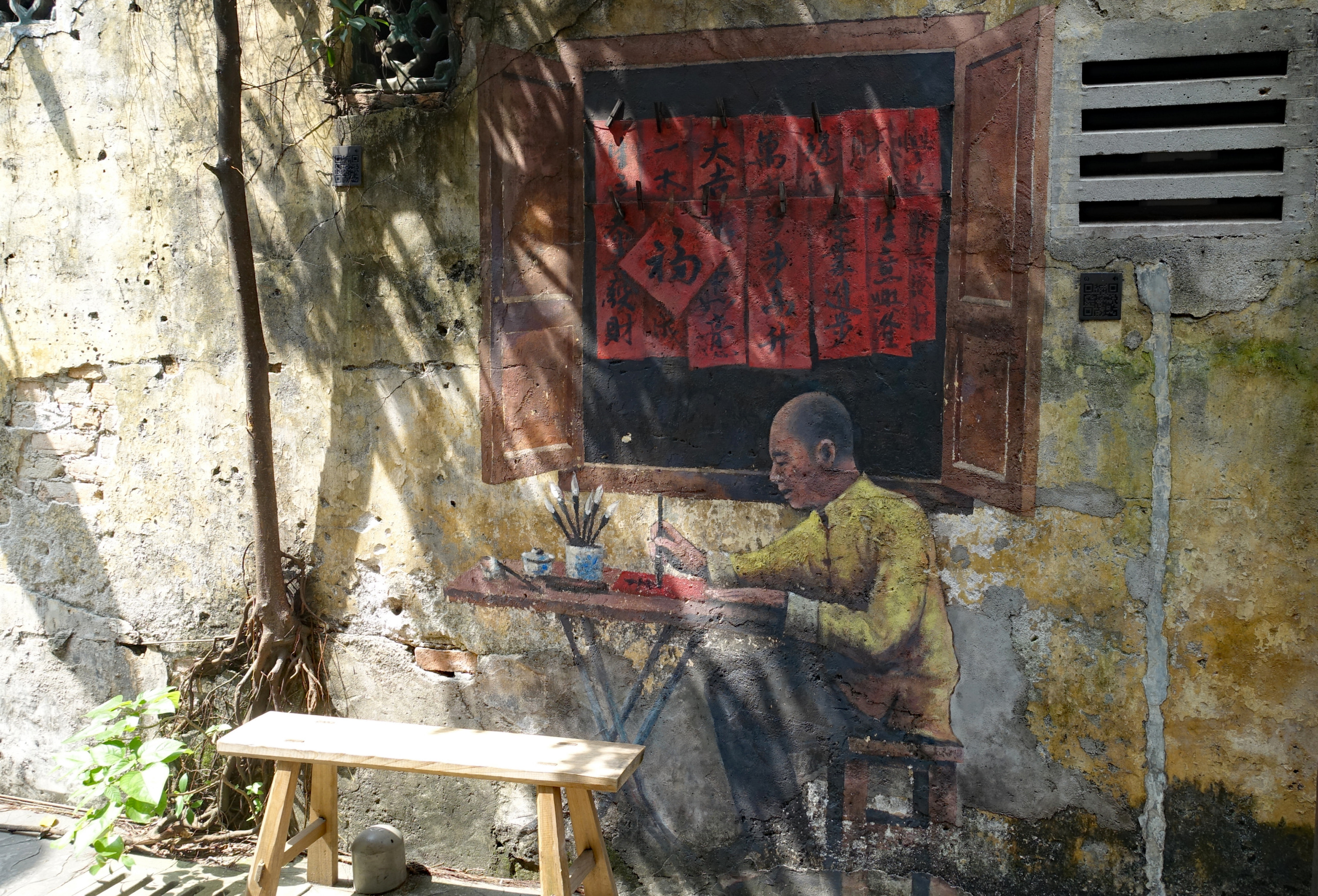
Bukit Bintang is a high-energy district where luxury shopping malls, world-class street food and a pulsating night life all converge. In this district is Jalan Alor, the legendary food street that comes alive at night, but because we were generally there during the day we drifted to Changkat Bukit Bintang. This street is lined with colonial-era buildings that have been converted into trendy bars, Irish pubs and nightclubs. Mostly what interested us was visiting some of the old alleys that have been revitalized with vibrant, floor-to-ceiling murals depicting local life and nature.
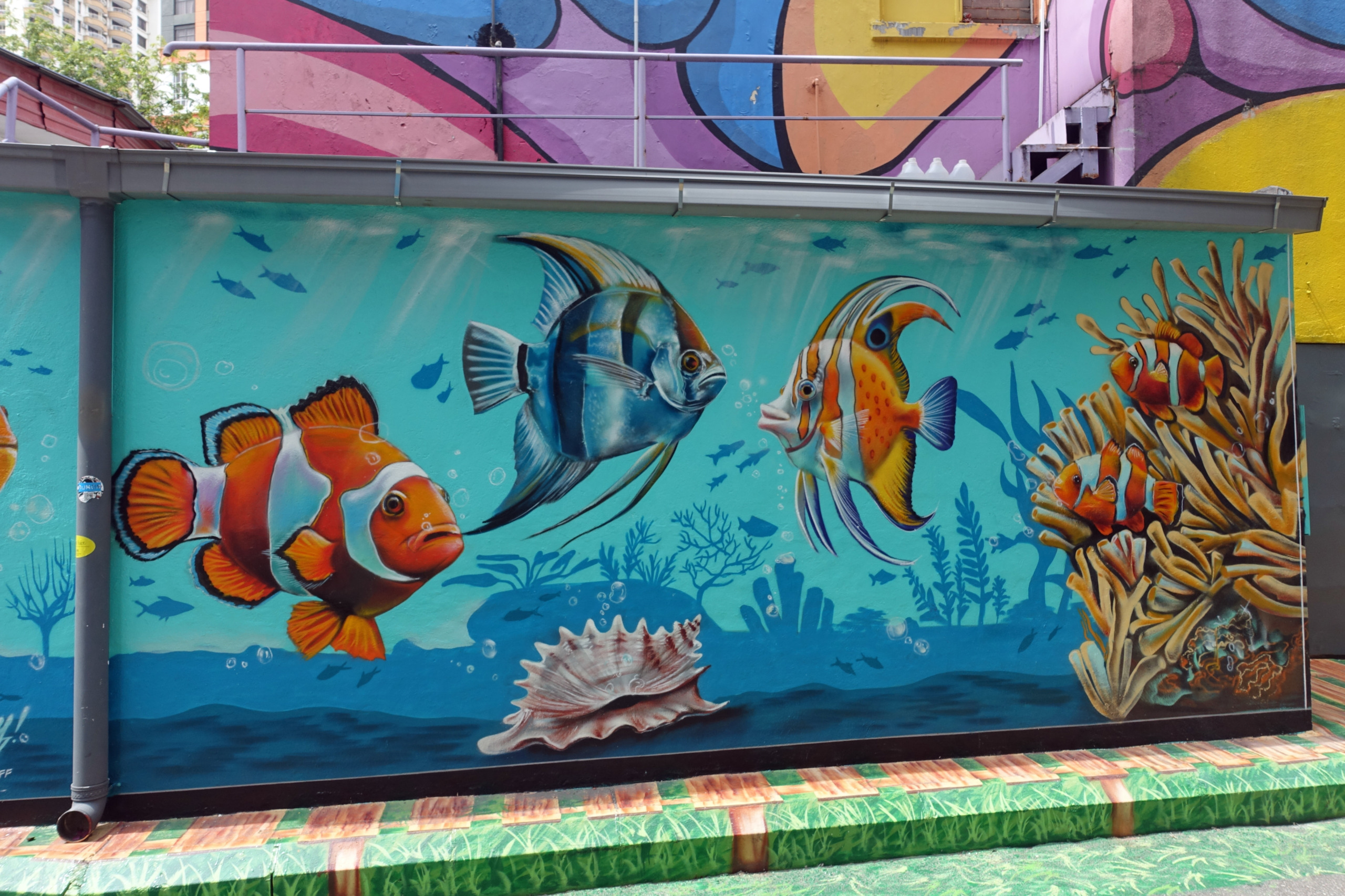
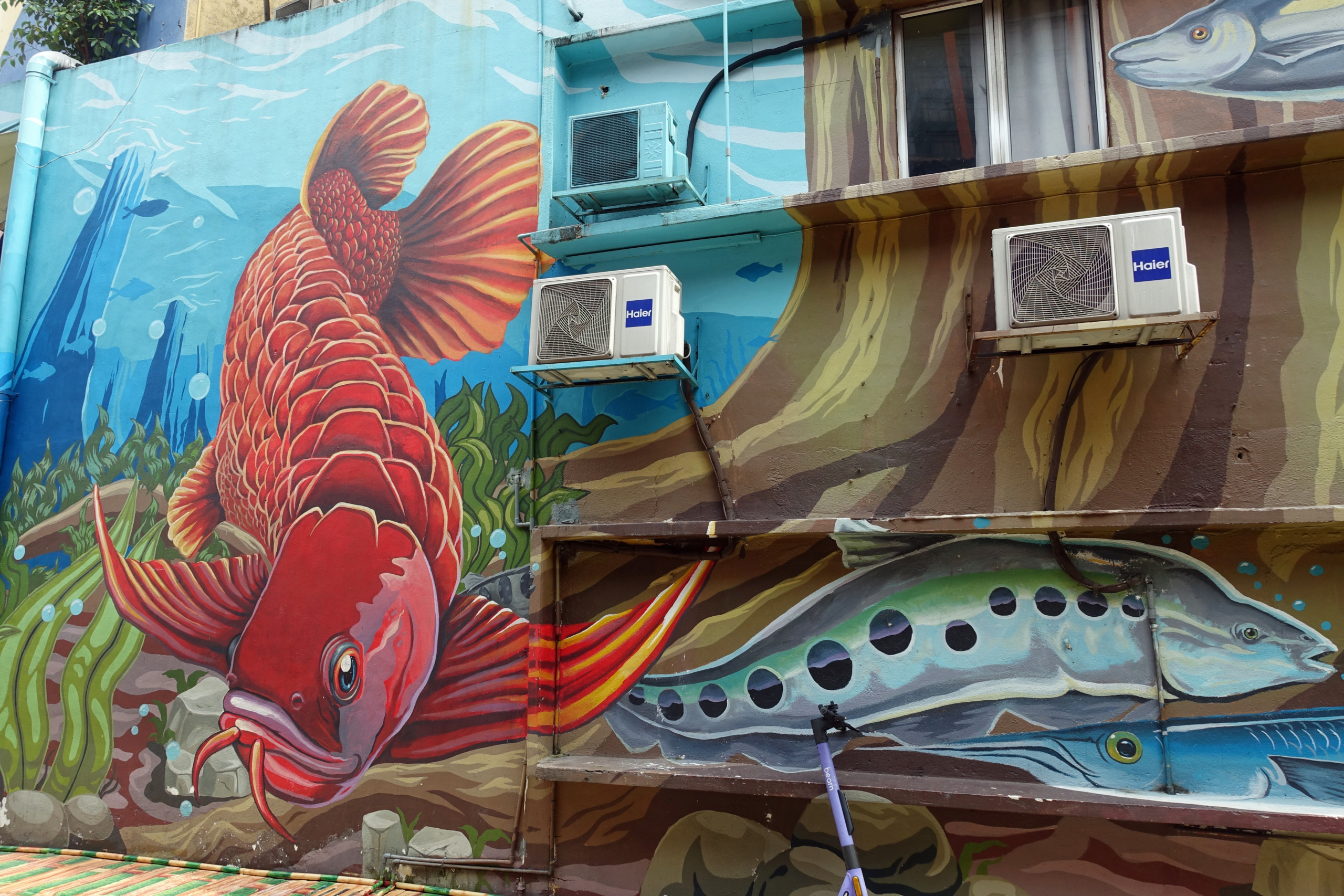
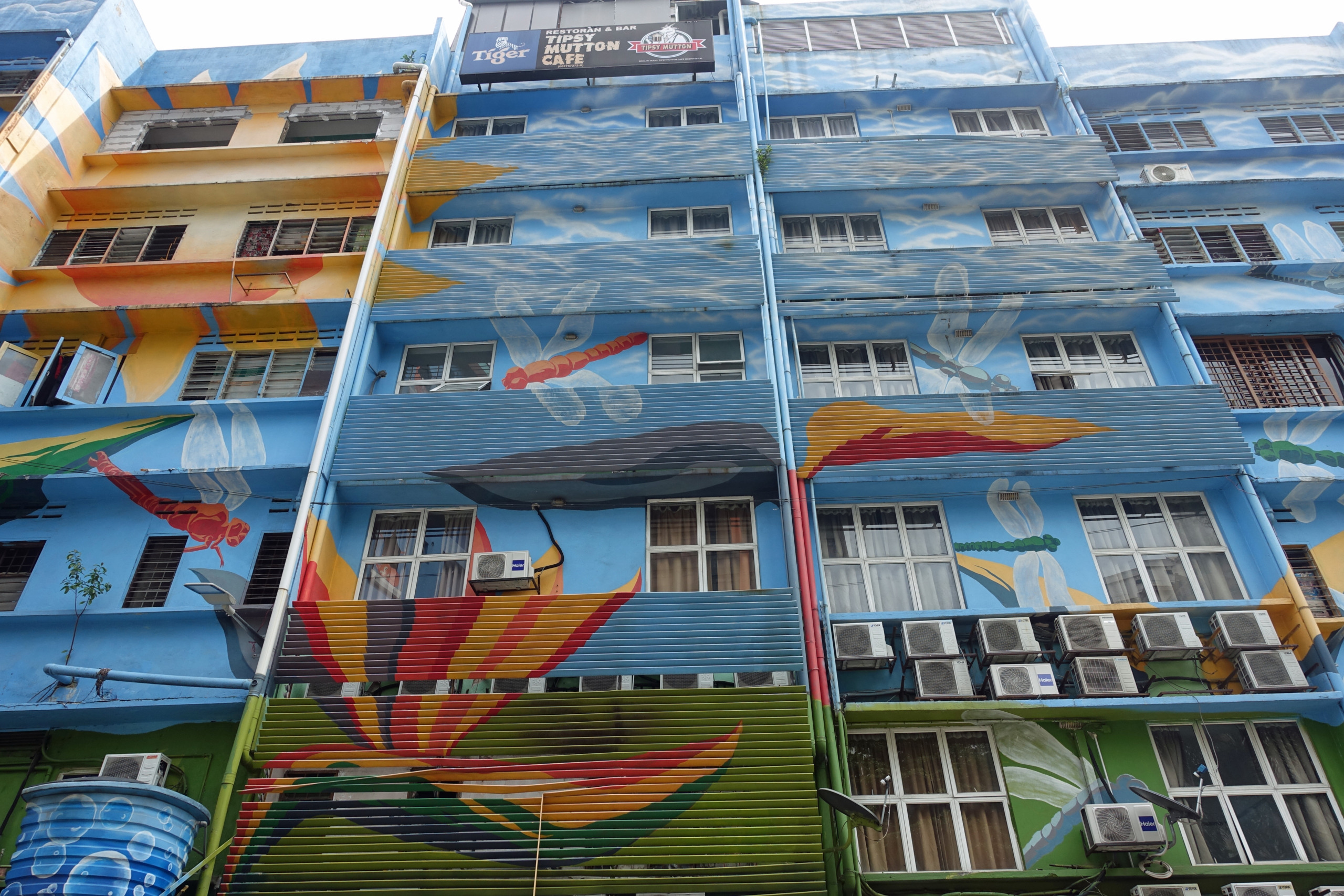
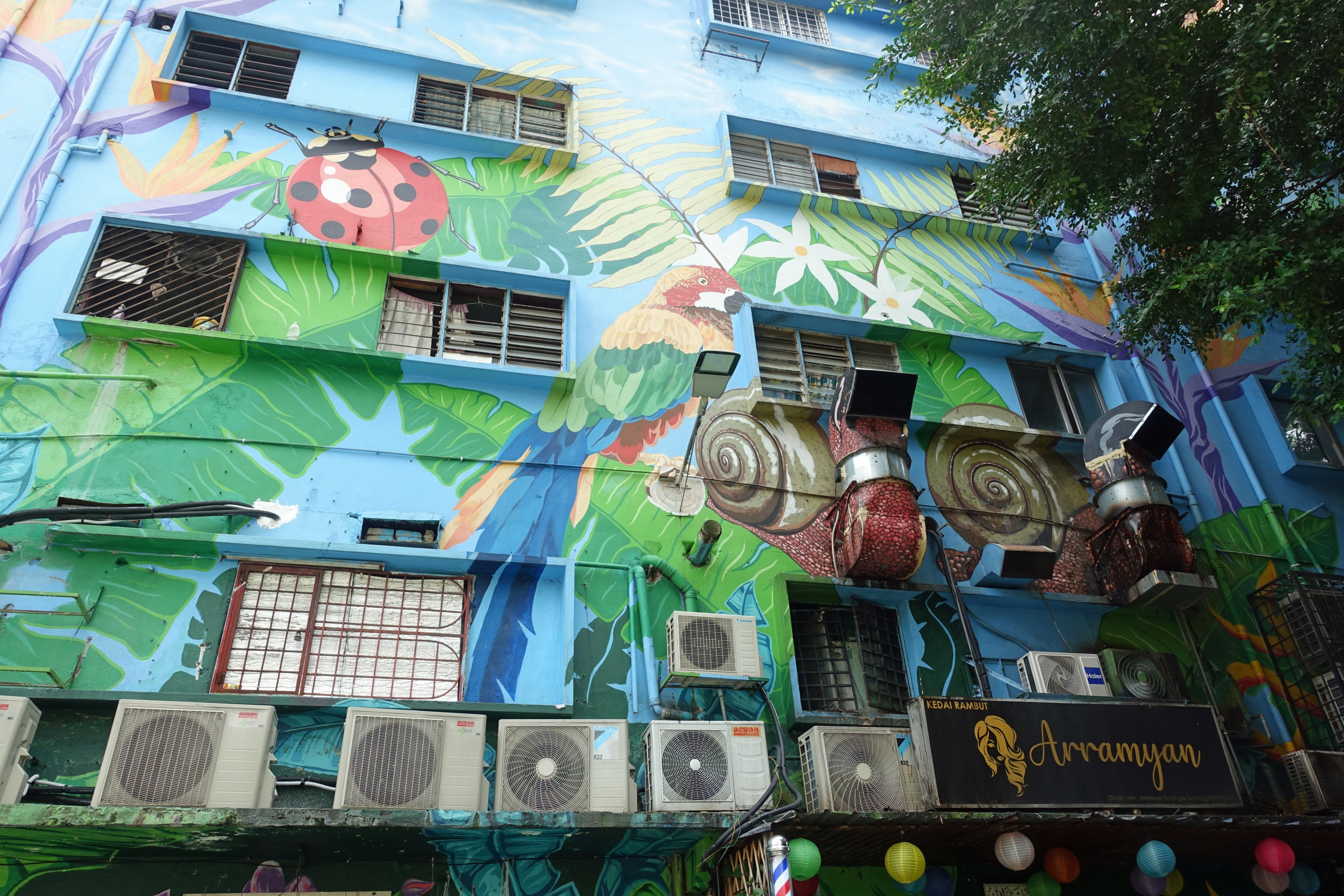
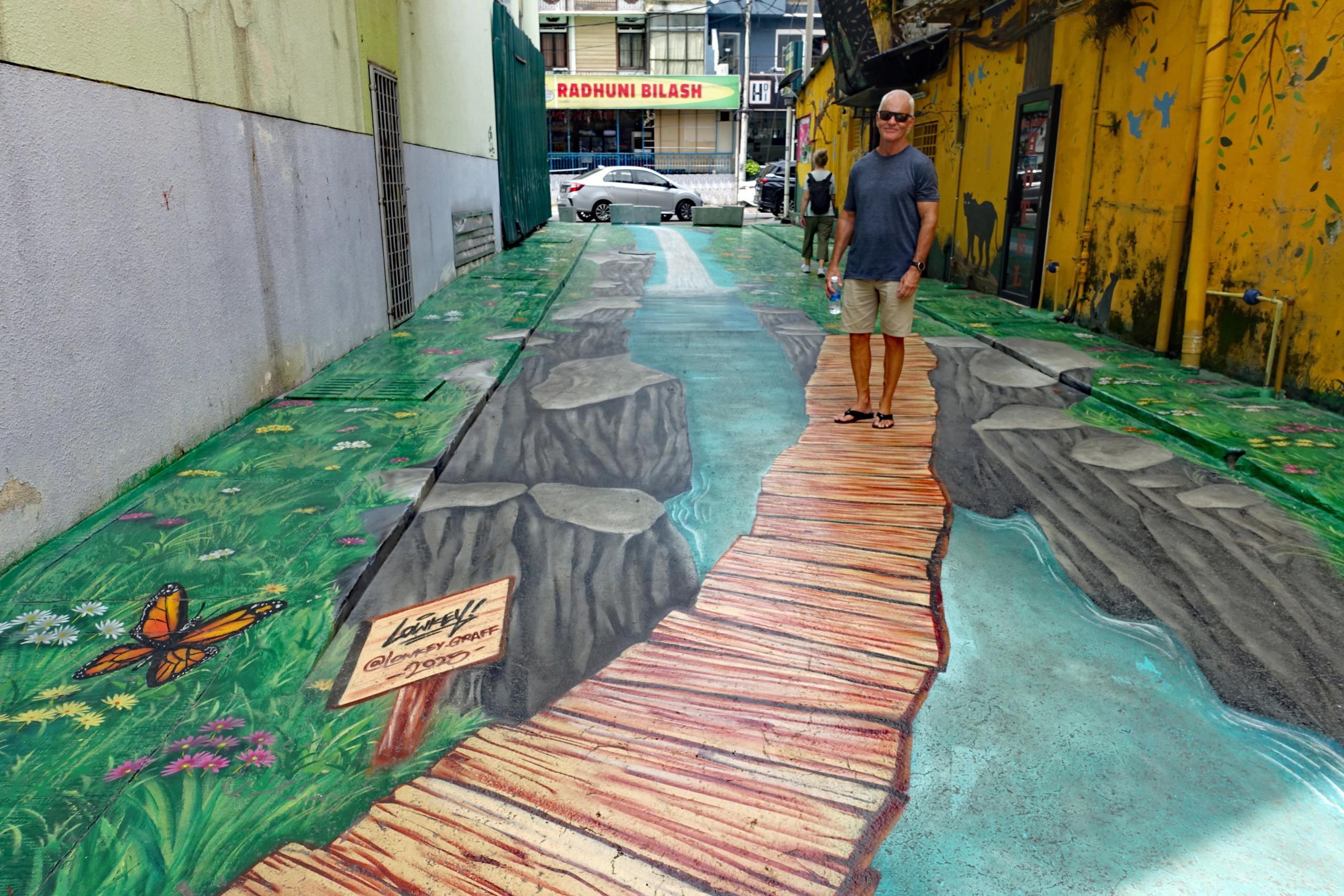
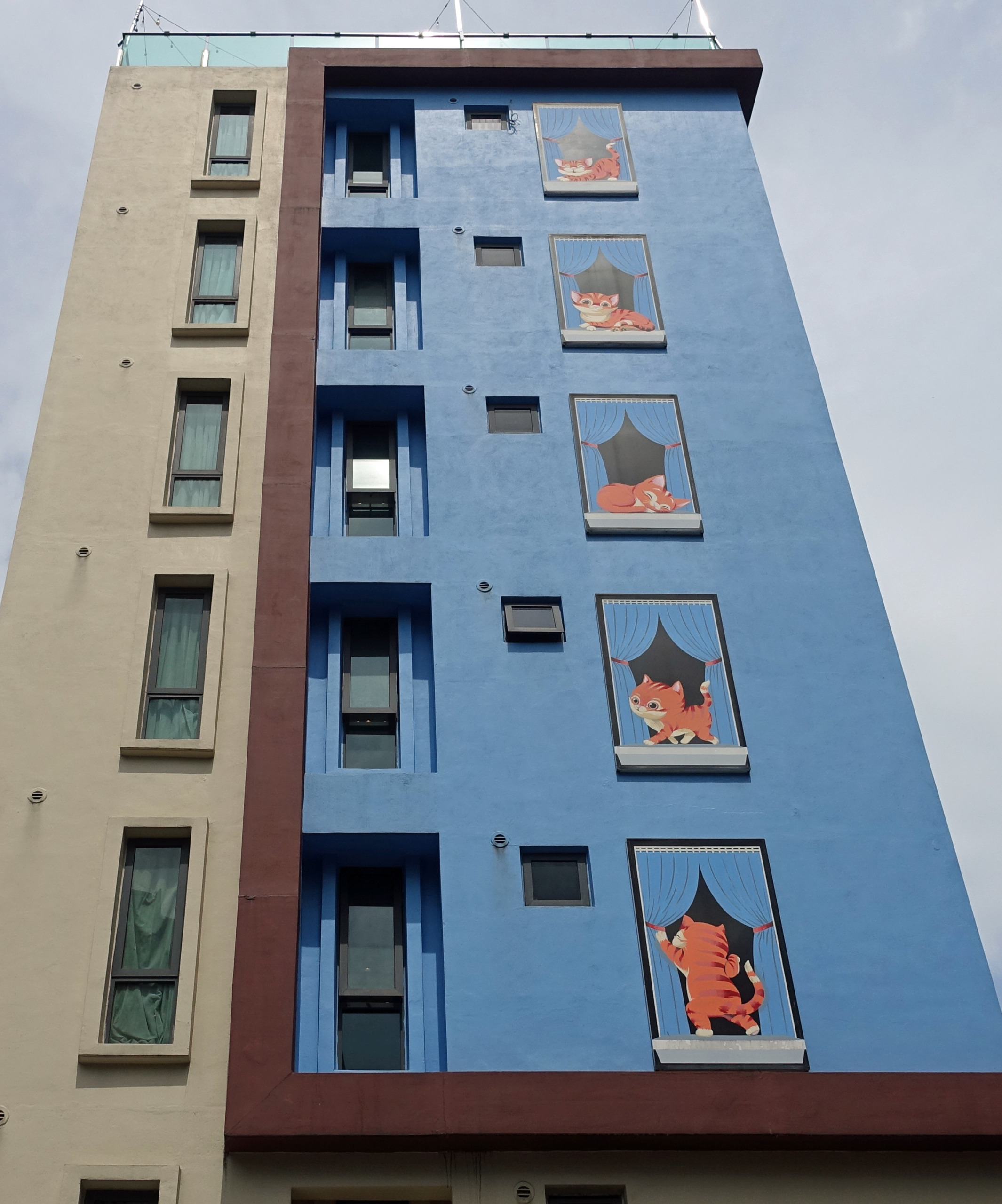
One of the most captivating and energetic districts in Kuala Lumpur is Chinatown, and if you are interested in shopping, the Petaling Street Market is filled with an incredible array of goods from fashion, to souvenirs, to electronics. Because we have toured Chinatown before, this time we went searching for some of the street art the area is famous for.
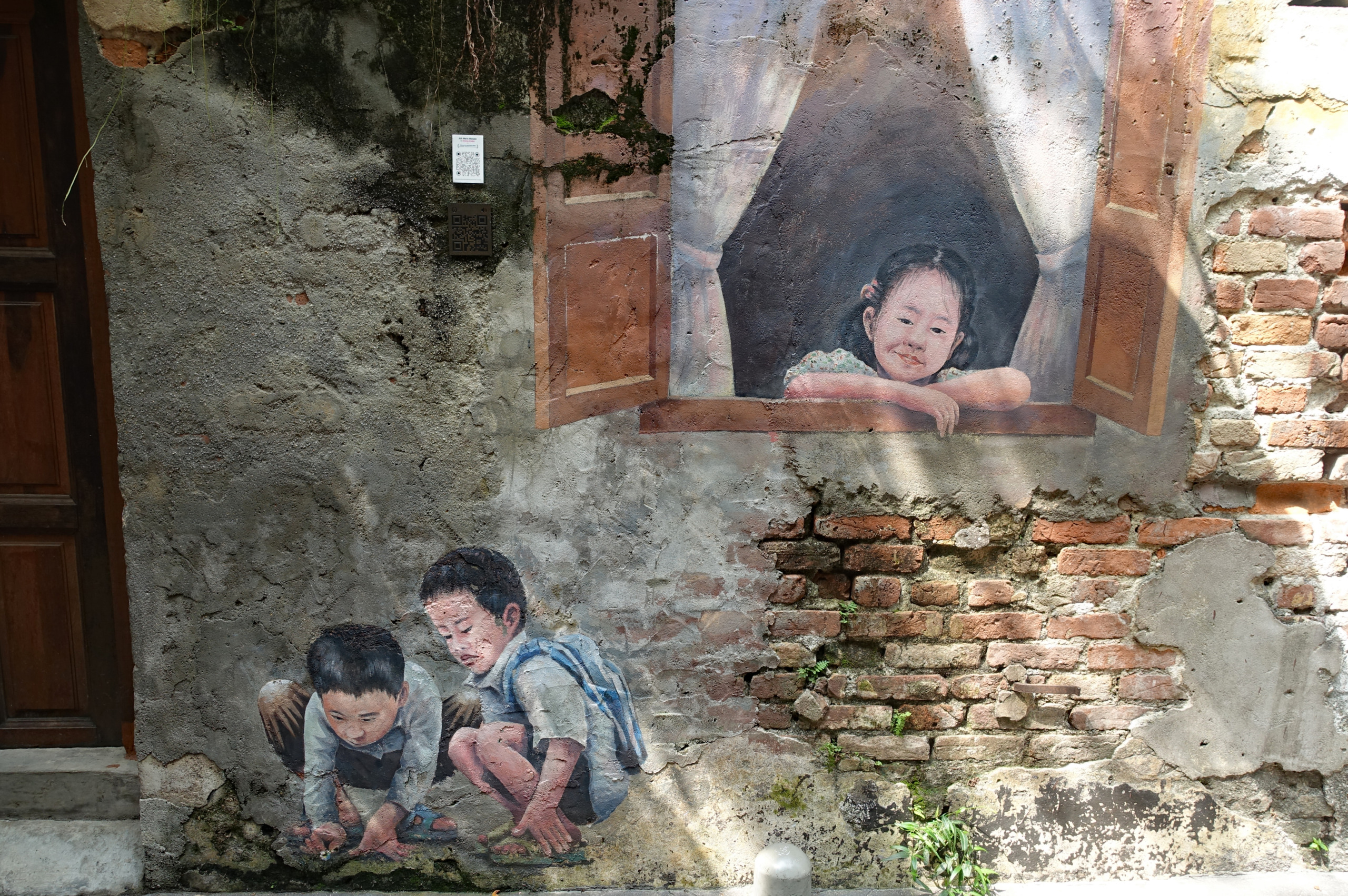
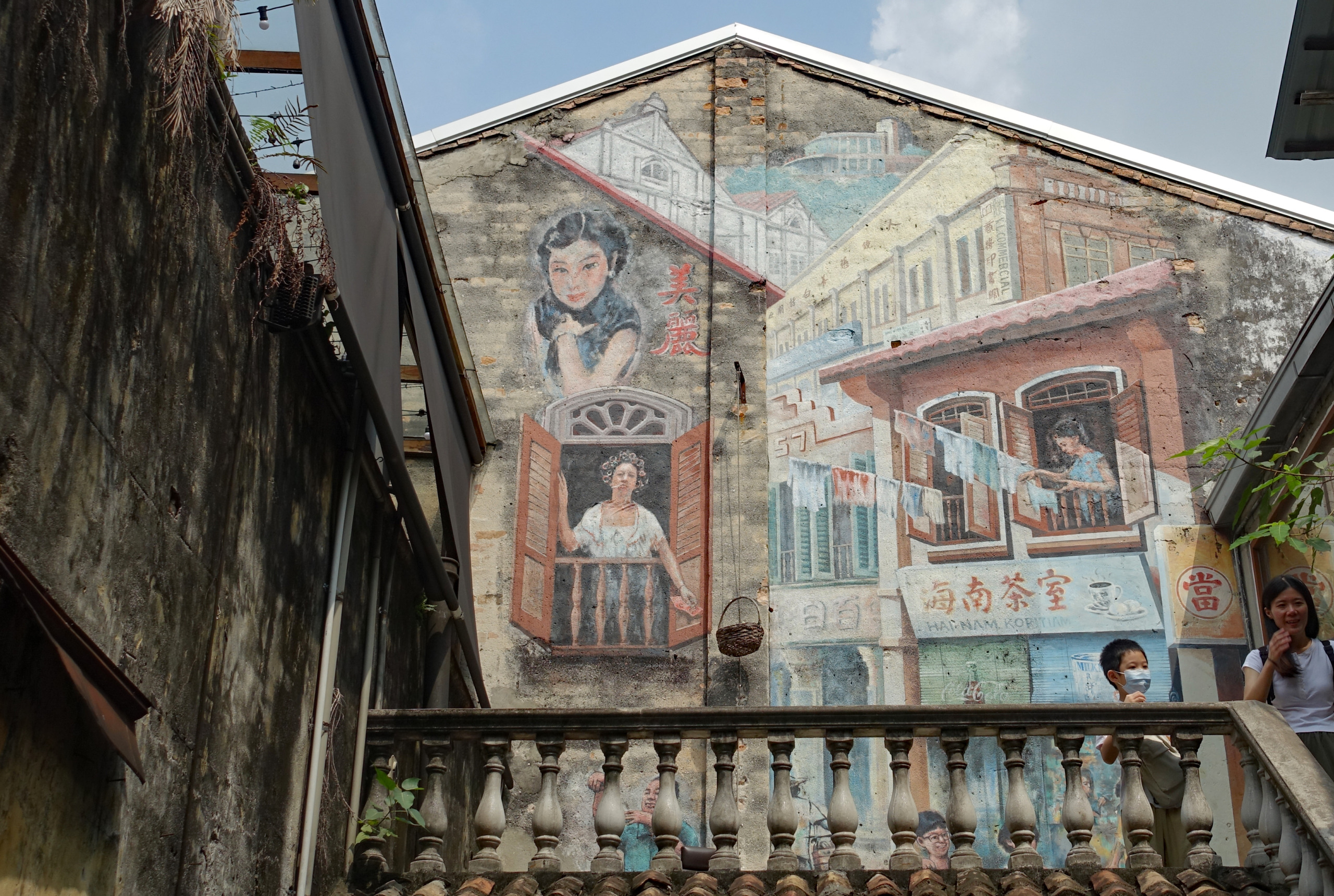
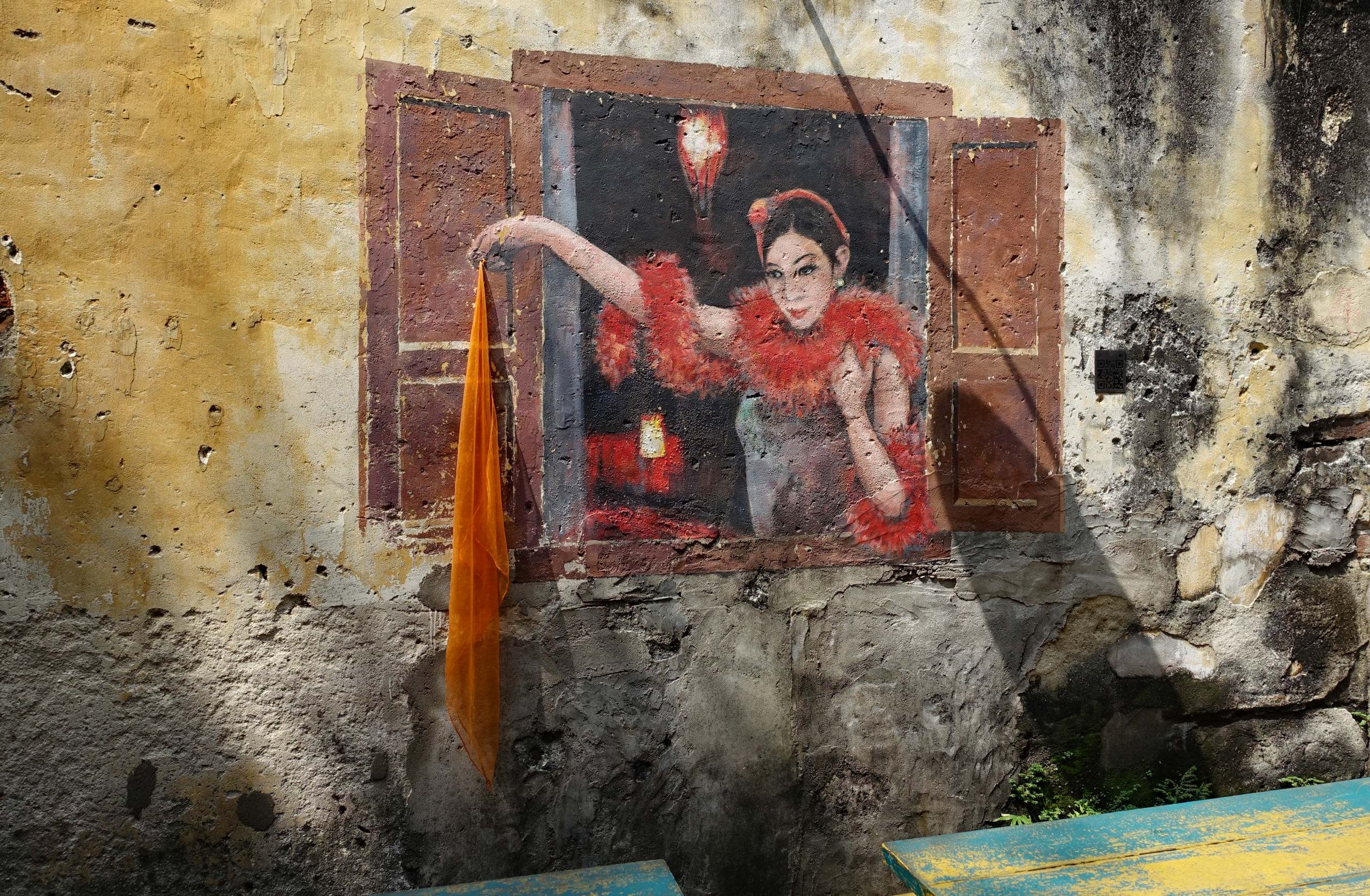
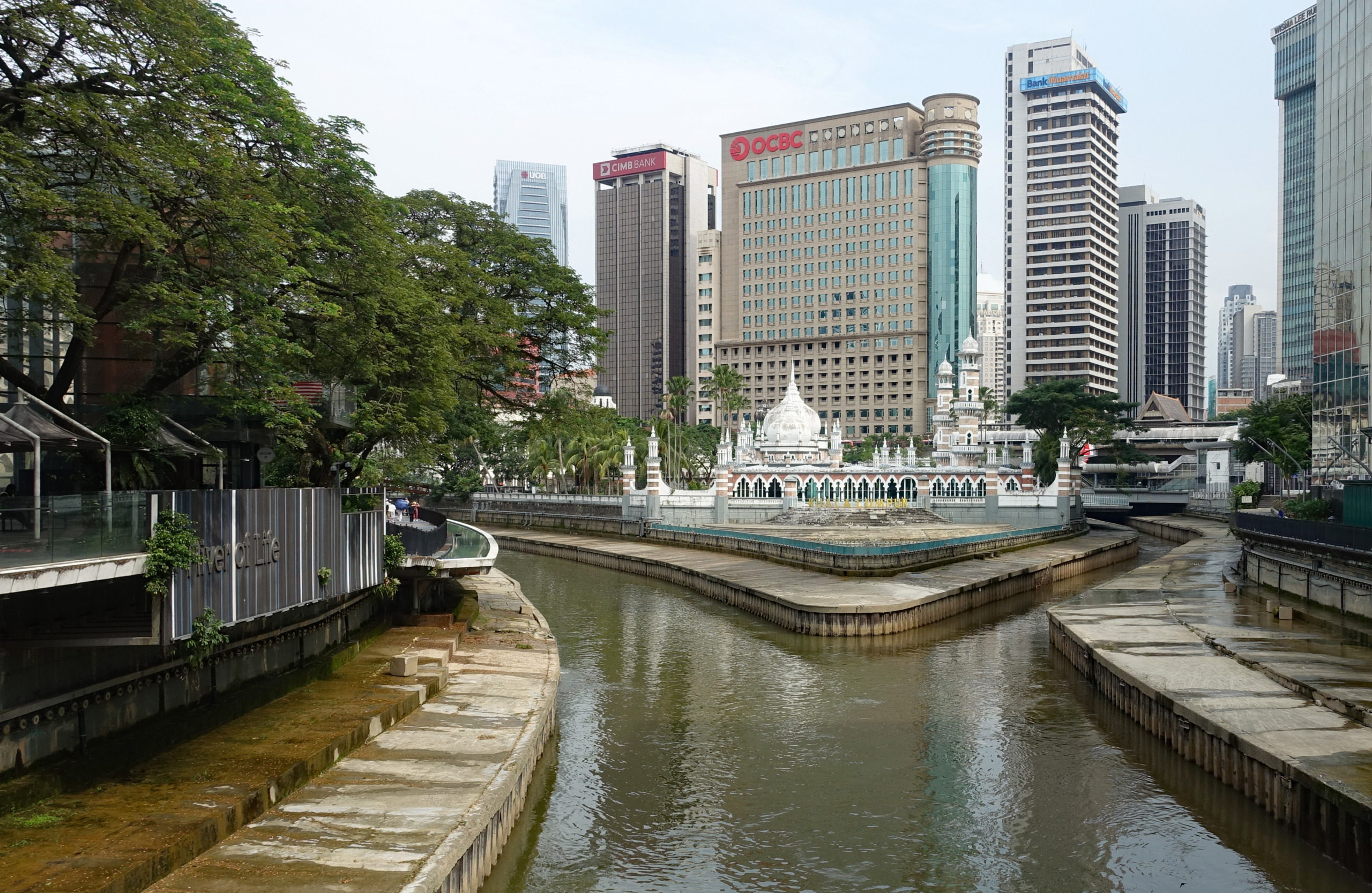
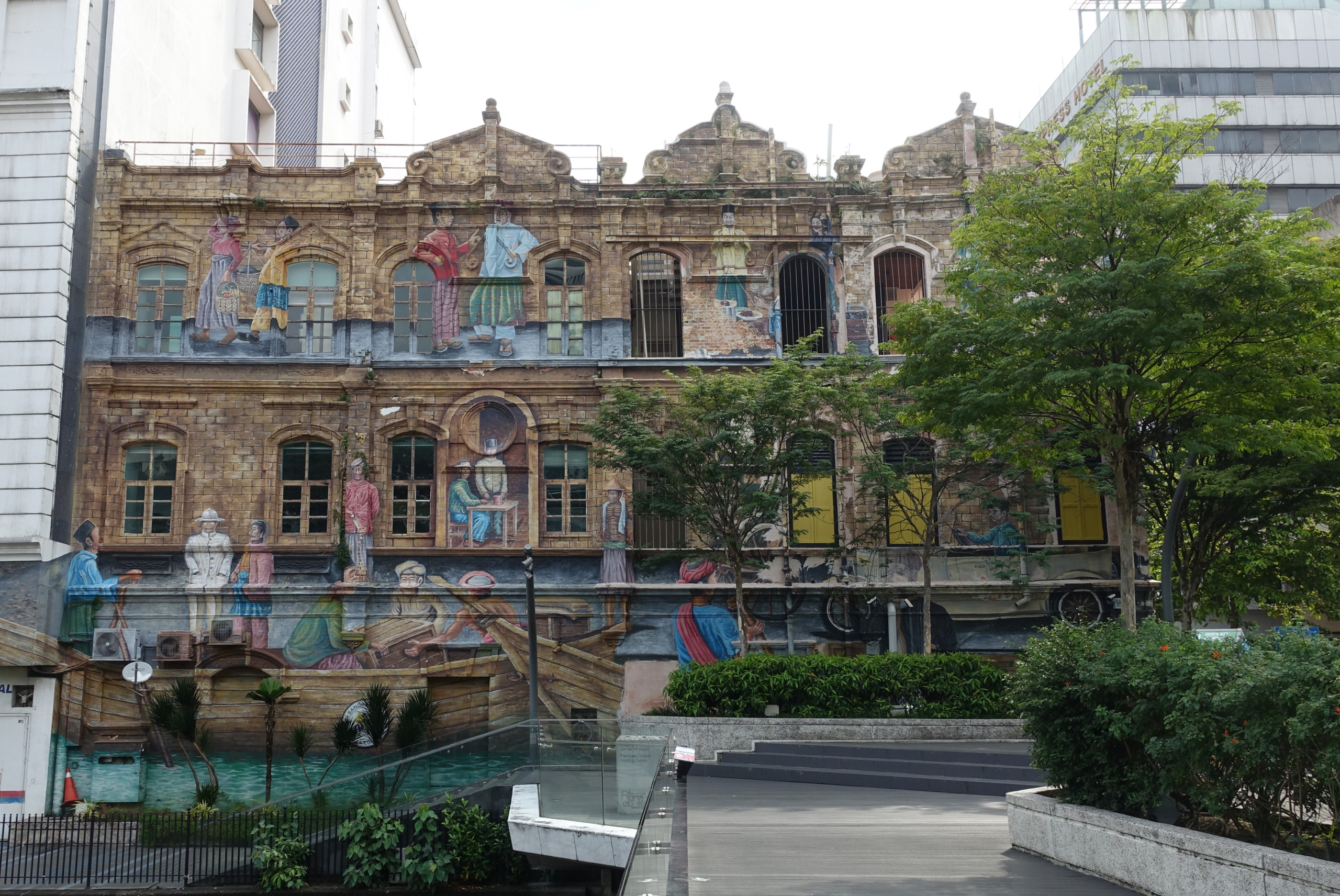
The River of Life is a major revitalization project in the heart of Kuala Lumpur, specifically centered around the confluence of the Klang and Gombak rivers. This multi-billion dollar initiative transformed a once-polluted waterway into a vibrant public space. The riverbanks are lined with large-scale, colorful street art and murals that depict the history, culture, and nature of Malaysia. At the confluence point sits the oldest mosque in the city, Masjid Jamek Sultan Abdul Samad.
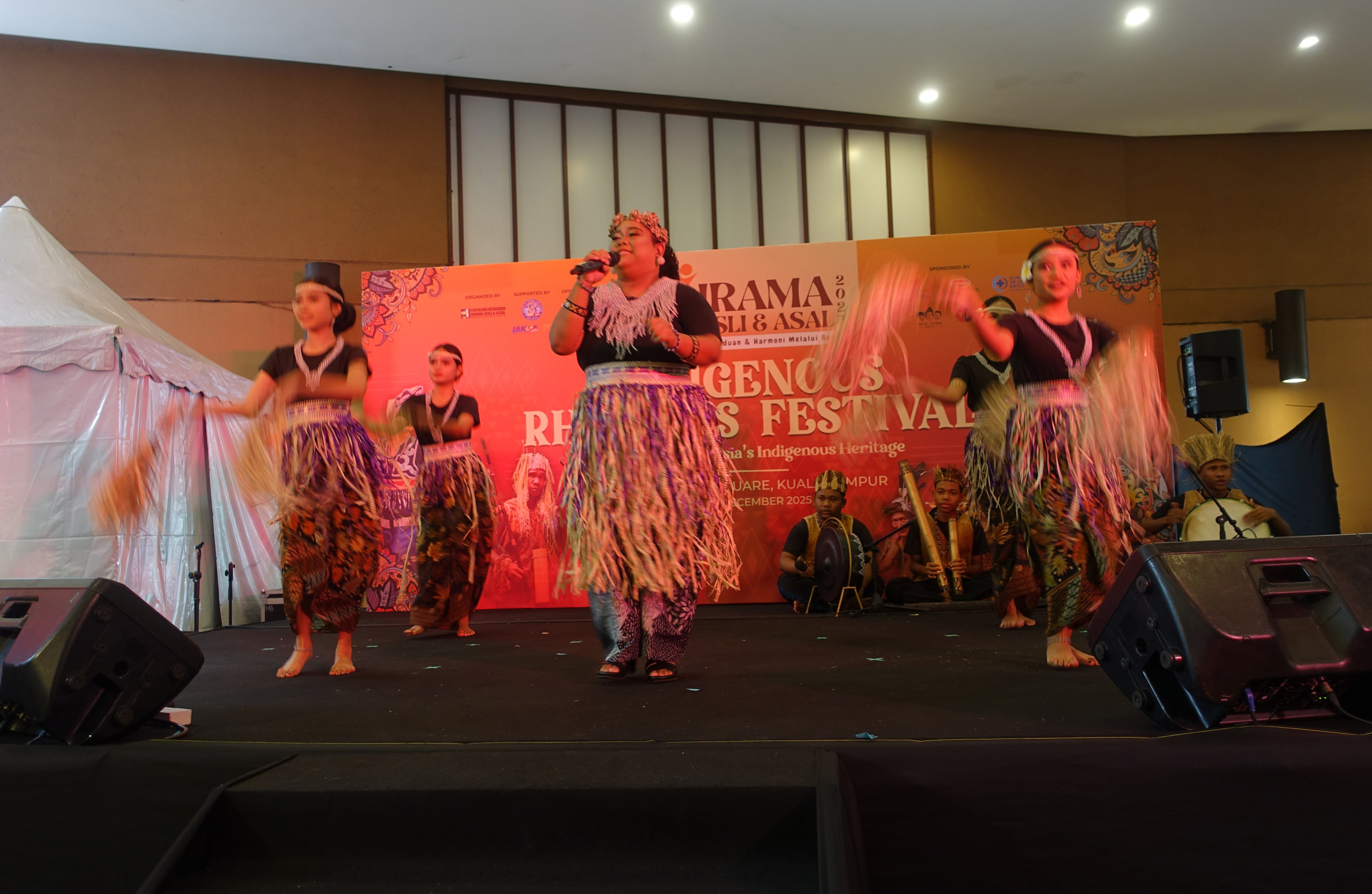
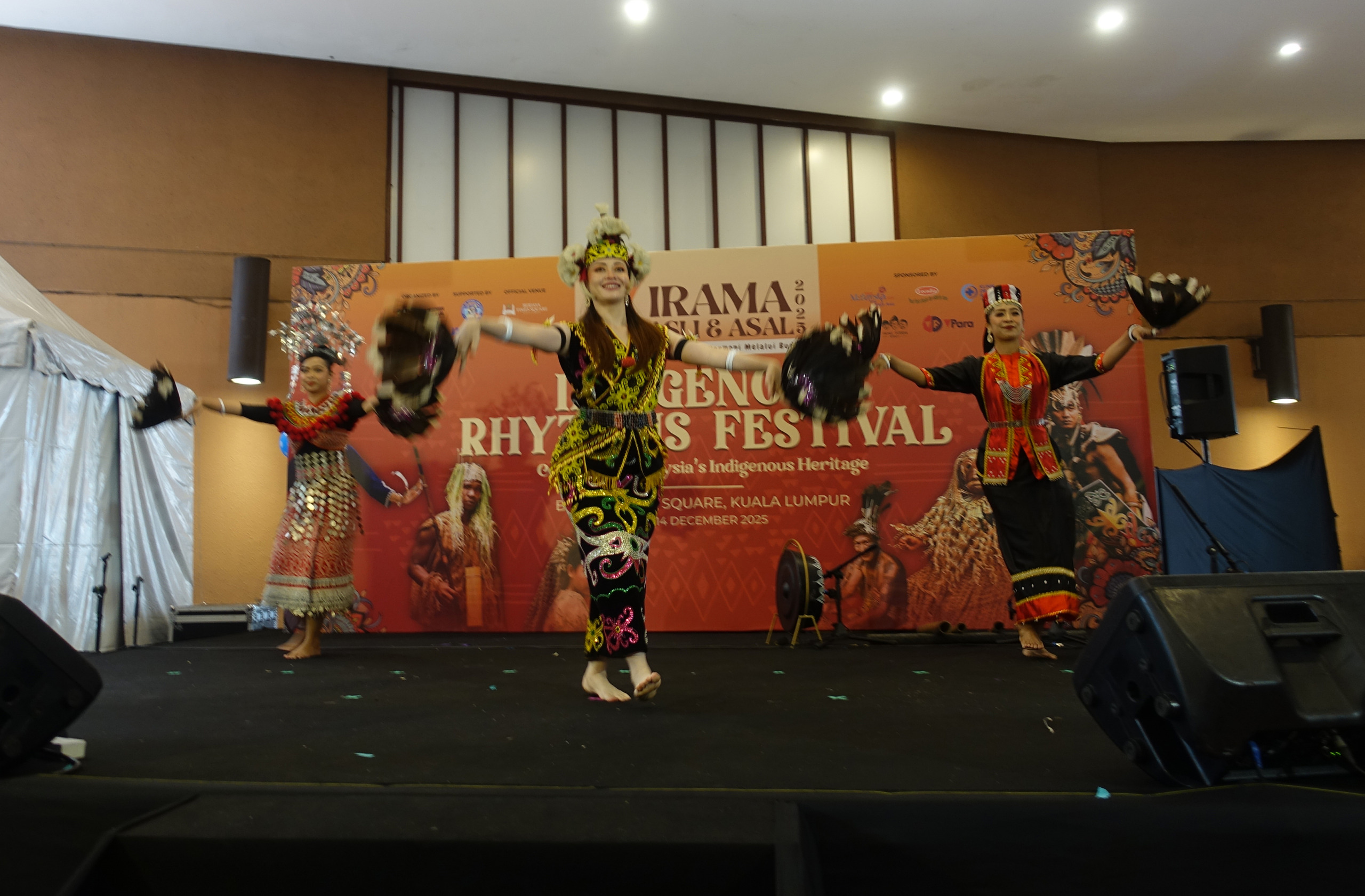
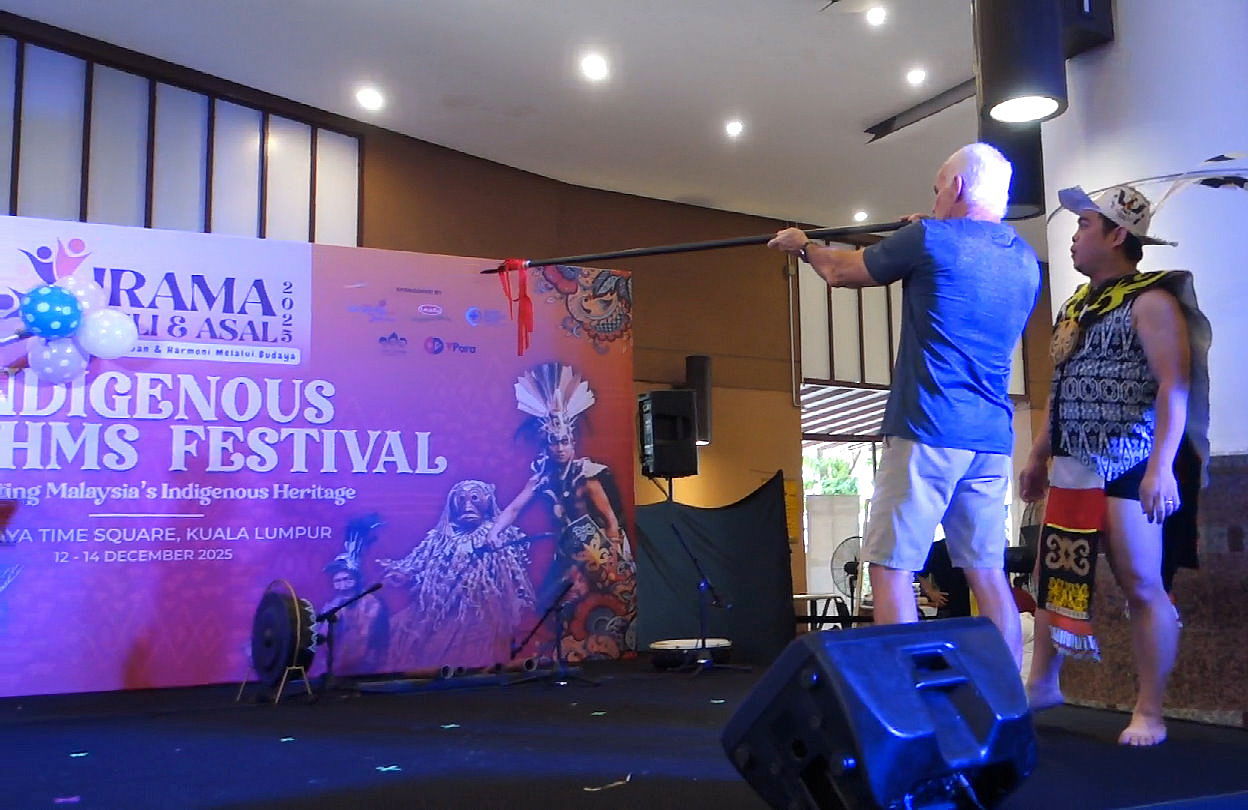
Our local friend Rona invited us to attend a Malaysian Dance Festival at the Burjaya Times Square Mall. We enjoyed the dance performances by the indiginous people and wandered among the stalls selling local crafts. Blair was coerced onstage to blow a dart out of a long bamboo pole, successfully popping the balloon!
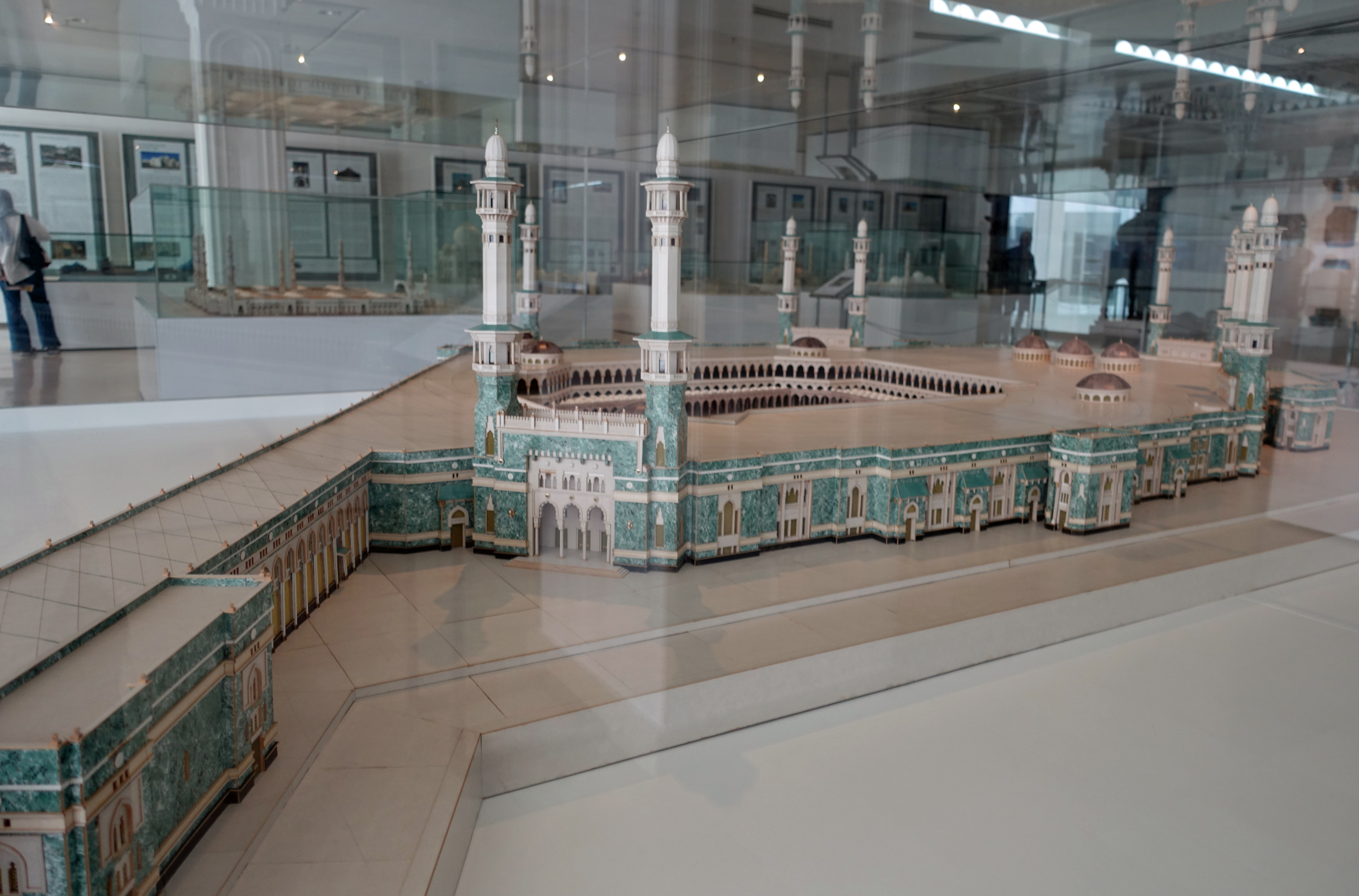
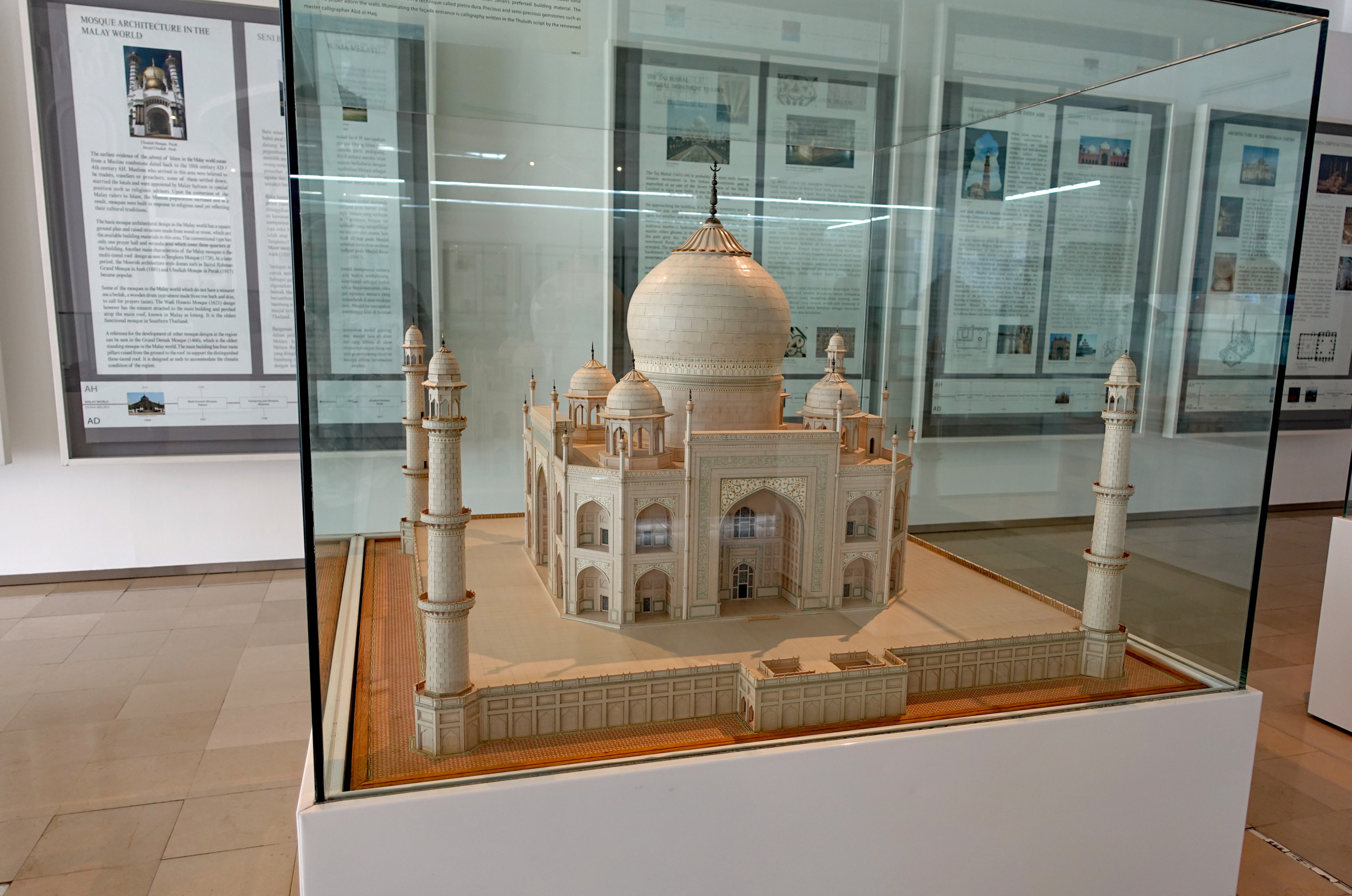
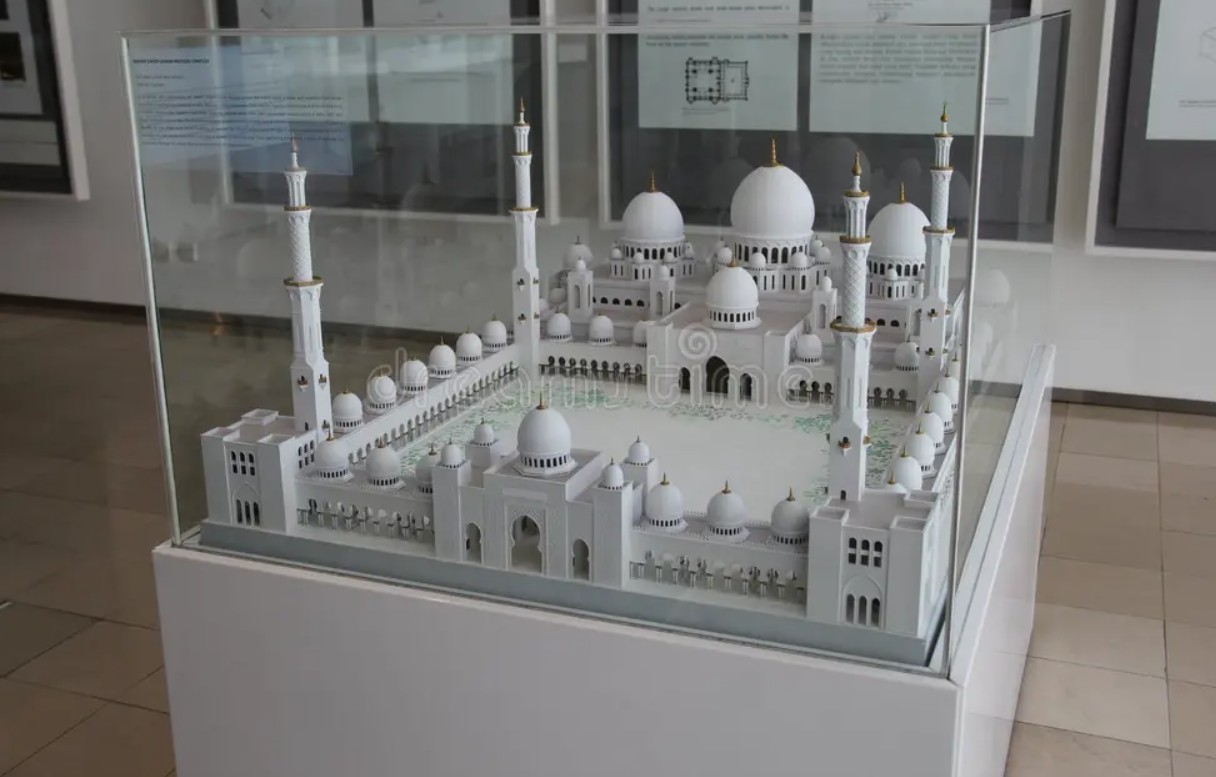
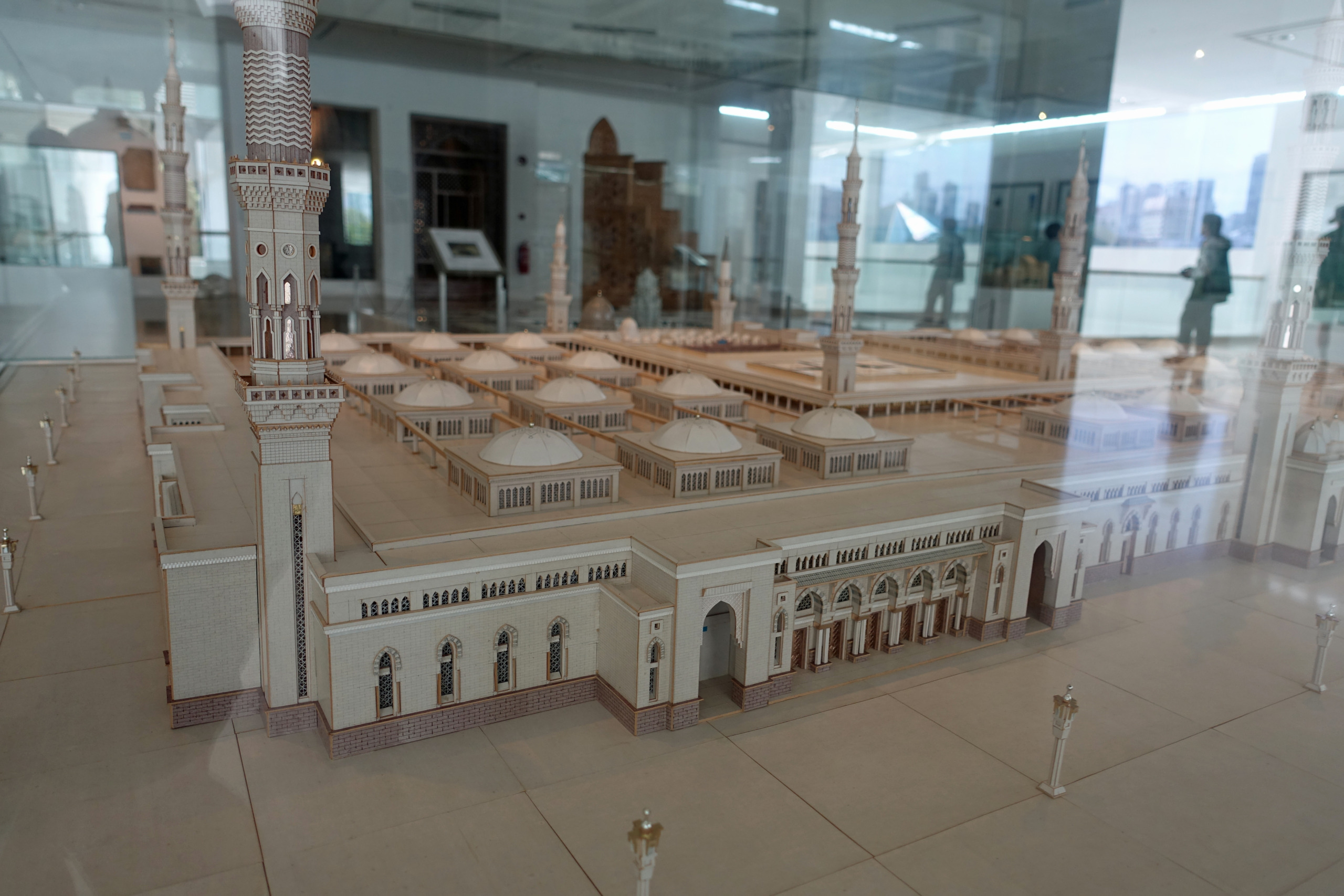
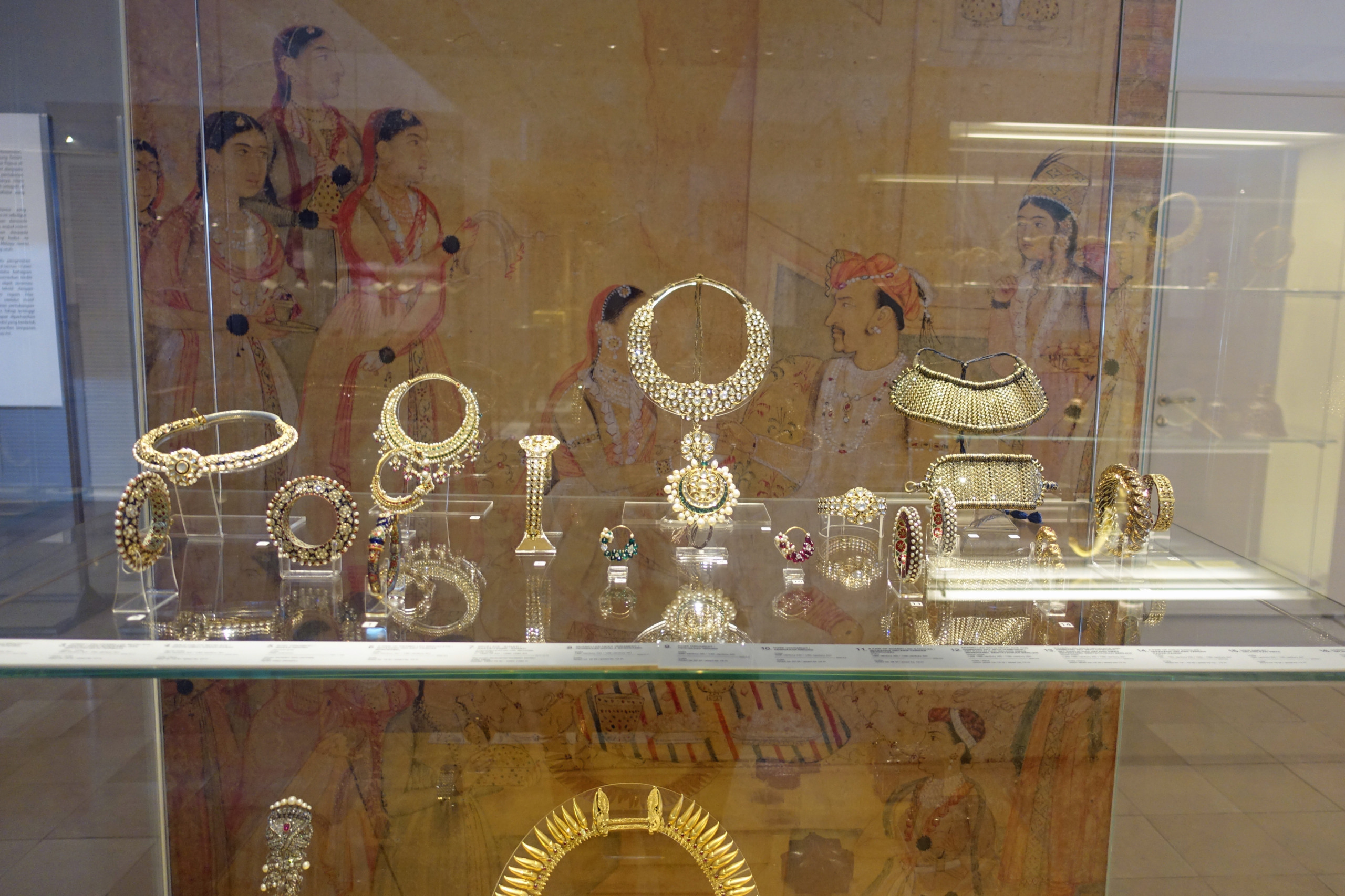
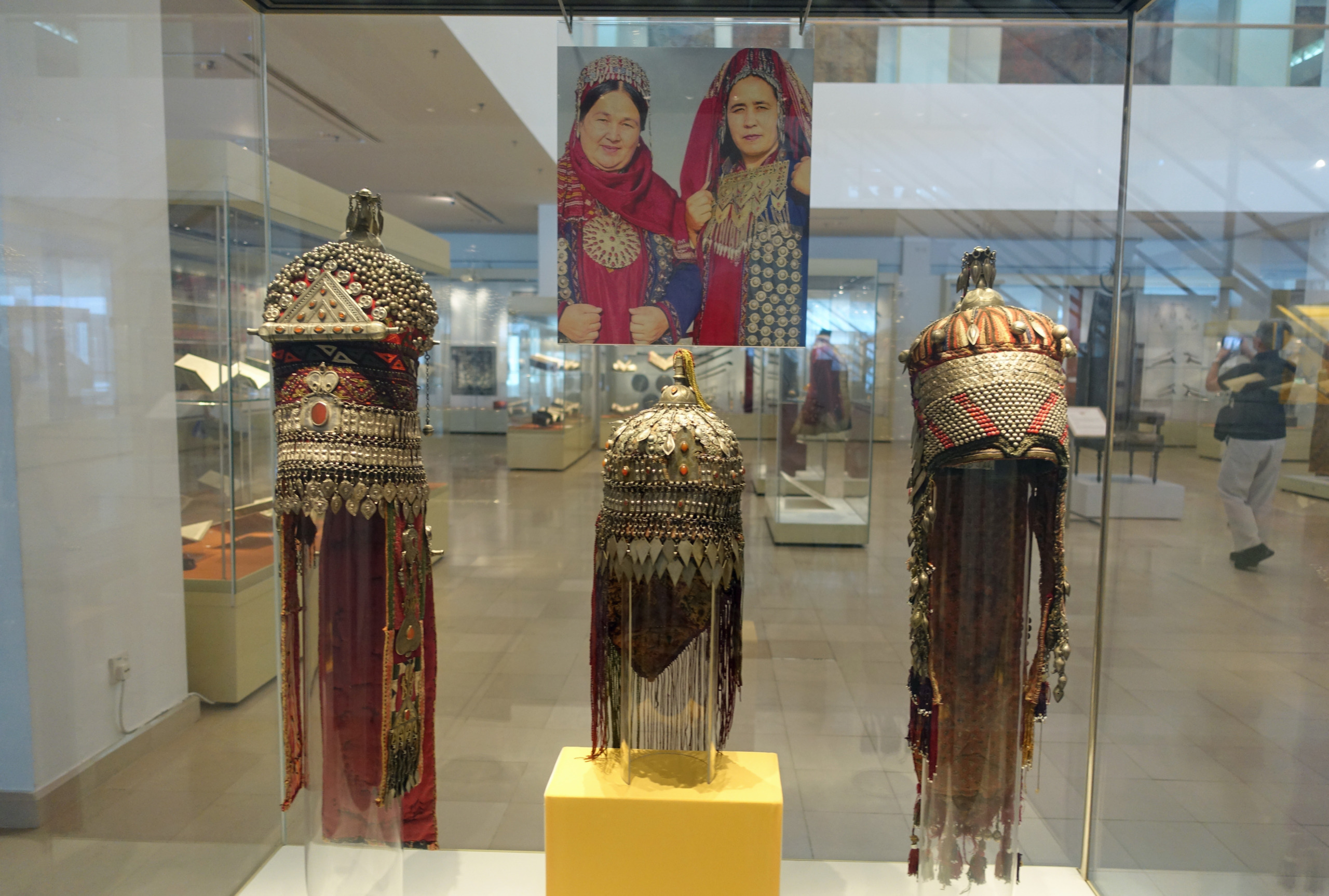
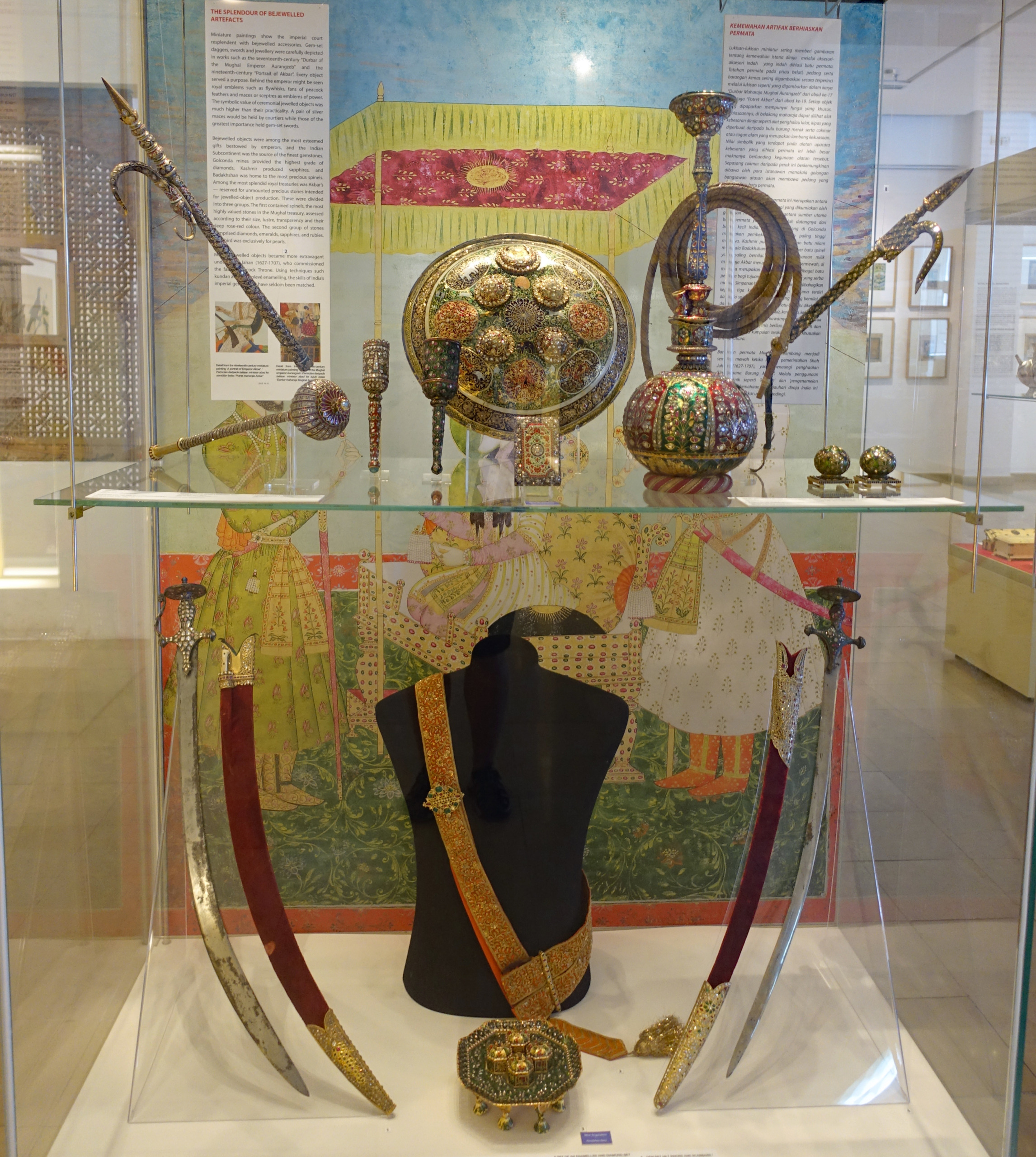
On the recommendation of friends we decided to visit the Islamic Arts Museum, housing one of the most comprehensive collections of Islamic art in Southeast Asia. The building itself is a masterpiece, with its stunning turquoise domes and intricate geometric patterns reflecting traditional Islamic design. Once inside we were transported into a world of breathtaking artistry, where centuries of Islamic civilization come alive. The museum boasts twelve main galleries, each dedicated to a specific aspect of Islamic art and culture. The first gallery on the main level is the Architecture Gallery, housing one of the world’s most impressive collections of handcrafted scale models of famous mosques around the world. The centerpiece of the collection is the massive, meticulously detailed model of the Grand Mosque in Mecca, one of the largest models of its kind in the world. It provides a rare birds-eye view of the mosque and surrounding complex, helping visitors understand the sheer size required to accommodate millions of pilgrims. The collection features over 20 models, some of our favorites being the Taj Mahal in India and the Sheikh Zayed Grand Mosque in Abu Dhabi (we have been to this one) and the Al-Masjid as-Nabawi Mosque in Medina, Saudi Arabia. Because many of these sites are restricted to Muslims or are located in far-flung regions, the models allow everyone to appreciate the beauty of these Islamic sacred spaces.
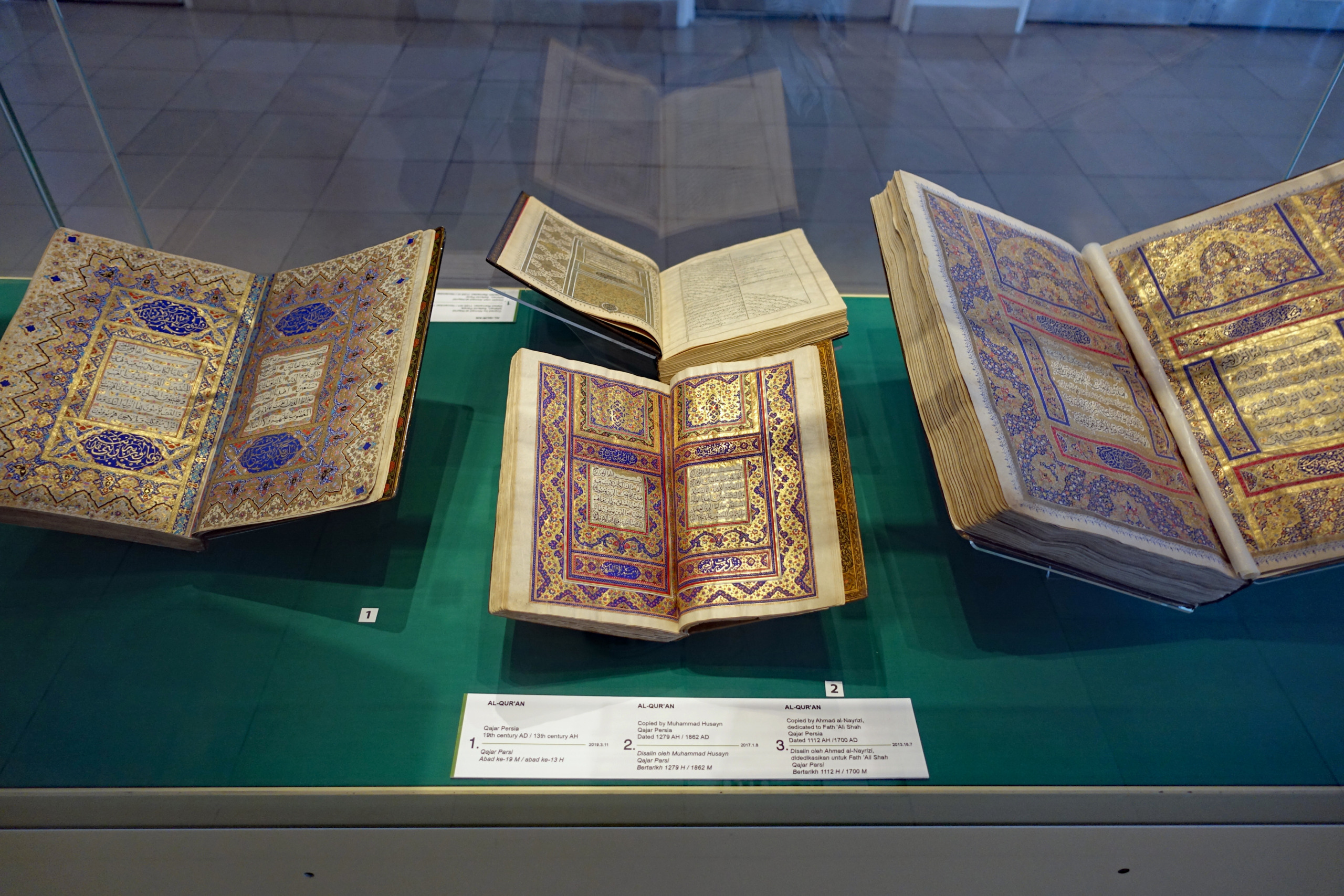
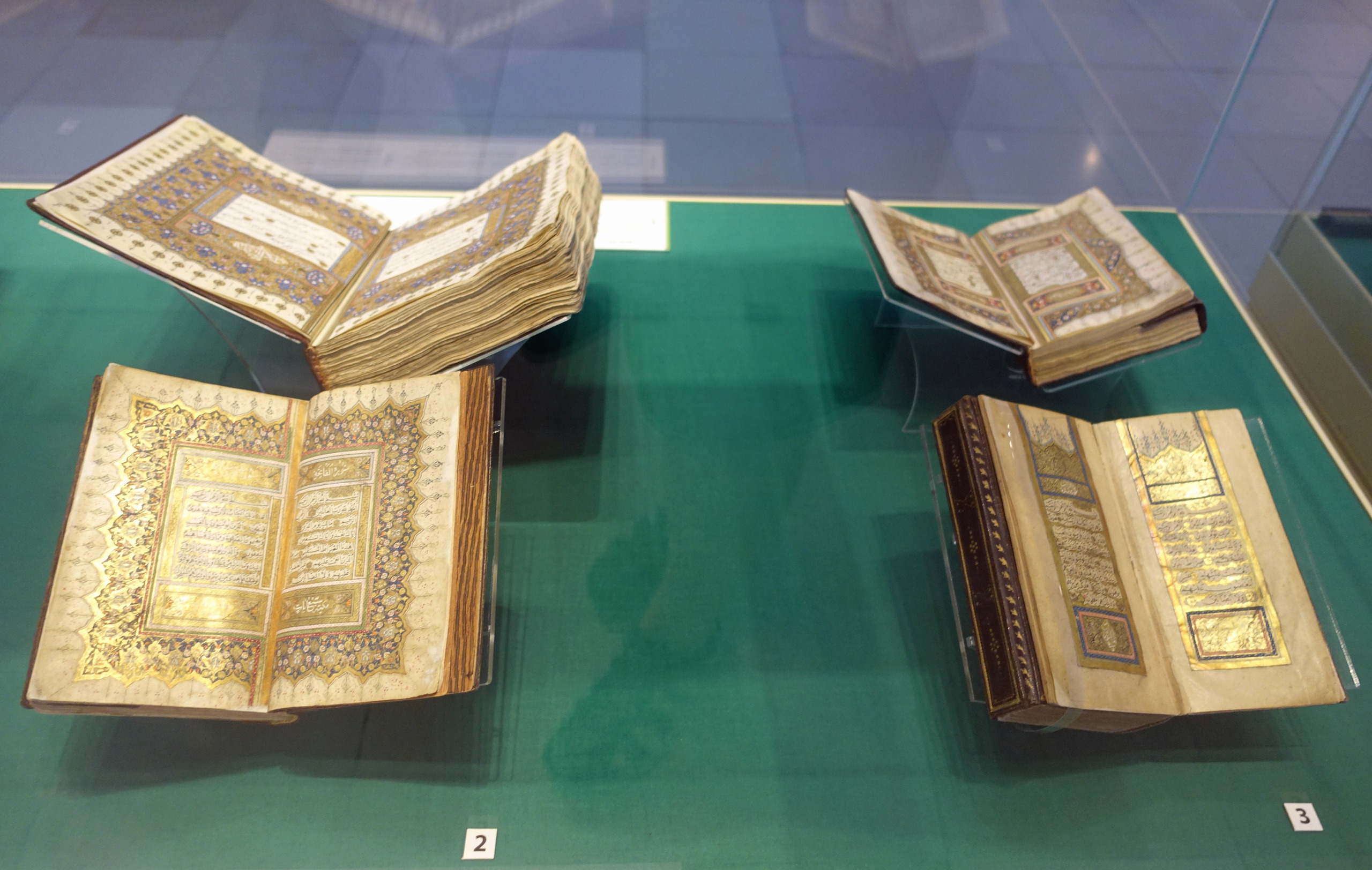
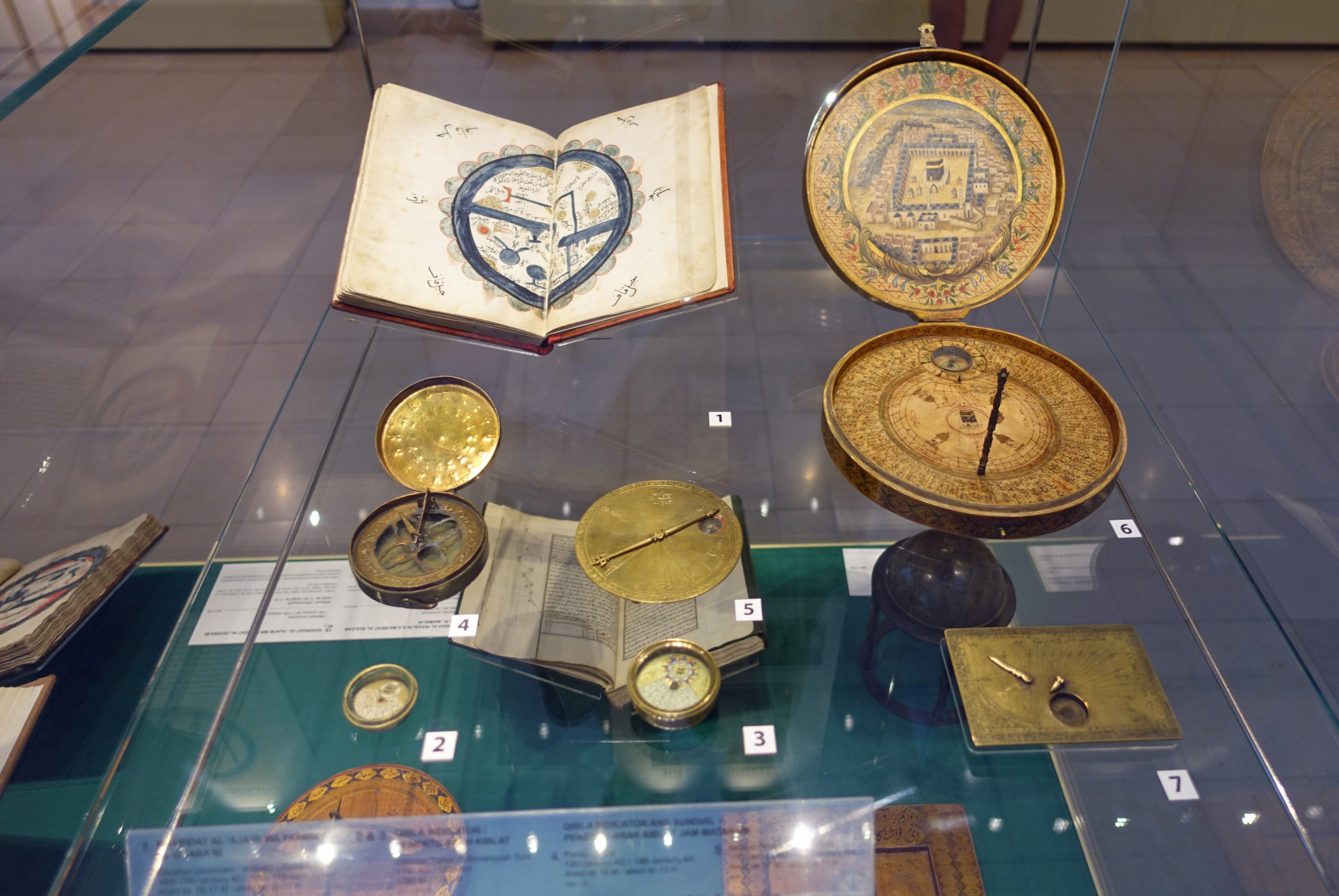
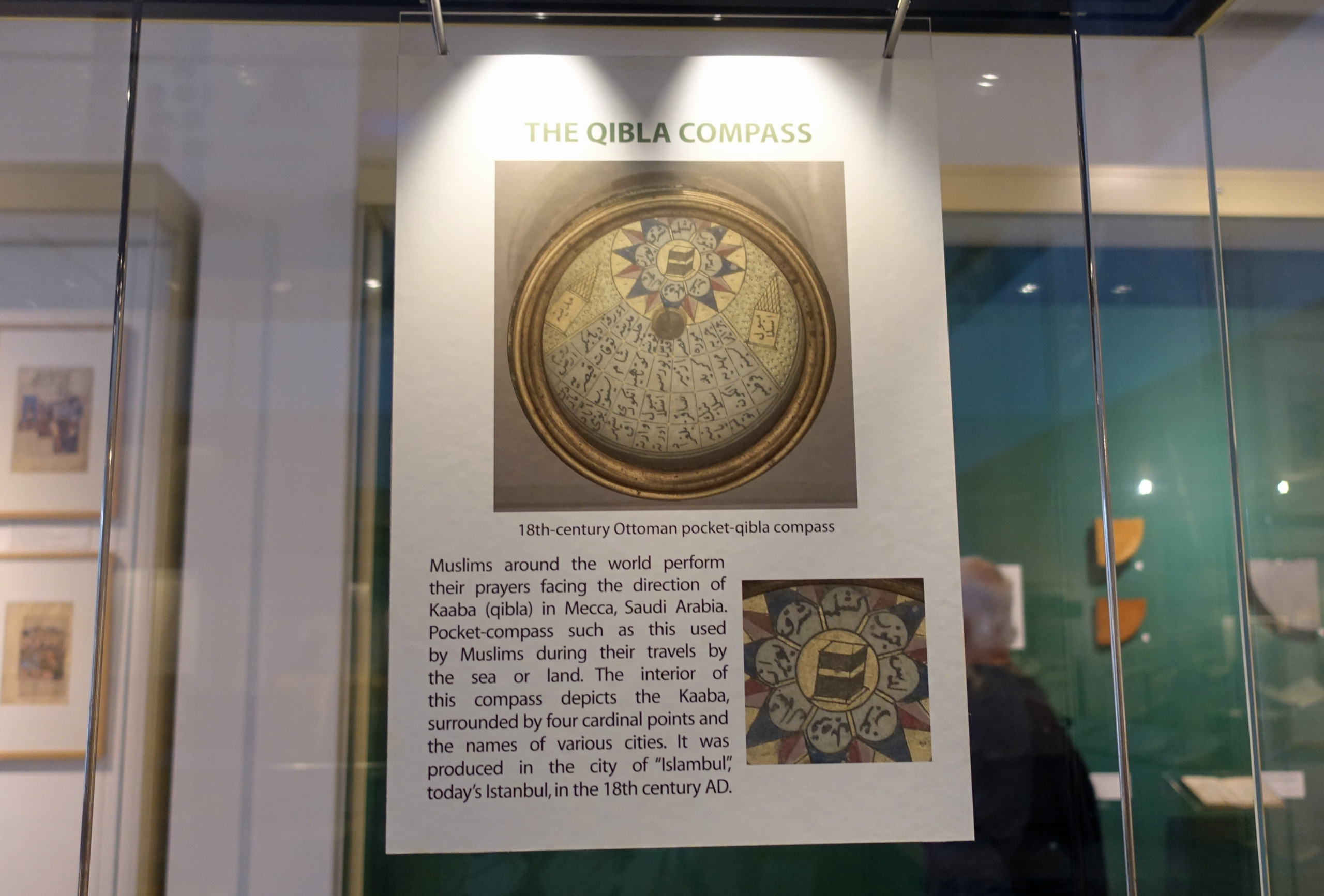
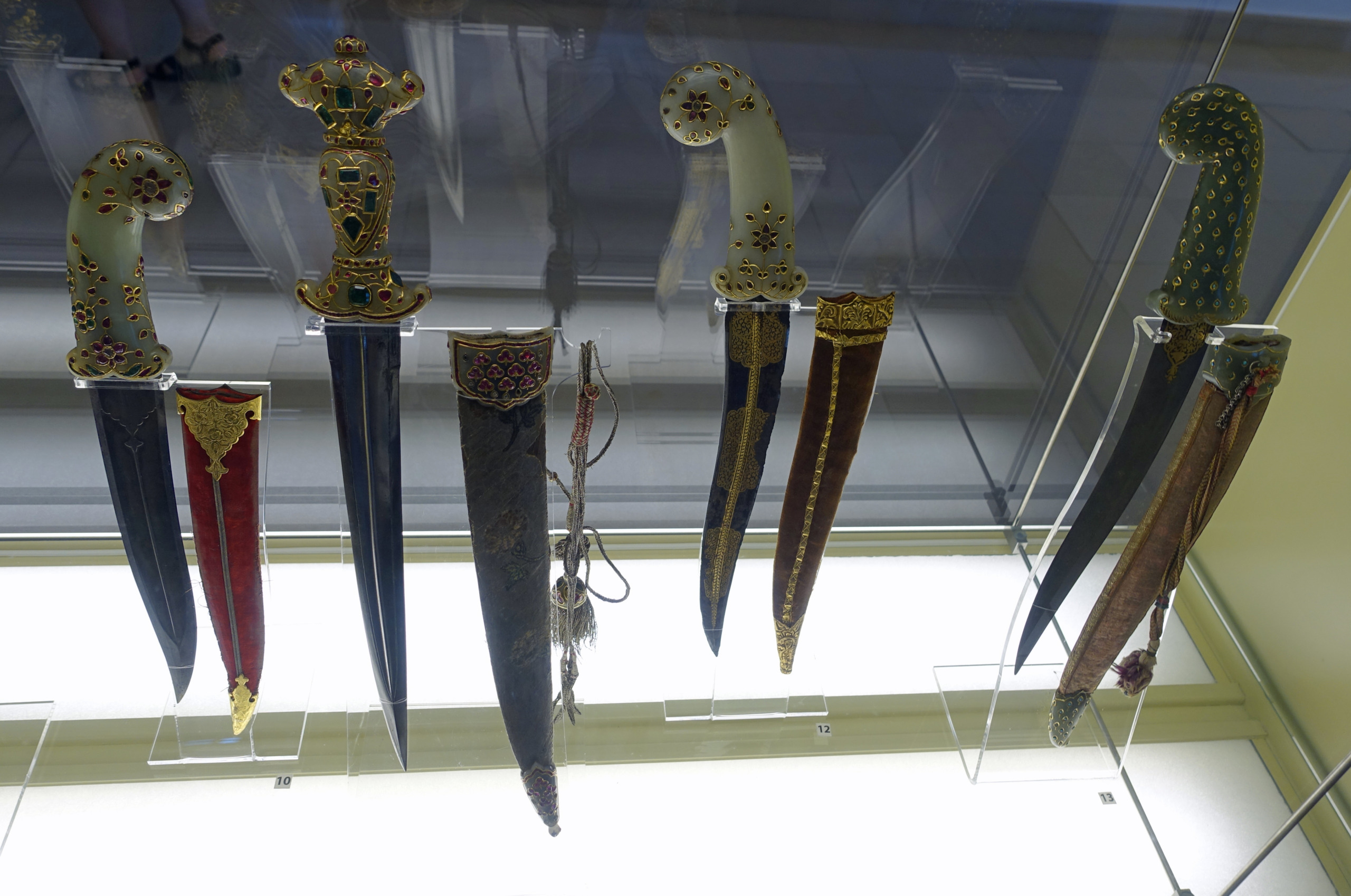
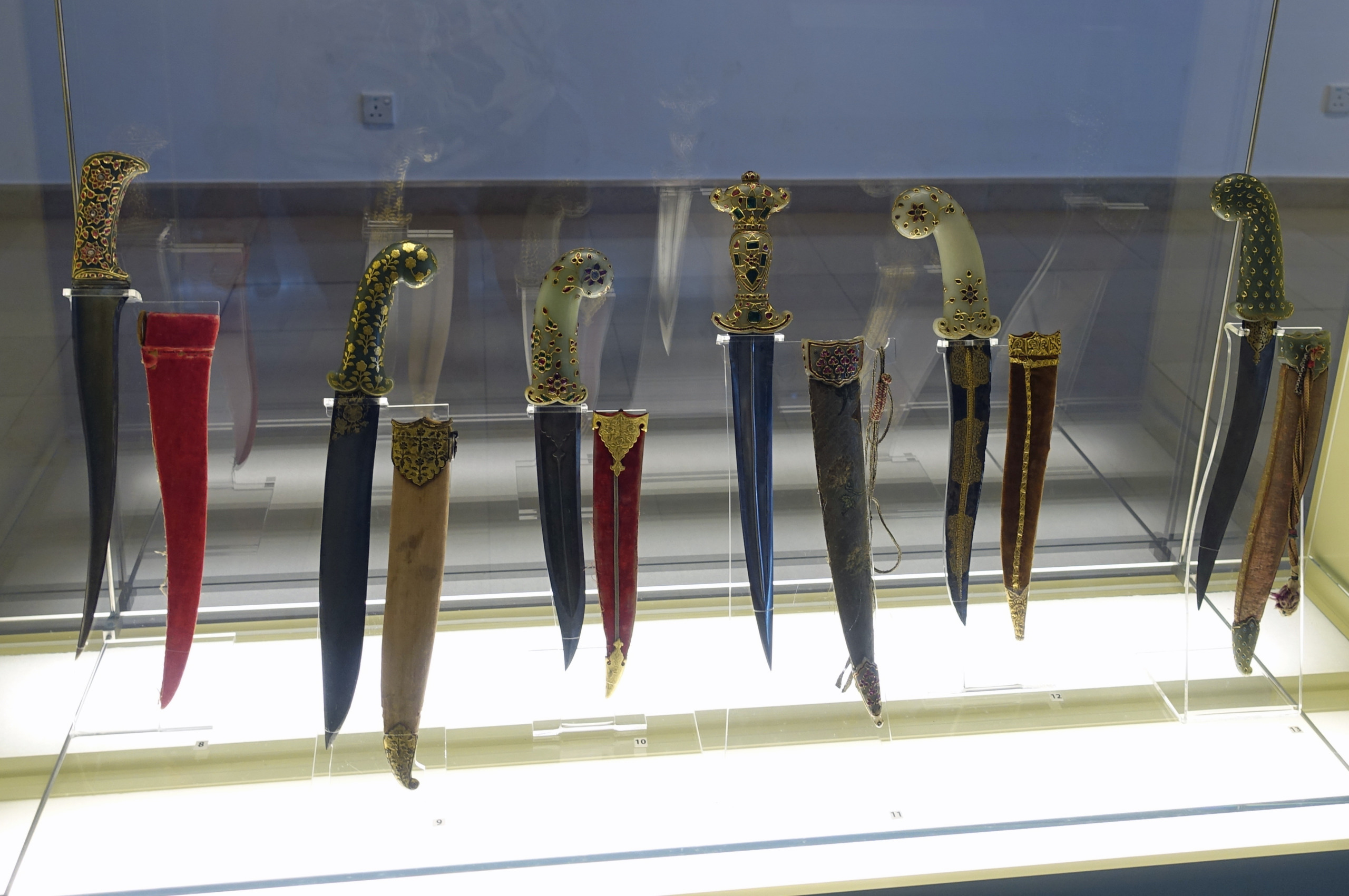
Another gallery we enjoyed was the Qur’an and manuscript gallery where we admired the delicate calligraphy of ancient Qur’ans, some dating back to the 16th century, adorned with shimmering gold and vibrant pigments. Another highlight was the collection of Islamic ceramics and metalwork including exquisitely crafted astrolabes, ornate daggers, and everyday objects transformed into works of art. The sheer variety on display at this museum is truly captivating and well worth a visit if you are in Kuala Lumpur.
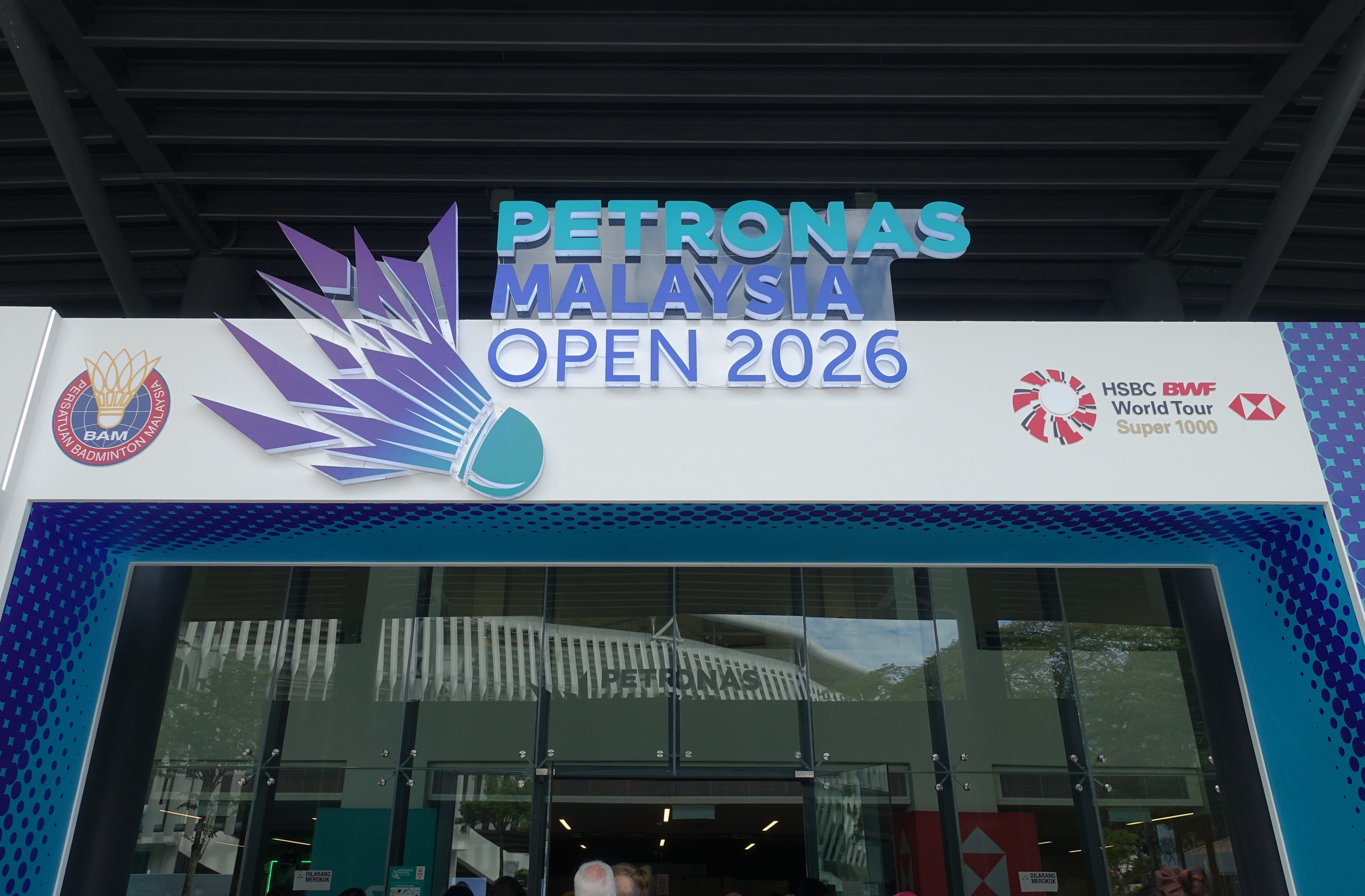
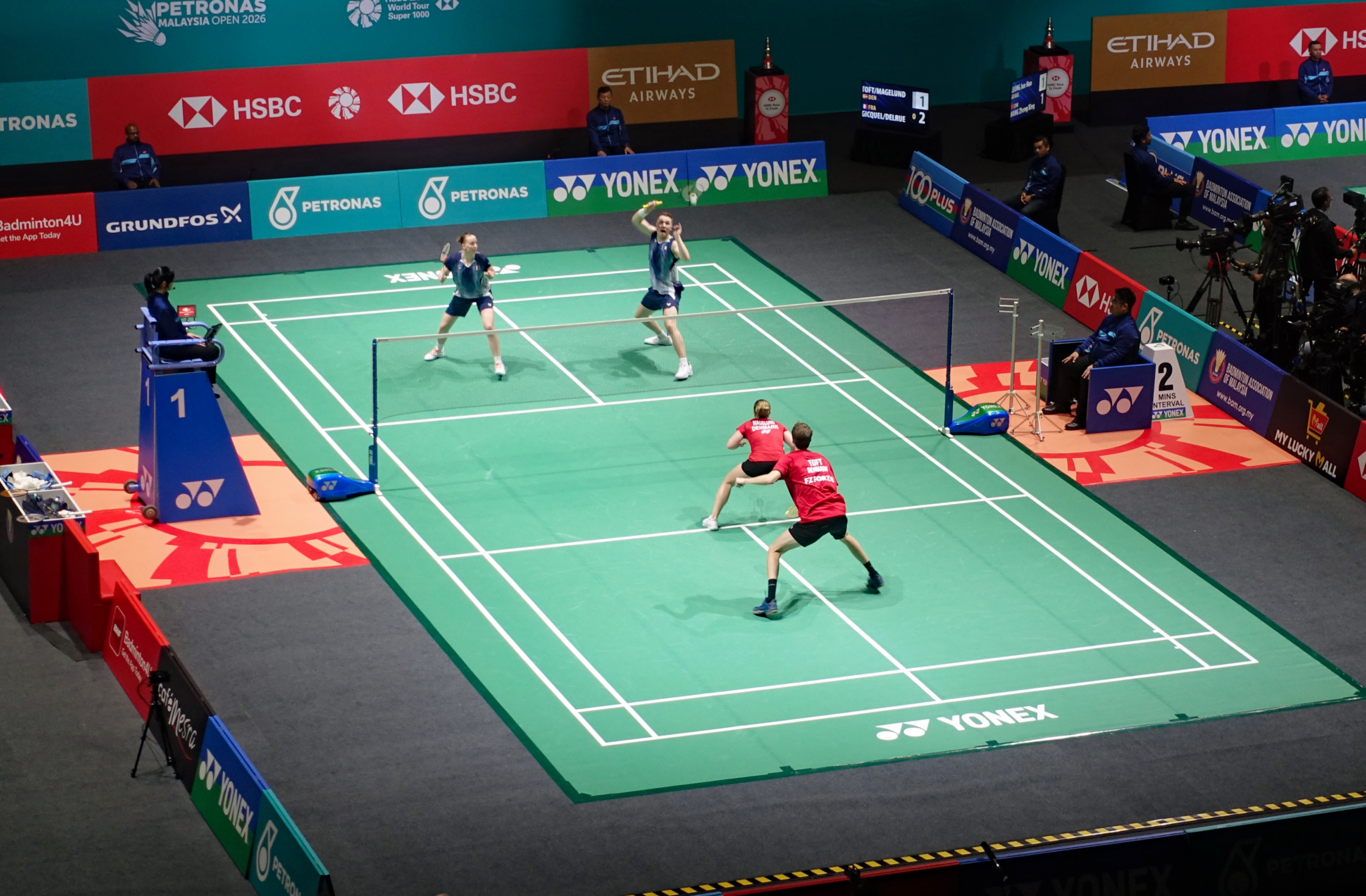
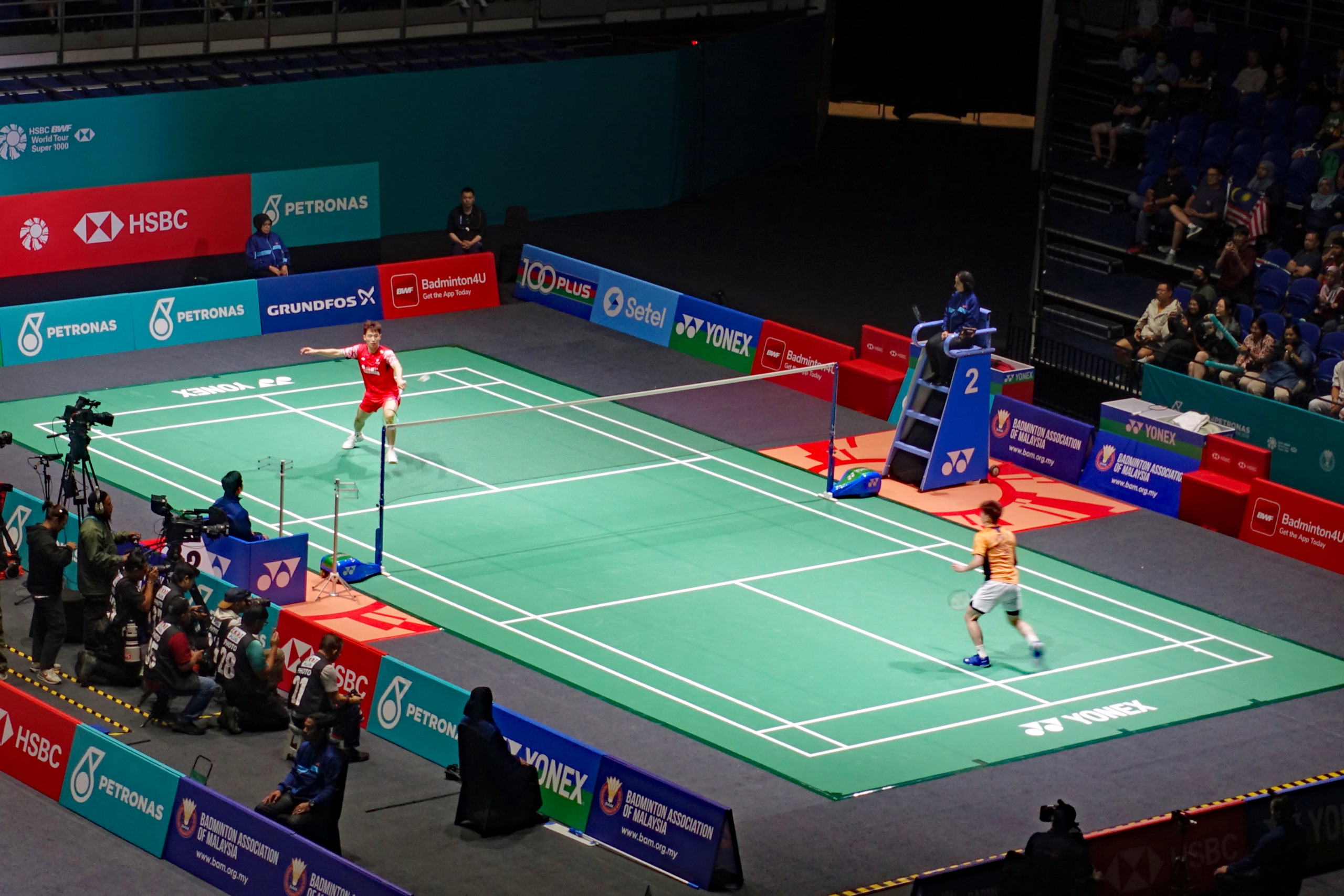
Over the past 3 months we have attended a few sporting events that we have never seen live before. First was a sumo wrestling competition in Tokyo, then a Muay Thai evening in Bangkok, and now here in Kuala Lumpur we attended the Malaysia Open 2026 Badminton tournament. Badminton?? It does not fit in the same category as the other two events we attended but I have to say we were blown away by the speed and skill of the players. All three of these competitions were exciting and interesting in their own way and we are glad to have attended such diverse events.
Just a short drive from the bustling streets of Kuala Lumpur lies the city of Putrajaya. Designed in the 1990’s this is Malaysia’s administrative capital, blending grand Islamic architecture with lush green landscapes and a sprawling man-made lake. The skyline is dominated by the beautiful Putra Mosque (The Pink Mosque), built with rose-tinted granite, its domes glow beautifully against the blue sky.
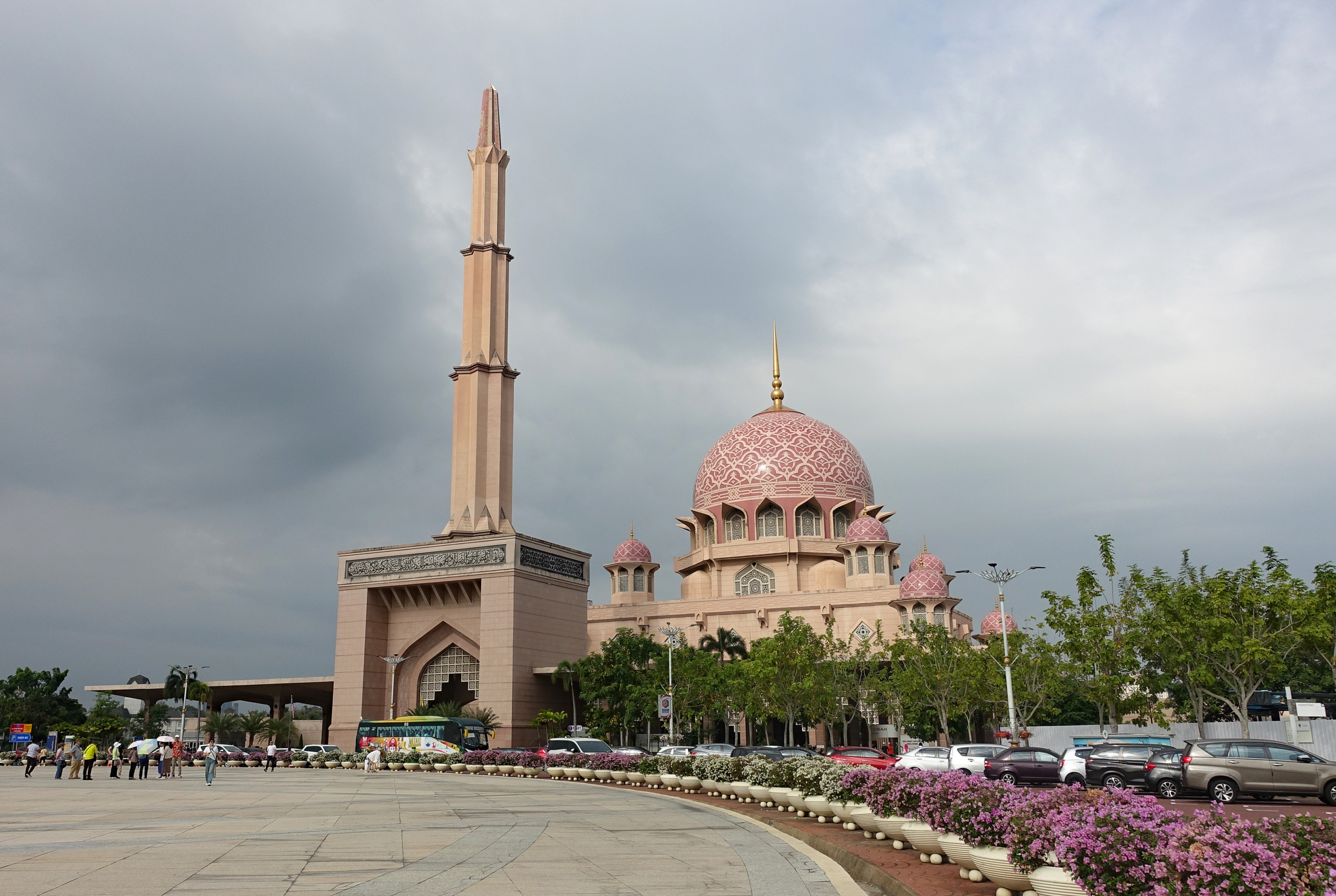
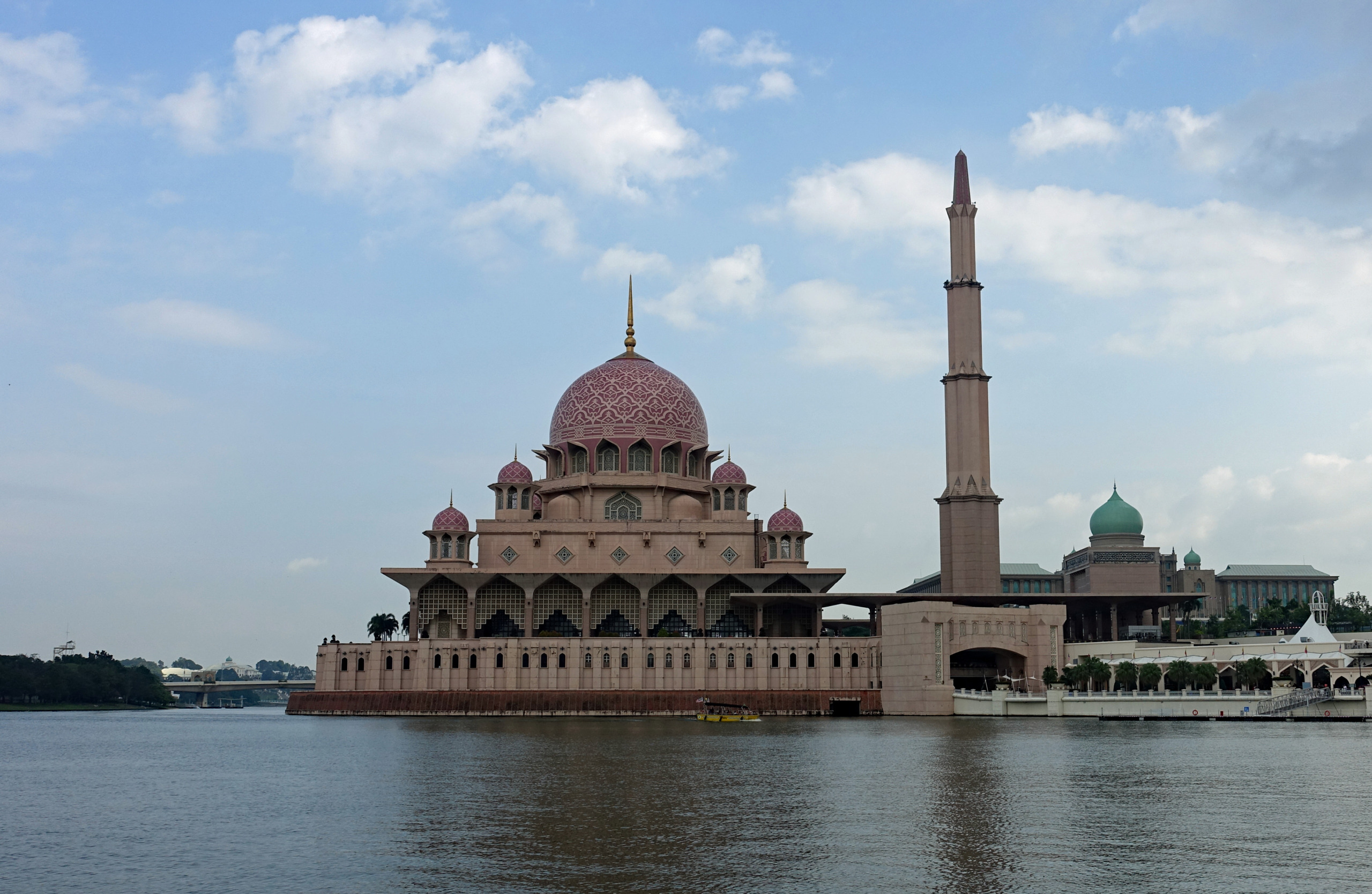
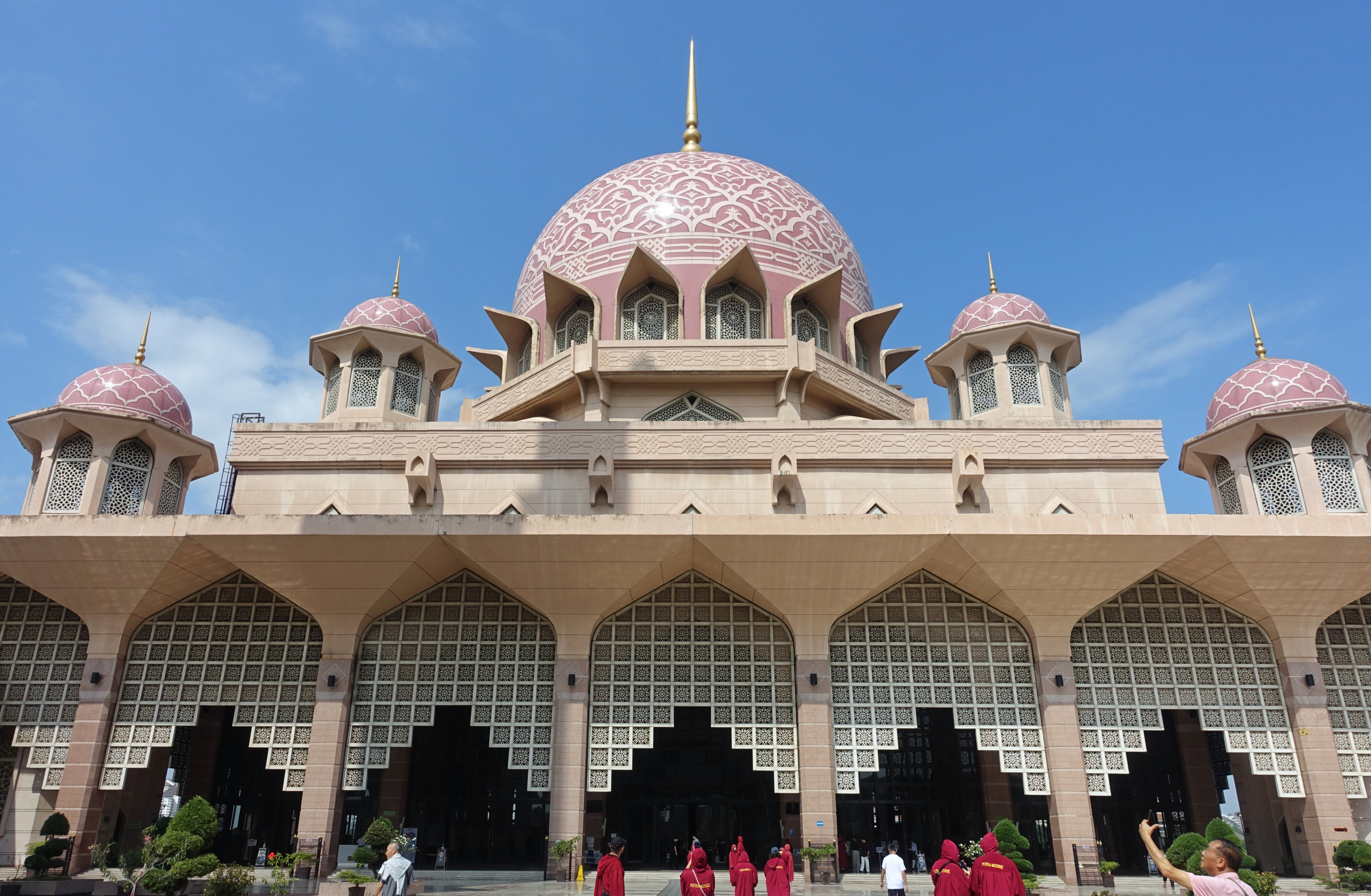
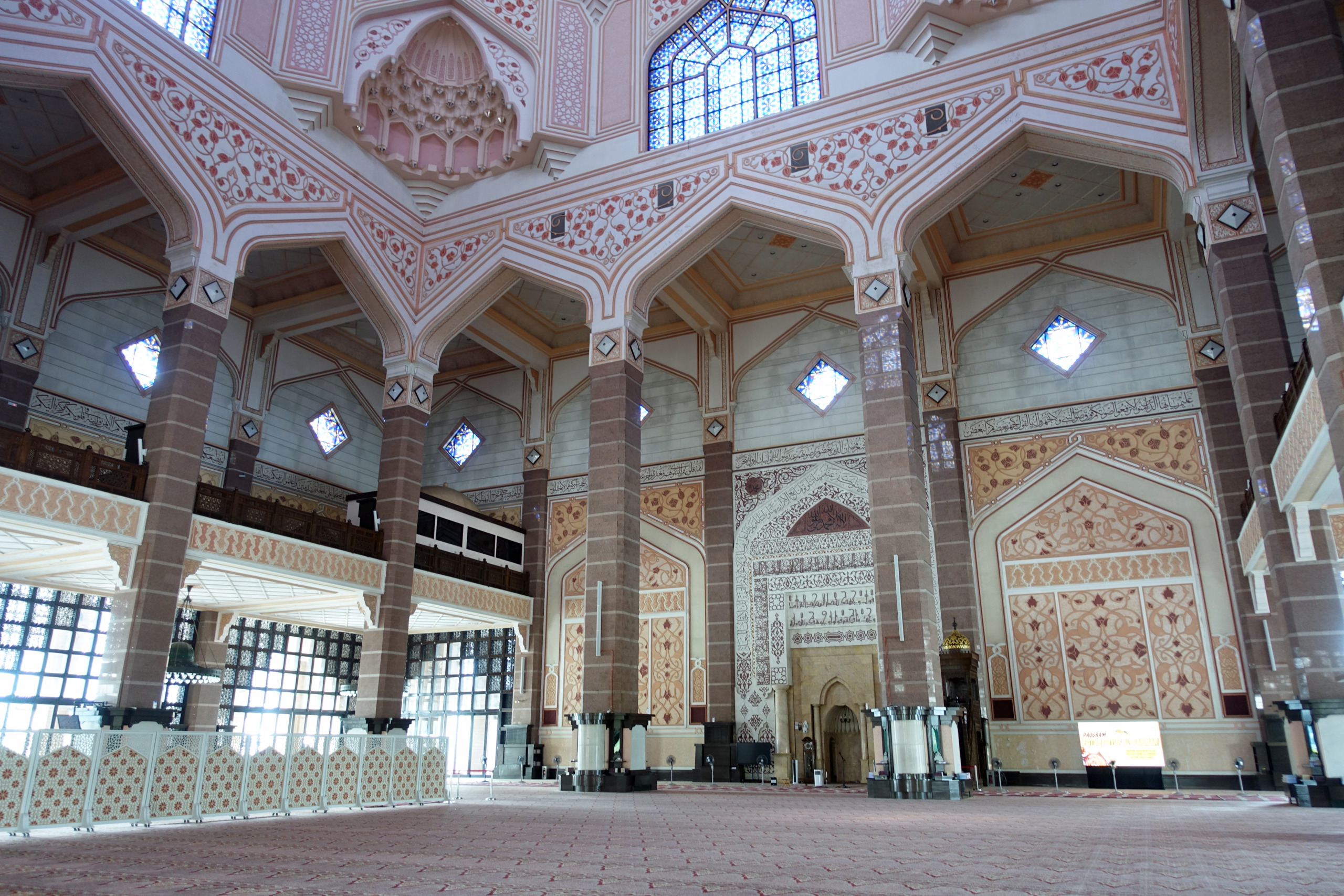
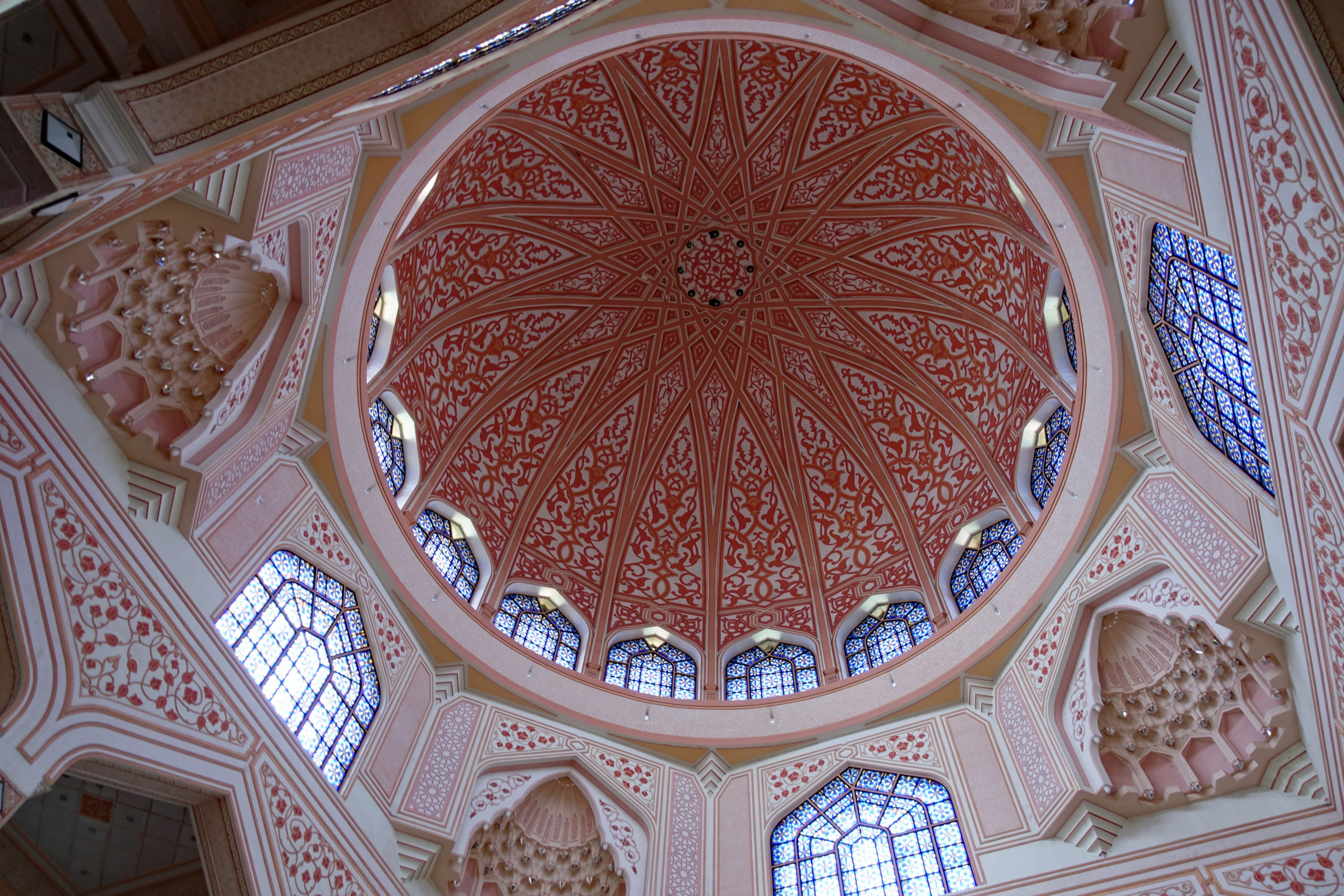
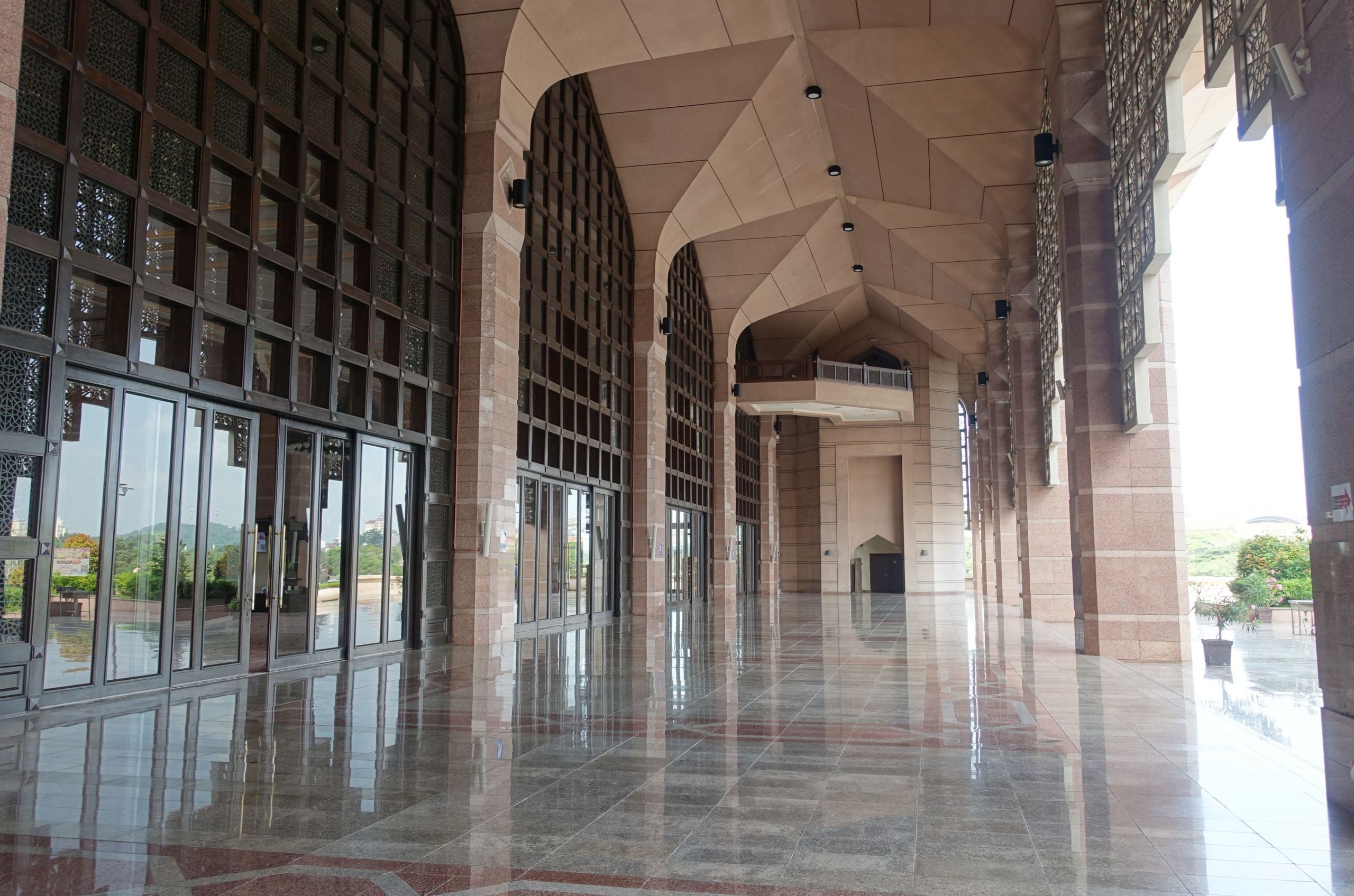
Next to the Putra Mosque is the Prime Minister’s Office with its distinct green dome and palatial design. Further down the lake is The Iron Mosque, a stark contrast to the Pink Mosque, this structure is made of 6,000 tons of steel and its design allows the breeze to flow through without the need for air conditioning.
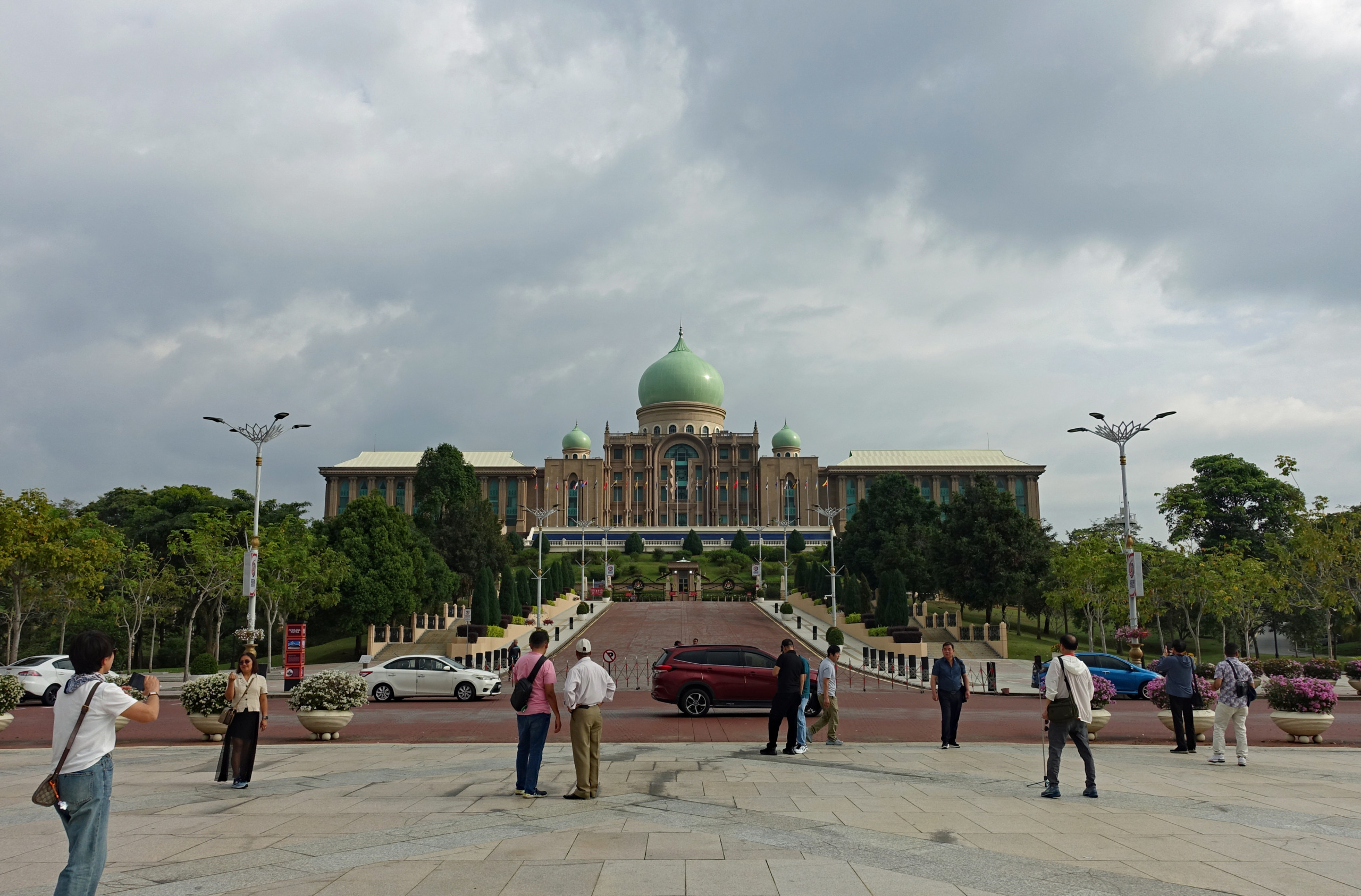
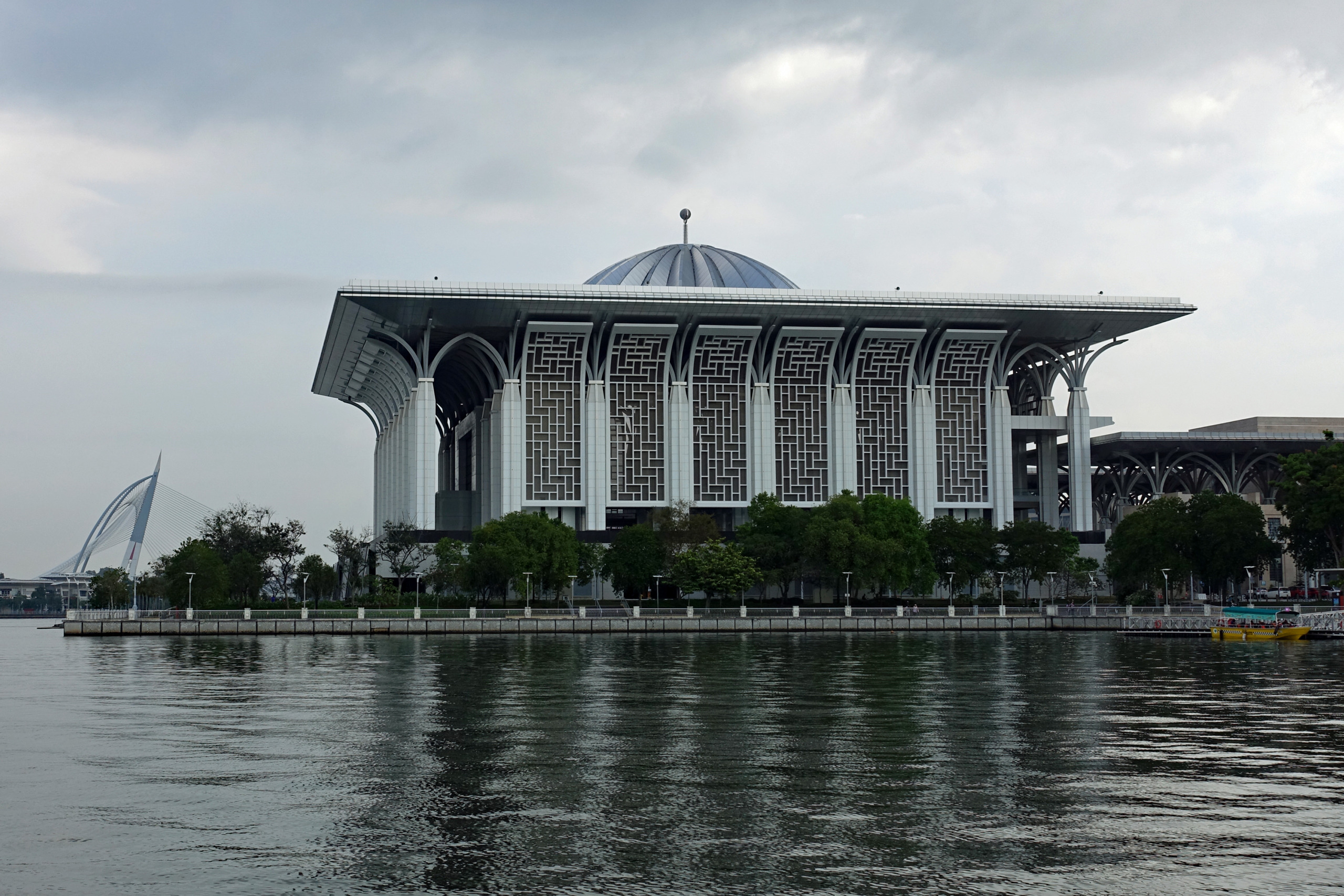
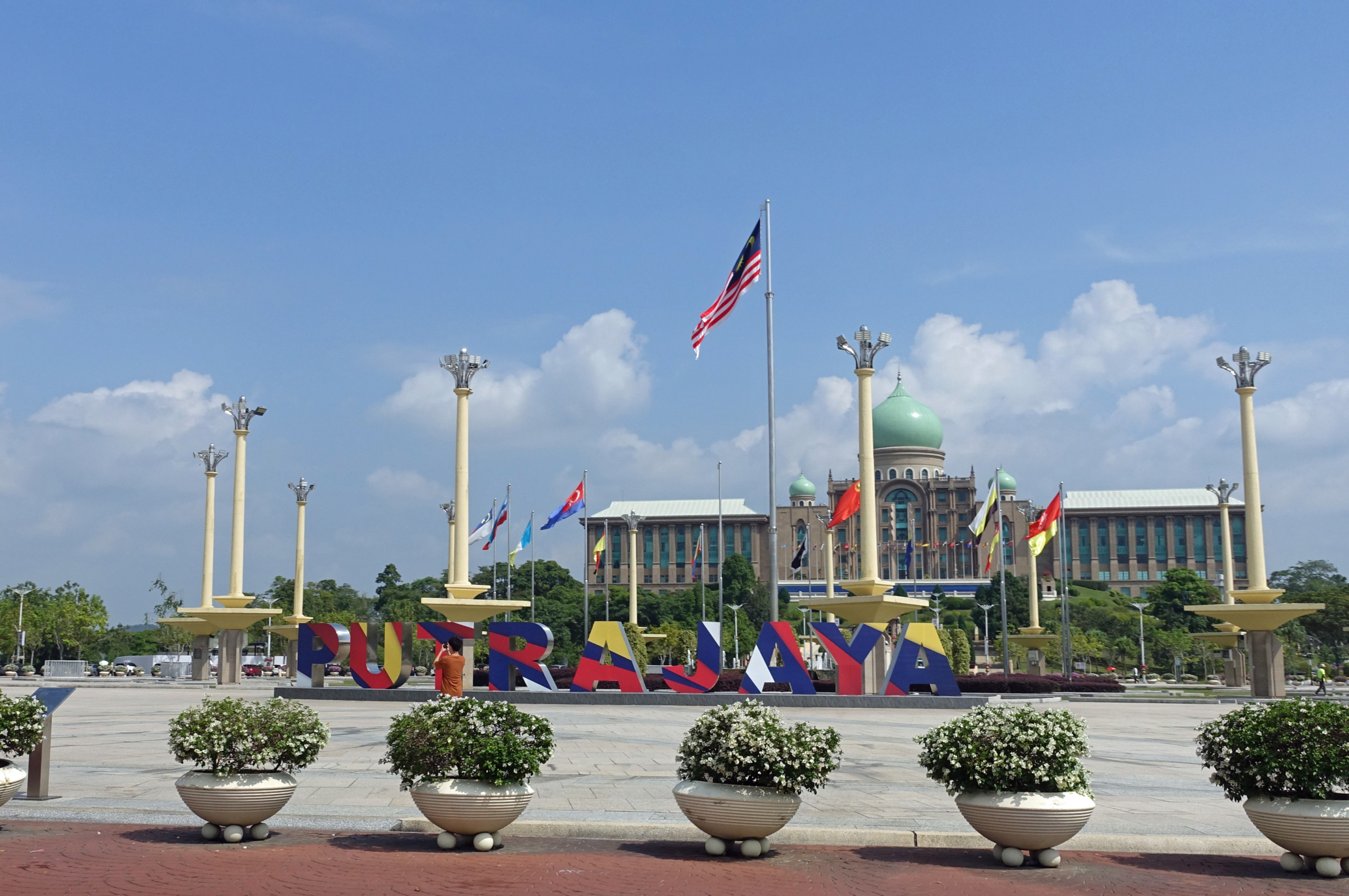
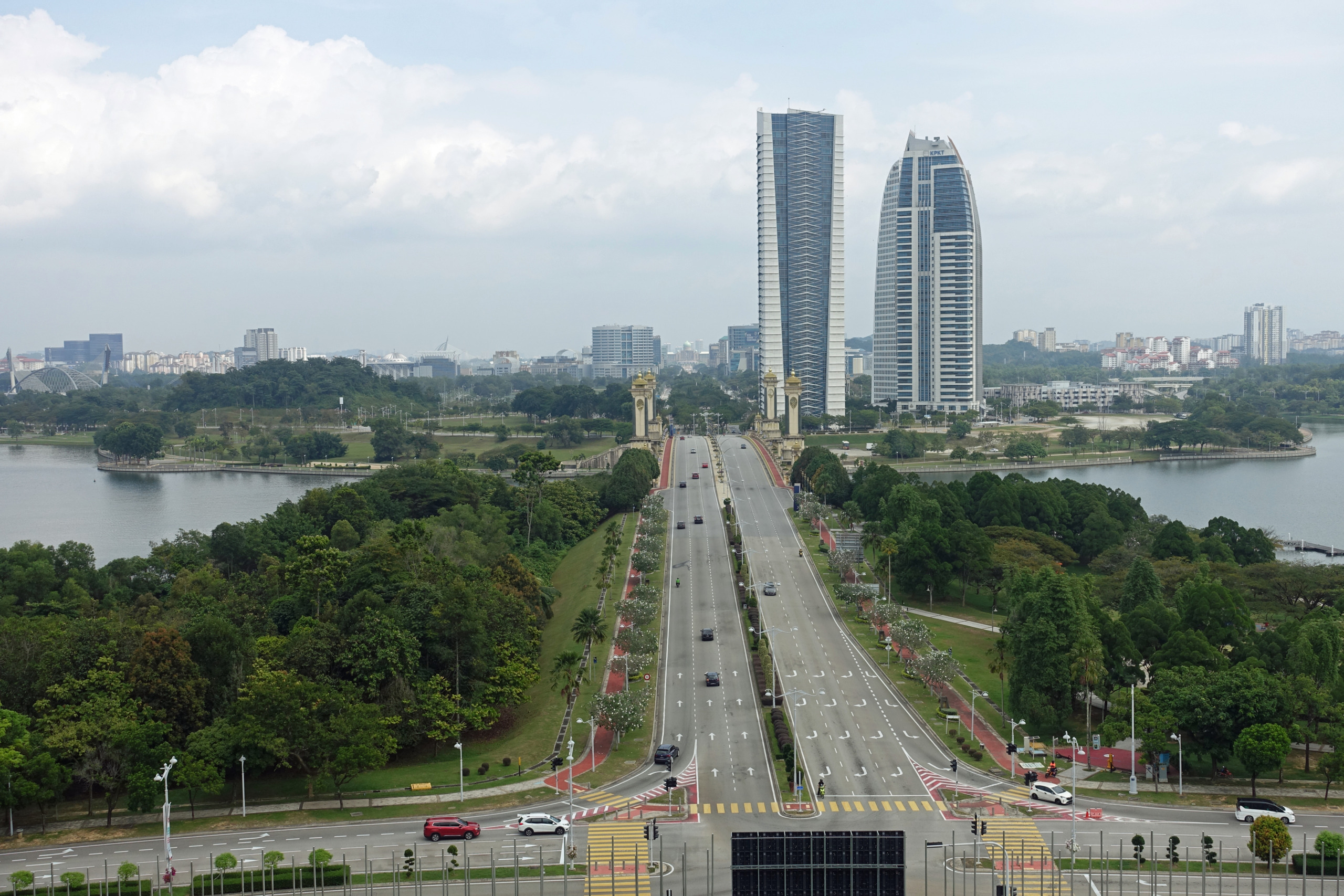
Putrajaya is a surreal experience feeling like a movie set after all the actors have gone home. Because everything is so spread out there are no narrow alleys with coffee shops, street food stalls or small shops that attract people out onto the sidewalks. The majority of the people here are civil servants, during the day they are inside working and once the clock hits 5pm they drive back to the hustle and bustle of Kuala Lumpur and this city essentially goes to sleep. When the government offices moved here in the 90’s the hope was that the people would follow, but they did not, so until the urban sprawl of Kuala Lumpur reaches here I imagine it will continue to feel like a ghost town.
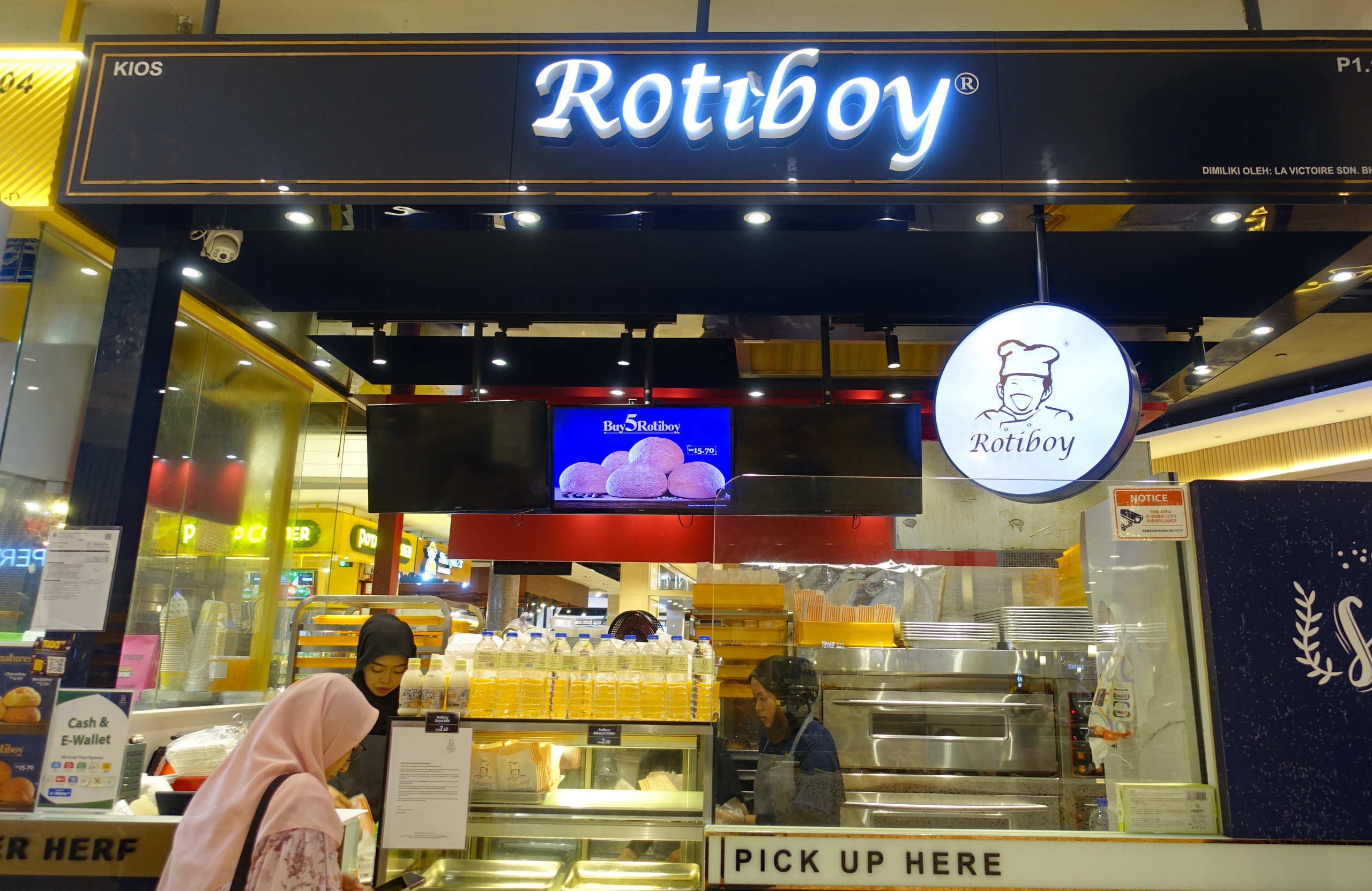
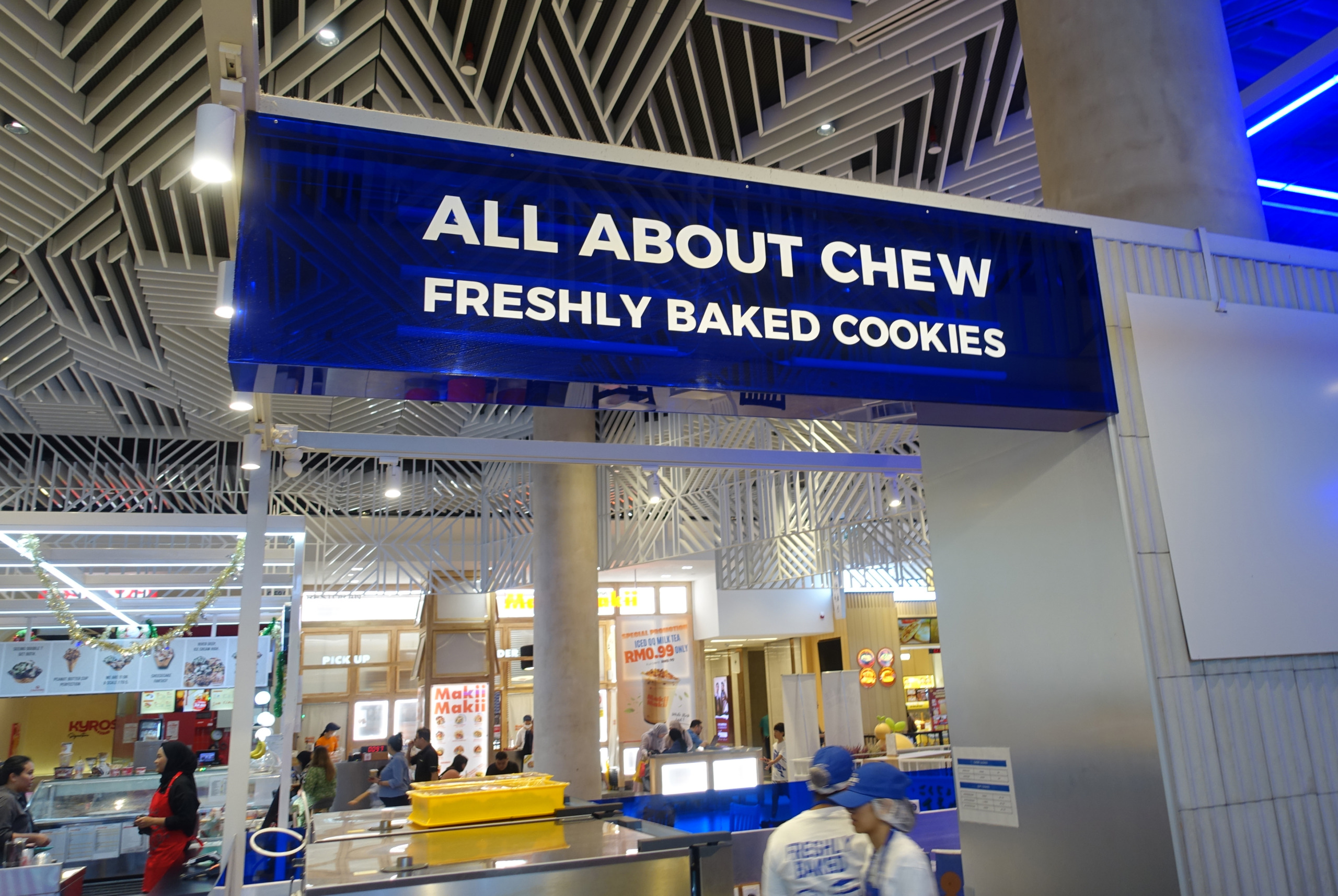
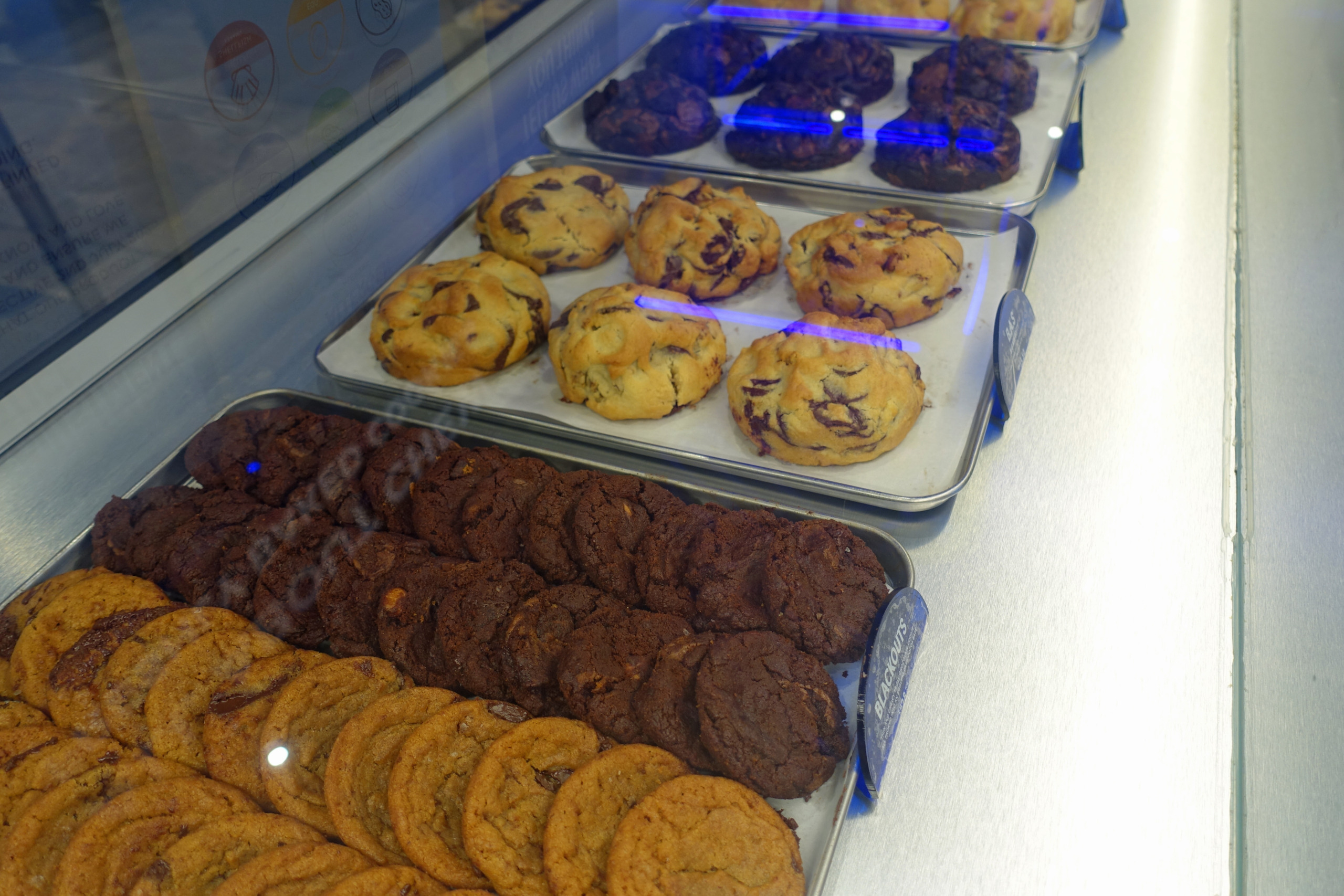
I already mentioned that Kuala Lumpur is a food lovers paradise, well its a dream for anyone with a sweet tooth. I’d almost forgotten about the legendary Rotiboy until near the end of our stay. There is nothing quite like sinking your teeth into these warm coffee flavored, molten butter filled, sweet buns. We made a dangerous new discovery this time, All About Chew, who make the most addictive chewy sea salt chocolate chip cookies. They only sell them by the dozen, but trust me, you’ll go through a bag faster than you’d like to admit 😂 So there you have it, a couple of suggestions for those of you who love sweet treats!
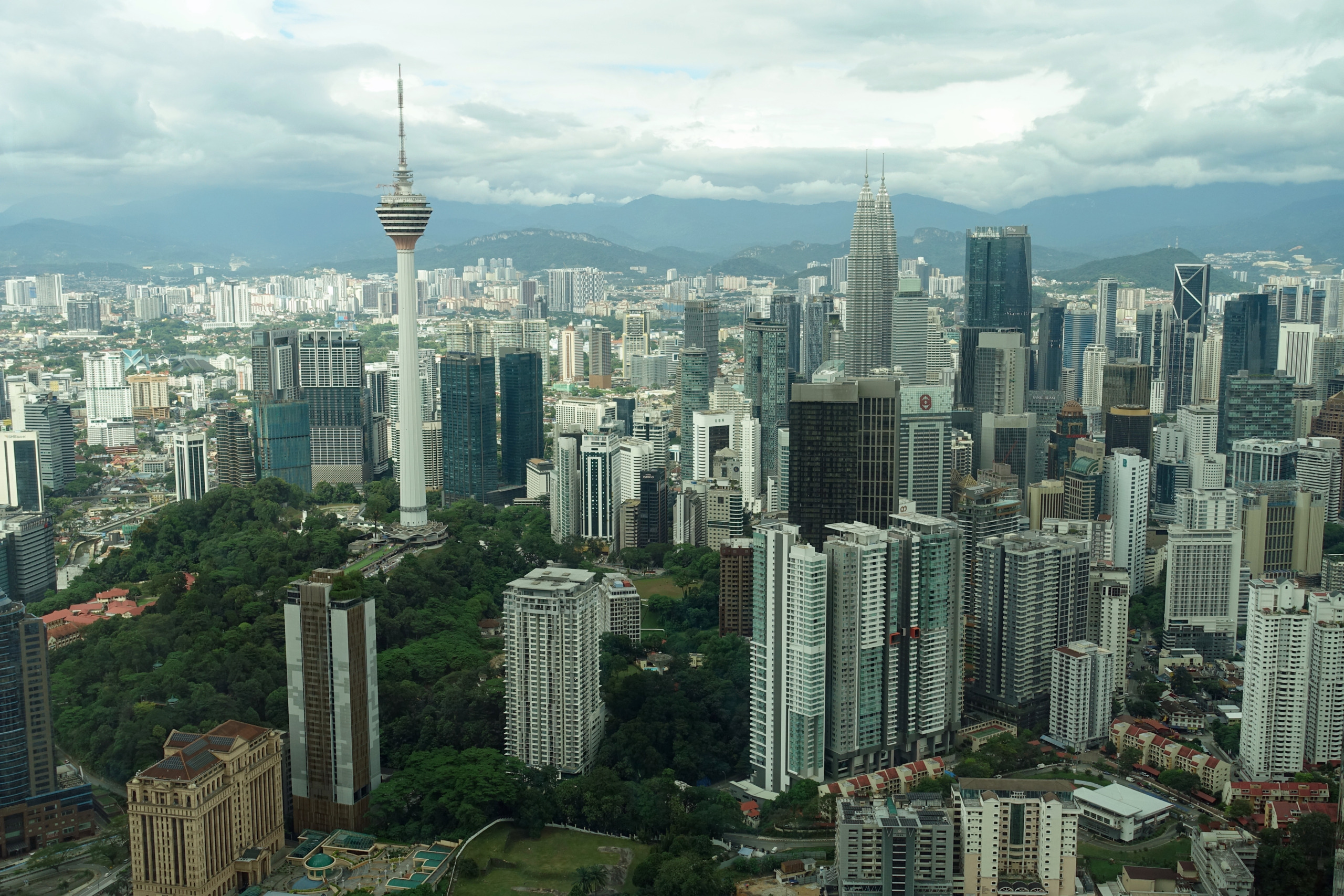
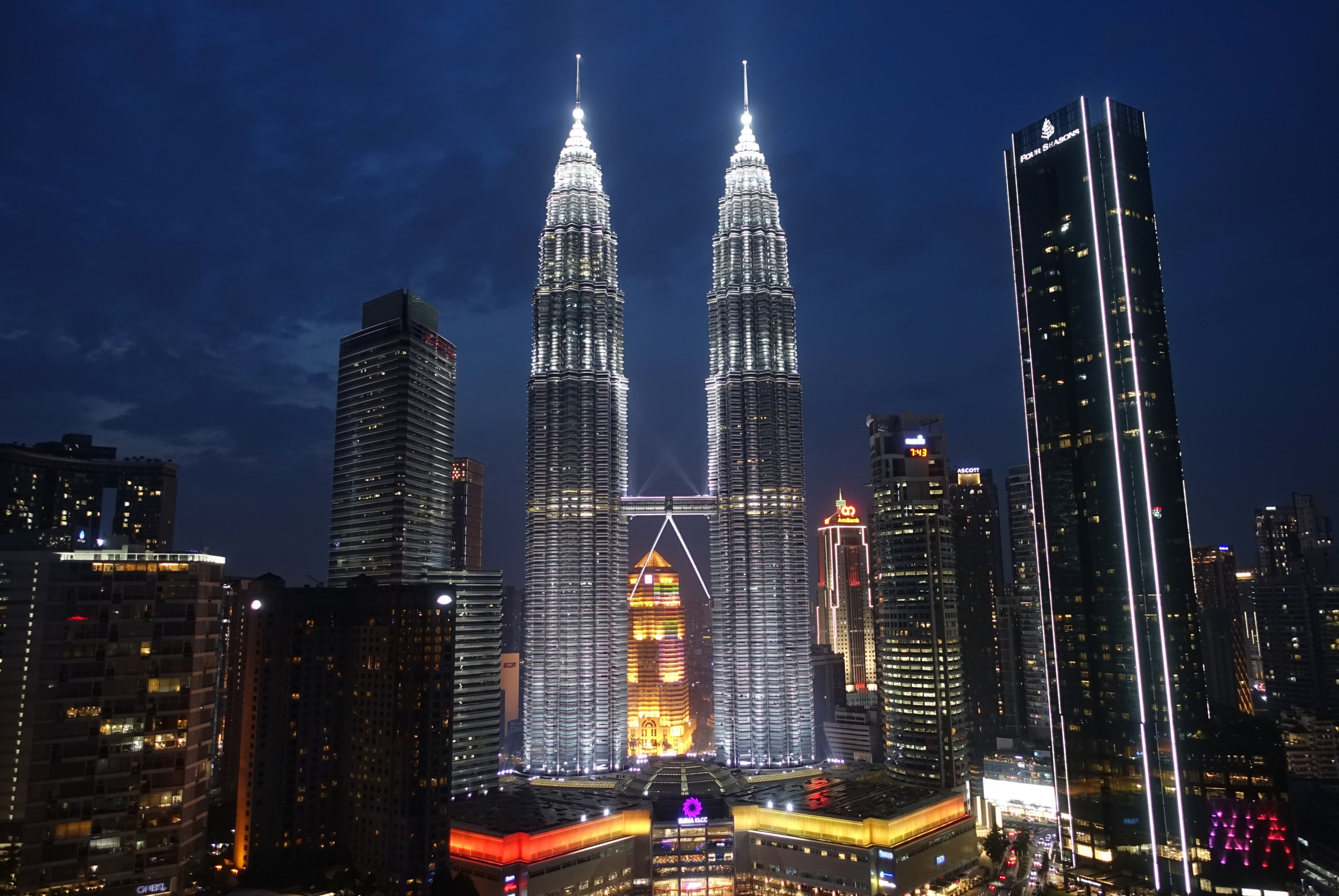
For our penultimate evening in Kuala Lumpur we invited James & Tracey to join us for dinner at Skybar on the 33rd floor of Traders Hotel. We stayed at this hotel during our first visit to KL and I recalled the views of the Petronas Towers were spectactular. It was magical to watch daylight fade and the towers light up the night sky. A fitting finale to our time in Kuala Lumpur 😊
And just like that, our seven weeks in Kuala Lumpur has come to a close. While our photos might look like a whirlwind of sightseeing, our reality was much more grounded. We weren’t here to check off tourist sights, our time was about the luxury of slow travel. We treated KL as a home base to enjoy rooftop swims, sweat it out in the gym, catch up on future travel logistics, and most importantly reconnect with dear friends. Between coffee mornings, long lunches, vibrant night markets and wandering the endless maze of KL’s malls, we found our rhythm. We played pickleball, made new friends as fellow nomads drifted through the city and shared adventures together. Seven weeks in a concrete jungle is usually past our limit, but the warmth of friends made the time fly by. While we’re sad to say farewell to our friends, we’re leaving with full hearts and we are more than ready to trade air-conditioned malls for tropical sea breezes.
Join us as we touch down in Bali to see how the ‘Island of the Gods’ has changed since we last saw her over a decade ago…..
.
.
Gosh, that pink Mosque is beautiful!!!