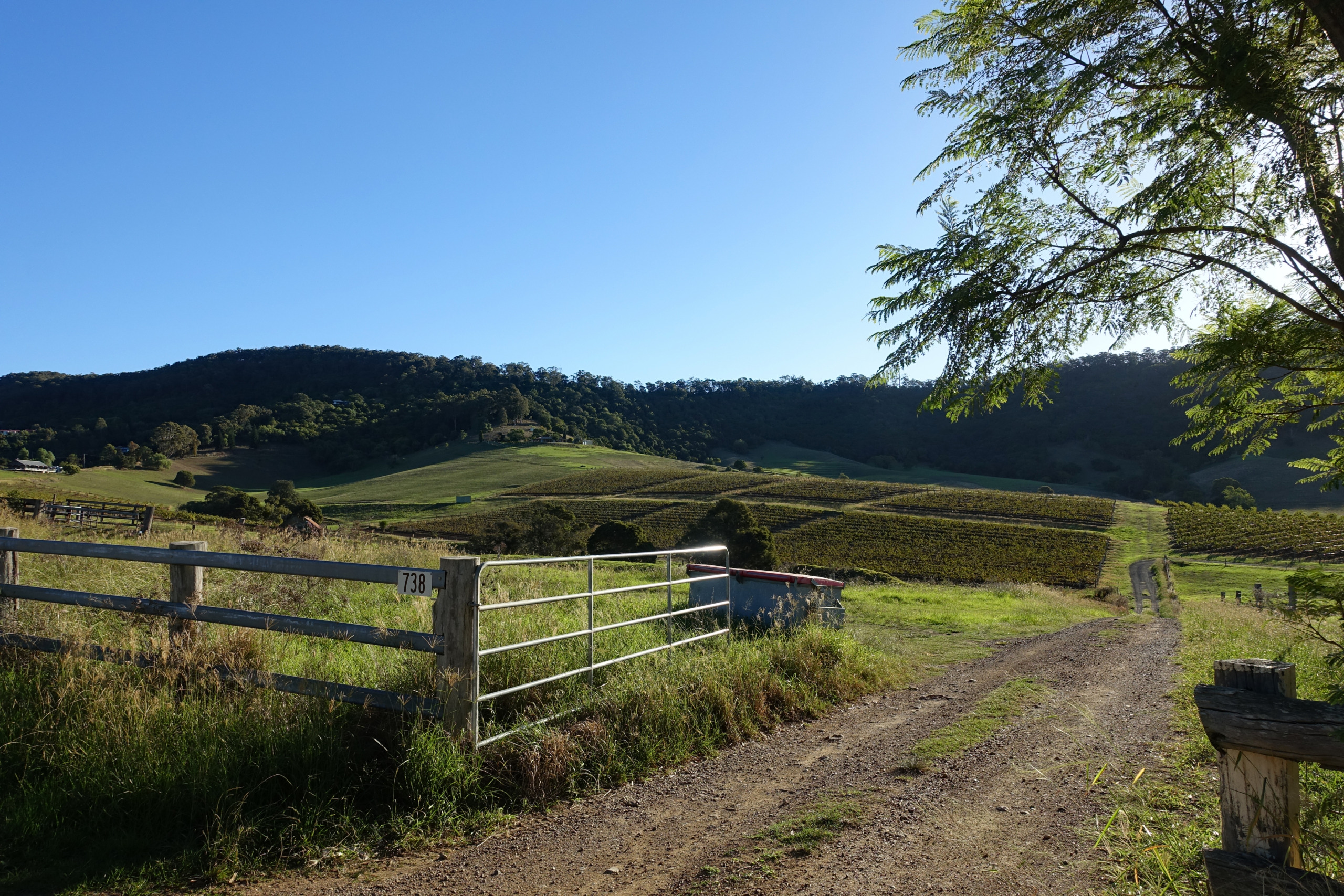
The Hunter Valley is Australia’s oldest wine region with many of these vineyards featuring vines that are over a century old. We based ourselves in the small town of Cessnock, in the heart of the wine growing region. With roughly 120 wineries less than 30 minutes from our house, choosing where to go was our biggest challenge. We had a couple of favorites from the time we spent here in 2020 but were out to discover a few more. Many of the small vineyards are family owned and run so you will not find their wines anywhere but here, this is why we love this region. Even though there are over 120 vineyards, the Hunter Valley only contributes to 1.4% of Australia’s wine production. That gives you an idea how small many of these holdings are.
Our last trip to the Hunter Valley felt like a ghost town. It was during the covid lockdowns of early 2020 and cellar doors were closed and the roads were empty. This time, the valley was vibrant and very much open for business. Over ten days we retraced our steps to some old favorites and scouted out some new ones. While the region is famous for its lighter, more nuanced reds, we were looking for the elusive big, bold reds. We successfully tracked down some heavy hitters at two vineyards, an old favorite and a new favorite.
The Hunter Valley produces red wines (most notably its iconic Shiraz) that are famously medium-bodied and elegant, often described as “a Shiraz for Pinot Noir drinkers.” While we expect Australian Shiraz to be bold and heavy like those from the Barossa, the Hunter’s wines are affected by a combination of climate, soil variation, and traditional winemaking. The Hunter Valley has a subtropical climate that is quite warm and humid. While heat generally leads to riper, heavier wines, the Hunter faces a specific challenge: summer rainfall. To avoid the tropical rains and potential rot that arrive in late summer, winemakers often harvest their grapes early. Picking earlier means the grapes have lower sugar levels and higher natural acidity. Since alcohol content is directly tied to sugar levels, this results in wines with naturally lower alcohol and a lighter, fresher wine. The red wines of the Hunter are typically grown on red volcanic loam soils found on the slopes of the Brokenback Range. These soils provide excellent drainage but can also limit the strength of the vines. This leads to smaller, more concentrated berries that produce a wine focused on “finesse” rather than sheer power or “bulk.” Historically, the region’s Shiraz was often called “Hunter River Burgundy” because of its similarity to the lighter, more elegant red wines of France.
Navigating the Hunter Valley’s cellar doors became a bit of a strategic mission. We aren’t white wine enthusiasts so sitting through a standard tasting often meant spending half our time with varietals we didn’t really want. Instead, we pivoted to a more personal approach. We bypassed the set tasting menu and struck up a conversation with the wine hosts, describing exactly what we were looking for in a wine. This strategy led us to some hidden gems as we learned more about the specific blocks of vines and processes that create those heavier profiles that we love. Here is the rundown of where we dropped in, starting with the vineyard that took the top spot:
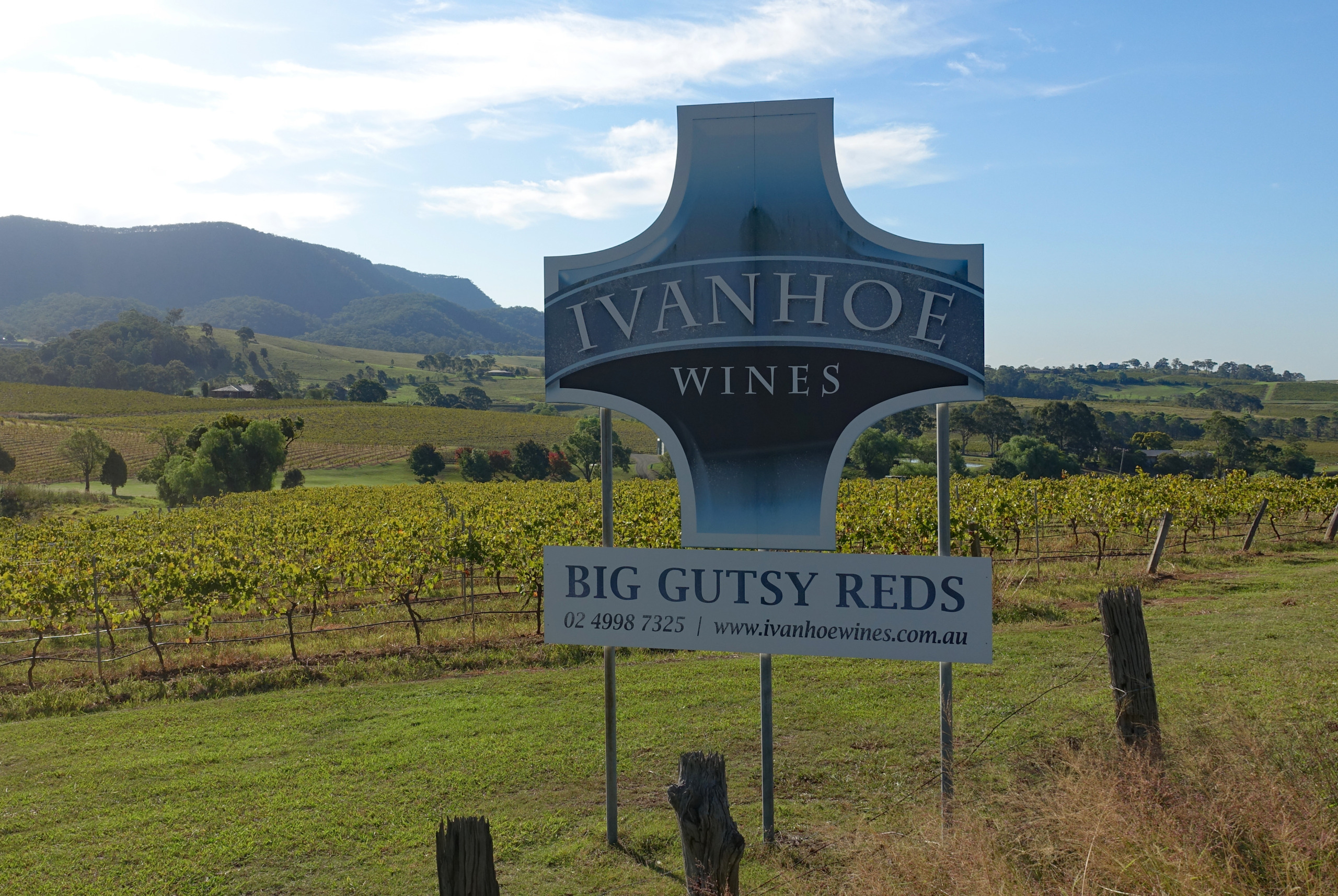
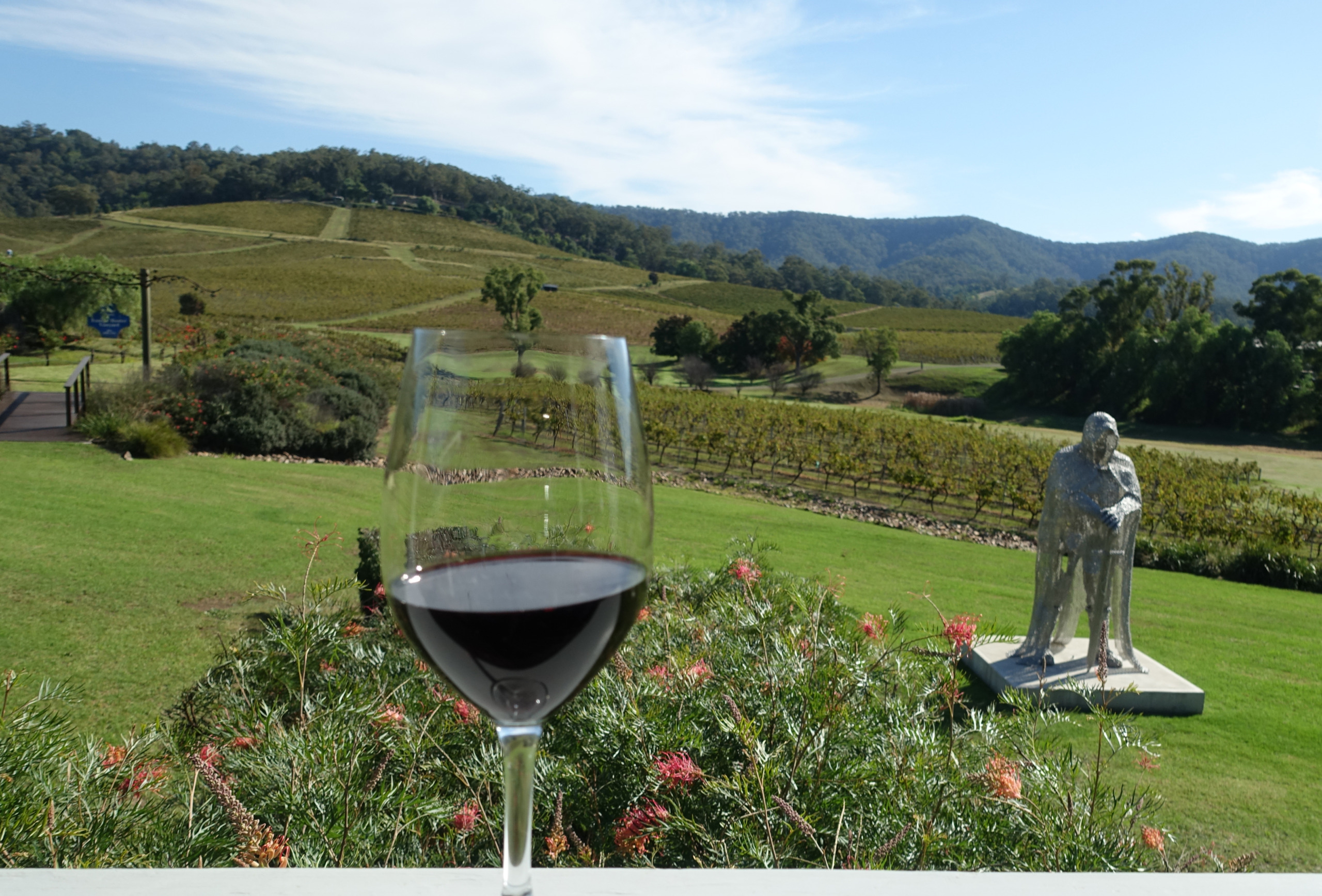
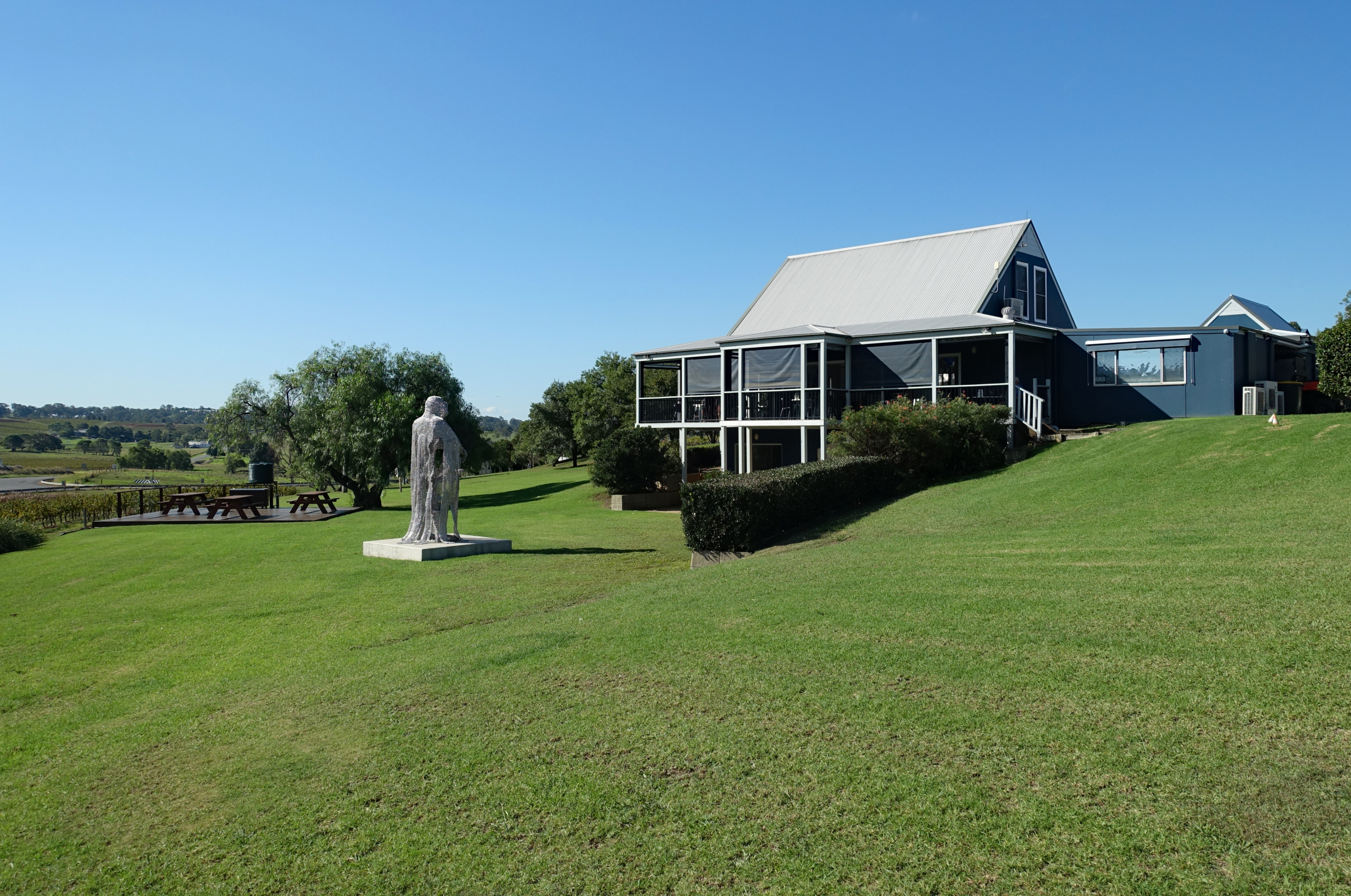
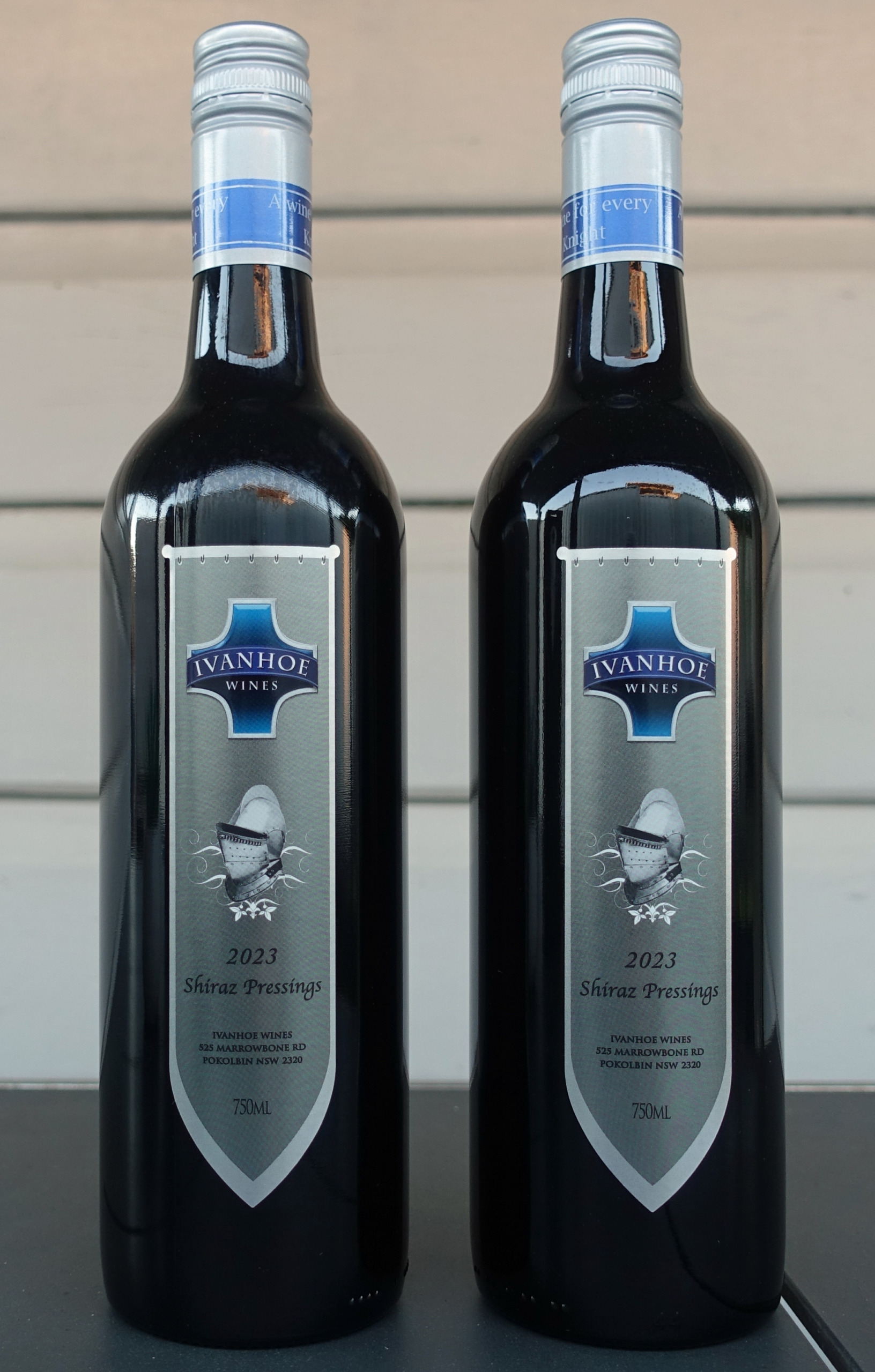
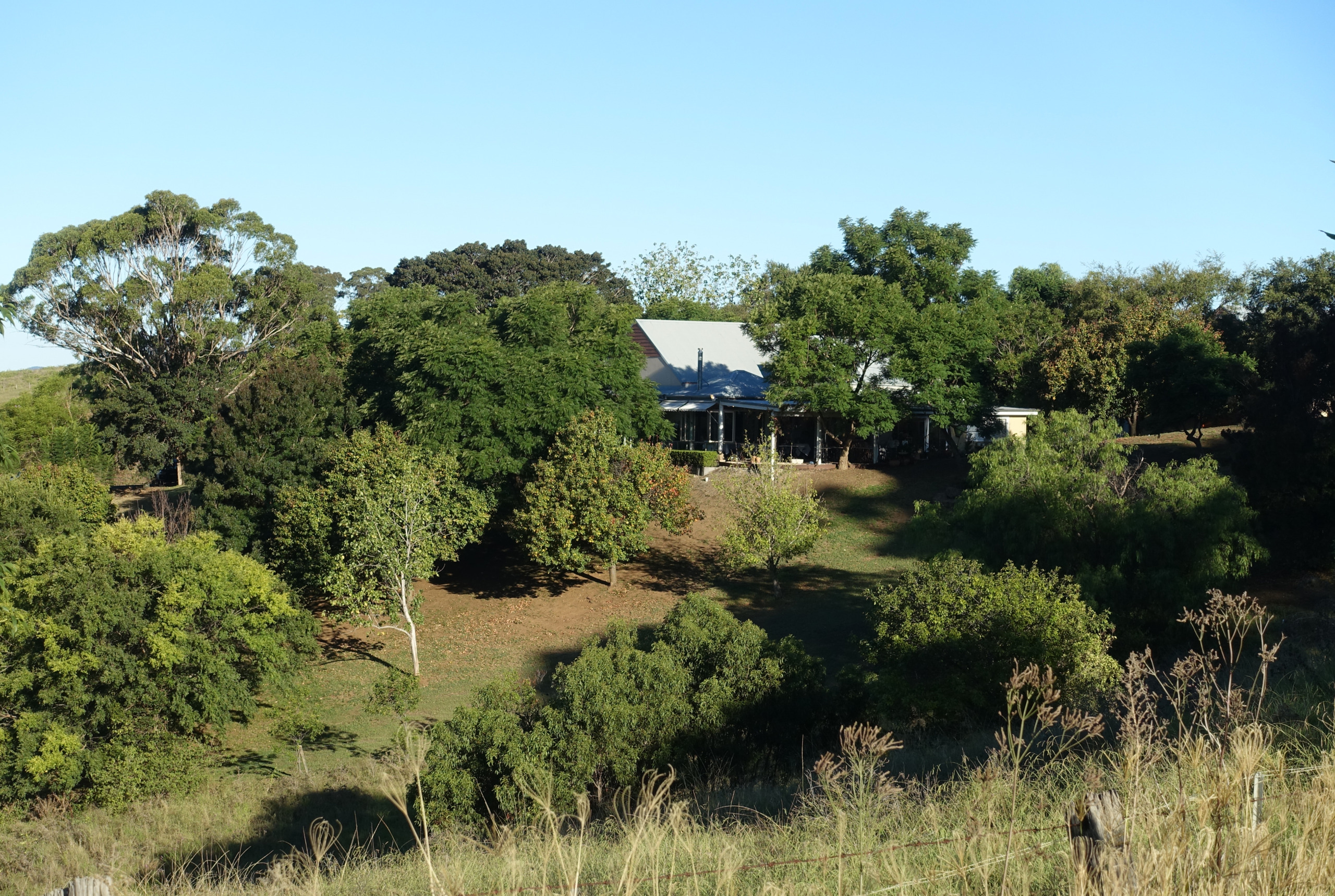
#1 Ivanhoe Wines – We discovered this vineyard in 2020, driving around the valley we spotted their roadside sign advertising “Big, Gutsy Reds”. Who could resist!!! Ivanhoe is a boutique winery situated in the heart of Pokolbin within the Hunter Valley region and is well-regarded for its historic charm and high-quality, handcrafted wines. The current owners are fifth-generation member of the famous Drayton winemaking family, with 47 acres under vine on the property. Some of the vines are over 50 years old and were planted by the grandfather of the two sons currently running the cellar door wine tastings. These older vines produce a lower volume of grapes but the fruit is known for its exceptional quality and concentration. Ivanhoe specializes in wines that are exclusively available at their cellar door, meaning you won’t find them in any bottle shop or restaurant. Being our #1 favorite we returned to the vineyard a second time to enjoy a glass of wine on the verandah. Over our two visits we bought 3 bottles of our favorite wine, The Pressings, to enjoy at home. Definitely a splurge at AUD $49 a bottle but worth it when the only place you can buy it is right here at the vineyard. This little gem was definitely just as charming as our first visit in 2020 and we enjoyed chatting to the sons and watching Dad out plowing the vineyards in his little air conditioned tractor.
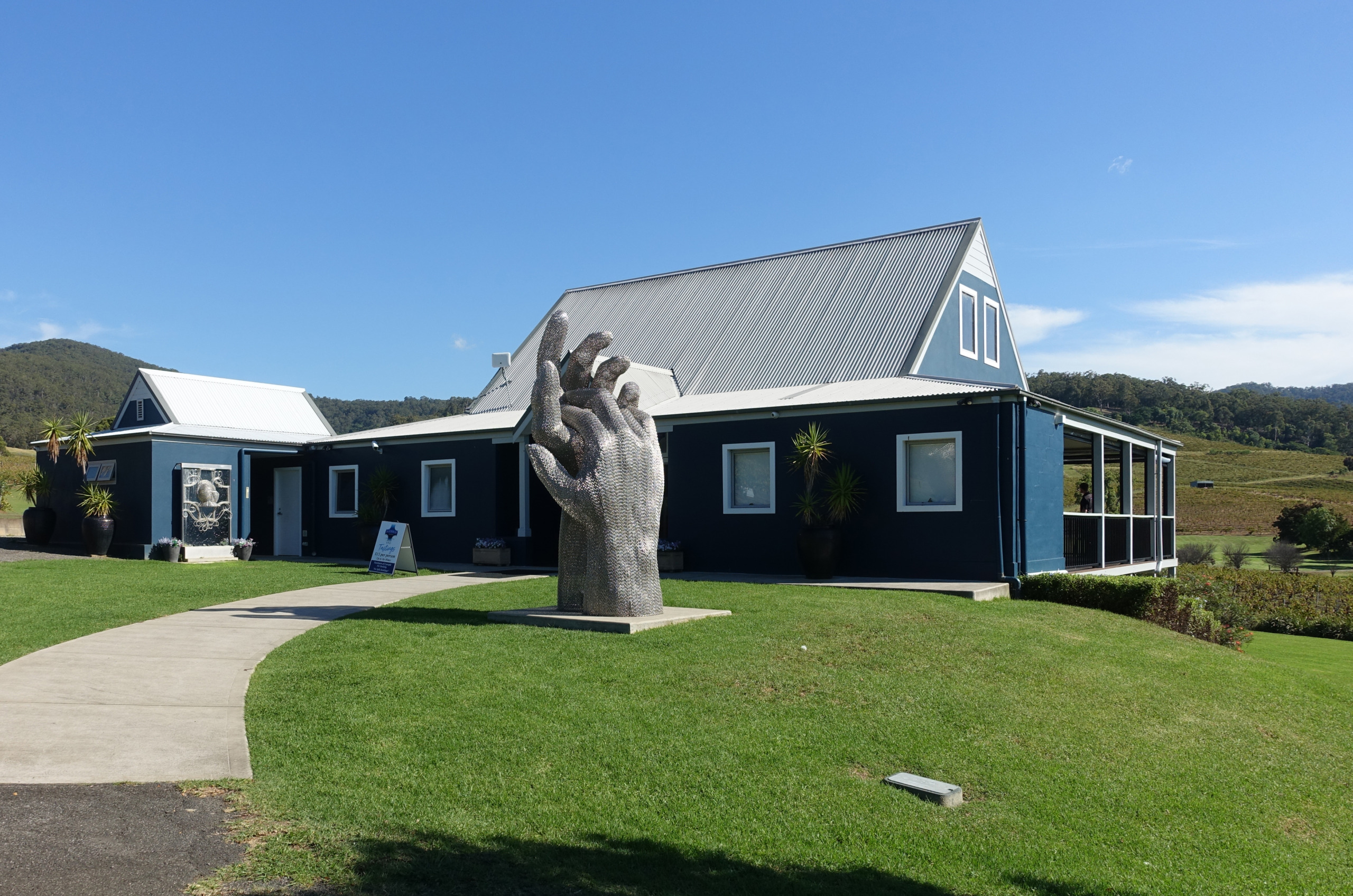
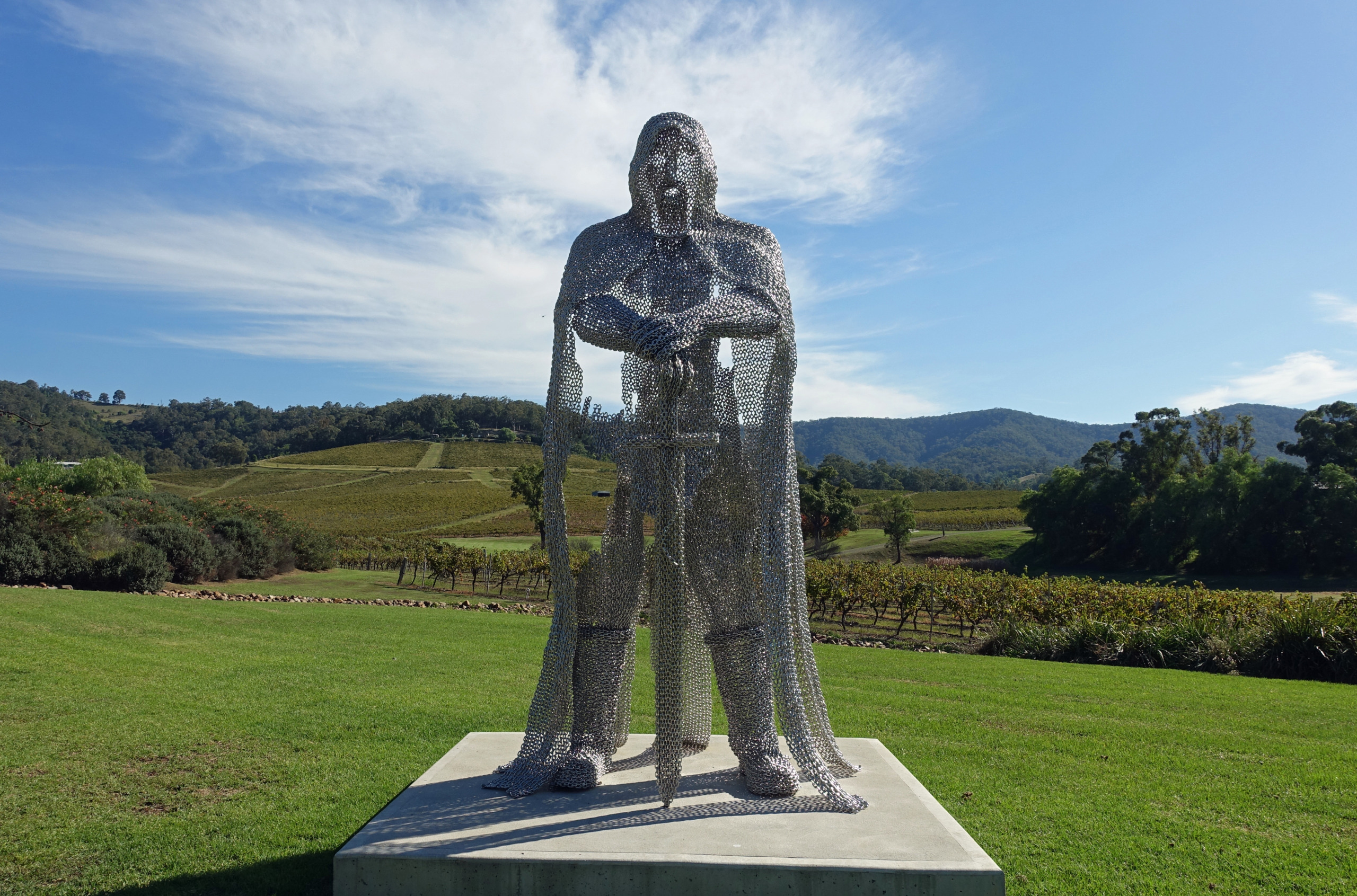
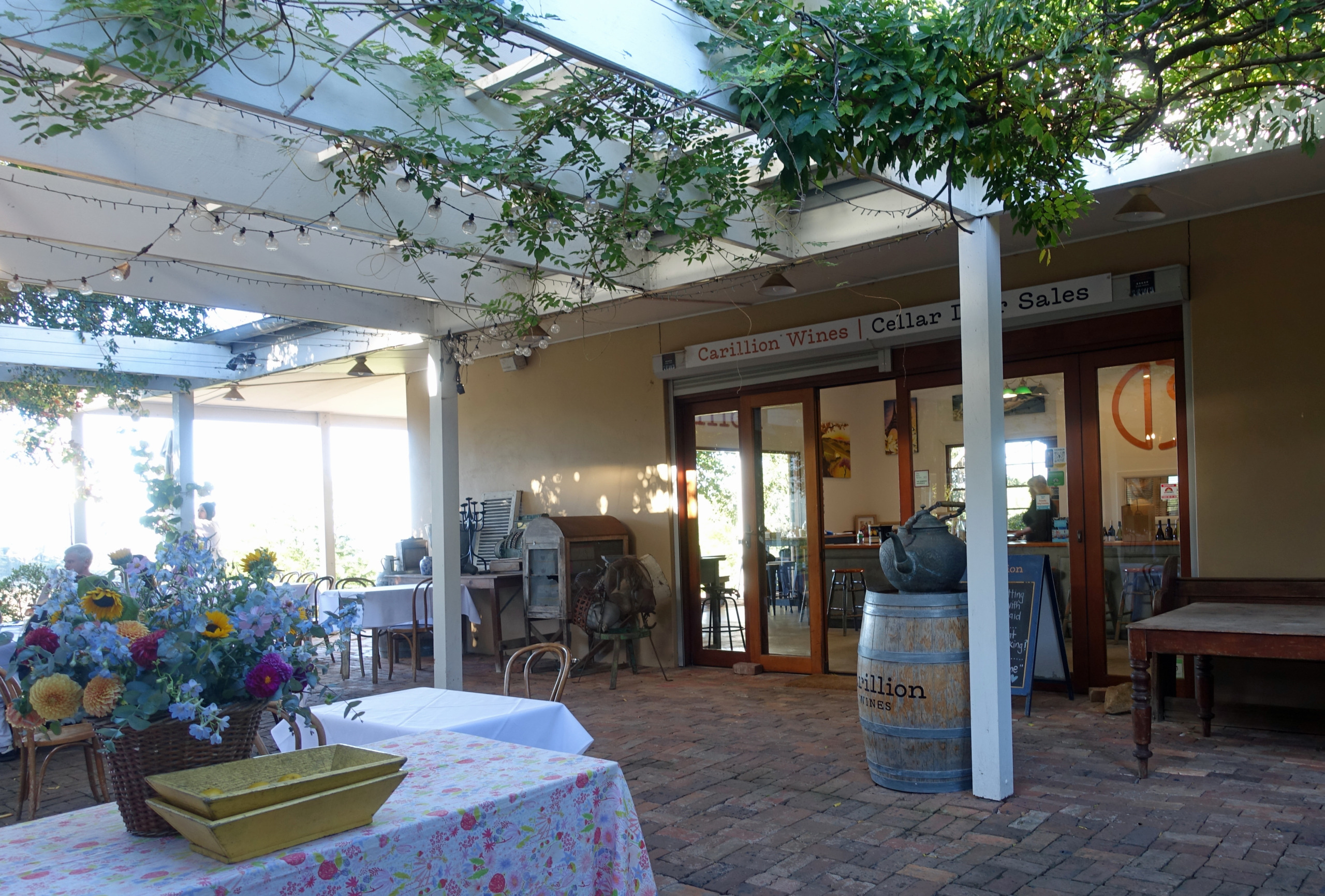
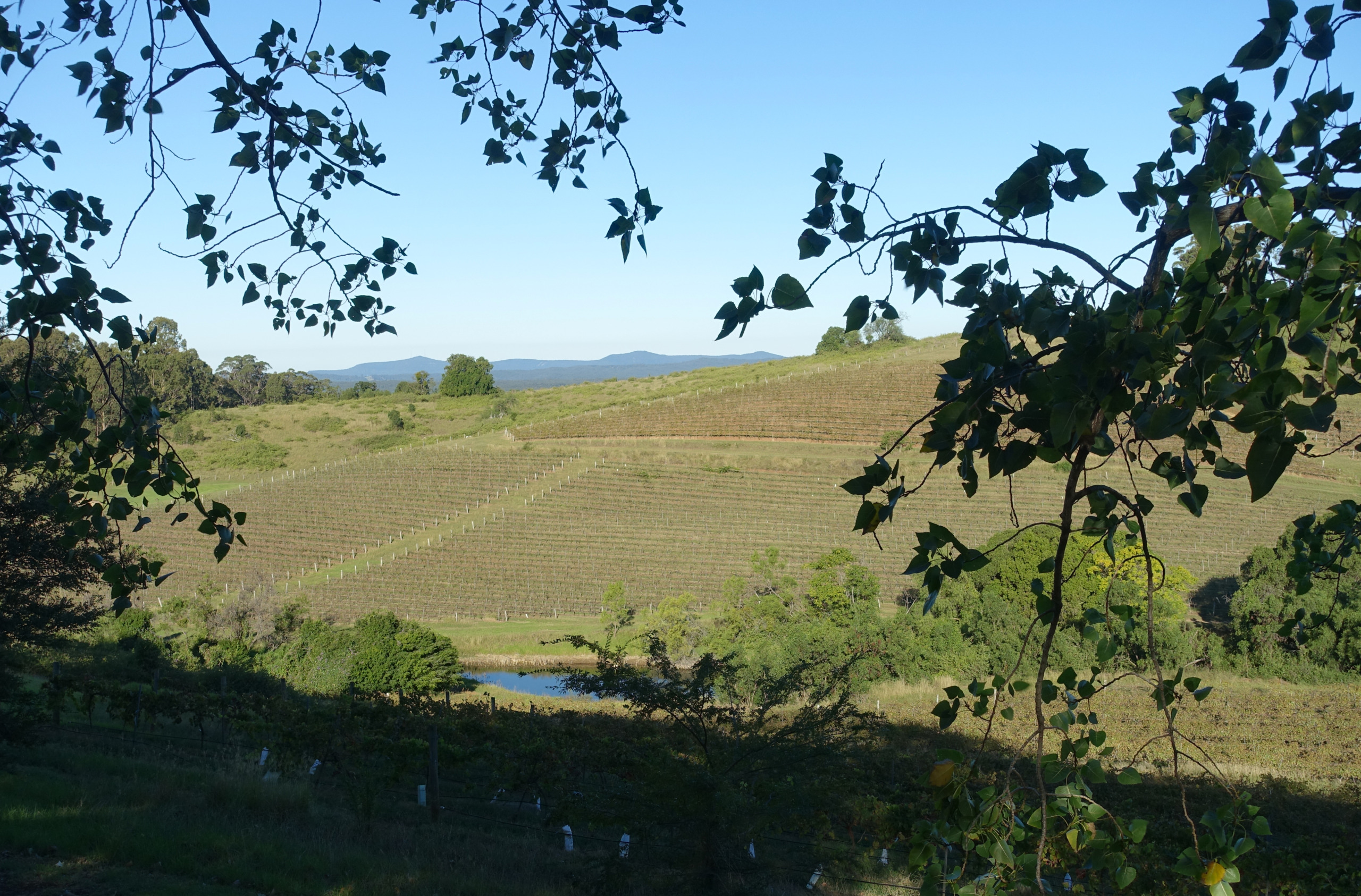
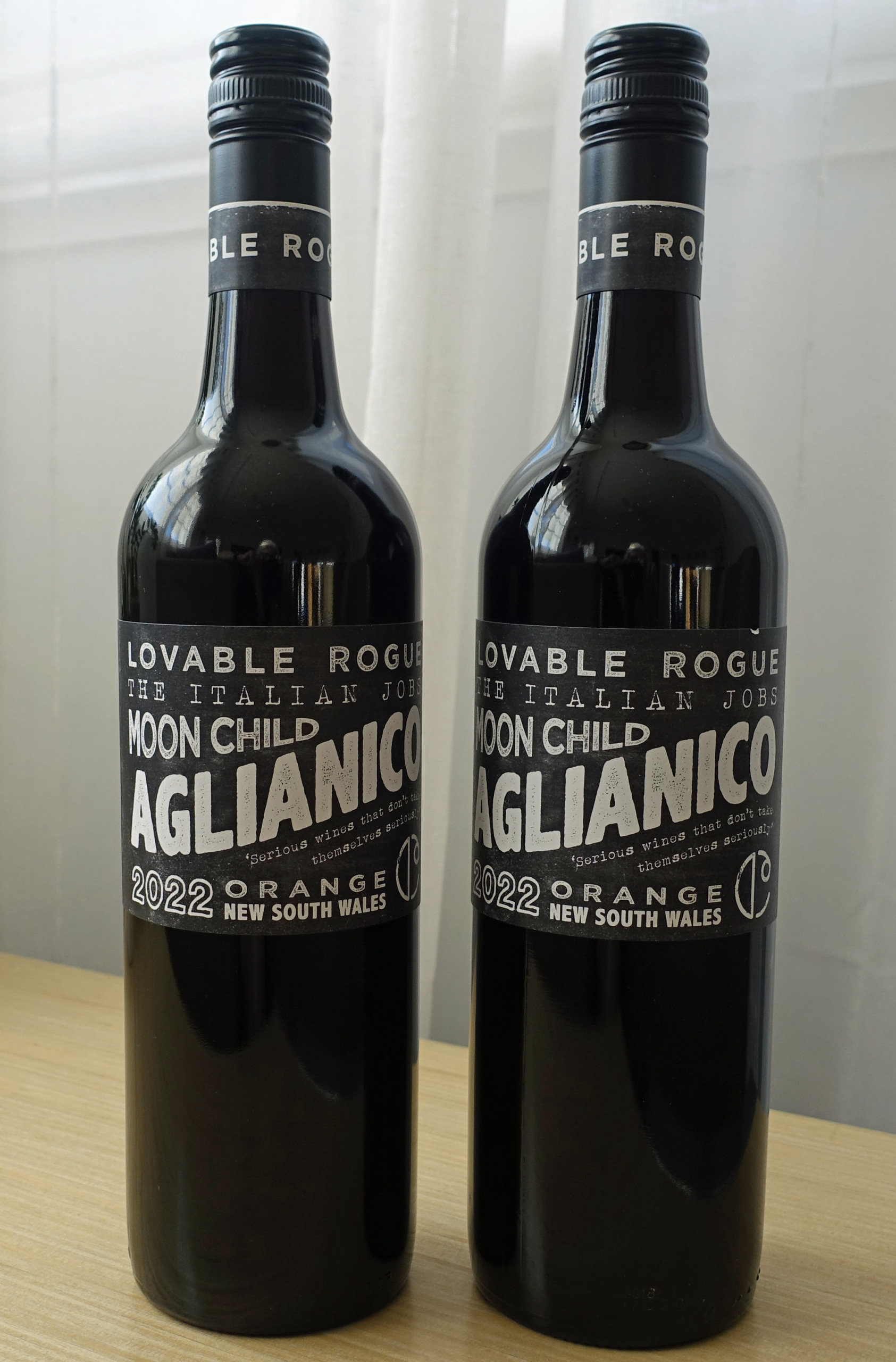
#2 Carillion Wines is another high-end boutique producer located in the Mount View sub-region of the Hunter Valley. Carillion is situated in the elevated hills of the valley offering a serene intimate experience. The winery’s home is in the Tallavera Grove vineyard and widely considered to have one of the most beautiful views in the entire Hunter Valley. The steep vineyard-covered hillsides feel more like Tuscany than rural Australia. Carillion is a family-owned operation with approximately 70 acres under vine in the Hunter Valley. Unlike many local wineries that only use local fruit, Carillion also sources from their other family-owned vineyards. They produce approxiately 5,000 to 10,000 cases annually. Because they have access to three different climates, their wine list is more diverse than a typical Hunter Valley producer. They are known for experimenting with Italian varietals like Aglianico, Vermentino and Sagrantino which have been increasingly successful in the region. You will still find the traditional Semillion, Chardonnay and Shiraz grown on-site at the Mount View property. Our tasting consisted of 8 red wines which we chose from their extensive wine list, along with a little guidance from our hostess. Their Aglianico is fabulous and we ended up buying a couple of bottles to take home with us, the cost was AUD $35 each. The excellent wines and fantastic location high on the the hills above the vineyards is why this one was our #2 favorite.
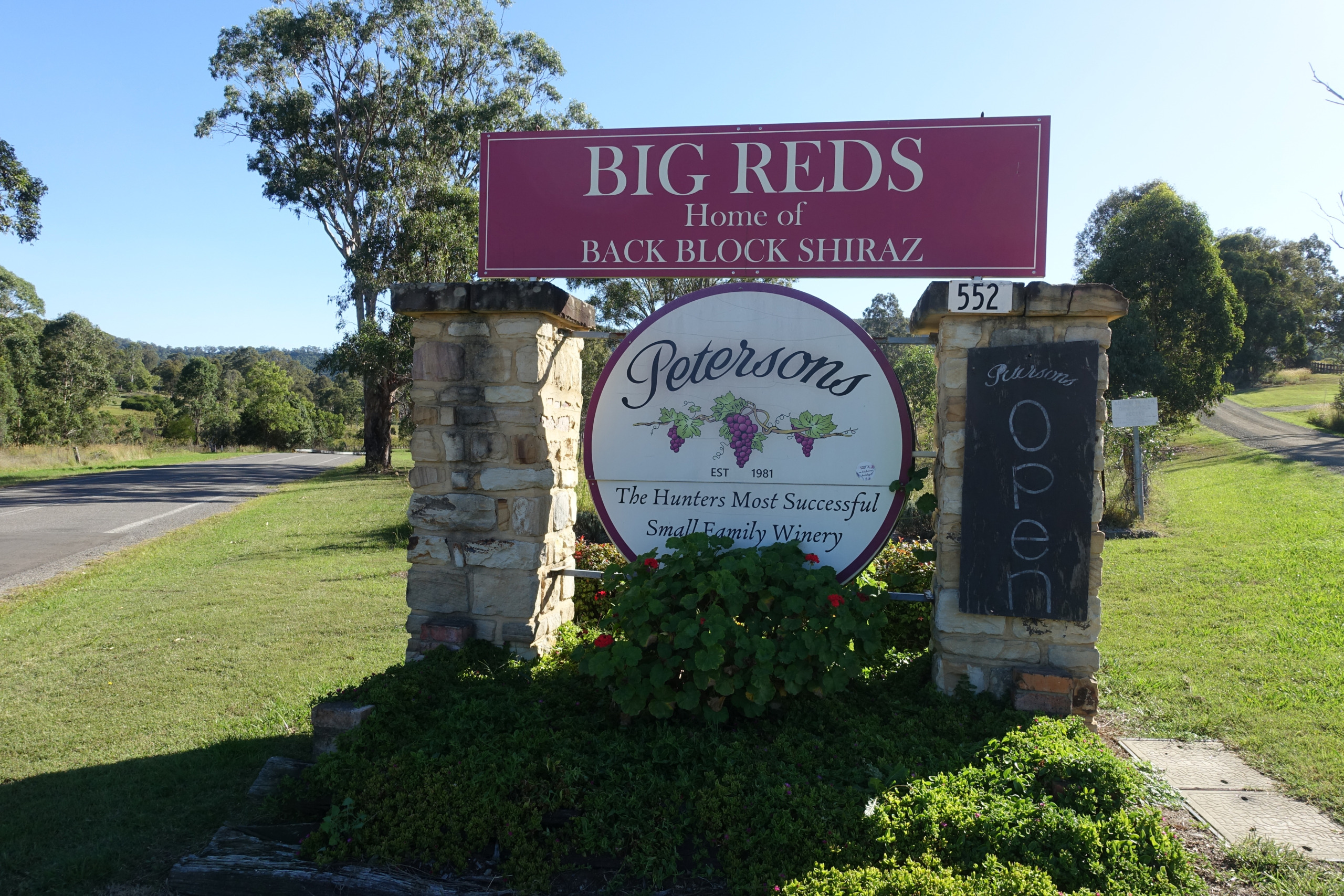
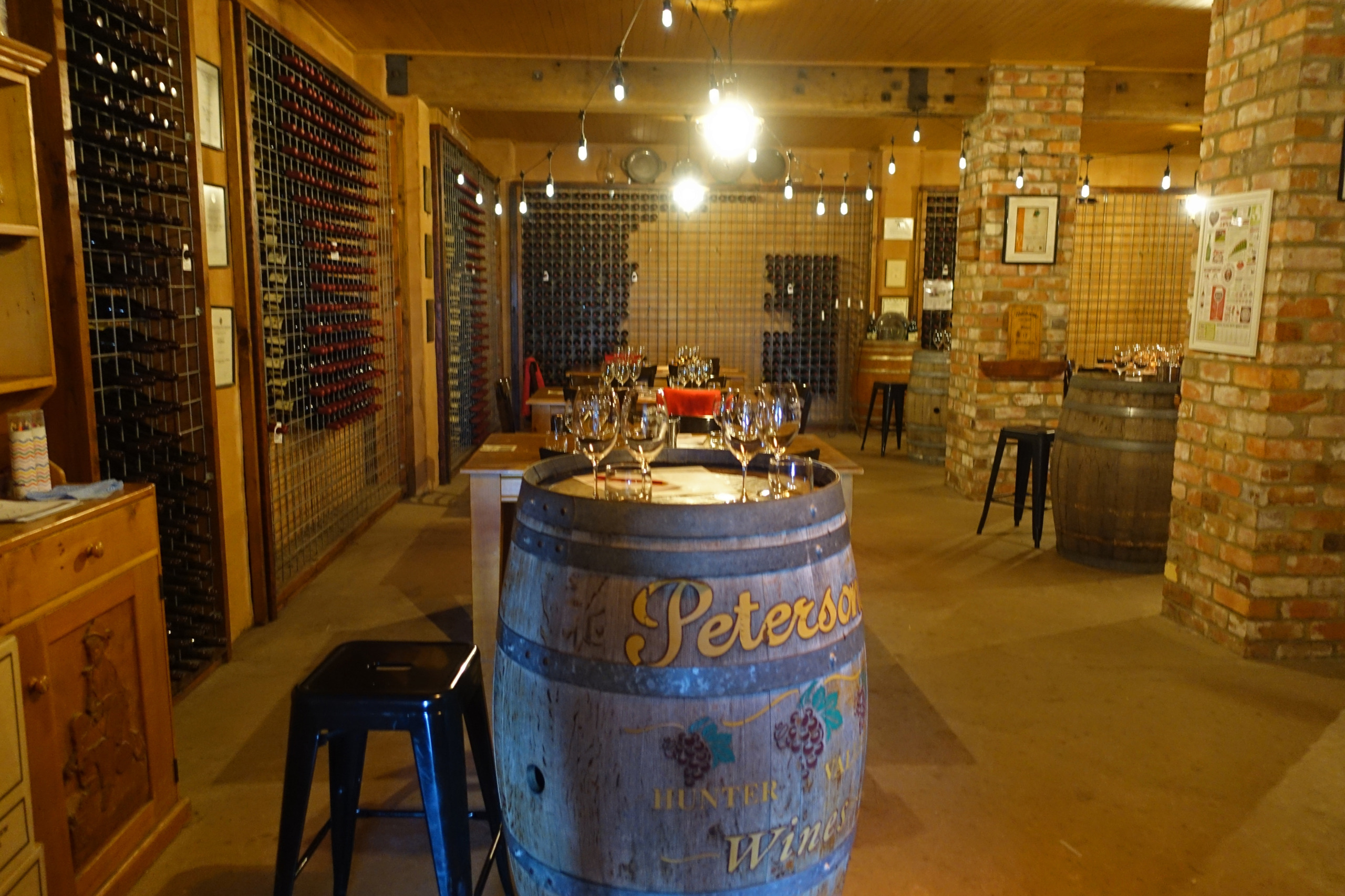
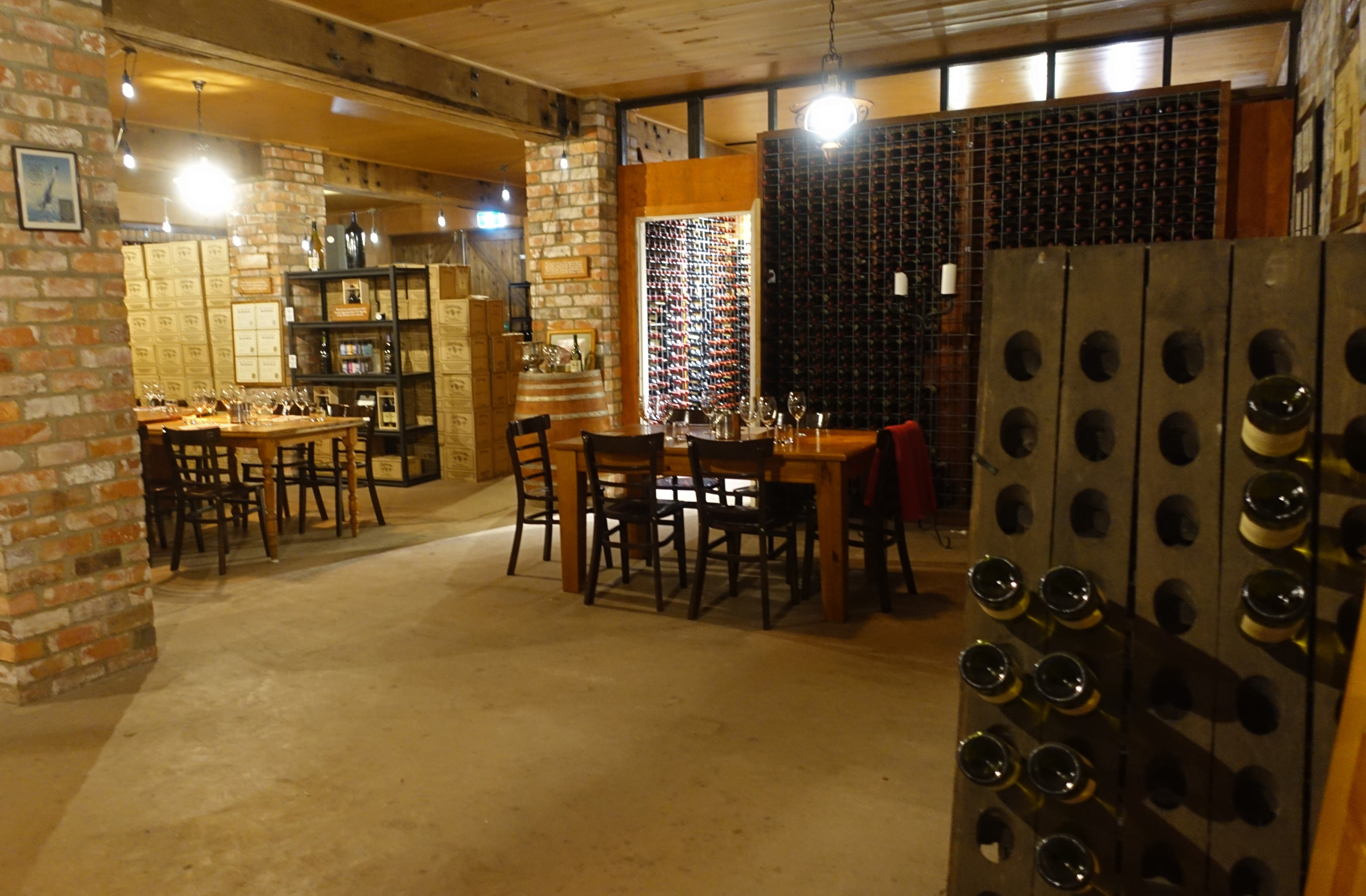
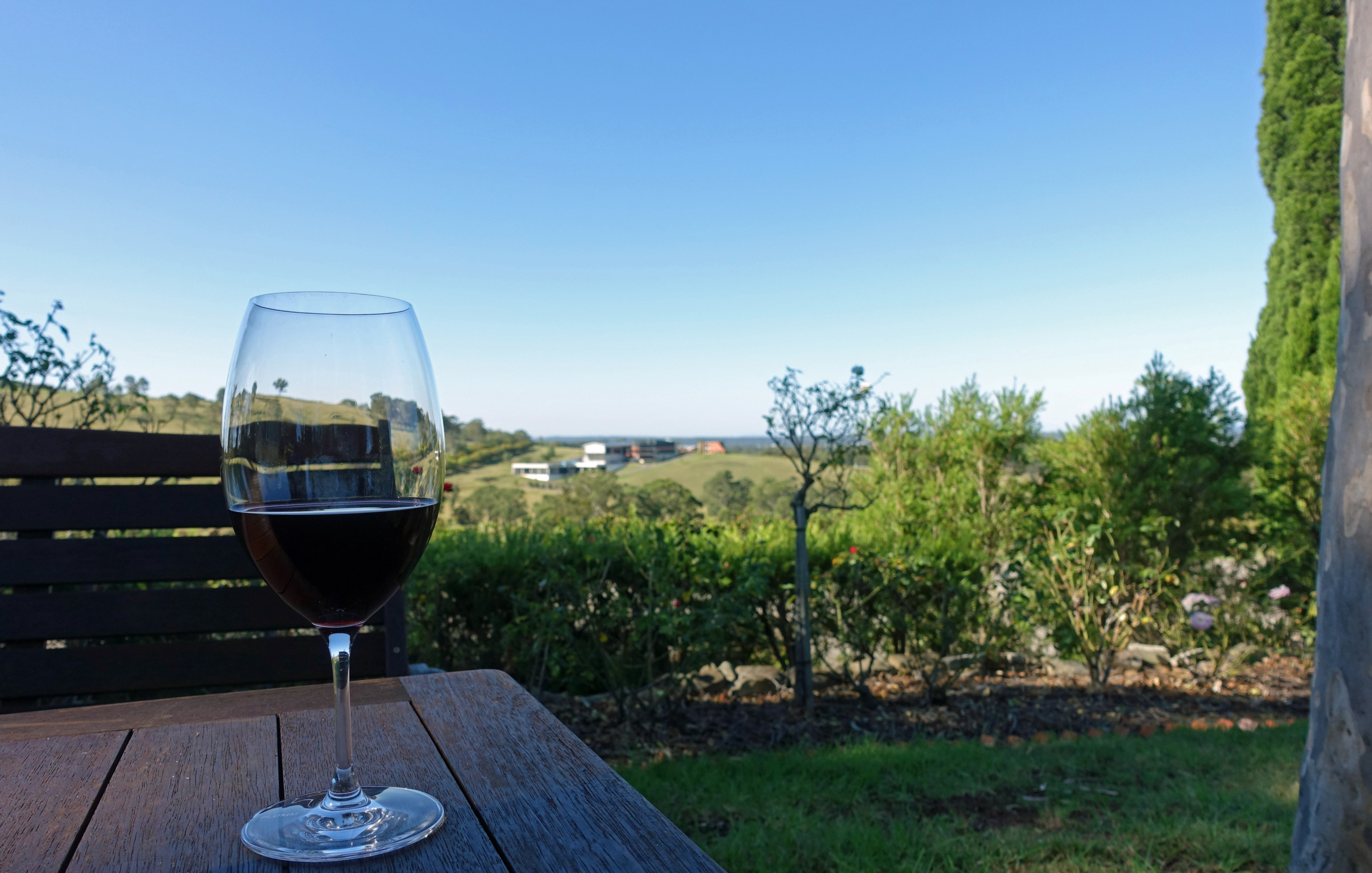
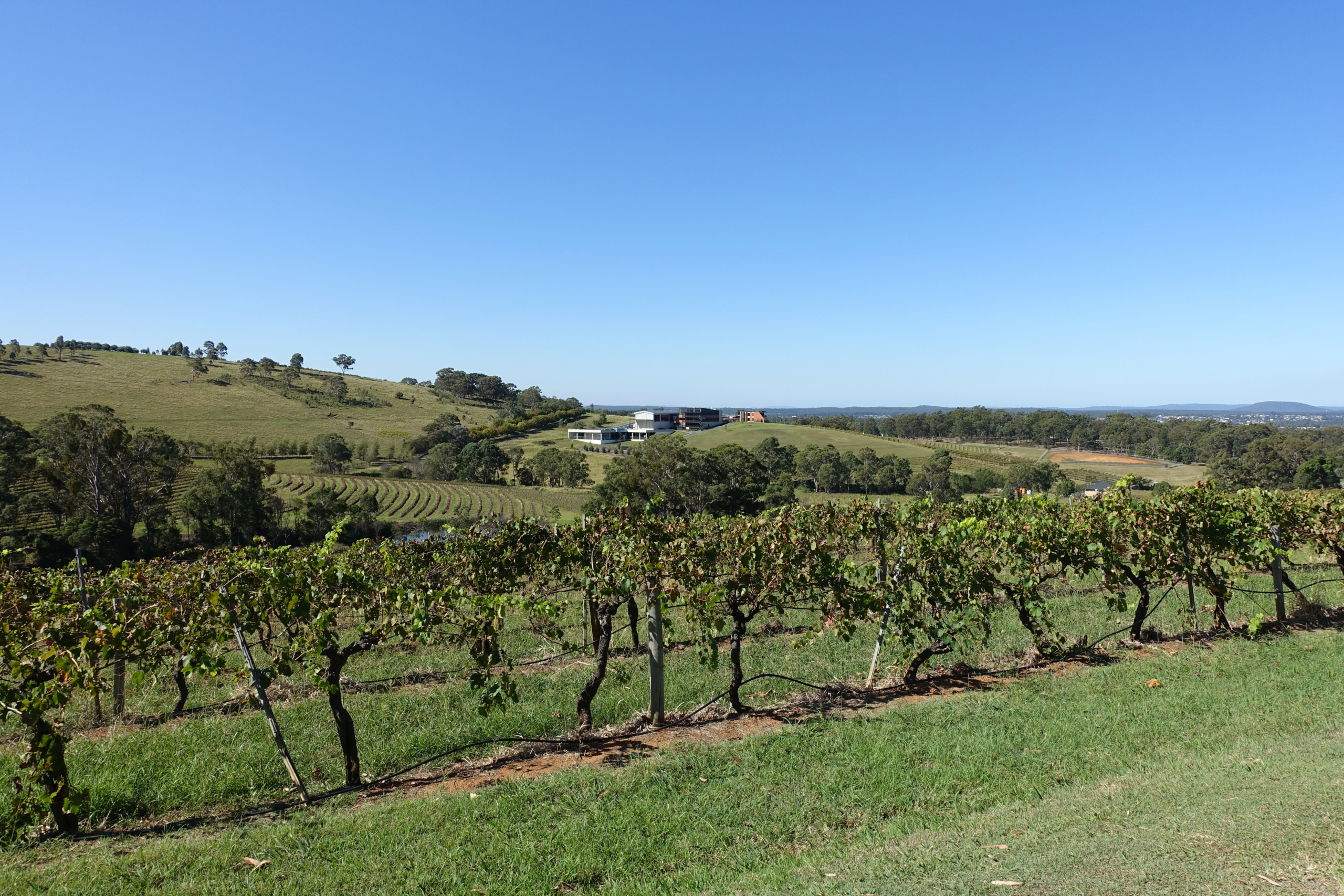
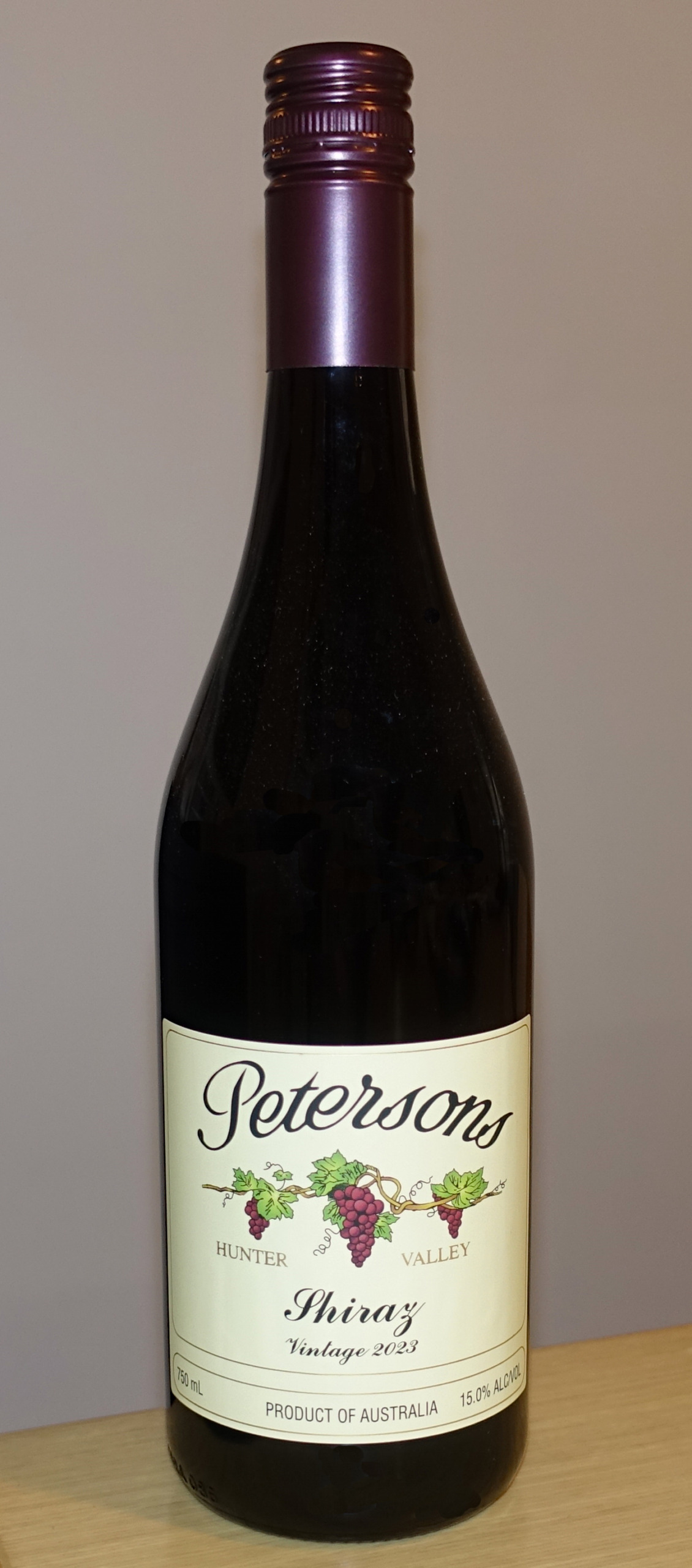
#3 Petersons Wines is another small, intimate winery and we were lured in by their roadside sign advertising “Big Reds”. The vineyard is located in the Mount View region where there are less crowds than Pokolbin. There is another cellar door owned by the same family called Peterson House at the gateway of the Hunter Valley, but that one is a large, commercial vineyard, the type we try to avoid. While owned by the same family, Petersons Wines is a smaller, more rustic cellar door with sweeping views over the valley. The property was originally an old dairy farm and the cellar door has a cozy, farmhouse feel. It’s also built into the hillside so they have a large wine cellar/members only tasting room. Petersons is renowned for big, buttery Chardonnays and heavy, aged reds. Guess what we went for! After discussing our preference in wines the host suggested we try a glass of their Hunter Valley Shiraz and a McLaren Vale Cabernet Sauvignon. McLaren Vale is in South Australia and we are trying to shop locally produced wines therefore we purchase a couple of bottles of the shiraz which we very much enjoyed. The cost was AUD $37 per bottle.

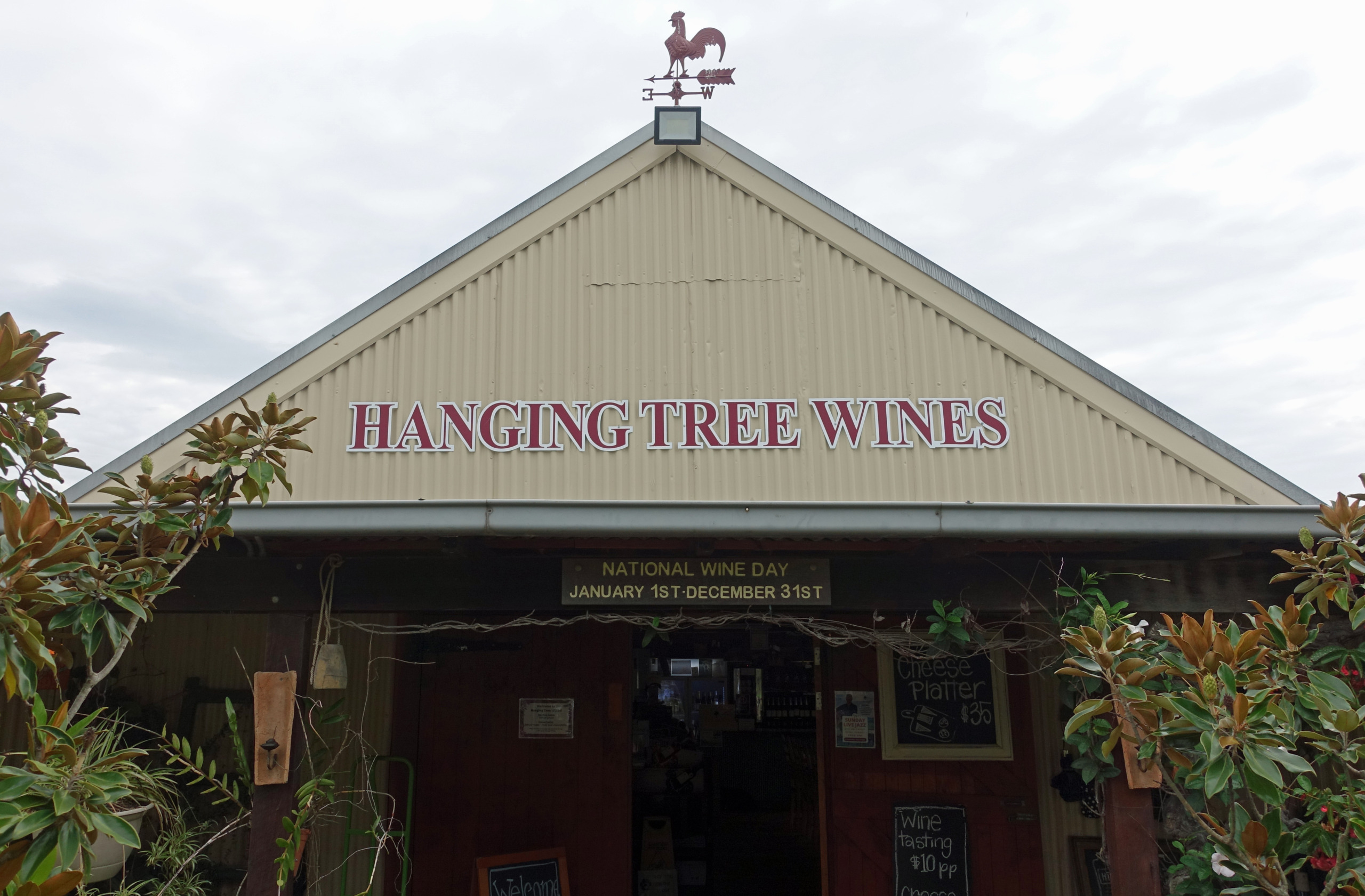
#4 Hanging Tree Wines is a boutique, family owned estate in Pokolbin, known for its rustic charm and sweeping views of the Brokenback Range. The property covers 40 acres, but only 8 acres are planted with Shiraz, Cabernet Sauvignon, Semillion and Chardonnay. This means their production is likely less than 2,000 cases per year, and only available on site. Hanging Tree vines are between 15 and 50 years old and the historic cellar door is housed in a converted cow shed. We did a tasting of 6 red wines and they were all very light, not our preferred style so we did not buy anything. Our wine hostess was fun and chatty so although the wines were not our favorites, we had a great visit. The wine tasting cost AUD $10 each.
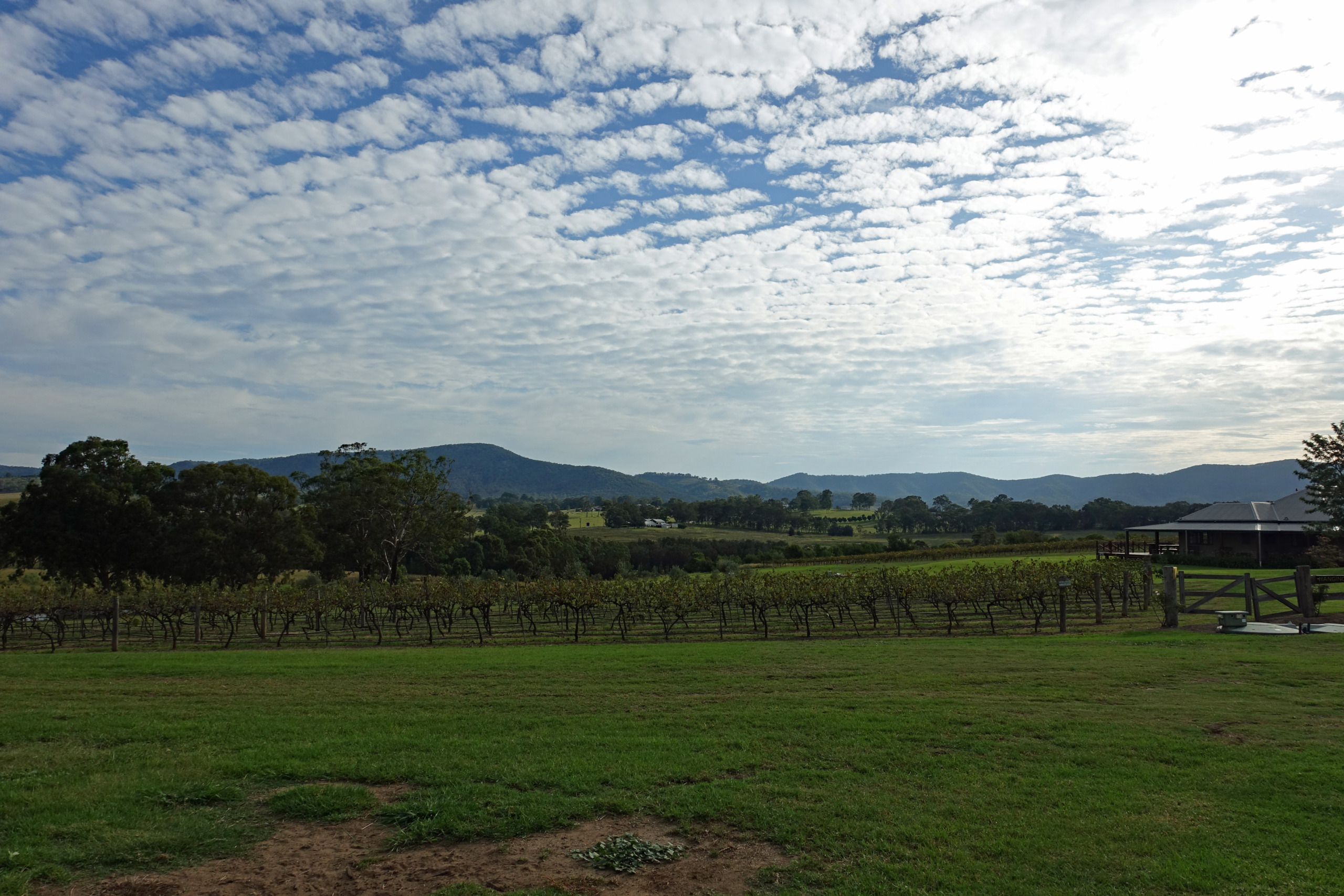
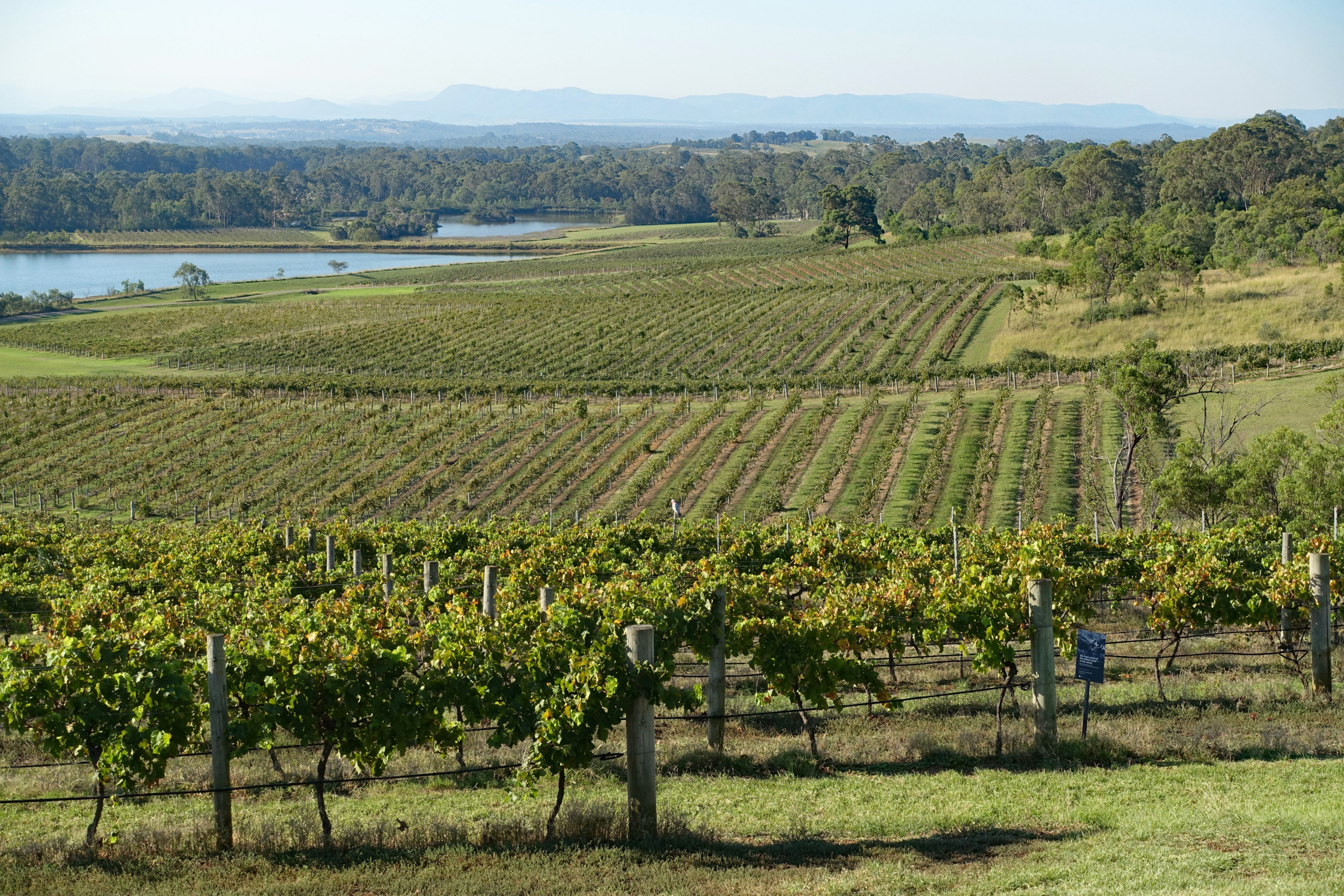
#5 Audrey Wilkinson is one of the most storied and visually spectacular estates in the Hunter Valley, frequently cited as having the best views in the region. Established in 1866, it is one of the oldest vineyards in Australia. Audrey Wilkinson took over the family business as a young boy of 15 years old in 1897 and was a pioneer who introduced advanced winemaking technology to the valley. The original 1897 winery has been converted into a free museum where you can see the old cement fermenters and the heritage tools used by the family over a century ago. Audrey and his brother managed the winery for 70 years. Audrey and his wife never had children so the vineyards fell into disrepair after his death in 1962. In 1970, eight years after Audrey passed away, the property was purchased by a syndicate of investors who were determined to resurrect the winery to its former glory, and to preserve the historic vineyards. While Audrey Wilkinson is a larger estate compared to the othe boutique spots we visited, covering 270 acres with roughly 90 acres under vine, we remembered the magnificent views from our time here in 2020. Being one of the most popular vineyards in the region, their wine tastings were fully booked, but we settled for a glass of wine on the back deck overlooking some of the original vineyards. We did not buy any wine to take home because we didn’t have enough time left to drink them before we leave.
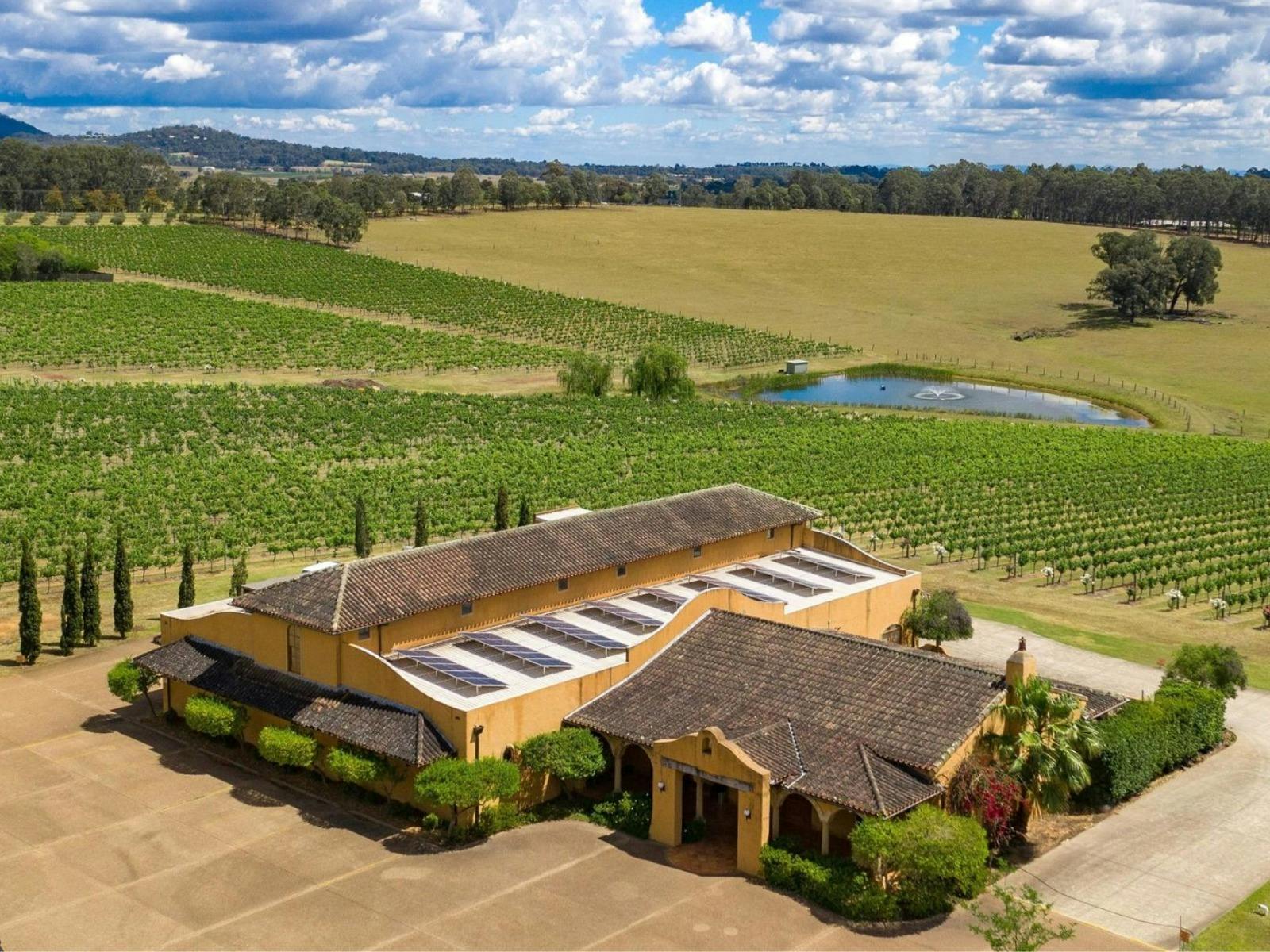
#6 Iron Gate Estate is one of the most visually striking wineries in the Hunter Valley and was recommended as a great place to go for lunch. The estate is famous for its Spanish-inspired architecture with the cellar door featuring white stucco walls, terracotta roof tiles imported from Spain and sun-drenched courtyards with hand-painted tiles. The restaurant highlights wood-fire cooking and tapas-style sharing plates in keeping with the Spanish-style estate. Wine tastings are not offered in the restaurant so we each chose a red wine to enjoy with our meal. Both were expensive for what we thought were very light wines so we did not buy anything to take home. The estate spans 40 acres with just 25 acres under vine so they do not produce a large quantity of wine, their products can only be found on site. (I forgot to take any photos during lunch so I grabbed this shot from the internet)
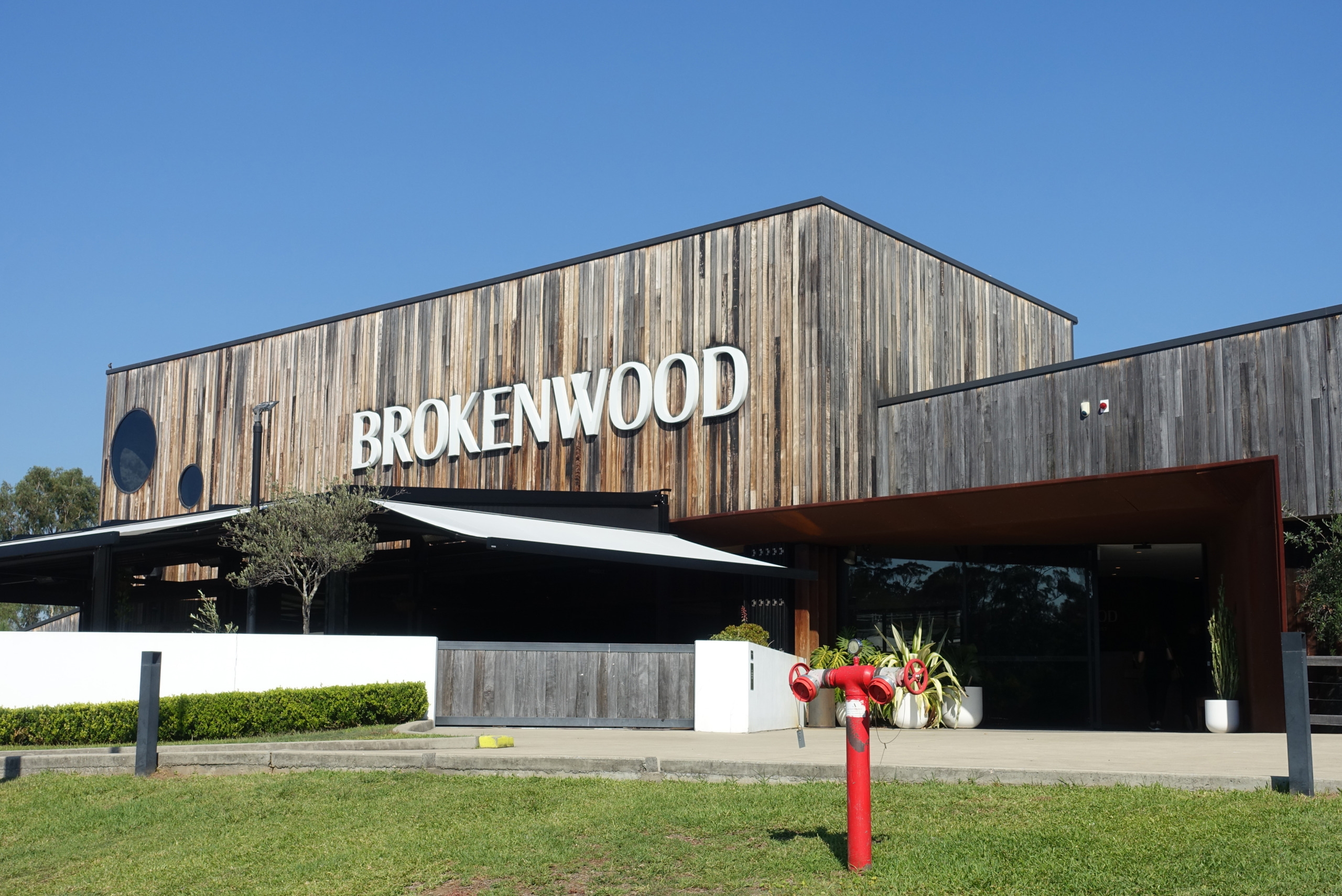
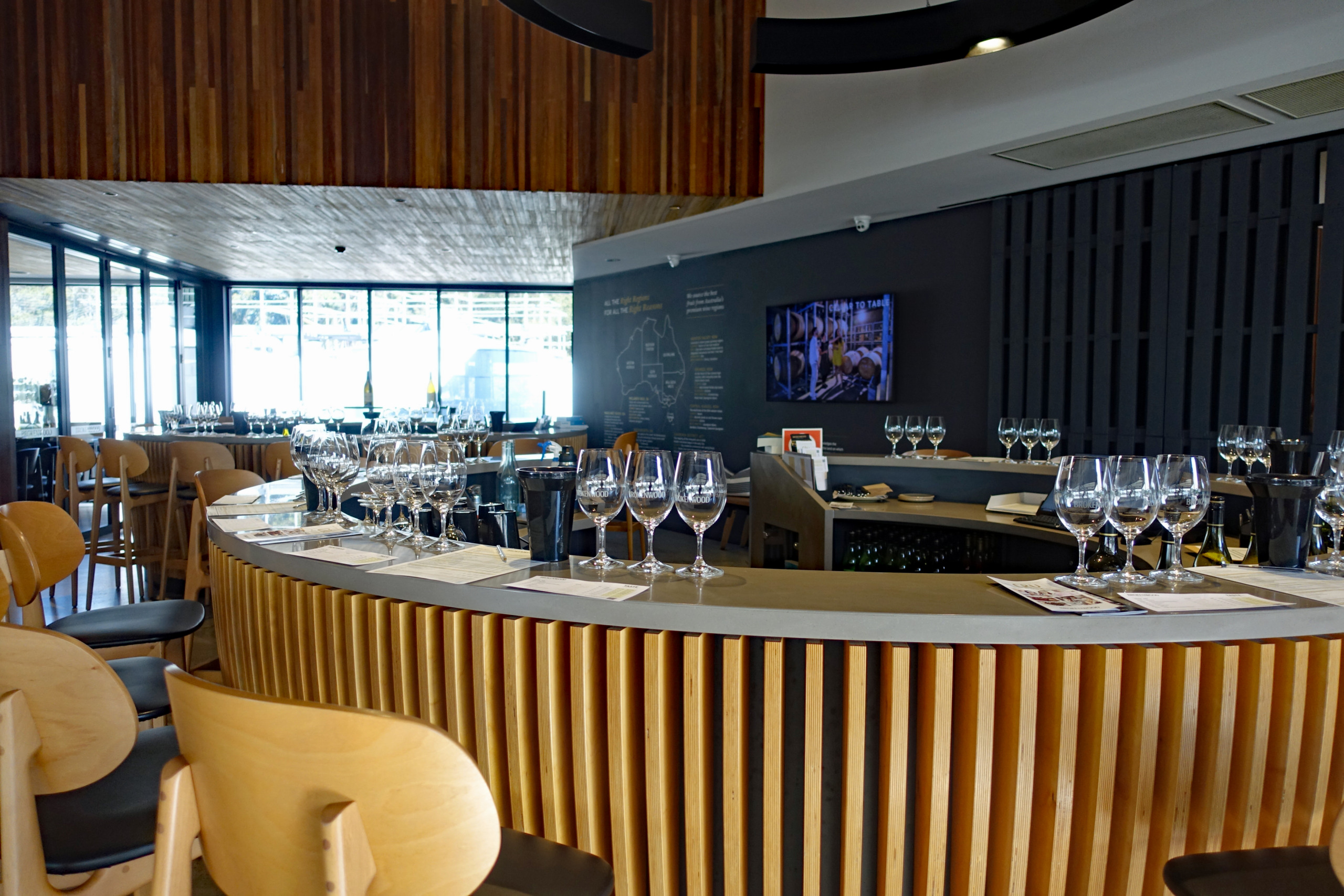
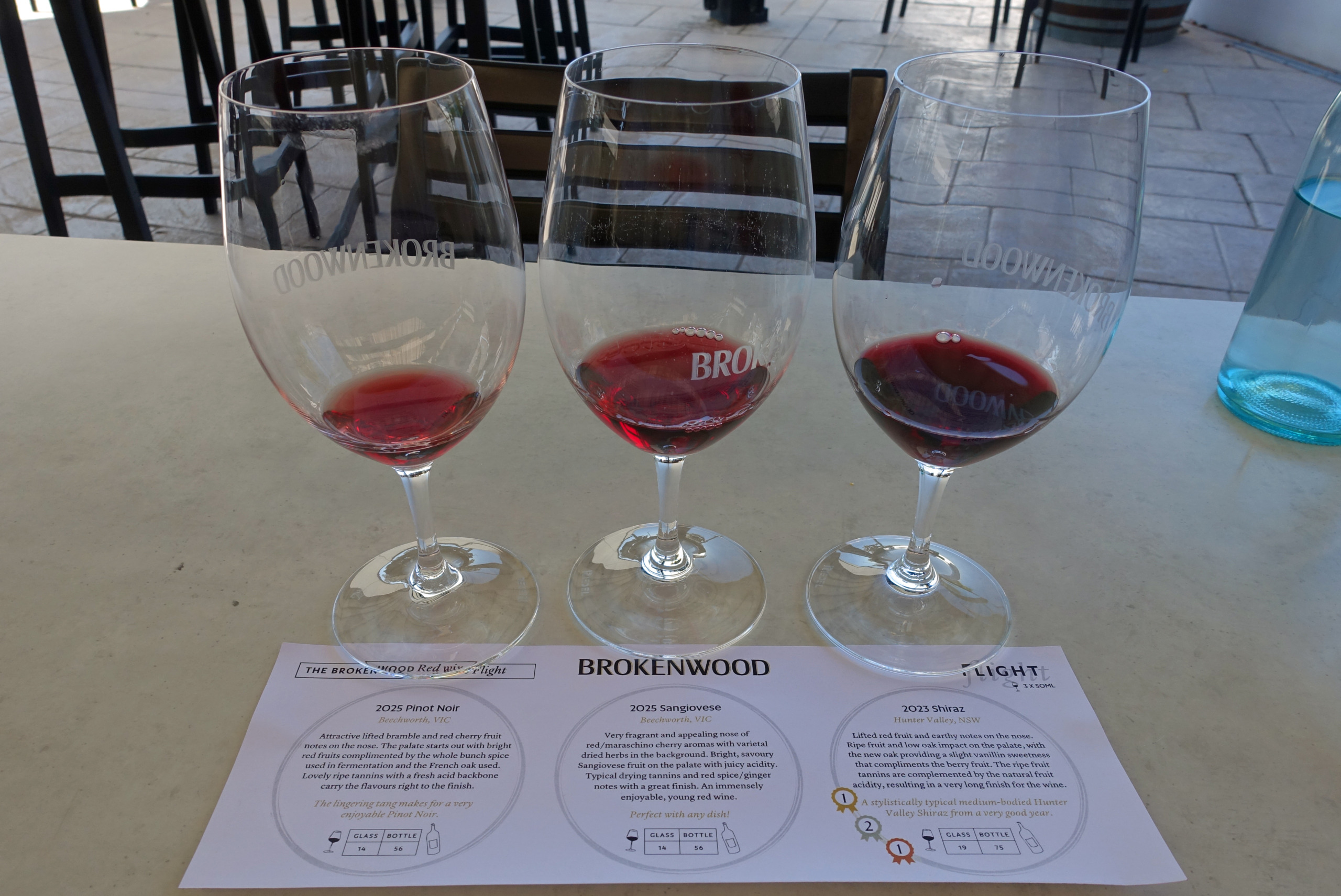
#7 Brokenwood Wines is one of the “big icons” of the Hunter Valley growing from a weekend hobby in 1970 into a world-class estate. The 1,400 square-meter cellar door is a large commercial setup for tastings and just felt cold and impersonal to us. We shared their flight of red wines and they were all incredibly light and lacking in body. There was no view and the wines were not to our liking so we did not linger. We are much more interested in the personal feeling of the small family run operations.
From the above list of wineries you may well gather that all we did in the Hunter Valley was drink wine, and you would not be totally wrong. Granted, it was definitely the reason for our visit and we achieved our goal of discovering a few more boutique wineries. To offset our afternoons of drinking, we committed ourselves to hitting the gym every morning…just to ease a little guilt 😂 Snap Fitness was a 5 minute walk from our house, so no excuses for not getting there. A one week membership cost AUD $60 each.
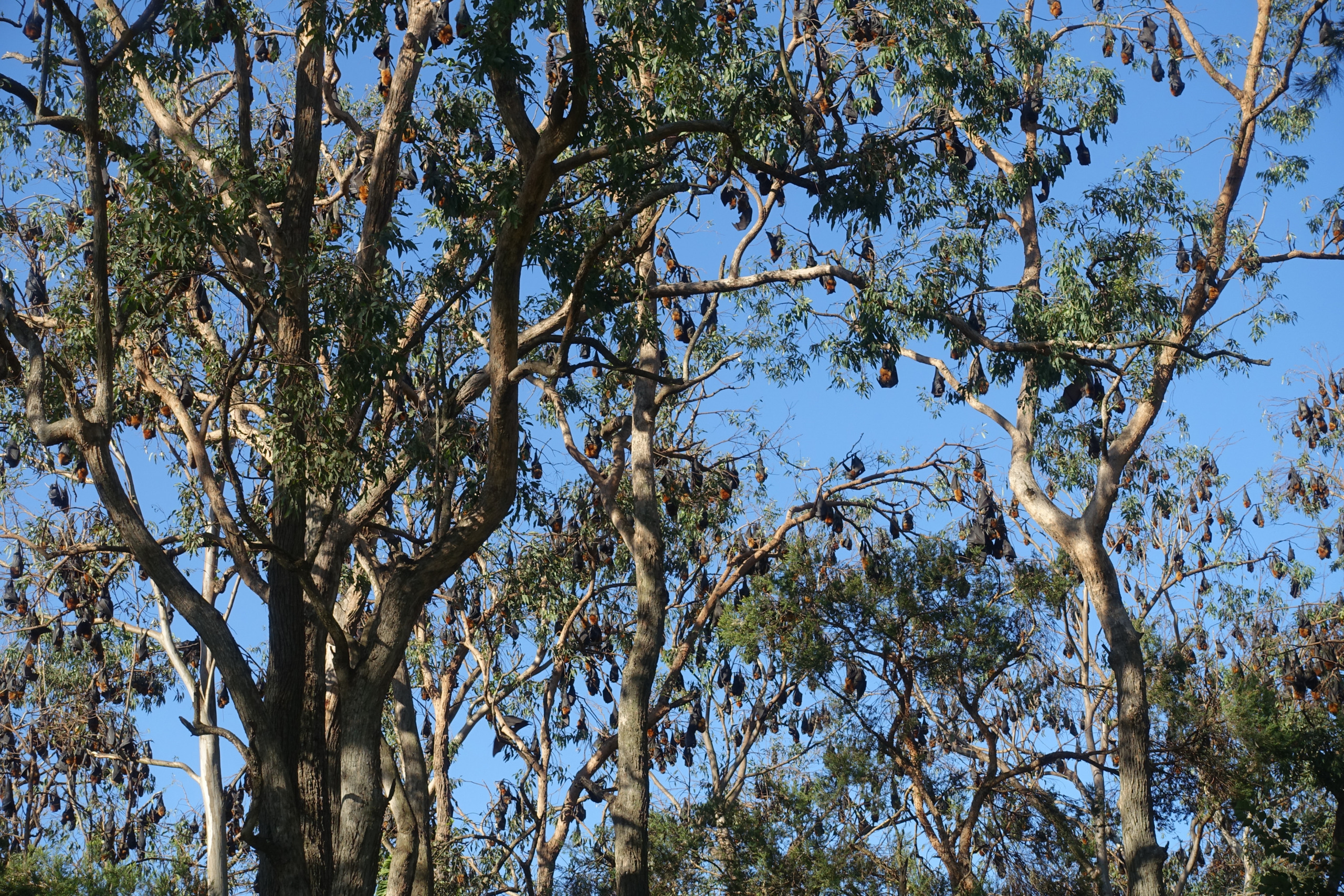
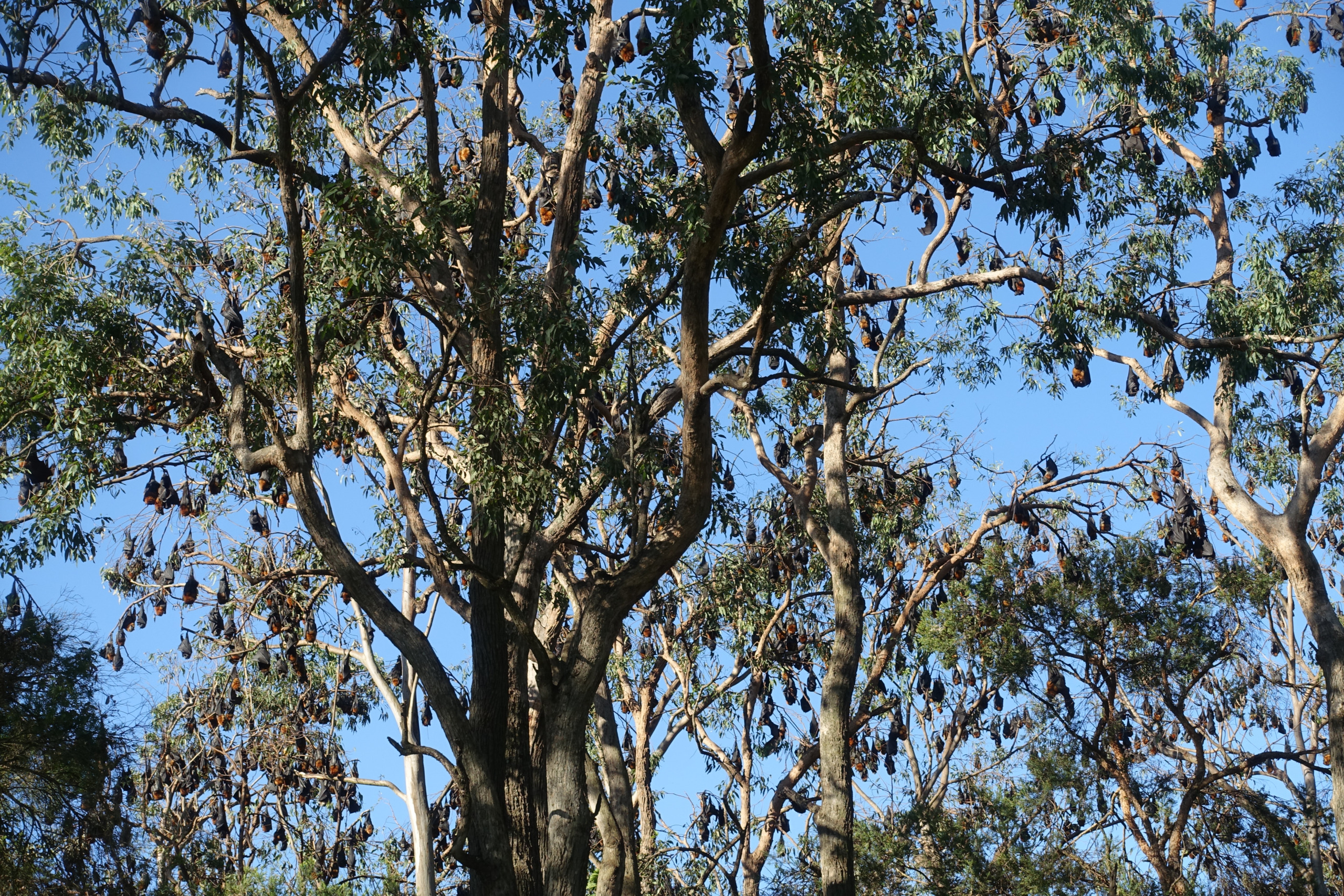
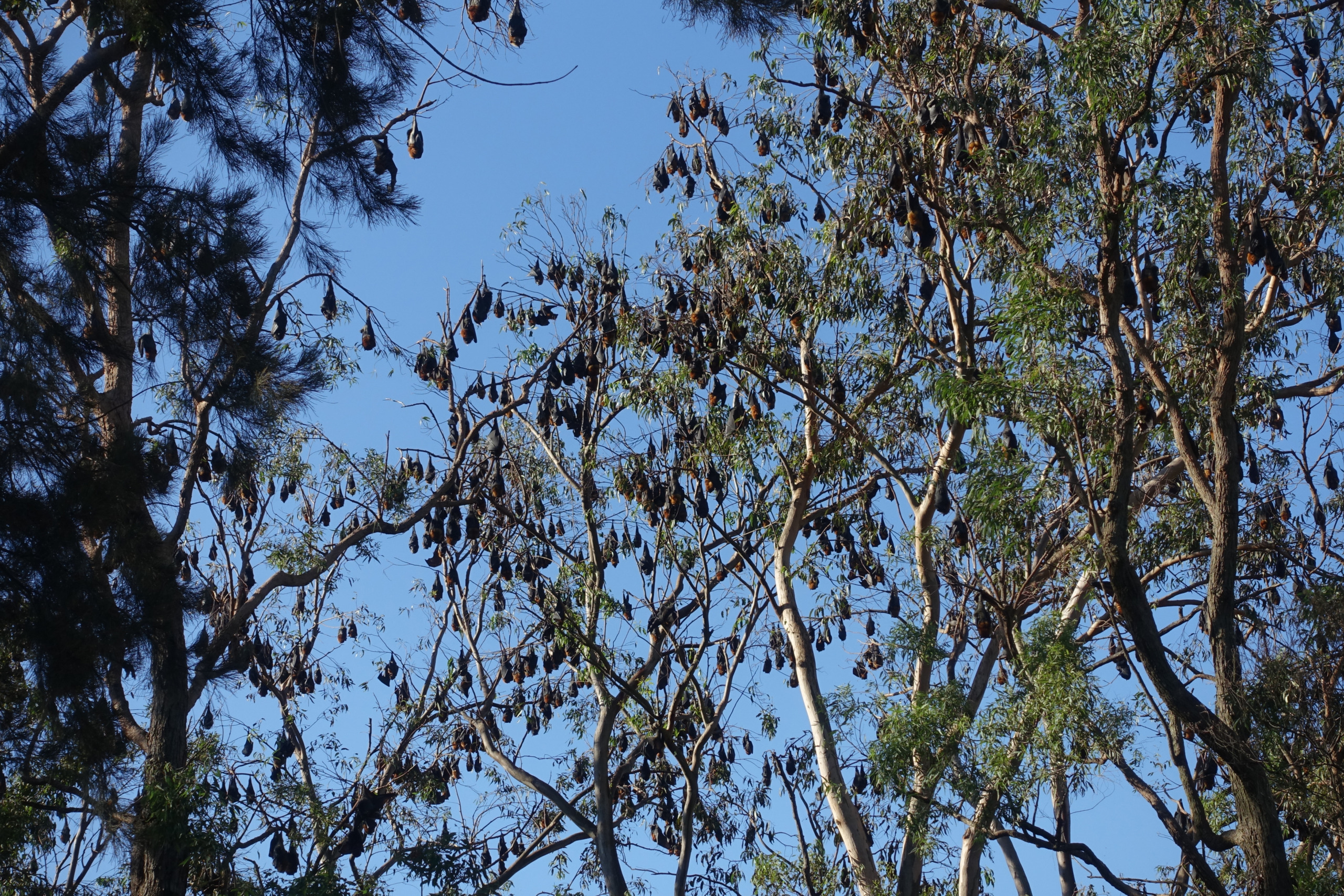
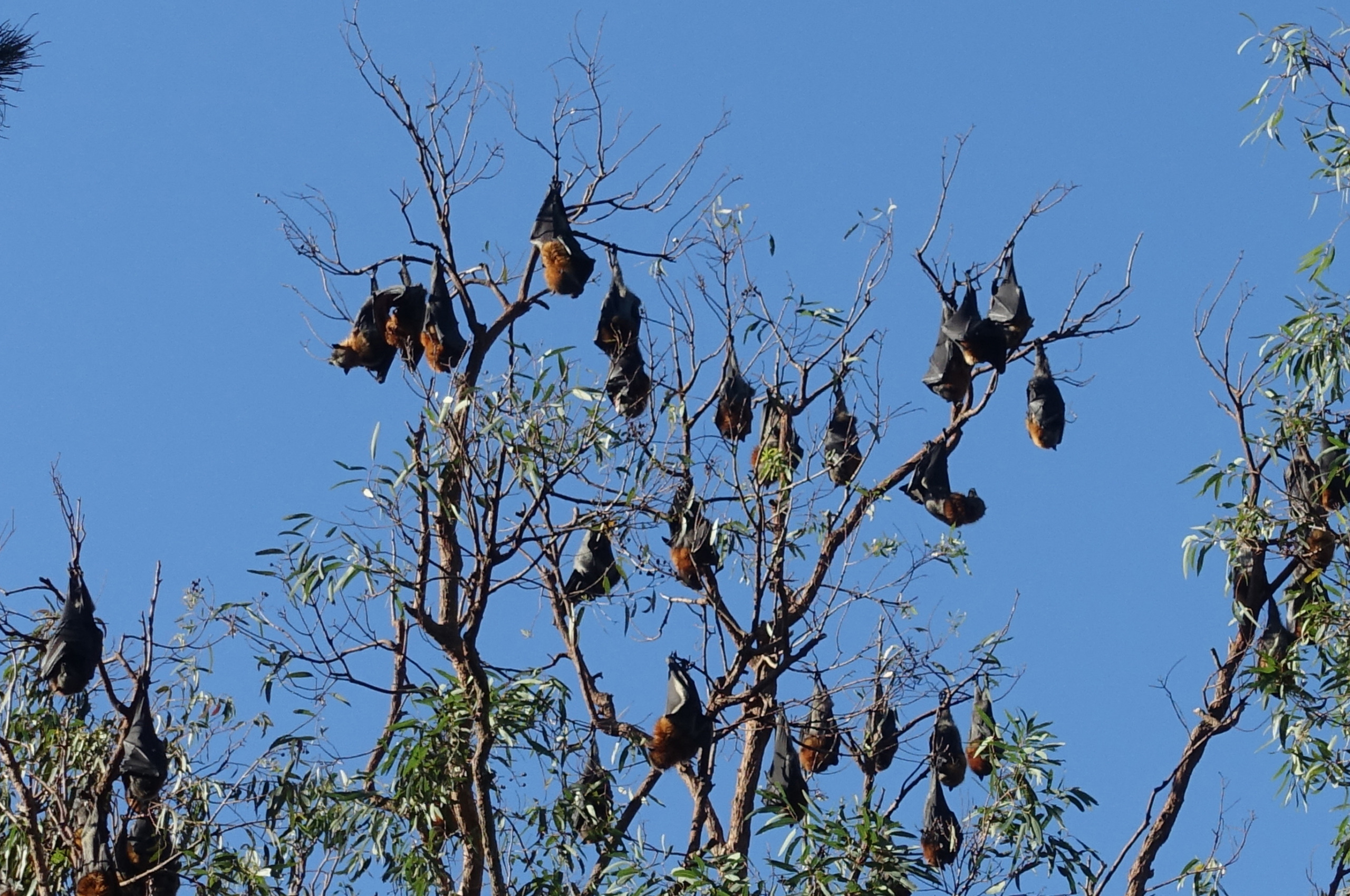
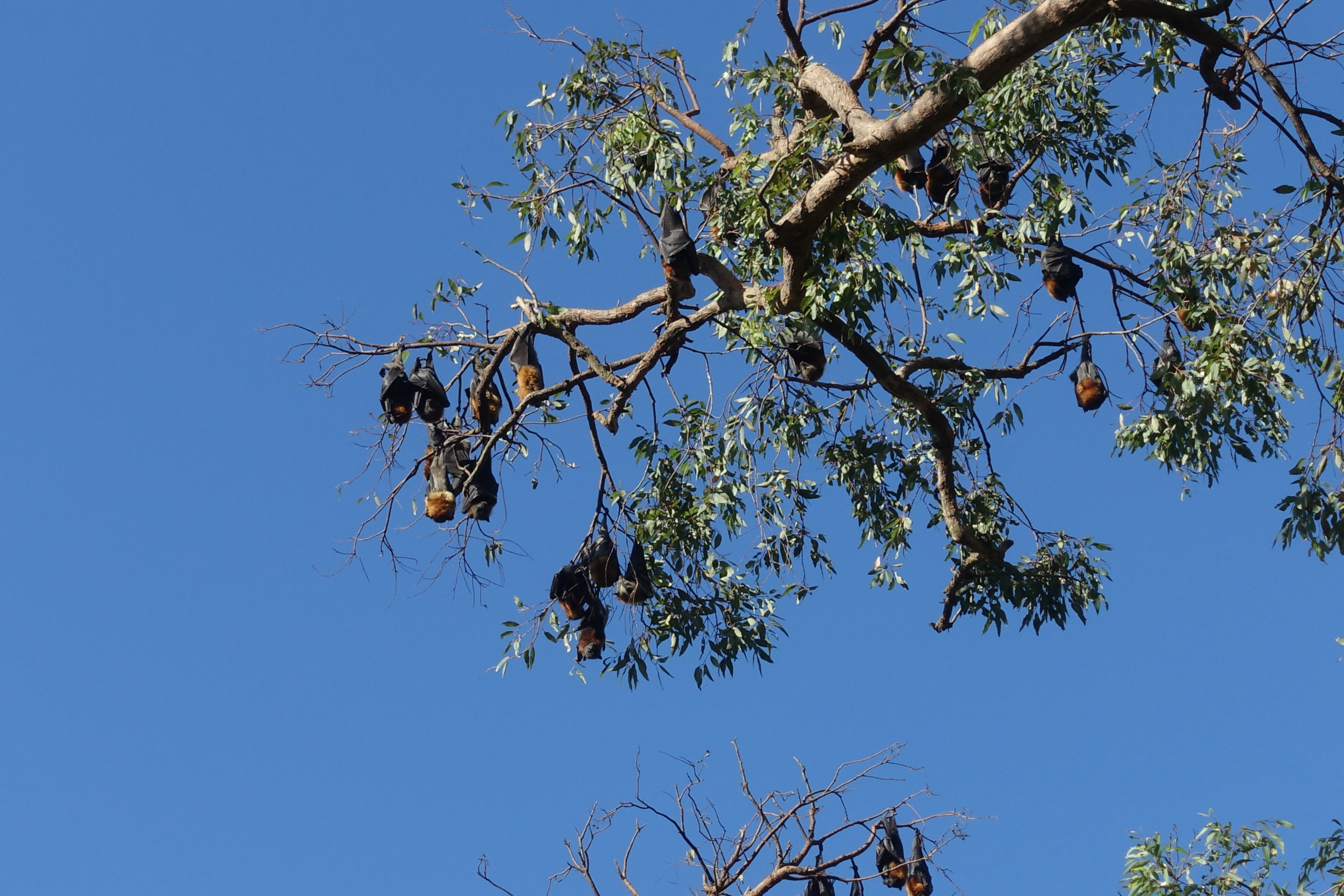
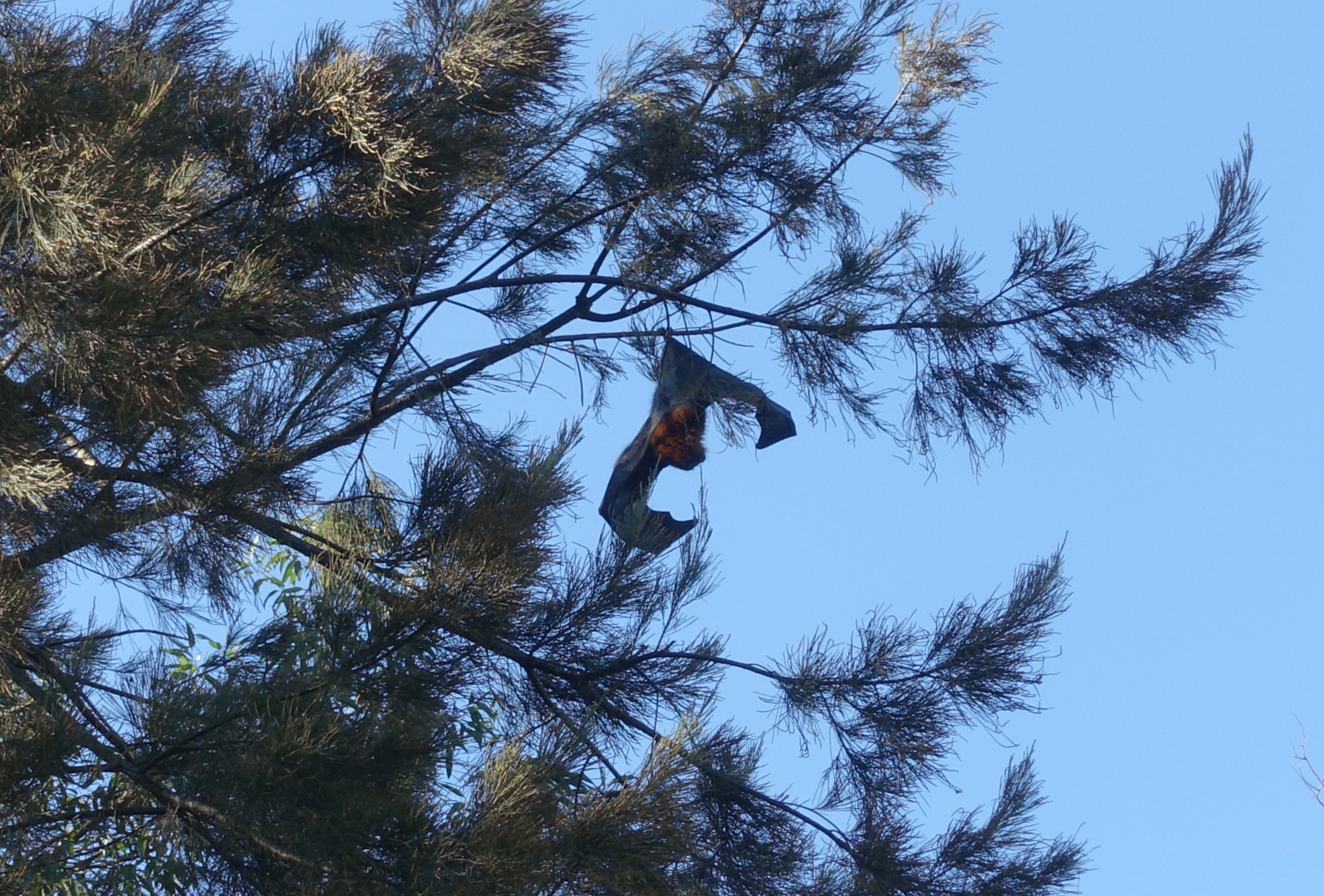
Blair got out for a few runs around the countryside and made an interesting discovery, thousands upon thousands of Flying Foxes (fruit bats) roosting in the trees as far as the eye could see. The Hunter Valley is home to a significant population of Flying Foxes, which are vital to the local ecosystem as pollinators. The Grey-headed Flying Fox is recognizable by its rusty red collar and impressive one meter wingspan, and they are a noisy bunch!!
We have absolutely enjoyed our second visit to The Hunter Valley and we highly recommend visiting this region, however it’s time for us to cut back on the day drinking and get back to our beach walks. Next stop, Maroochydore…..
.
.