Bali is world famous for its volcanic mountains, emerald rice terraces and stunning coral reefs. What sets Bali apart from other Indonesian islands is its deeply rooted Hindu culture, in the heart of a Muslim nation. On every doorstep you will see Canang Sari, small handmade palm-leaf baskets, overflowing with marigolds and smoldering incense. The Balinese people are known for being warm and welcoming, and ceremonies are a daily occurrence.
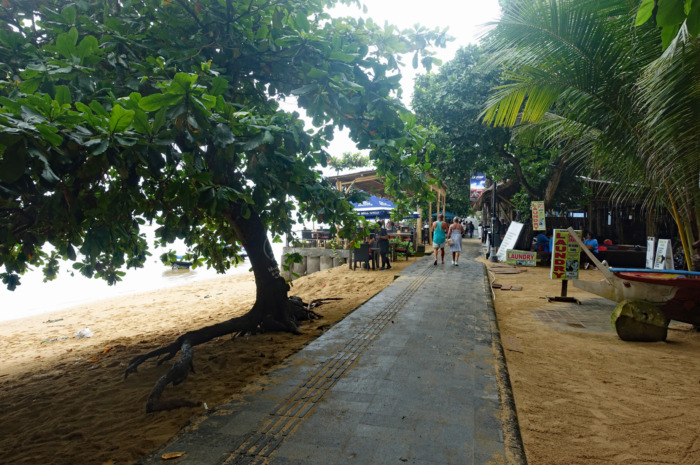
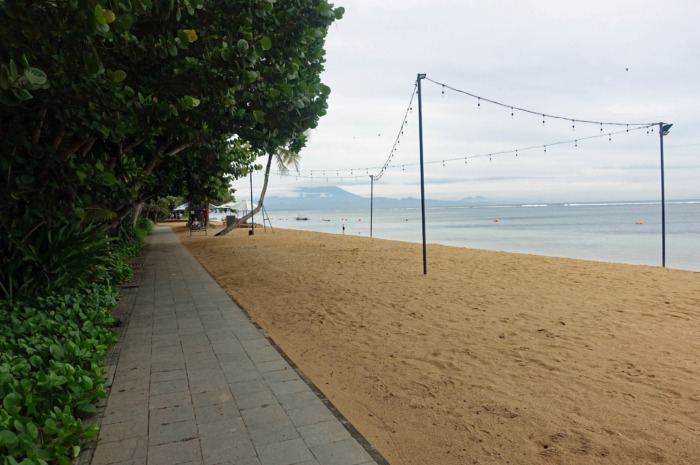
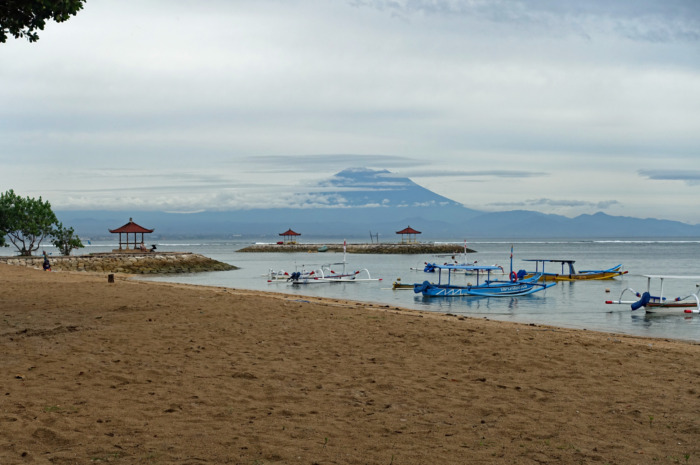
In March 2020 our bags were packed and our hearts were already in Bali, but the world had other plans and borders were being closed. It’s been a long and winding road to find our way back to Indonesia and we were looking forward to re-discovering Bali after all this time. While we’ve explored many corners of the island, this time we returned to our favorite area, Sanur. There have been a lot of changes in the years since our last visit but our villa was a serene oasis just a stone’s throw from the bustling main road.
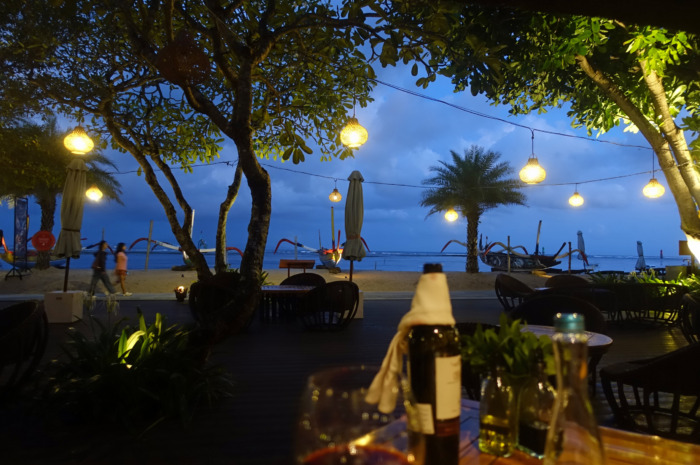
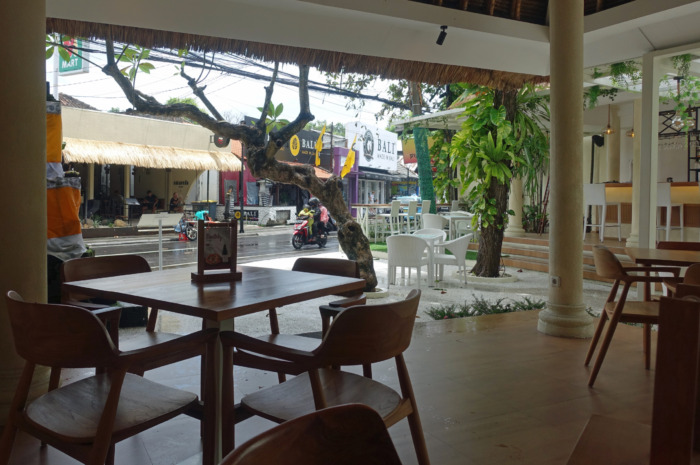
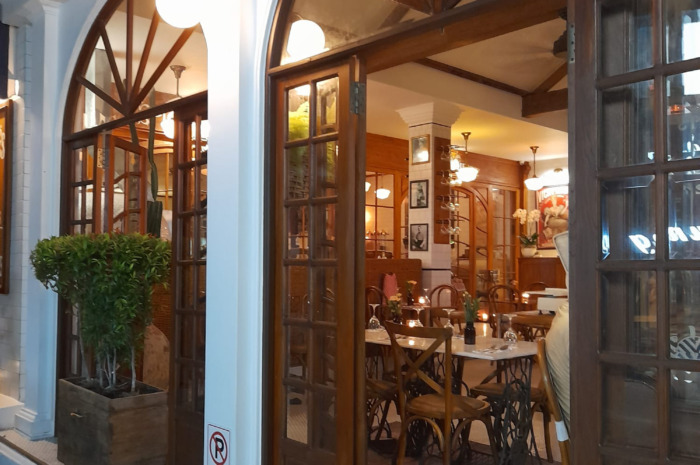
The Sanur we remembered from twelve years ago has evolved into a sophisticated, global kitchen. Within a few blocks of our villa, we could indulge in handmade Italian pasta, zesty Mexican street tacos, or an upscale French Brasserie. Yet, sadly, the humble Indonesian warungs we used to frequent had become the elusive needle in the haystack. A new, gleaming shopping mall and the main thoroughfare’s endless parade of coffee shops, souvenir outlets and boutiques prove that Sanur has become more ‘Westernized’ since our last visit. It’s more crowded than it was twelve years ago , but then again, what corner of the globe isn’t?
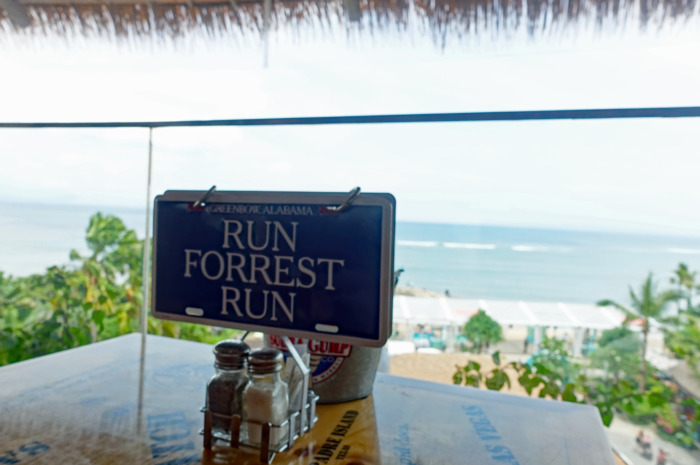
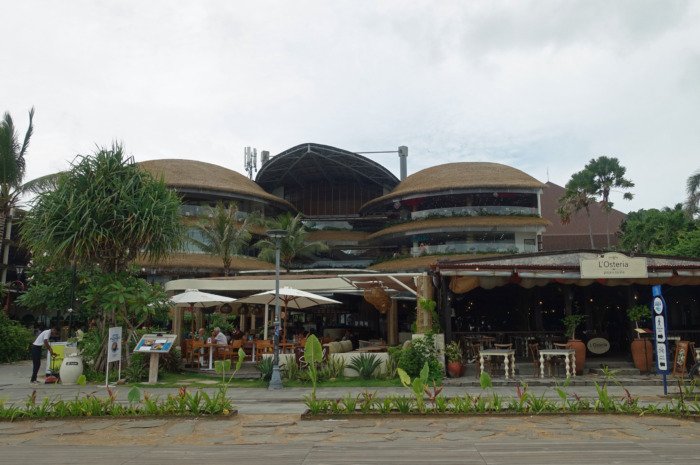
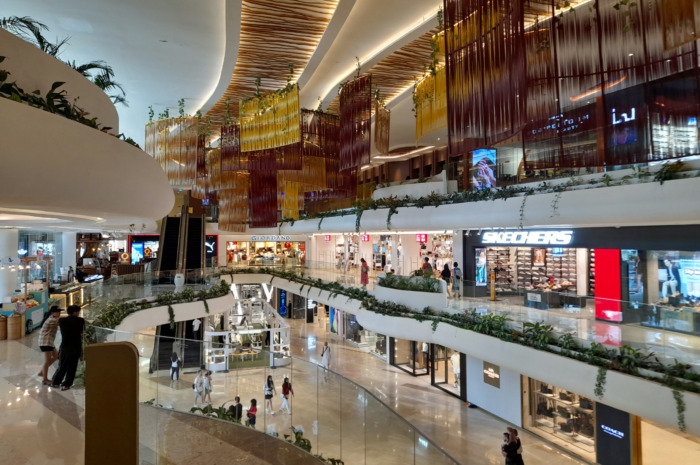
The biggest change in Bali? The massive increase in traffic throughout the island. We hired a private driver for a day of exploring but quickly realized that ‘island time’ means hours of bumper to bumper scenery. Moving between just three locations took close to 2 hours every time, meaning we spent most of our 10 hour day in the backseat of a car. Despite the long hours of driving we re-visited one of our favorite places and two others we had never been to before. A driver for the day cost us IDR 1,000,000 (USD $59.75) and quite frankly, its the only way to tackle the traffic in comfort. I have shared his contact info at the end of this post.
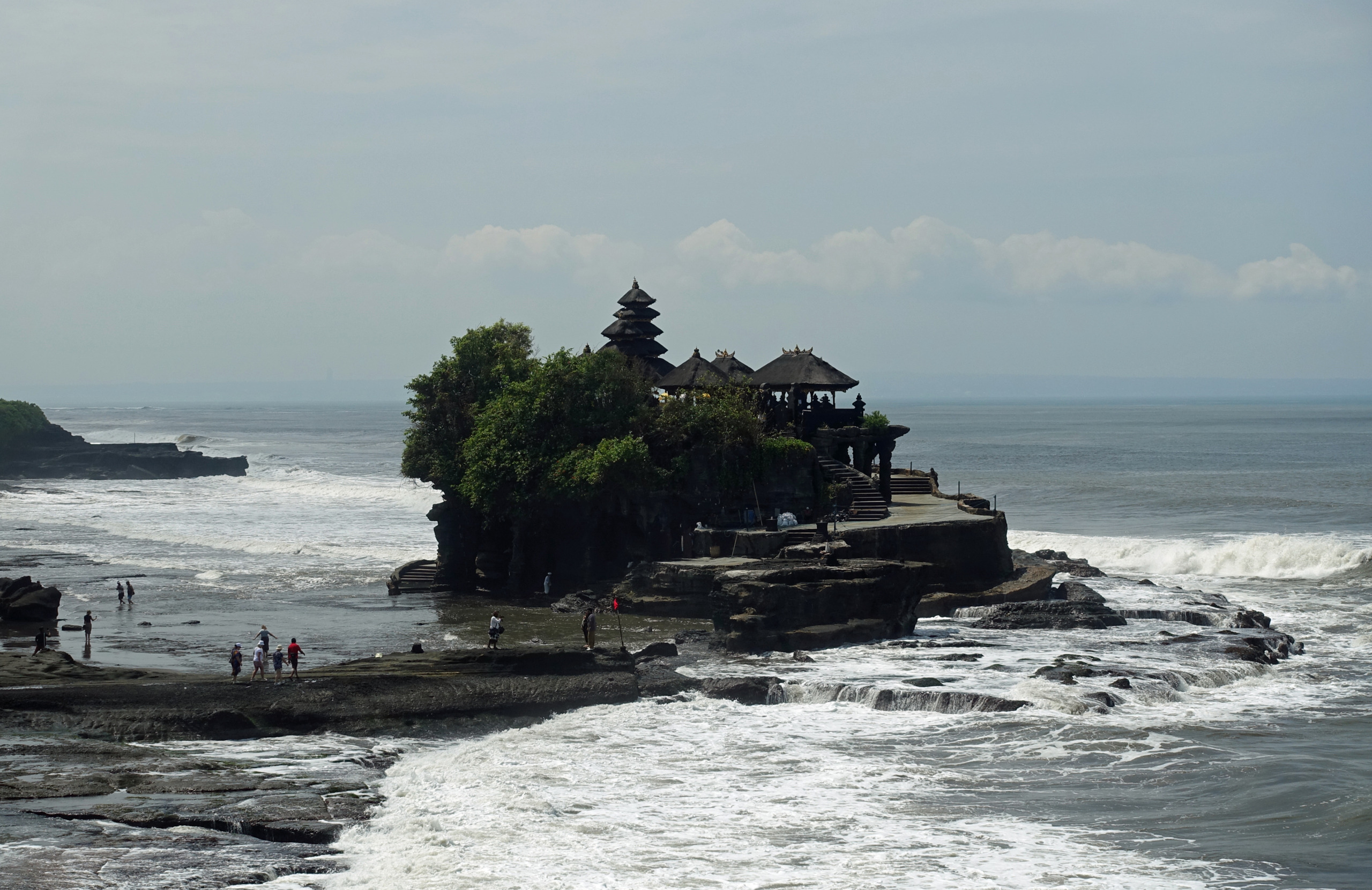
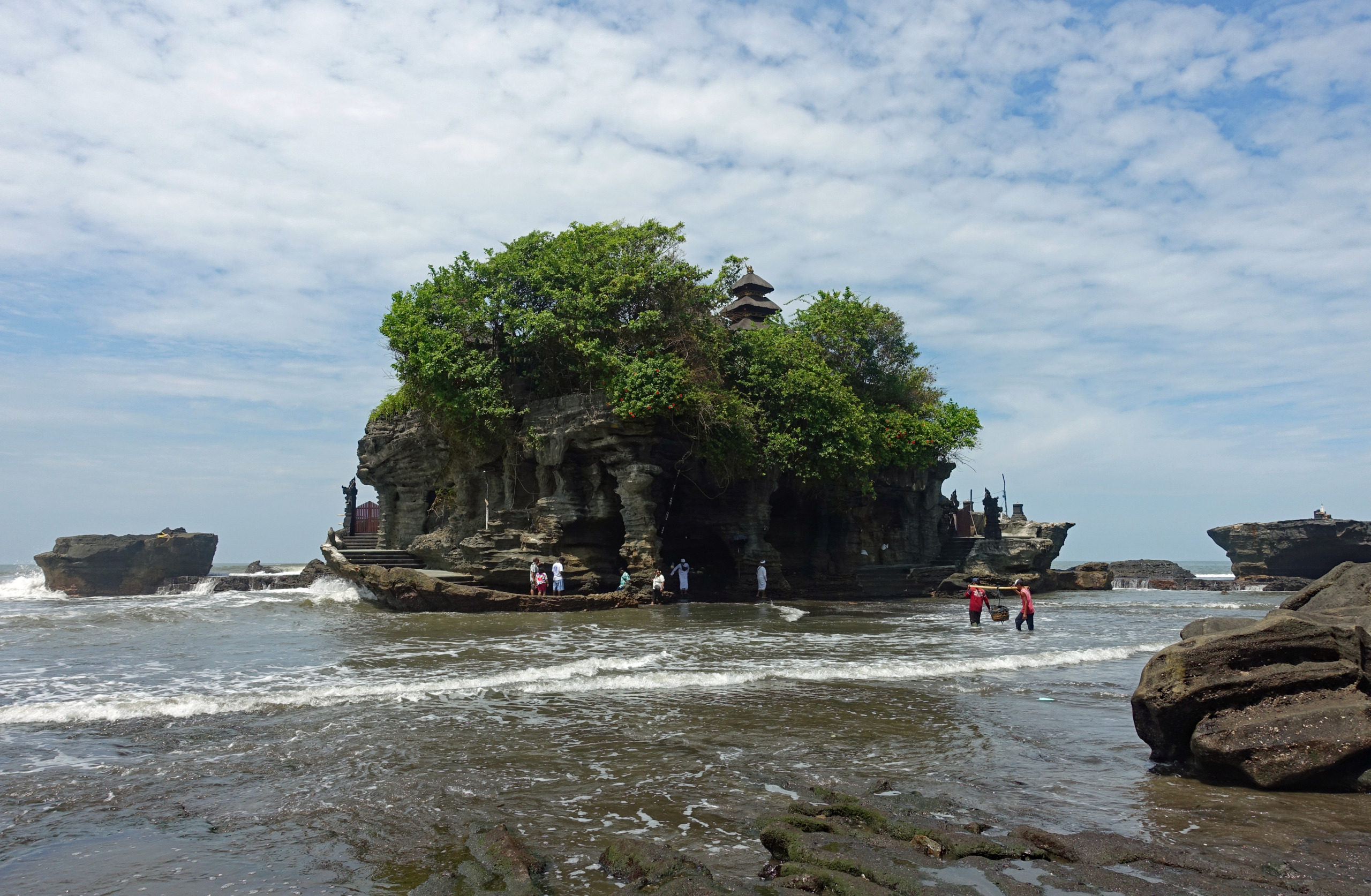
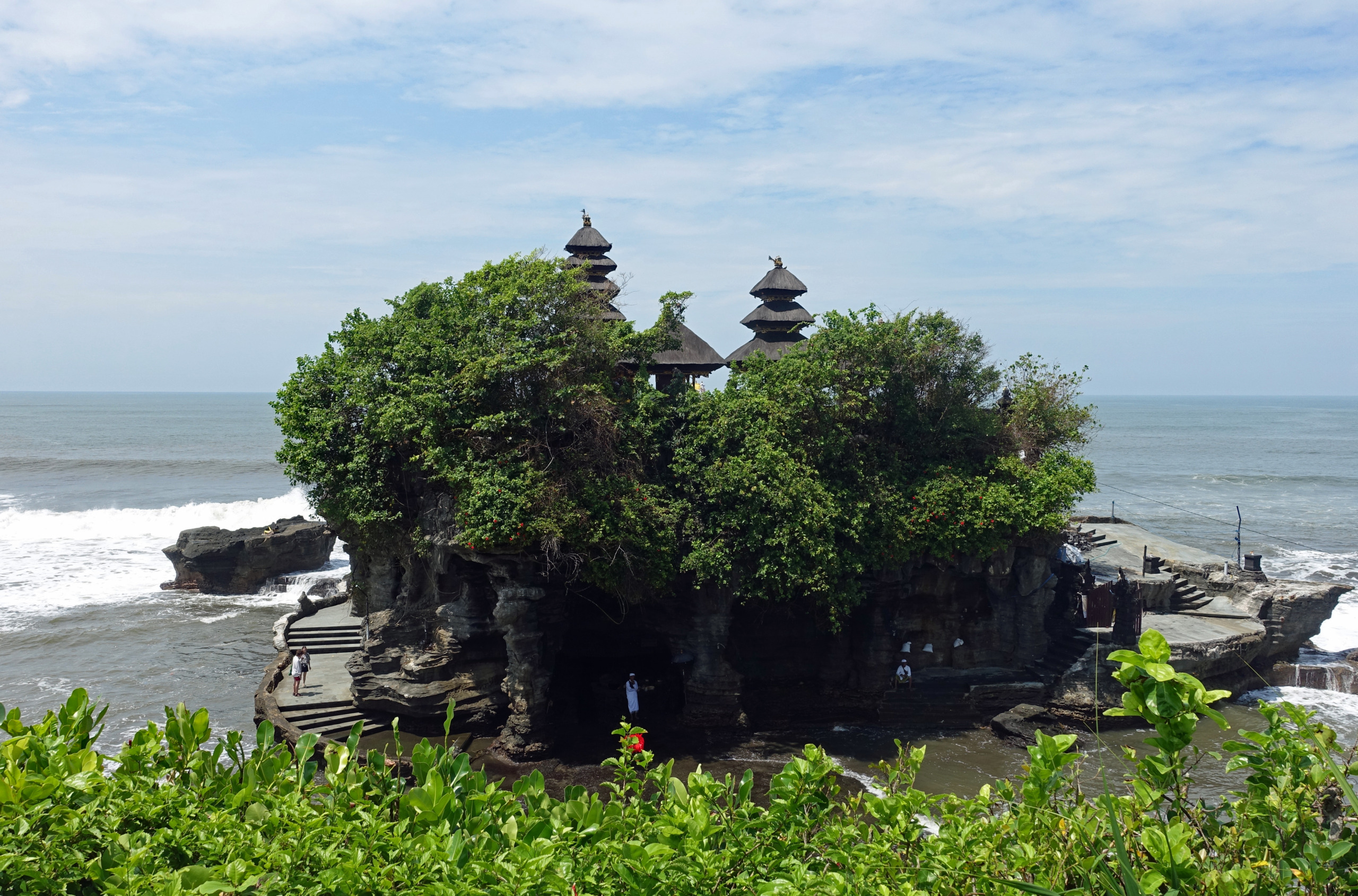
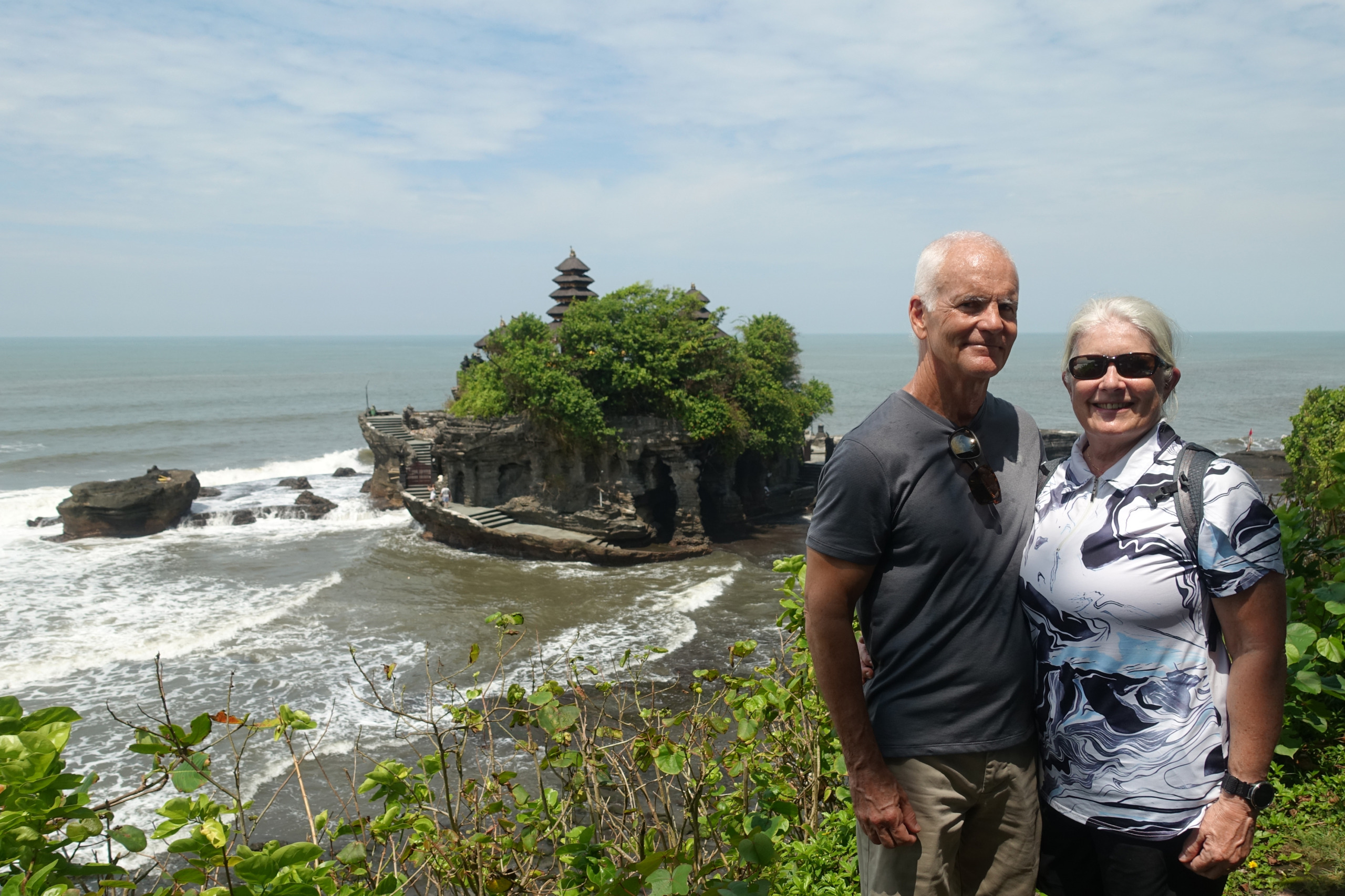
Our first stop was the stunning Tanah Lot Temple, a photo of which is one of the headers on this website that I took 12 years ago. Perched dramatically on a jagged rock formation amidst the crashing waves of the Indian Ocean, Tanah Lot Temple is perhaps Bali’s most iconic silhouette. This 16th century Hindu shrine, whose name translates to ‘Land in the Sea’, is legendary for its offshore setting and the venomous sea snakes said to guard its base from evil spirits. While the temple itself is off-limits to visitors, you can walk across the sand at low tide to the foot of the rock. Tanah Lot is one of Bali’s most popular locations for sunset views so we visited in the morning when it was less crowded. Tickets to the temple grounds cost IDR 75,000 (USD $4.50) each.
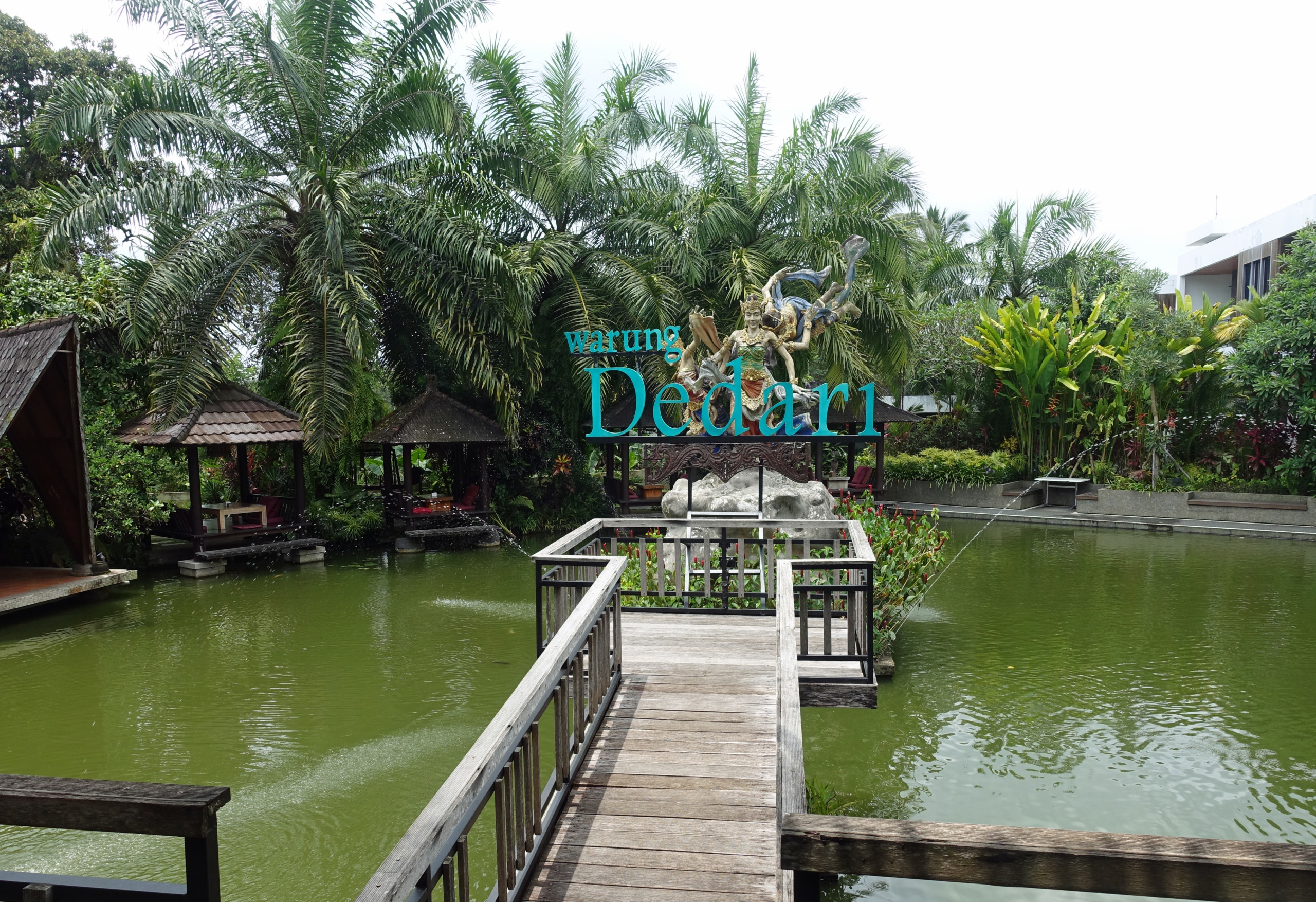
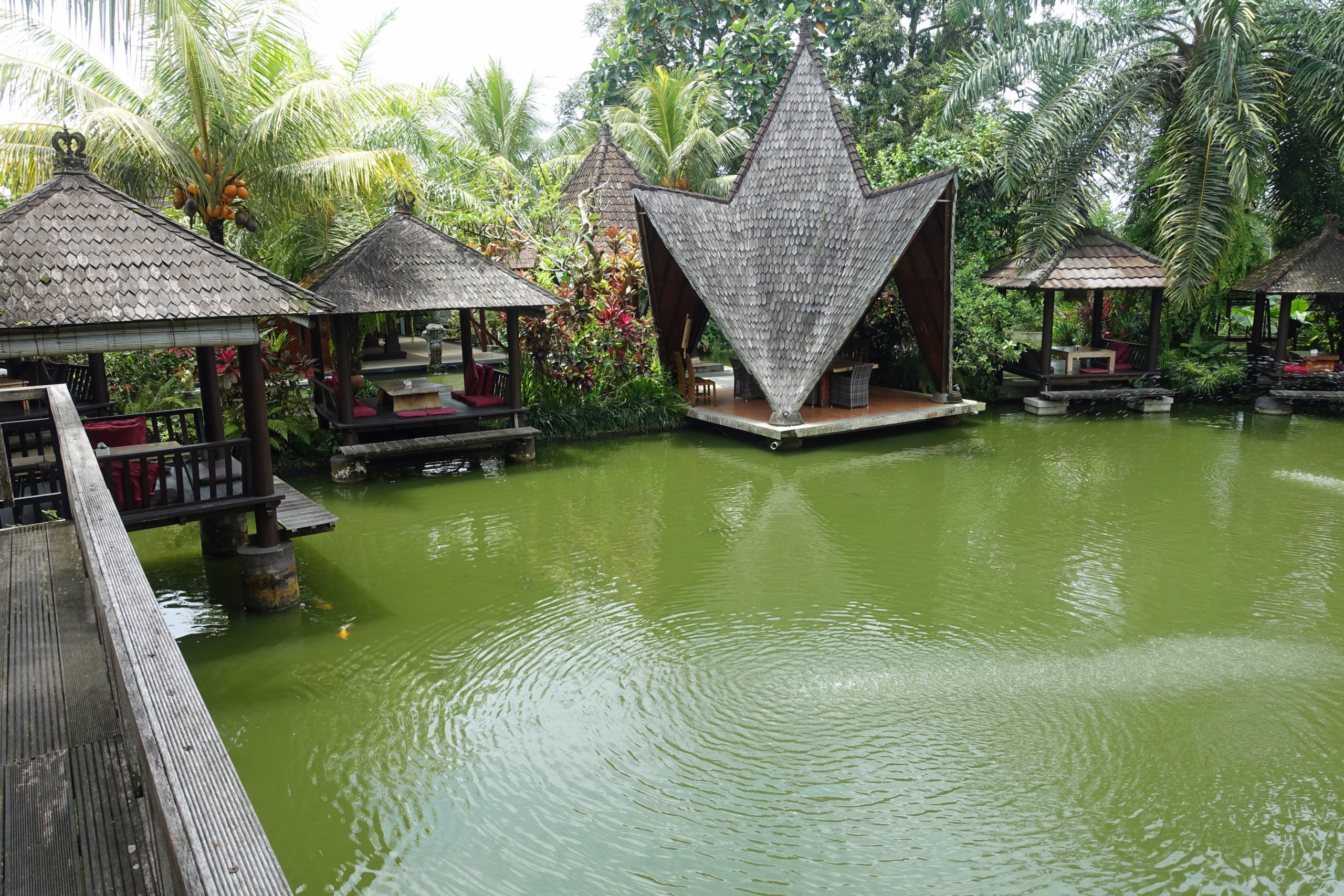
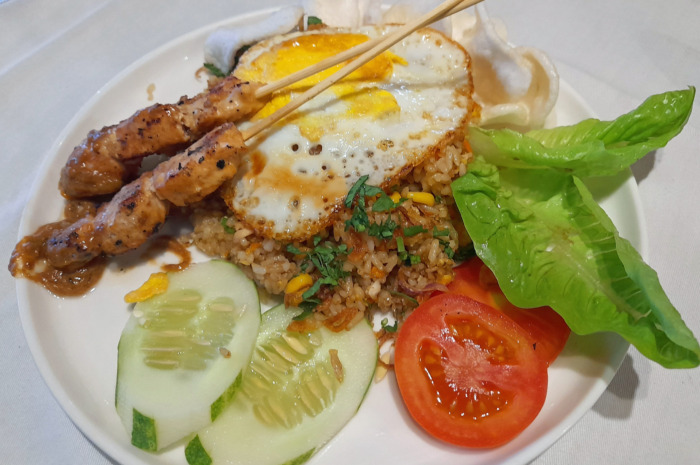
Midway through our day of navigating traffic, our driver pulled over at Warung Dedari, a lush, inviting spot that offered the local flavor we’d been craving. We wasted no time ordering steaming plates of spicy Nasi Goreng, the ultimate Indonesian comfort food and my personal favorite. While we usually hunt for authentic meals, we’ve learned to be “smart-adventurous.” Finding a reputable warung like this allows us to enjoy the local cuisine without the looming threat of the infamous ‘Bali Belly’ that can ruin a trip in a matter of hours.
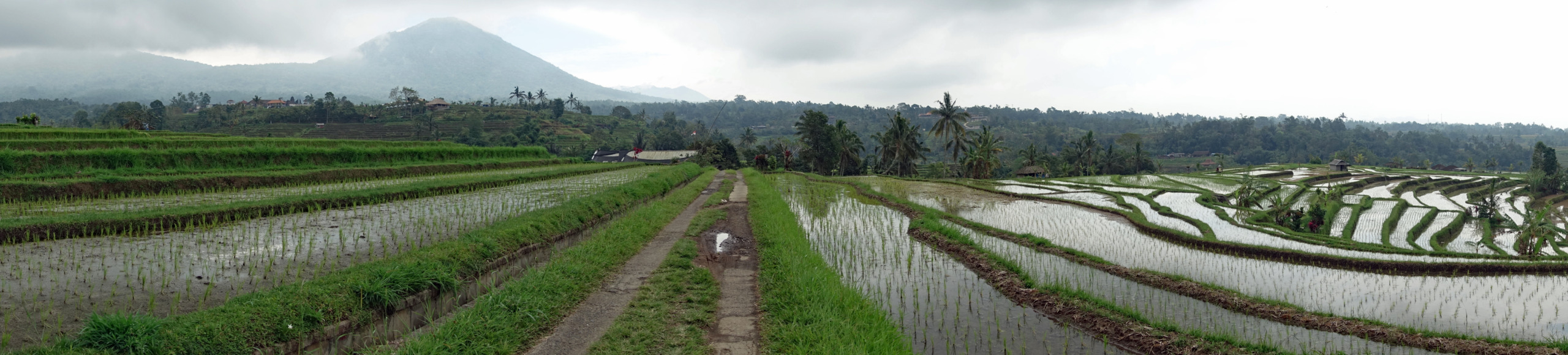
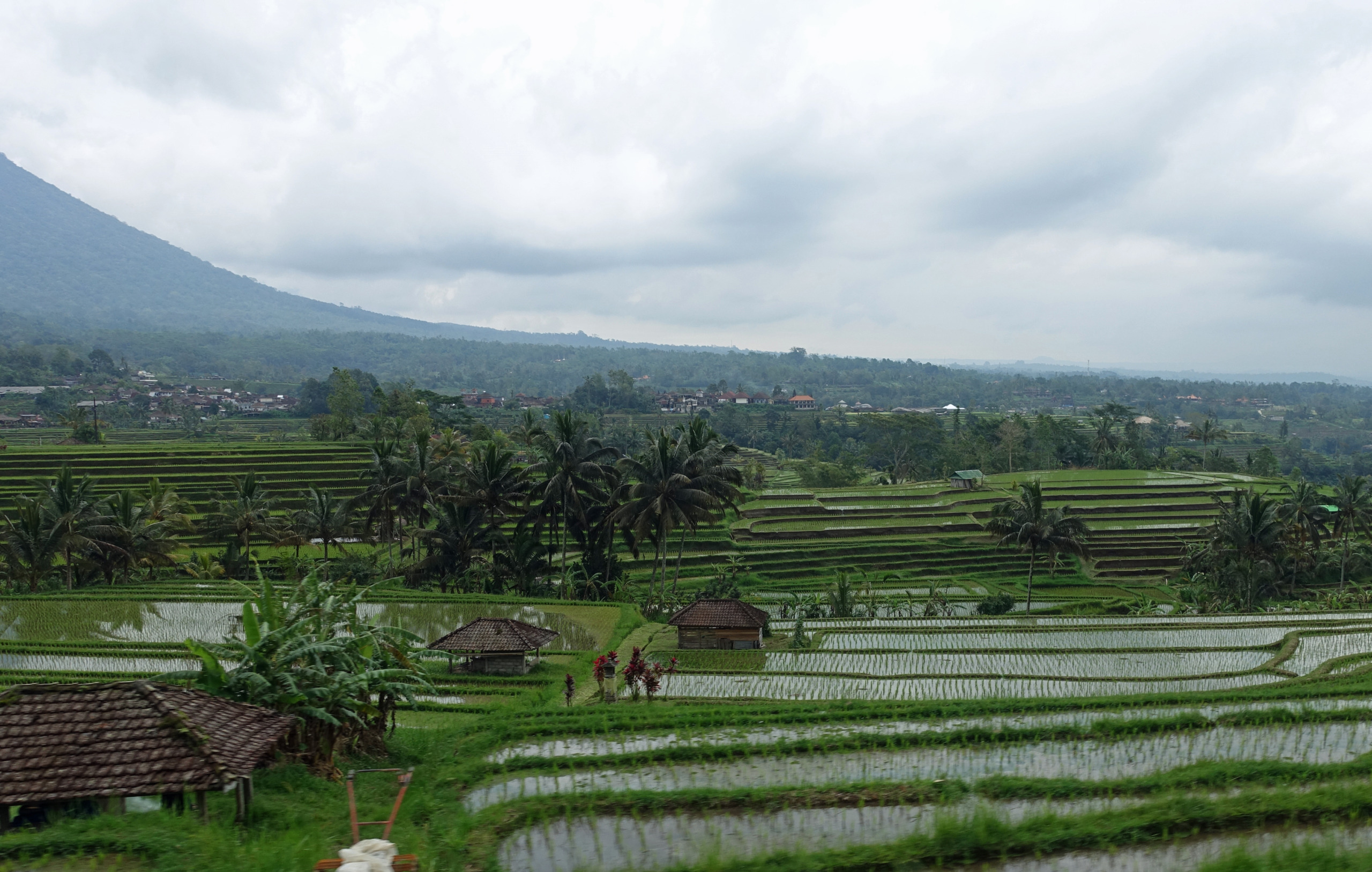
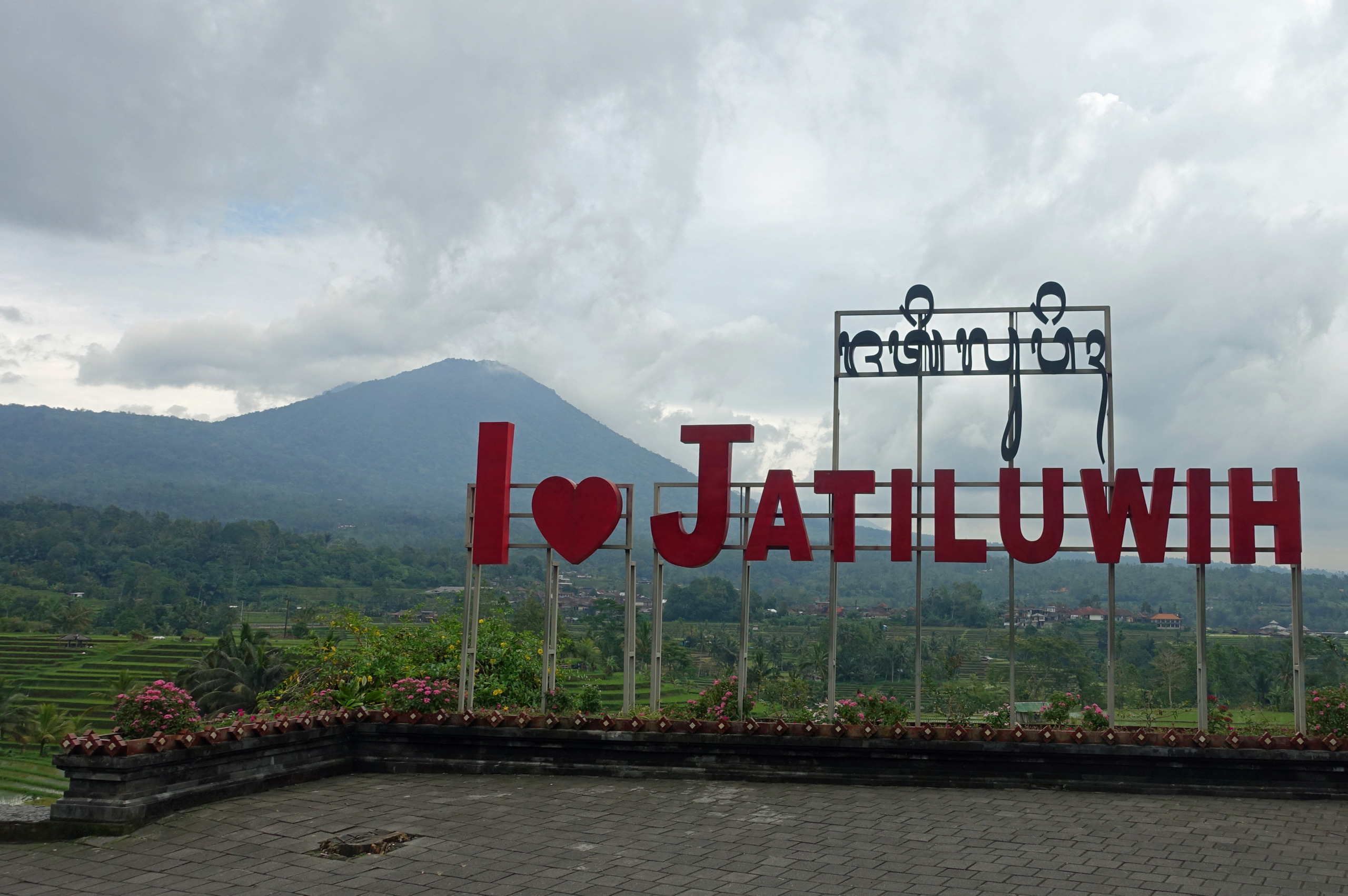
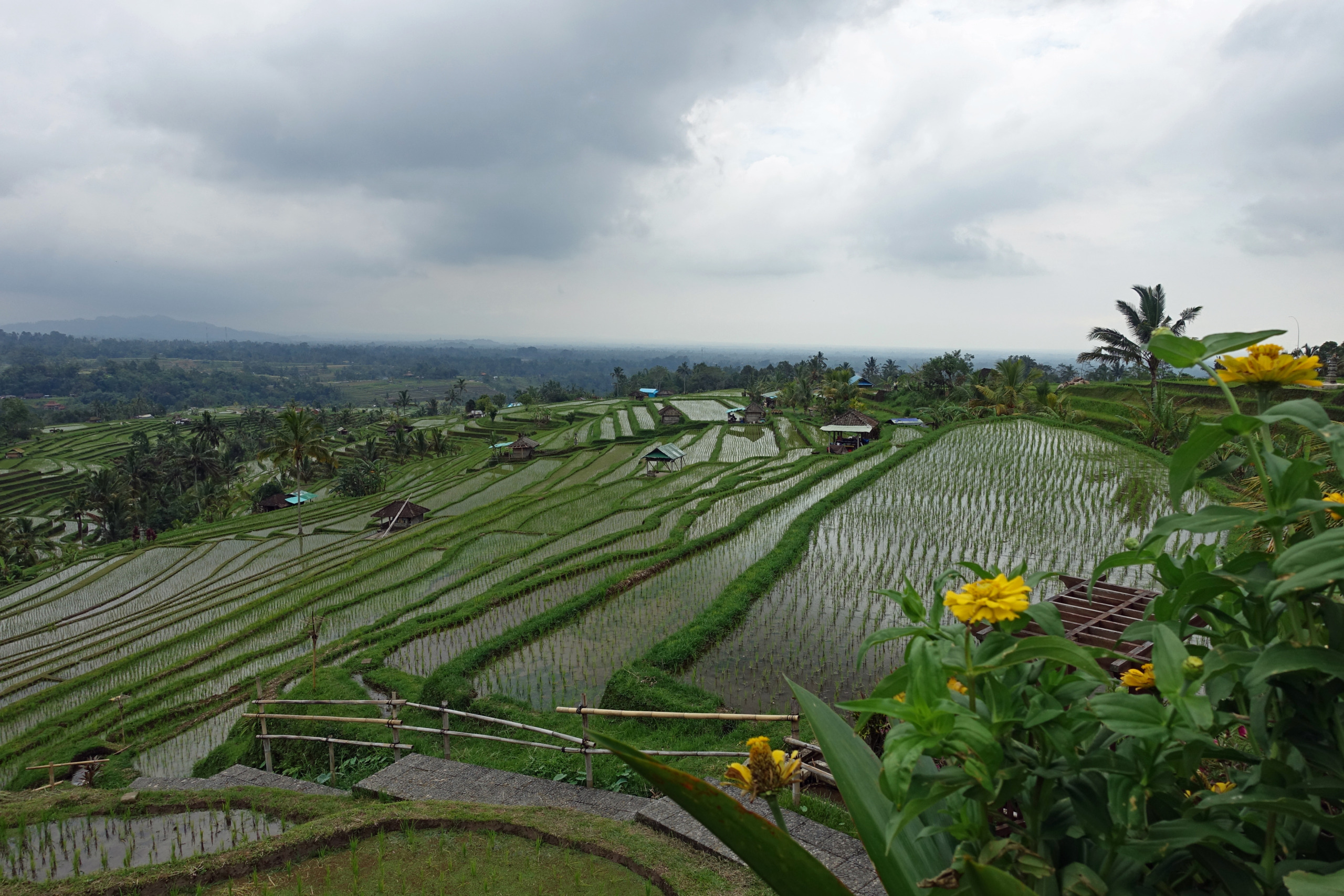
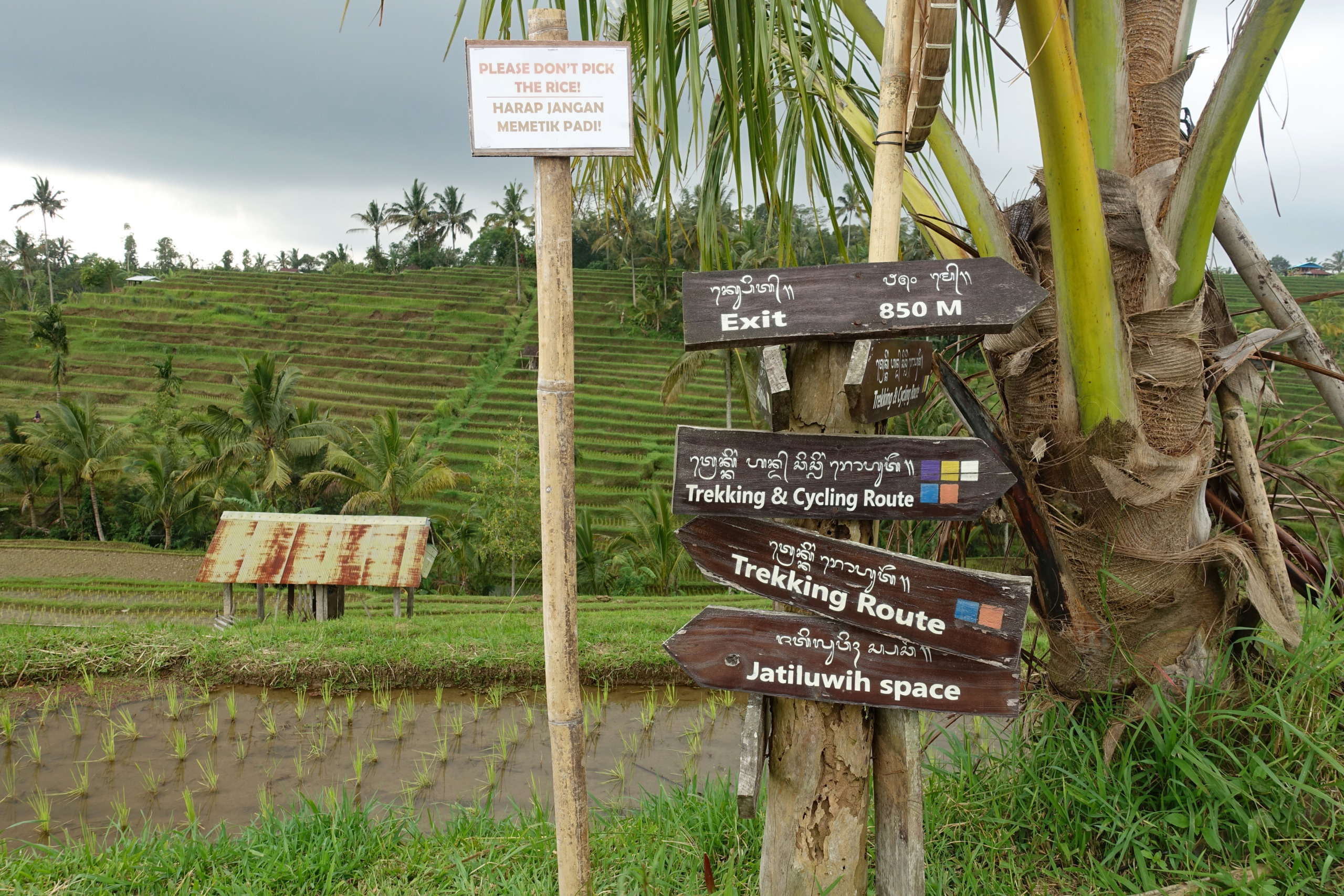
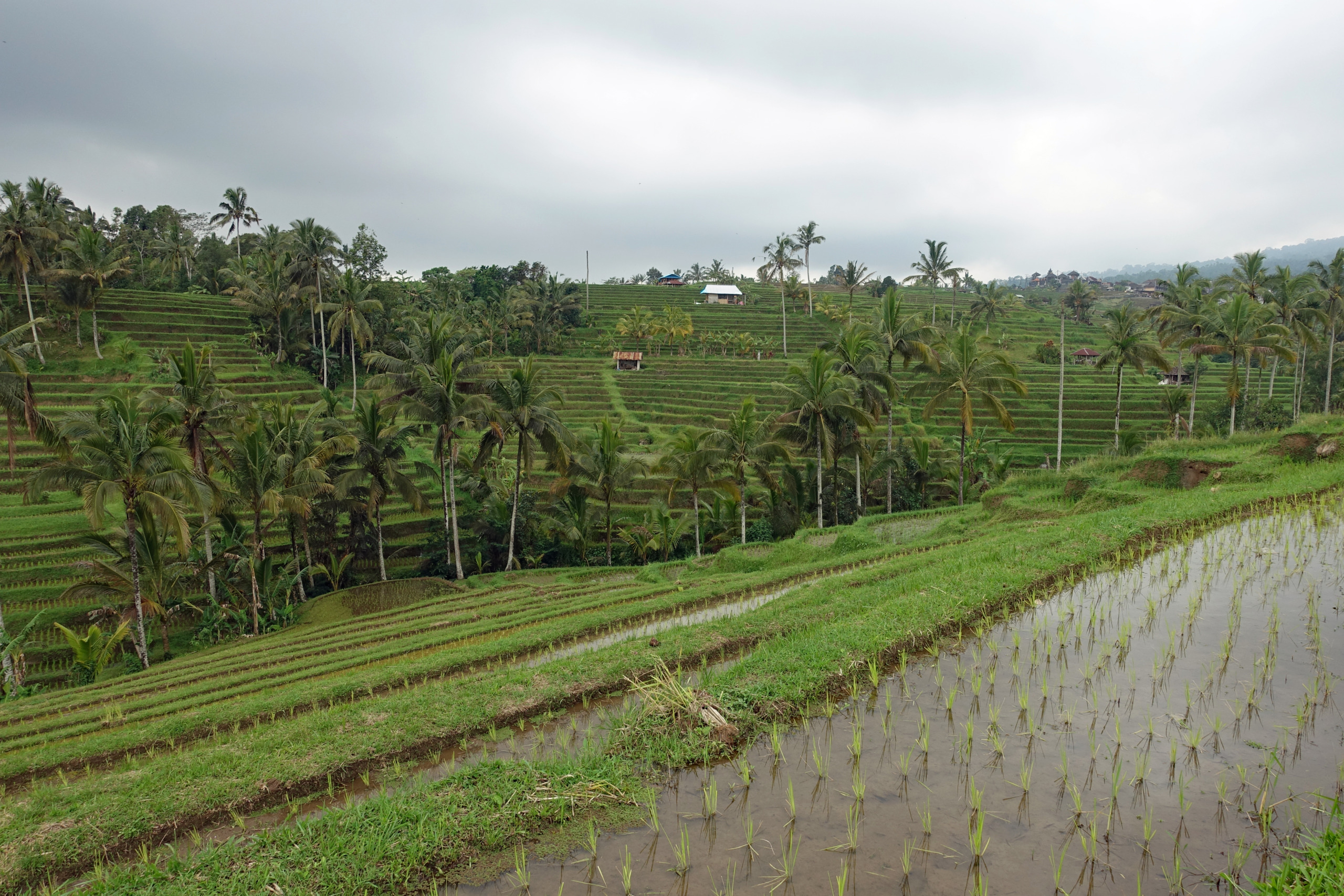
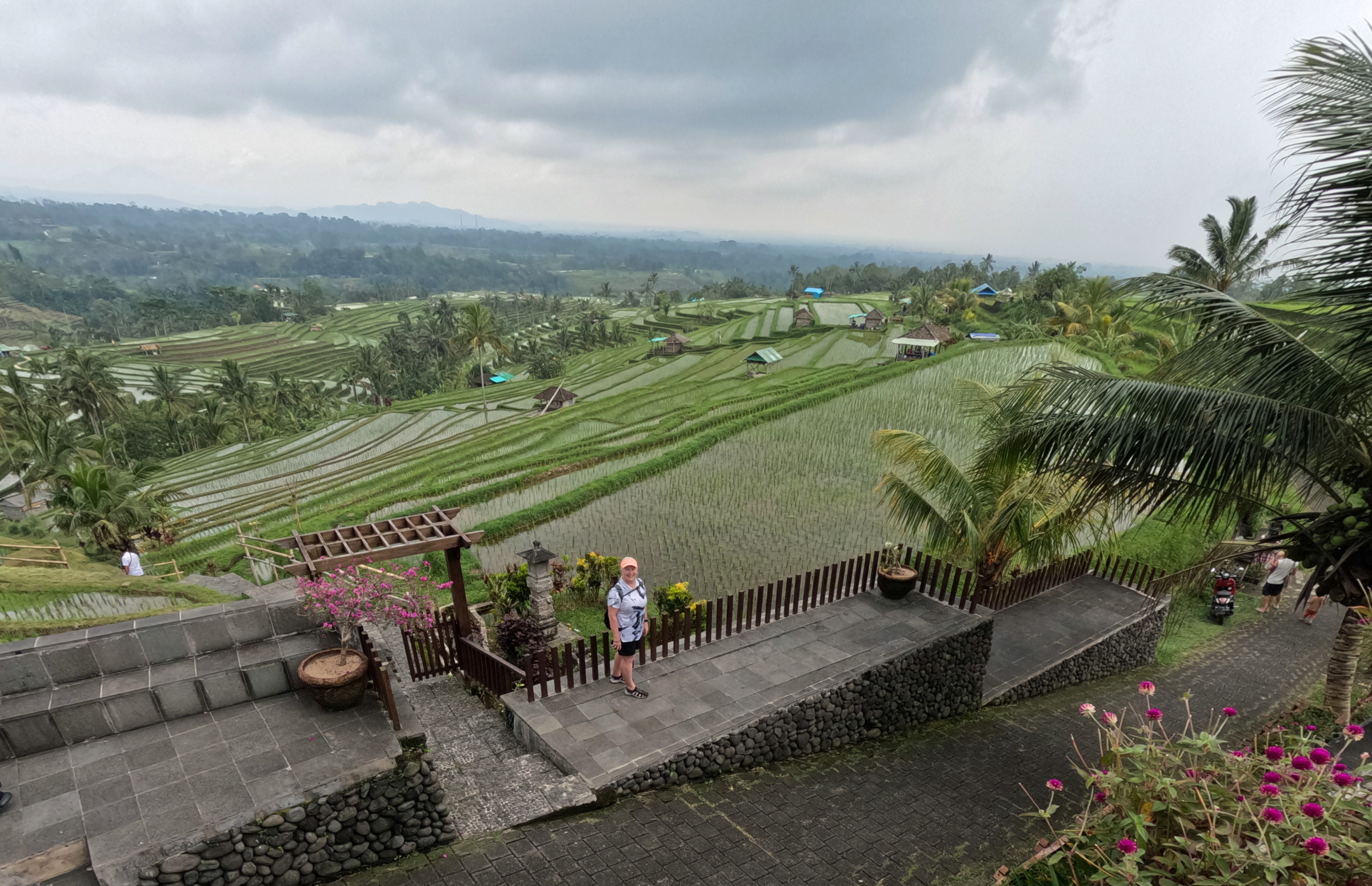
Perched 700 meters above sea level, nestled in the heart of Bali’s Tabanan Regency, are the UNESCO World Heritage Jatiluwih Rice Terraces. Spanning over 600 hectares the terraces lie in the shadow of the second tallest volcano in Bali, Mount Batukaru, and produce some of the island’s finest rice. The hilly contours offer incredible scenery for photographs but more than that, they are a testament to the traditional Subak system of communal water management dating back to the 9th century. Escaping the coastal humidity, we wandered the paved trekking paths between vibrant green paddies cascading down the slopes like a staircase. Because it was January, the shoulder-to-shoulder crowds were nowhere to be found and we enjoyed this iconic landscape in solitude. When in Bali, this area is definitely worth a visit. Tickets to access the rice terraces cost IDR 75,000 (USD $4.50) each.
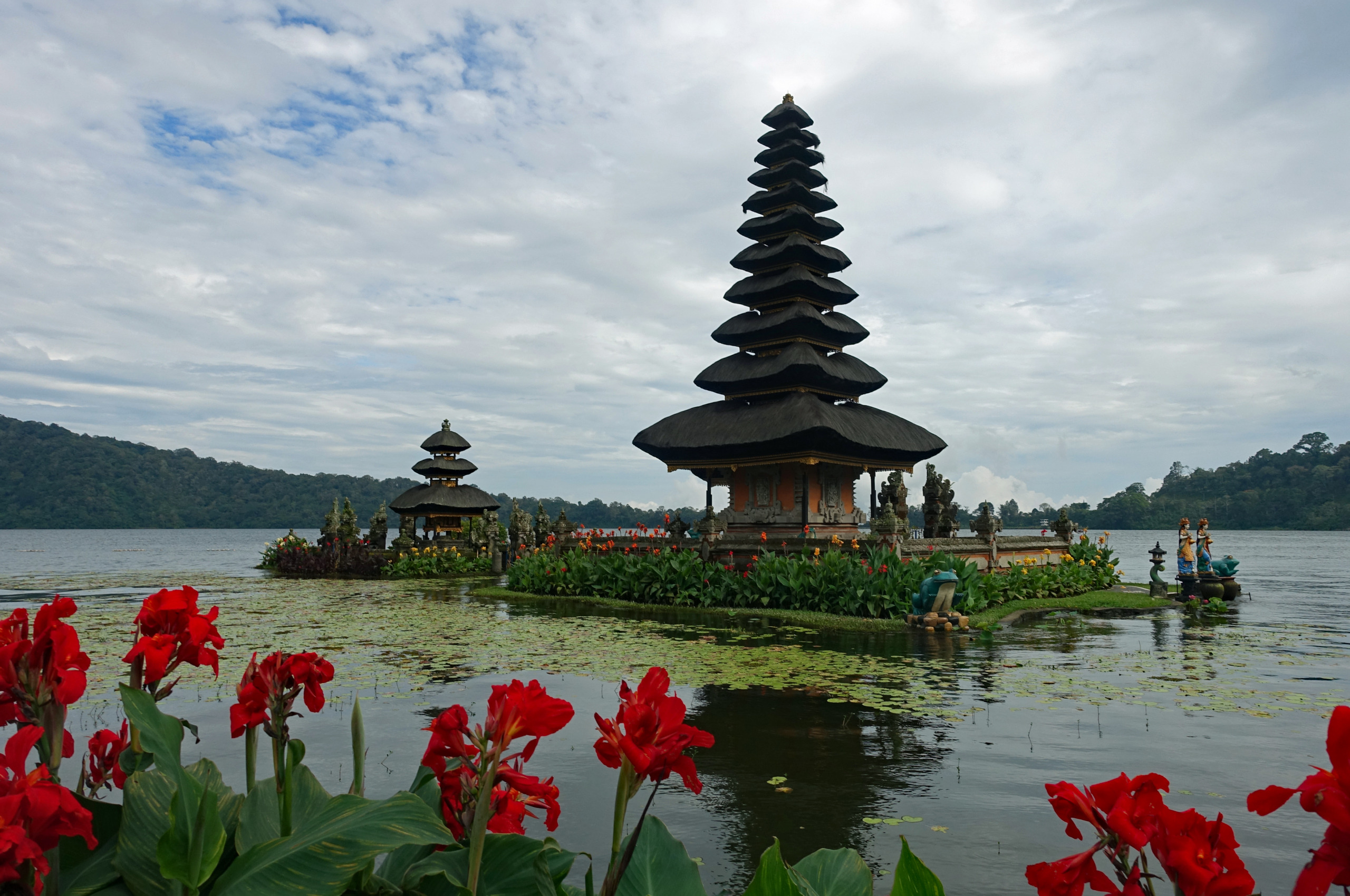
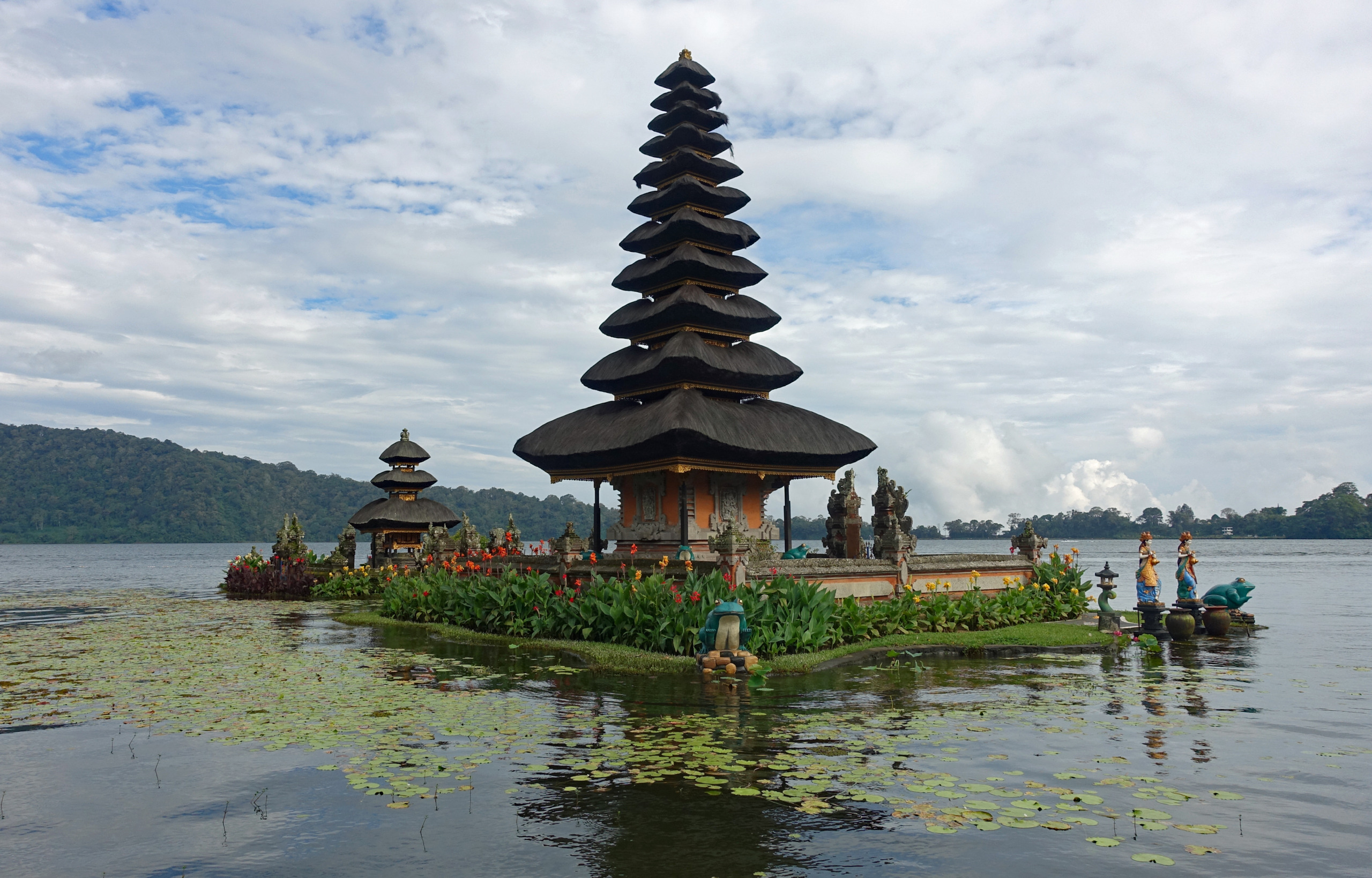
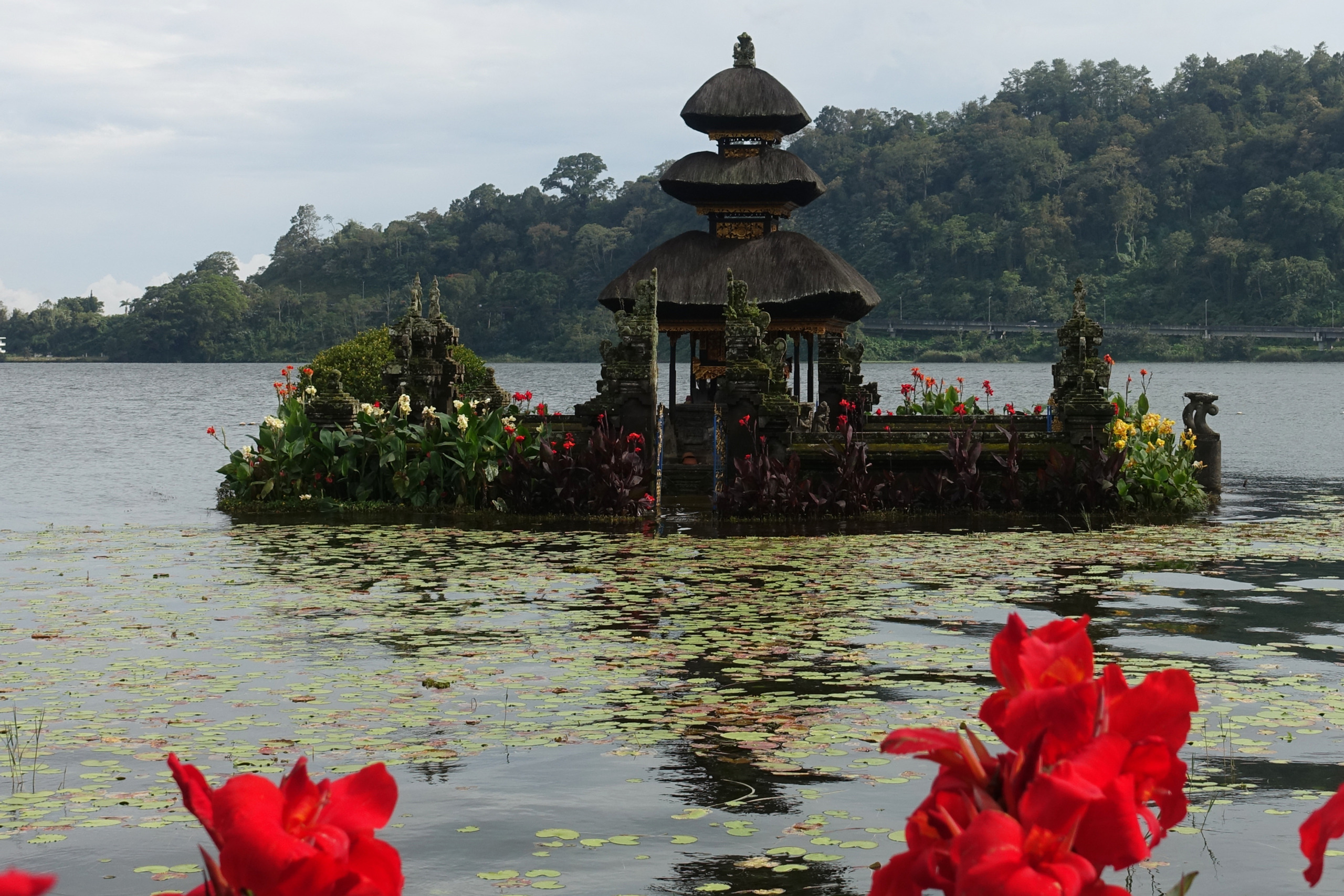
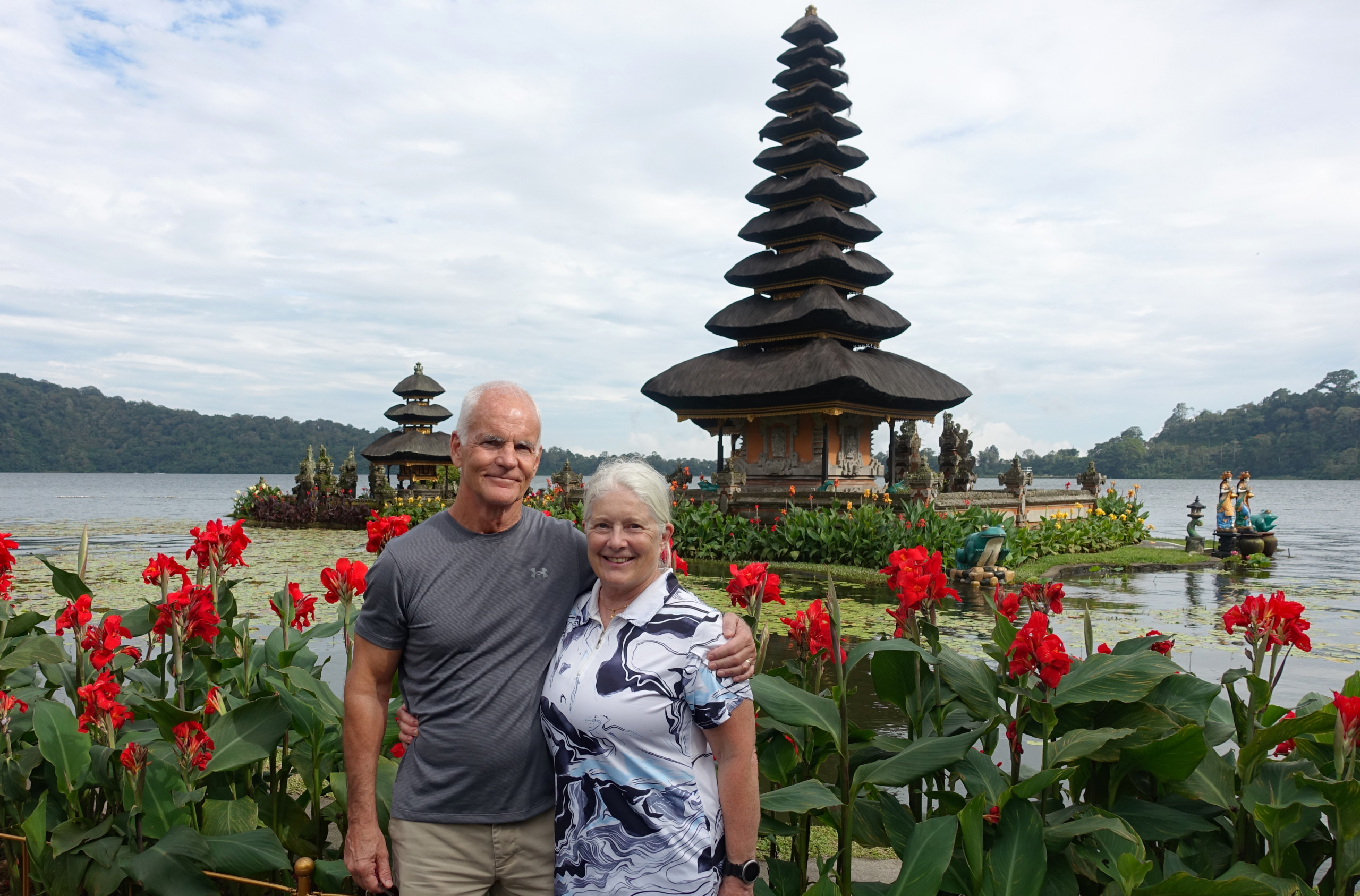
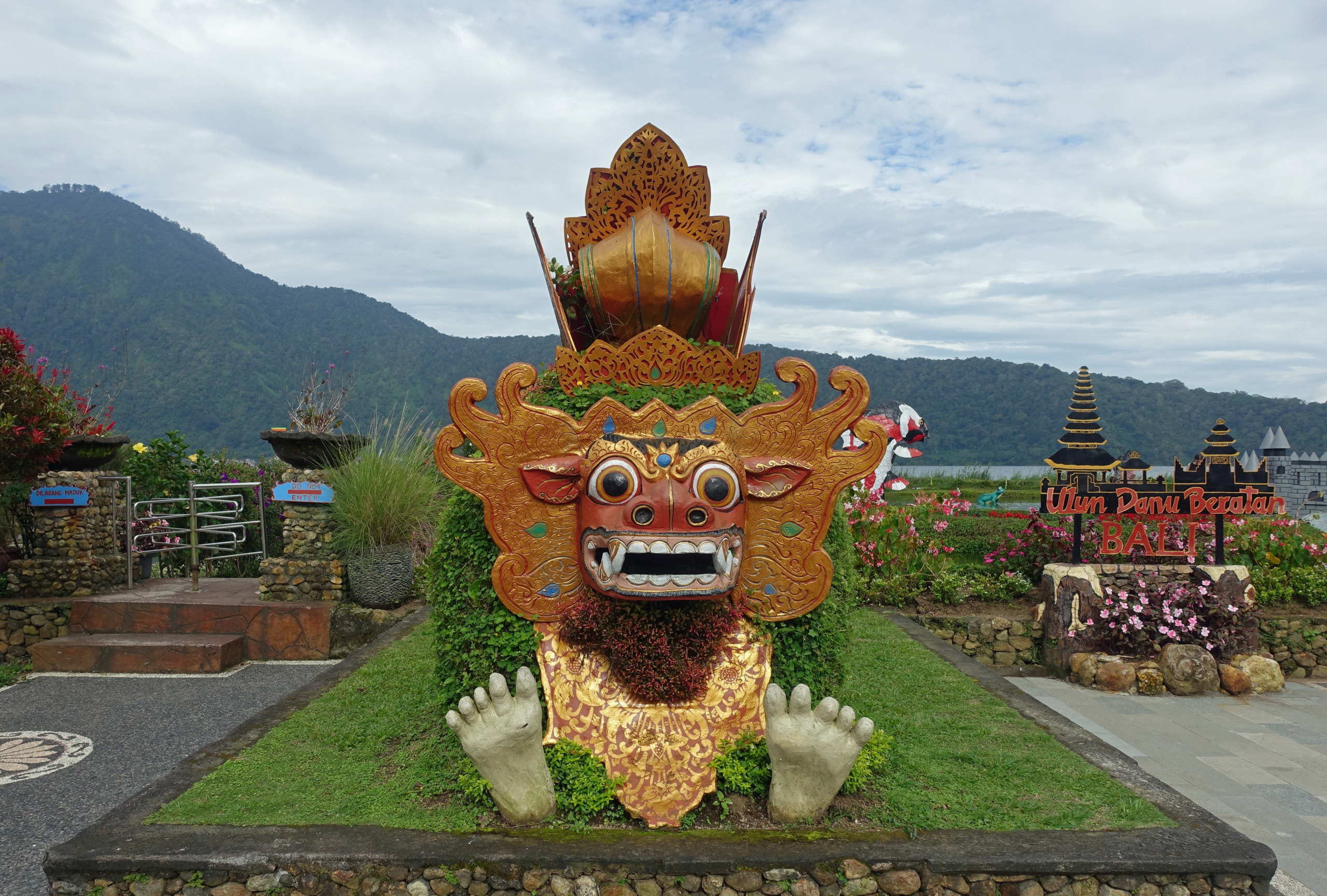
Our day culminated at Pura Ulun Danu Beratan, the Lake Temple. Often called the ‘Floating Temple’, Pura Ulun Danu Beratan is a serene masterpiece located in the cool, misty highlands of Bedugul. Set 1,200 meters above sea level on the shores of Lake Beratan, this 17th century masterpiece is dedicated to Dewi Danu, the goddess of water, lakes and rivers. Beyond its picture perfect beauty, the temple remains a vital spiritual hub where Balinese farmers gather to pray for a steady water suppy and fertile harvests. This temple is so famous it was featured on the IDR 50,000 banknote. The cool highland air is a refreshing break from the tropical heat, you may even need to grab a long sleeve shirt. Tickets to the temple grounds cost IDR 75,000 (USD $4.50) each.
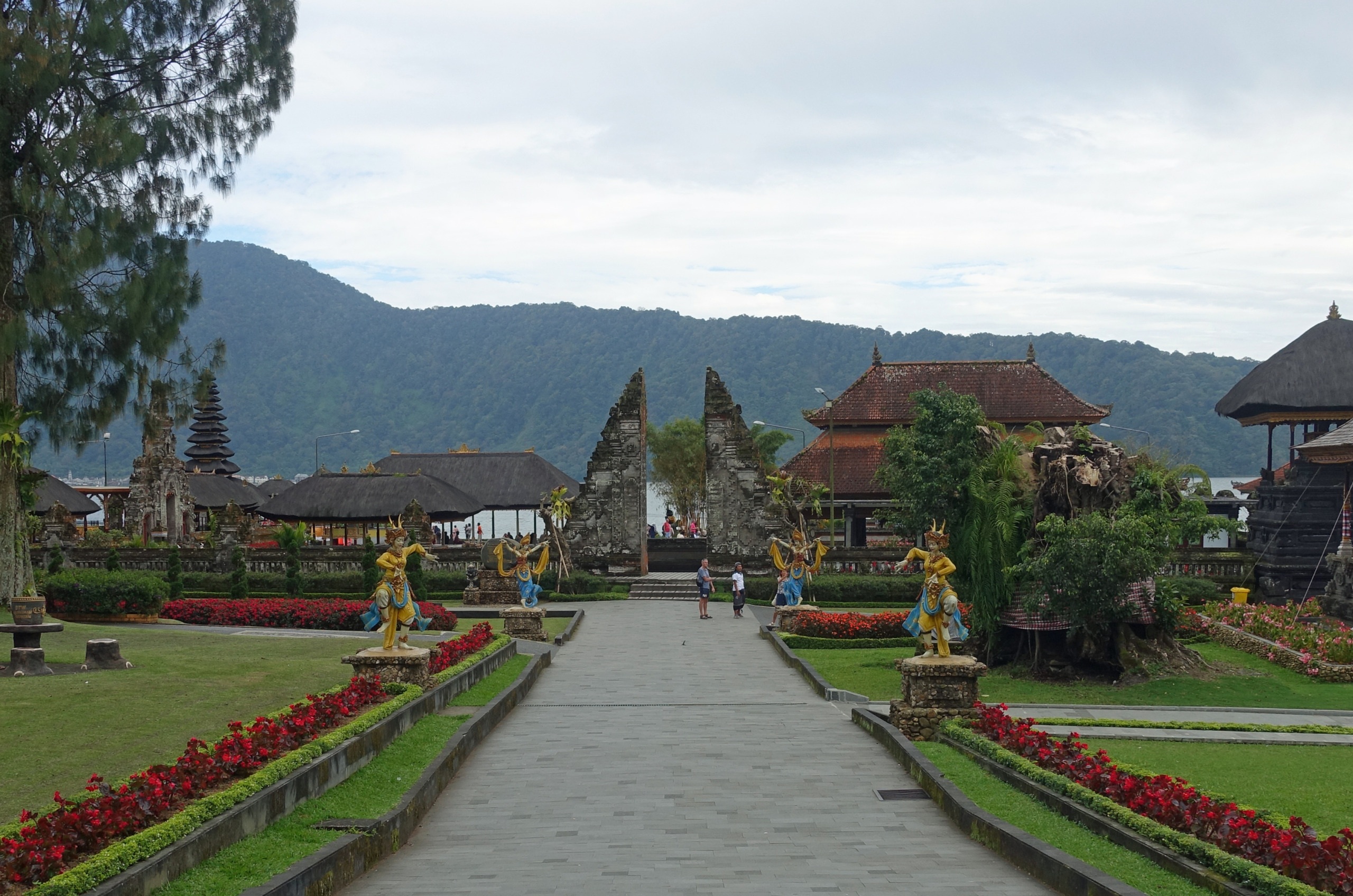
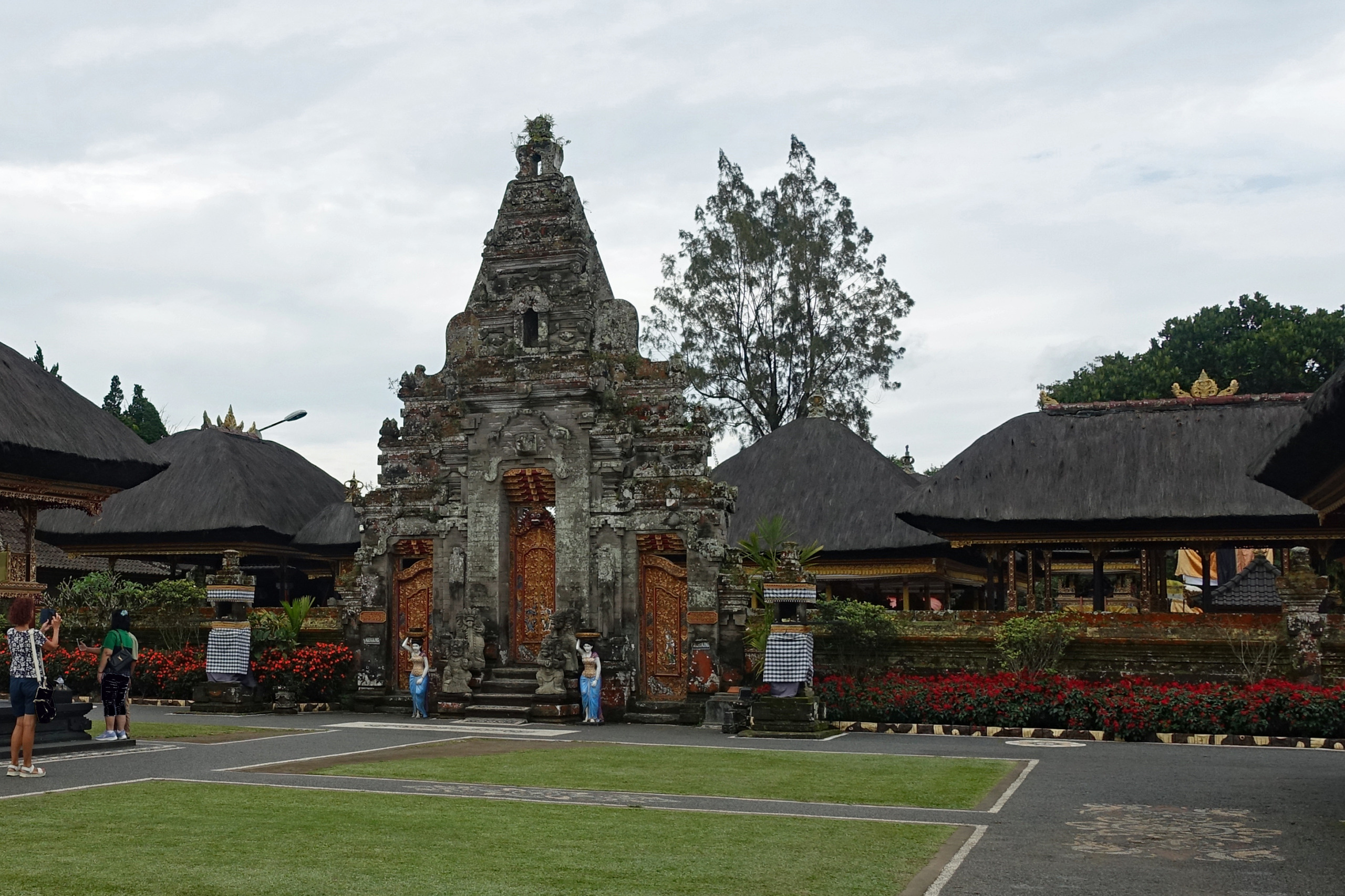
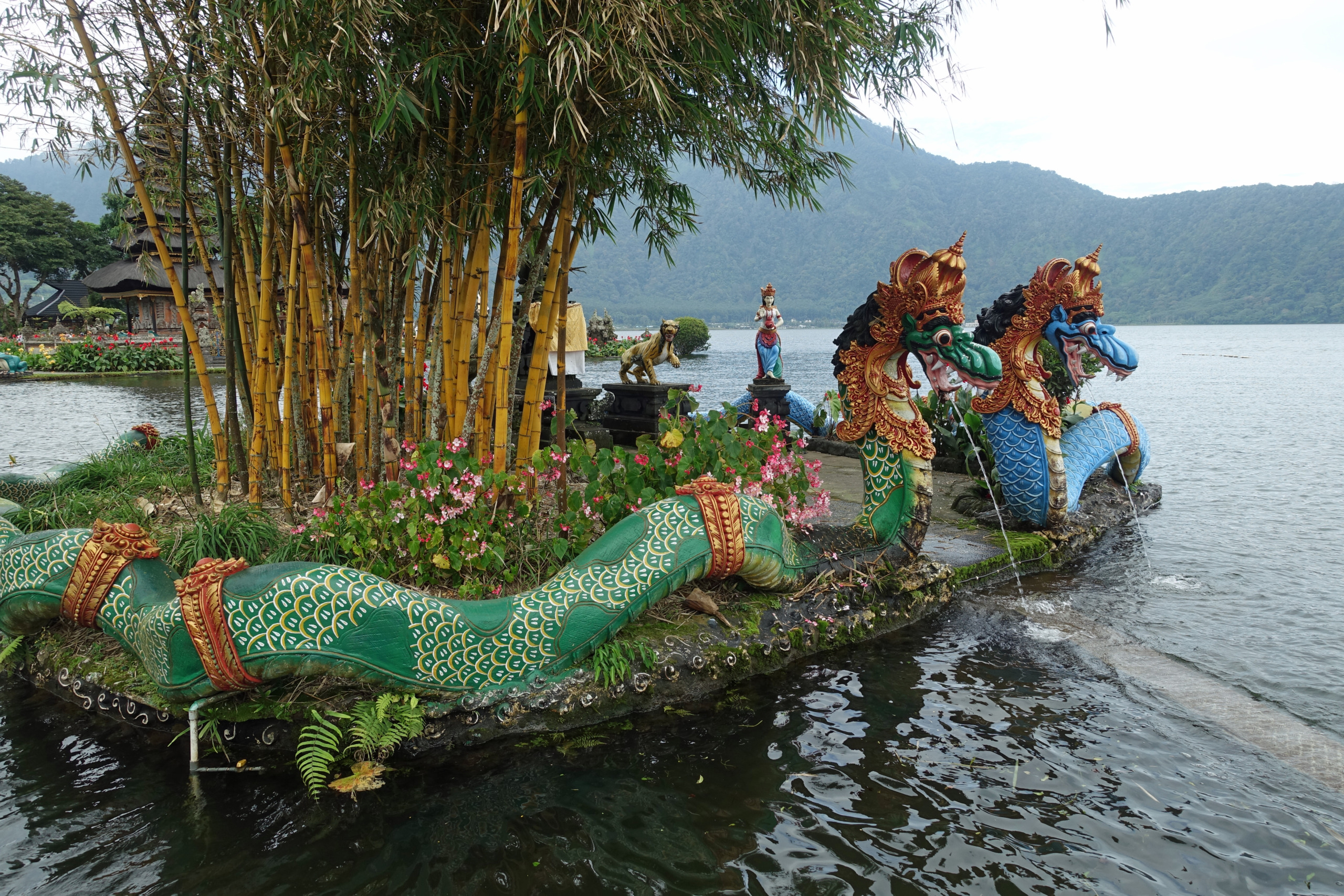
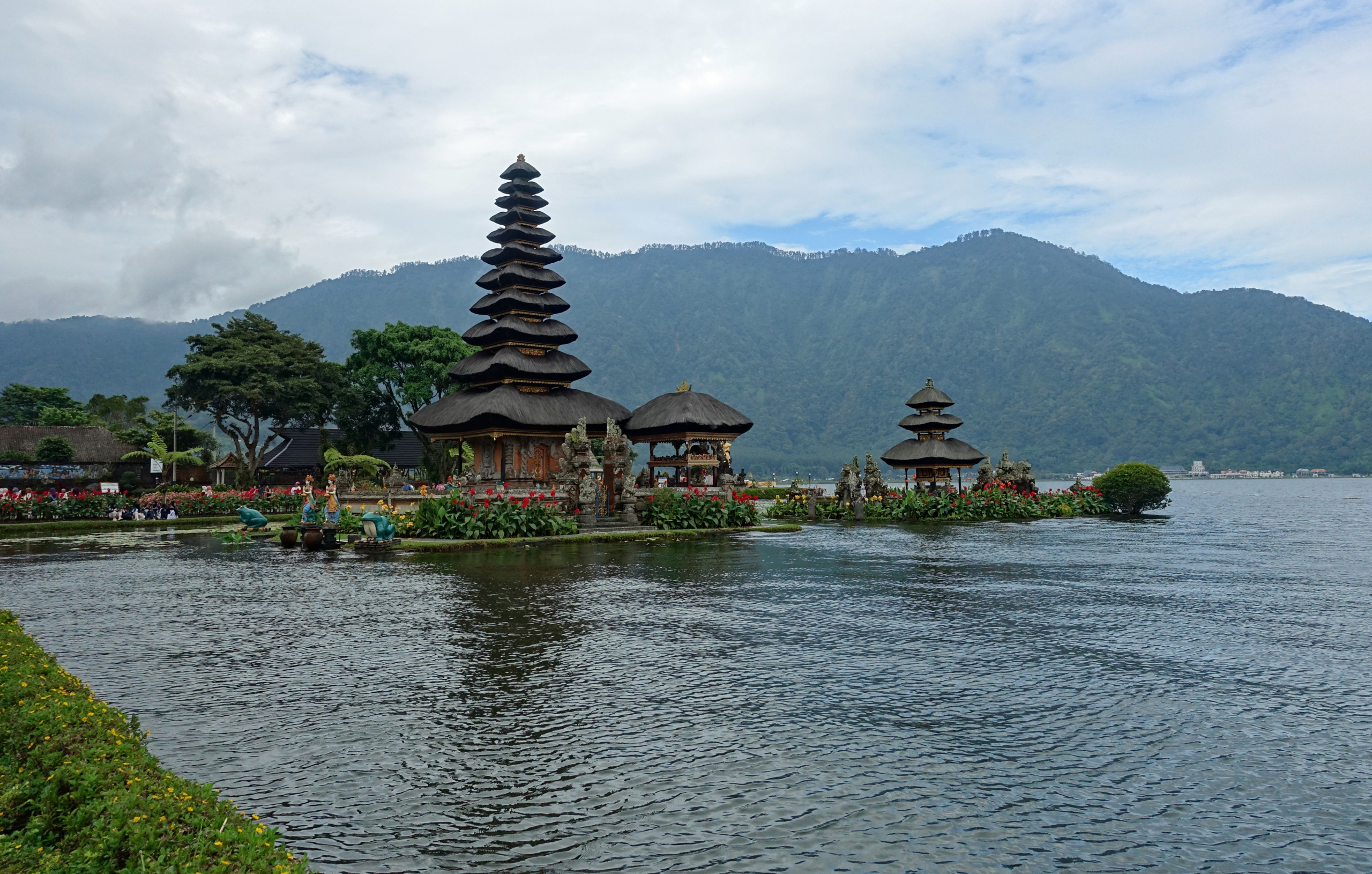
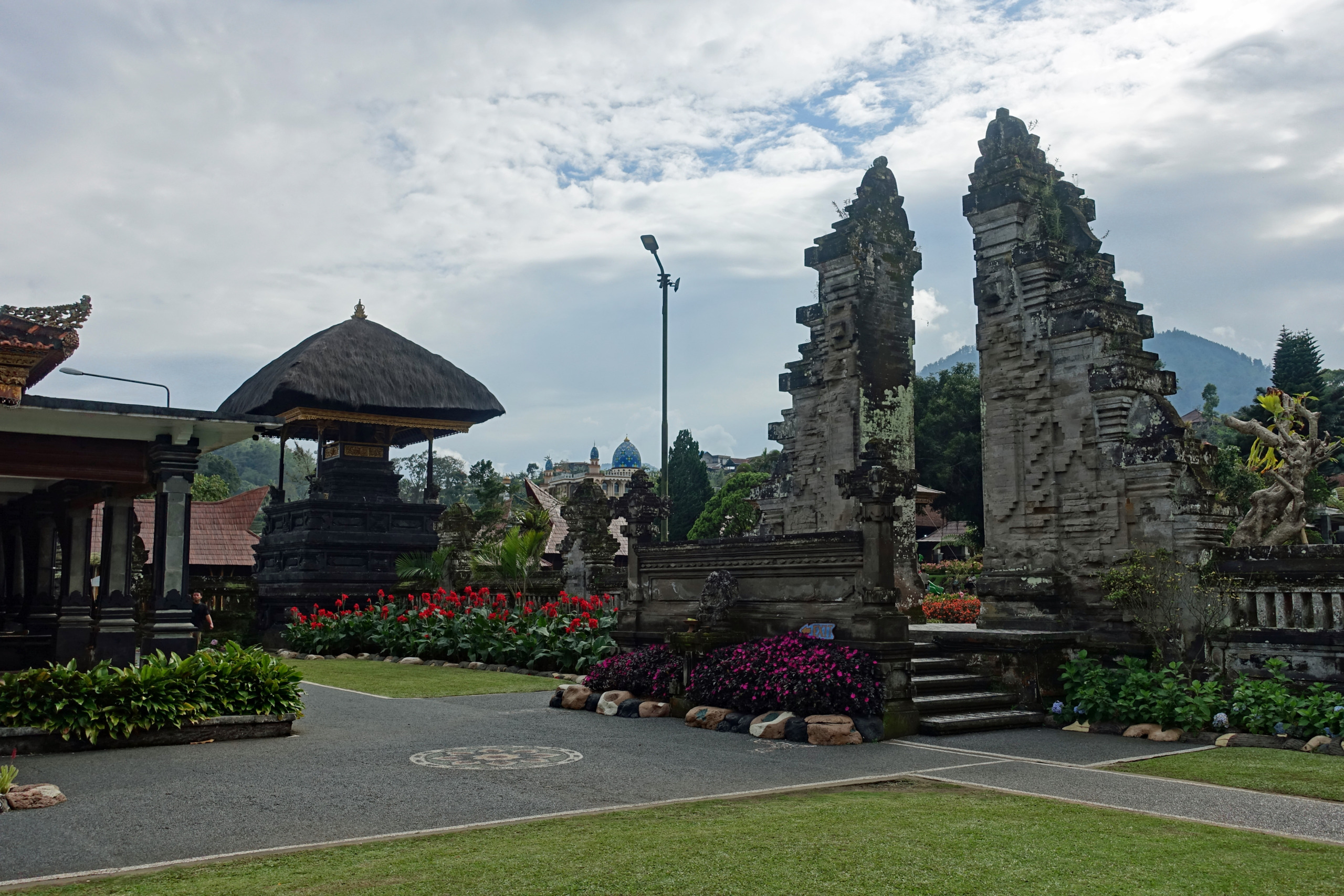
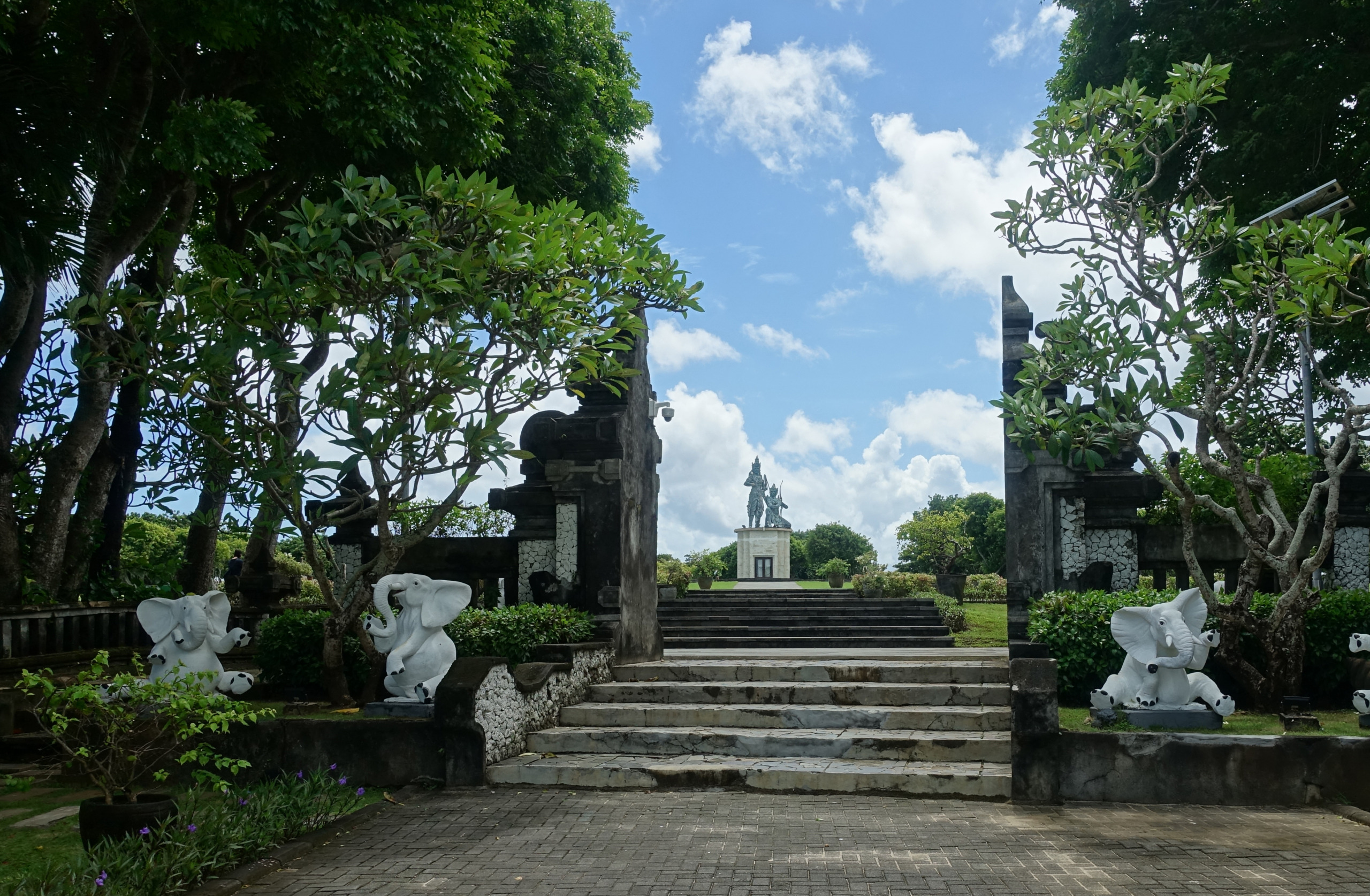
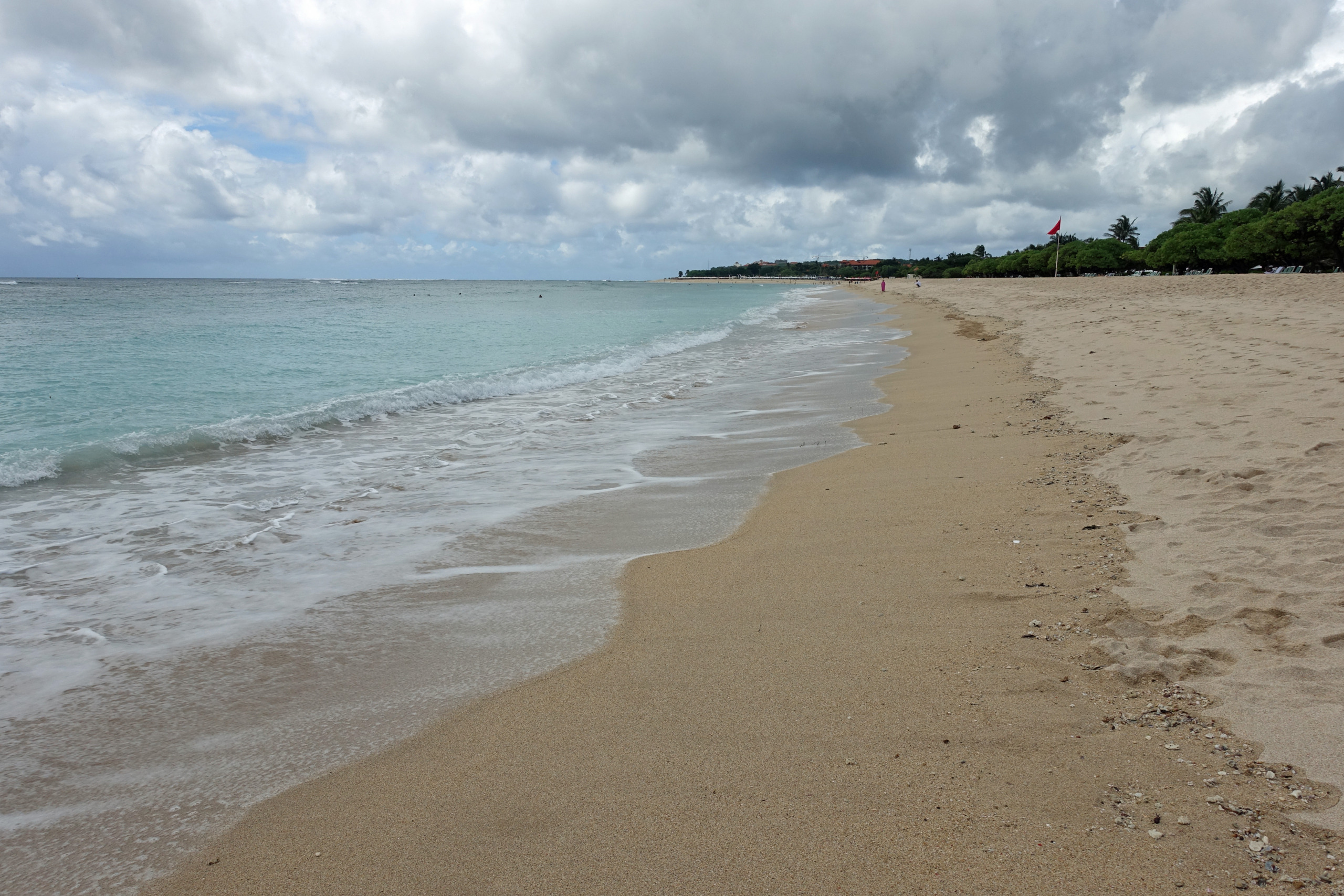
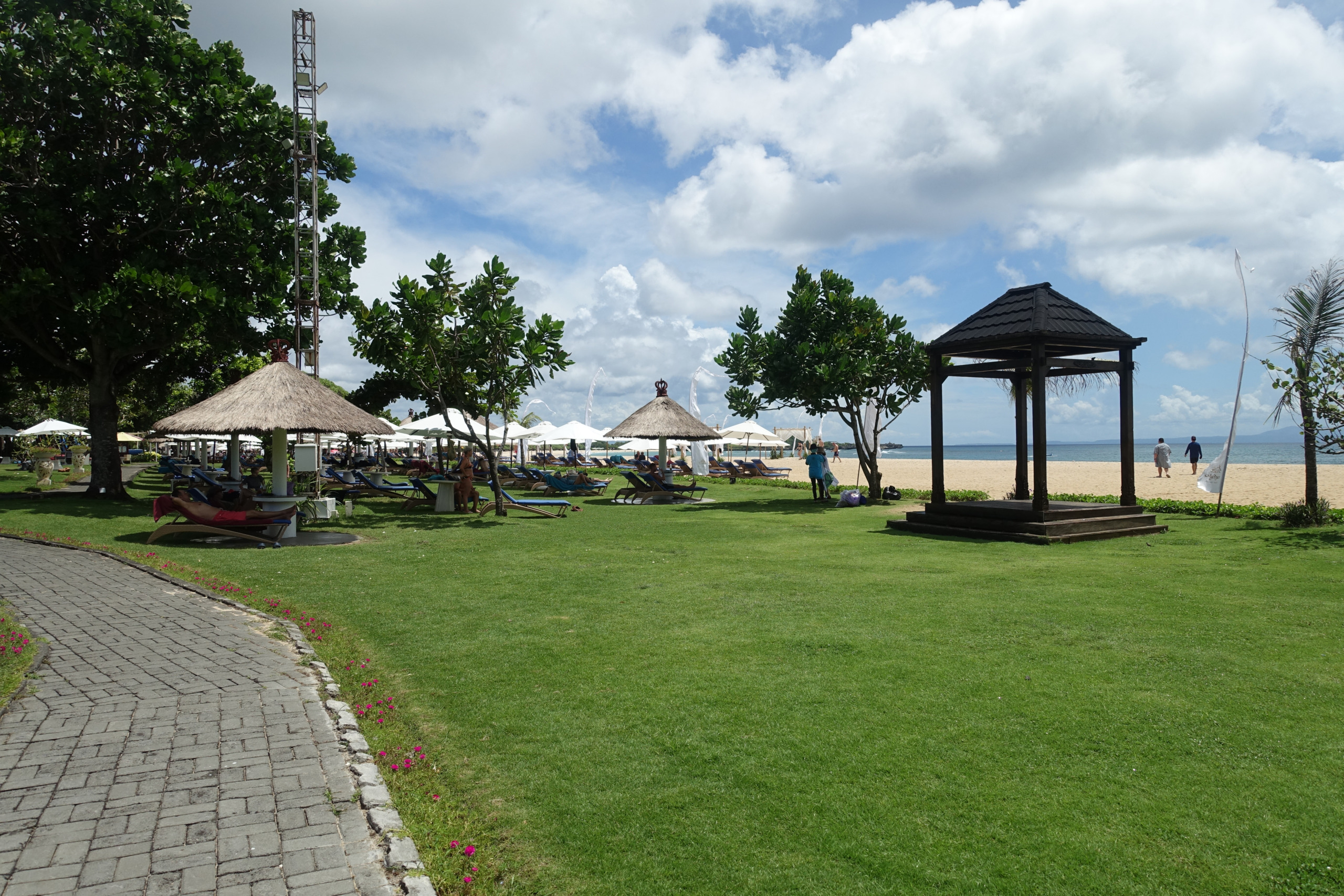
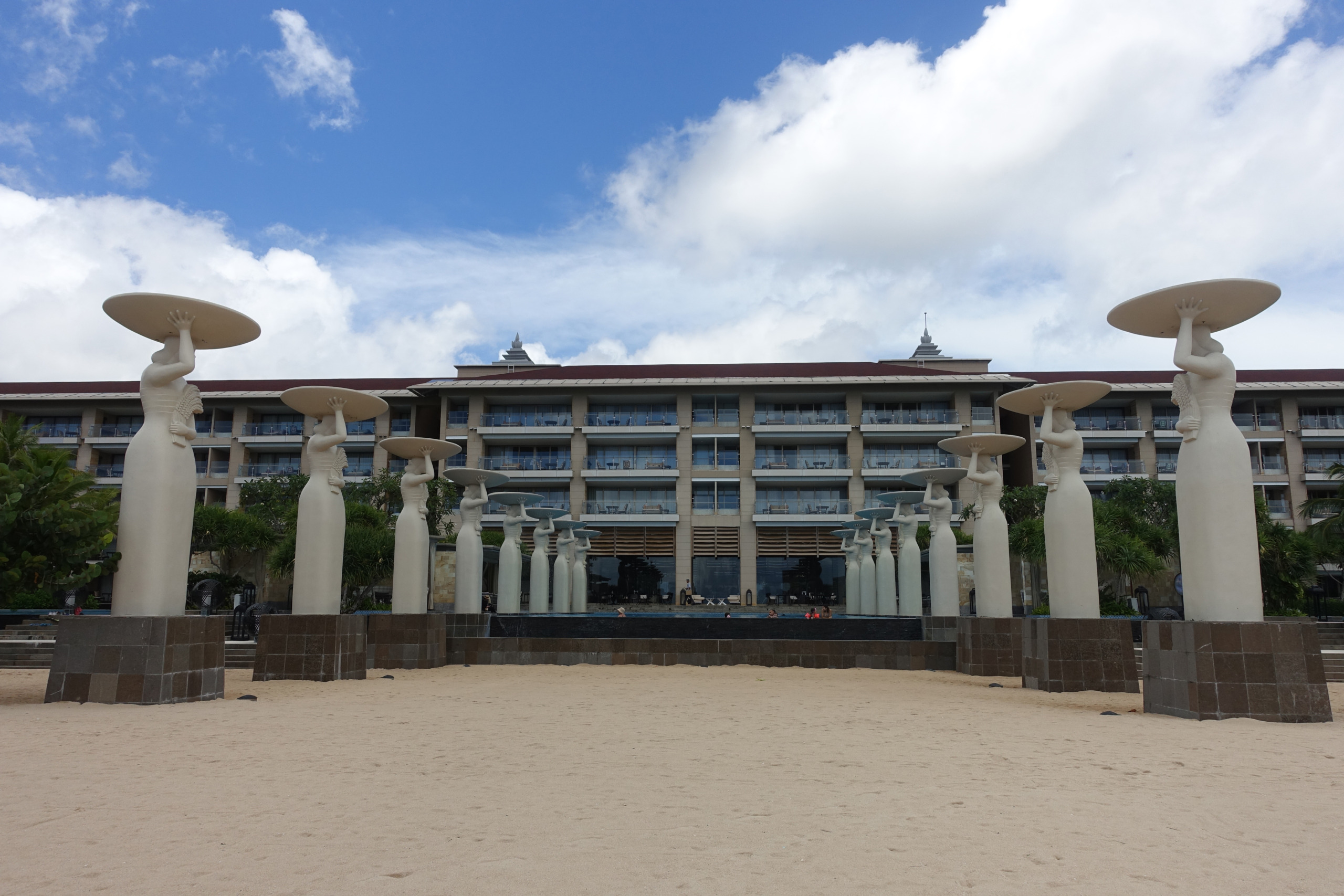
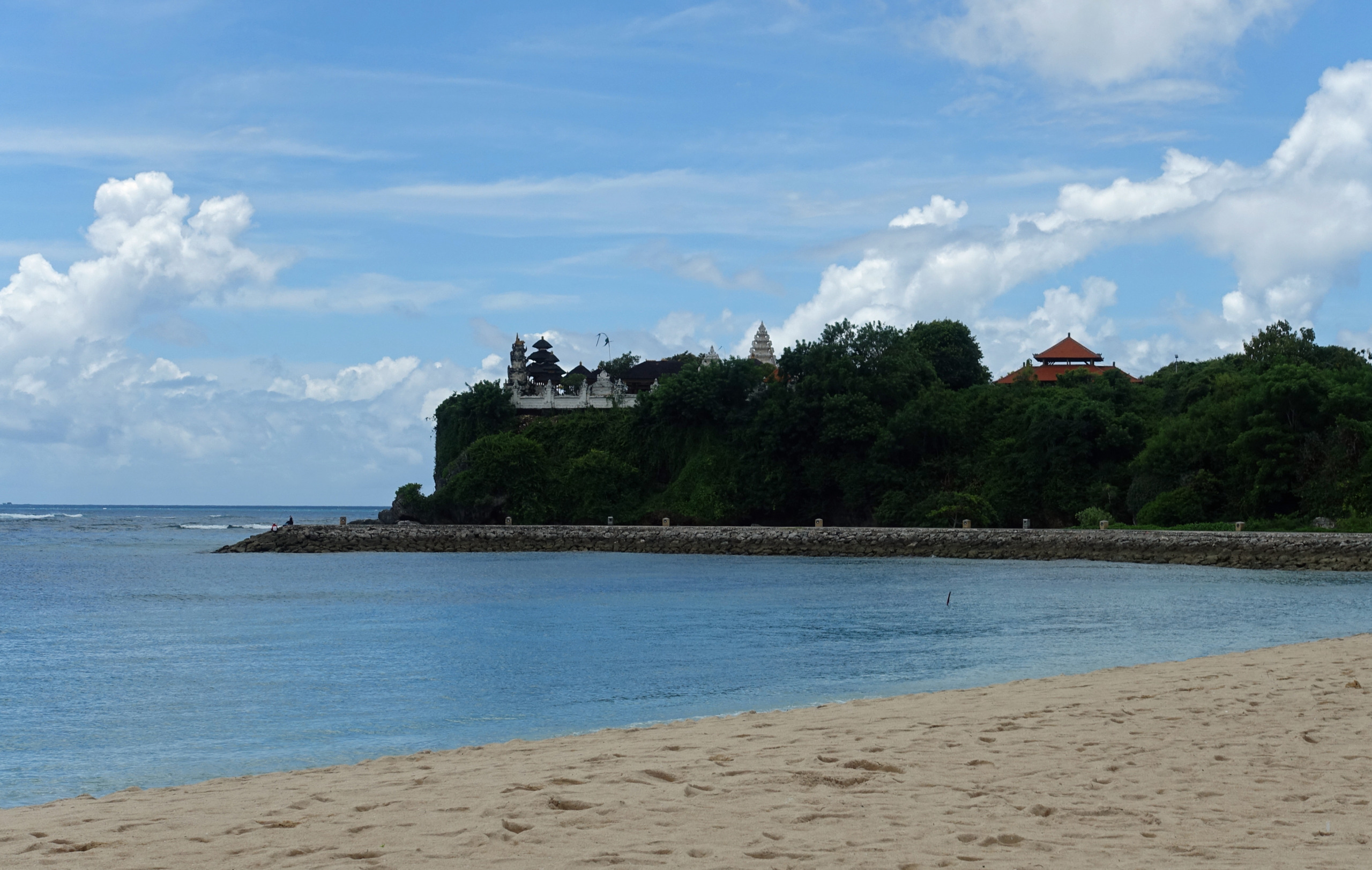
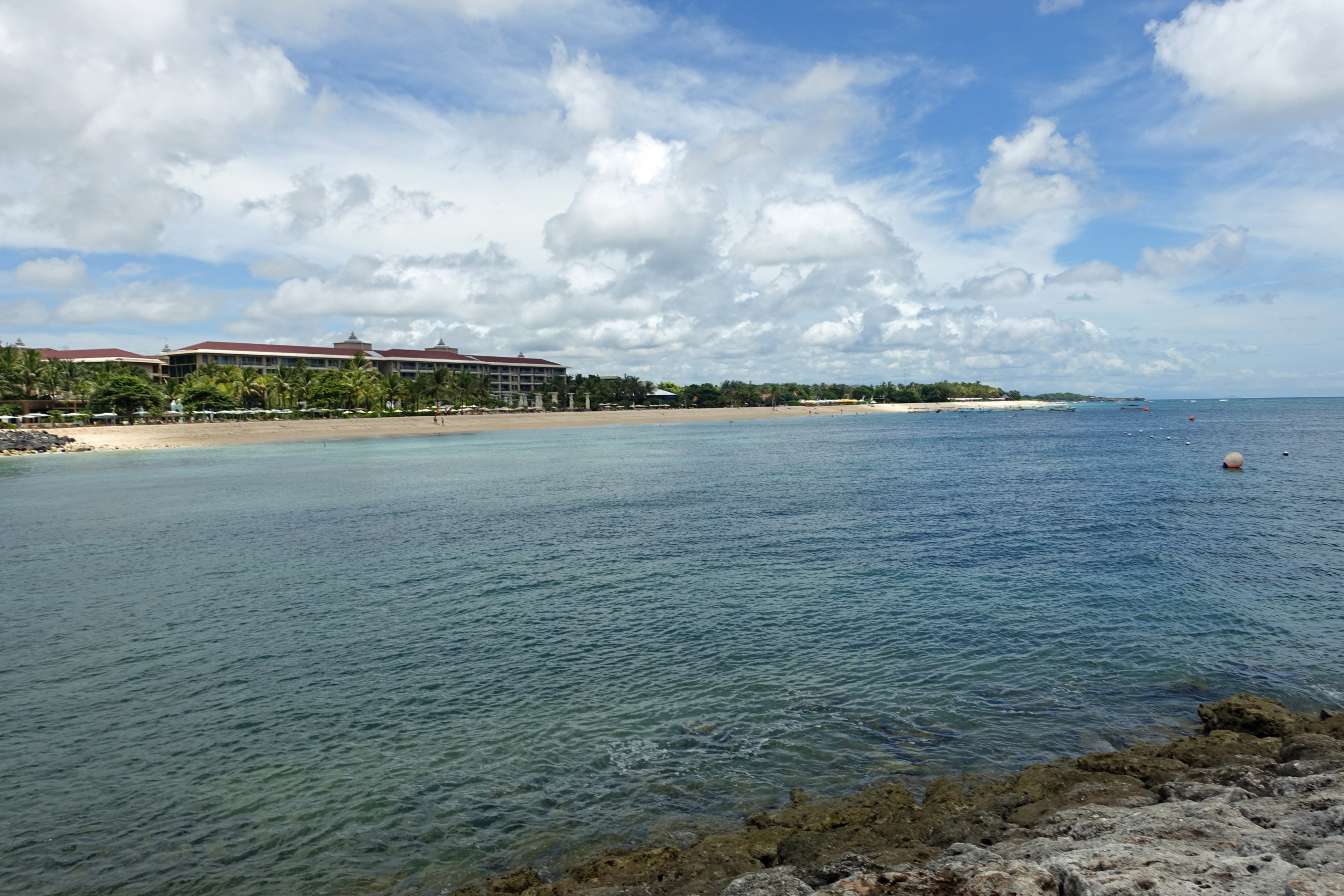
Nusa Dua feels less like a town and more like a high-end gated community. A 30-minute Grab ride dropped us right into the heart of this “luxury bubble,” where the grass is perfectly trimmed and the chaos of Bali is kept strictly outside the gates. We spent the afternoon wandering Peninsula Island before trekking south along the coastal boardwalk. It’s a stunning stretch, weaving between the turquoise water and the manicured lawns of five star resorts such as the Grand Hyatt and Novotel. The beaches here are immaculate, not a stray plastic bottle in sight. However, our Grab driver offered a sobering perspective: while these beaches are technically public property, locals often feel unwelcome or are even discouraged from visiting. It’s a complex trade-off, the pristine, “perfect” Bali the resorts sell versus the reality of the environmental struggles on the island’s local beaches.
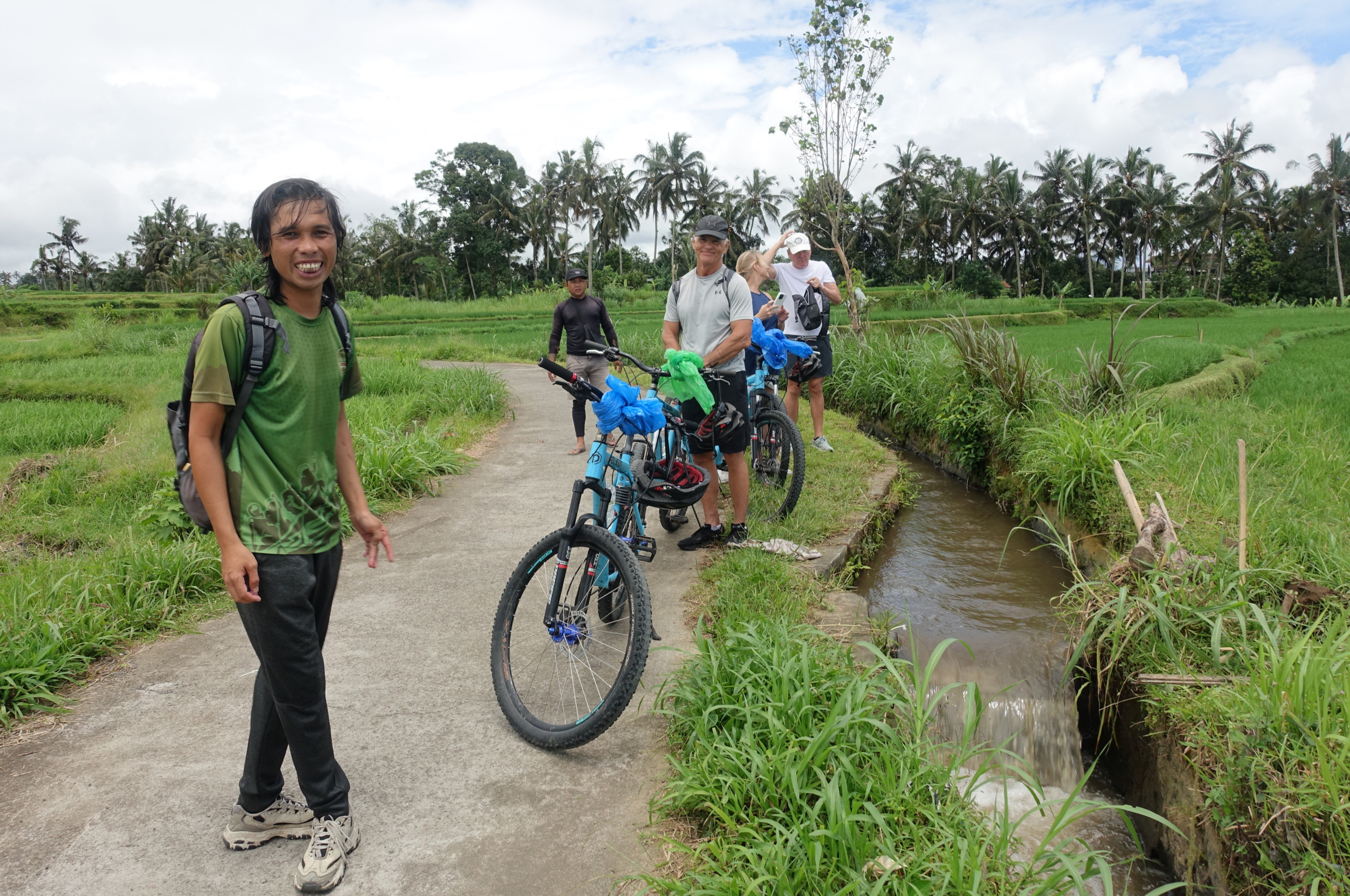
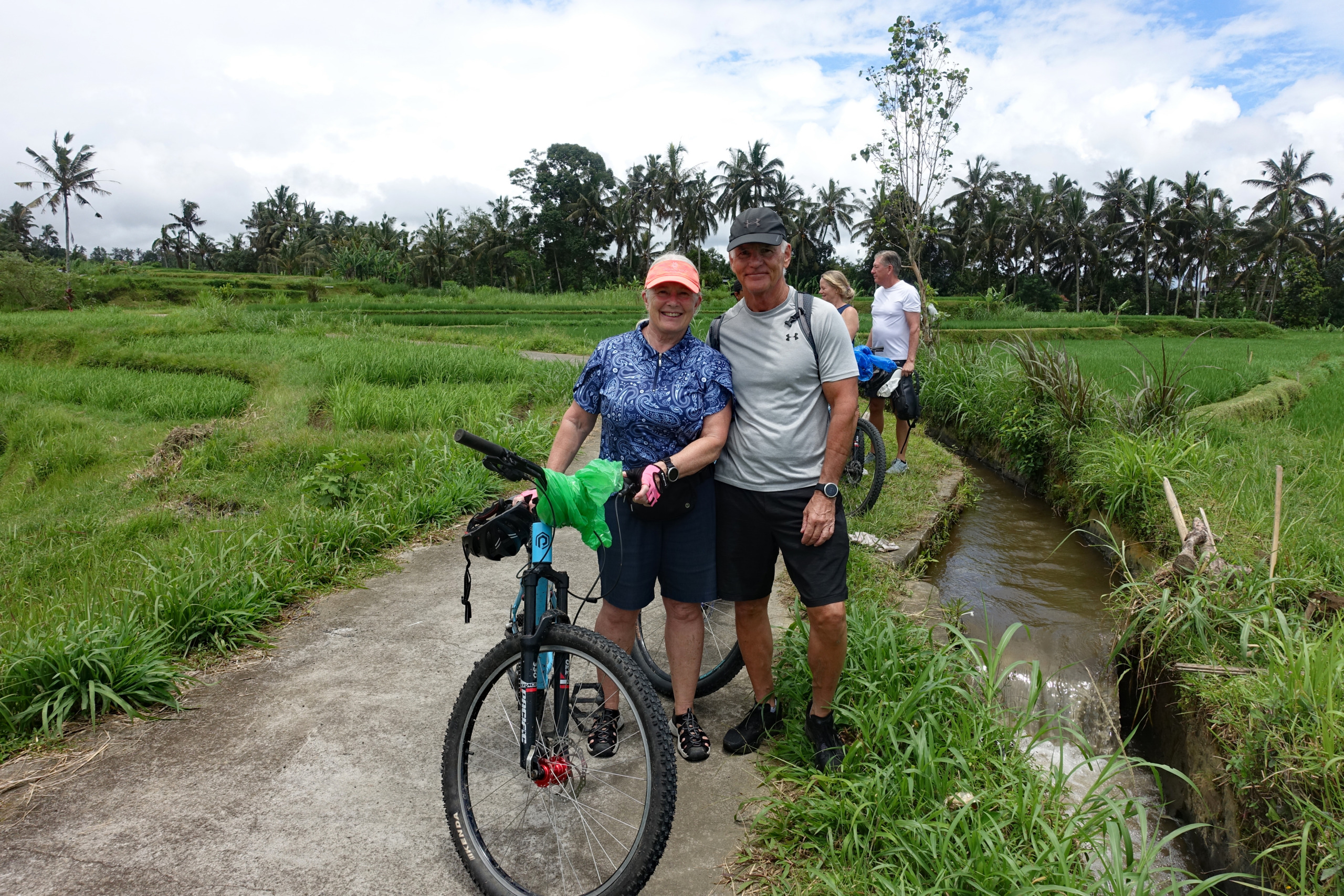
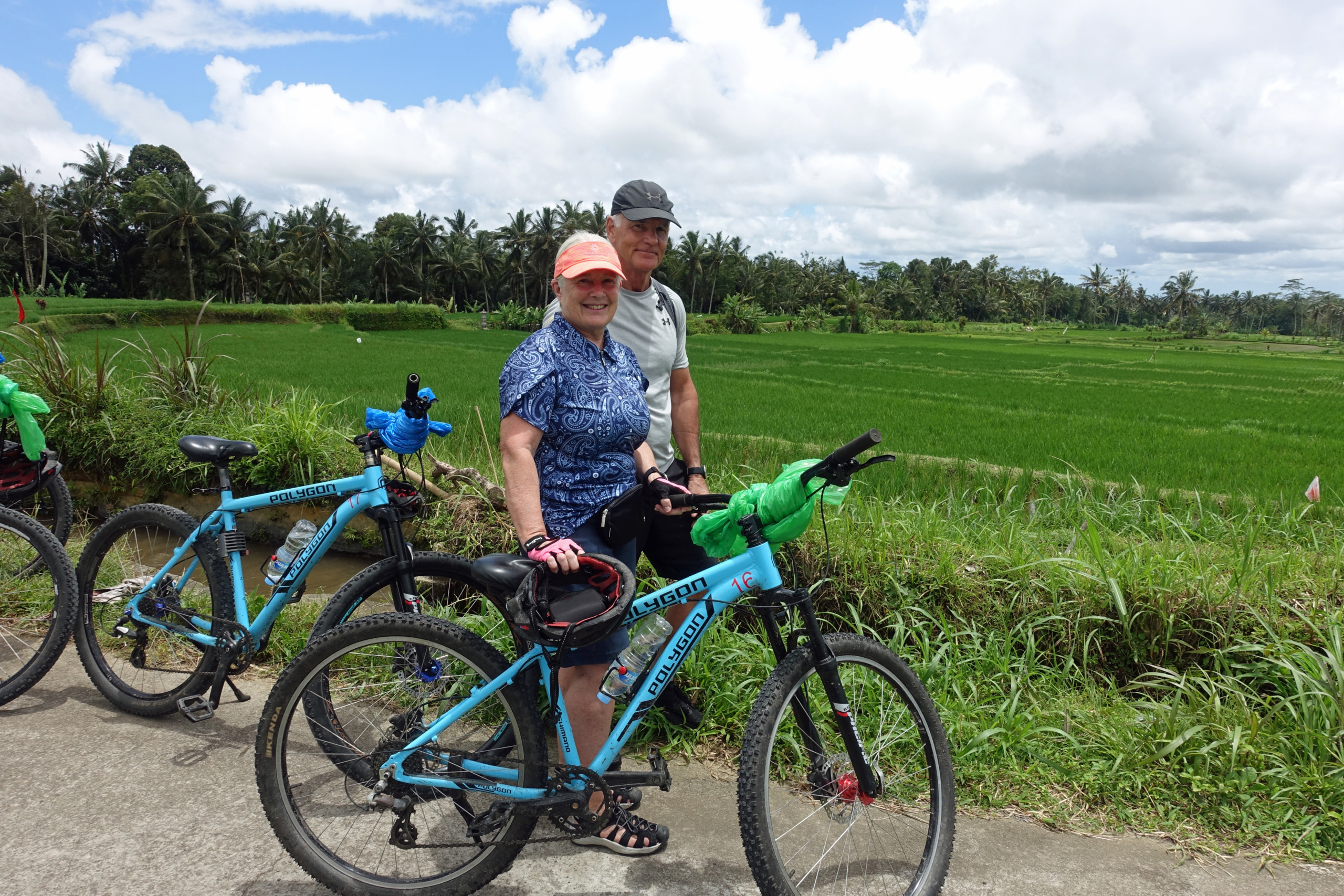
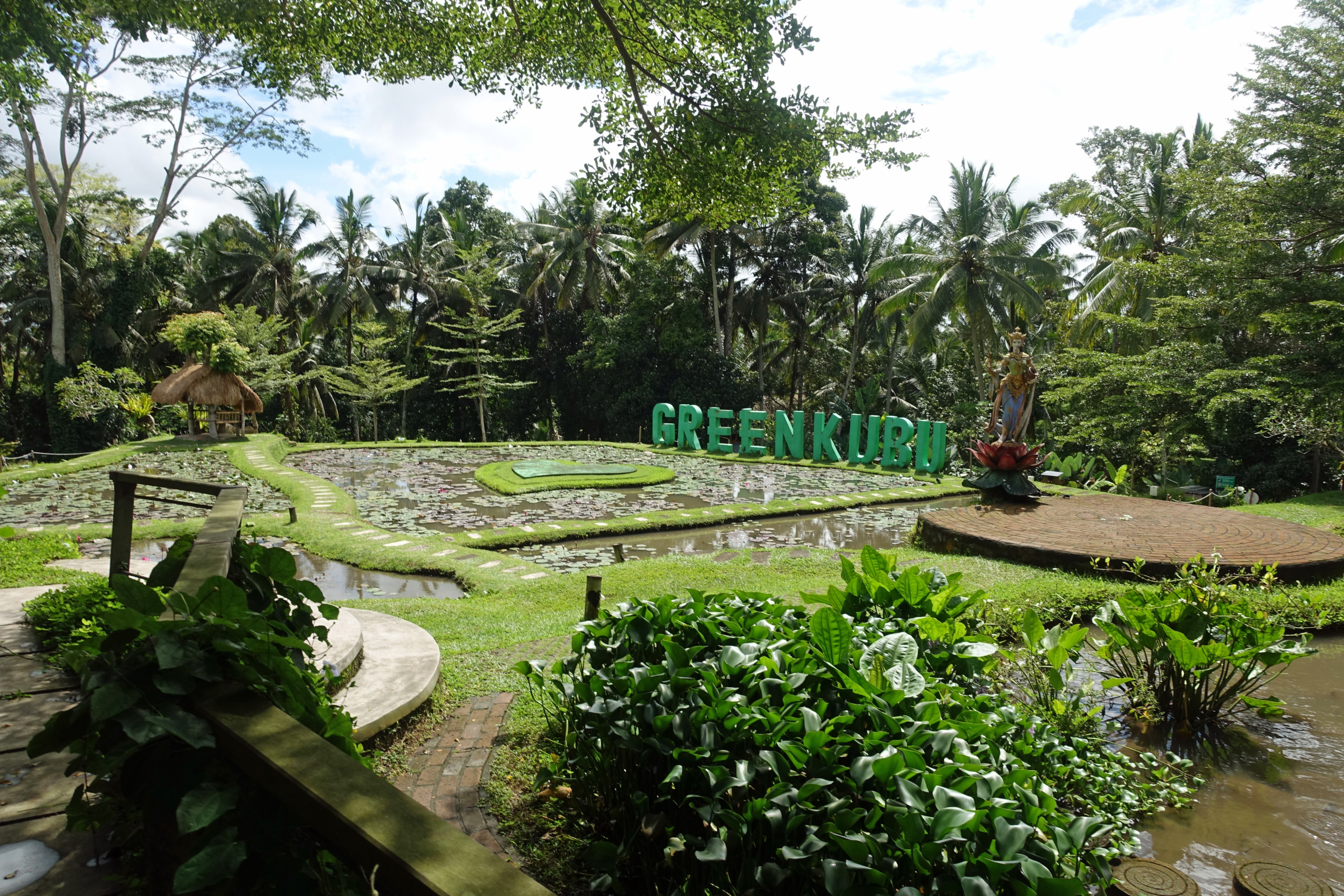
We braved the infamous Bali traffic one last time for a 20km downhill bike ride starting in Kintamani. We booked our Kintamani Cycling trip with Greenbike Adventure and can highly recommend this company. We were picked up at 7:45am, driven for an hour to pick up another couple near Ubud and then drove for another 20 min to our breakfast stop. Over breakfast, our guide Gede, laid out the plan for the day after which we drove another 40 min higher in the misty hills to reach our starting point. Ten minutes into the ride the skies opened up. What started as a drizzle escalated into a full-blown Balinese monsoon and then calmed down to a steady rain that lasted nearly the entire two hour ride, which meant my camera did not leave the safety of my dry bag. Clad in neon plastic ponchos, our group of four—we were joined by a lovely couple from Connecticut—decided that if we couldn’t stay dry we might as well laugh about it. Even through the rain, the scenery was breathtaking. We glided through sleepy villages, navigated narrow jungle trails and balanced on concrete paths cutting through emerald rice paddies. A highlight was visiting a traditional family compound, where we learned the intricate layout of Balinese homes and saw the prized roosters raised for cultural cockfights (a legal gray area that remains a deep-rooted Balinese tradition). The legal loophole regarding cock fighting is based on the Tabuh Rah—a blood sacrifice required at some temple ceremonies to expel evil spirits. The government “looks away” because, for the Balinese, it’s often more about ritual than just the fight. We eventually traded our ponchos for a warm lunch back where we had breakfast. At IDR 550,000 (USD $35) including two meals and all the transport, it was a good deal. Even if the 2.5-hour drive back to Sanur reminded us why we stay off the roads!
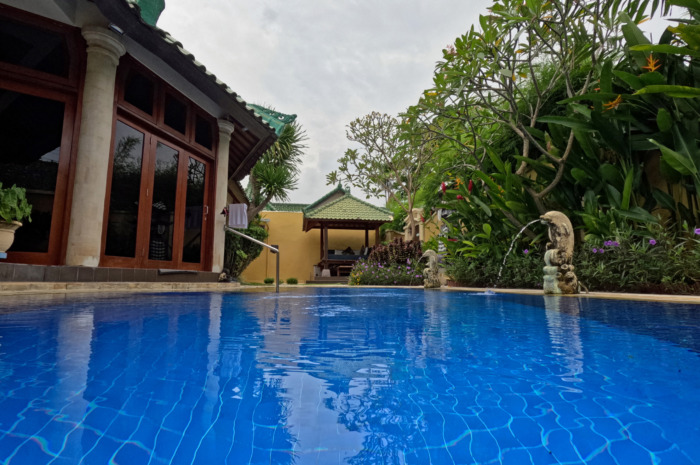
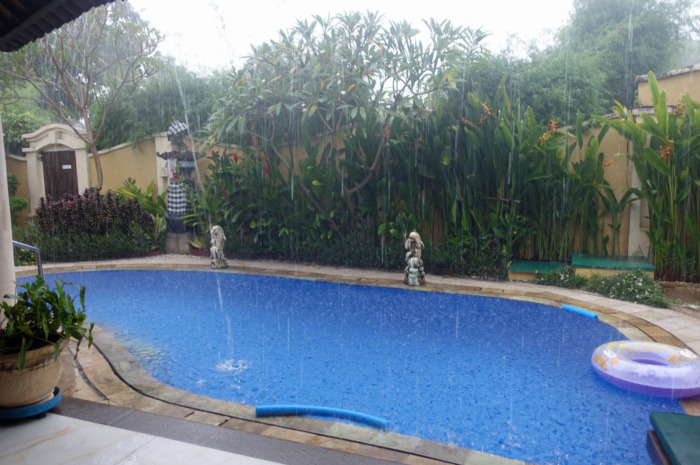
Aside from our two marathon excursions and a quick foray into Nusa Dua, we spent most of our three weeks in Bali keeping it simple. With a 9 min stroll to Paradise Gym, a quick walk to the grocery store, and an endless supply of restaurants at our doorstep, we leaned into the slow life. Our afternoons became a daily ritual of retreating to our villa pool to laze away the heat of the day. It was, without a doubt, the ultimate reset.
 Where we spent every afternoon
But the big question remains, would we return? Honestly, probably not. While Bali’s beauty is undeniable, the island is a victim of its own popularity and the infrastructure unable to keep up with the logistics of modern tourism. The traffic isn’t just a nuisance, it’s a deterrent that makes exploring the island feel like a chore rather than a joy. There are many other Indonesian islands and stunning parts of the world left to see to spend our days staring at a bumper in the tropical heat. While we’re grateful for the memories and don’t regret returning to Bali, the reality of over-tourism means this is one chapter we’re happy to close.
So onwards we travel. Next stop, New Zealand…..
TRIP TIPS
Travellers arriving in Indonesia must complete an online arrival form within 3 days of arrival. You can also apply online for a B1, 30 day, visitors visa but we chose to get our visa on arrival at the airport. It took 5 minutes and cost IDR 500,000 (USD $31) each.
Our day tour private driver can be reached via WhatsApp at +62 812 3929 762 His name is Wayan and either he or his son Agus do the tours. They have a few standard tours but will also customize your day as you wish.
We booked our villa directly with Lany, a local manager, who can be reached via WhatsApp at +62 811 140 594