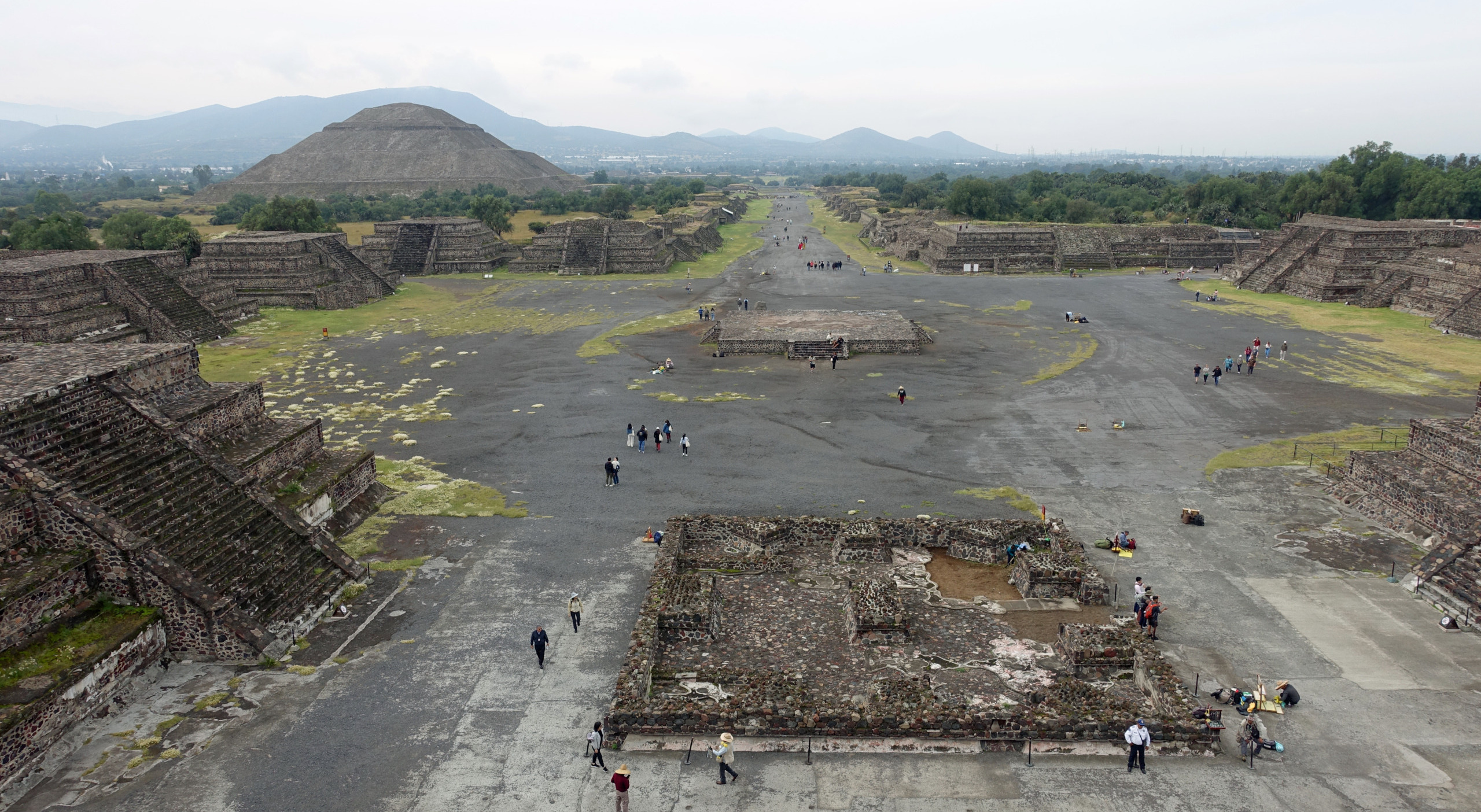
During our Mexico City stay we joined a tour to visit the Teotihuacan Pyramids. We chose an early morning tour (ie picked up at 6:30am) with Mexican Tales to try and beat the crowds, the tour did not include shopping stops or lunch which was perfect. We really wanted to focus on seeing the historic site and not get caught up in a bunch of touristy add ons. Our guide, Maria, kept our group of 7 moving at a nice pace for the 2.5 hours we wandered around the ruins.
Teotihuacan was one of the largest and most influential urban centers of the pre-Columbian Americas. Located about 30 miles (50 km) northeast of Mexico City—it flourished between 100 BC and the 7th and 8th century AD, reaching a peak population estimated between 100,000 and 200,000 people. The original name of the city, its primary language, and the exact ethnicity of its founders remain unknown. The name Teotihuacan was given centuries later by the Aztecs translated from “the place where the gods were created”.
The city was built on a precise grid system spanning roughly 8 square miles (20 sq km). Unlike many ancient cities that grew organically, Teotihuacan was strictly planned around a main north-south central axis known as the Avenue of the Dead (Calzada de los Muertos). Rather than a single uniform group, evidence shows the city was composed of distinct neighborhoods (barrios). Teotihuacan is architecturally and anthropologically significant for its complex, multi-family residential compounds, the Avenue of the Dead, the vibrant murals and the giant Mesoamerican pyramids that are comparable in size to the Pyramids of Giza in Egypt.
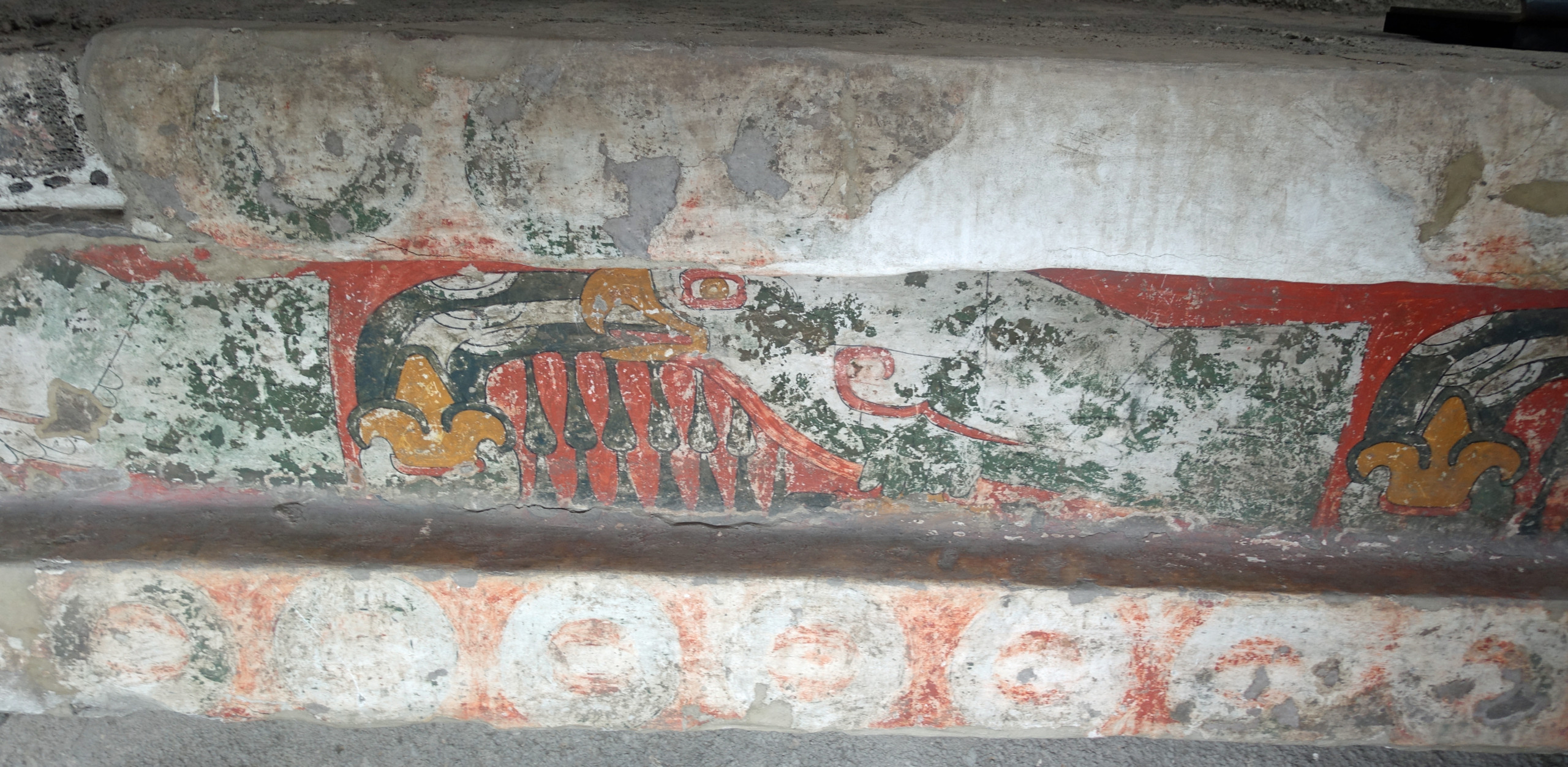
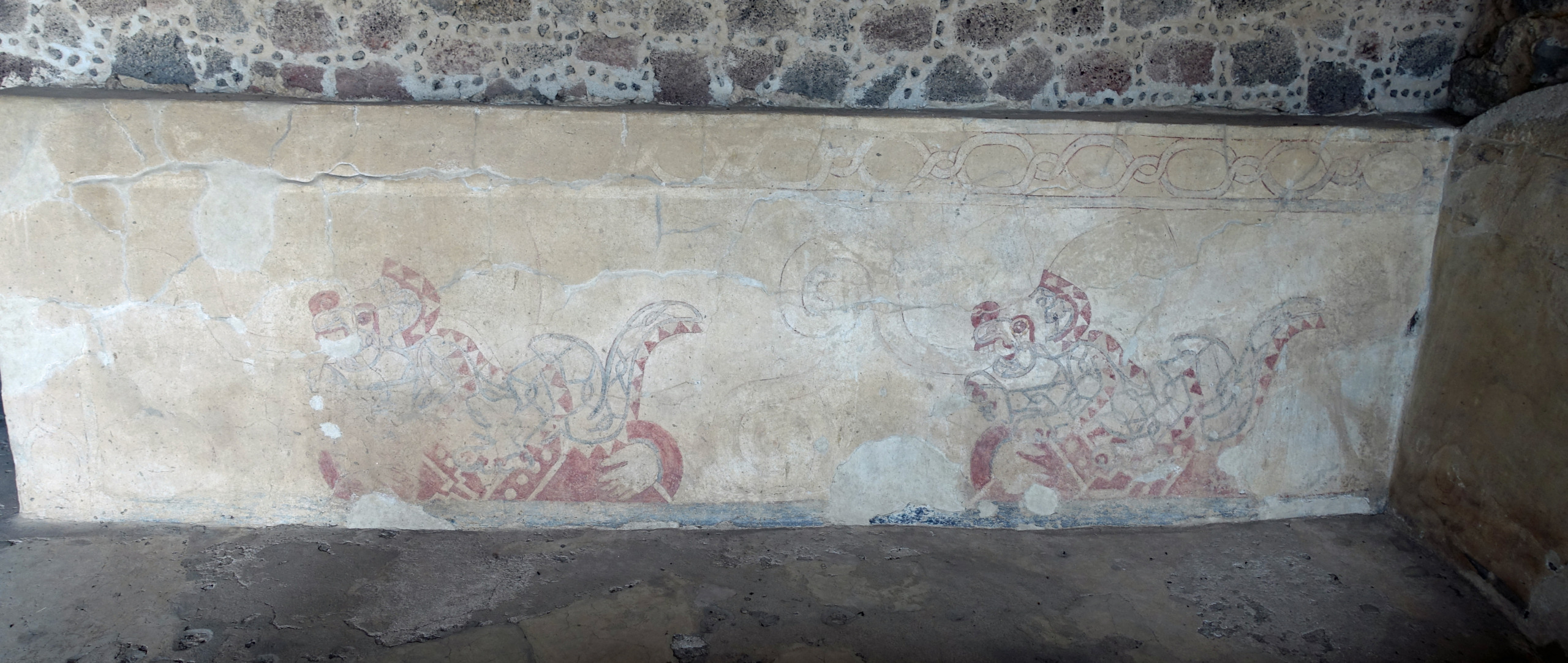
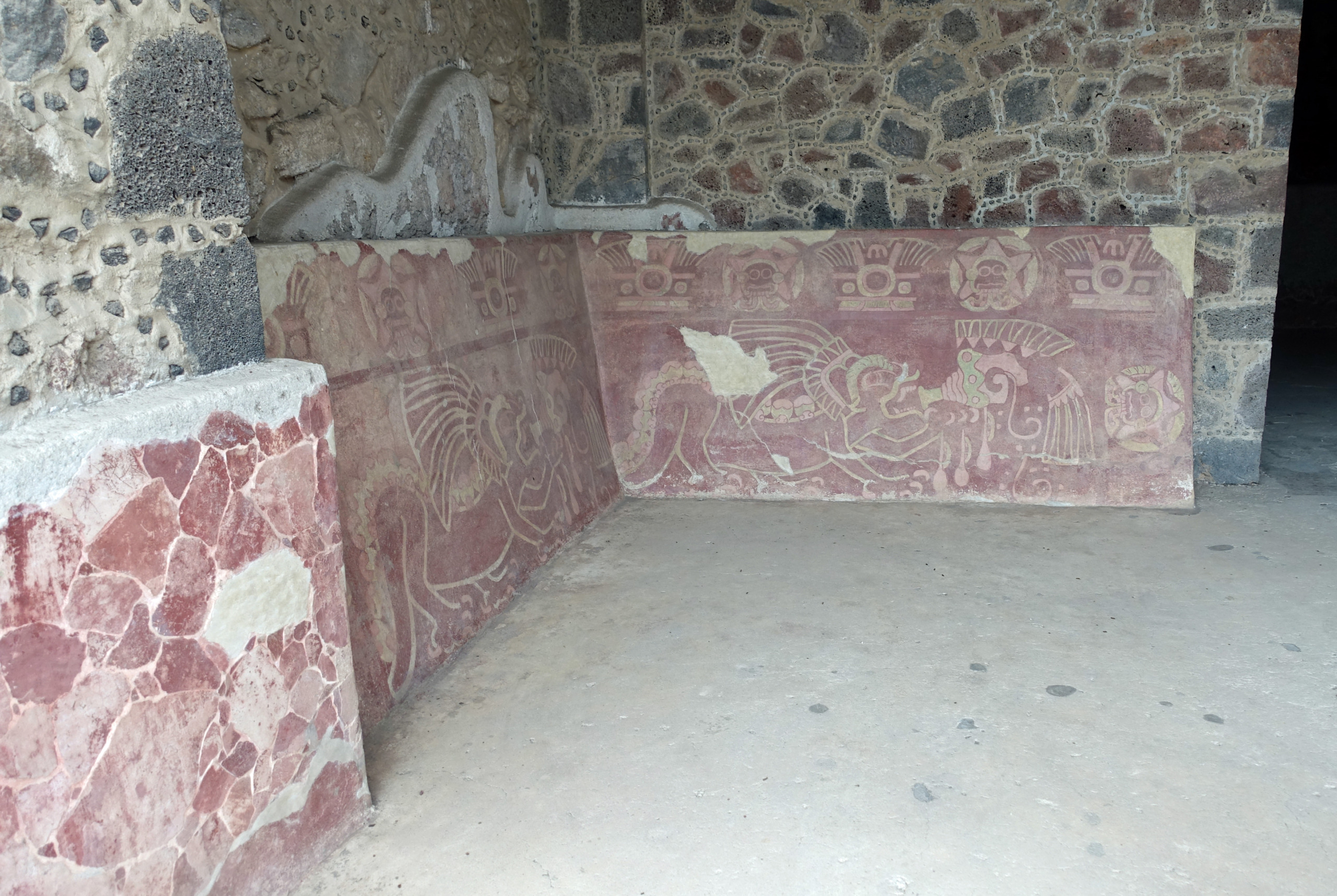
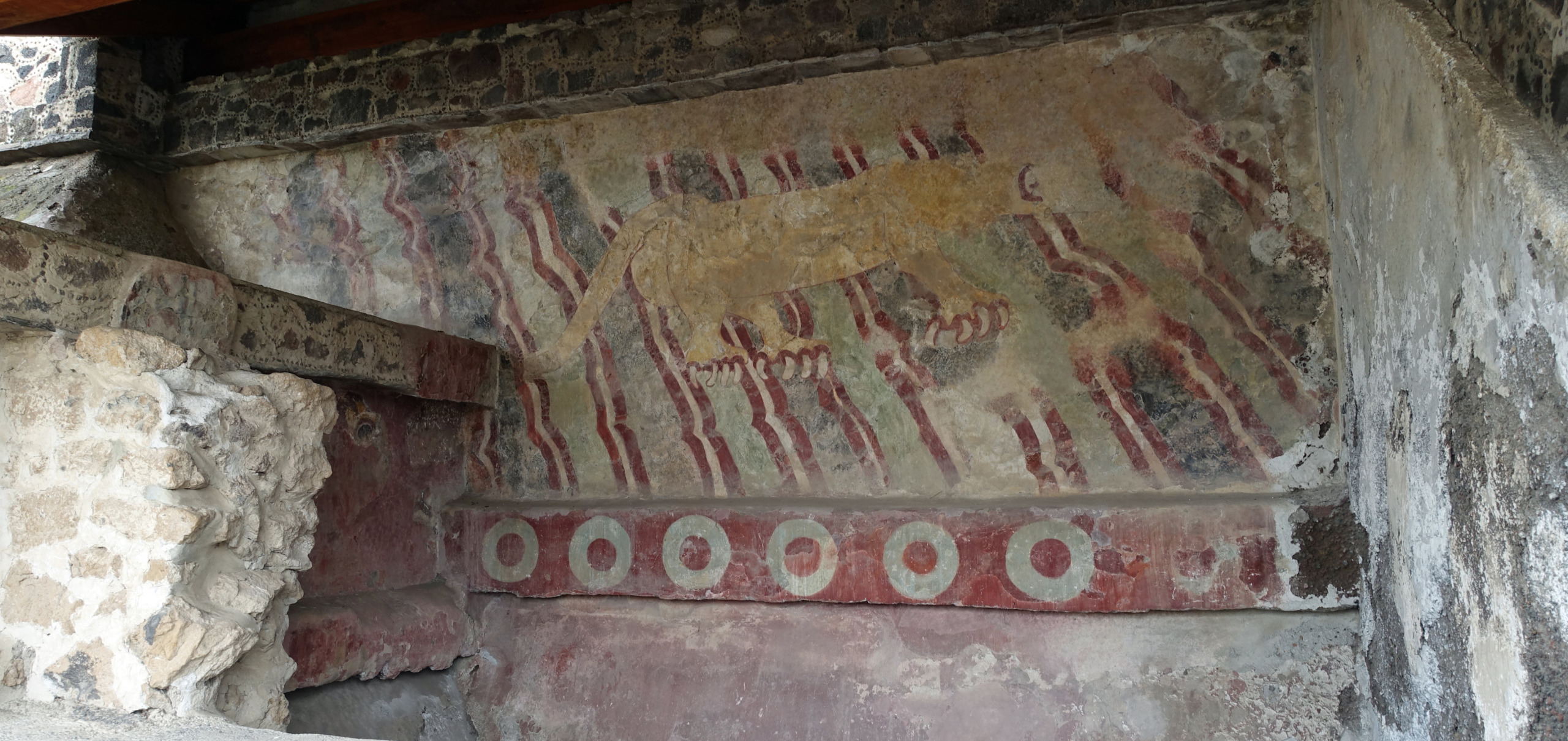
At its peak, almost every stone surface in the city was covered in smooth lime plaster and painted in vibrant colors. The murals of Teotihuacan are among the finest surviving examples of pre-Columbian fresco painting, although most were covered up or damaged during initial excavations when they used dynamite to uncover the ruins. Ancient artists applied mineral pigments directly onto wet lime plaster spread over volcanic gravel and as the plaster cured, the colors chemically locked into the wall, allowing many paintings to survive for over 1,500 years.
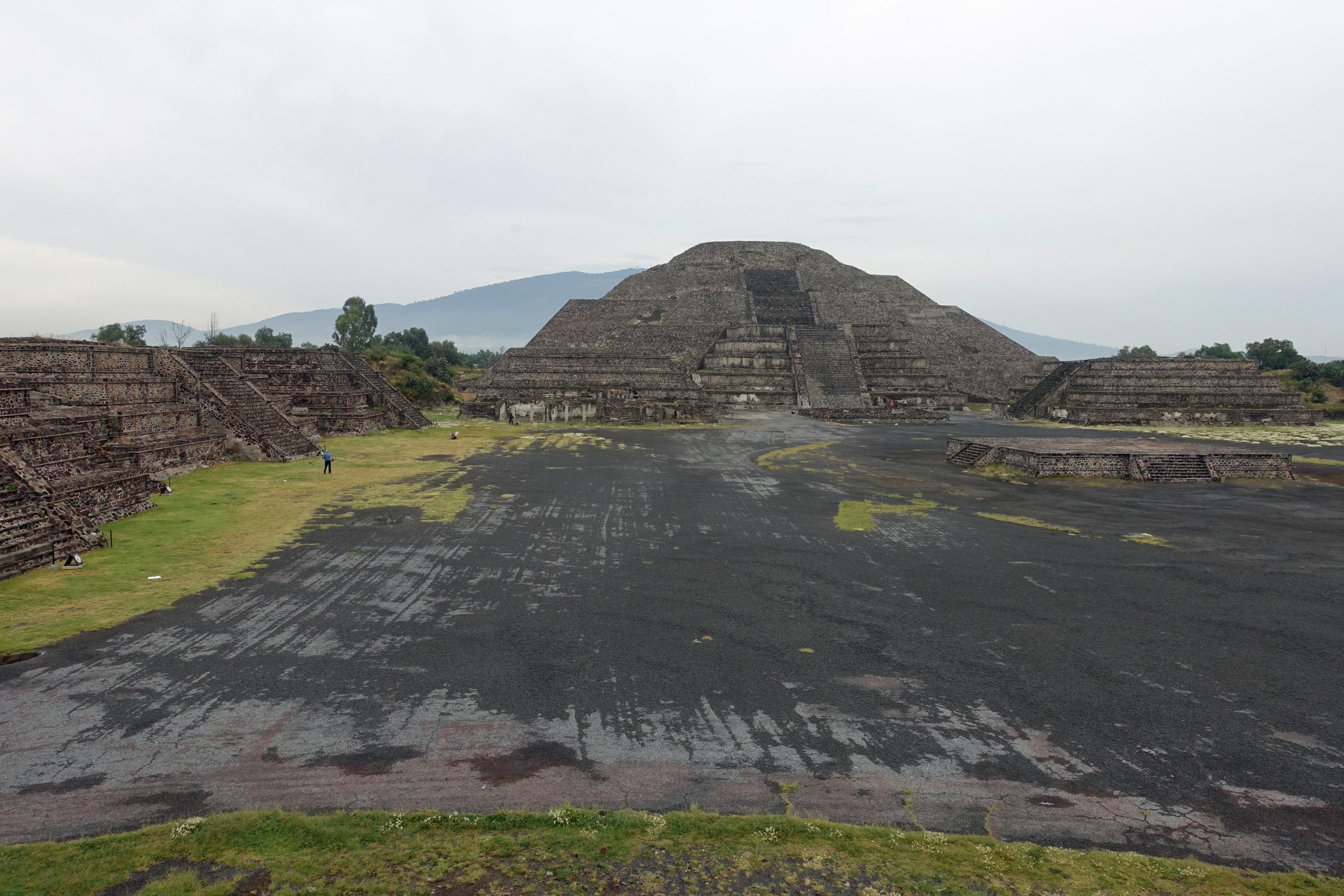
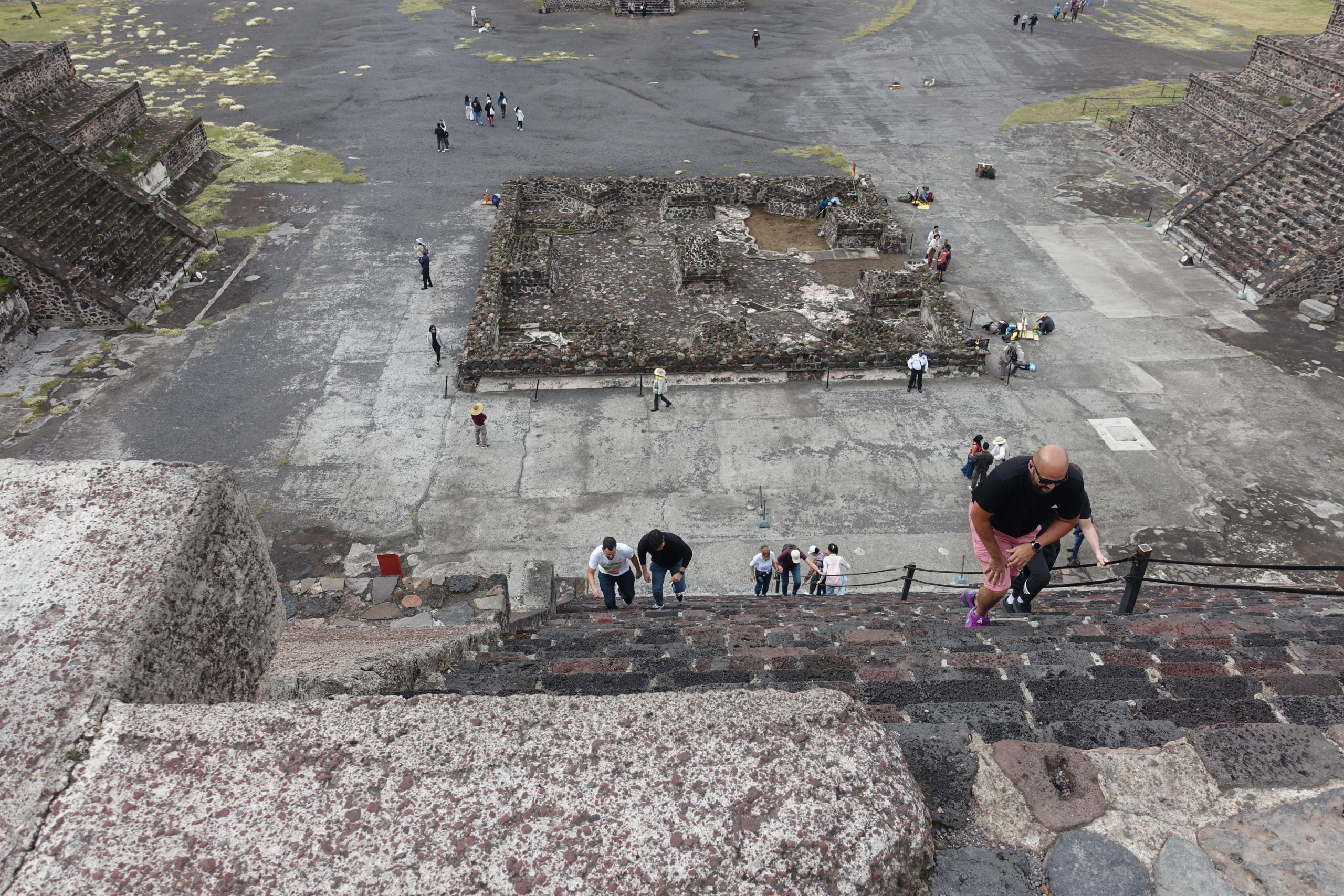
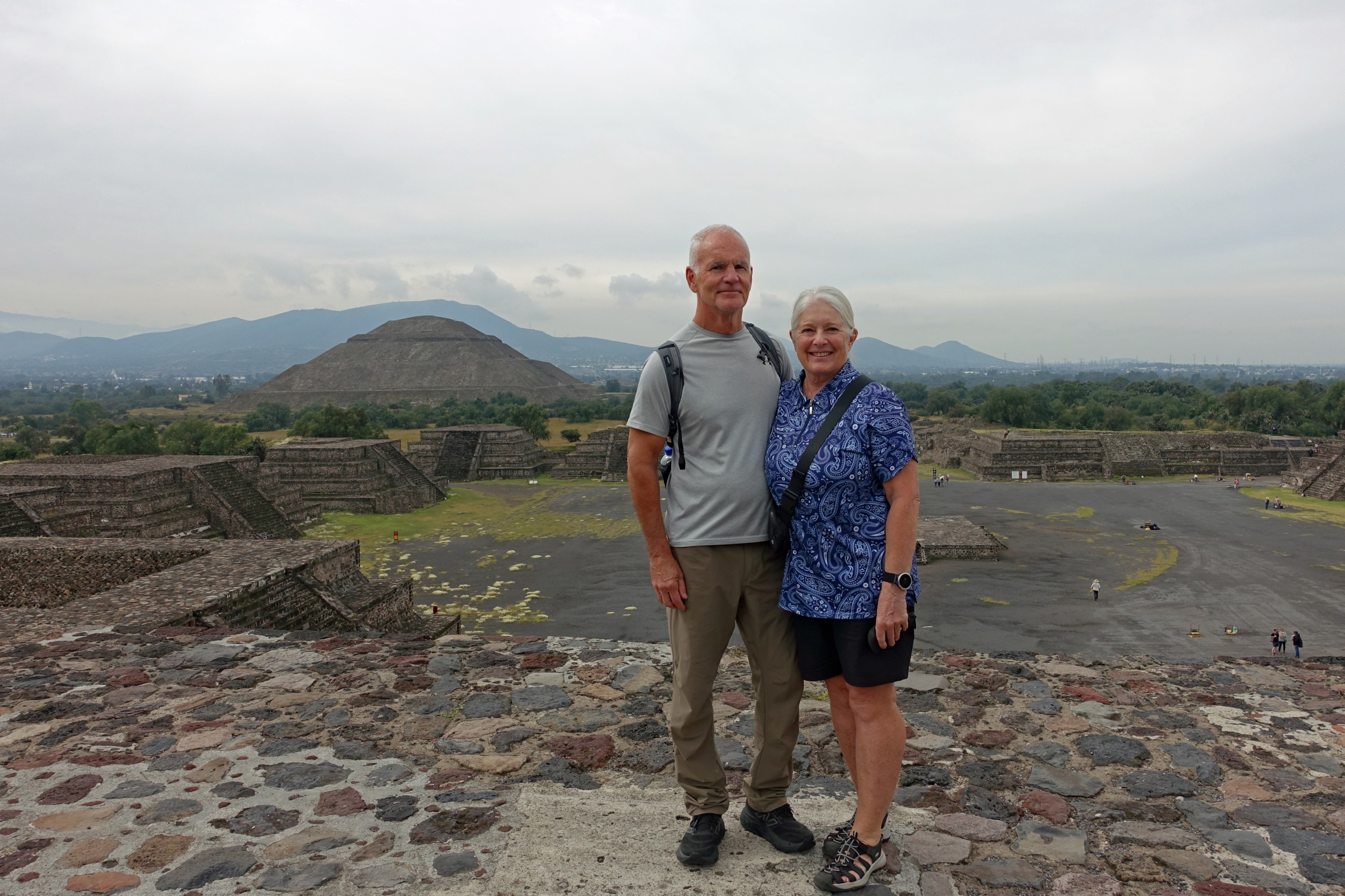
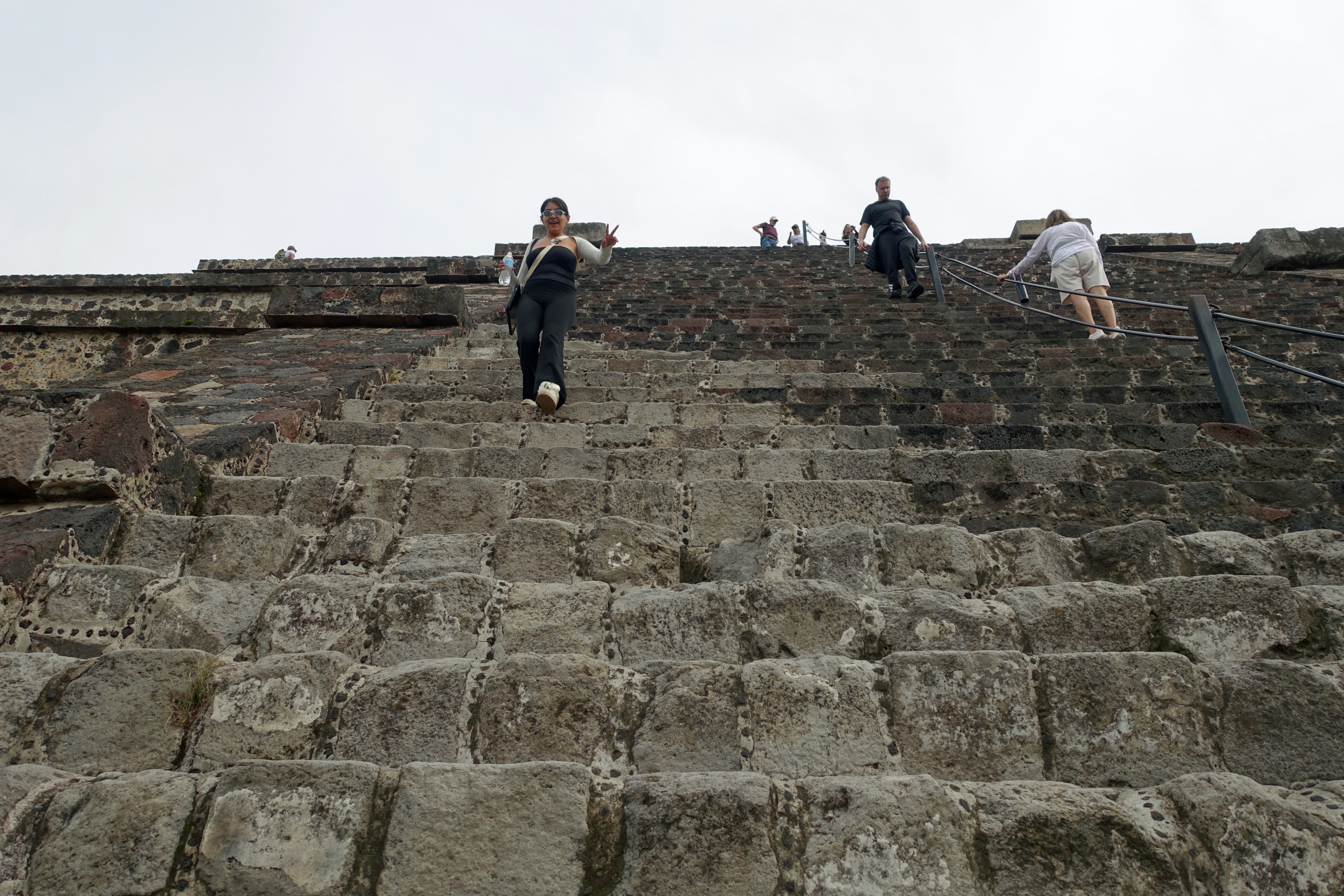
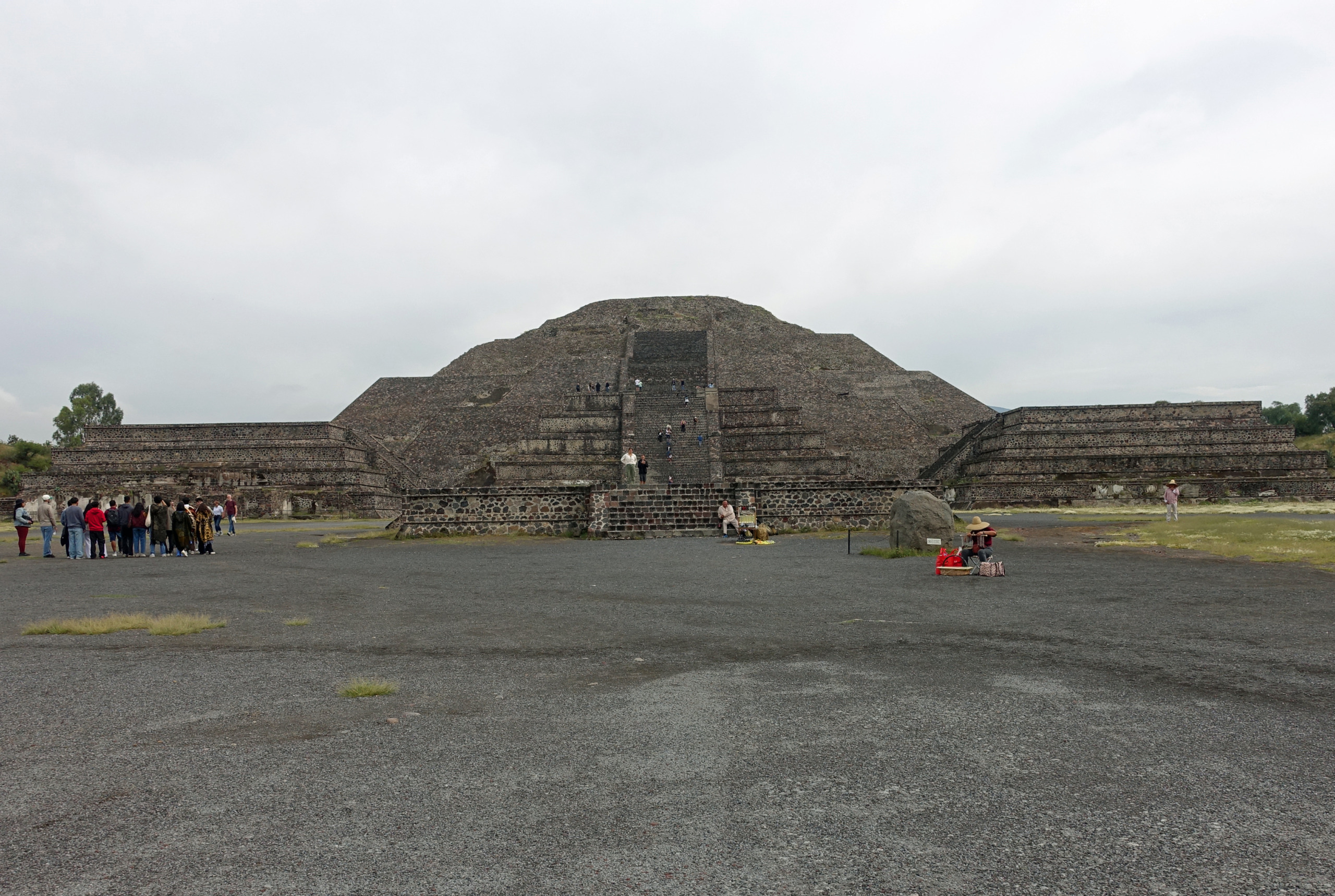
The Pyramid of the Moon anchors the northern end of the Avenue of the Dead. While it stands shorter than the nearby Pyramid of the Sun (140 ft/43 m compared to 215 ft/65 m), its peak reaches almost the exact same elevation because it was constructed on higher natural ground. The structure was not built all at once. Between roughly 100 AD and 450 AD, it was expanded in seven distinct phases, with each new layer built completely over the previous pyramid like a set of giant stone nesting dolls. The silhouette of the pyramid directly mirrors the profile of Cerro Gordo, the sacred mountain rising directly behind it. Climbing this pyramid only re-opened last November after being shut down during covid. The climb was short, but very steep to the first platform where amazing views of entire complex could be seen.
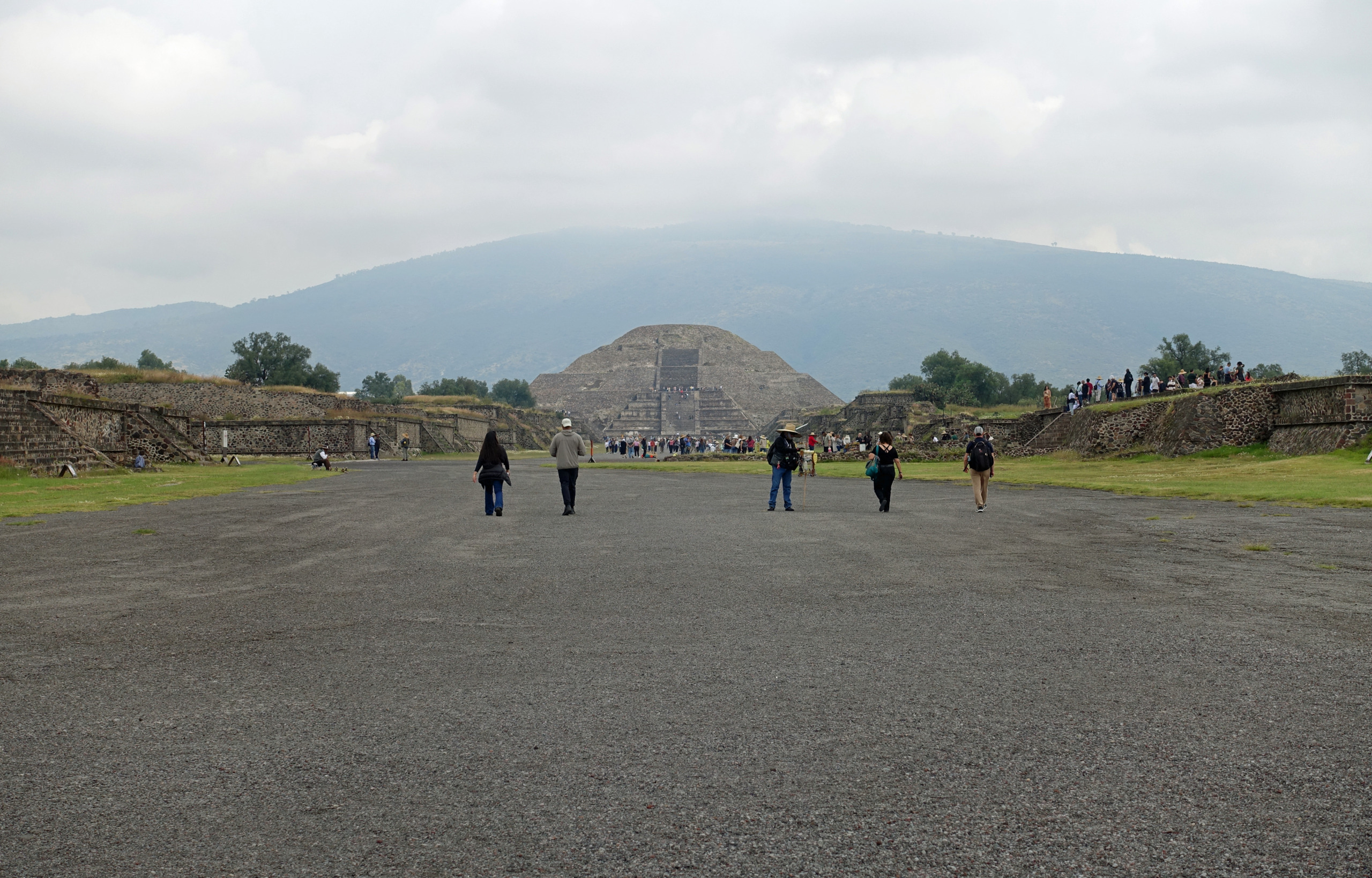
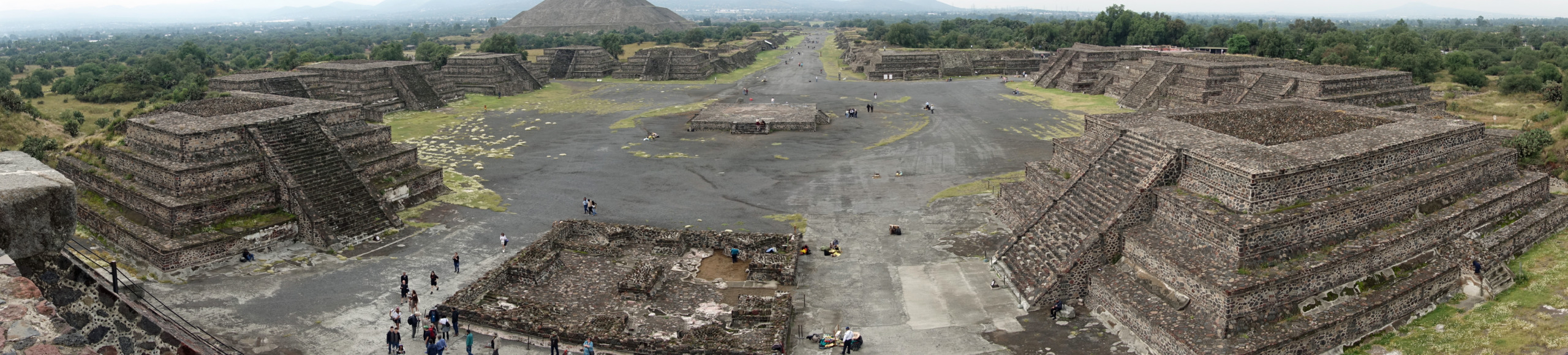
The Avenue of the Dead is the structural backbone of Teotihuacan. It’s a massive, central north-south thoroughfare spanning roughly 2.5 miles (4 km), organizing the entire city into a precise grid layout. The name was given by the Aztecs when they stumbled upon the city’s ruins centuries after its abandonment. They mistook the lower stone platforms and ceremonial structures lining both sides of the roadway for royal tombs. In reality, these platforms were administrative buildings, altars, and elite residences rather than burial mounds. But, people were actually buried under the Avenue of the Dead. Modern archaeology has revealed that Teotihuacan is full of burials as families buried their dead underneath their own apartment compounds.
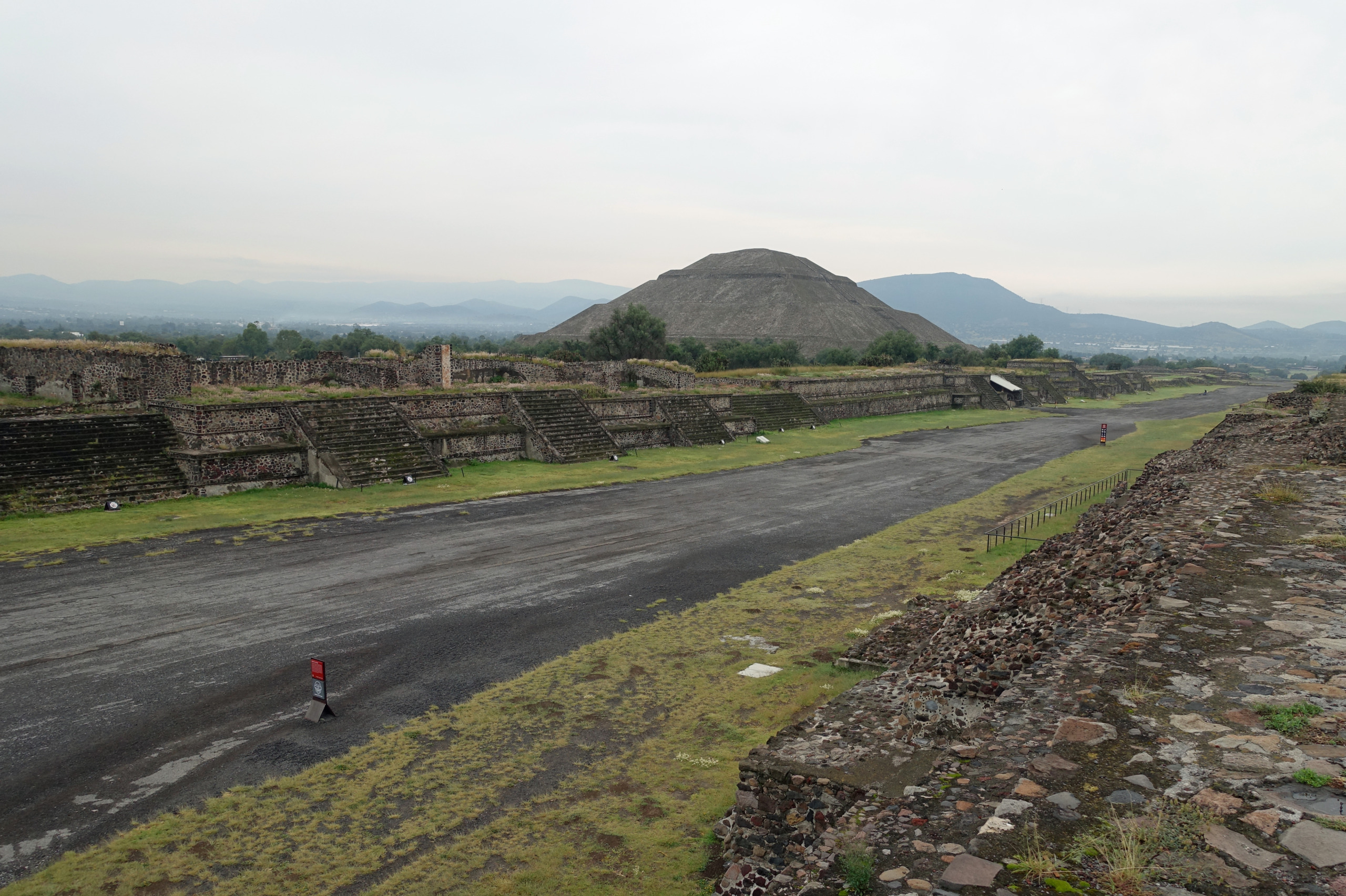
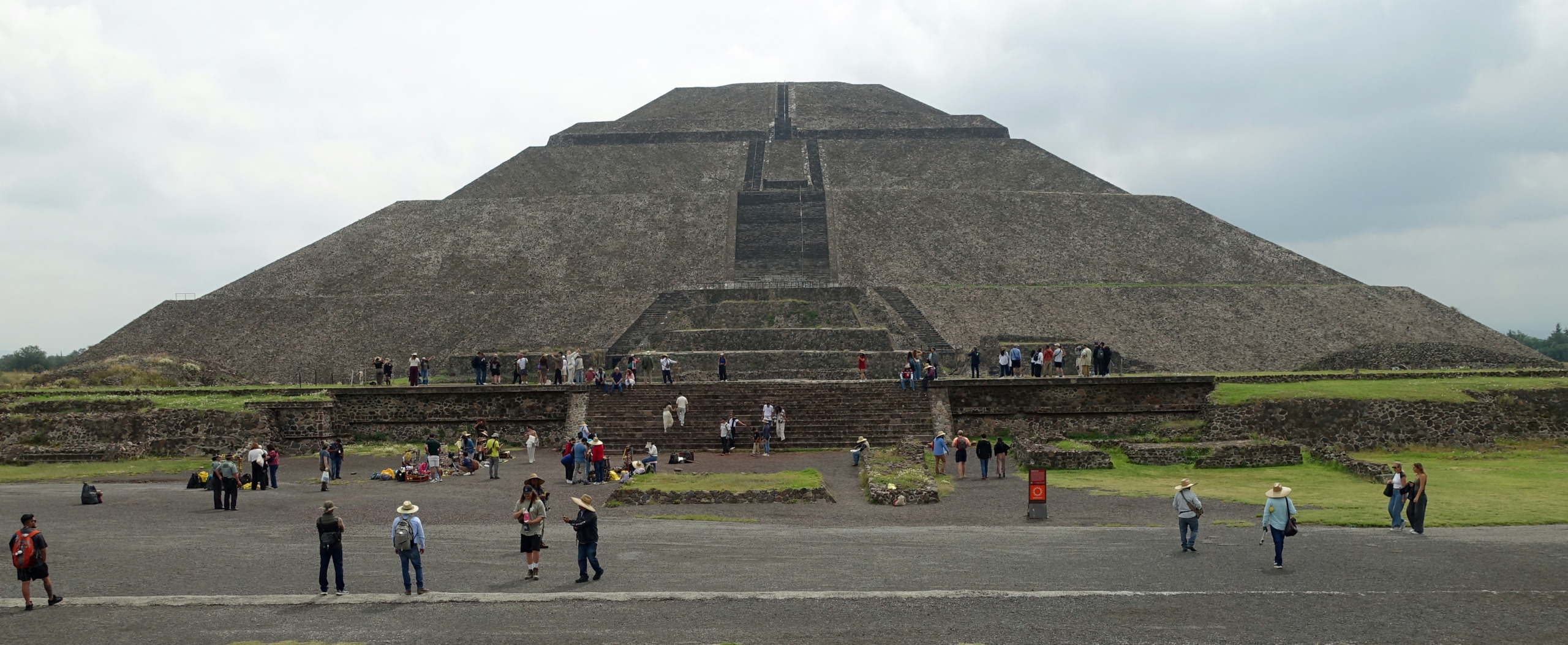
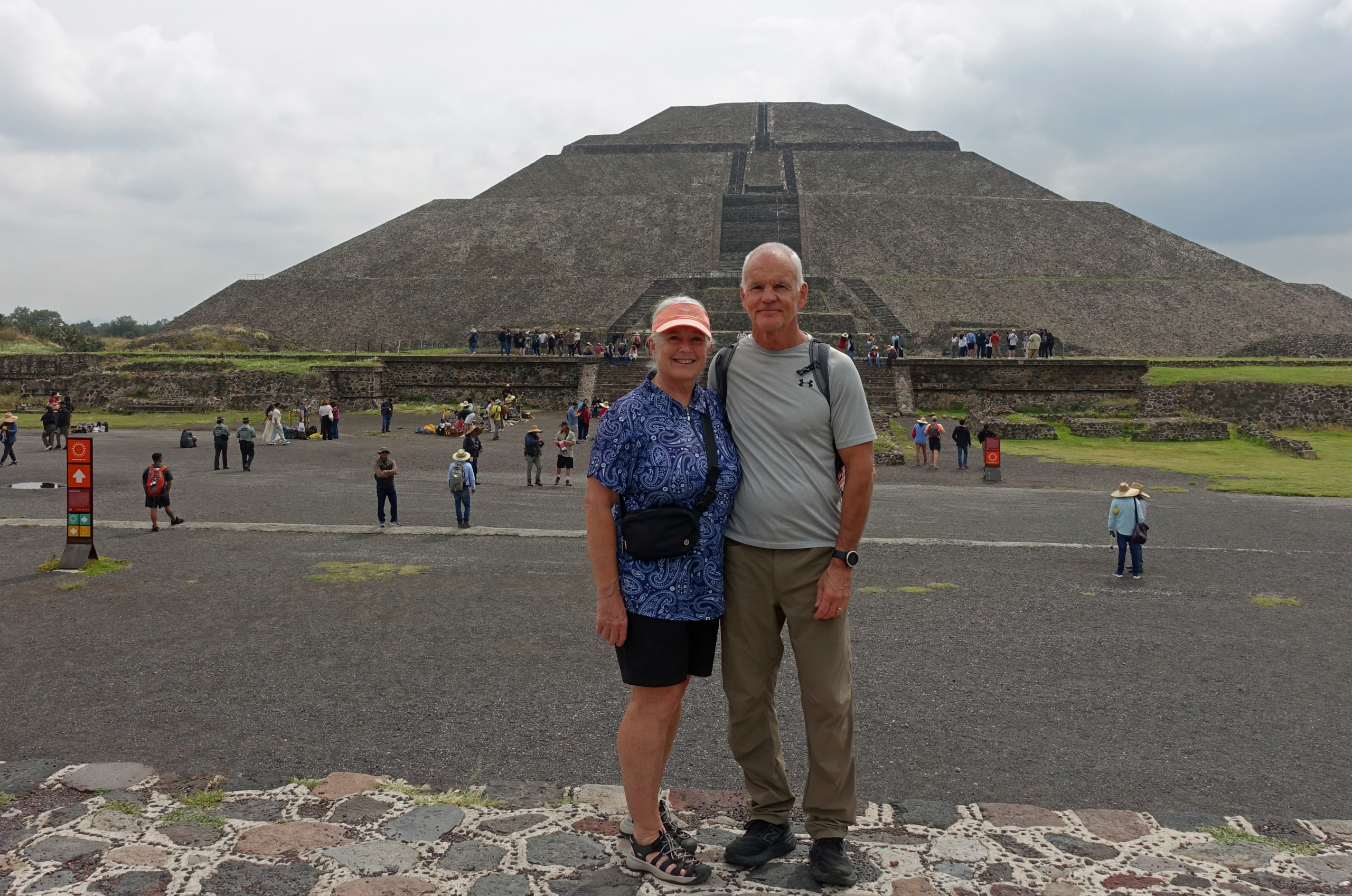
The Pyramid of the Sun stands over 215 ft (65m) tall and is the largest structure at the site, and one of the largest ancient monuments in the Western Hemisphere. Positioned along the eastern side of the Avenue of the Dead, it dominated the city’s skyline as its chief religious and ceremonial centerpiece. Constructed in two major phases between 100 AD and 200 AD, it consists of roughly 3 million tons of stone, rubble, and compacted soil core, coated in smooth lime plaster it used to be painted bright red. The flat top originally supported a temple complex where state priests performed public rituals, though it weathered away long before modern excavations.
The collapse and sudden abandonment of Teotihuacan around 550–650 AD is one of the greatest mysteries of ancient Mesoamerica. For a long time, historians believed foreign invaders or rival cities destroyed the metropolis. However, modern archaeological evidence shows that the primary cause was internal conflict, triggered and worsened by environmental disaster. Almost all major state buildings, temples, and elite palaces along the Avenue of the Dead were burned to the ground and systematically smashed.
By the time the Aztecs expanded across Central Mexico in the 14th century, Teotihuacan was already an abandoned ruin. However, the Aztecs viewed it as a sacred origin site, holding regular pilgrimages there and incorporating its myths into their own religious worldview. Today, it is a UNESCO World Heritage Site and one of Mexico’s most visited archaeological destinations.
.
.
.
.
TRIP TIPS
Our tour cost USD $133 for the two of us and in our opinion getting there early was a good decision.
.
.