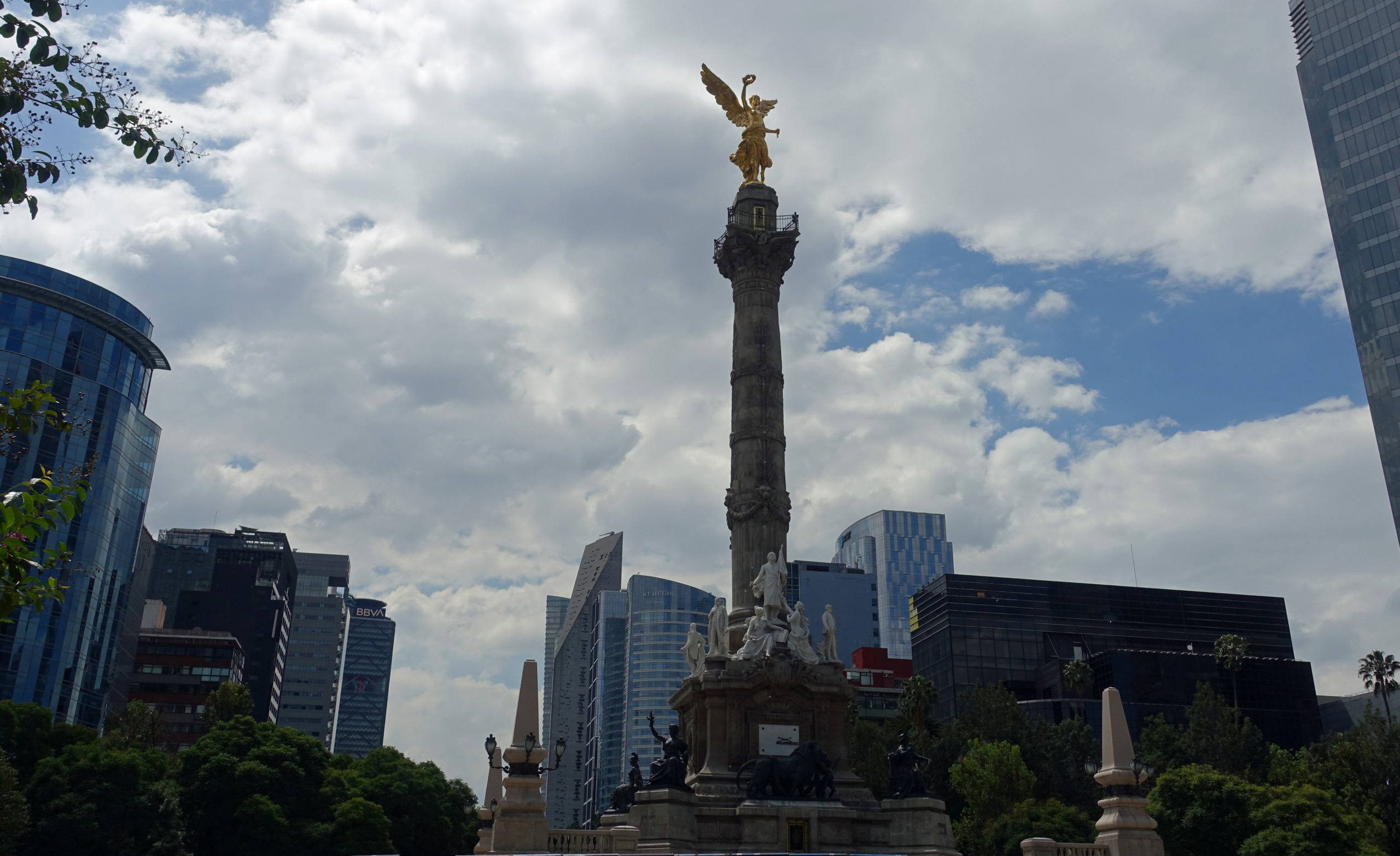
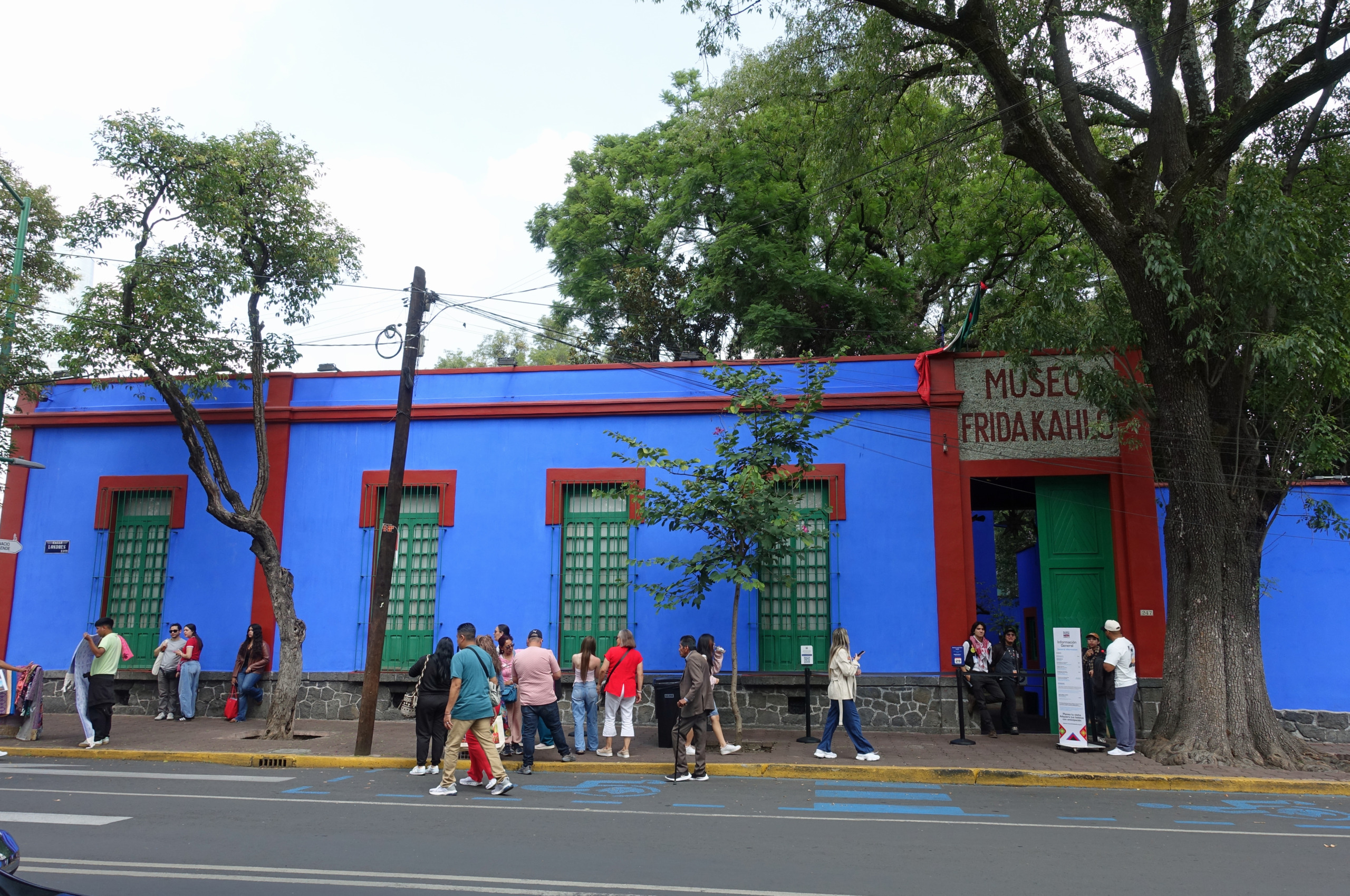
Outside the historic city center there is so much to visit that this post ended up being way longer than I thought so I had to leave a few things out. Hopefully what’s left are the interesting bits 😂 Our first excursion was to the district of Coyoacan to visit the Frida Kahlo museum. Neither of us knew much about Frida Kahlo and a few friends recommended the museum so it was time to learn about this famous Mexican artist.

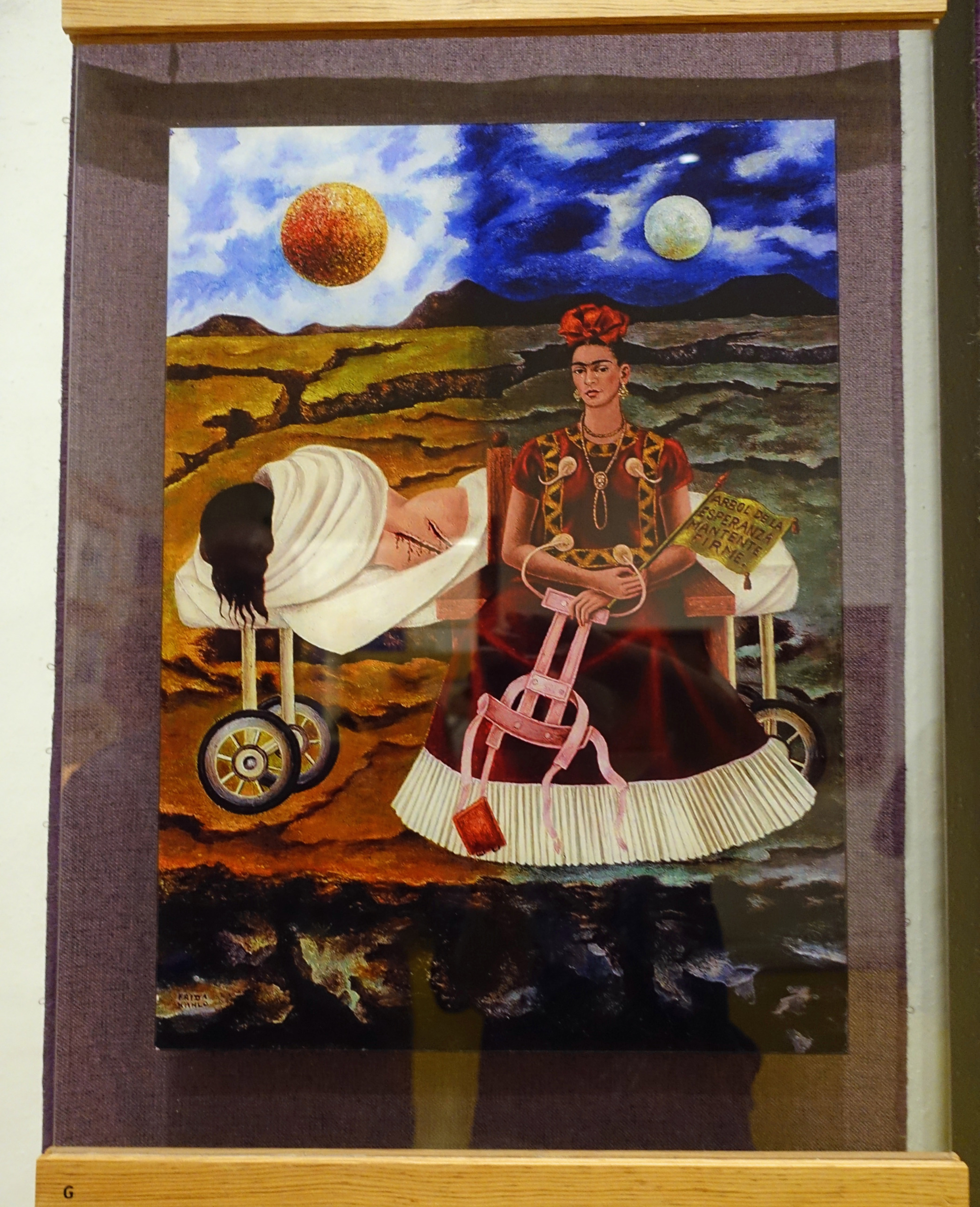
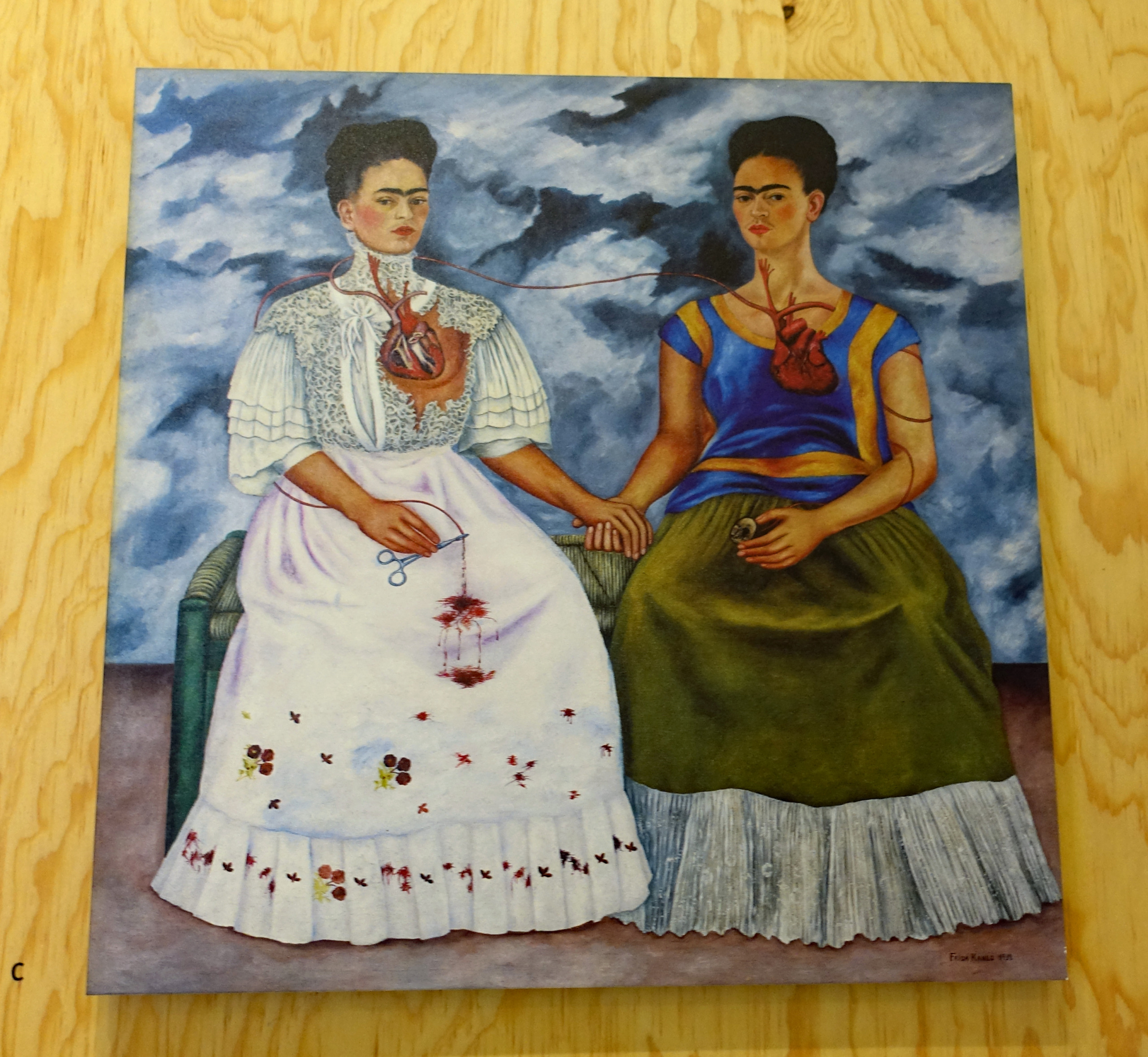
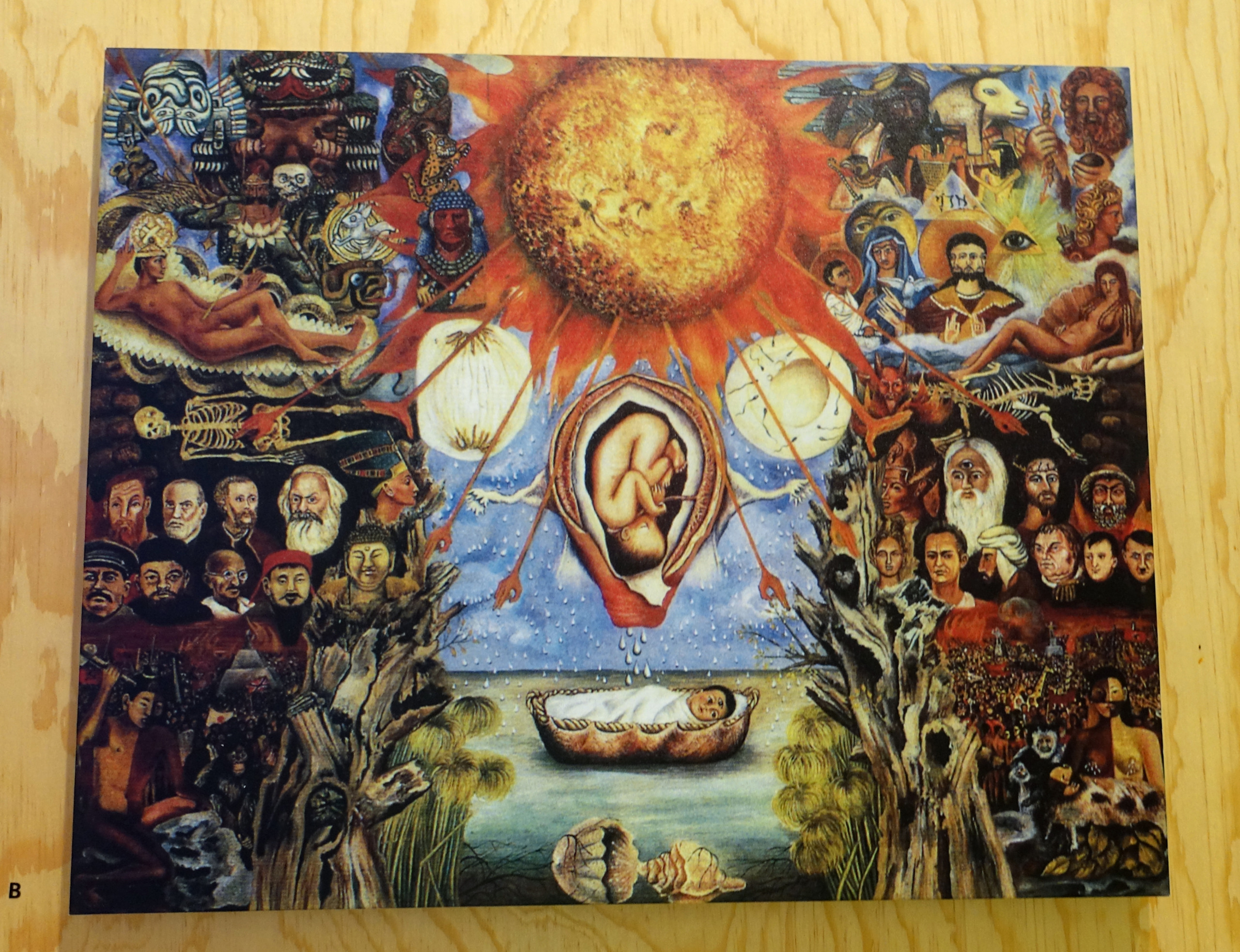
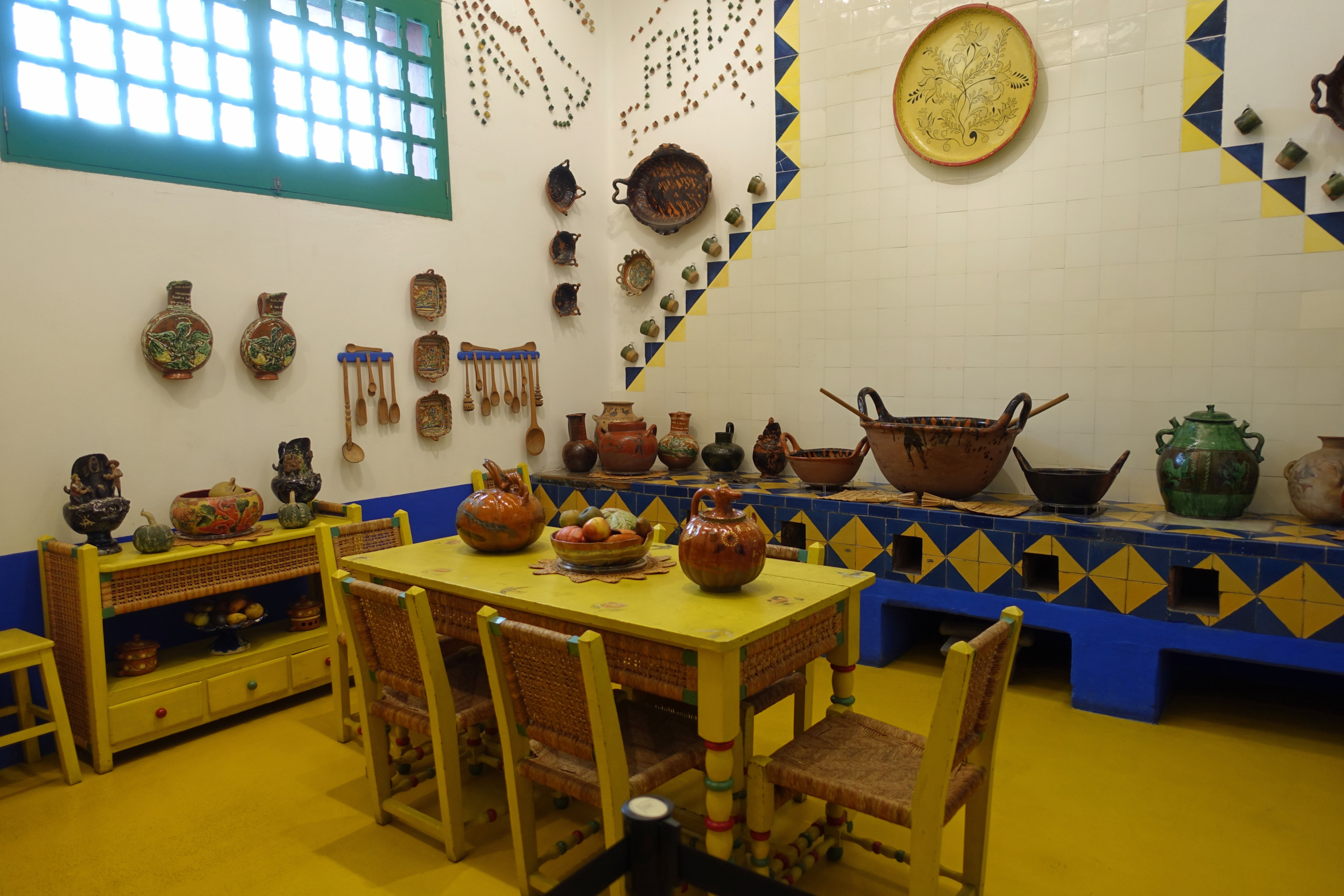
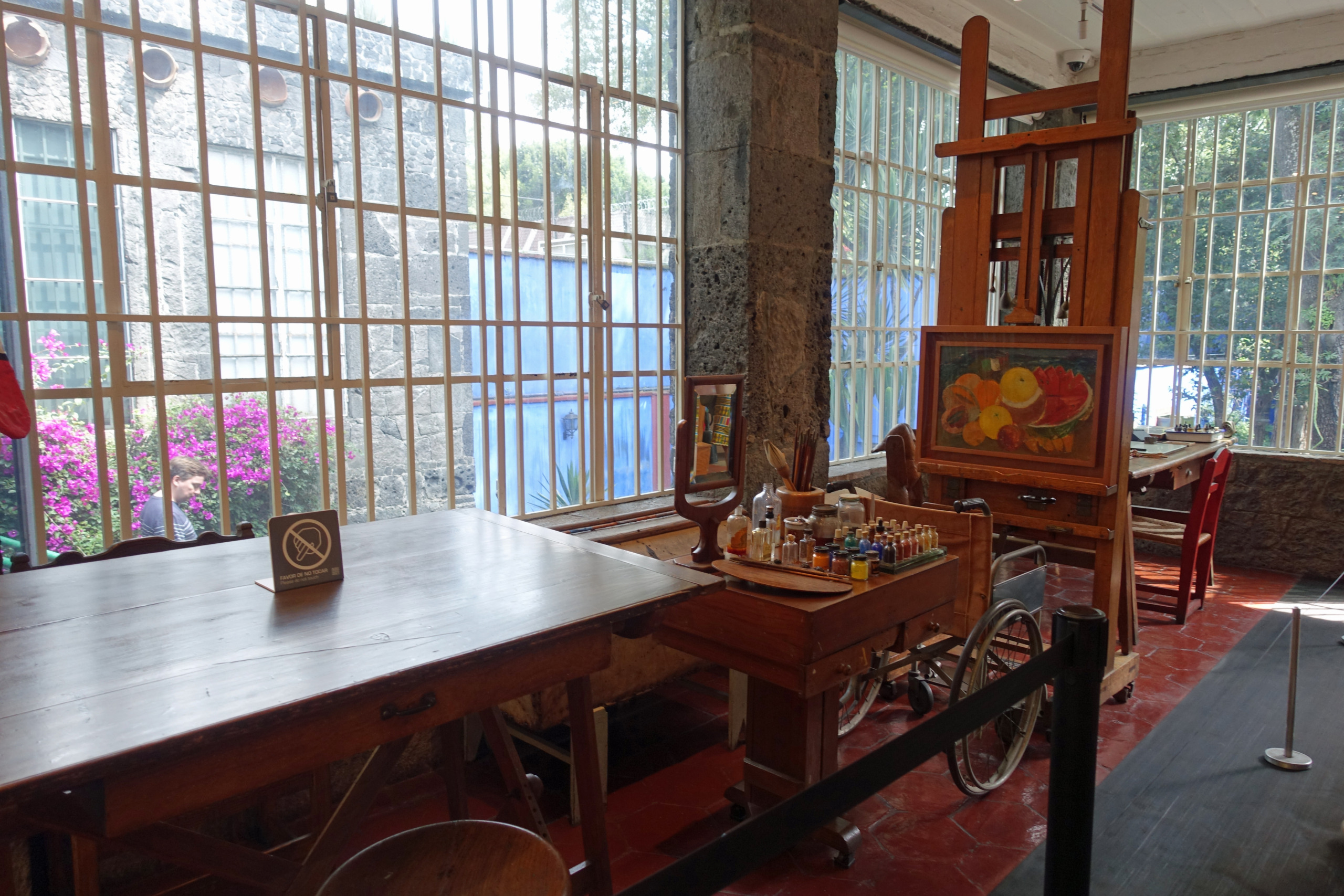
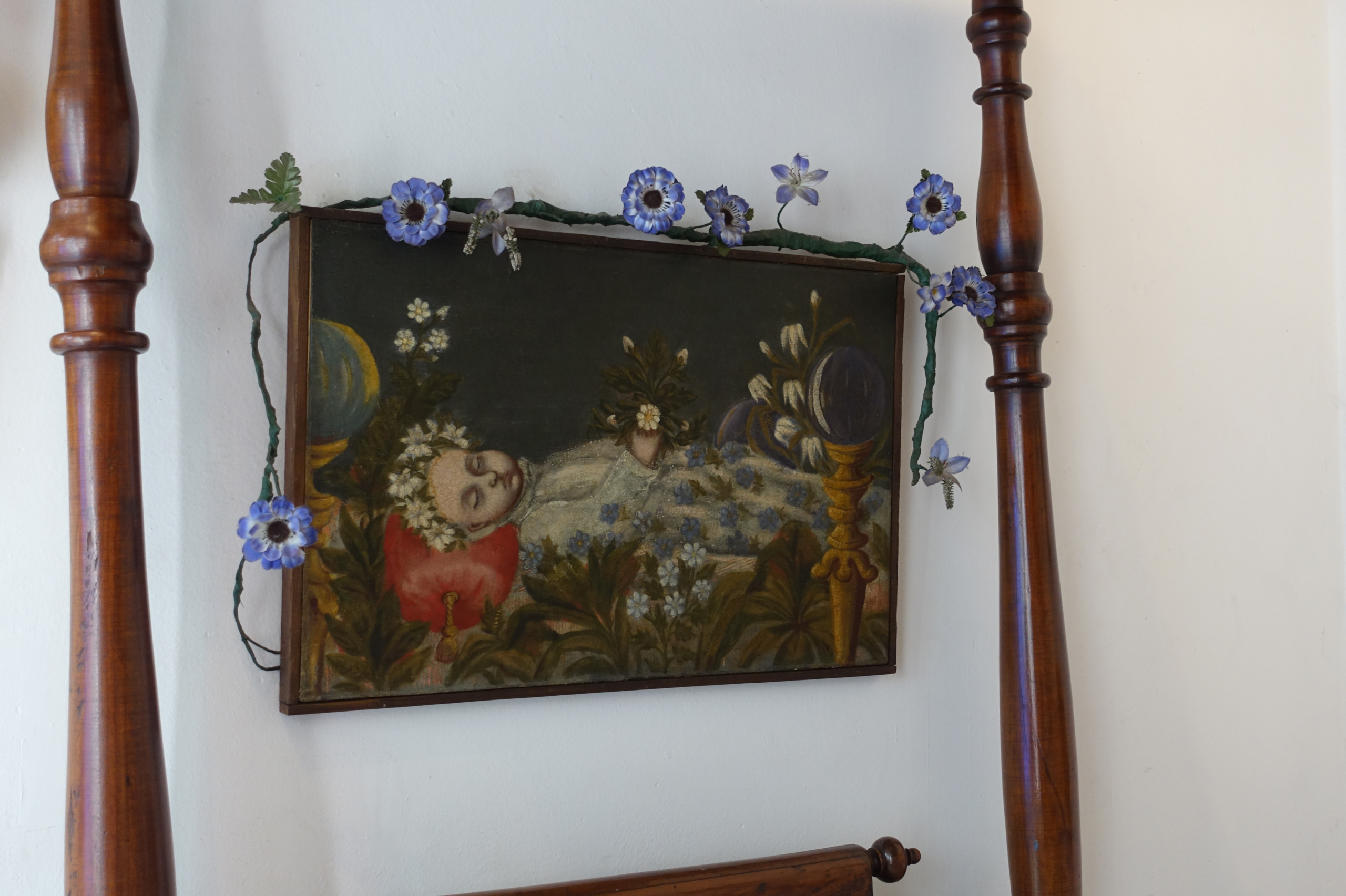
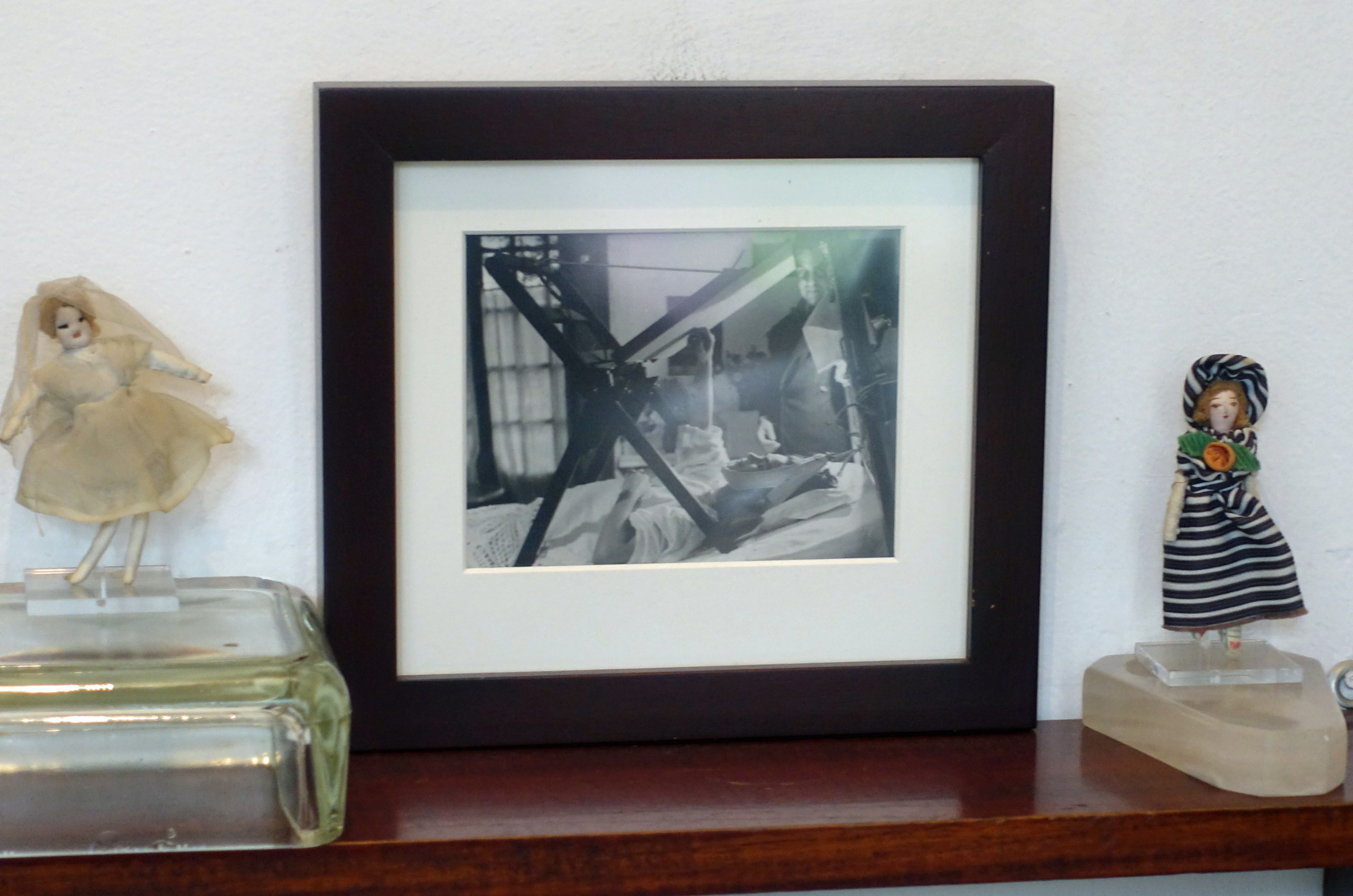
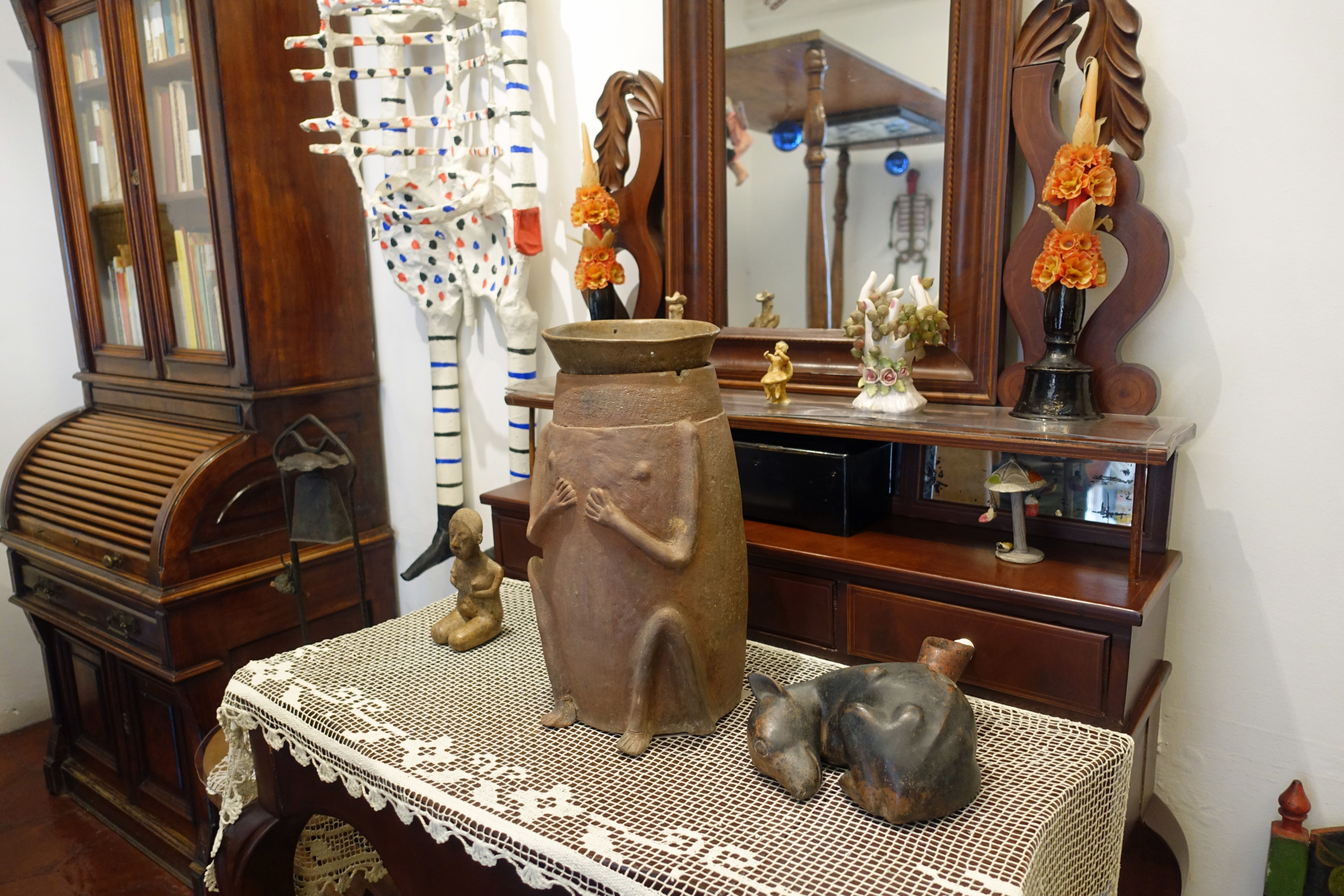
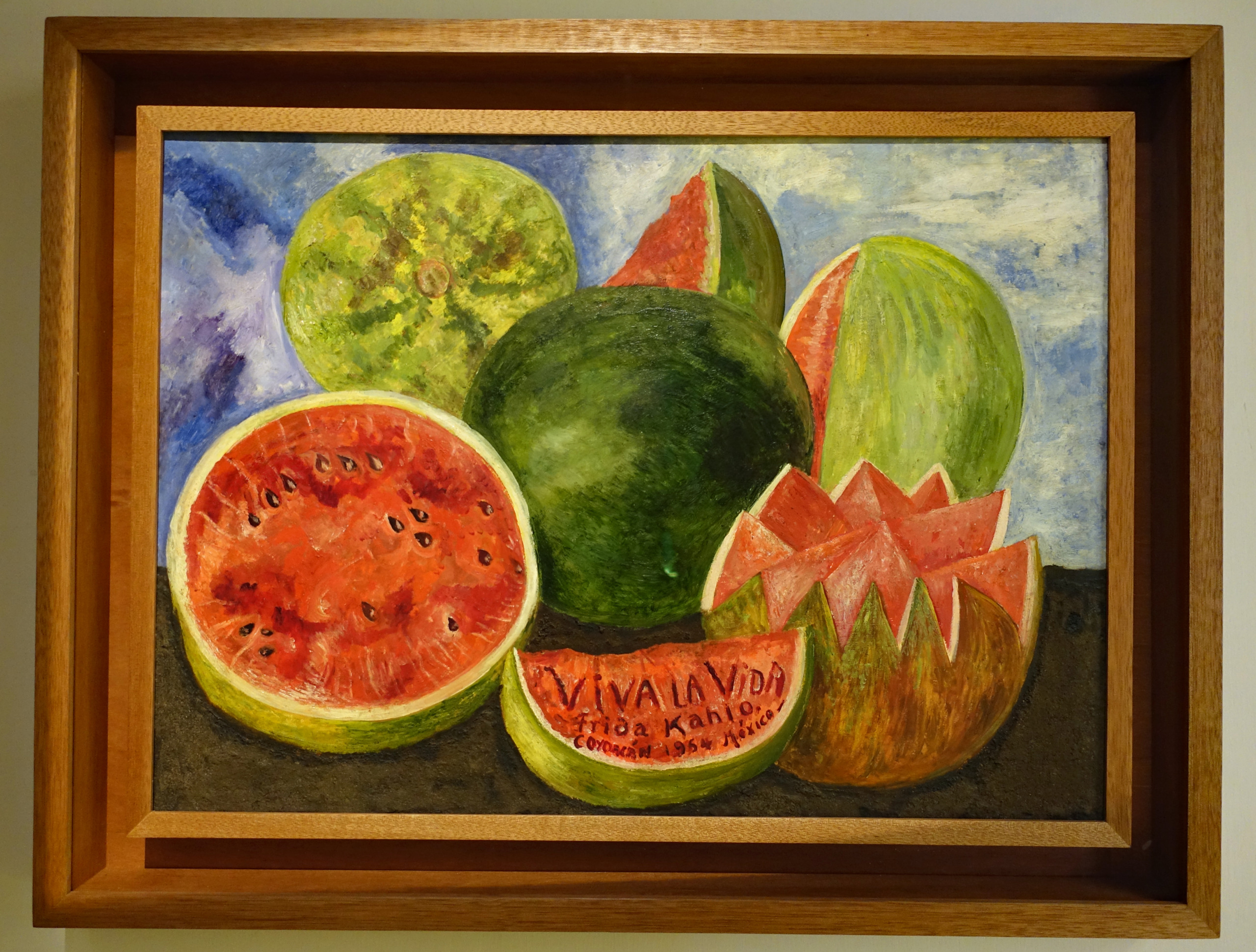
The museum, widely known as La Casa Azul (The Blue House) is one of Mexico City’s most famous cultural landmarks. It is the house where artist Frida Kahlo (1907-1954) was born, grew up, lived with her husband Diego Rivera, and ultimately passed away. She is one of the most influential and celebrated artists of the 20th century, renowned for her striking self-portraits and deeply personal symbolism. She contracted polio at age 6 and had a catastrophic bus accident at age 18, both altering her life permanently. During months of bedridden recovery after the bus accident she began painting self-portraits to pass the time, using a special easel and an overhead mirror above her bed. She famously remarked “I paint myself because I am so often alone and because I am the subject I know best”. The house is as she left it upon her death in 1954 showcasing her second-floor workspace filled with original brushes, pigments, easel and wheelchair. Above her bed you can see the overhead mirror Kahlo used to paint many of her famed self-portraits. While her major masterpiece paintings are in international galleries, there are still a few notable works on display. In 1929, she married famous Mexican muralist Diego Rivera—who was 20 years her senior. Although Rivera was the globally recognized master during their lifetimes, Kahlo forged an entirely unique artistic vision separate from the grand political muralism of her husband. We enjoyed our visit and learning about the life of Frida Kahlo. Tickets can sell out weeks in advance and must be purchased via the official museum website. Our seniors tickets cost MX 30 pesos each.


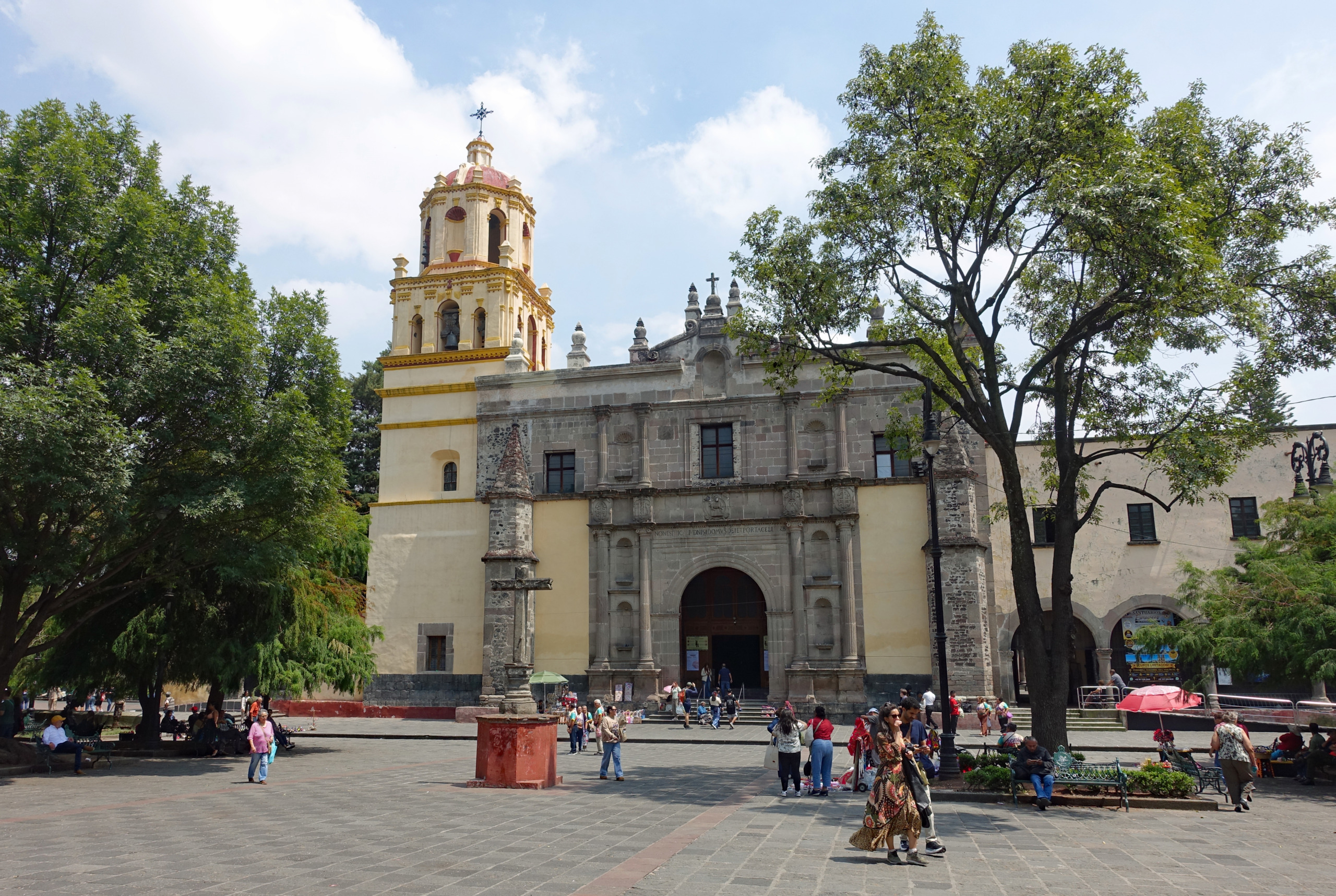
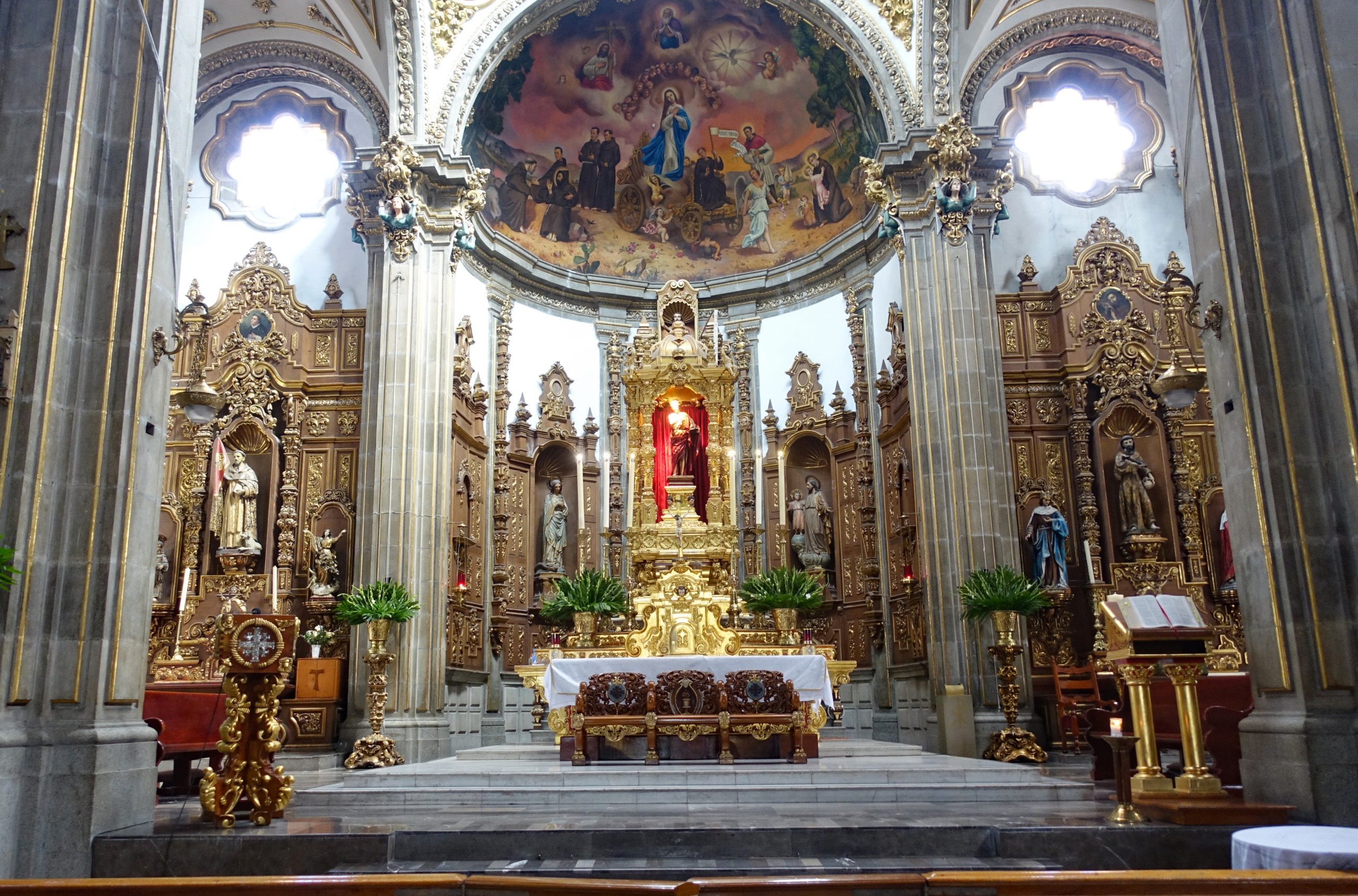
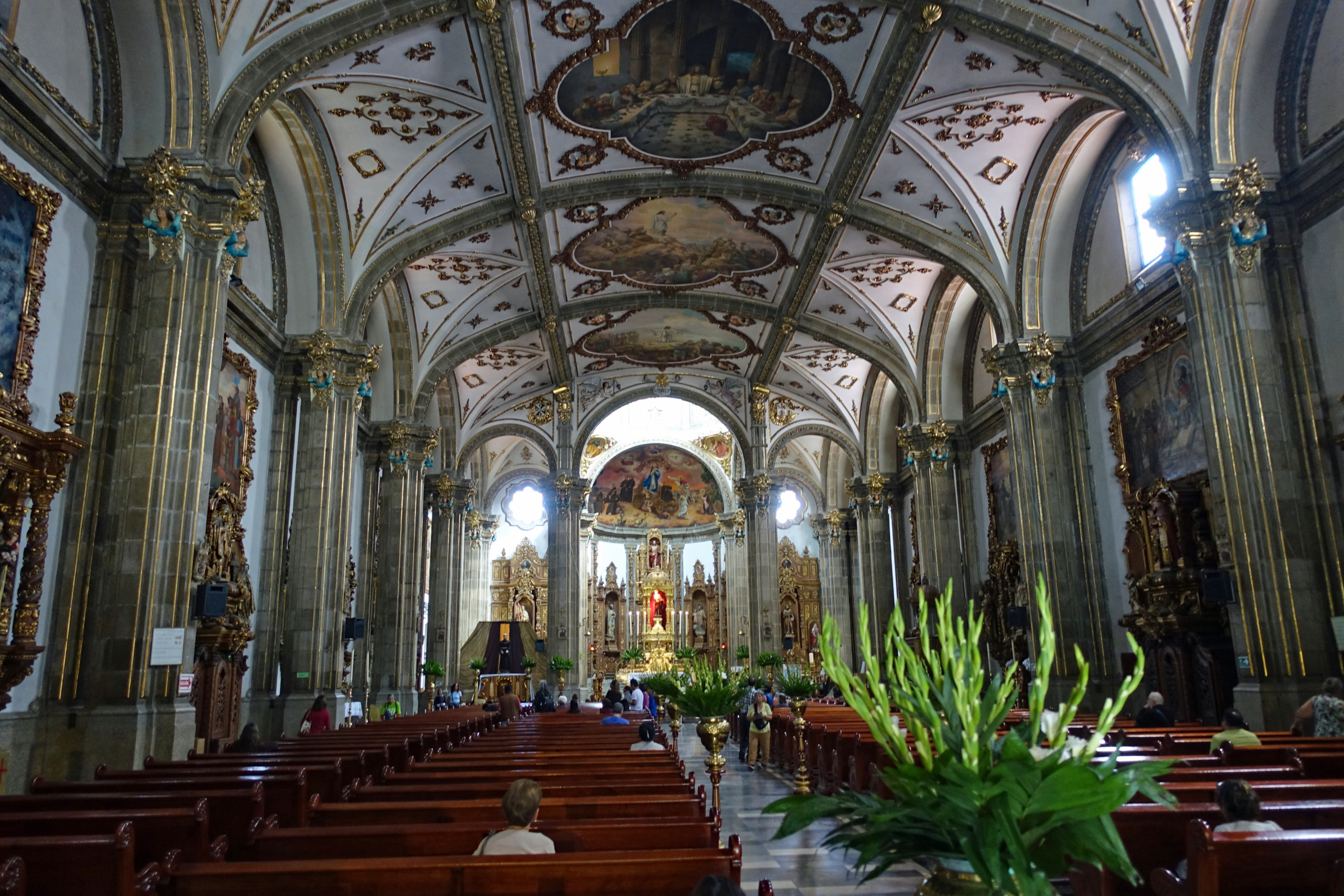
In Coyoacan is Parroquia San Juan Bautista, an iconic parish church and former Franciscan monastery overlooking Jardin Hidalgo. Blair always says I cannot pass a church without looking inside, and this was no exception 😂 Recognized as one of the oldest and most architecturally significant religious sites in Mexico City, it is renowned for its lavish Mexican Baroque ornamentation, gilded altarpieces, and historical frescoes. The barrel-vaulted ceiling and walls are decorated with dramatic 20th-century frescoes and paintings illustrating scenes from the life of Saint John the Baptist and Franciscan history. The monastery was built between 1520 and 1552 and declared a national historic monument in 1934. It’s worth a visit if you are in the neighborhood.
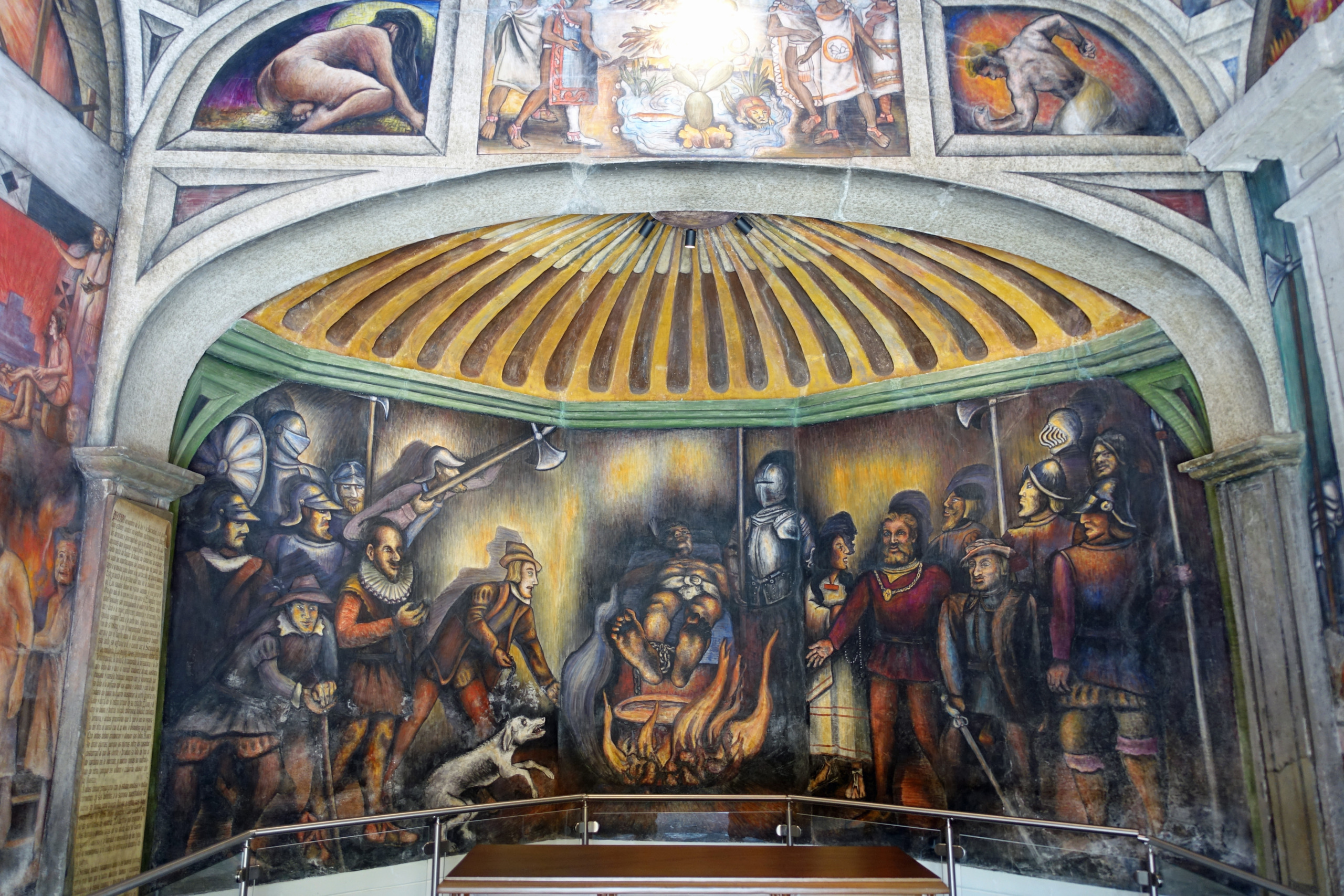
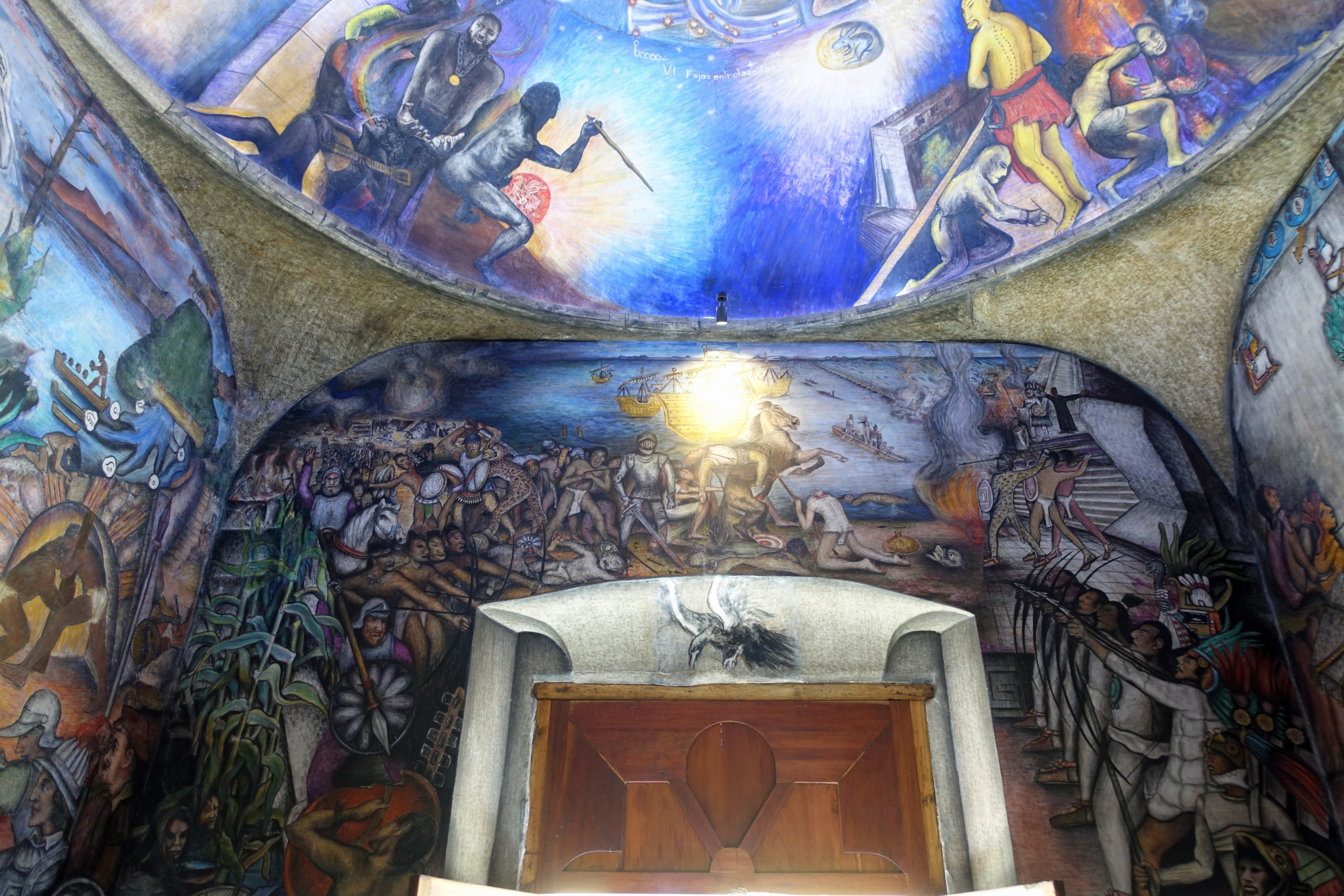
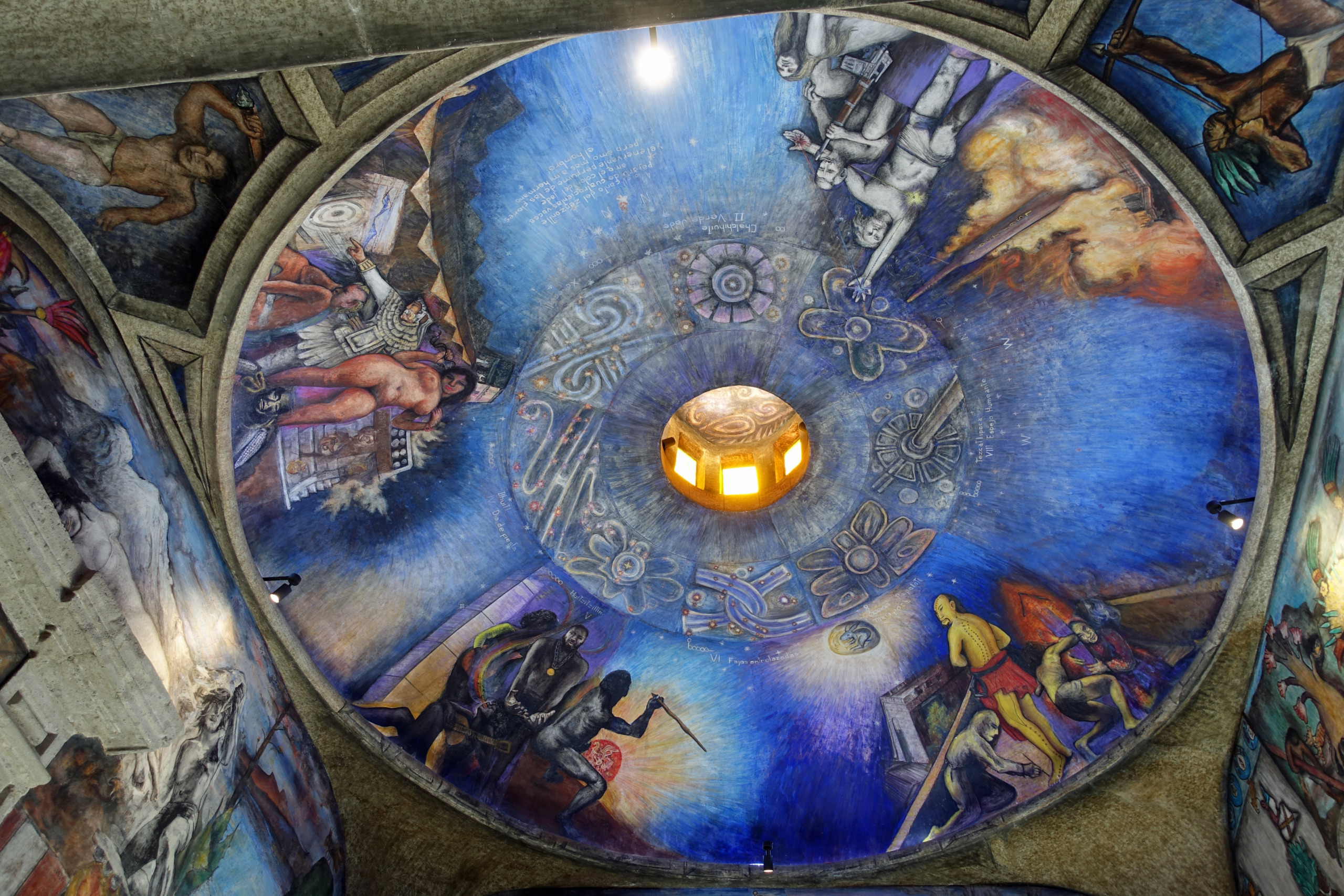
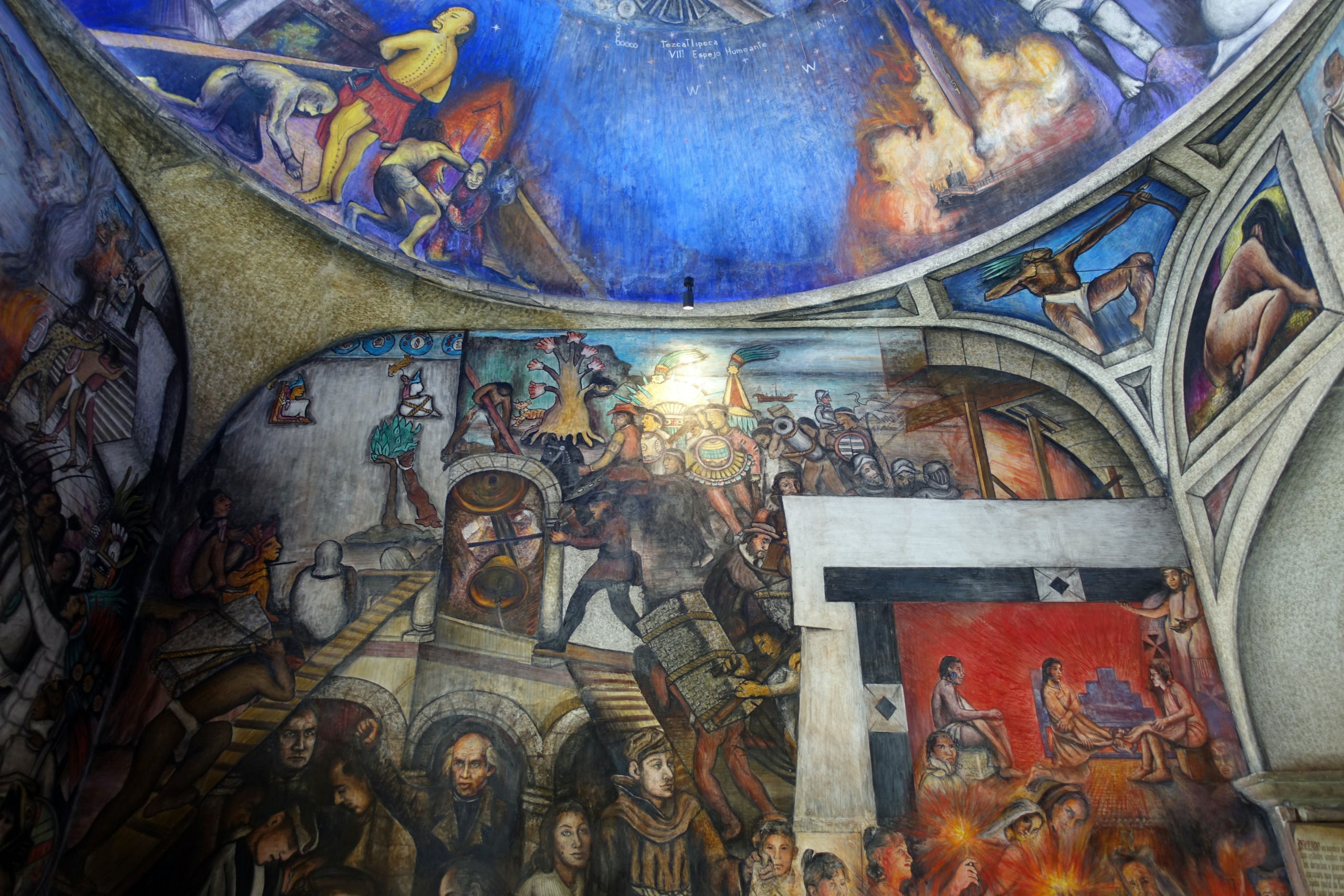
Across the park from the monastery is the civil registry building which houses a mural by Maestro Diego Rosales, a prominent Mexican painter, muralist, and assistant to Diego Rivera (Frida Kahlo’s husband). While the building functions as a government office, there is a little room housing one of Coyoacan’s most dramatic pieces of mid-century art. The mural depicts the violent and tragic events of the Spanish Conquest of the Aztec Empire. Its central theme focuses on the torture of Cuauhtémoc, the last Aztec Emperor. Following the fall of Tenochtitlan in 1521, Hernán Cortés ordered Cuauhtémoc and the lord of Tlacopan to have their feet held over a fire to force them to reveal the location of hidden Aztec gold—a secret Cuauhtémoc famously refused to give up. Covering approximately 110 square meters, the mural is not just on a single flat wall. It sweeps across the walls, extending up into the vaulted ceiling and dome. We stumbled across this little gem quite by accident.
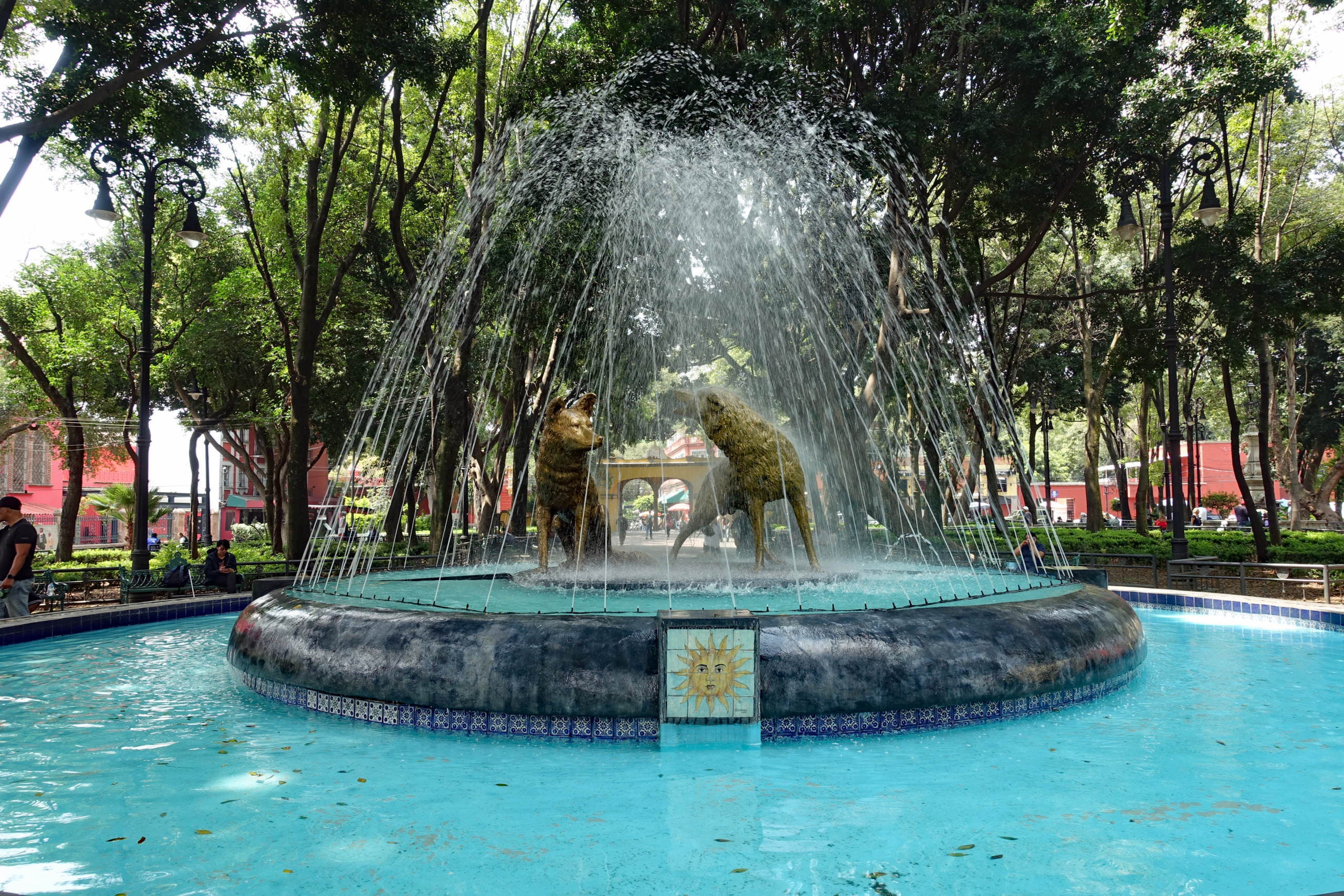
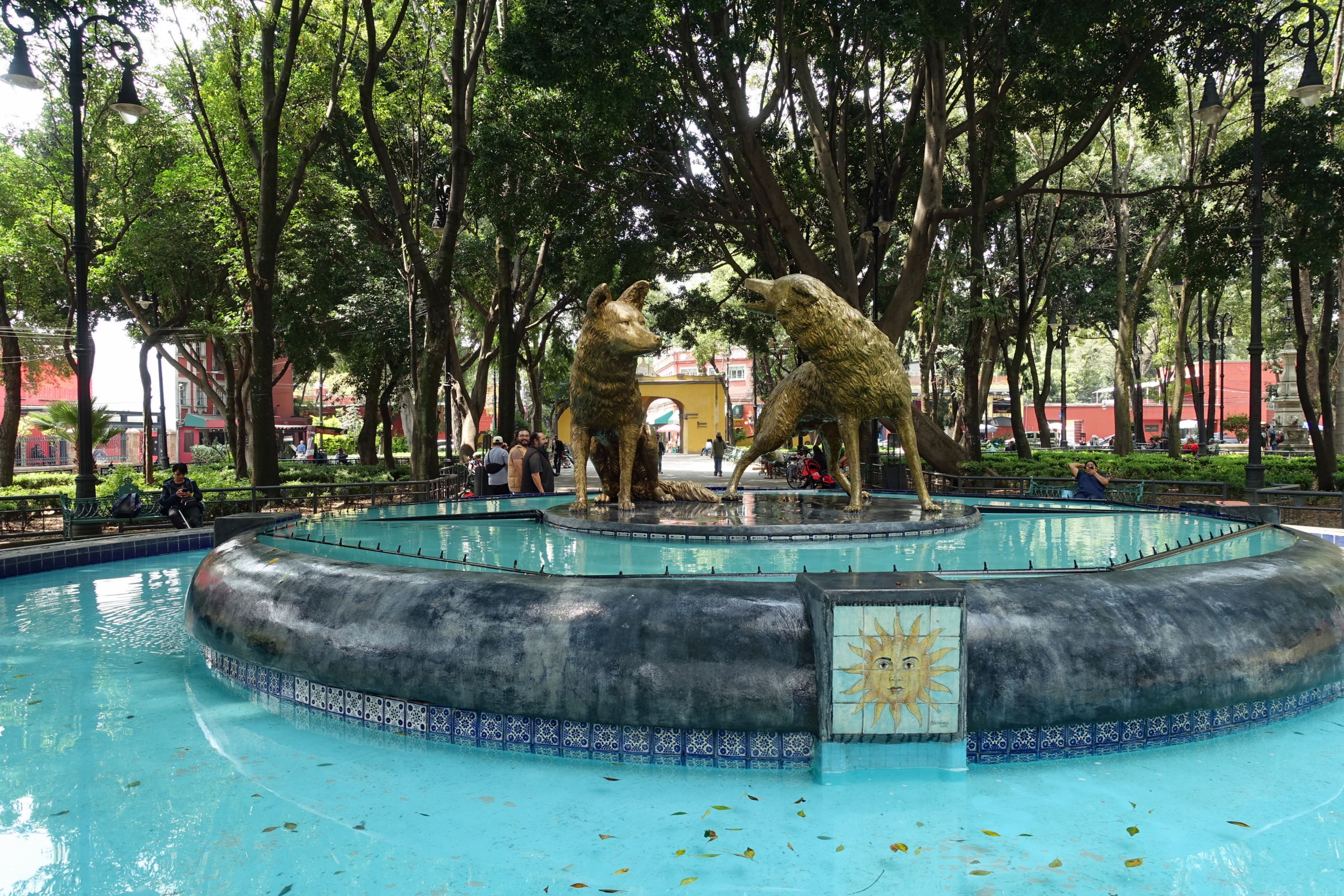
The name ‘Coyoacan’ translates to ‘Place of Coyotes’ and steps from the monastery is the Fuente de los Coyotes (Fountain of the Coyotes), a central landmark and meeting point in Coyoacan. The circular stone fountain features two life-sized bronze coyotes howling toward the sky amidst surrounding water jets.
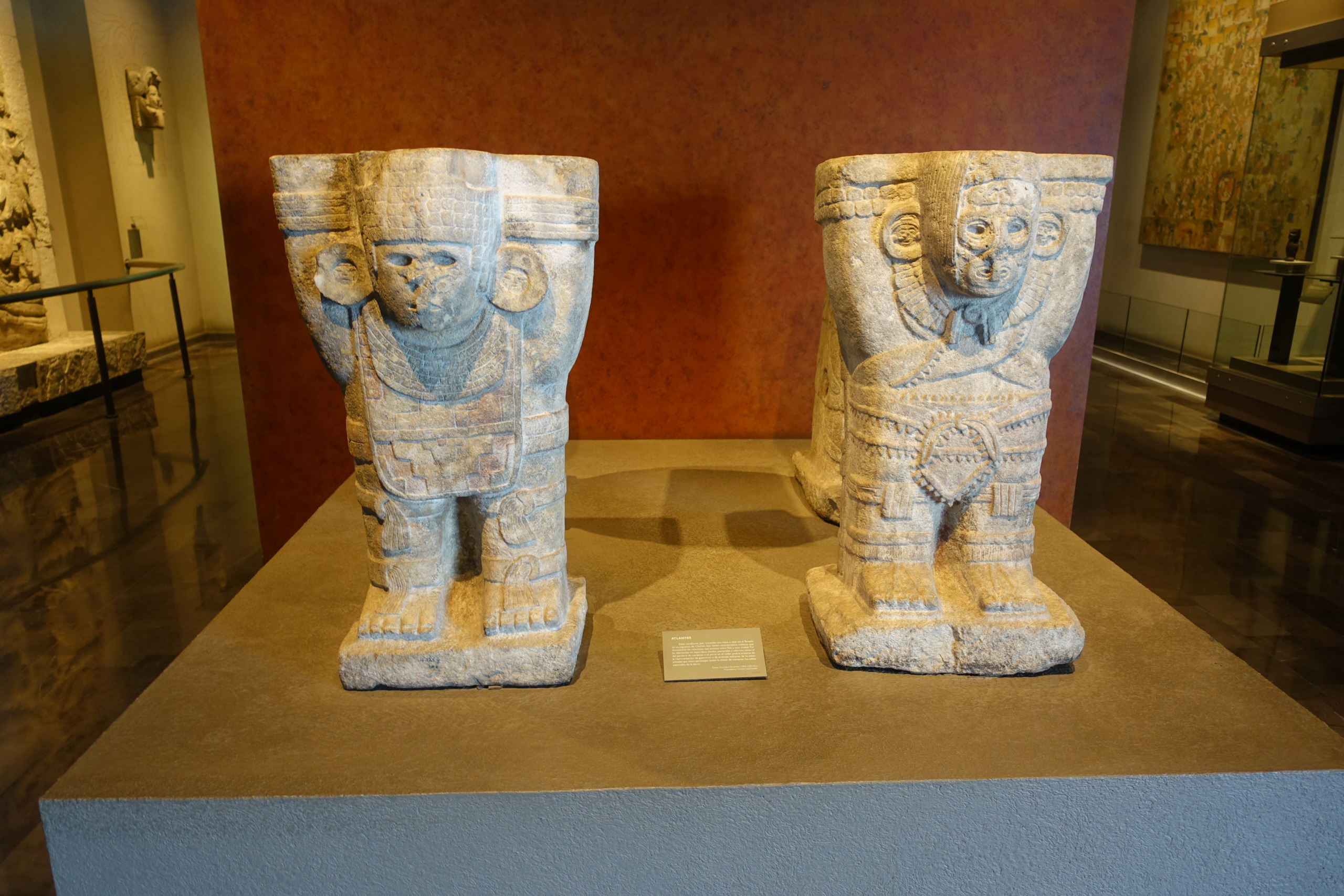
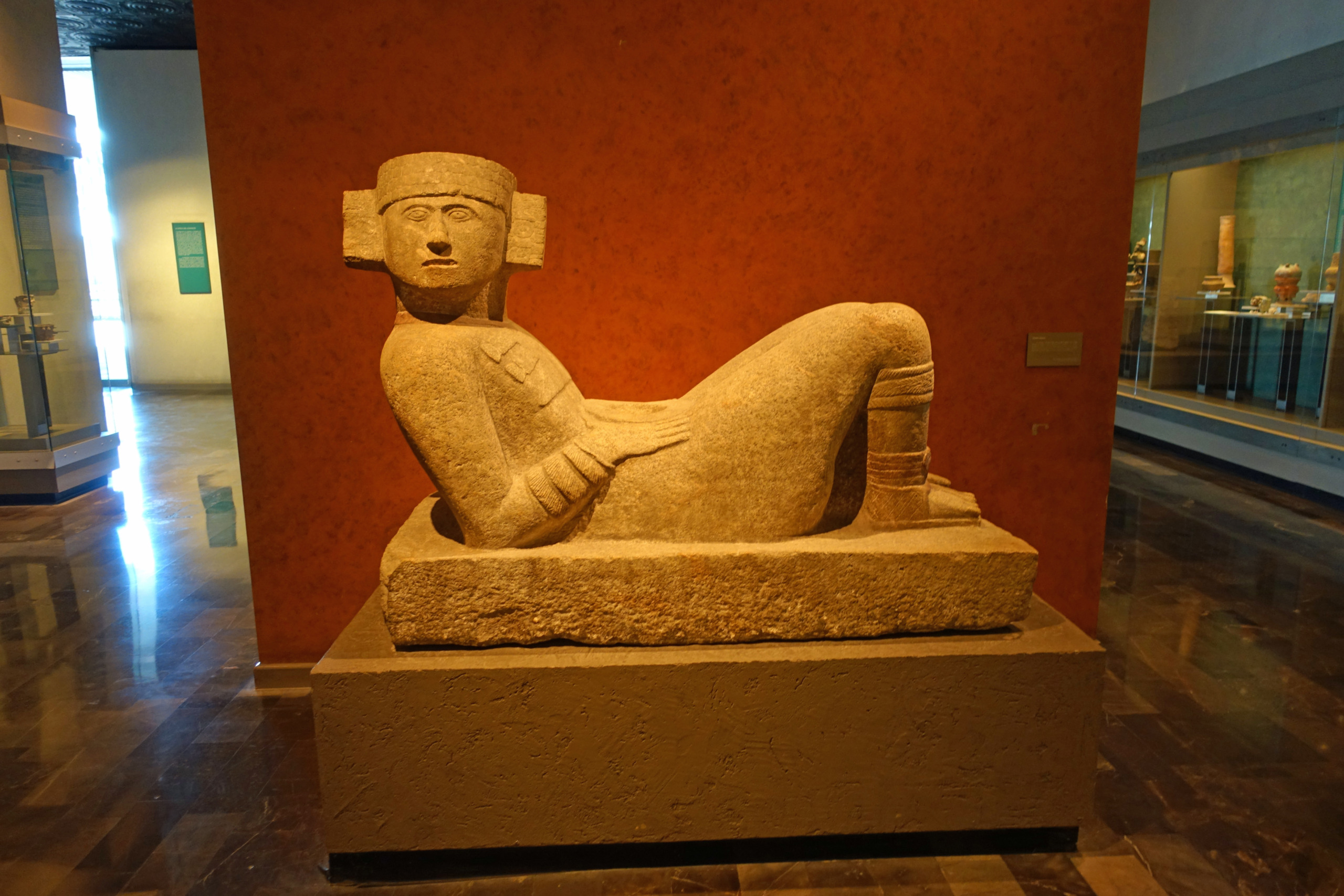
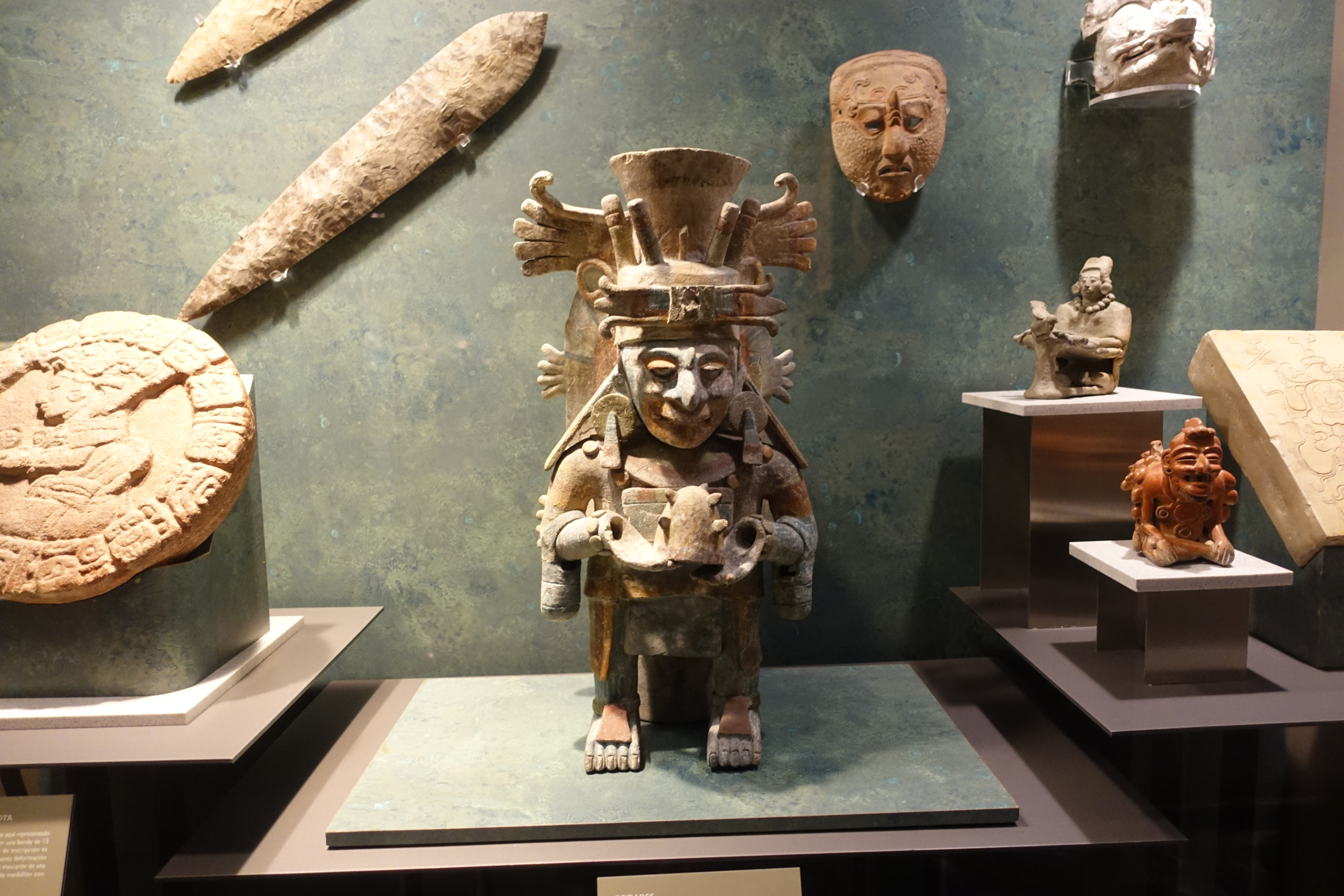
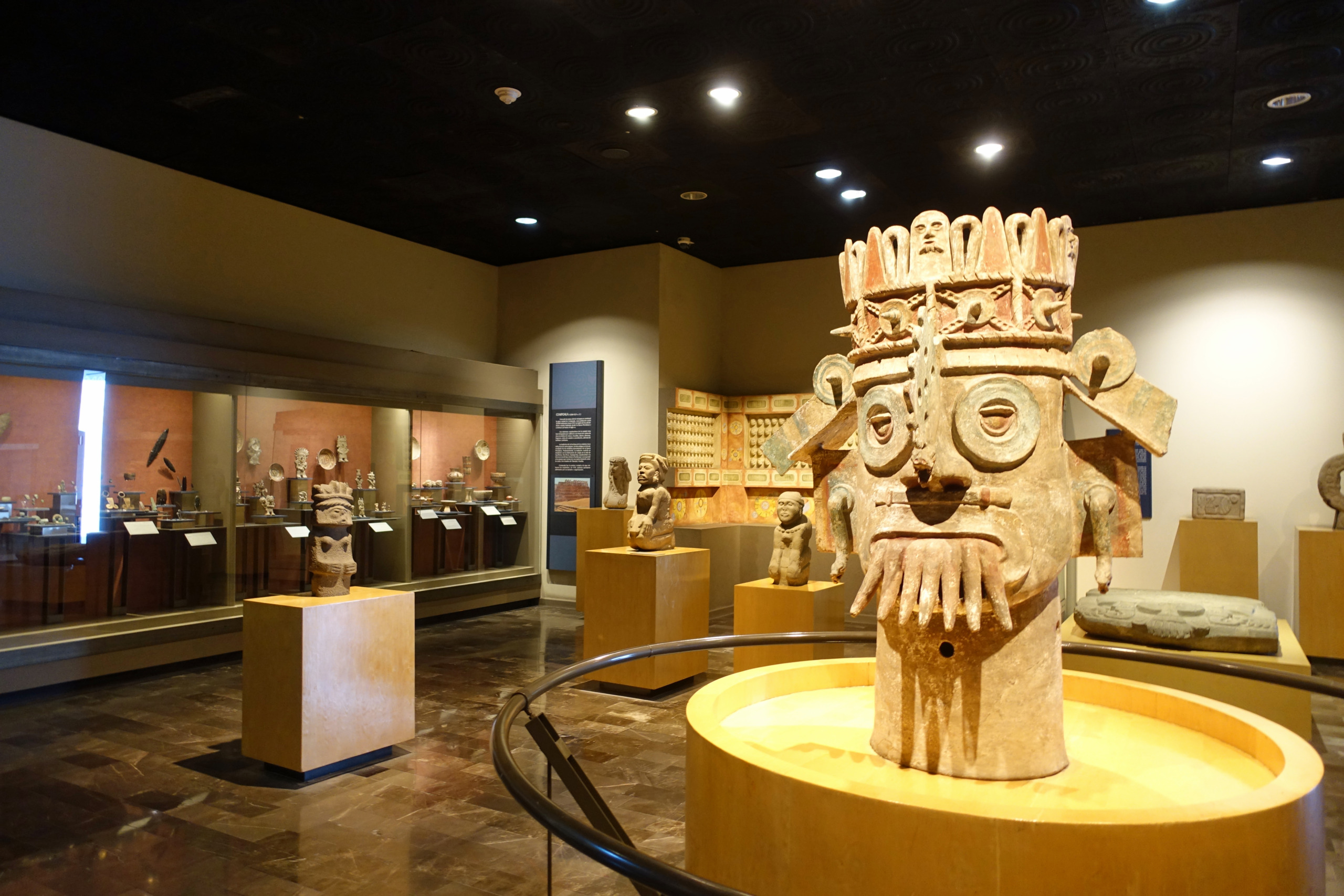
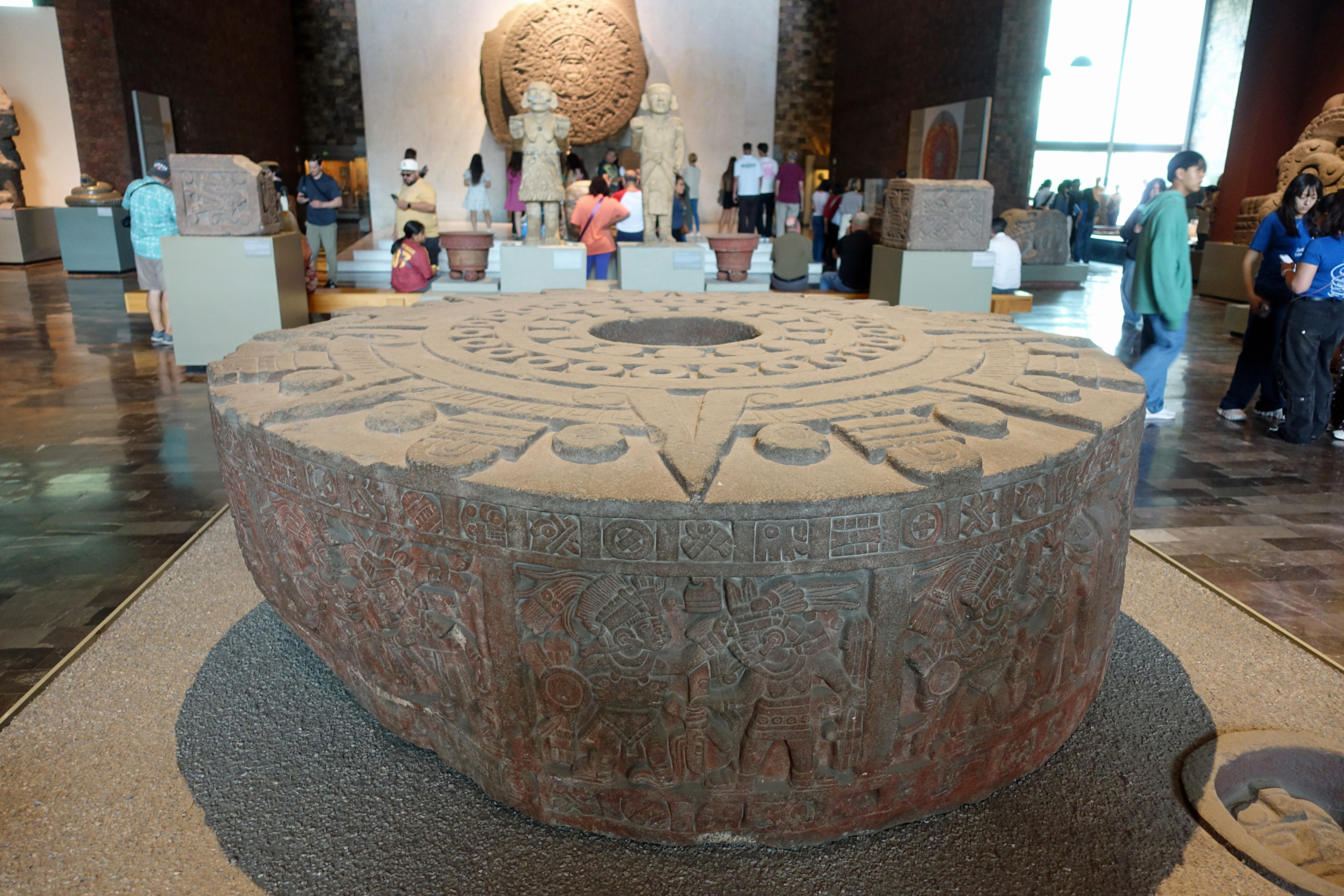
The National Museum of Anthropology is the largest and most visited musem in Mexico, holding the world’s most extensive collection of pre-Columbian Mesoamerican art and artifacts. Covering the museum in one visit is impossible!! The ground level alone features 11 major halls dedicated to the various pre-Columbian civilizations that inhabited Mesoamerica. The central open-air courtyard is dominated by a giant, single-columned umbrella shelter featuring a roaring interior waterfall. The column itself is wrapped in carved bronze reliefs depicting Mexican history. The Aztec Hall (Mexica) is the museum’s centerpiece hall, housing the famous Aztec Sun Stone, the monolithic stone statue of Coatlicue, and a detailed model of the ancient Aztec capital, Tenochtitlan. The Maya Hall showcases stone stelae, carved lintels, and a full-scale reconstruction of the underground tomb chamber of King Pakal the Great from Palenque, complete with his jade death mask. The Olmec Hall features massive carved Colossal Olmec Stone Heads dating back over 2,500 years from the Gulf Coast region. The Teotihuacan & Oaxaca Halls feature reconstructions of the Temple of the Feathered Serpent from Teotihuacan, gold offerings from Monte Albán’s Tomb 7, and Zapotec funerary urns. We managed to breeze through all 11 halls in a mere 3.5 hours, and I know we did not do justice to this amazing museum. Tickets cost MX 210 pesos each.
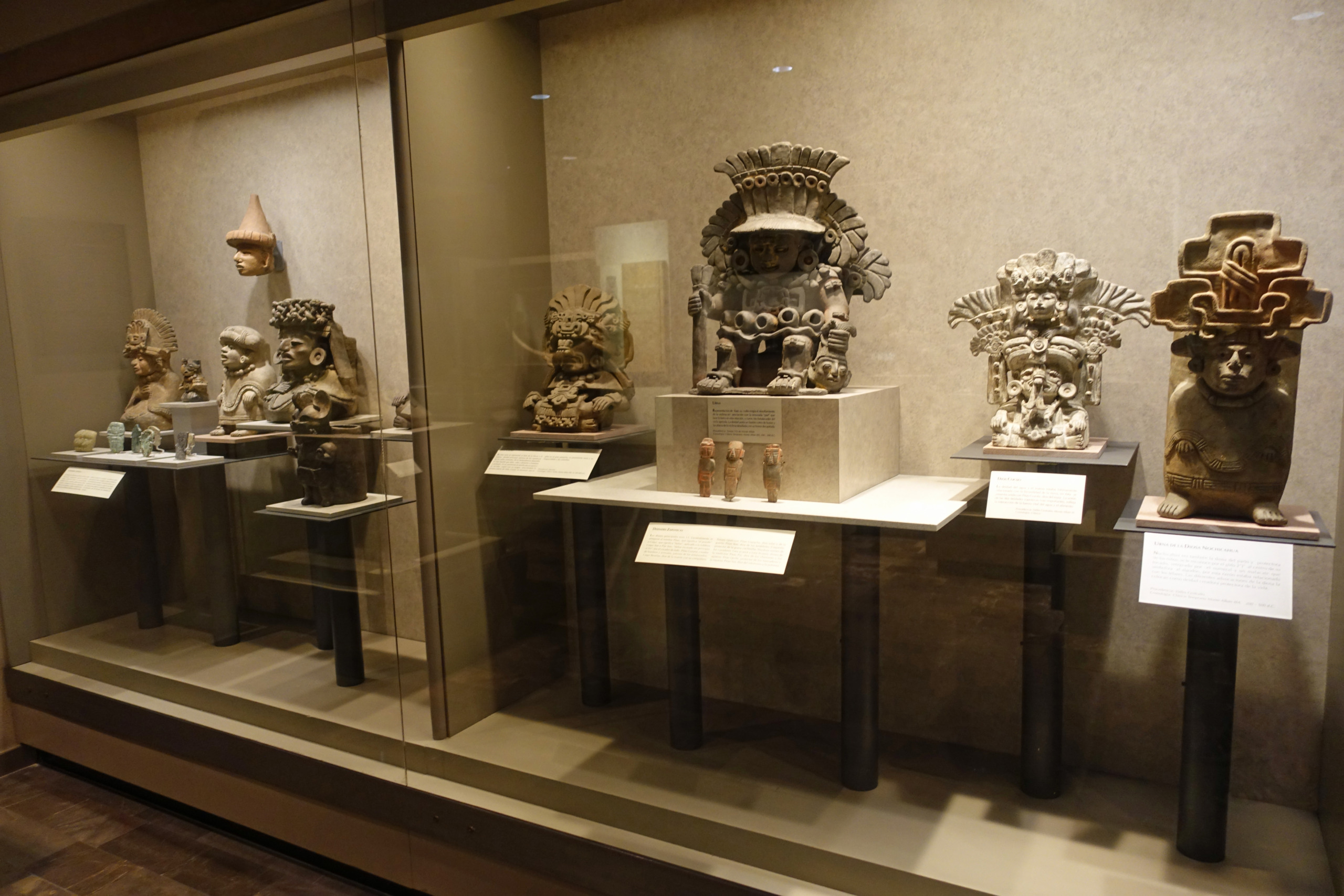
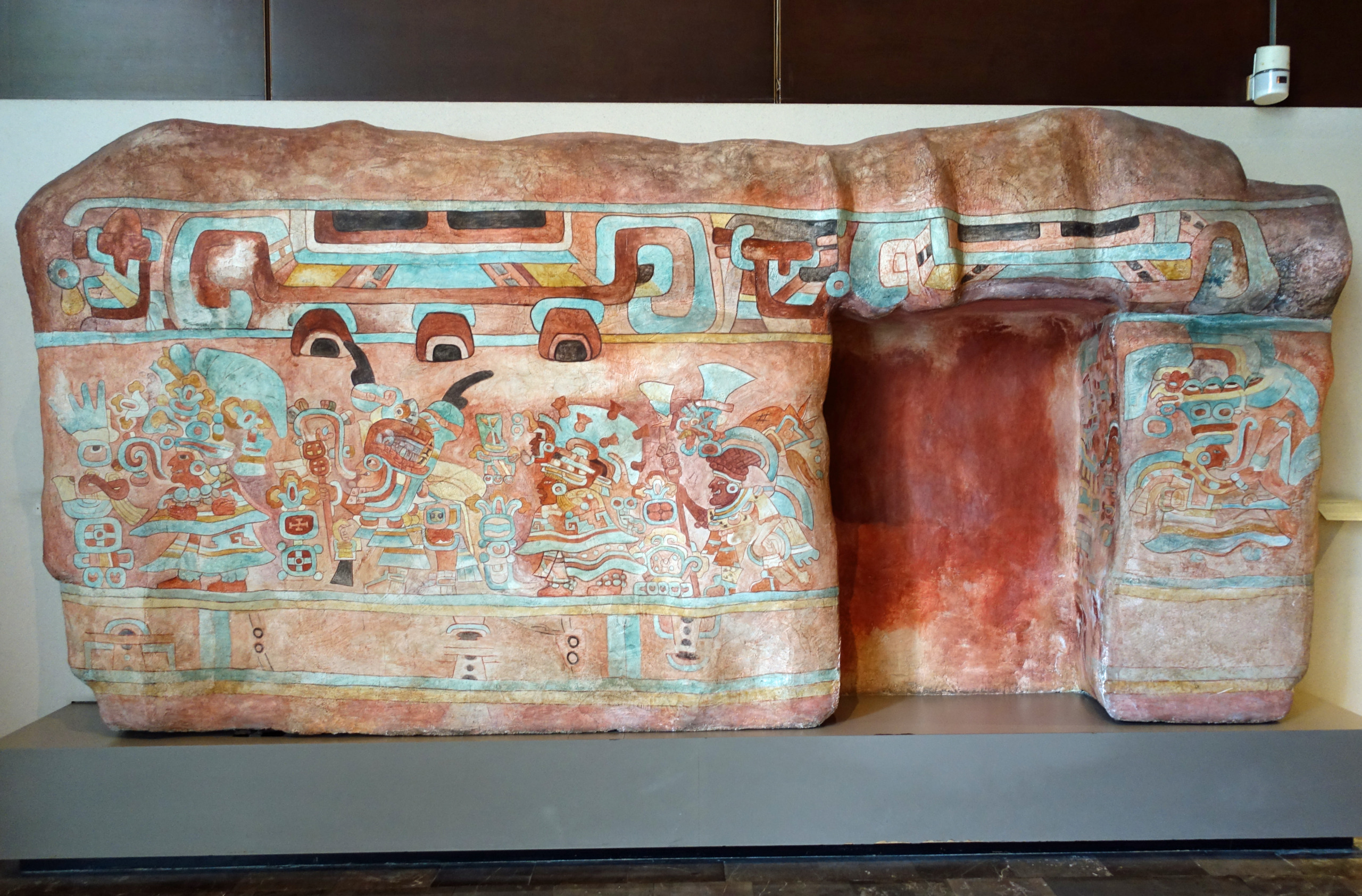
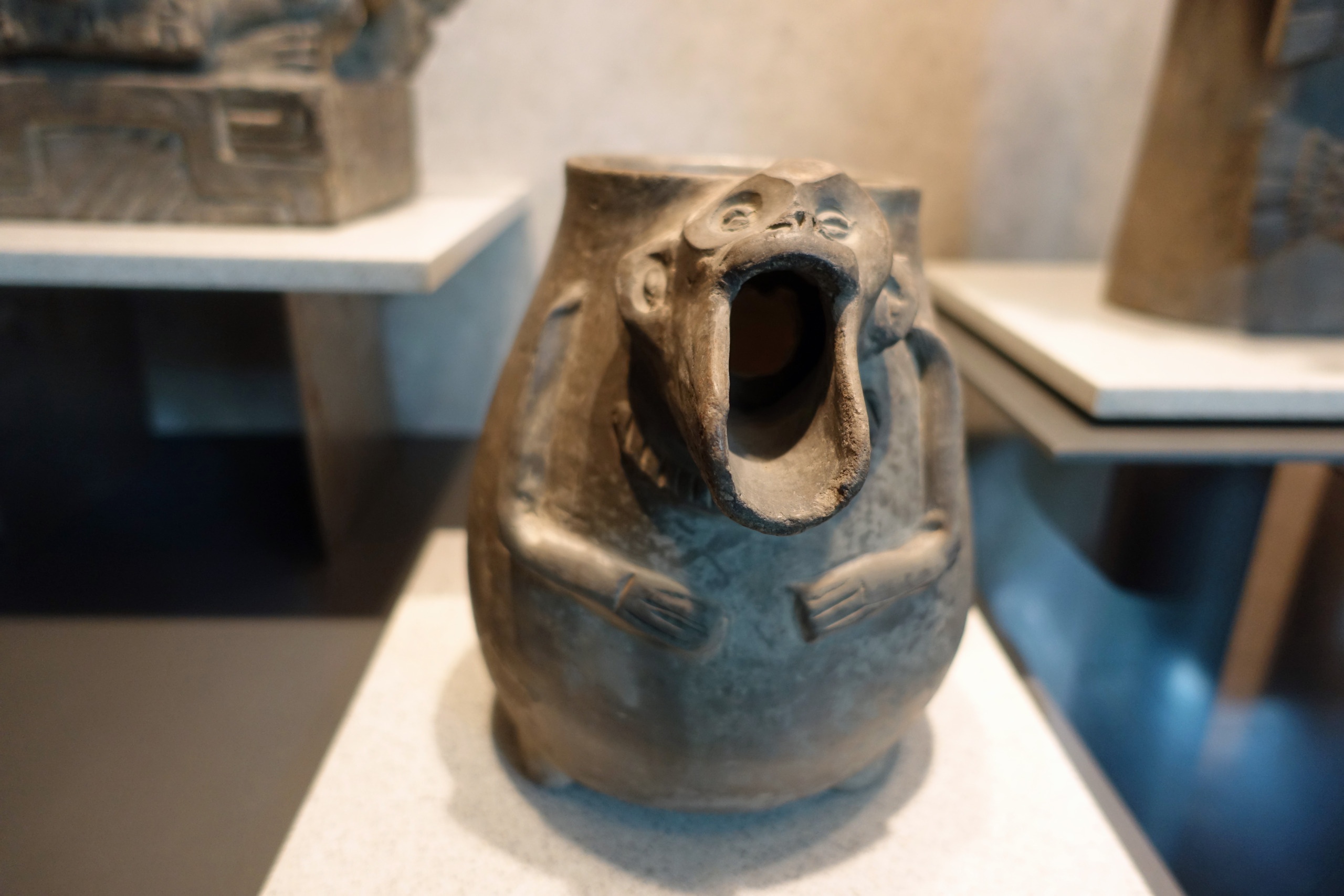
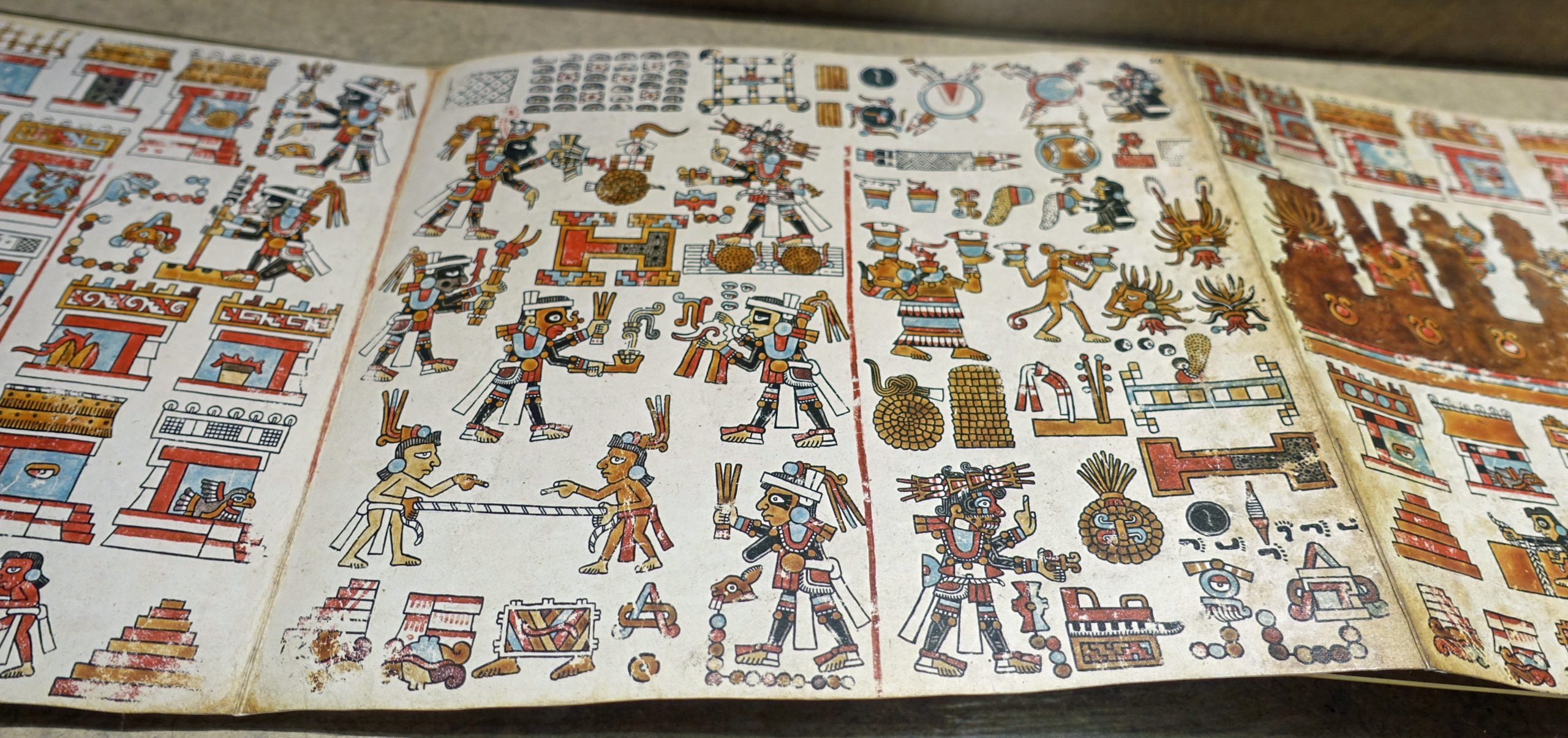
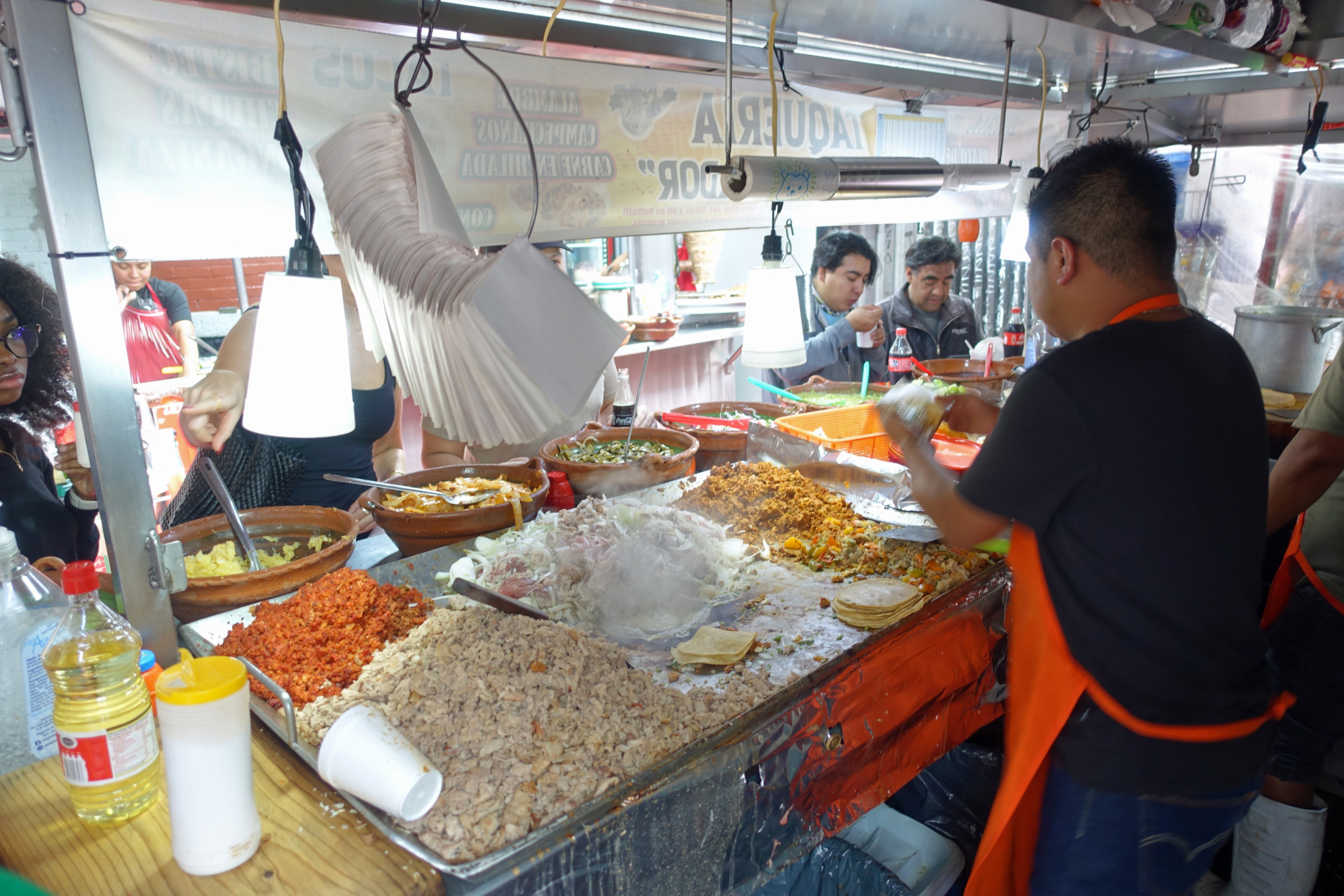
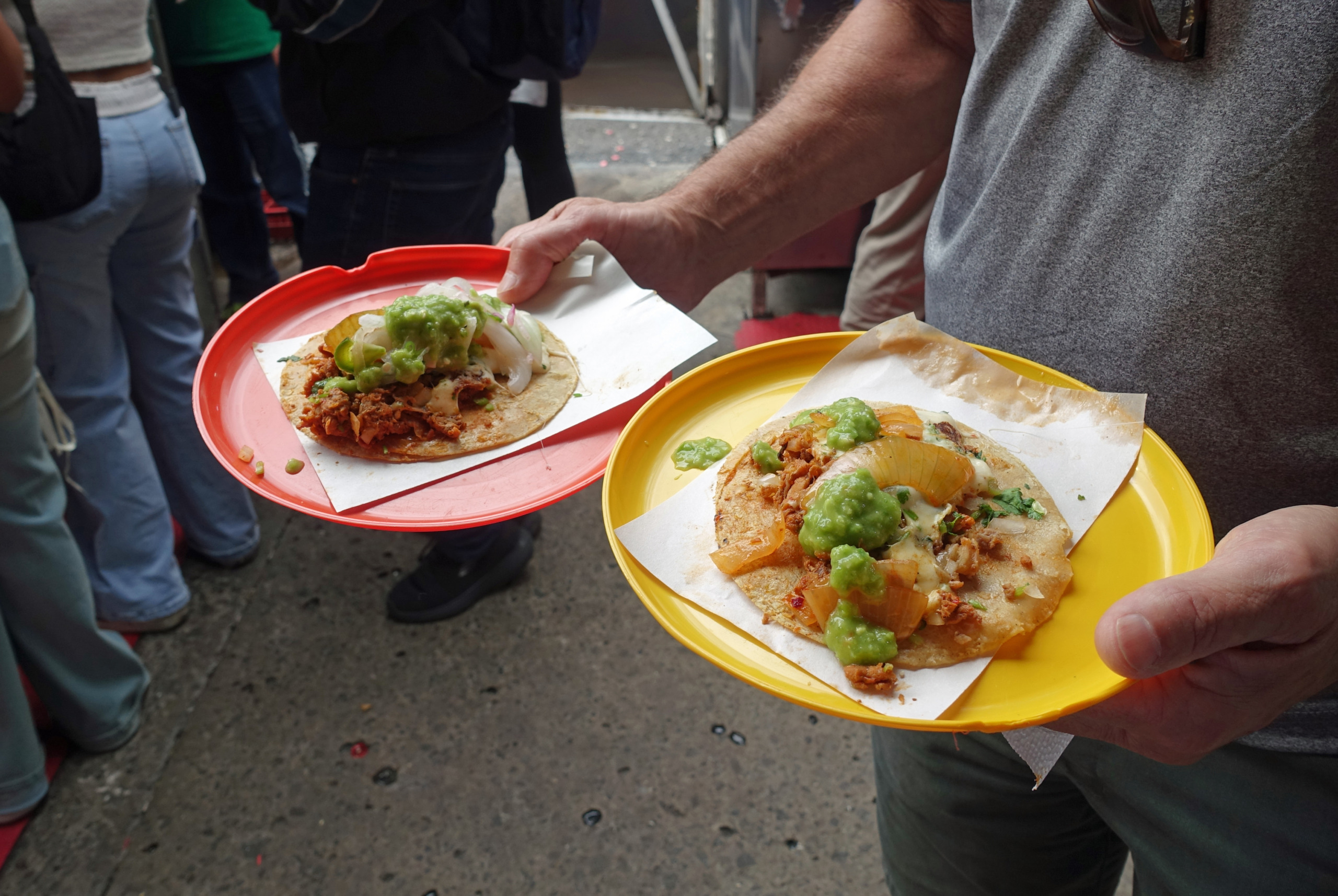
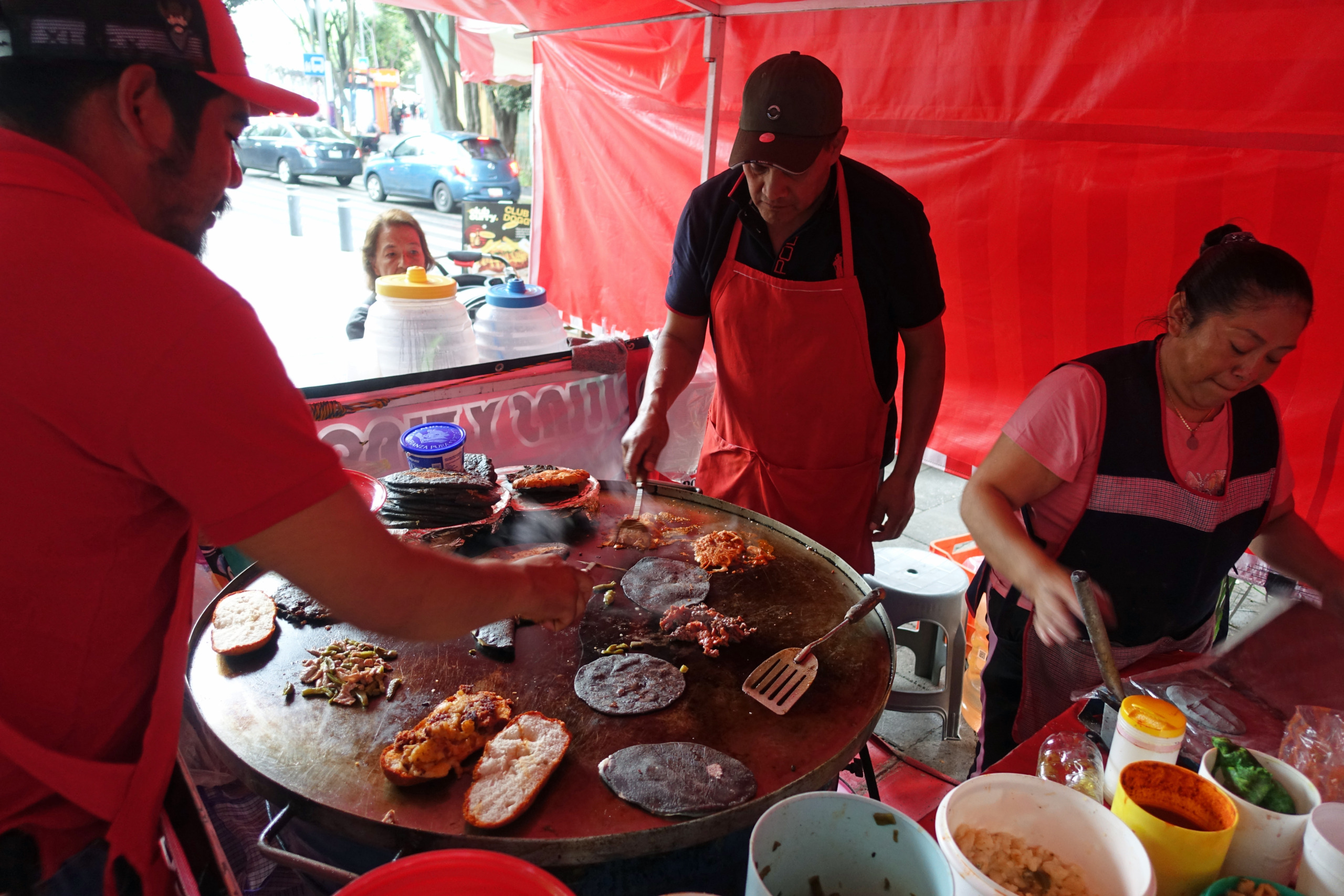
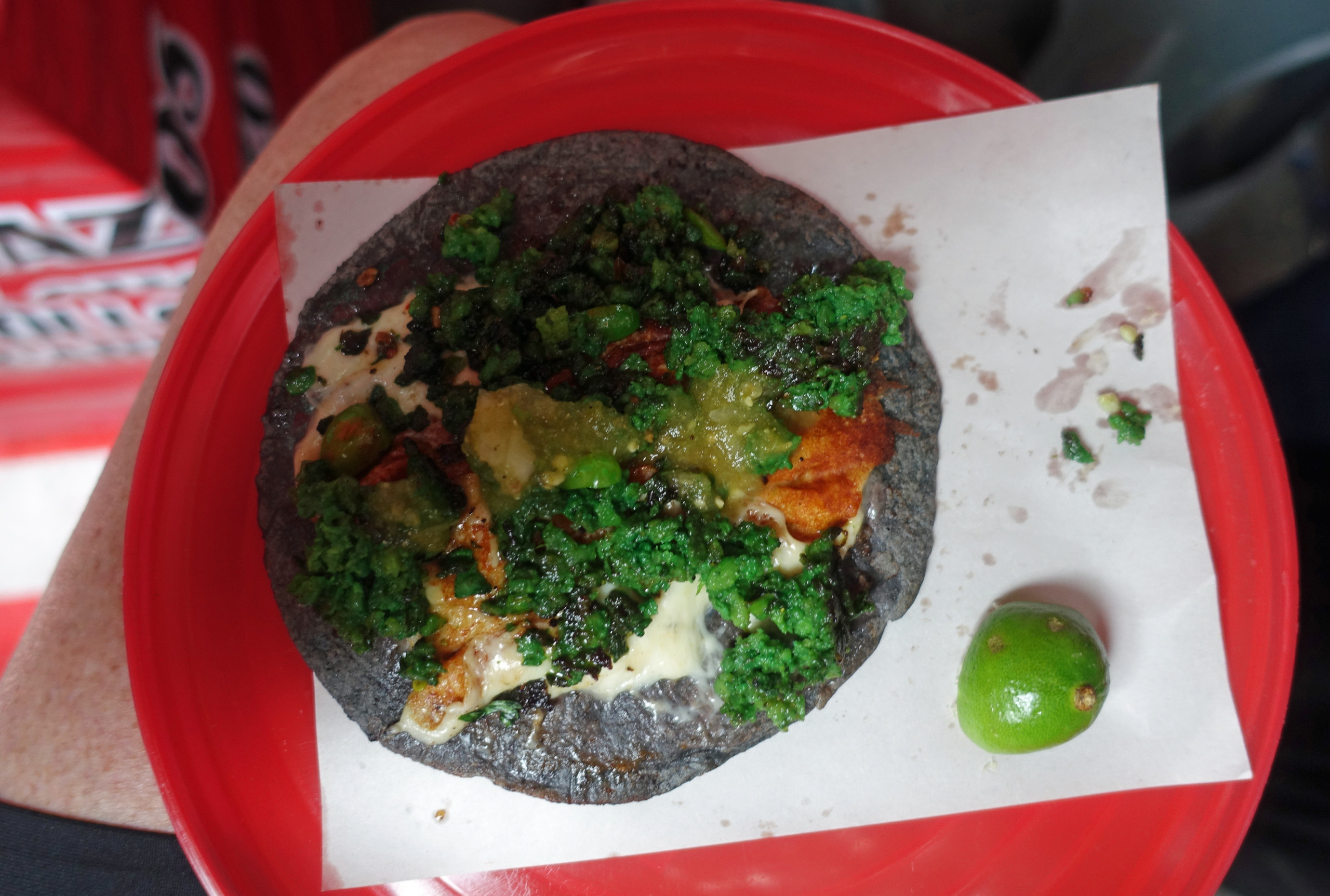
We signed up for a free taco tour around the Roma and Condessa neighborhoods with Kactus Tours. We learned about the history of tacos, the types of meats used, types of corn and chili’s grown in Mexico, and how to order a taco. We tried three tacos and while every one was delicious, our favorite was the ‘green chorizo’…not something we would have tried on our own. Oh, and be really careful with those hot sauces…they are seriously hot 🌶️ Each taco cost between MX 20 or 30 pesos depending on the meat and if you want cheese.
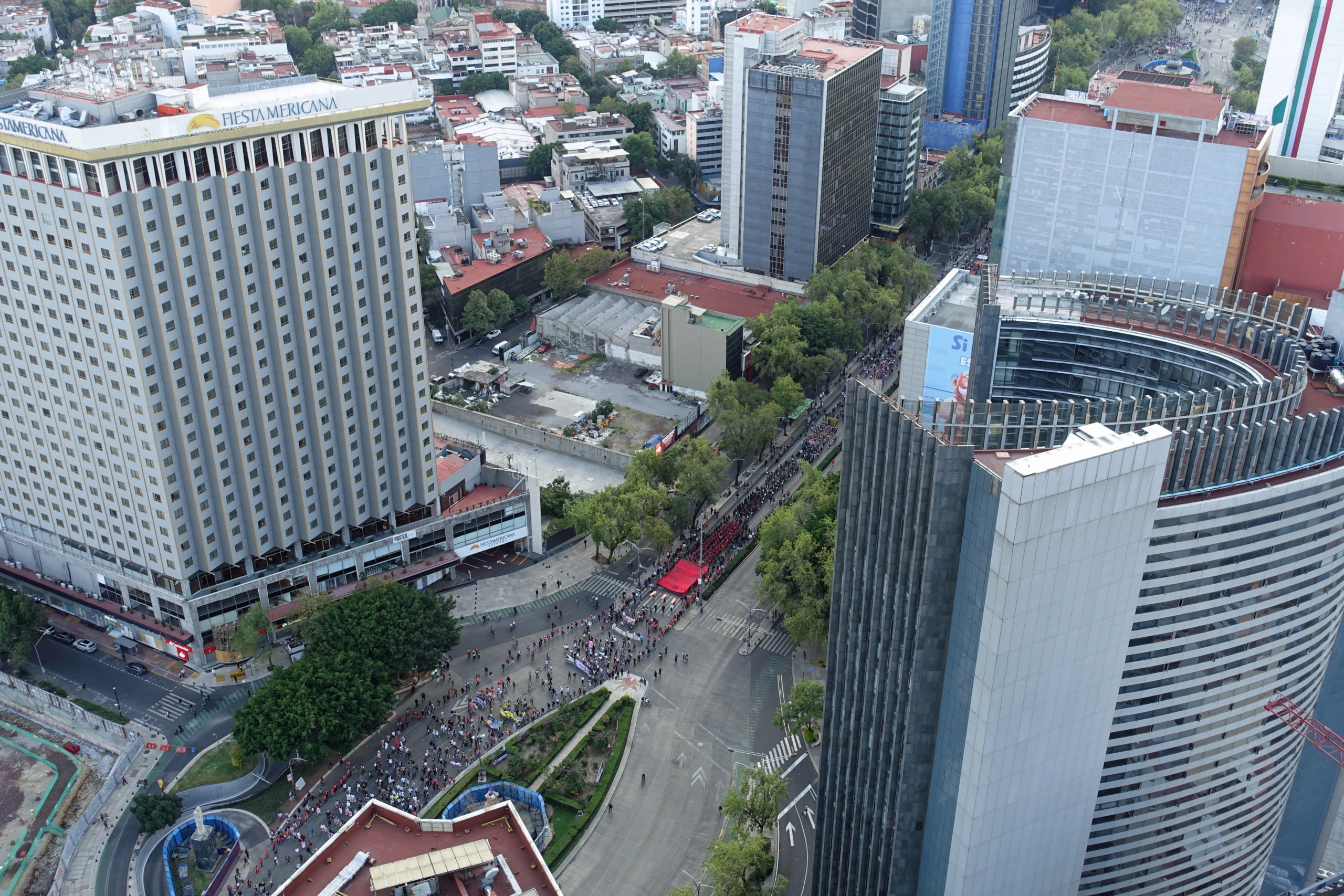
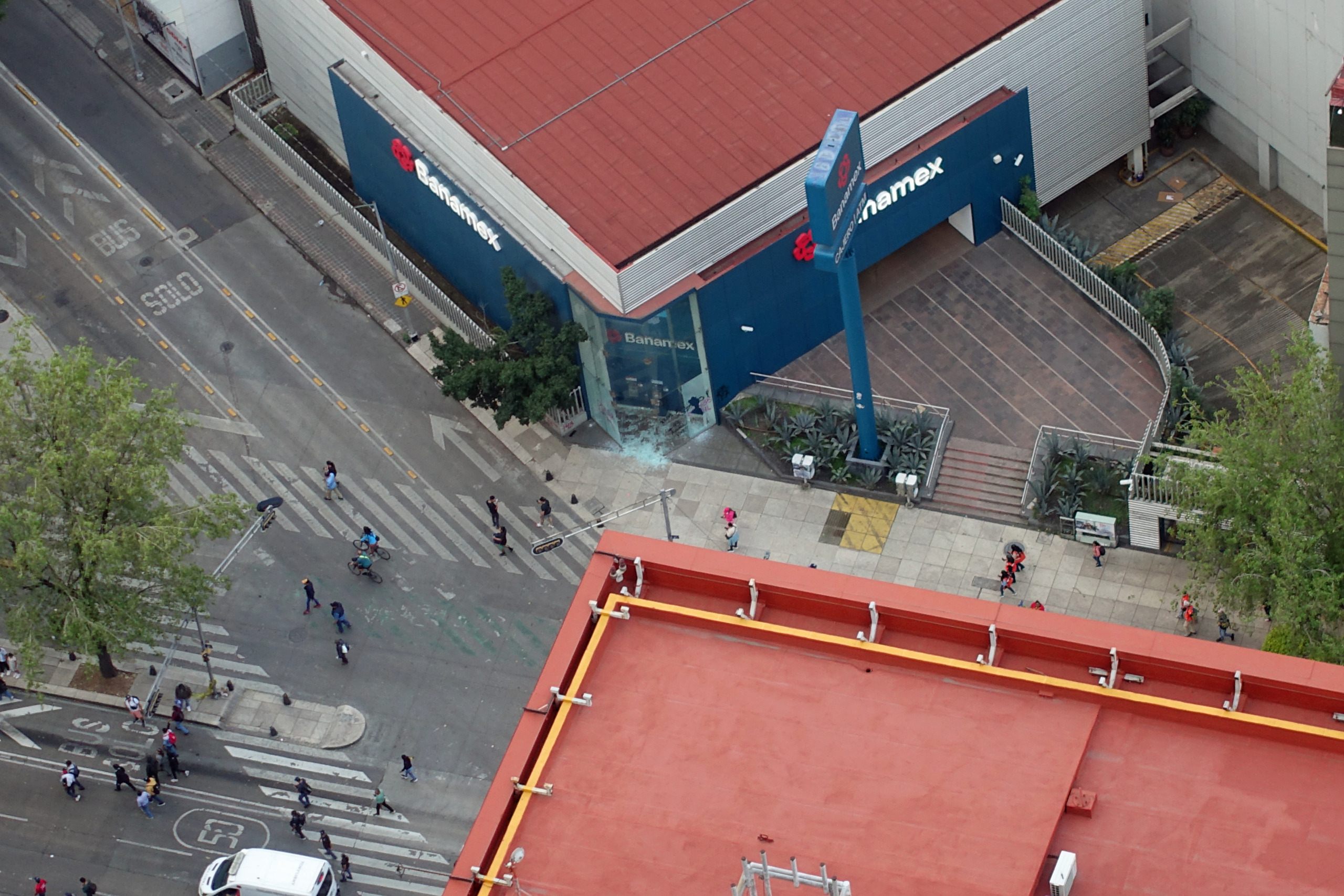
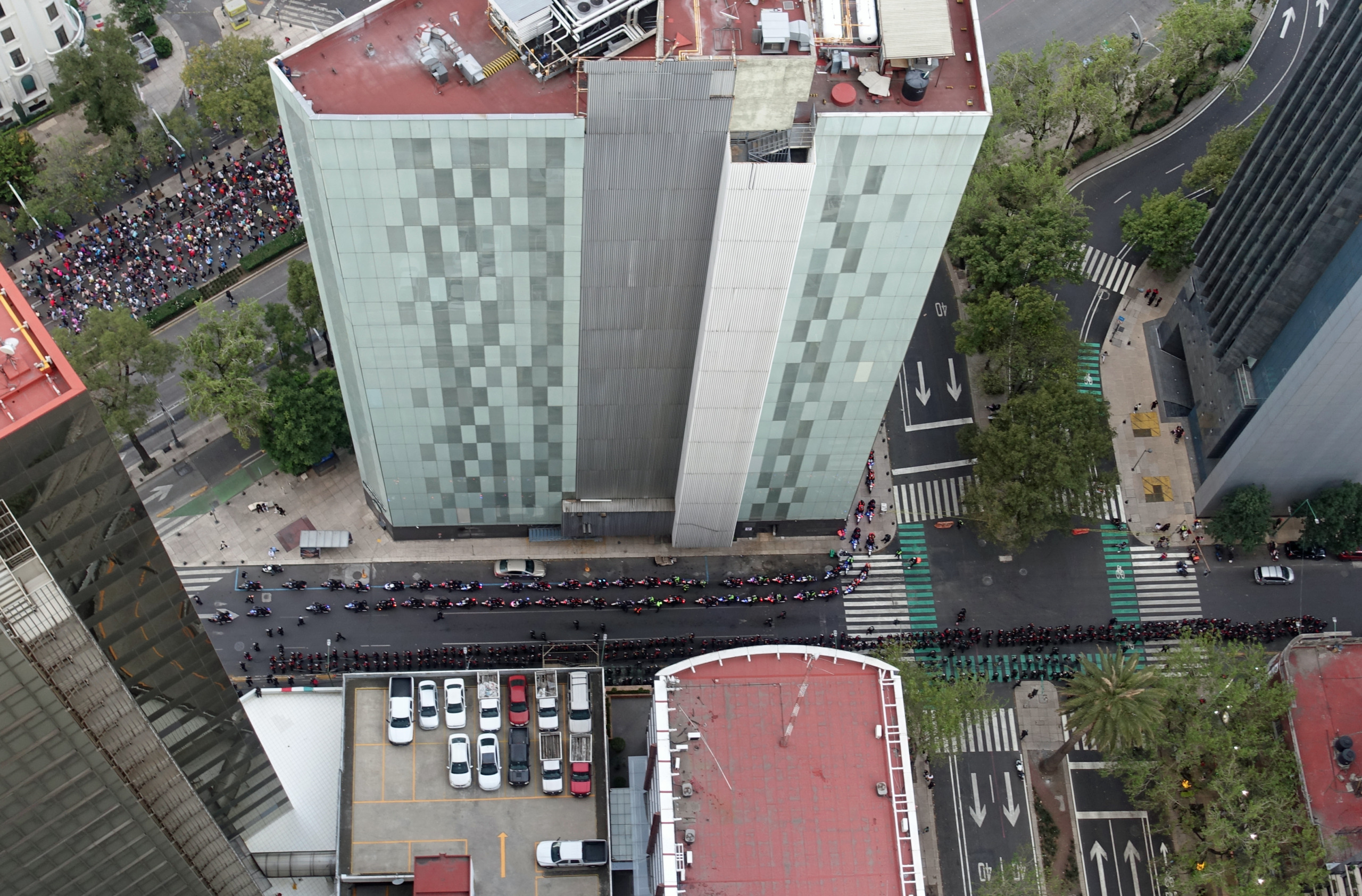
Mexico City is well known for almost daily demonstrations, especially in front of government buildings. We got caught up in a massive protest on Sept 26 marking the 12 anniversary of the dissapearance of 43 school students, I understand this is one of the biggest demonstrations of the year. Trying to head home after our taco tour we found the subway shut down and Reforma Ave closed…we ended up walking over an hour to get home. Along the way, and from our apartment window, we saw large groups of police standing on side streets ready for trouble. Below our apartment a bank window was smashed, hundreds of police quickly arrived to ensure things did not get out of hand. Mexico City maintains one of the highest police-to-civilian ratios in Latin America, with over 670 police officers per 100,000 residents. That’s a lot of police!!!
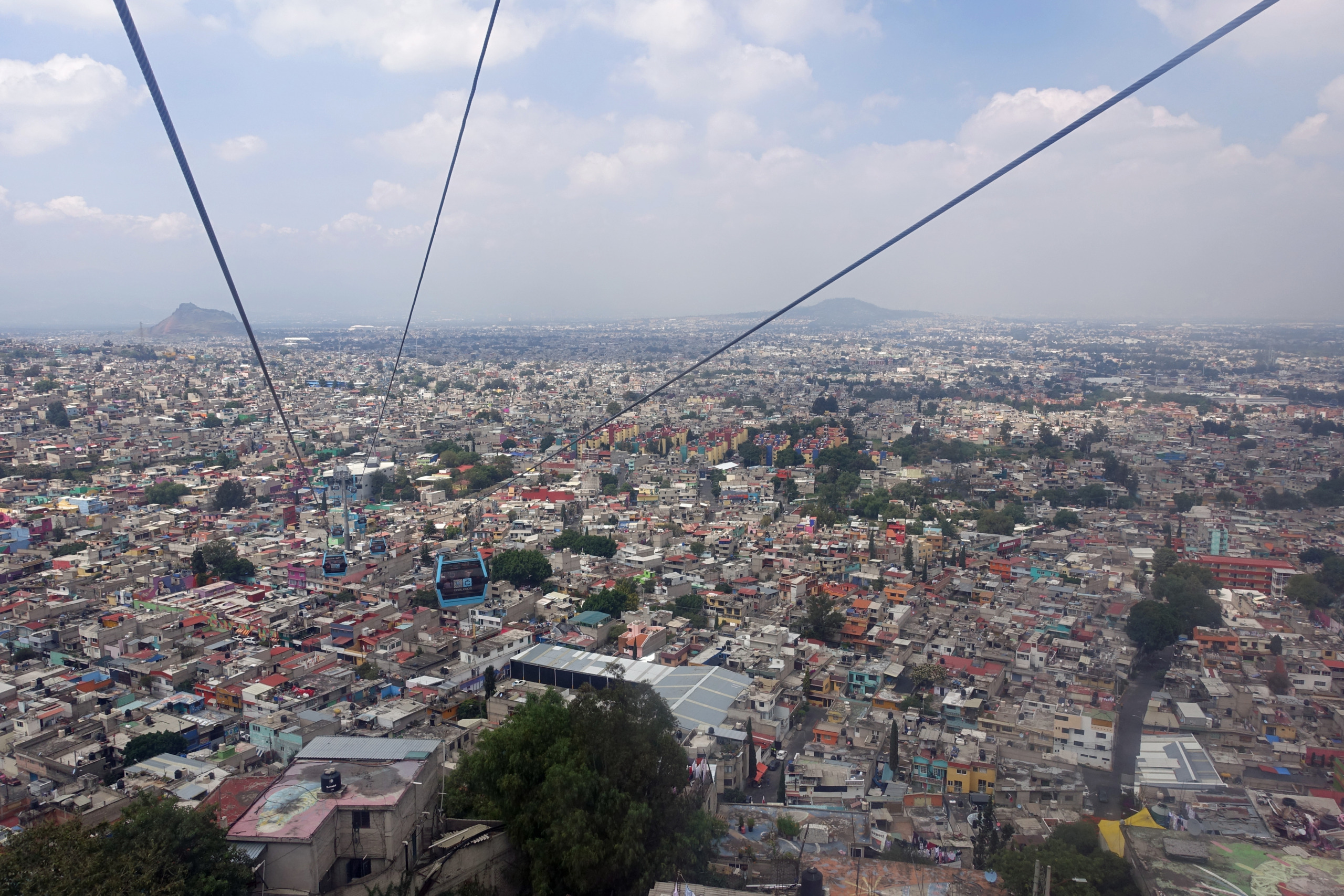
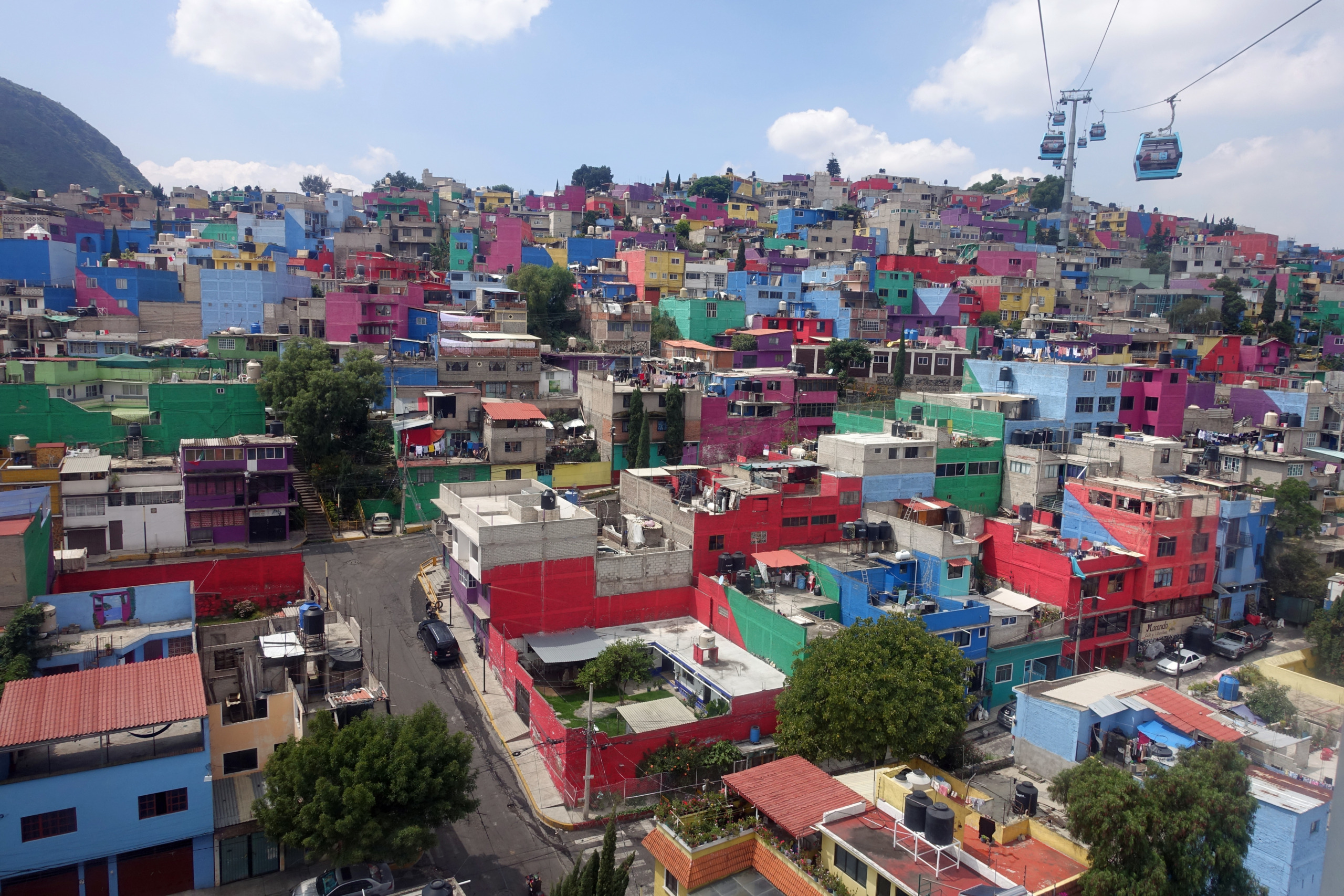
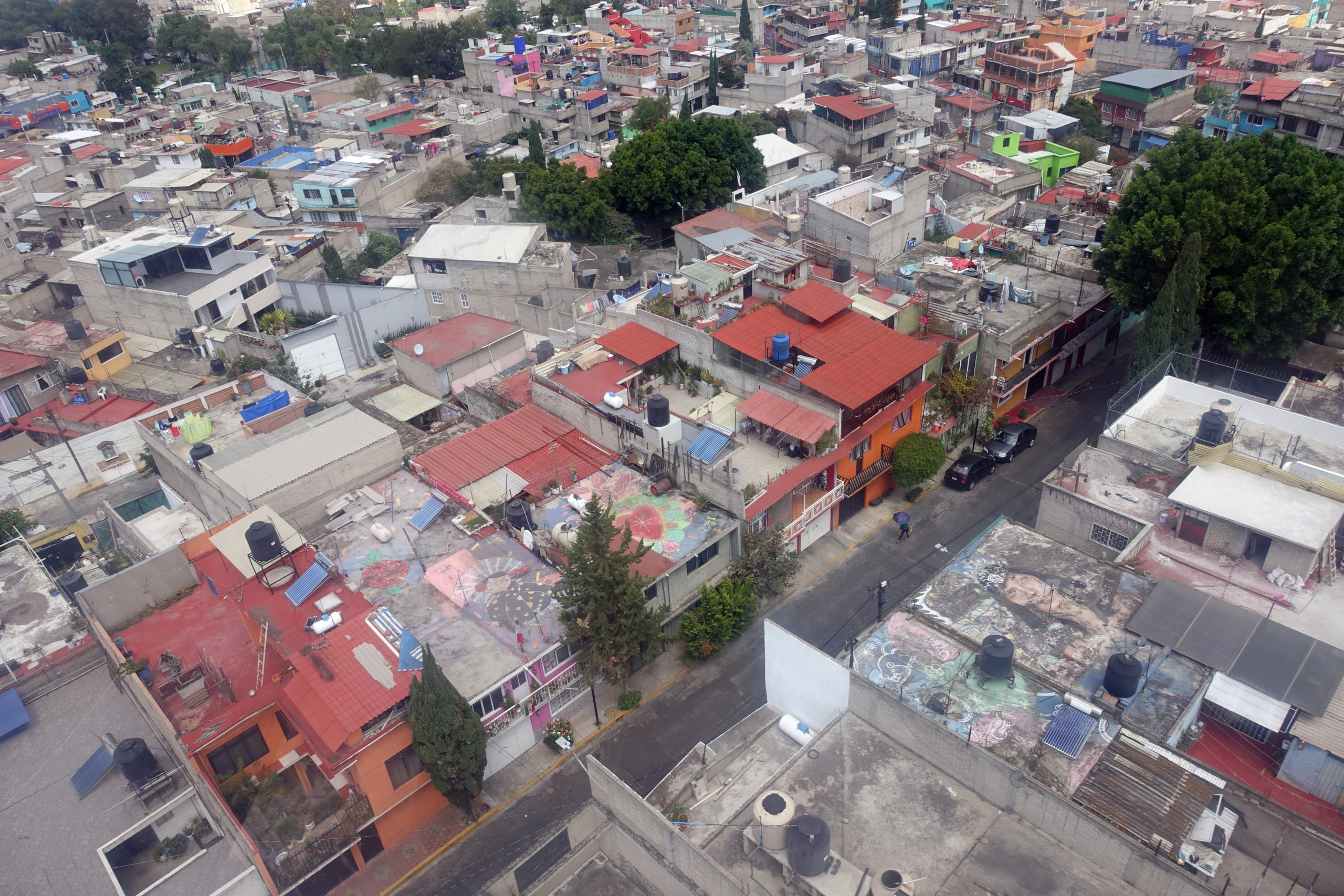
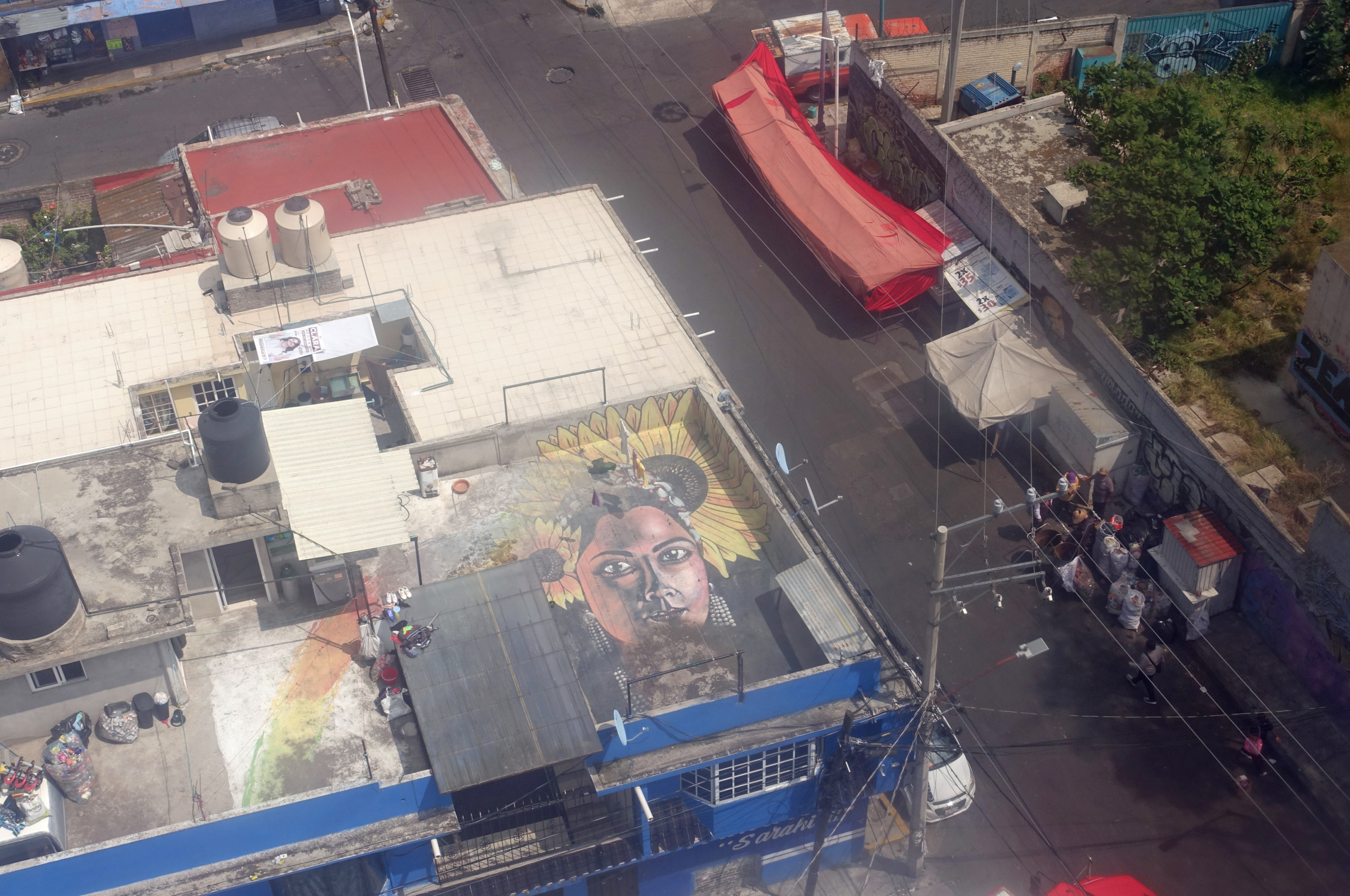
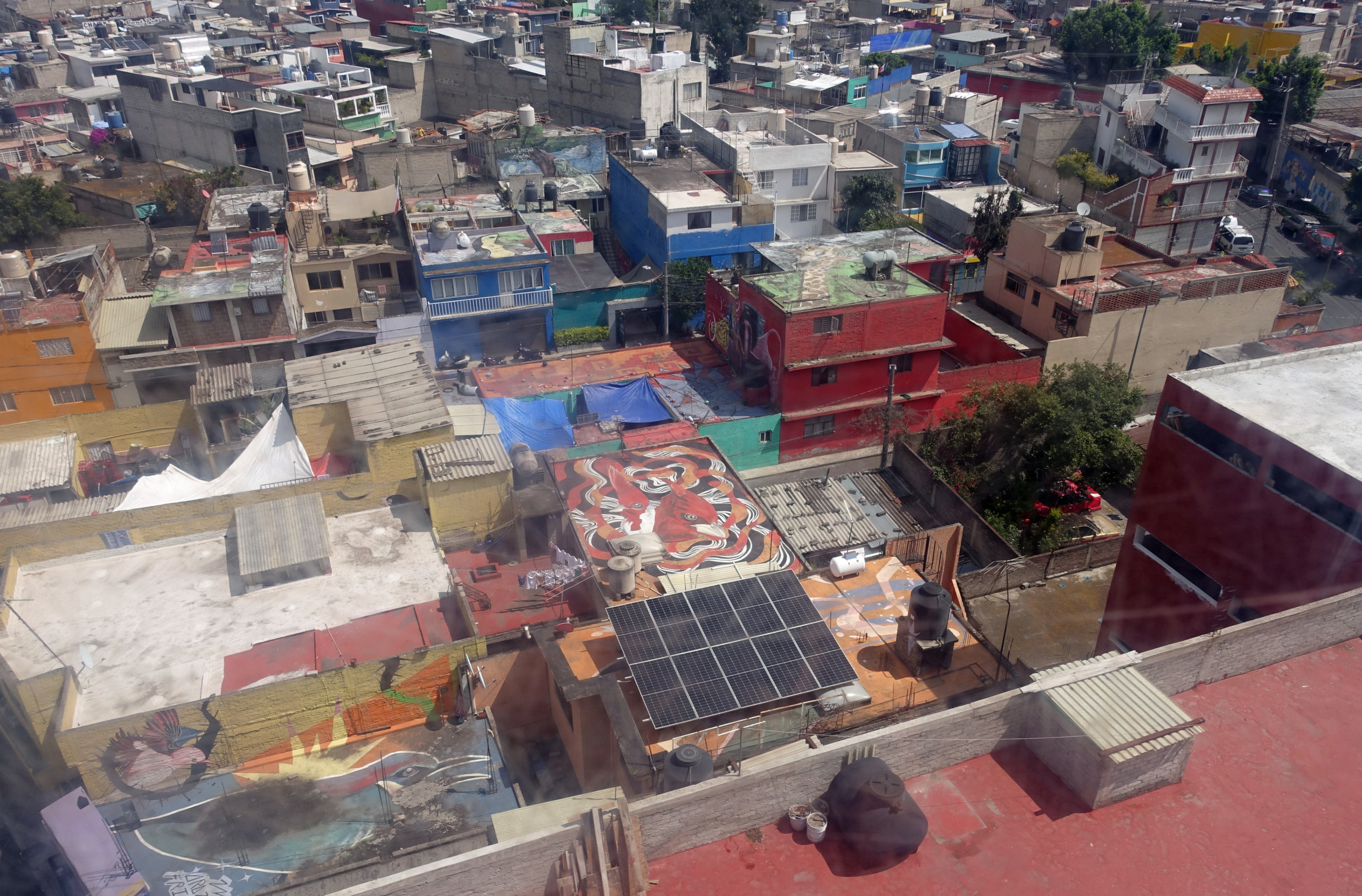
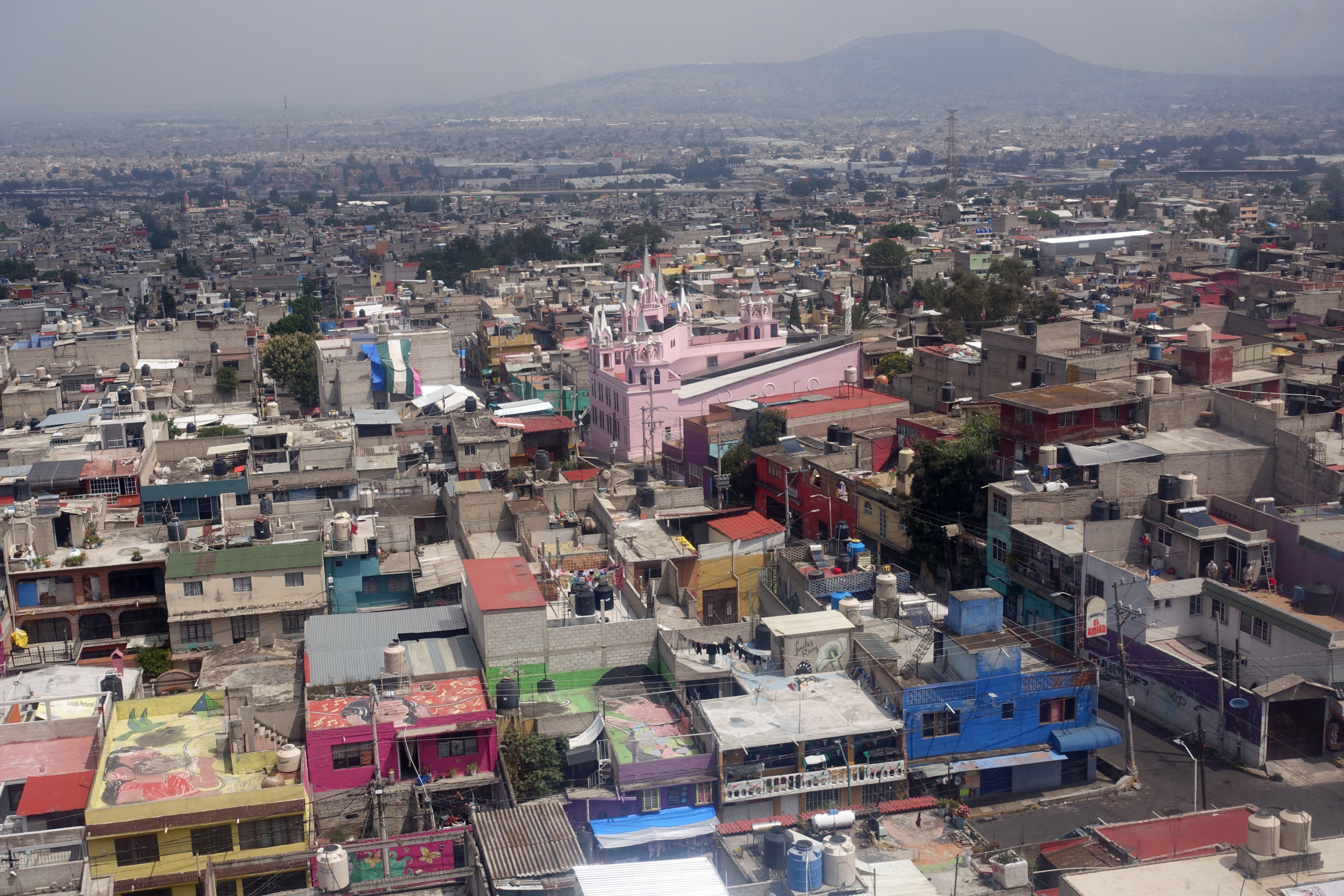
Iztapalapa is the most populous borough in Mexico City, located in the southeastern region of the city. The attraction here is Cablebus Line 2 running through the heart of the borough. This line holds a Guinness World Record as one of the longest public teleferico cable car lines. It offers an aerial perspective of the sprawling colorful buildings and rooftop art murals throughout the streets below. Iztapalapa is considered one of the less safe areas in Mexico City, particularly for tourists. It is the city’s most populous and poorest borough and experiences more crime compared to the tourist-centric neighborhoods. For this reason, we booked a free tour with Kactus Tours. Our lovely guide Gabby was born in Iztapalapa and had a lot of information to share. It was nice to be escorted on the subway from the city center all the way out to Iztapalapa, and at the end of the tour Gabby made sure we were all put safely on the train home.
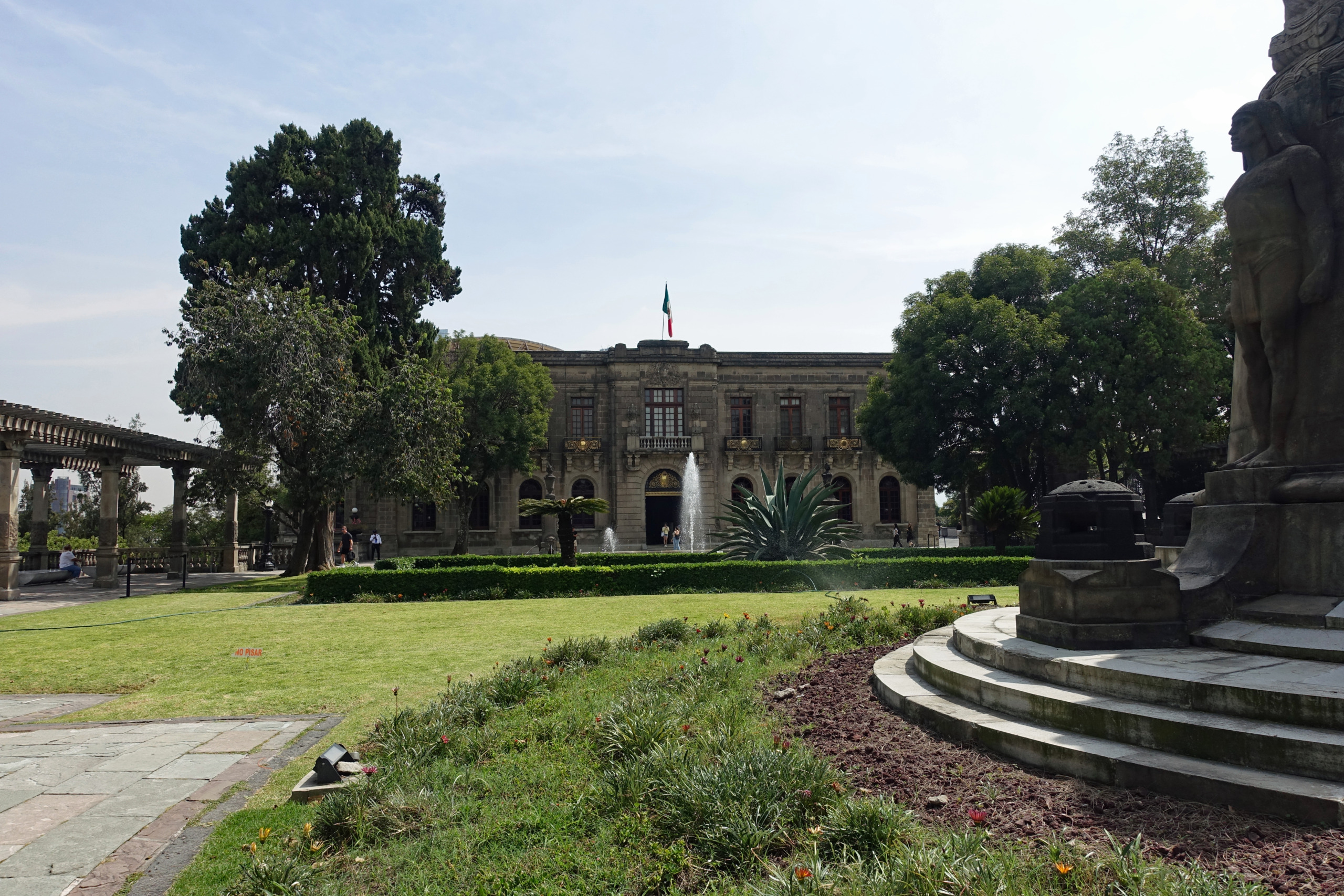
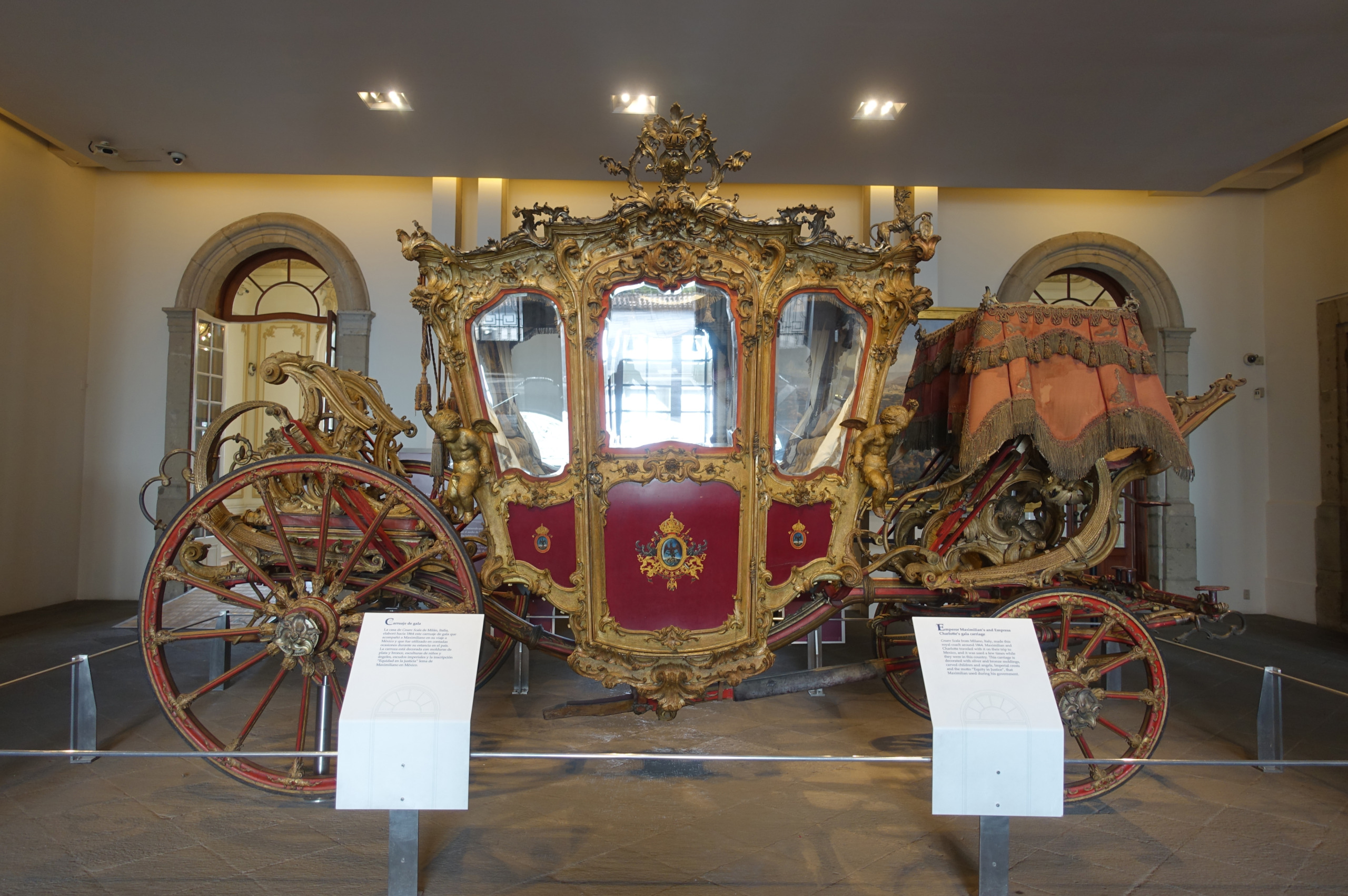
Chaputlepec Castle is a historic hilltop landmark in Mexico city that currently serves as the home of the National Museum of History. Construction of the building began in 1785 under Spanish Viceroy Bernardo de Gálvez as a grand summer residence. It is the only true castle in North America that actually housed sovereign royalty, serving as the imperial palace for Emperor Maximilian I (of the Habsburg Dynasty) and Empress Carlota during the Second Mexican Empire in the 1860’s. During their residence they hired Austrian architects to remodel the fortress in a Neoclassical style, attempting to recreate their beloved European estate Miramare Castle. This story began to sound very familiar to us and then we realized that in 2022 we visited Miramare Castle in Trieste, Italy. We recalled reading about the Emperor who moved to Mexico City only to be executed 3 years later in 1867. It was an interesting connection to another palace on the other side of the world, both sharing a singular tragic history.
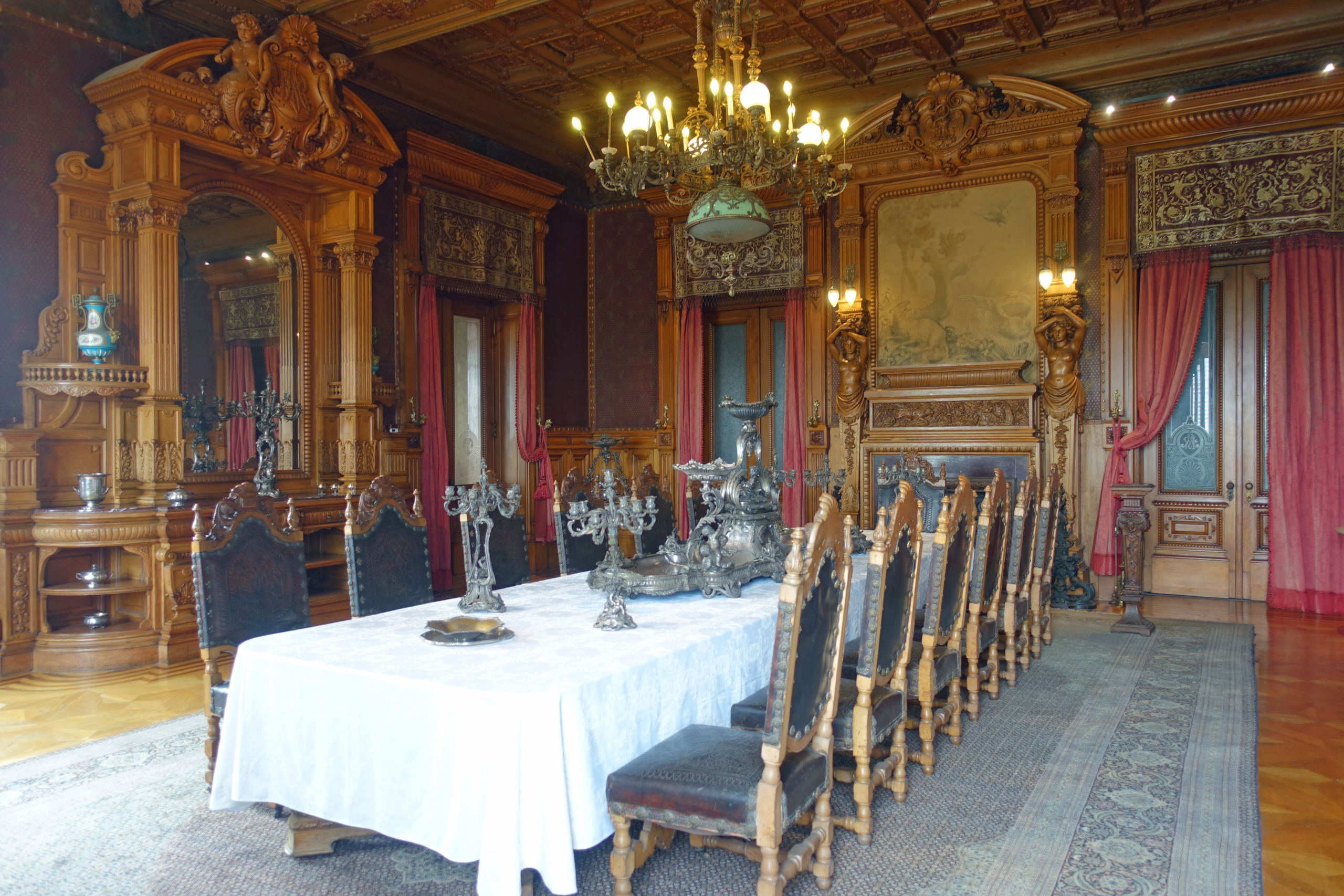
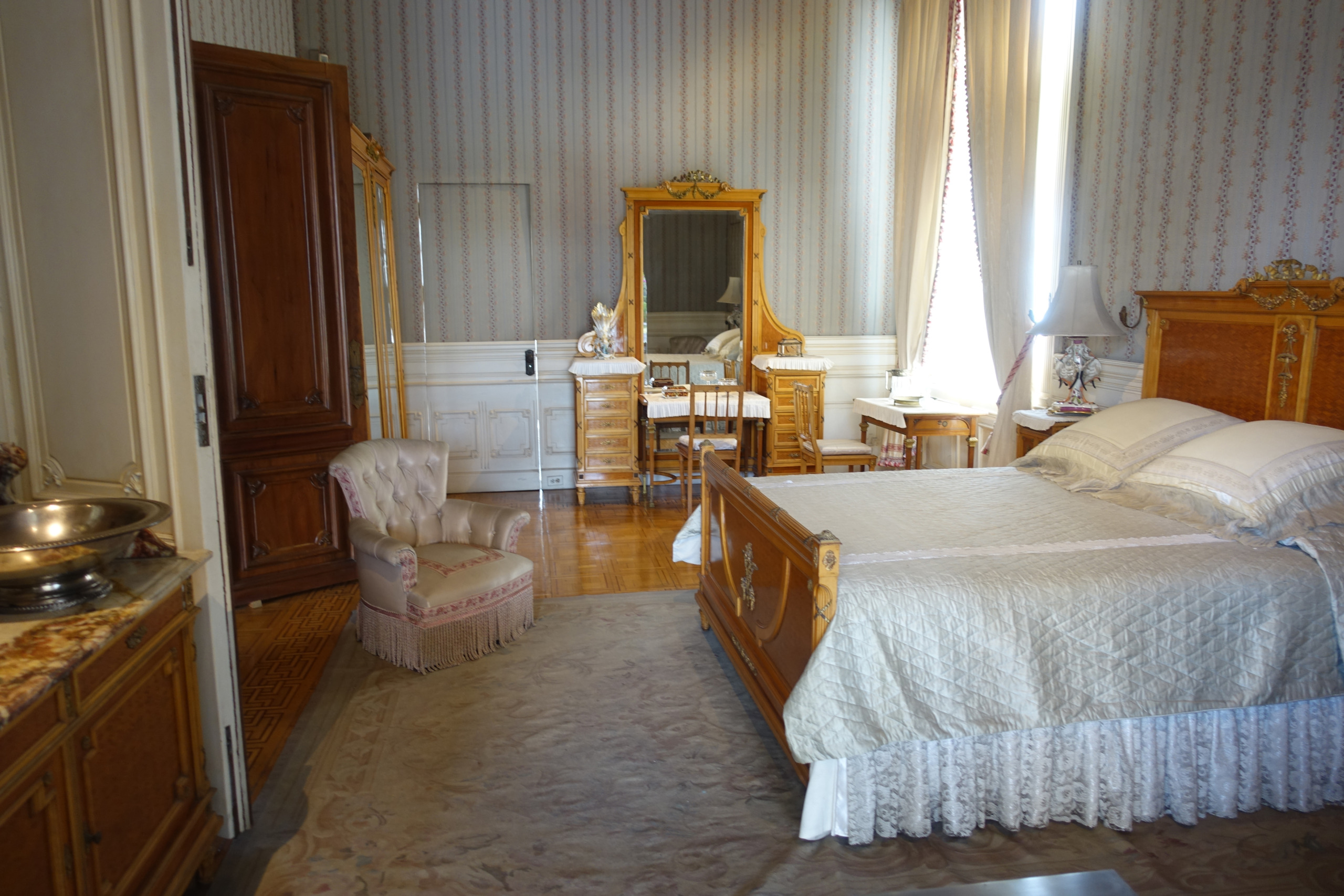
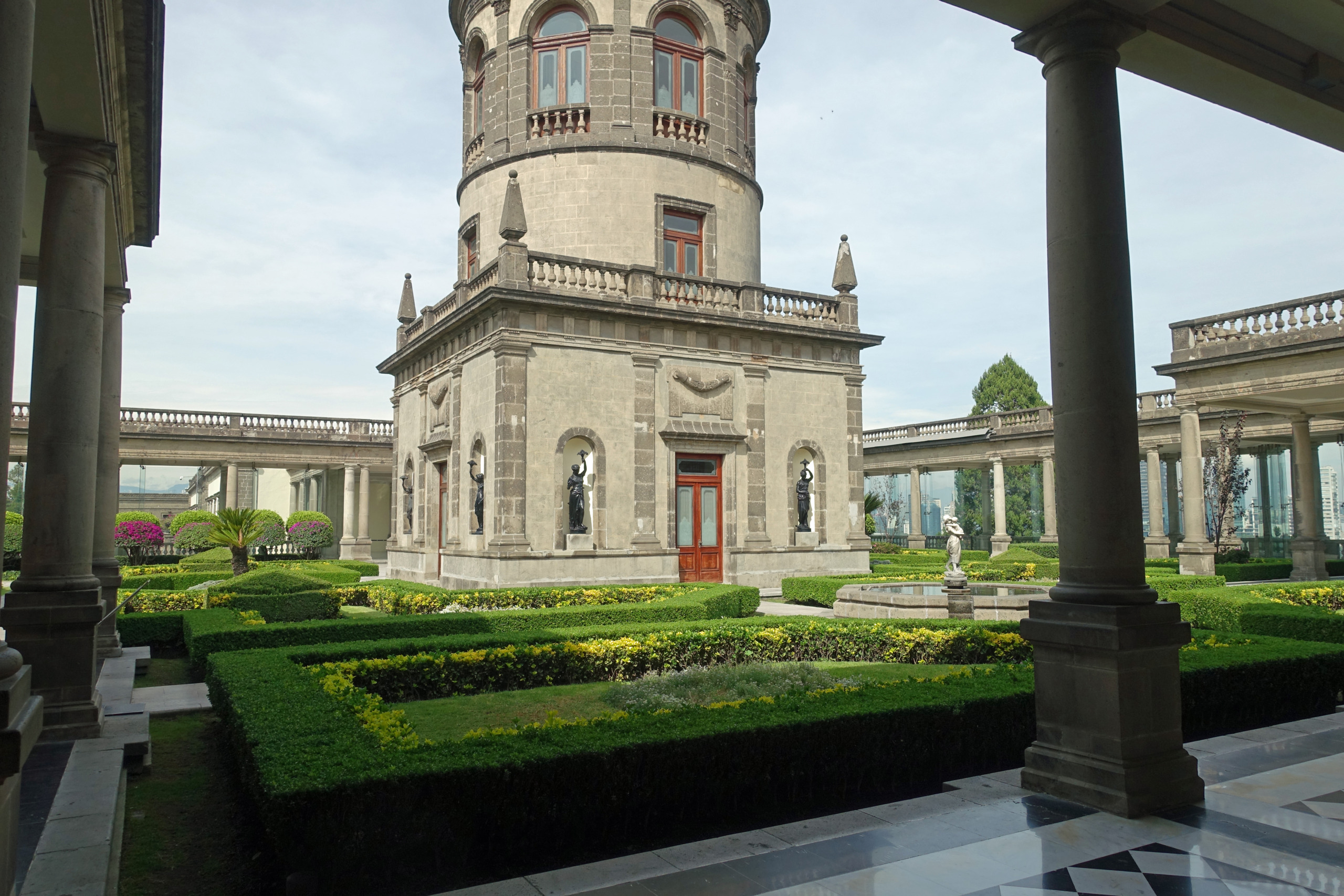
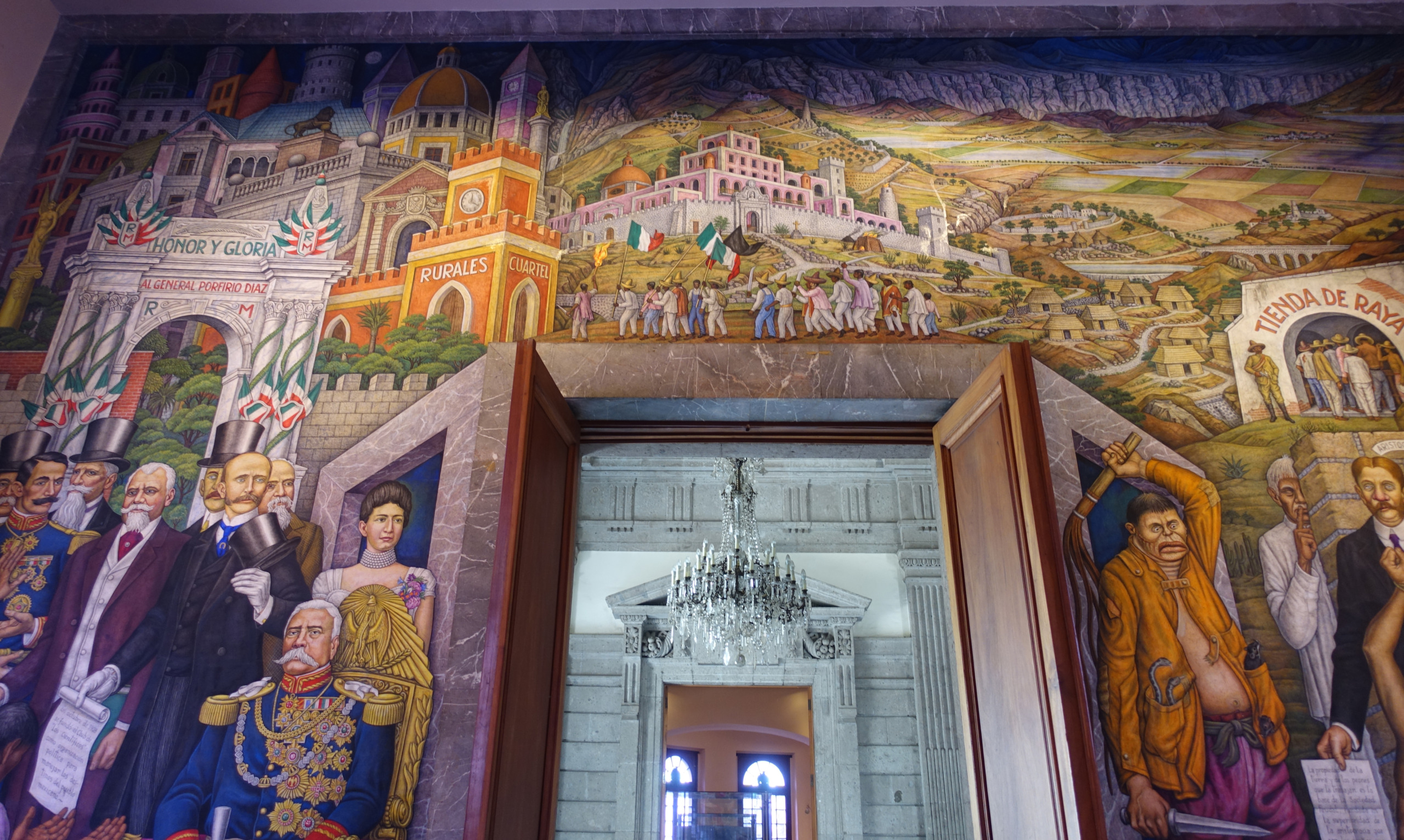
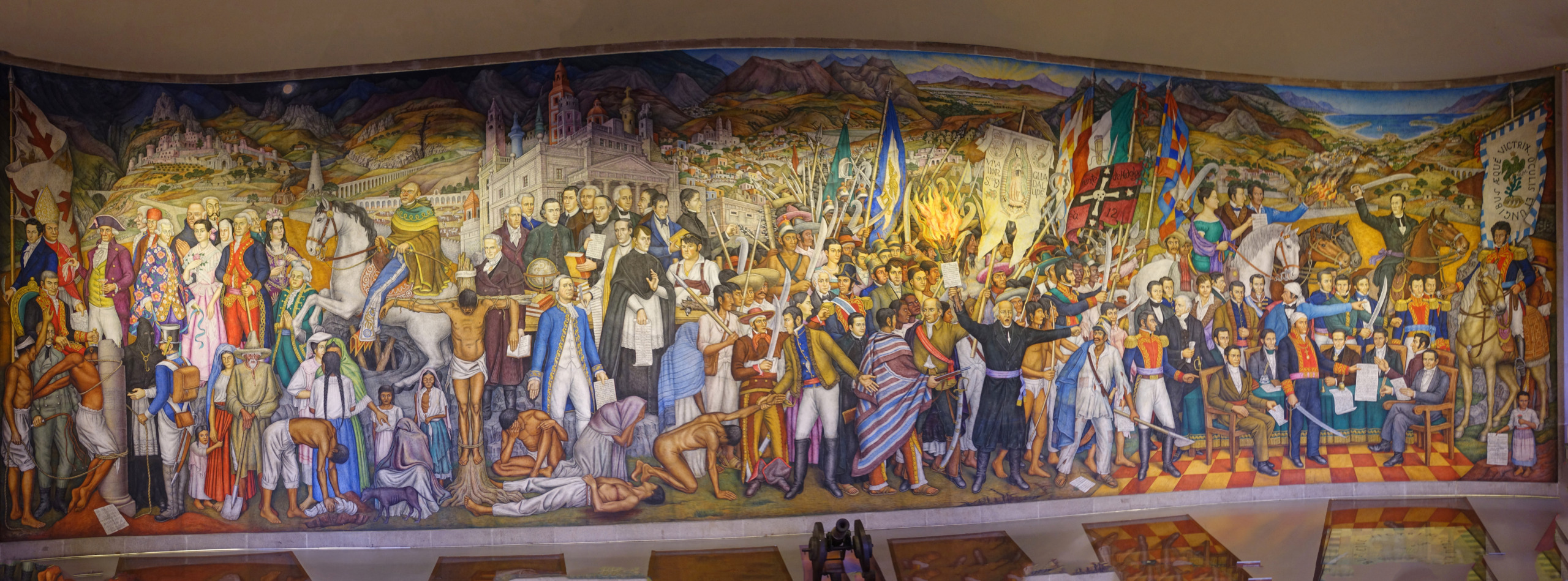
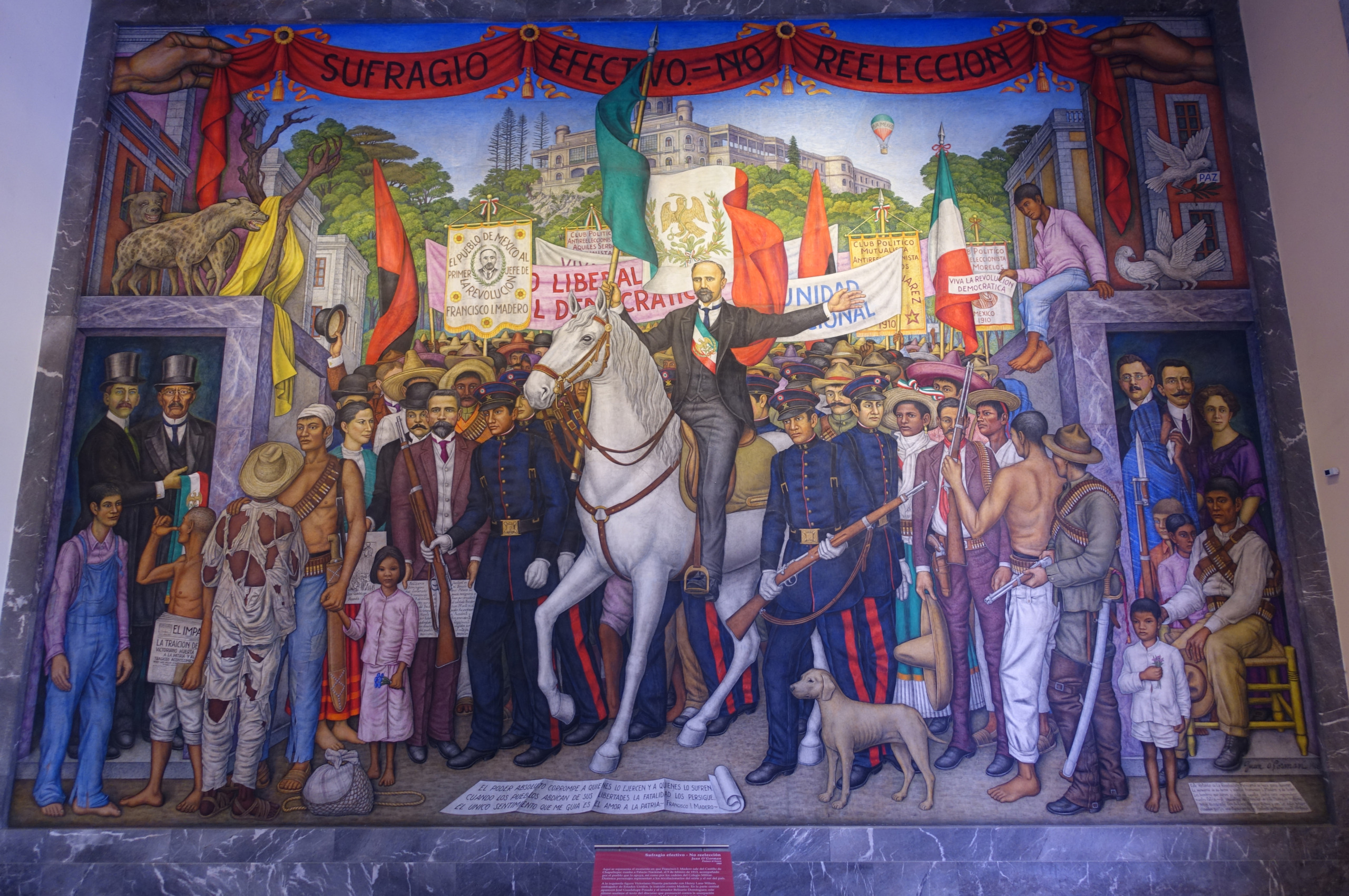
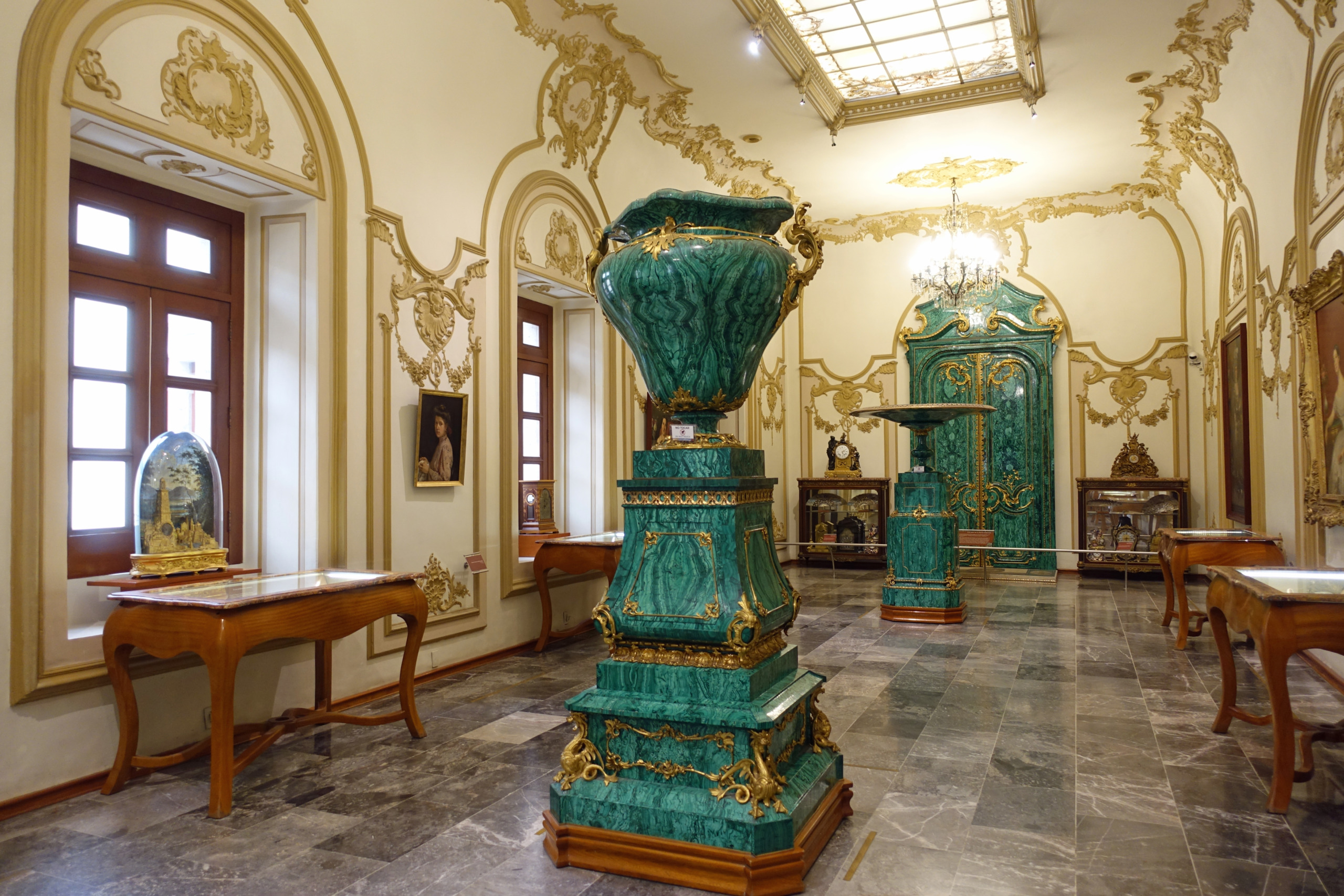
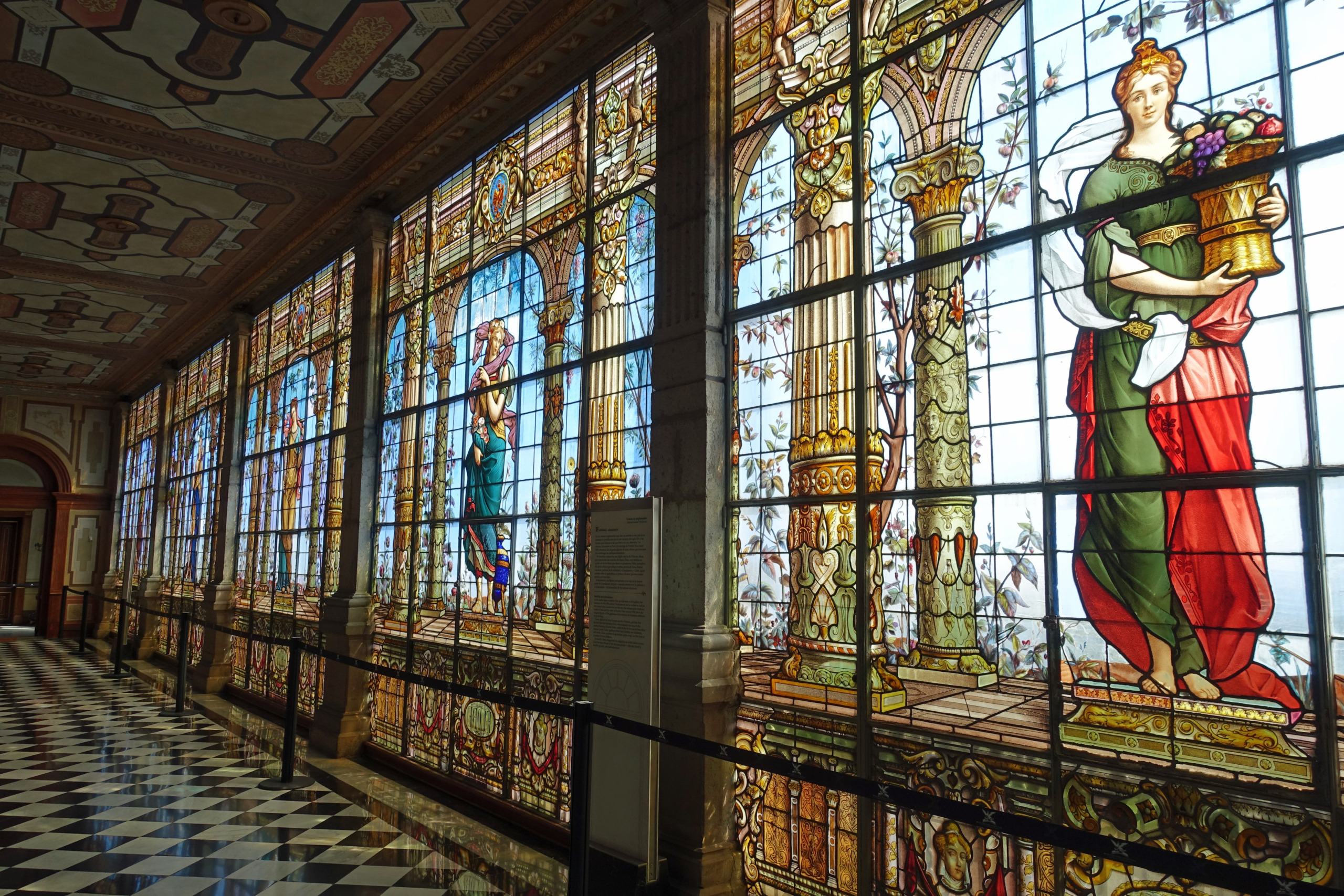
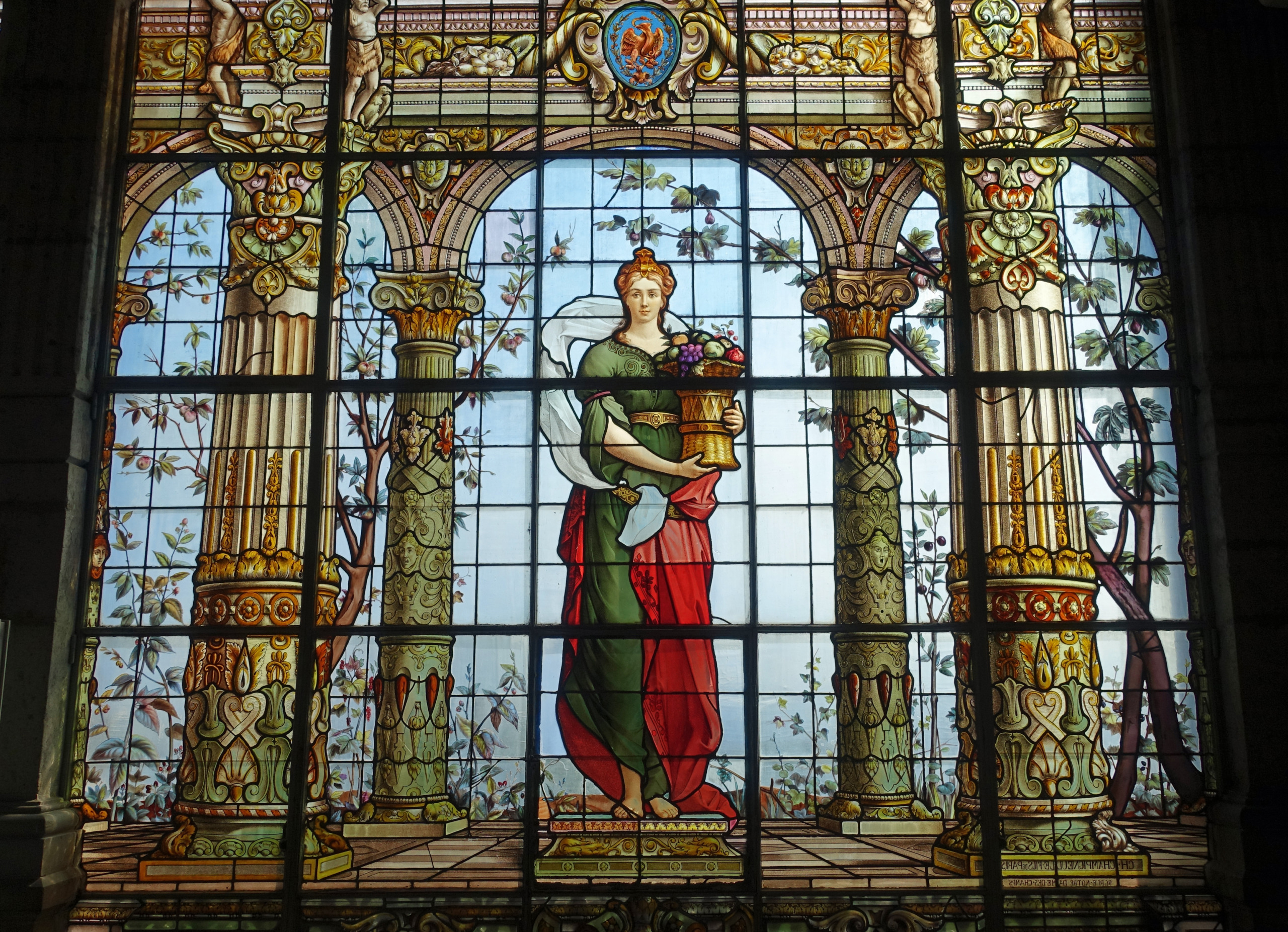
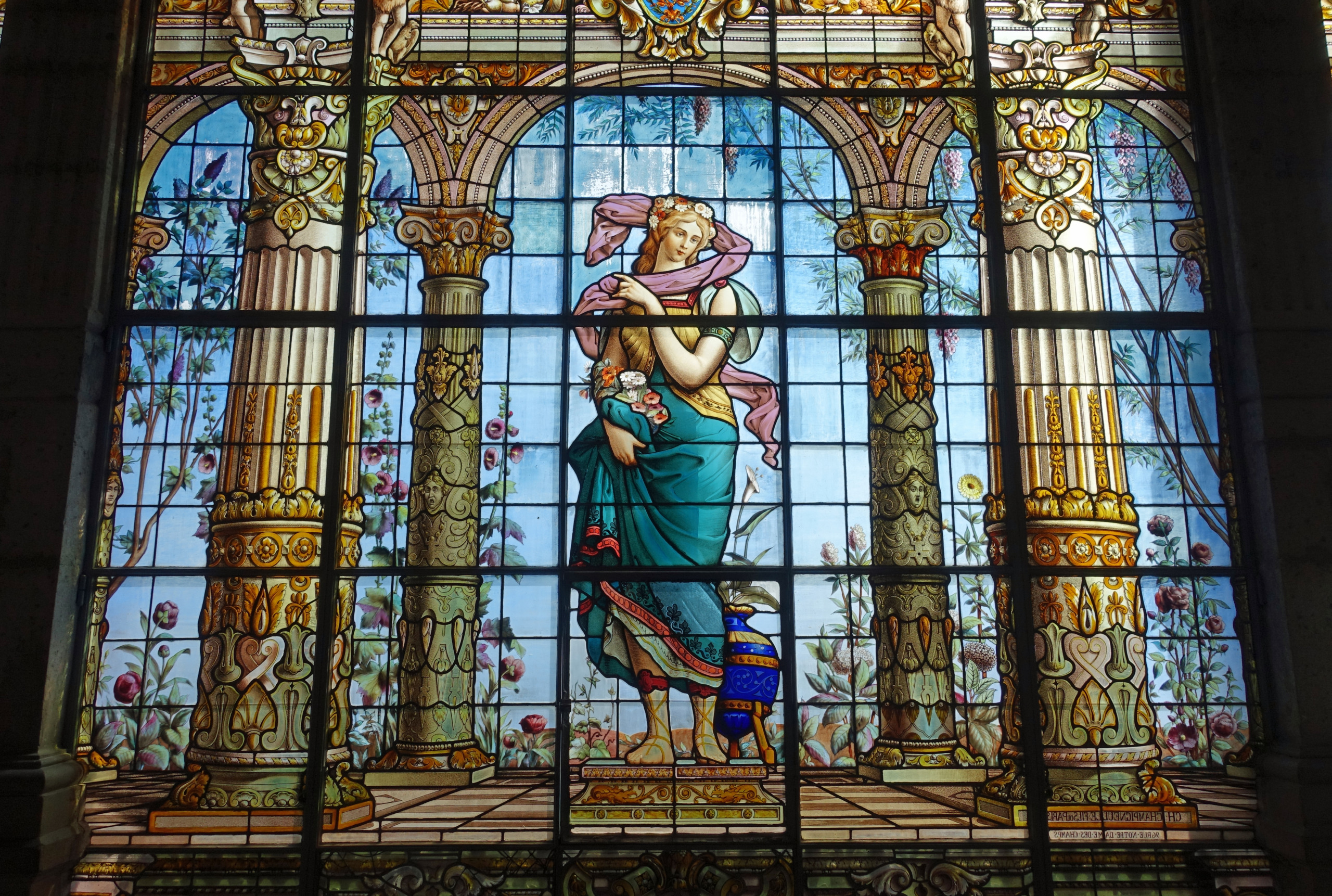
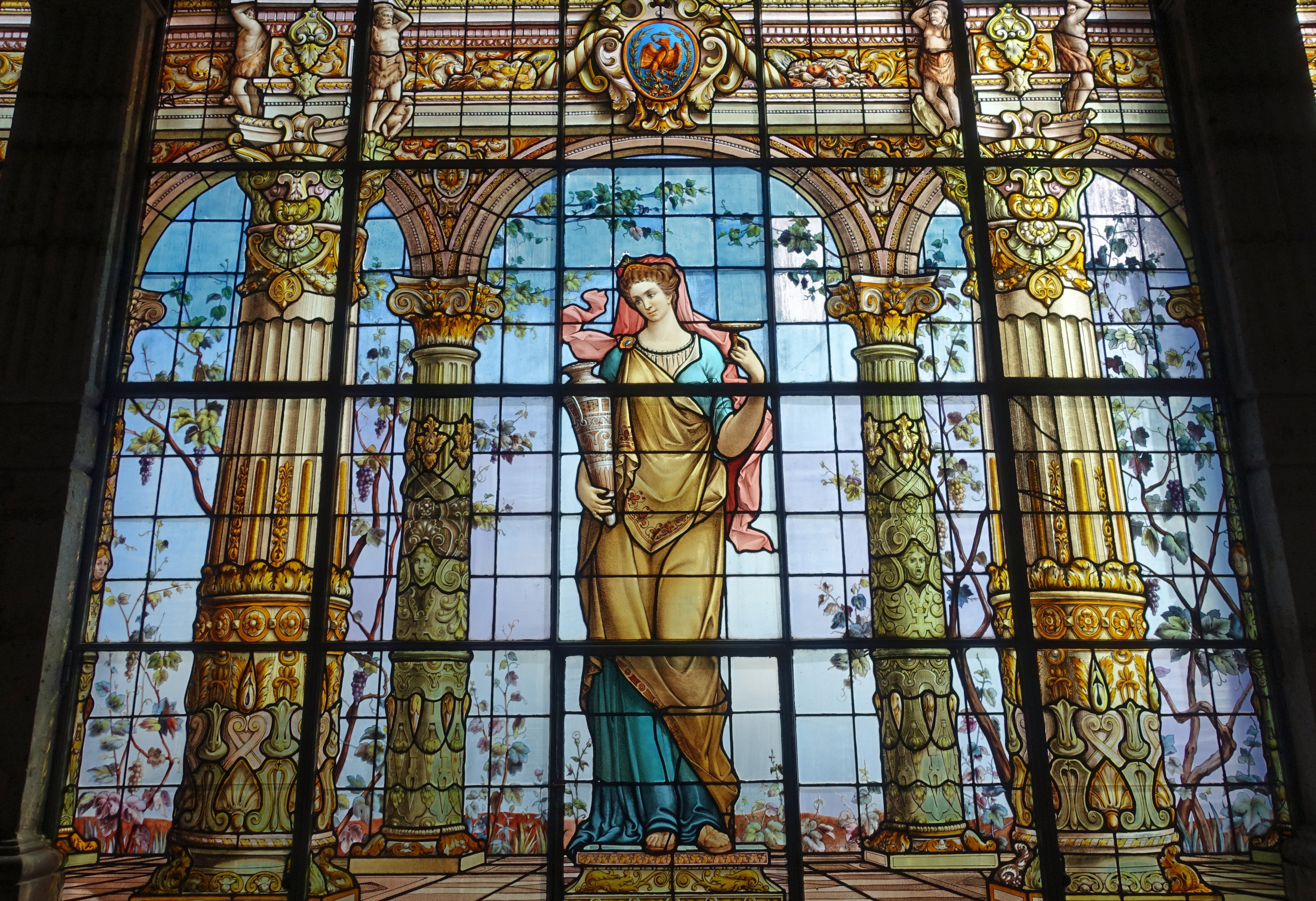
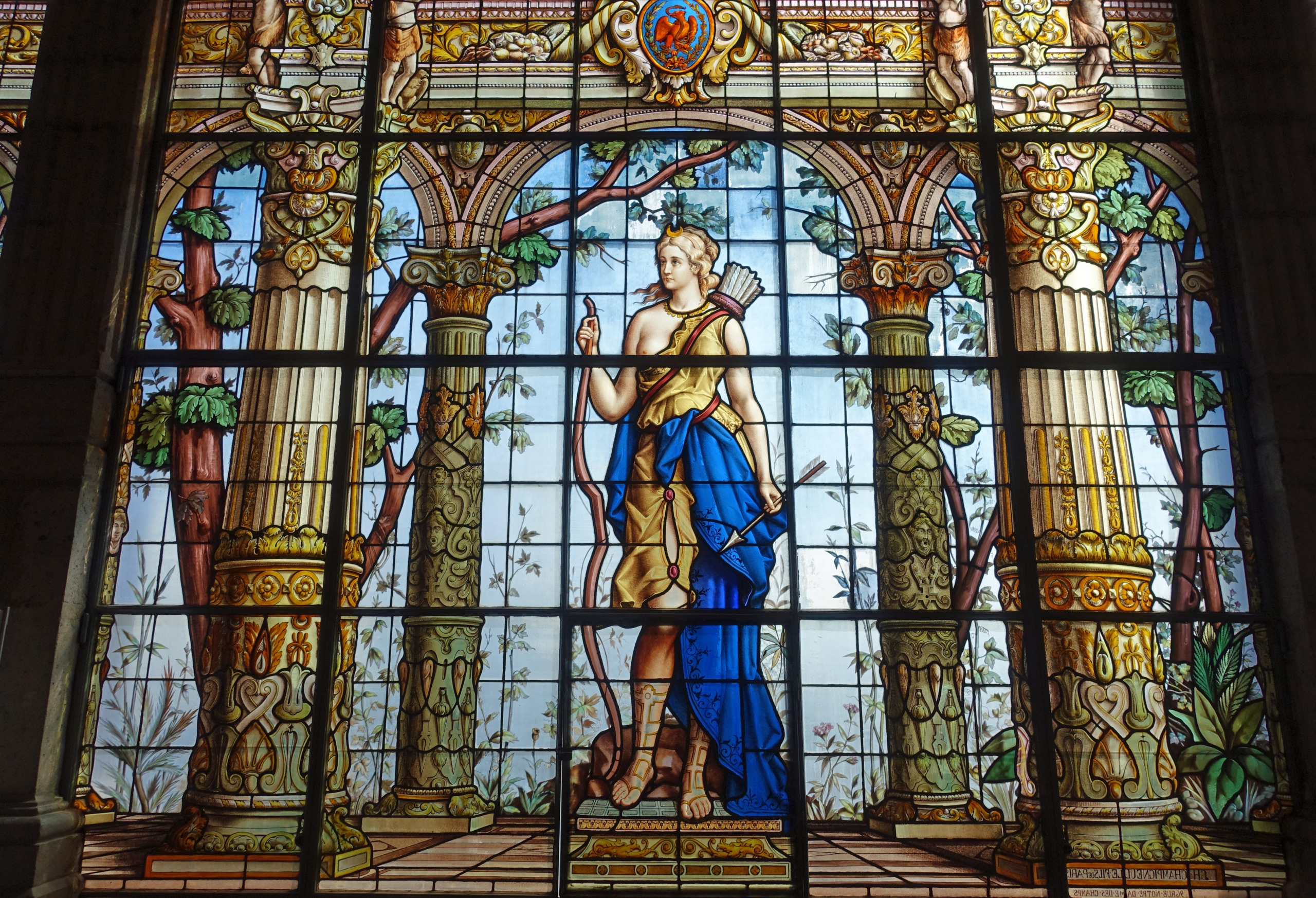
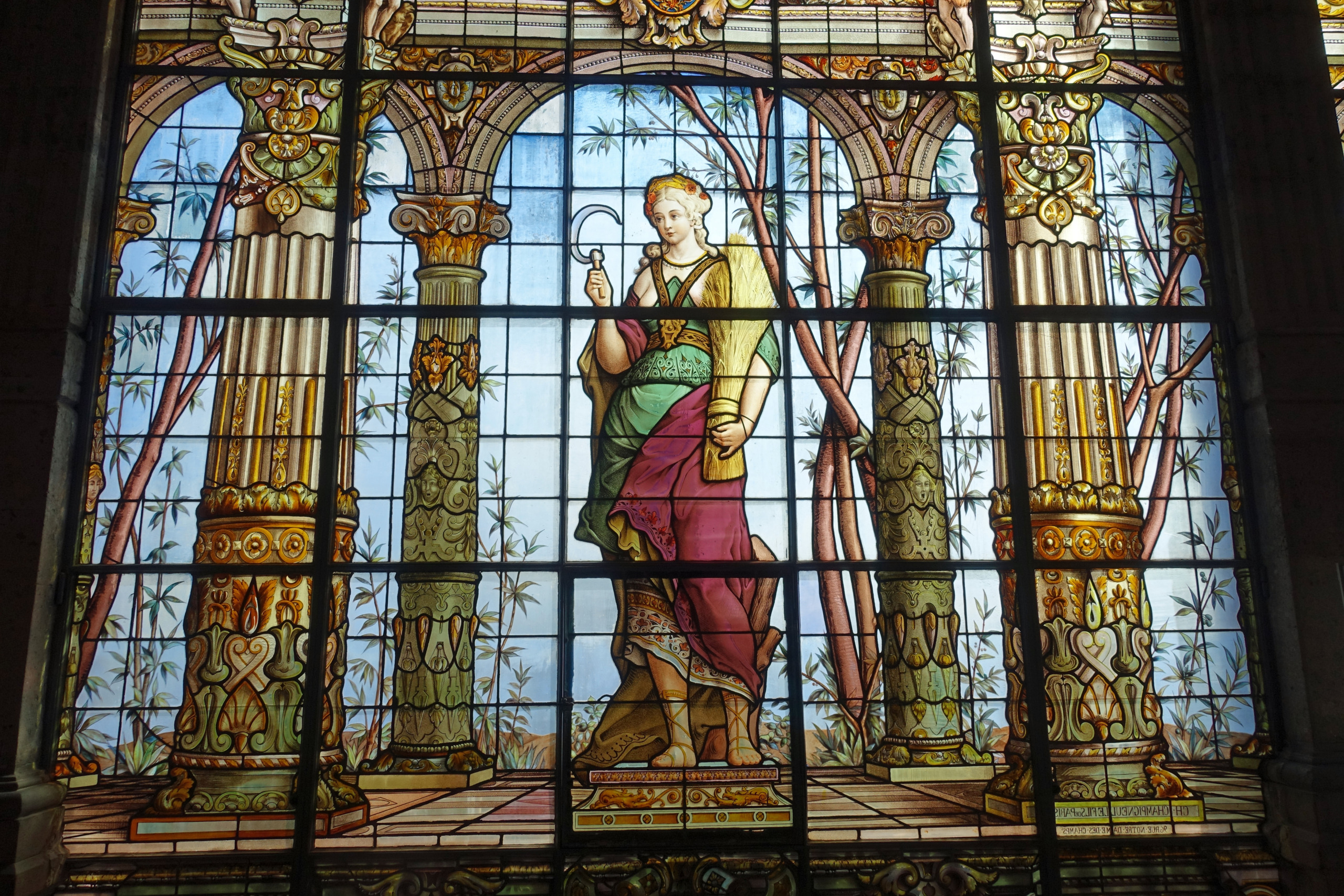
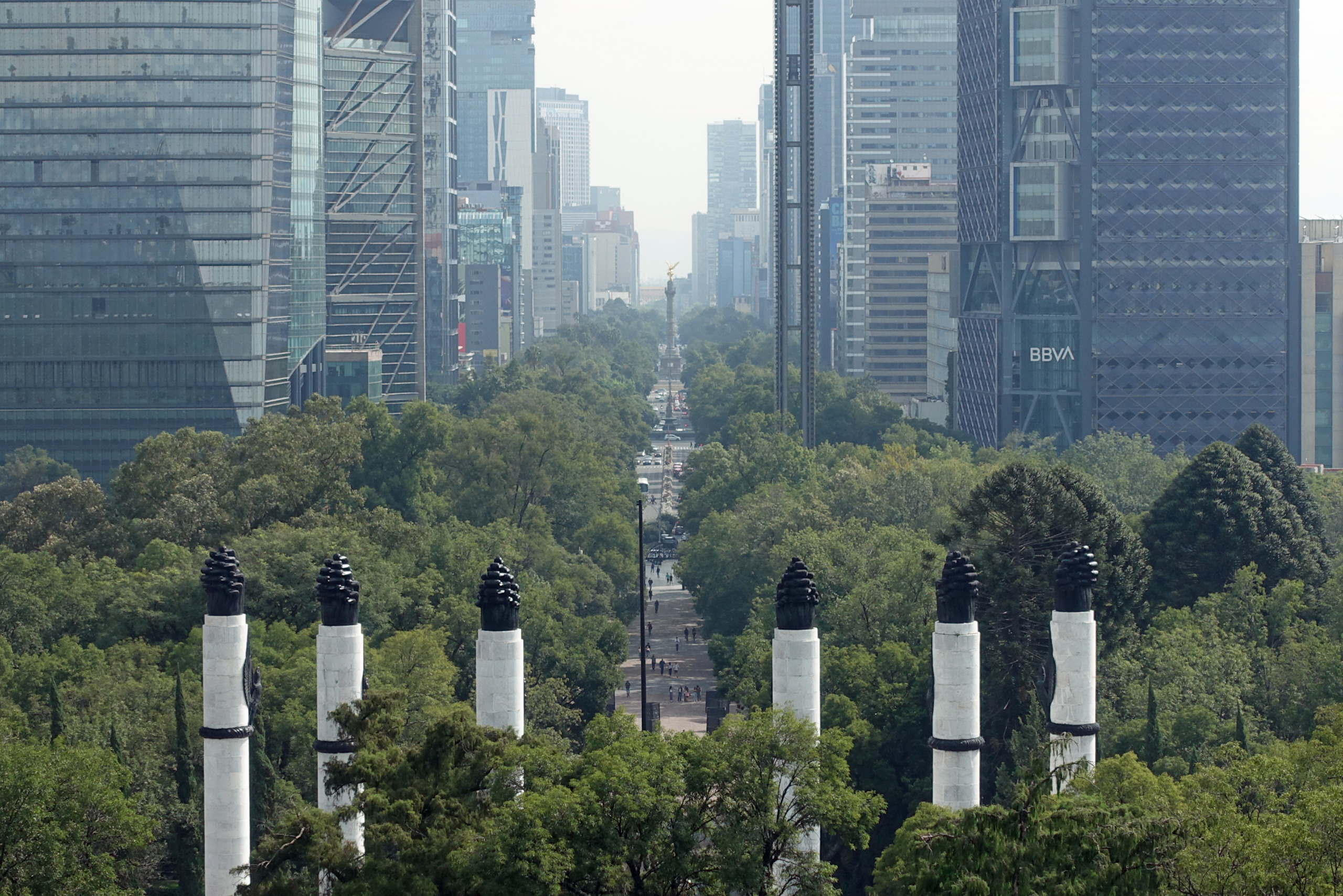
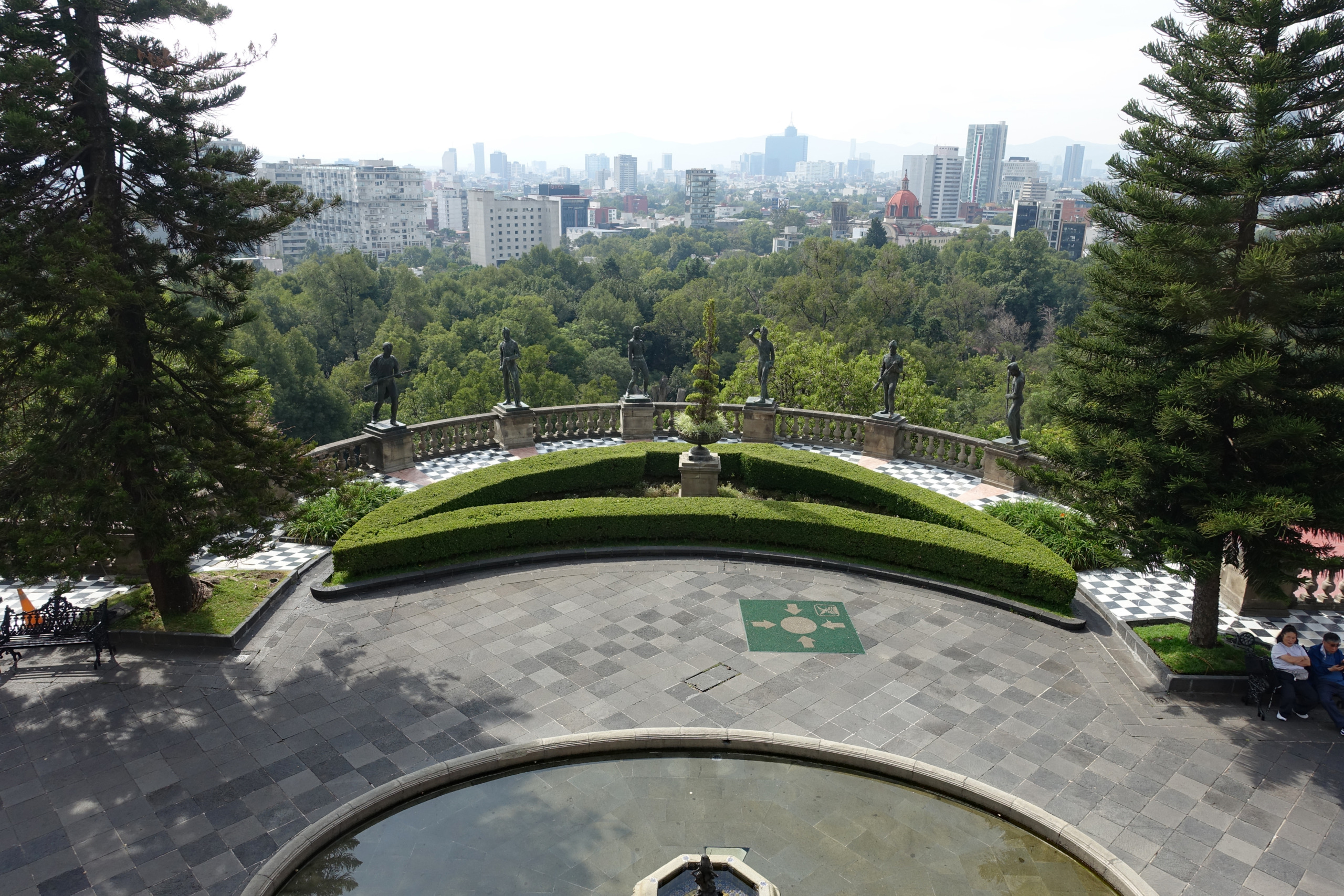
One of the most striking features of the castle is the Hallway of Stained Glass, commissioned by President Porfirio Diaz around 1900. The windows were crafted in 1901 by a renowned French master glassmaker in Paris. The series consists of large-scale panes depicting five Roman goddesses. The hallway is stunning and was my favorite part of the castle. The terraces and gardens offer unrivaled 360-degree views of Chapultec Park, Paseo de la Reforma and the entire city. Tickets for the castle cost MX 210 each.
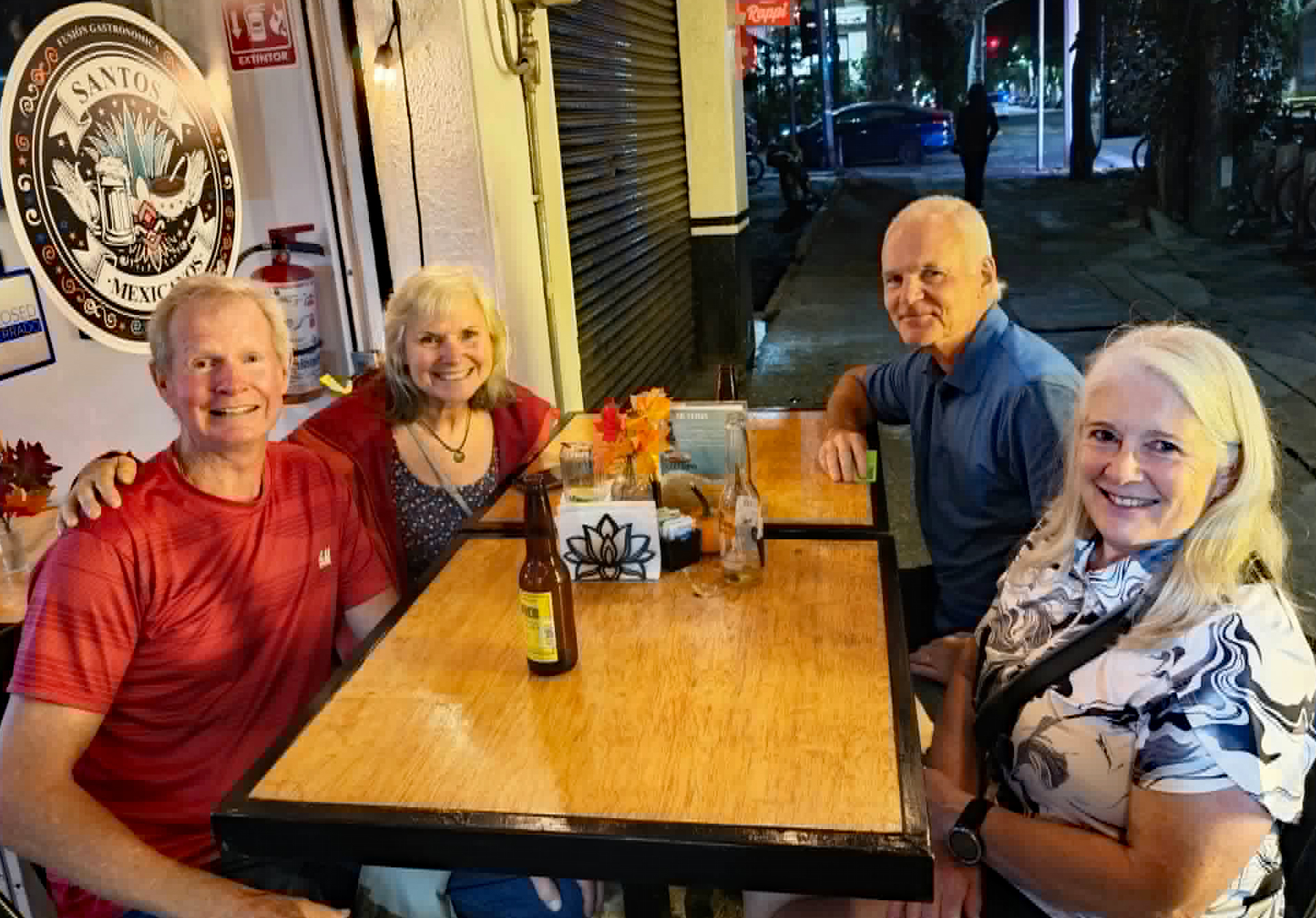
Our last evening in the city was spent having dinner with our nomadic friends Kevin & Ruth (at travelneverends.com). They were passing through Mexico City and decided to spend the night so we could have a visit. It has been a couple of years since we saw each other and we had a really great time catching up on news and upcoming plans. I love it when we cross paths with our nomadic friends 😊
We had a busy 16 days in Mexico City and I think we saw what we had planned to see, and found a few more interesting locations. We are not big city folk but overall we have enjoyed our time here exploring the historic places the city has to offer. Next up, we are taking the bus 4.5 hours northwest to the mountain town of San Miguel de Allende…..
TRIP TIPS
Our arrival into Mexico City was slick as can be using the electronic passport booths, we did not have have complete any pre-arrival documents or say how long we are staying. It’s straighforward and automated with no interaction with an actual person.
Taking the bus and subway in Mexico City is easy using any debit or credit card to tap your way on. There is a transit card that can be bought and topped up at most of the bus/subway stations but we found our own cards worked just fine. Trips are inexpensive at 5 or 6 pesos per person each way.
Condessa and Roma Norte seem to be the popular areas for tourists to stay but we really enjoyed staying in the BeGrand Reforma building. We could walk to the historic center, it was pretty quiet on the 41st floor, and we were one block off Reforma Ave close to the subway and bus.
.
.