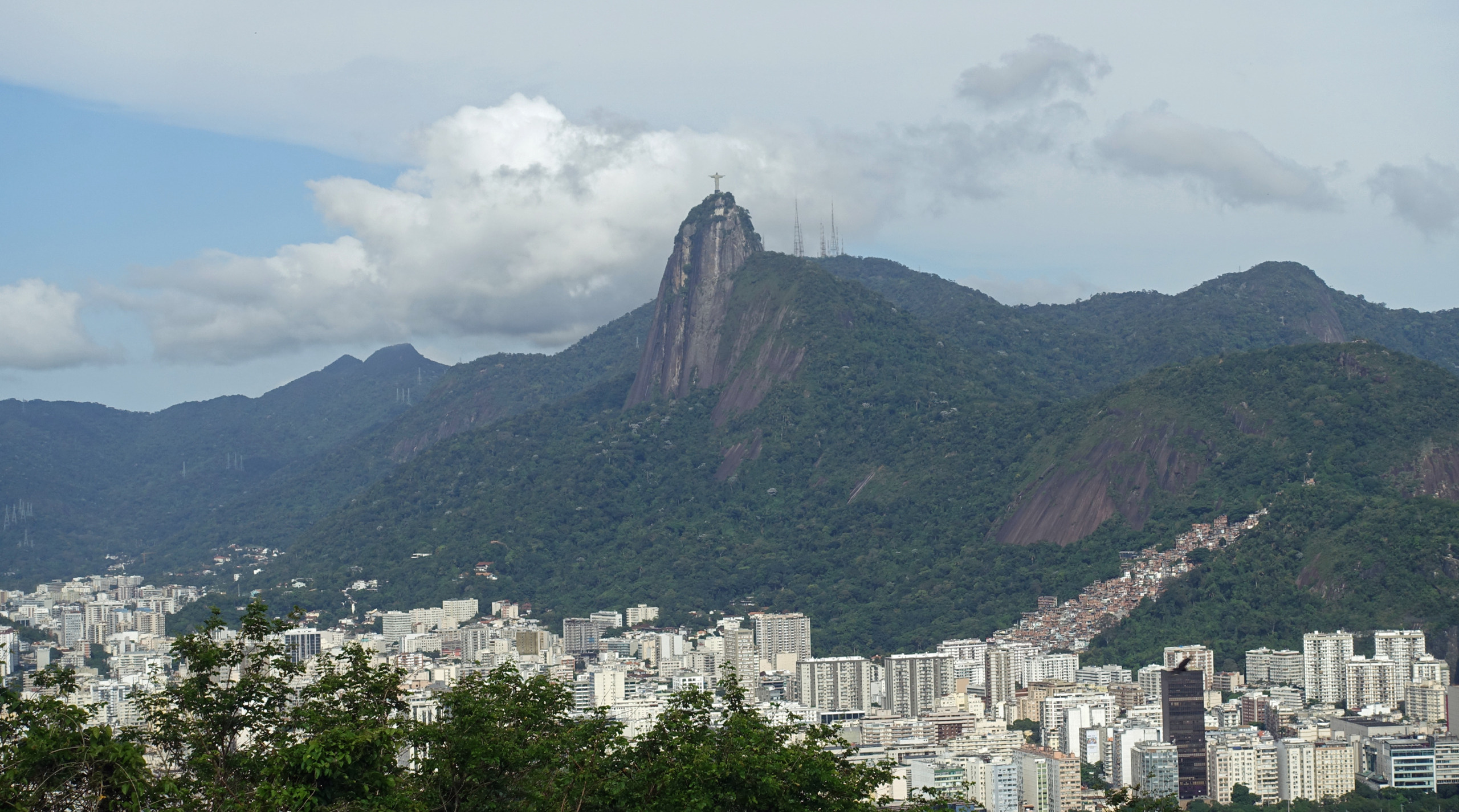
Brazil is a new country for us and spending time in Rio de Janeiro was high on our list. For years we’ve heard about Copacabana, Ipanema, Christ the Redeemer and Sugarloaf Mountain. We were looking forward to visiting these famous sites.
Rio de Janeiro is the second largest city in Brazil after Sao Paulo, and attracts the largest number of international tourists. Founded in 1565 by the Portuguese it was the capital of the Portuguese Empire, the Empire of Brazil and then the Republic of Brazil until 1960, when the capital moved to Brasilia. As of 2025 Rio de Janeiro has a population of 6 million in the city proper and 13 million in the metropolitan area. Rio hosted the 2016 Summer Olympic Games, it was a historic event marking the first time the Olympic Games were hosted in South America. The city is wedged between dramatic granite peaks, dense tropical rainforests and the Atlantic Ocean. It’s got a vibrant energy, rich history and popular beach culture. And a lot of crime!!! The neighborhood you see creeping up the hillside in the above photo is a favela, a slum/shanty town. There are more than 1,000 favelas in Rio where roughly 15% of the city’s population live.
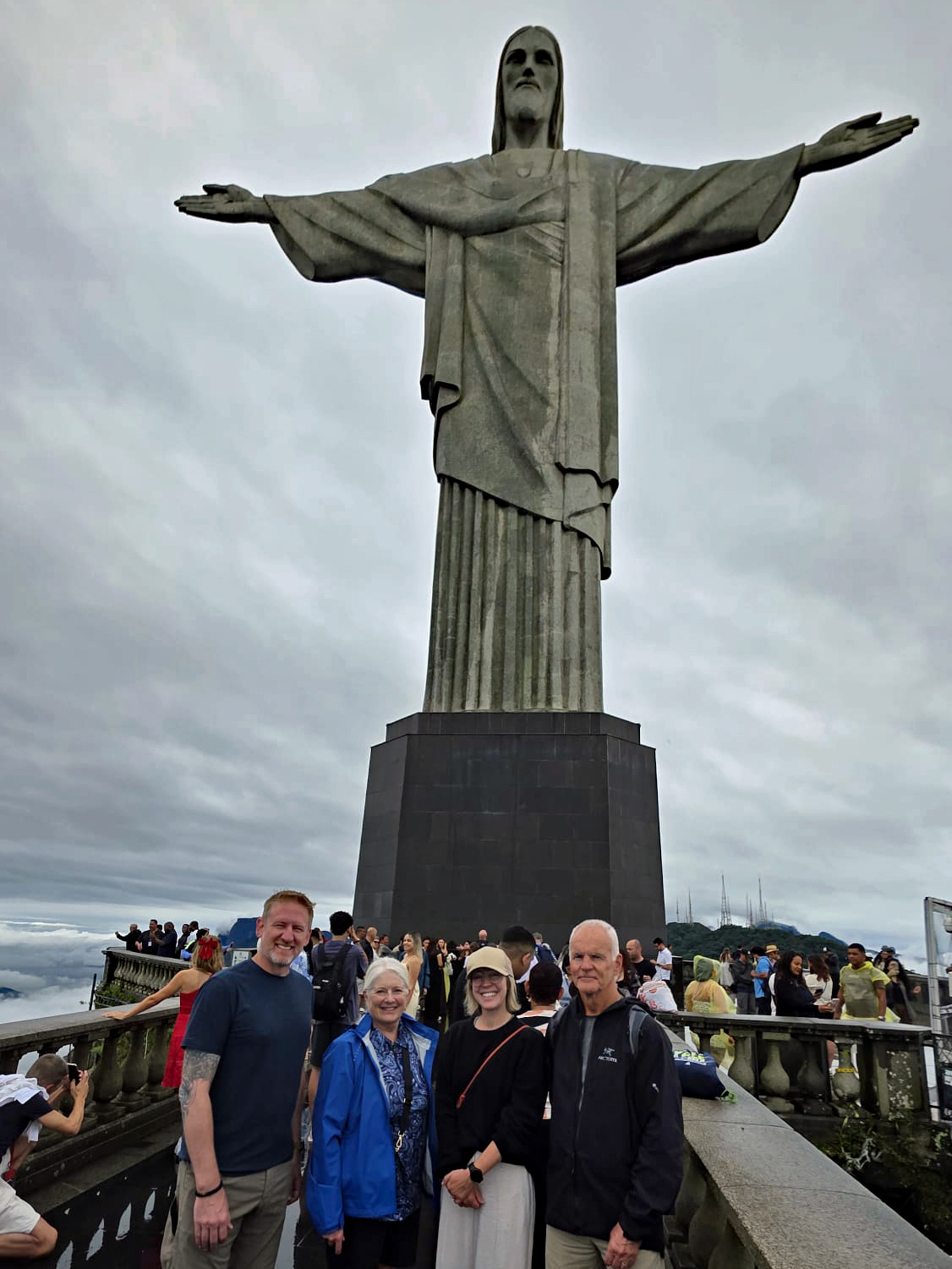
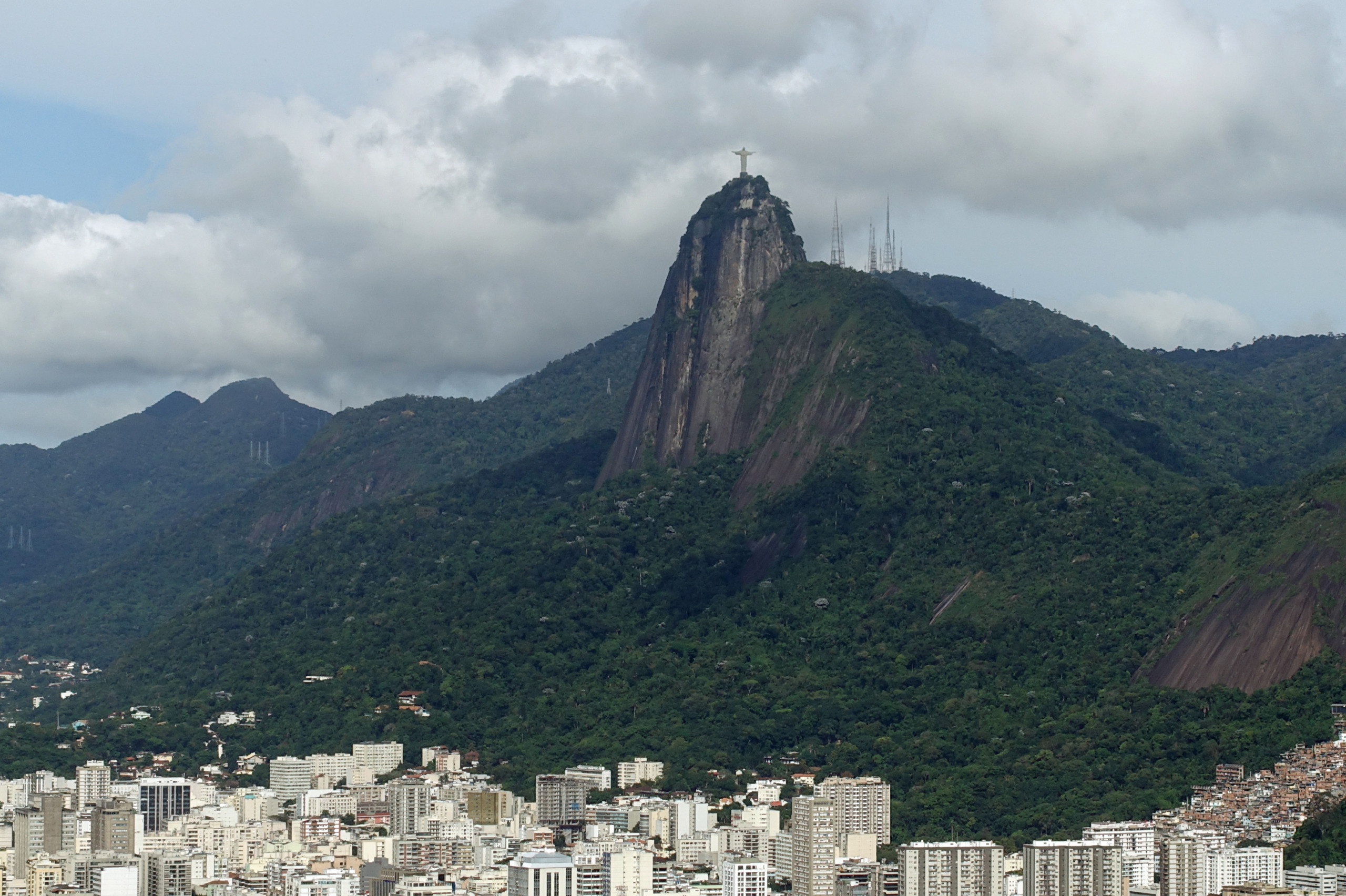
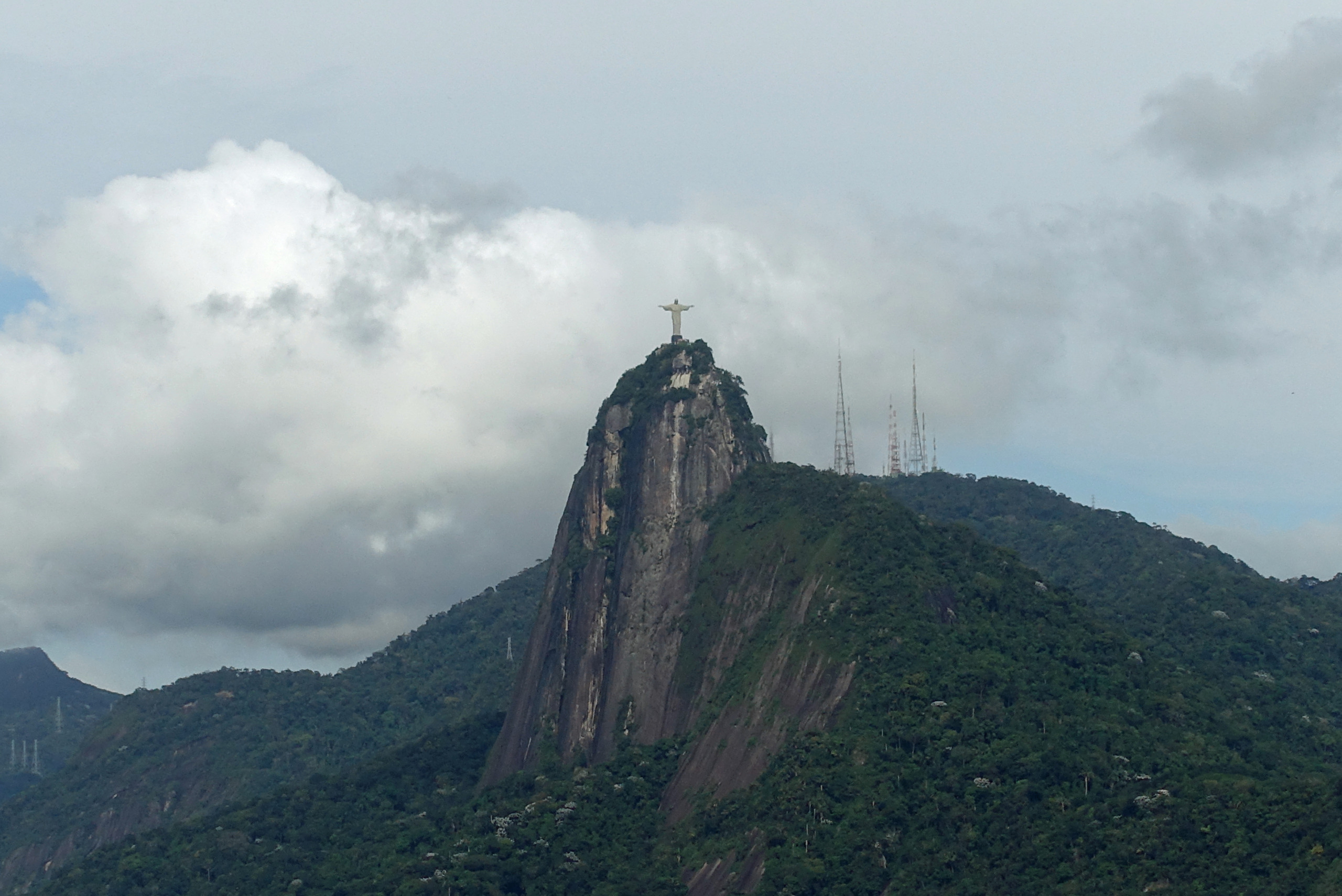
The most famous image that comes to mind when people think of Brazil, and Rio de Janeiro, is Cristo Redentor (Christ the Redeemer). The 30 meter tall Art Deco statue of Jesus stands atop Corcovado Mountain in Tijuca National Park, overlooking the city with sweeping 360 degree views. The statue was constructed between 1922 and 1931 and has become the cultural icon of both Rio de Janeiro and Brazil. In 2007 it was voted as one of the New 7 Wonders of the World.
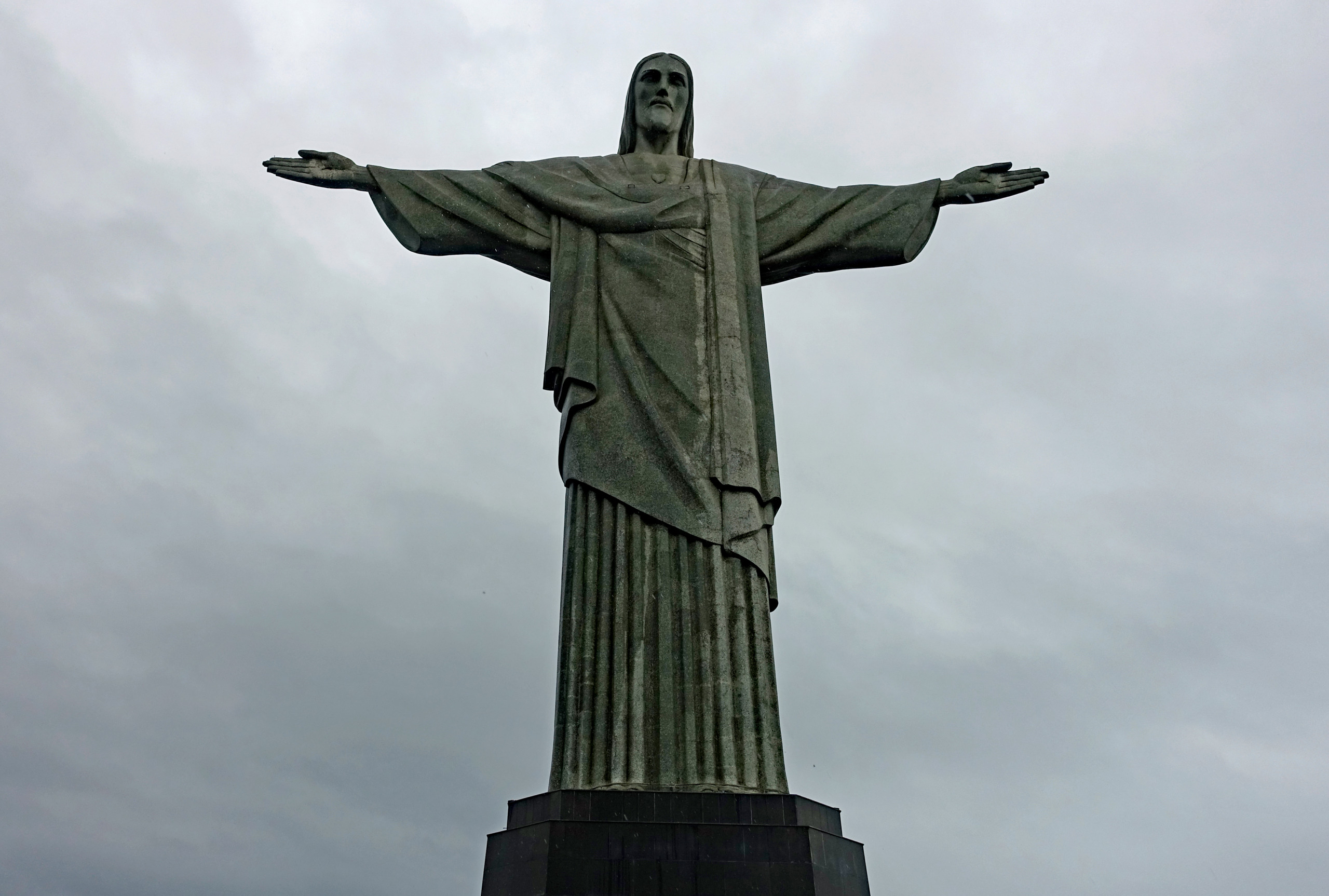
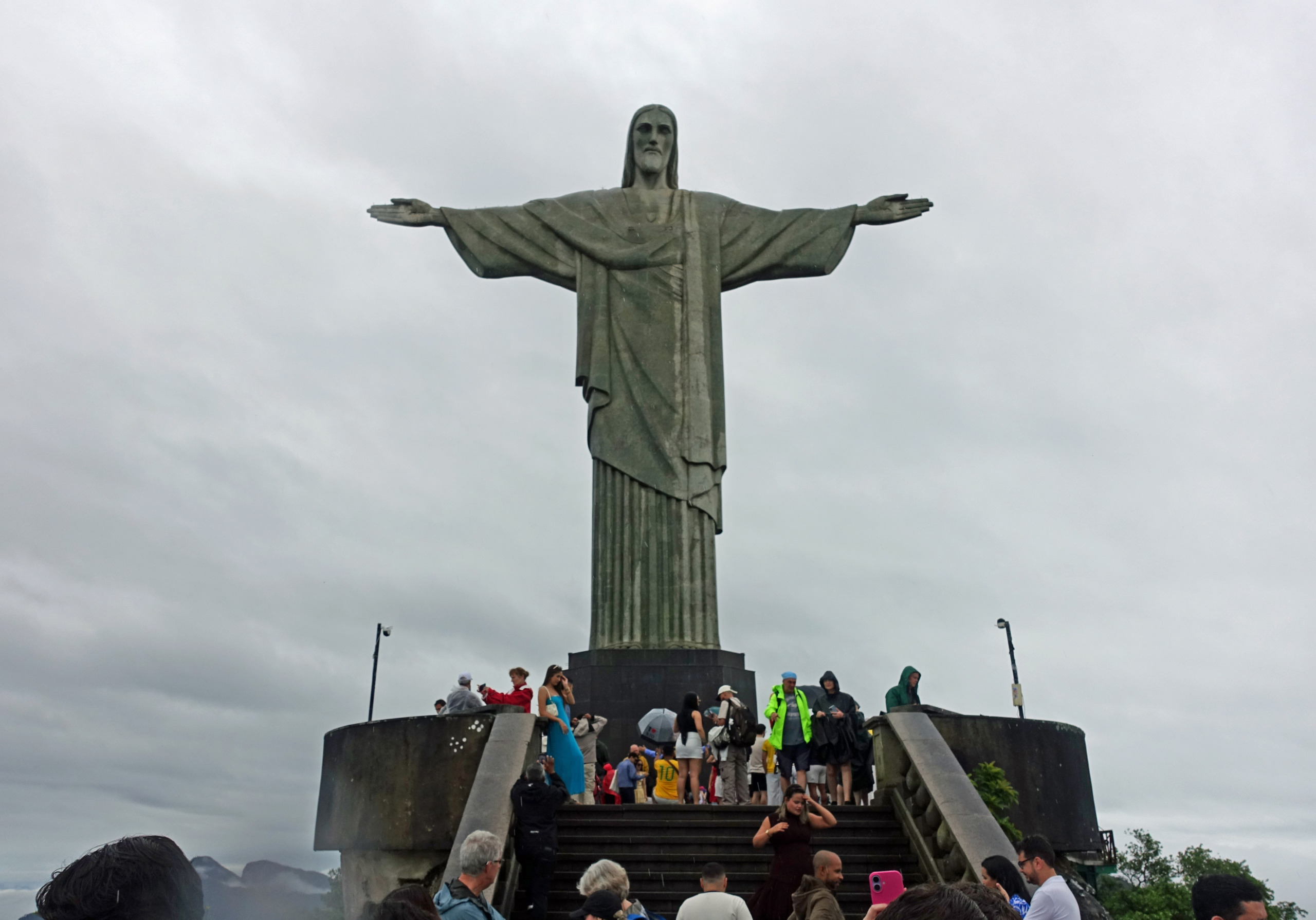
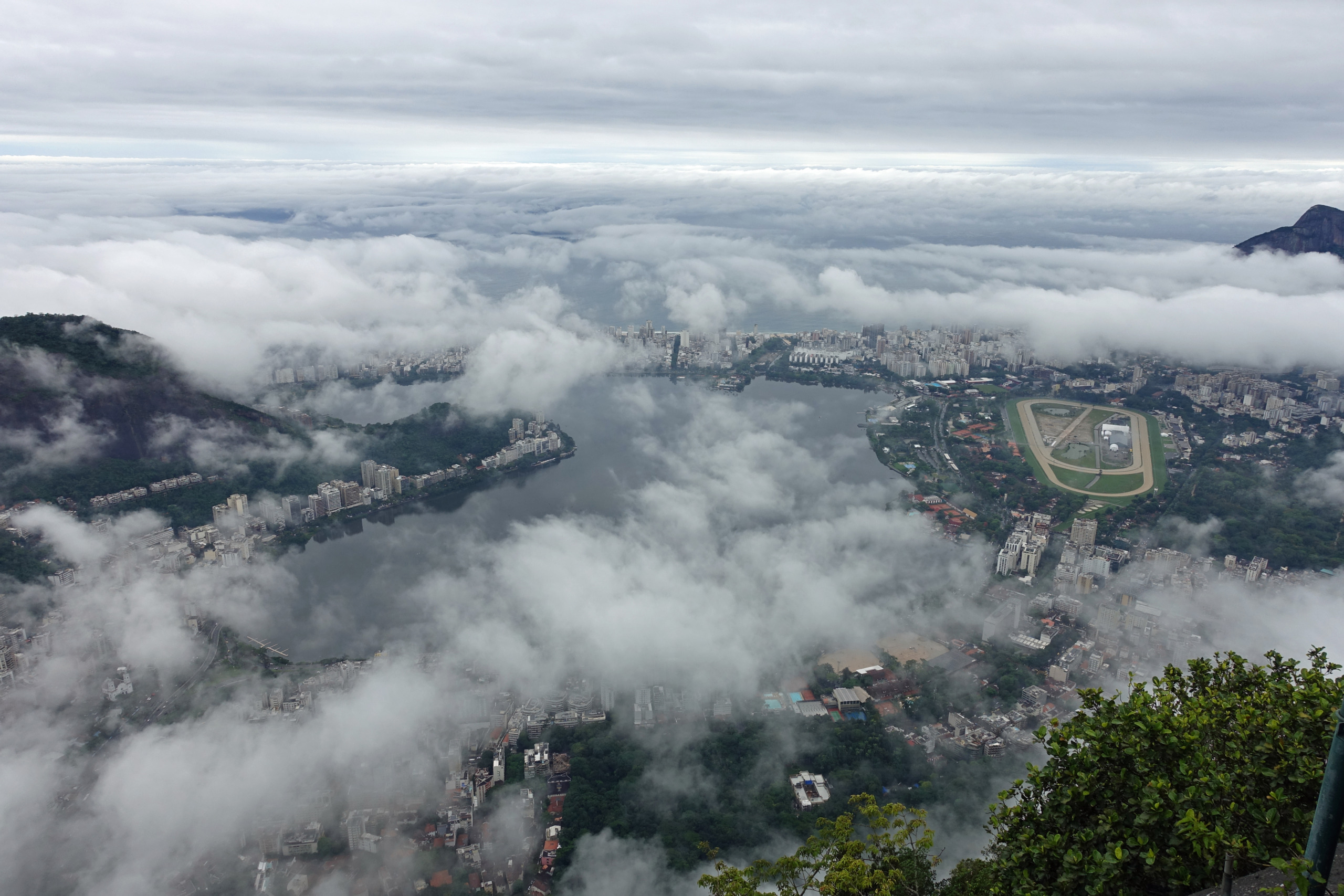
Before arriving in Rio we connected with Jerome & Lisa through one of the nomad Facebook groups we belong to and arranged to go on a tour together. Our half day tour included Christ the Redeemer and Sugarloaf Mountain, booked through Viator who used Carioca Tours. The tour cost USD $126 each and included a driver, guide and entrance tickets to both attractions.
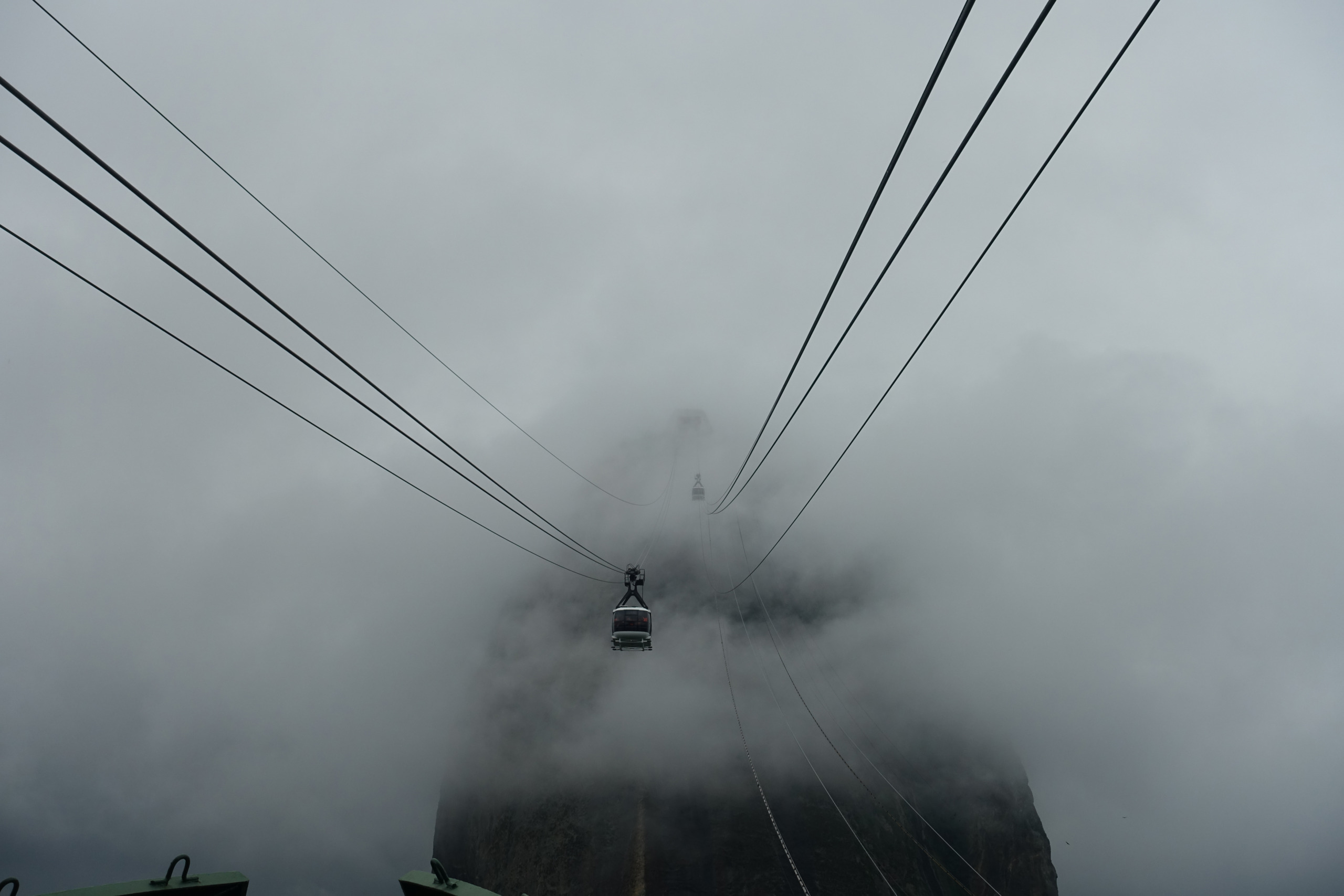
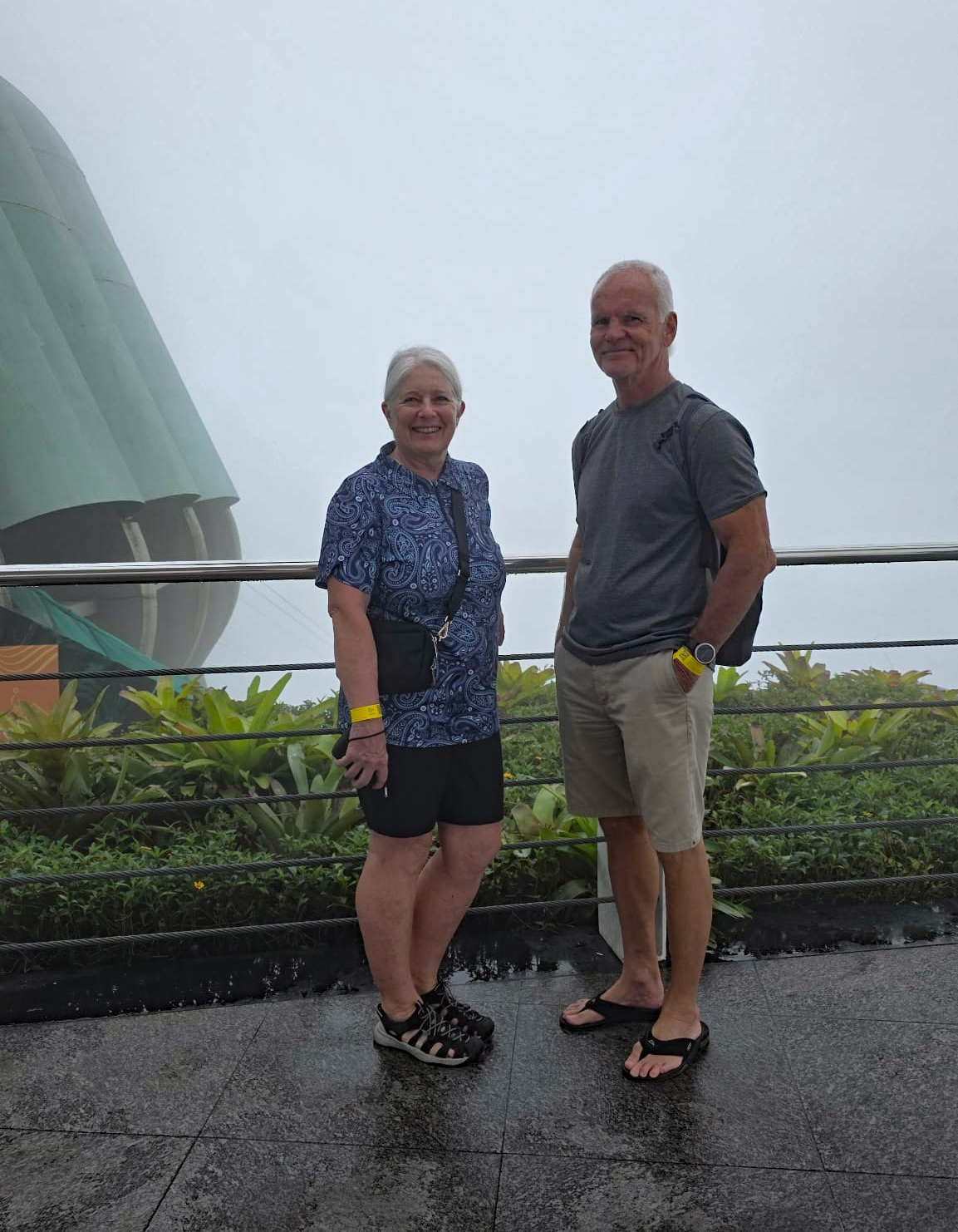
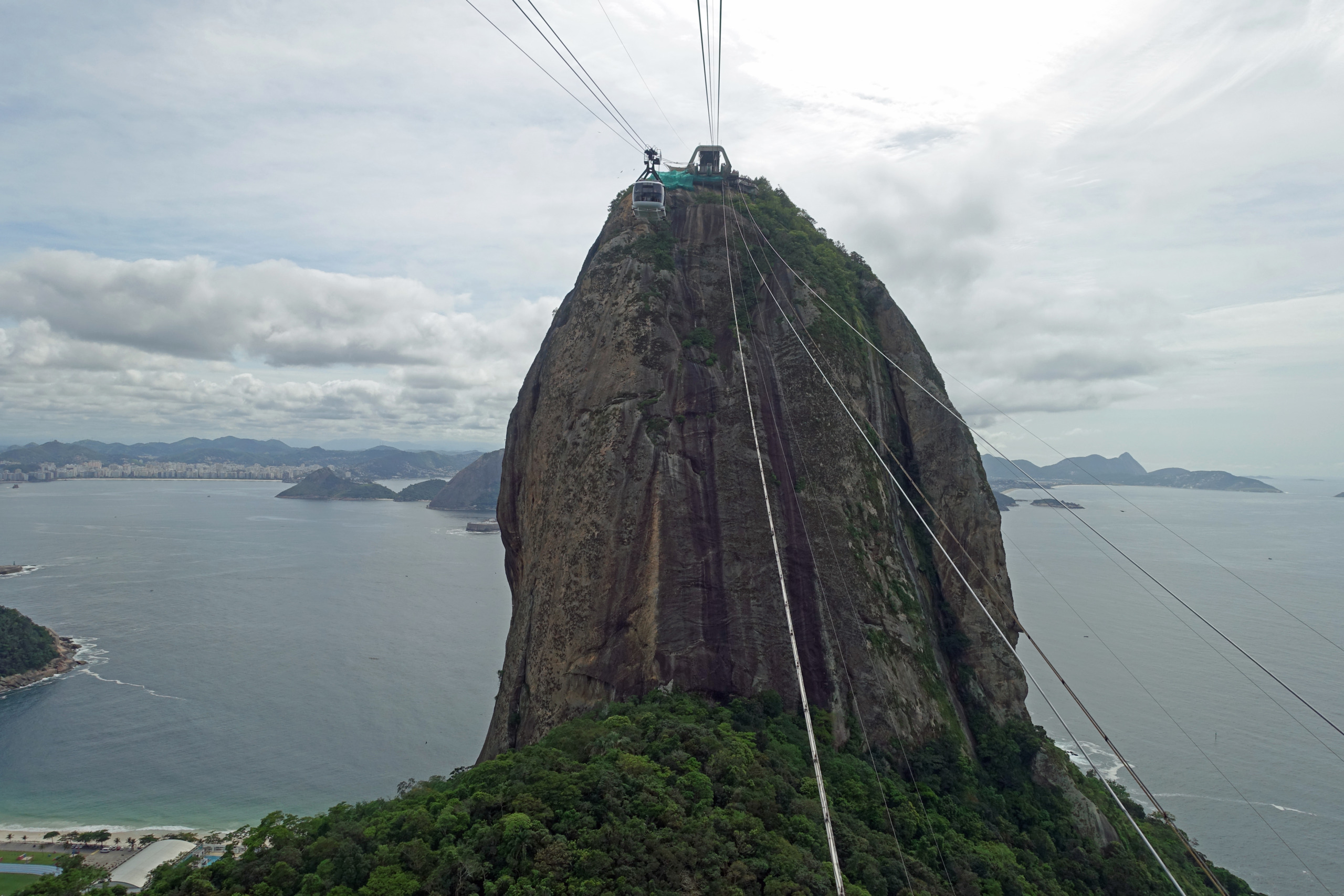
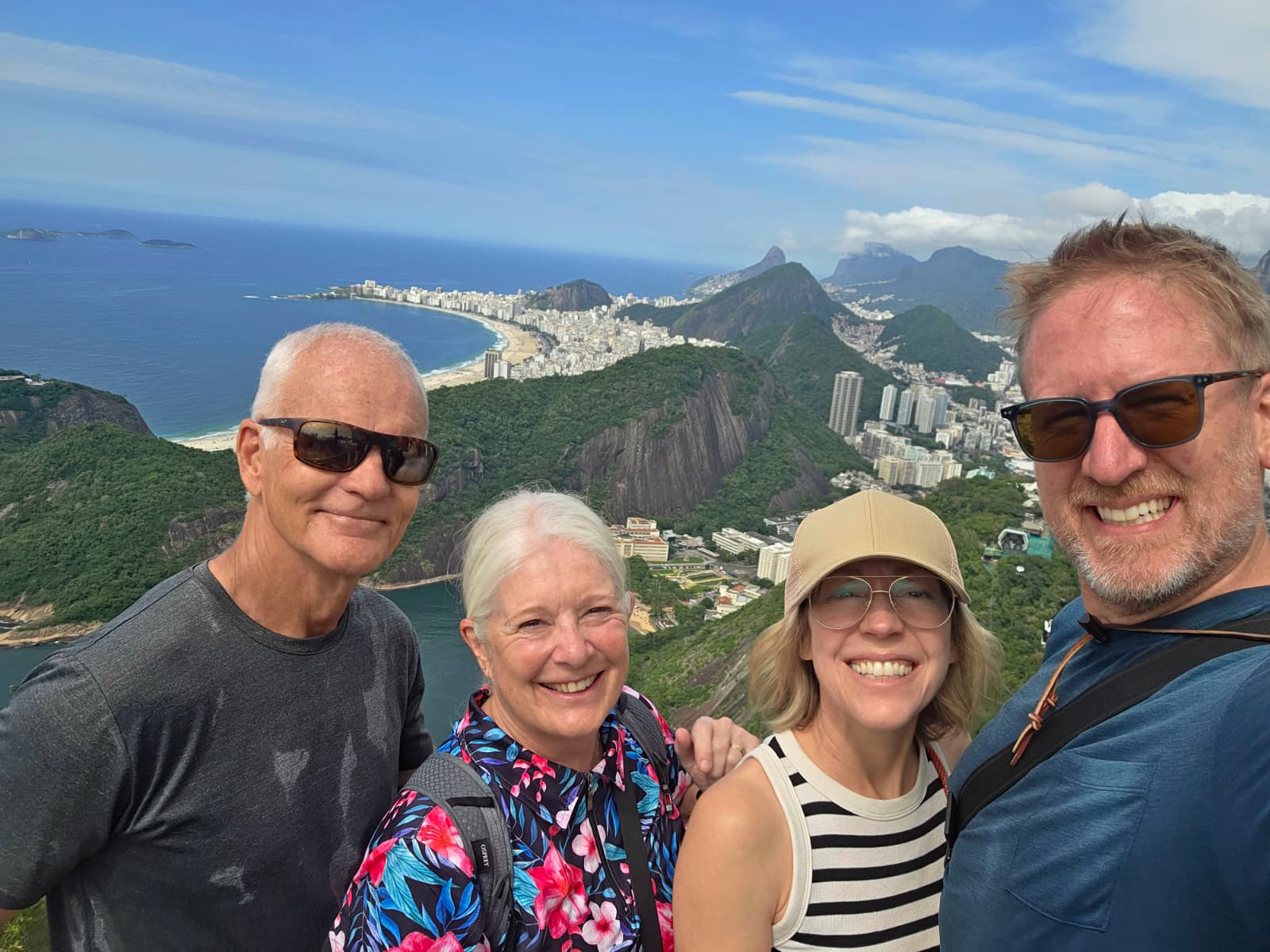
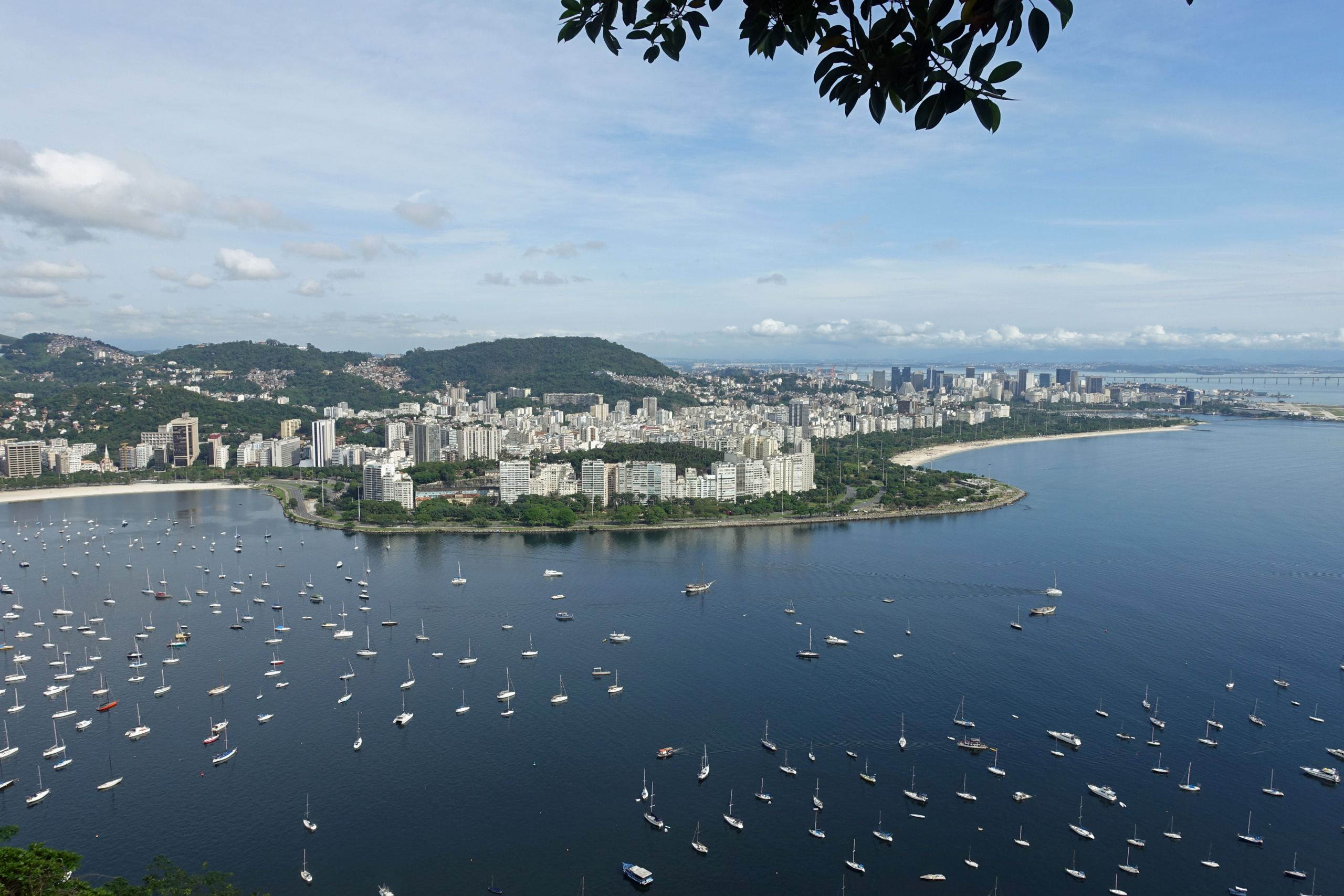
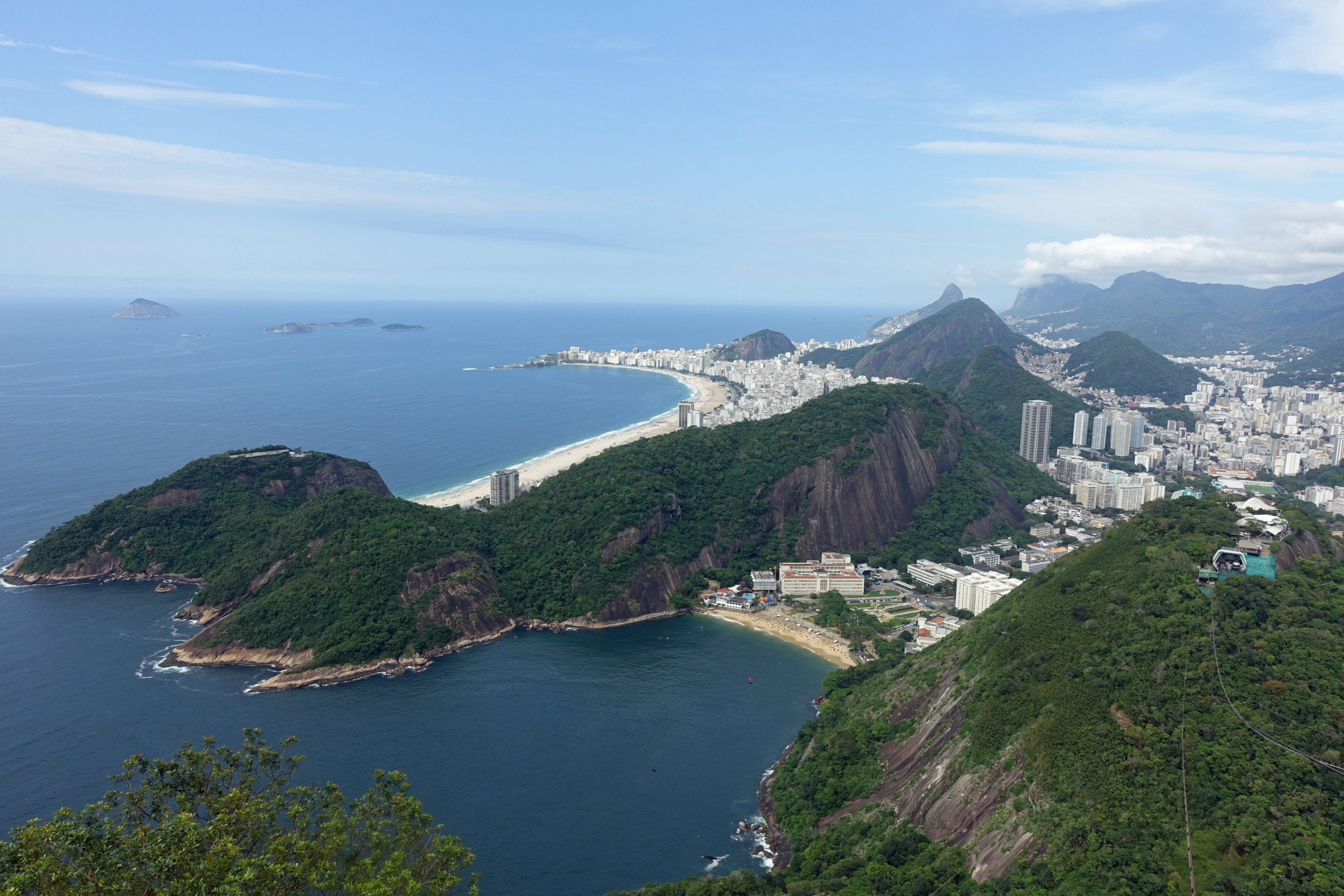
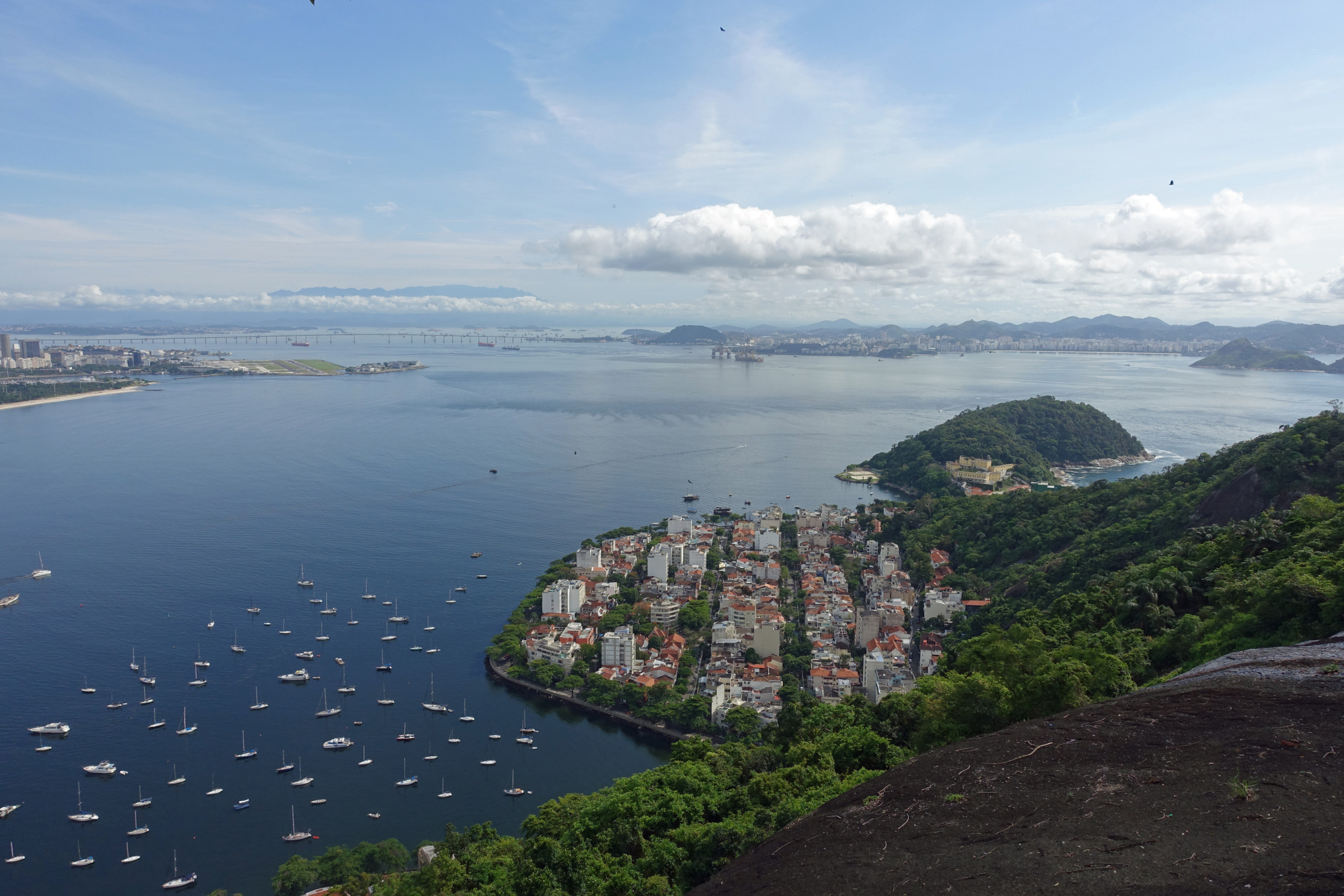
Sugarloaf Mountain is a famous granite peak rising out of Guanabara Bay accessible via a two stage glass-walled cable car. The name Sugarloaf comes from the striking resemblance of the moutain to the traditional, cone-shaped molds of concentrated refined sugar used by Portuguese traders and colonizers during the 16th century sugar trade. When we visited on our half day tour the sky was overcast and clouds covered the top of the mountain. We took the cable cars up but there was simply no view at all. We waited for a sunny morning and headed back for another trip up the mountain, asking Jerome & Lisa to join us again. Lisa & I took both cable cars and the guys hiked the first peak then met us for the second cable car to the top. This time we were rewarded with fantastic views of Rio, Guanabara Bay, Copacabana Beach and Christ the Redeemer off in the distance. I was pretty disappointed during our first visit so I am happy we all went back to experience this iconic location in the sunshine ☀️
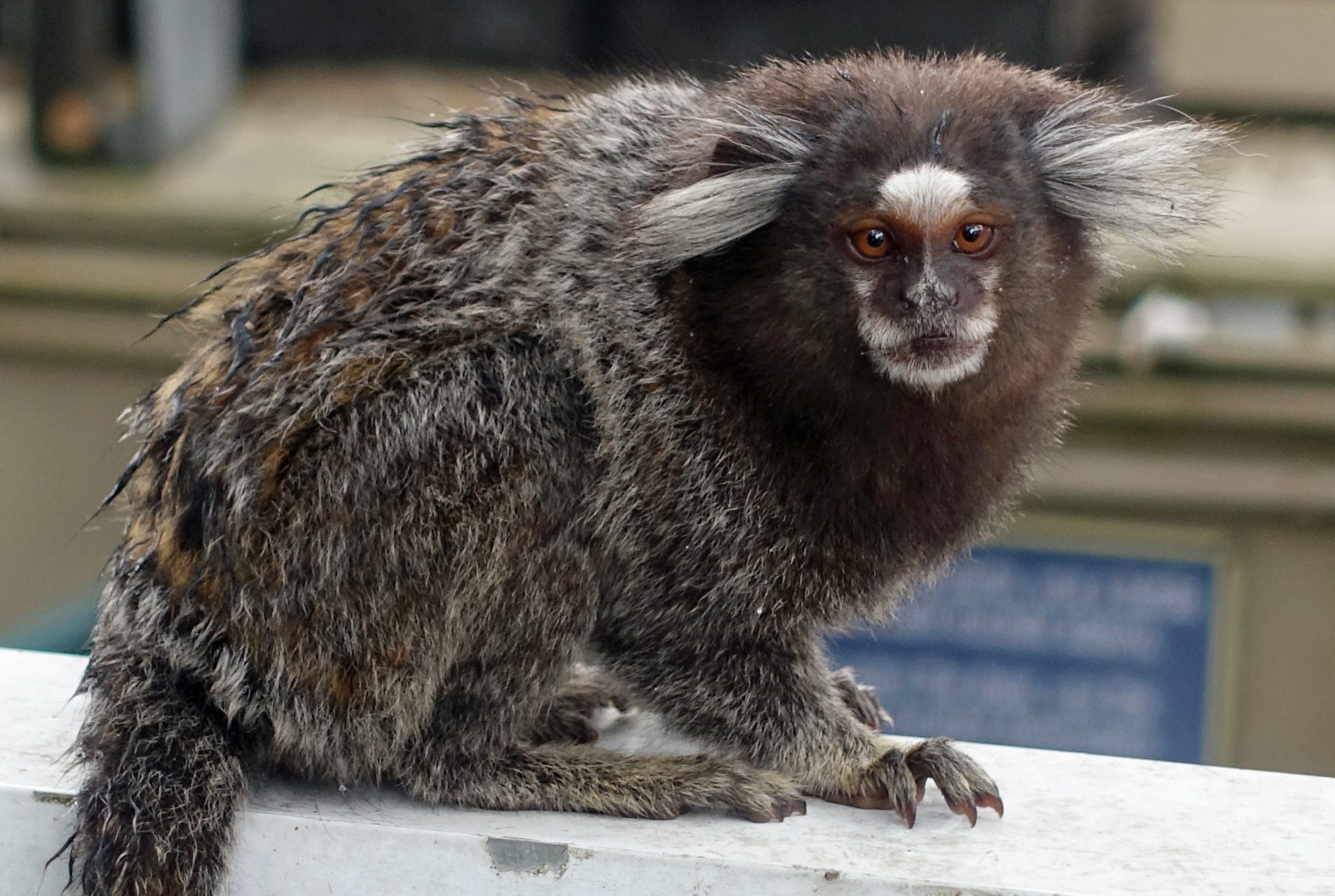
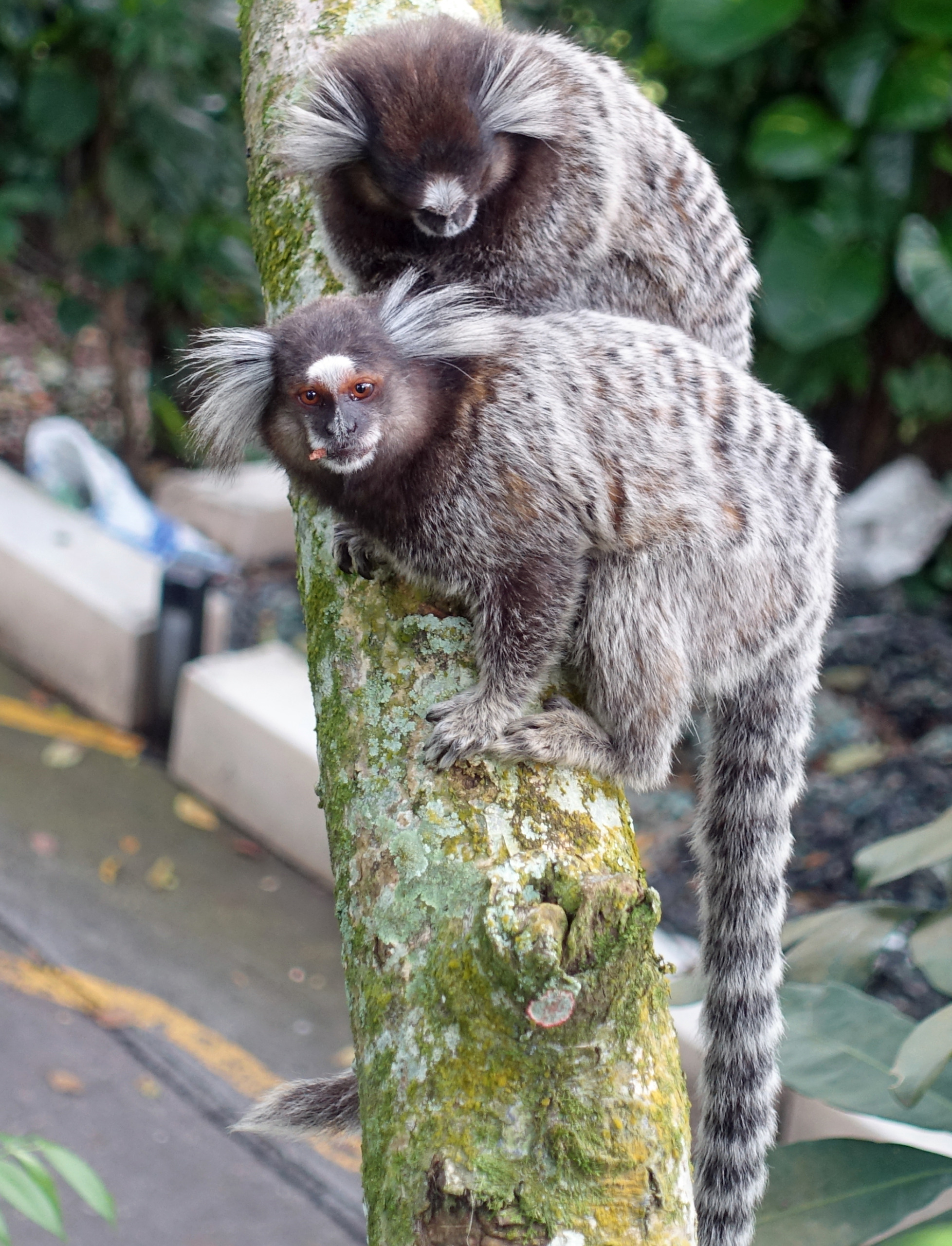
Atop Sugarloaf Mountain we saw quite a few Marmoset’s. They are a small, soft-furred New World monkey, native to South America (primarily Brazil). We all thought they were pretty adorable.
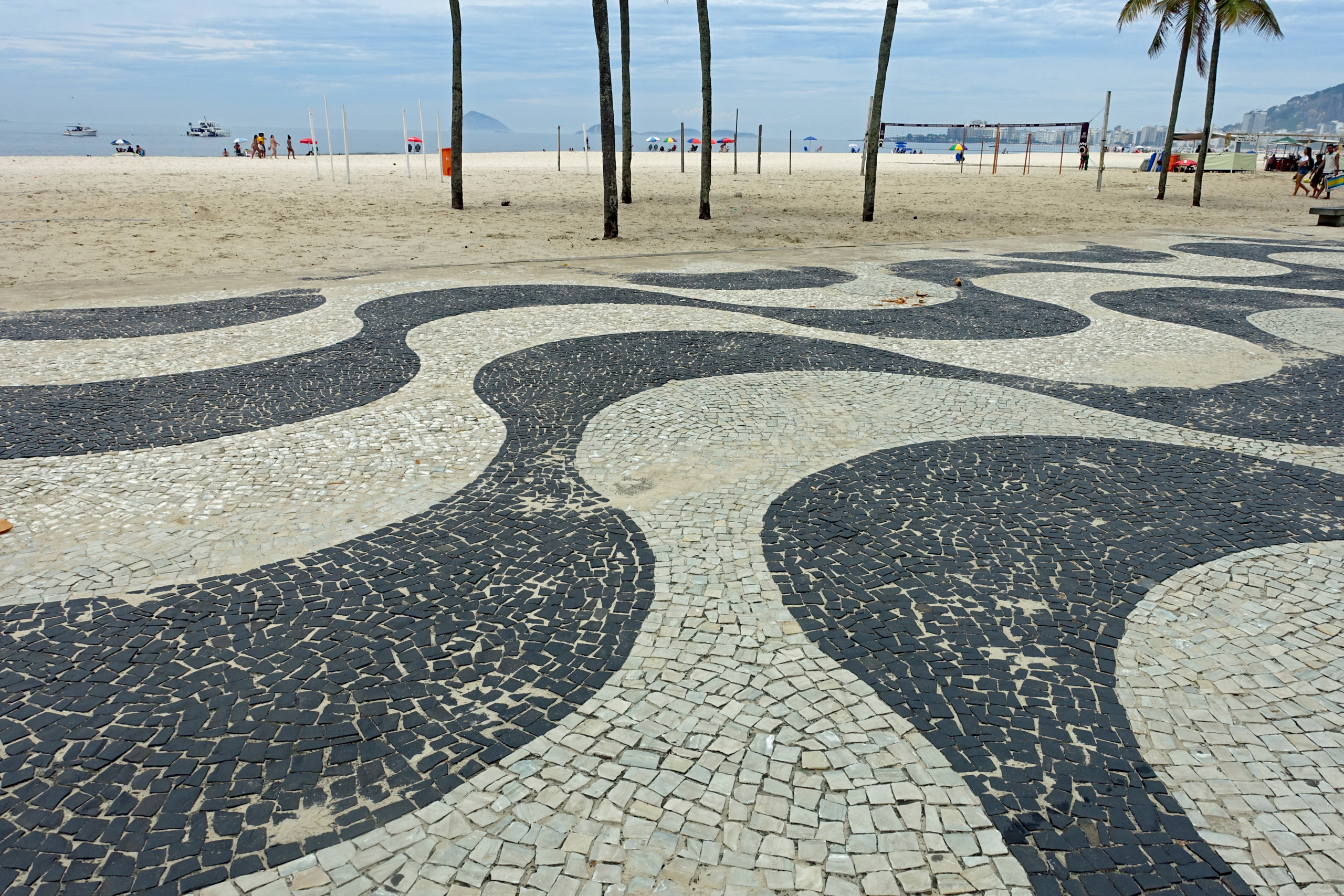
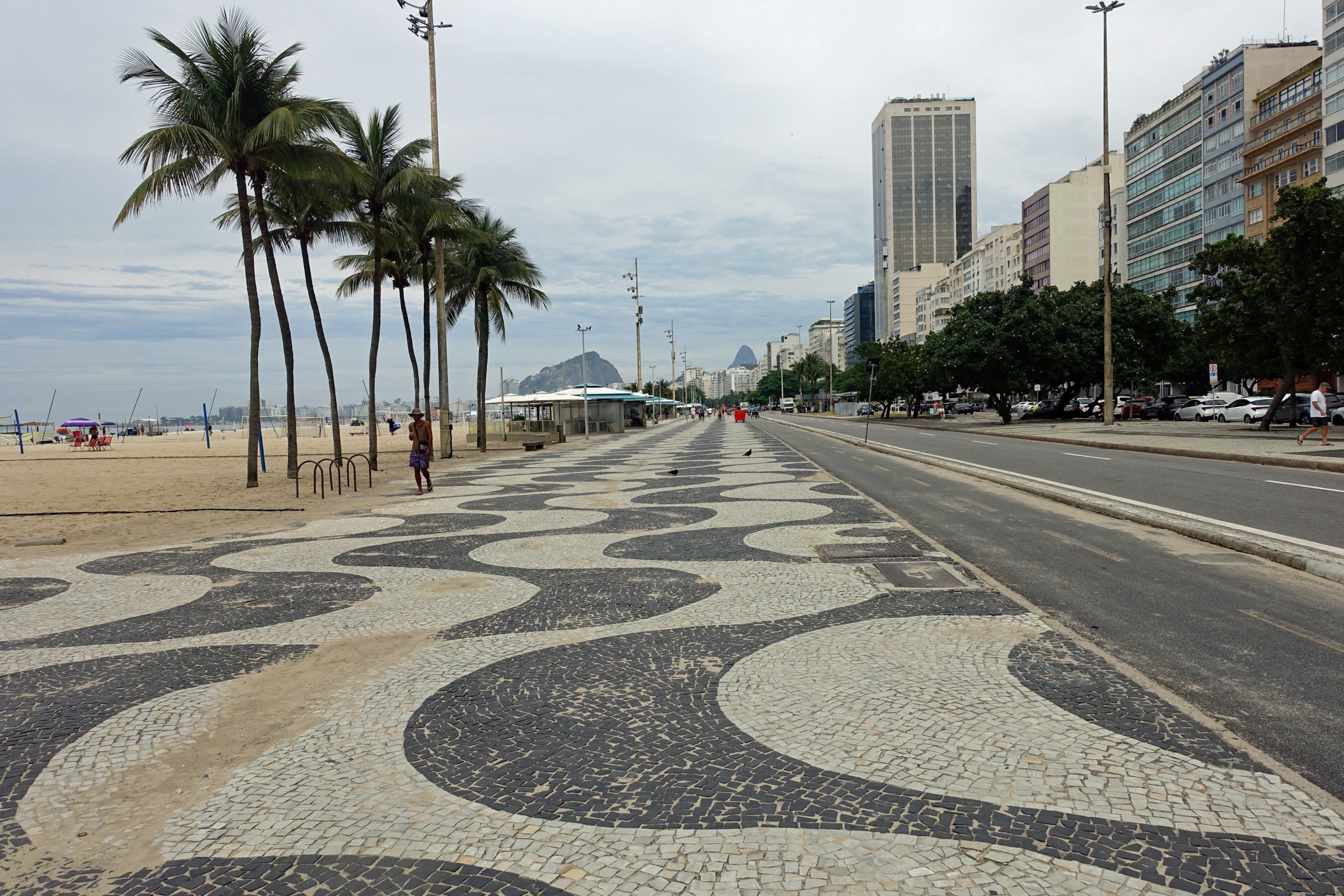
The iconic beaches of Copacabana and Ipanema serve as central social hubs for sunbathing, beach volleyball and local culture. The Copacabana promenade is arguably the most famous sidewalk in the world. Stretching over 4km along Avenida Atlantica, its black and white stone mosaic has become a universal symbol of Rio. The concept originates from calçada portuguesa (Portuguese pavement) and when Rio modernized its waterfront in 1906, master pavers and original stones were shipped over from Lisbon. The entire promenade was overhauled in 1970 by a Brazilian landscape architect and the wave pattern redesigned to run parallel to the ocean, mirroring the crashing tide. It’s officially recognized as a piece of cultural heritage.
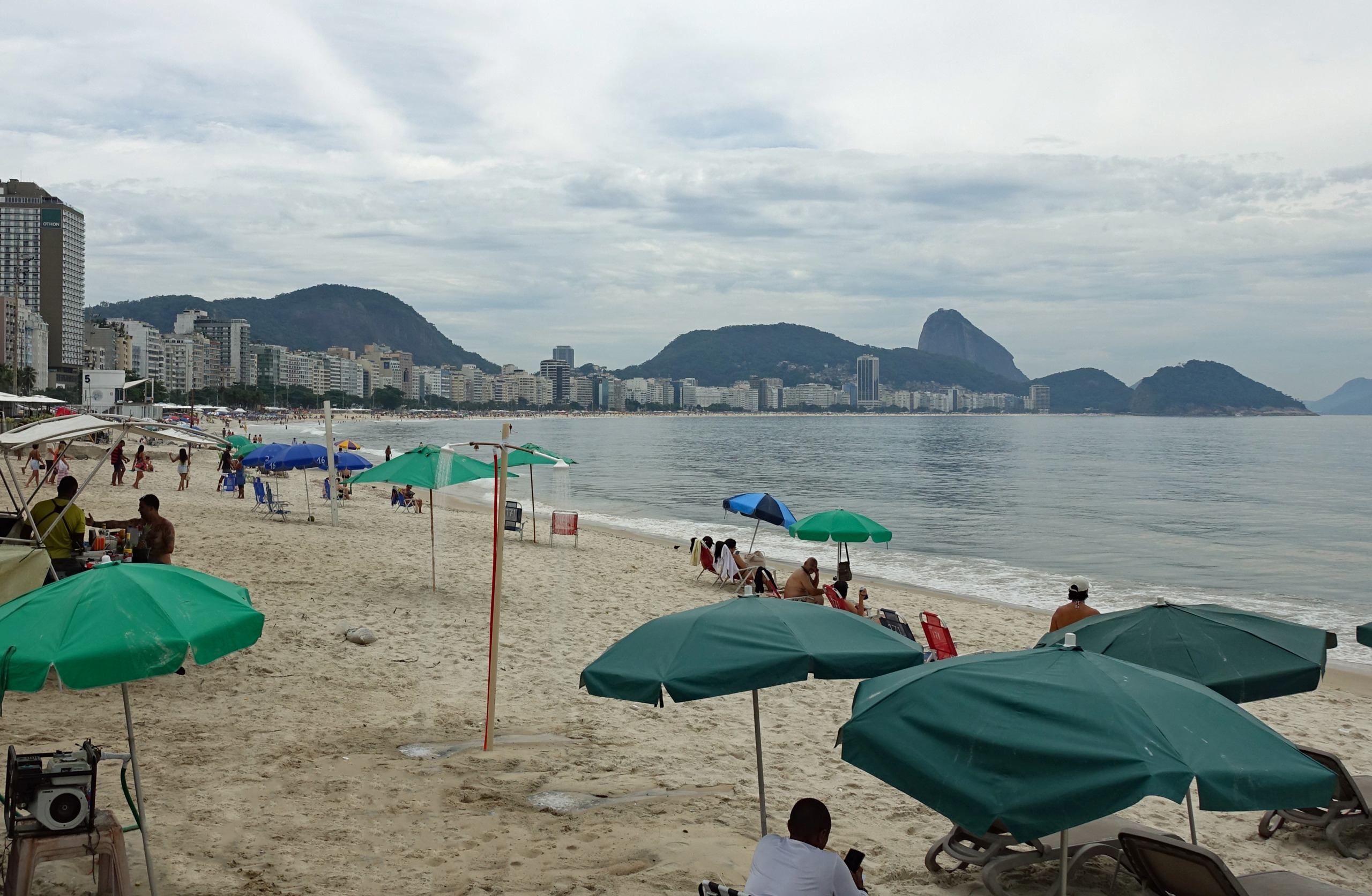
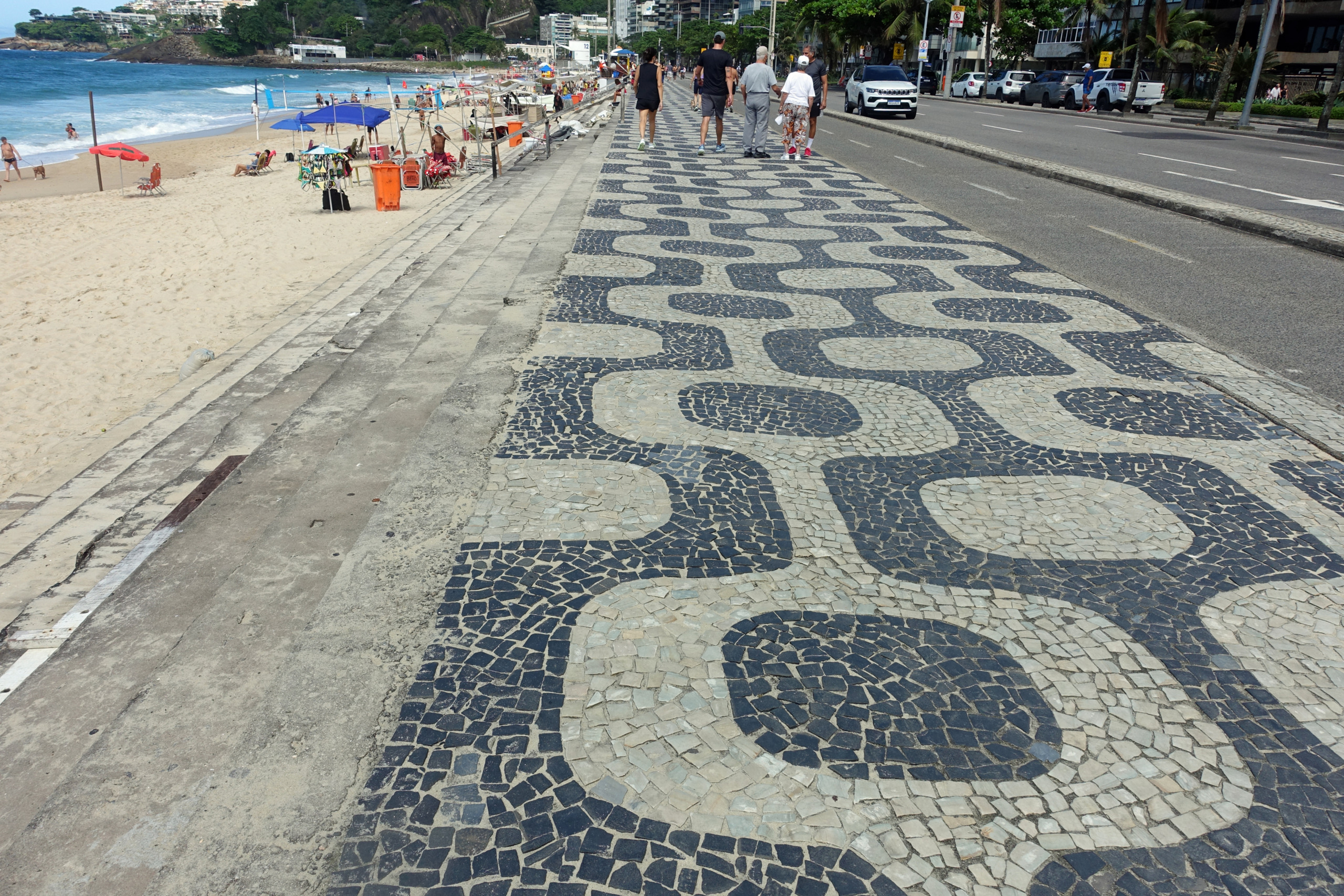
The adjacent neighborhoods of Ipanema and Leblon put their own unique spin on the calçada portuguesa tradition featuring a distinct geometric pattern, rather than the rolling ocean waves of Copacabana. The stones maintain the traditional black basalt and white limestone contrast creating a sophisticated artistic appearance. Every single stone in both boardwalks is hand-cut and laid piece-by-piece by specialized artisans onto a sand and gravel base. Rio employs maintenance crews dedicated exclusively to repairing and meticulously hand-replacing sections of the mosaic using traditional techniques. If you can’t remember what beach you’re at, just look down at the pattern on the boardwalk 😂
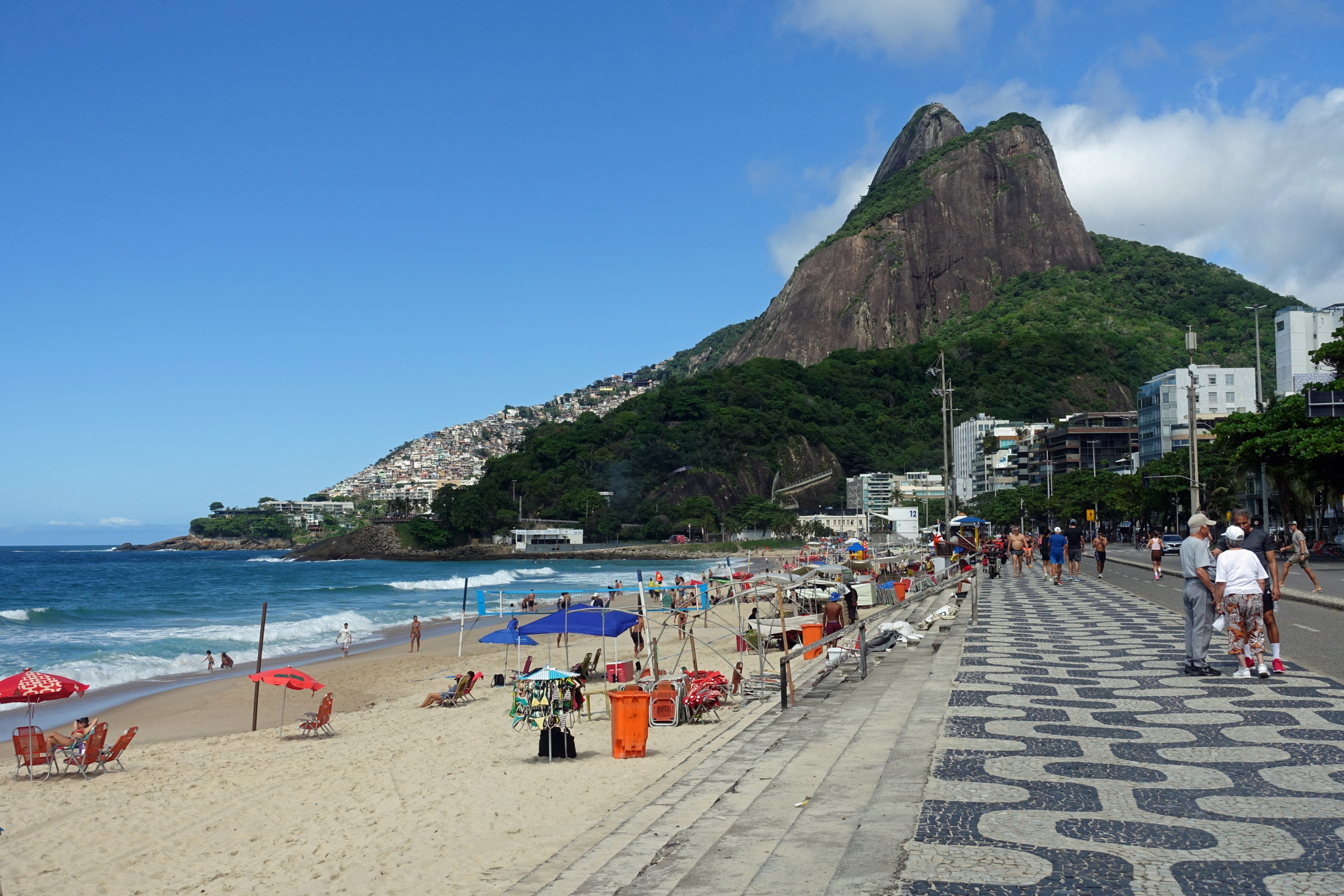
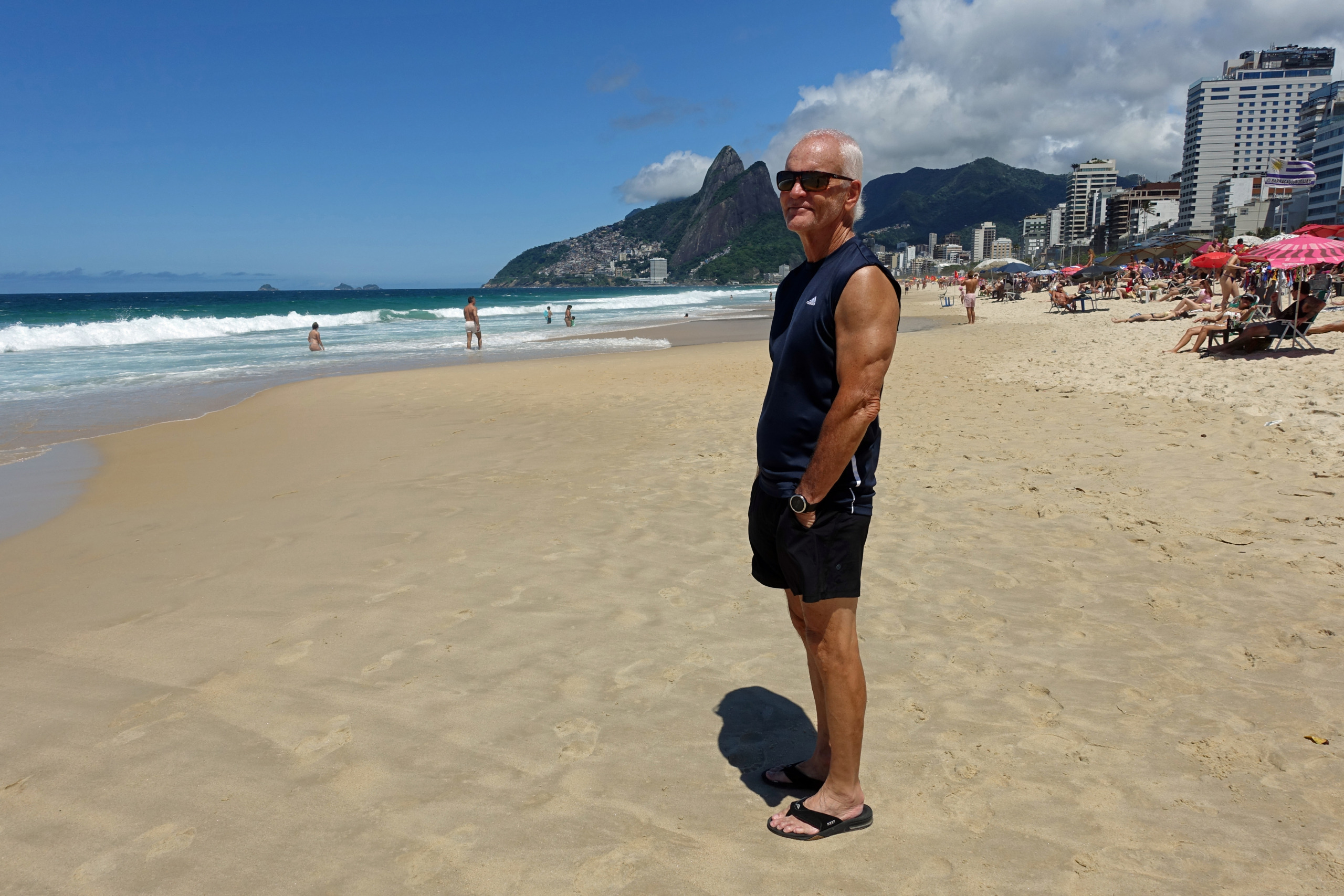
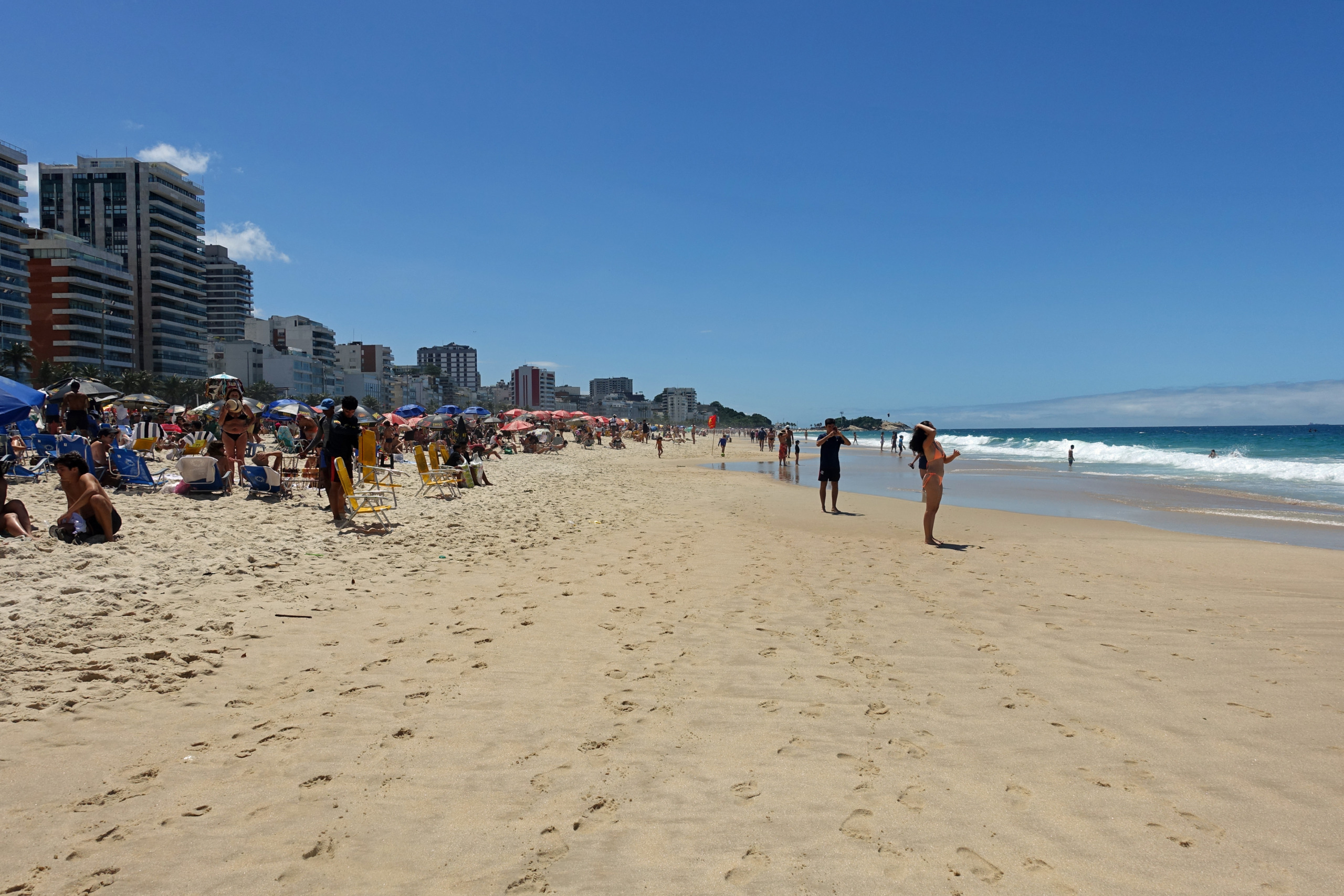
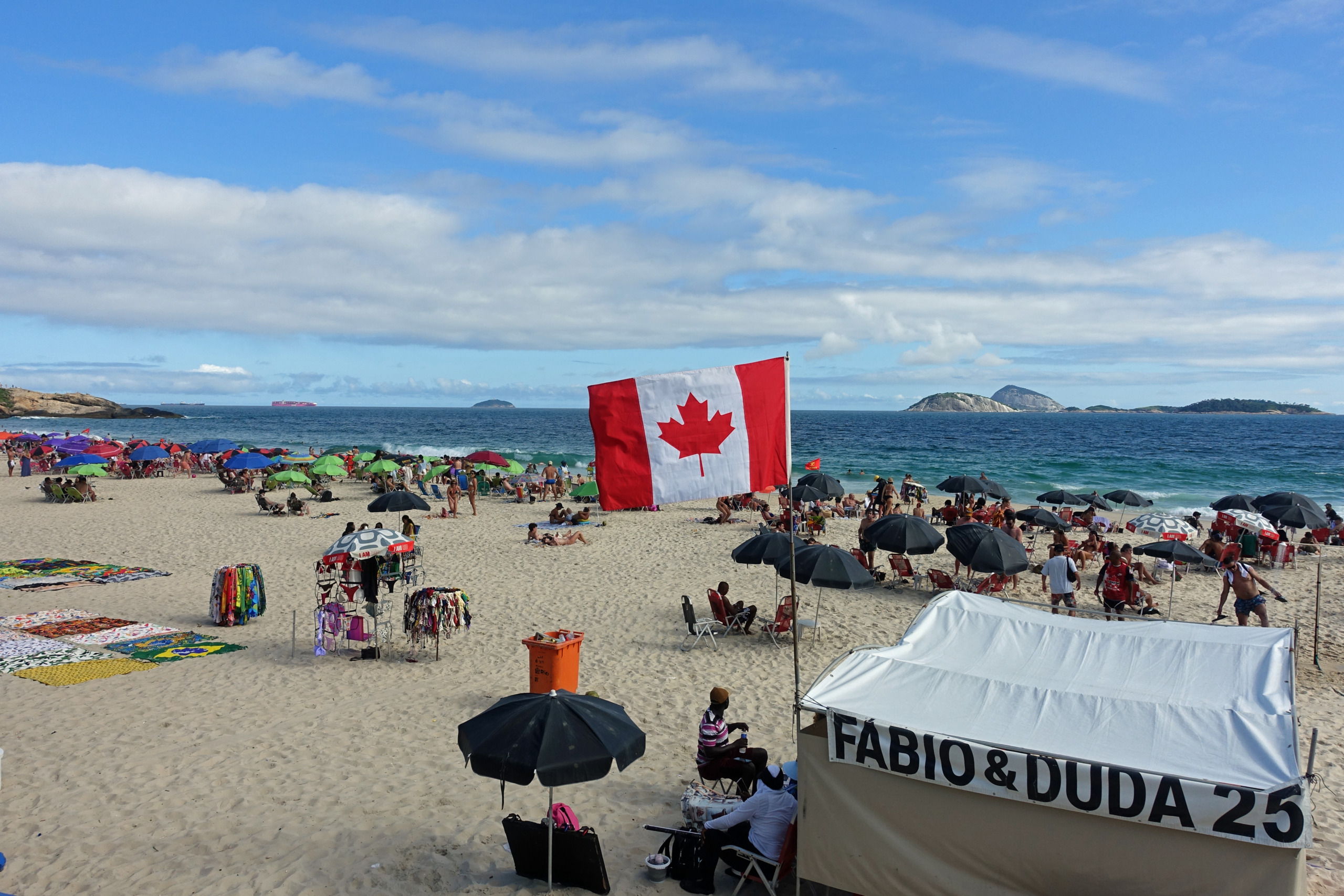
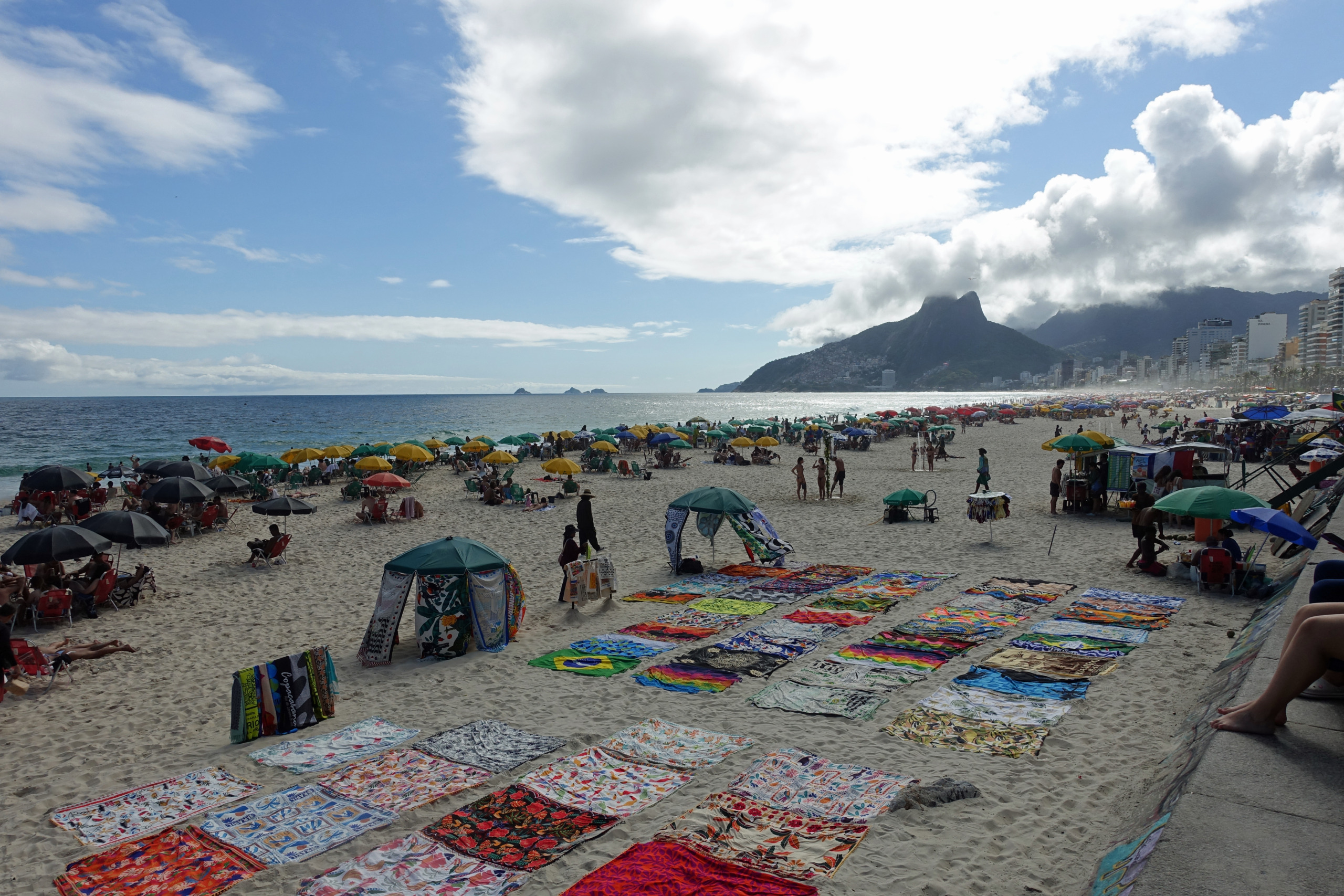
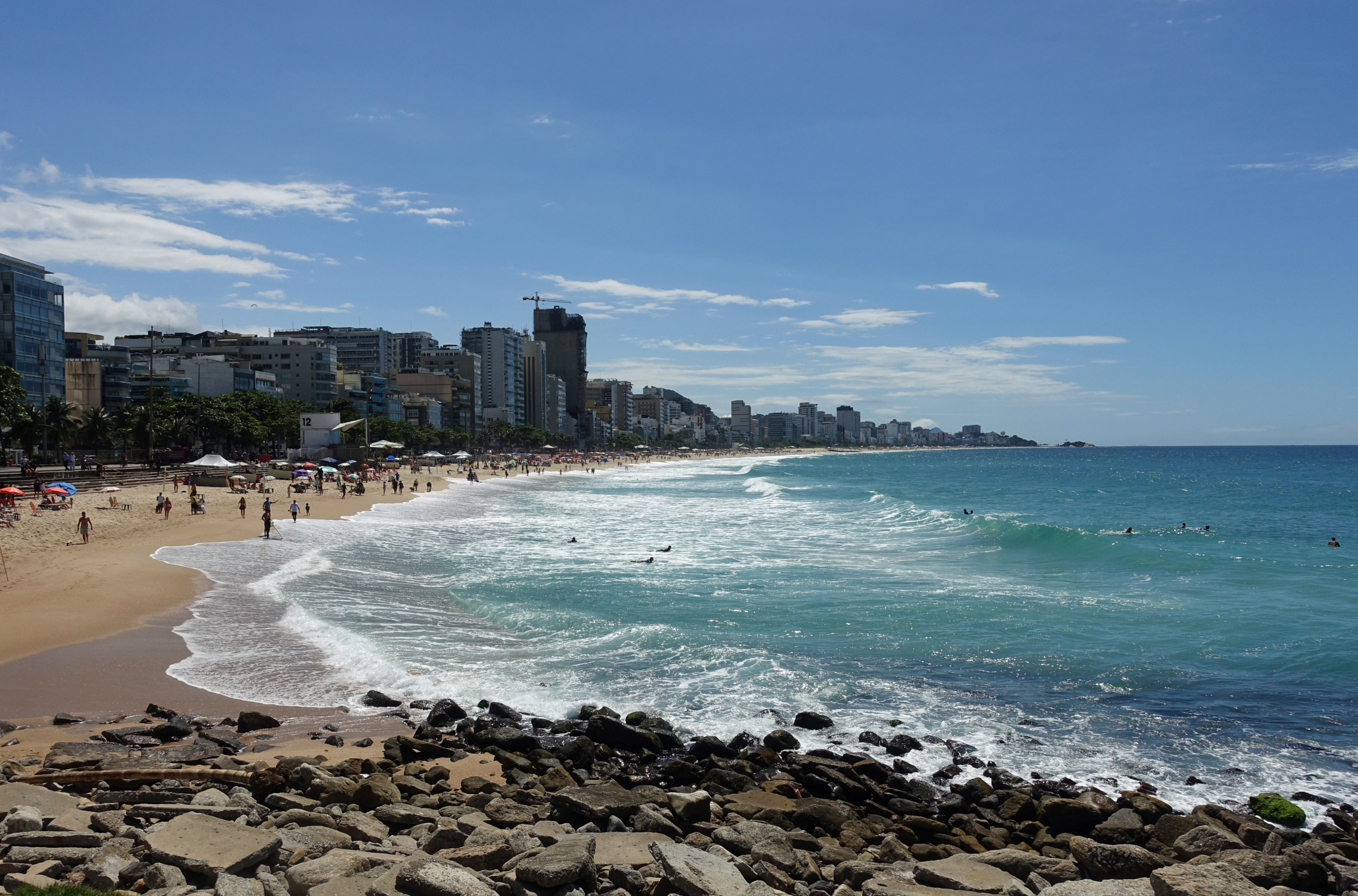
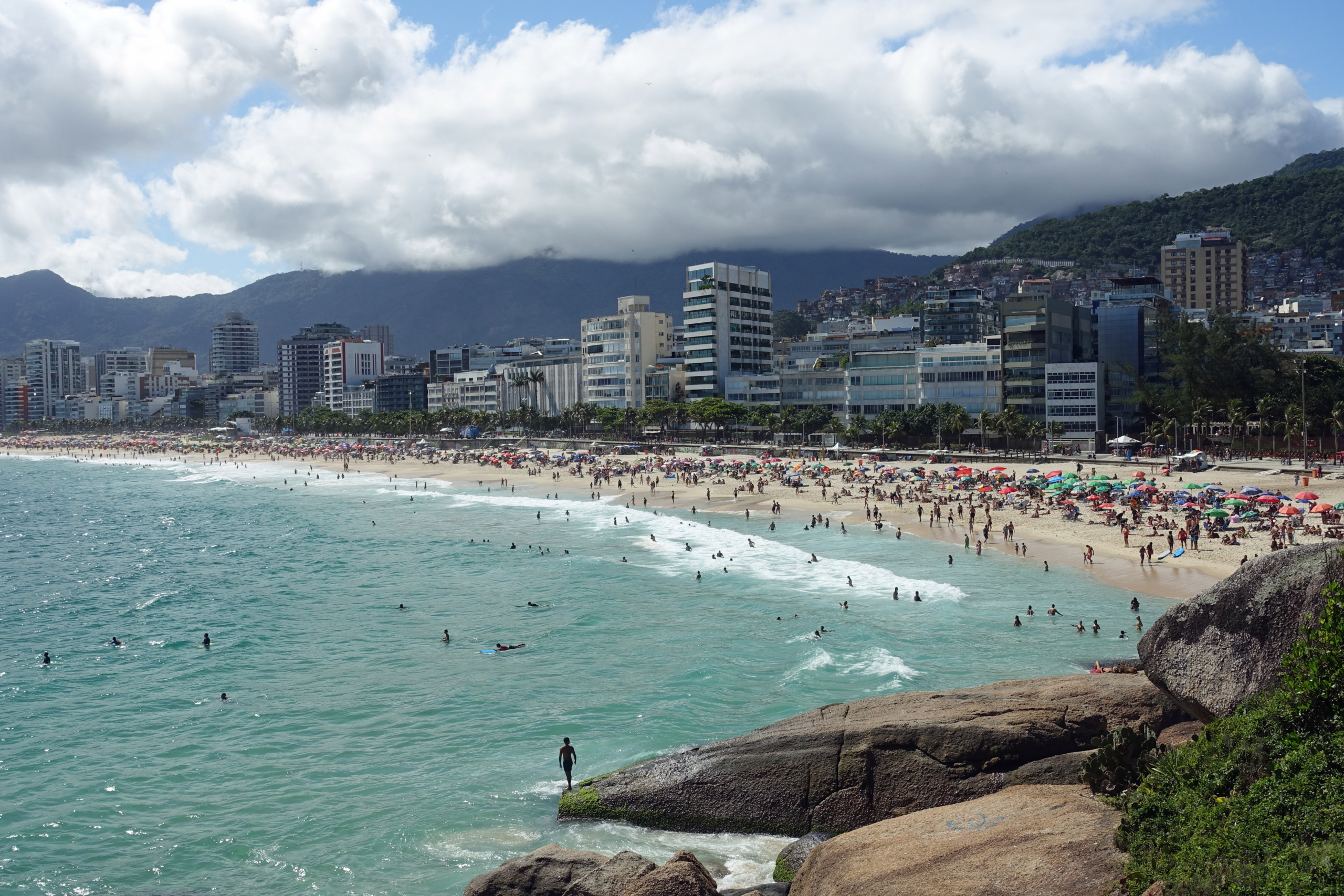
Our apartment was 2 blocks off Ipanema Beach, our favorite, so we walked there daily. At the southern end is the upscale neighborhood of Leblon and the Leblon lookout. From here we could see the full length of Ipanema beach all the way to the scenic peninsula of Pedra de Arpoador. The views from both locations were simply stunning.
We took an Uber to the downtown area of Rio for a self guided walking tour. Here are some of the places we saw:
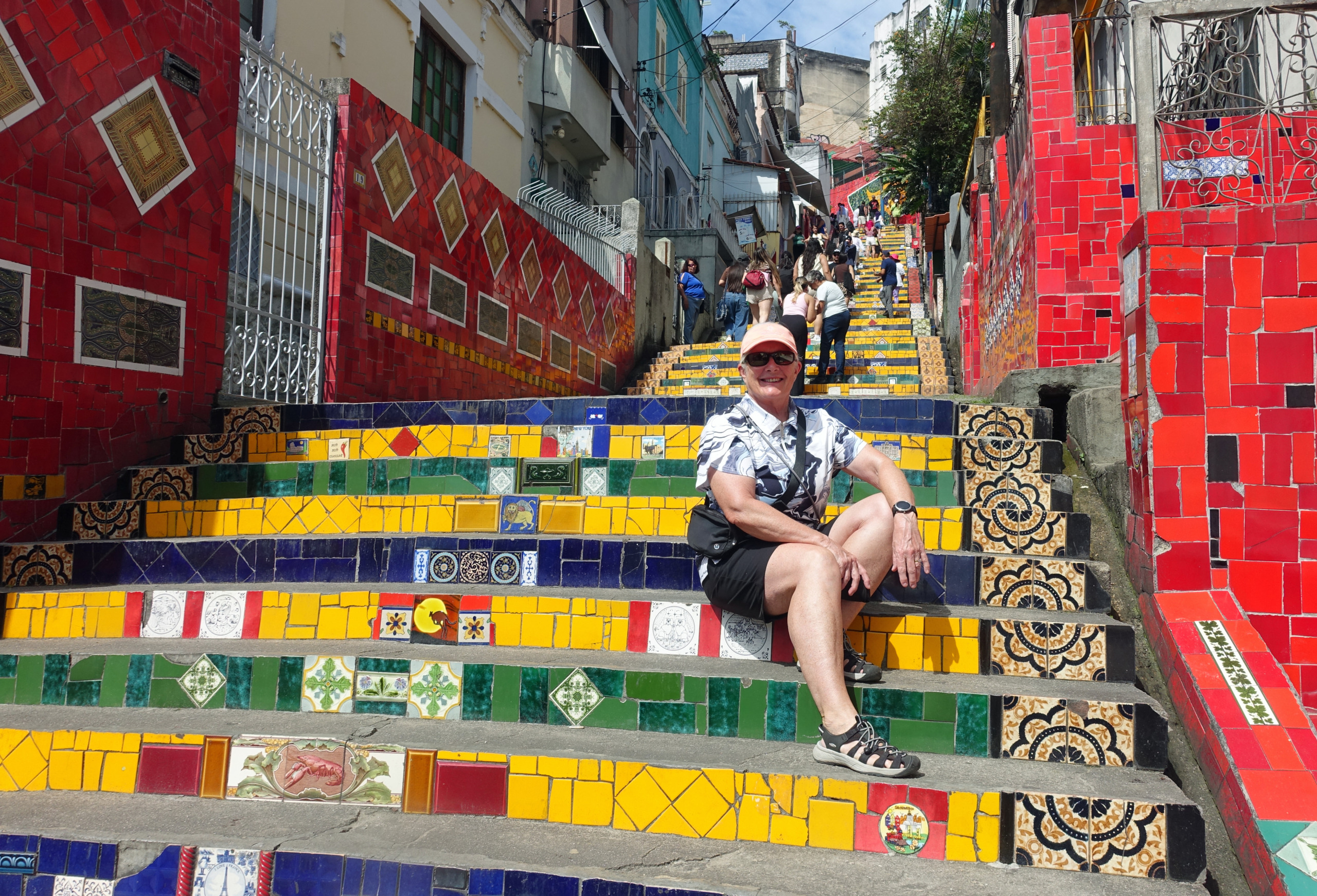
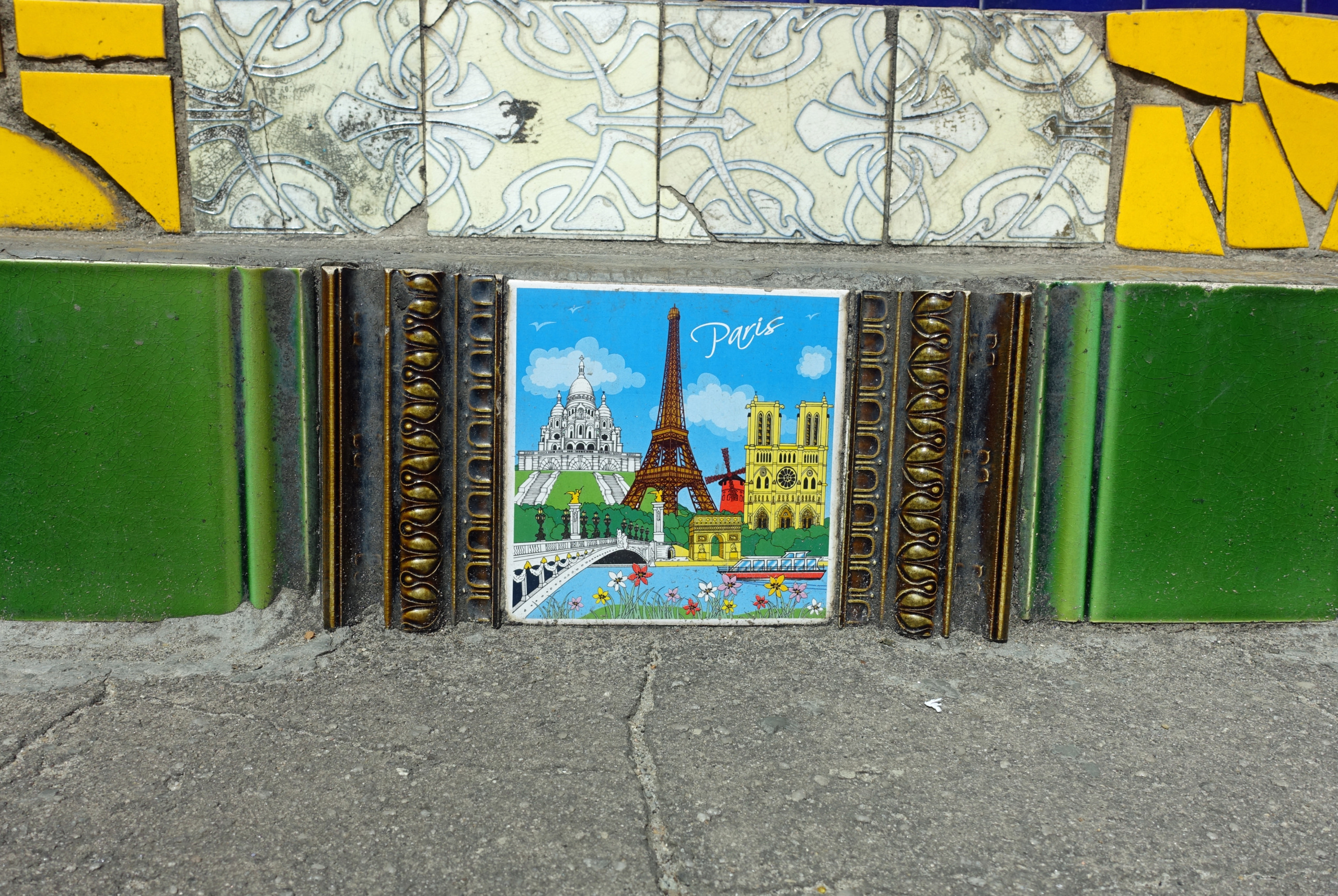
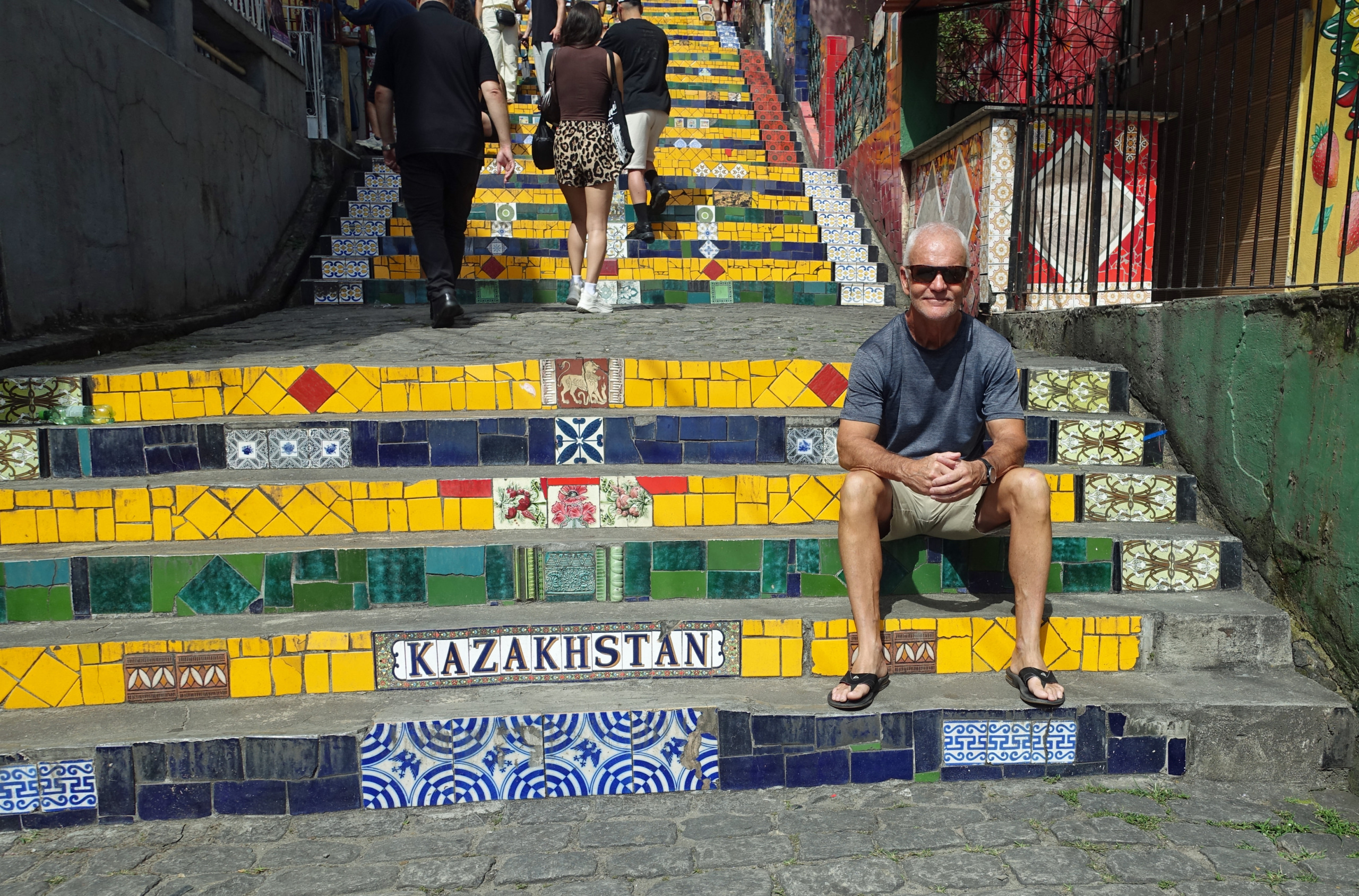
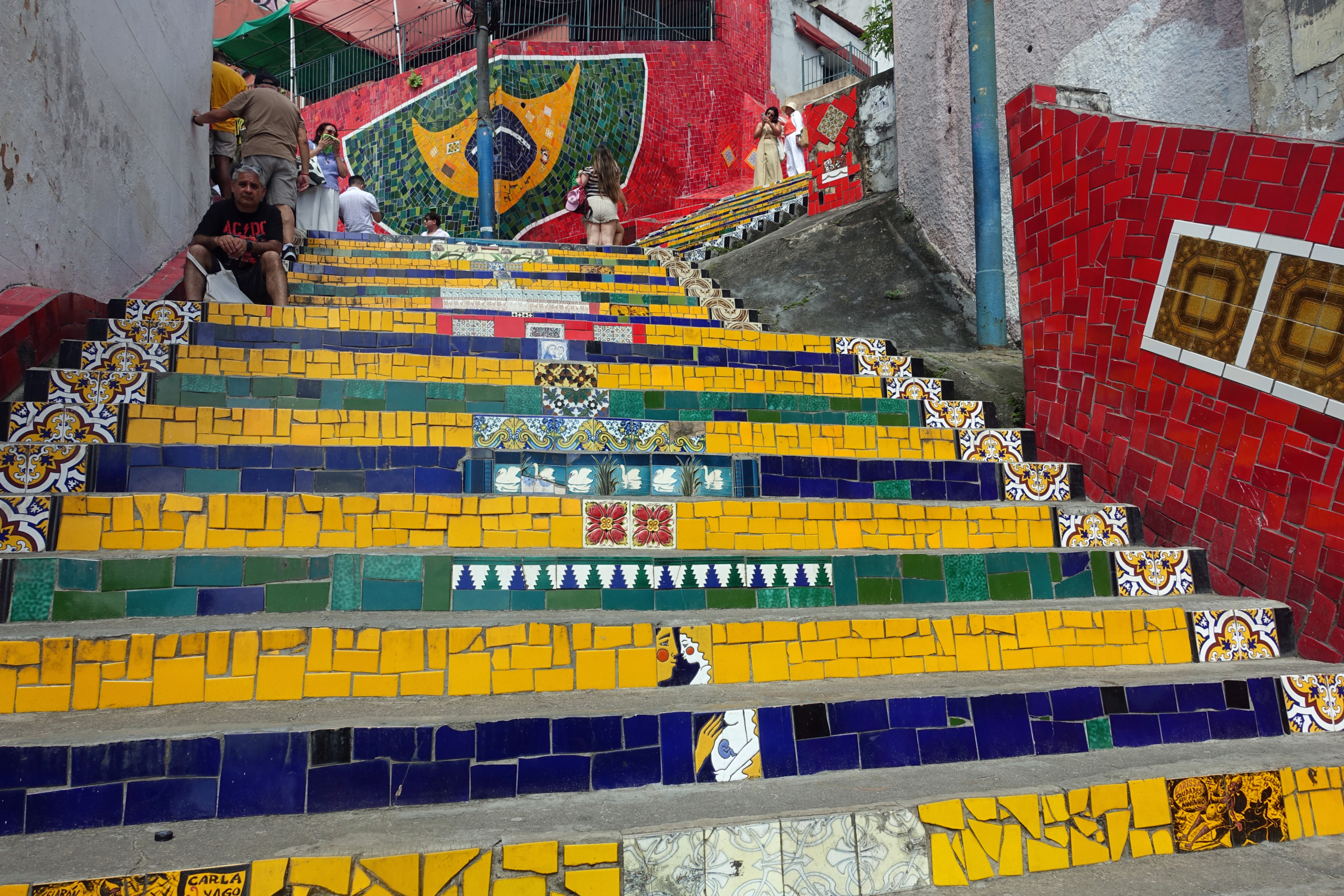
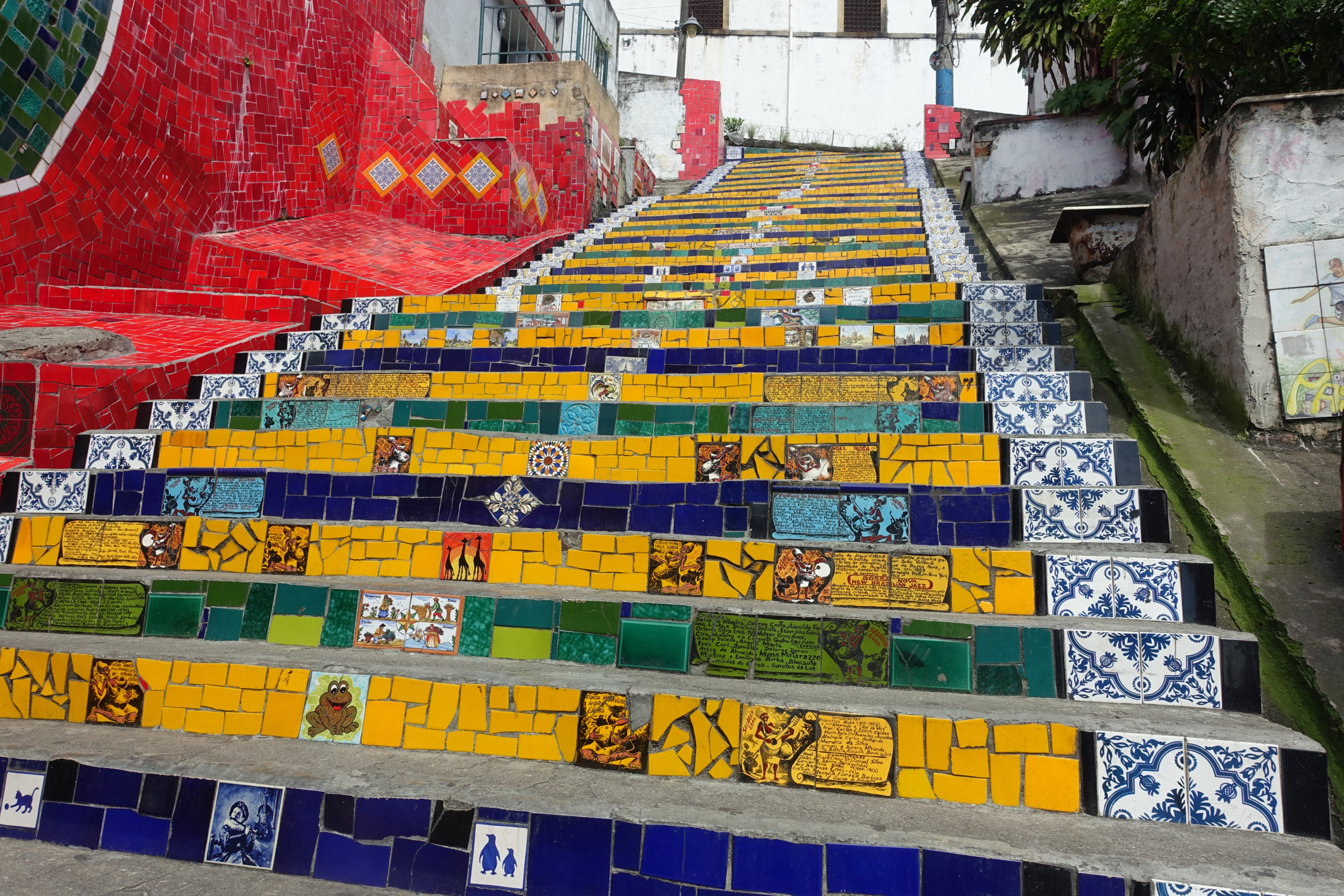
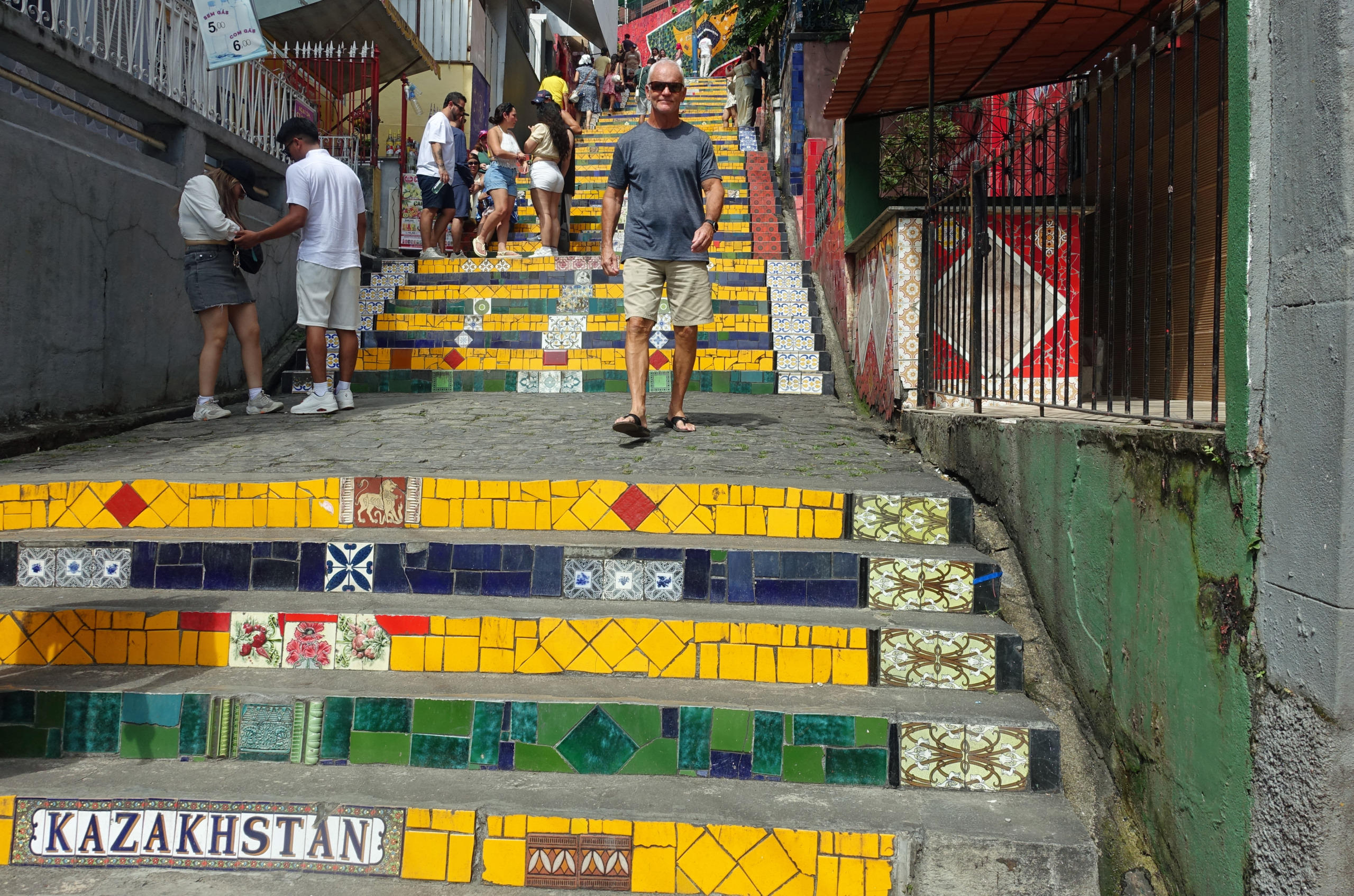
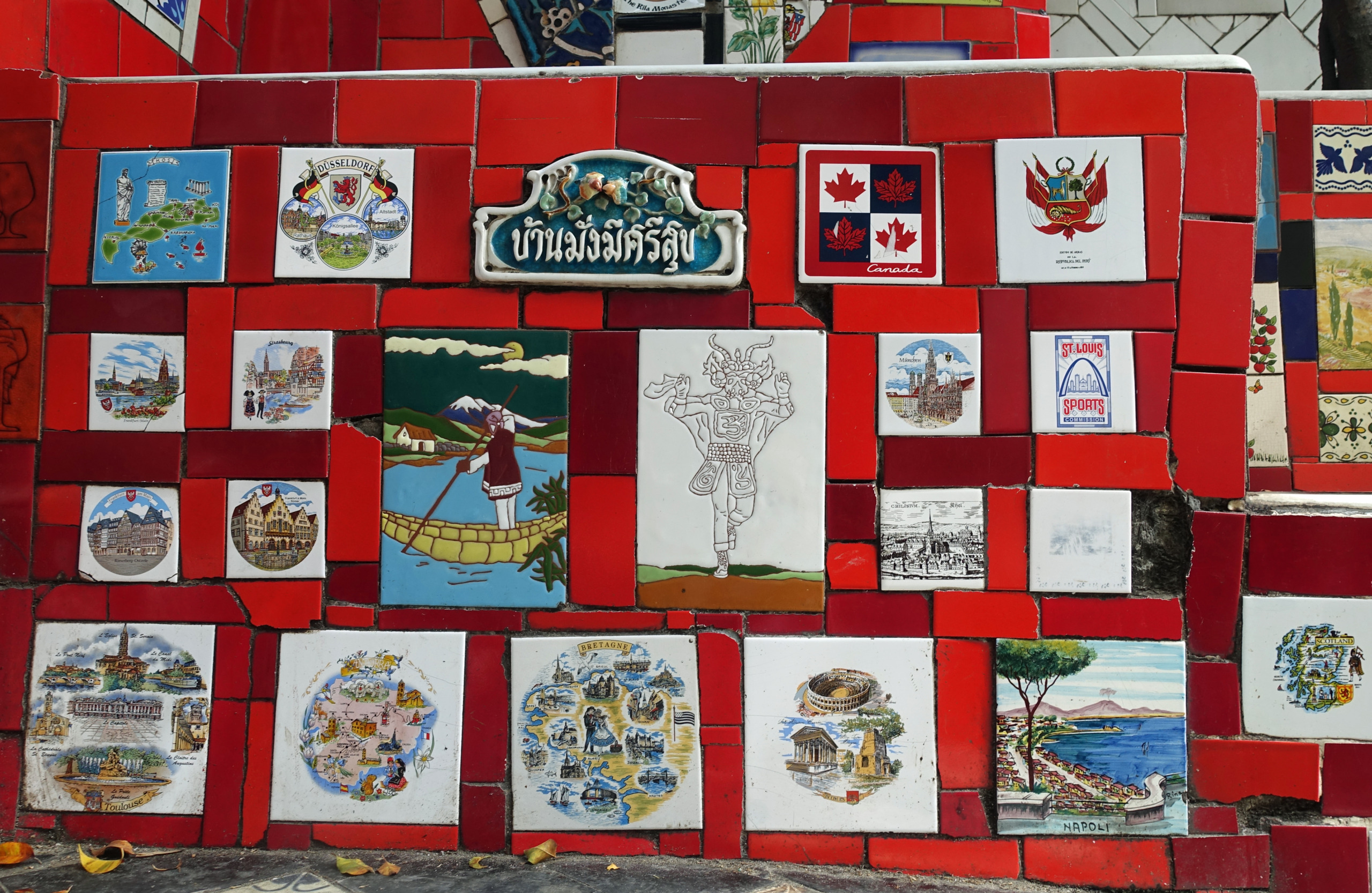
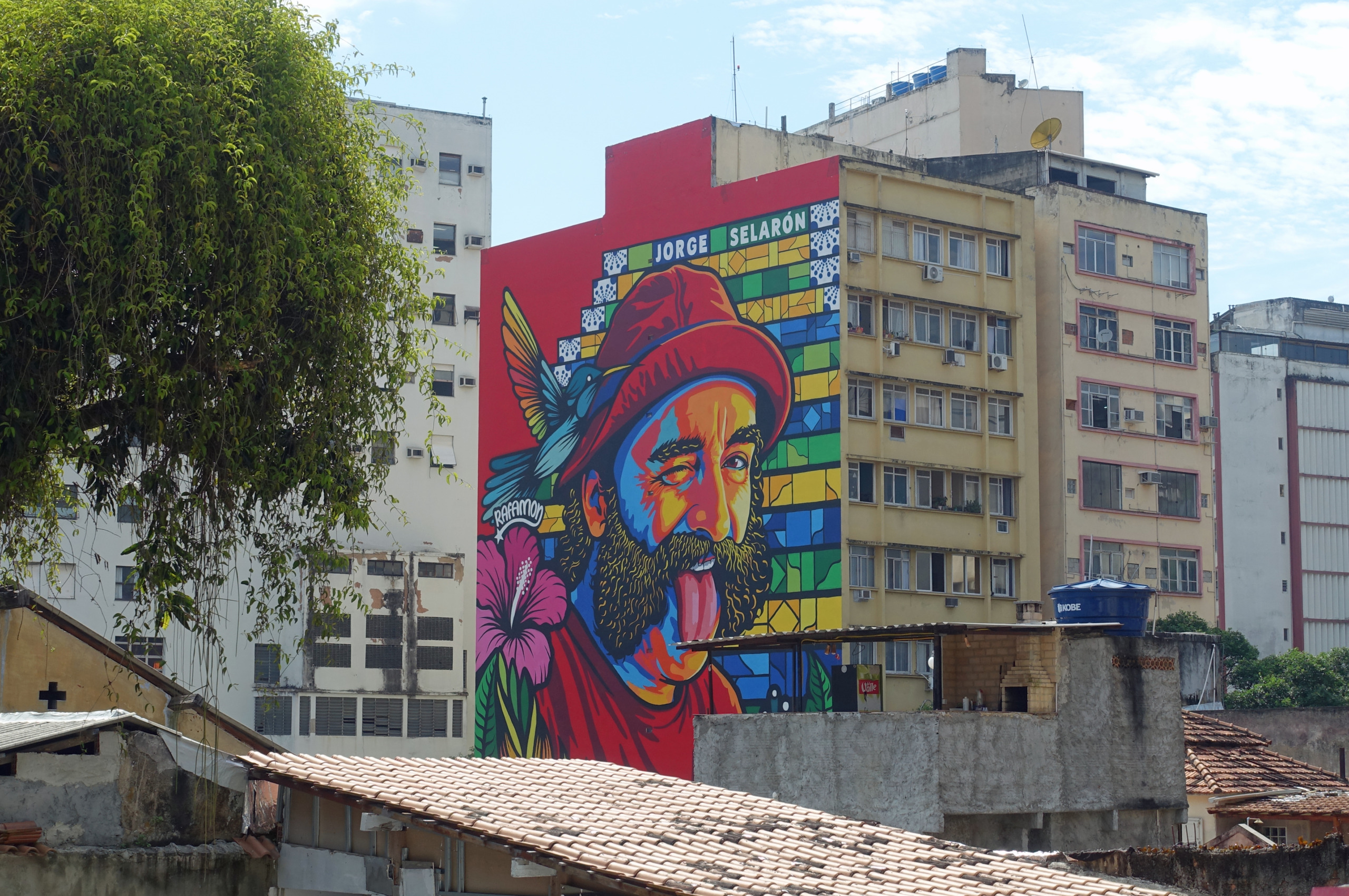
The Escadaria Selarón (Selarón Steps) is a famous colorful staircase handcrafted by Chilean-born artist Jorge Selaron. The vibrant, 215 step outdoor mosiac staircase, is covered in over 2,000 unique tiles from around the globe.
The Arcos da Lapa, is an 18th century Roman-style aquaduct located in the heart of Rio. Originally built to deliver fresh water to the city, its one of Rio’s primary historical landmarks, with 42 double-tiered arches. As modern piping systems replaced the aqueduct, city engineers converted the top deck into an electric streetcar tramline.
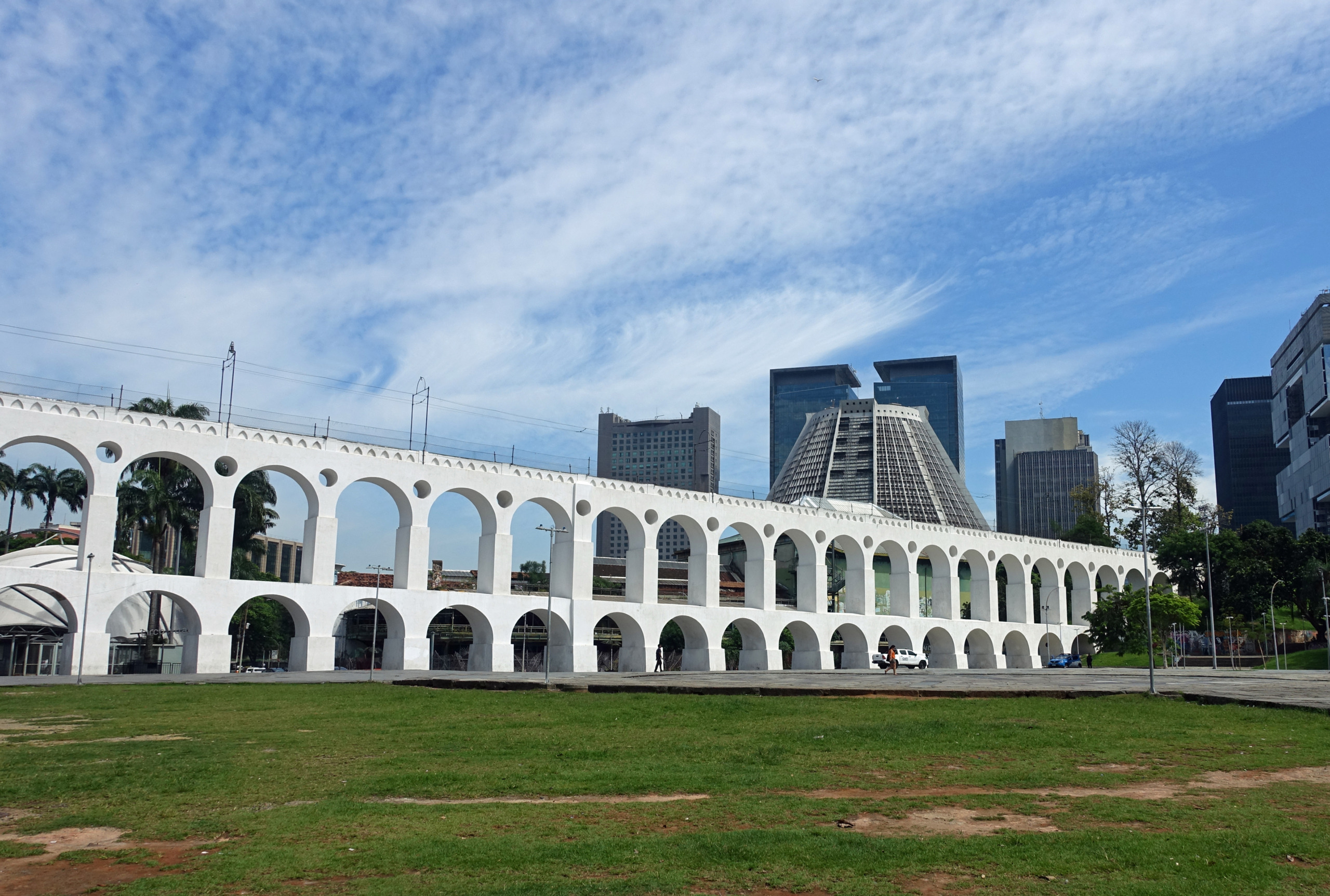
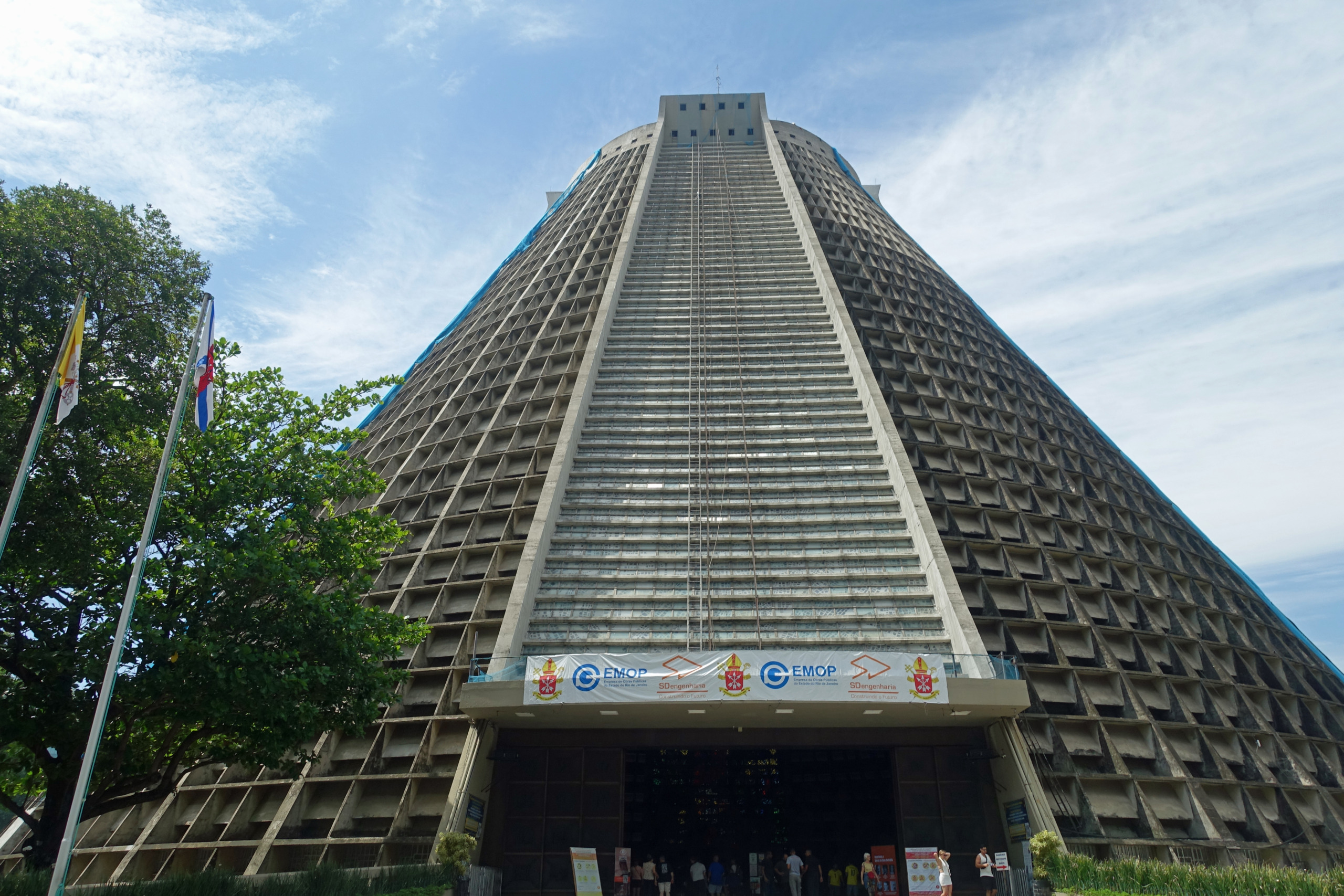
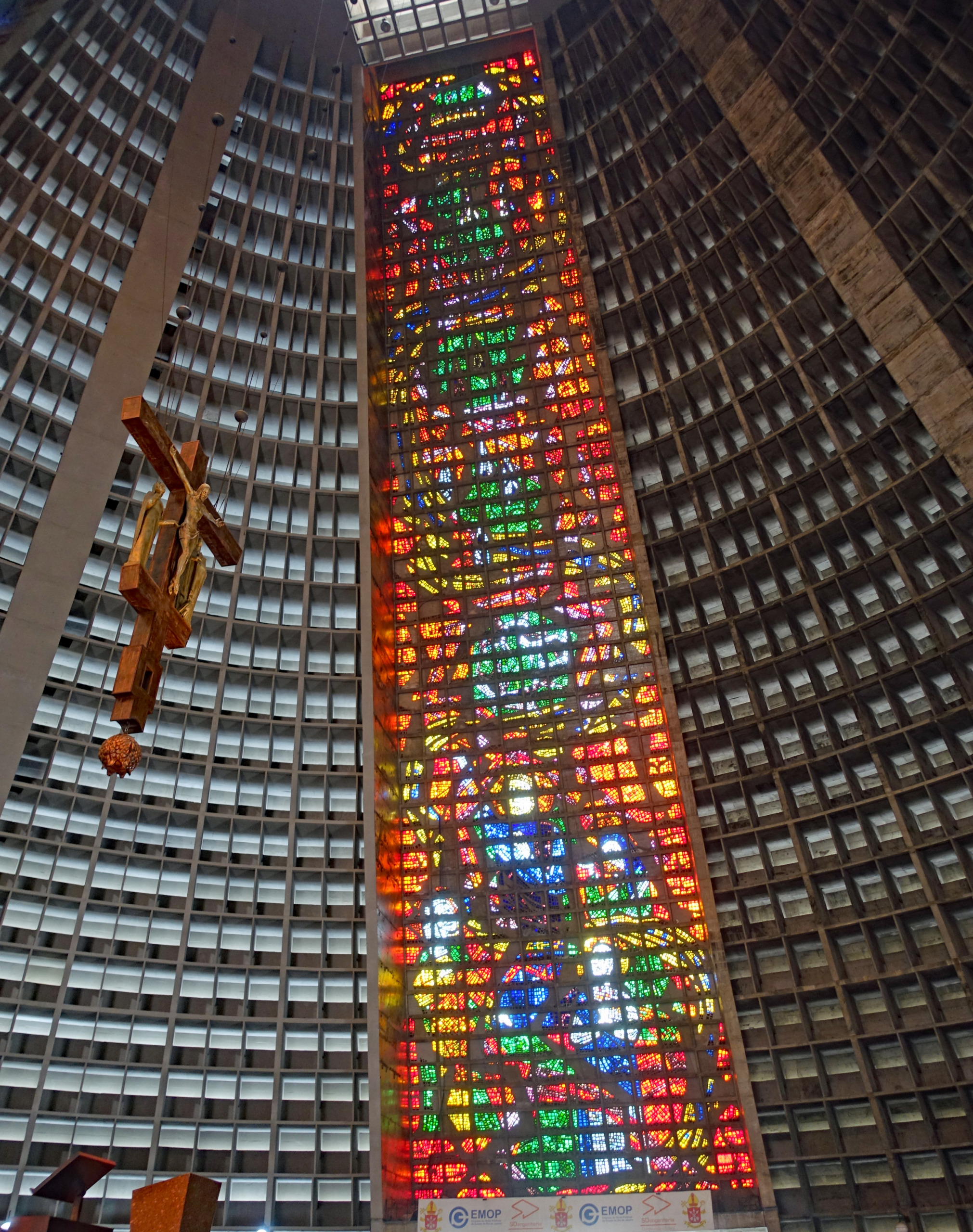
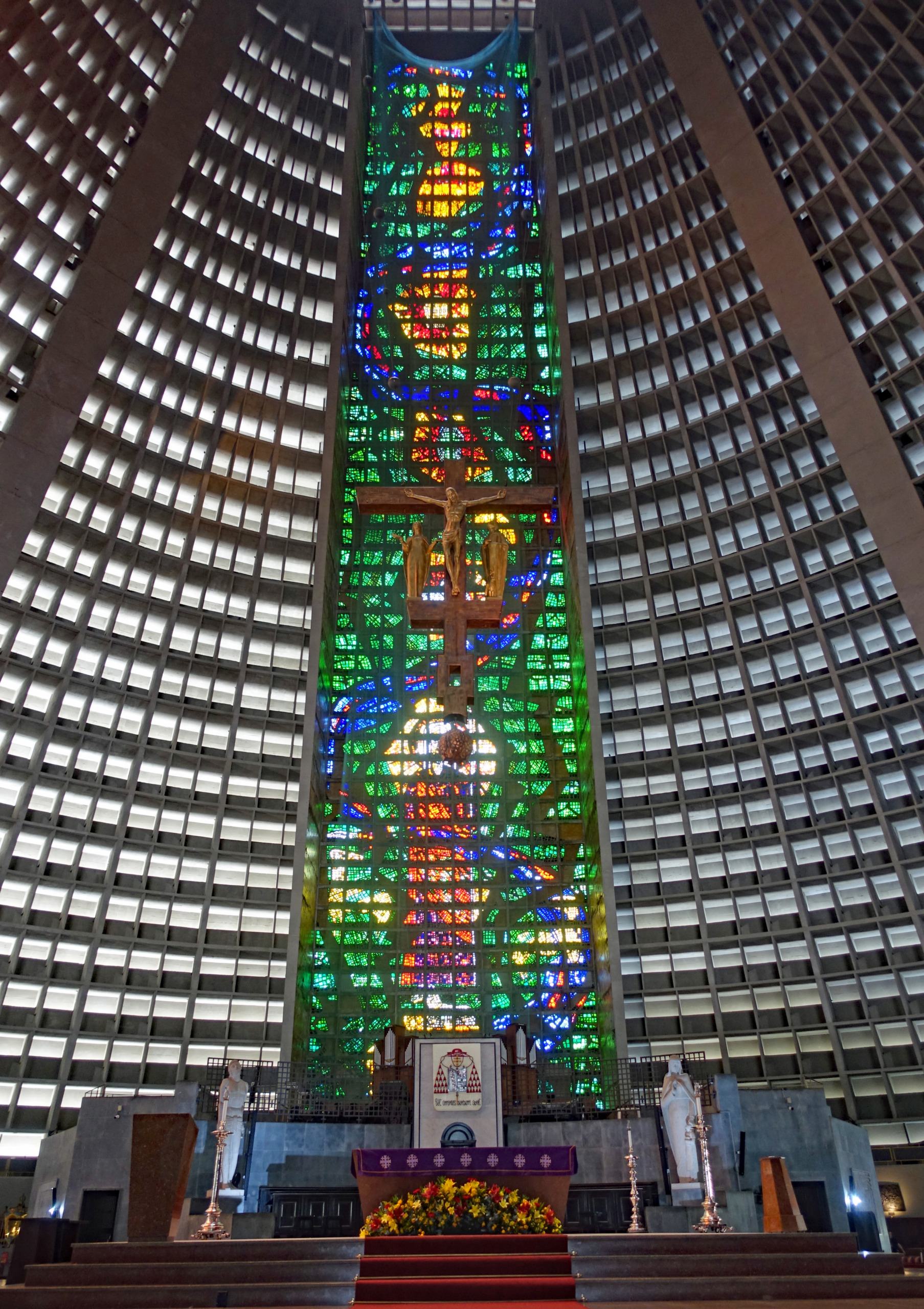
The Catedral Metropolitana de São Sebastião do Rio de Janeiro, inaugurated in 1979, is one of the city’s most striking landmarks. Famous for its unconventional, brutalist, Mayan-pyramid-inspired shape. The massive, column-free interior can accomodate roughly 20,000 standing visitors, or 5,000 seated. Four floor-to-ceiling stained glass windows stretch 64 meters up the walls, converging at the apex of the roof.
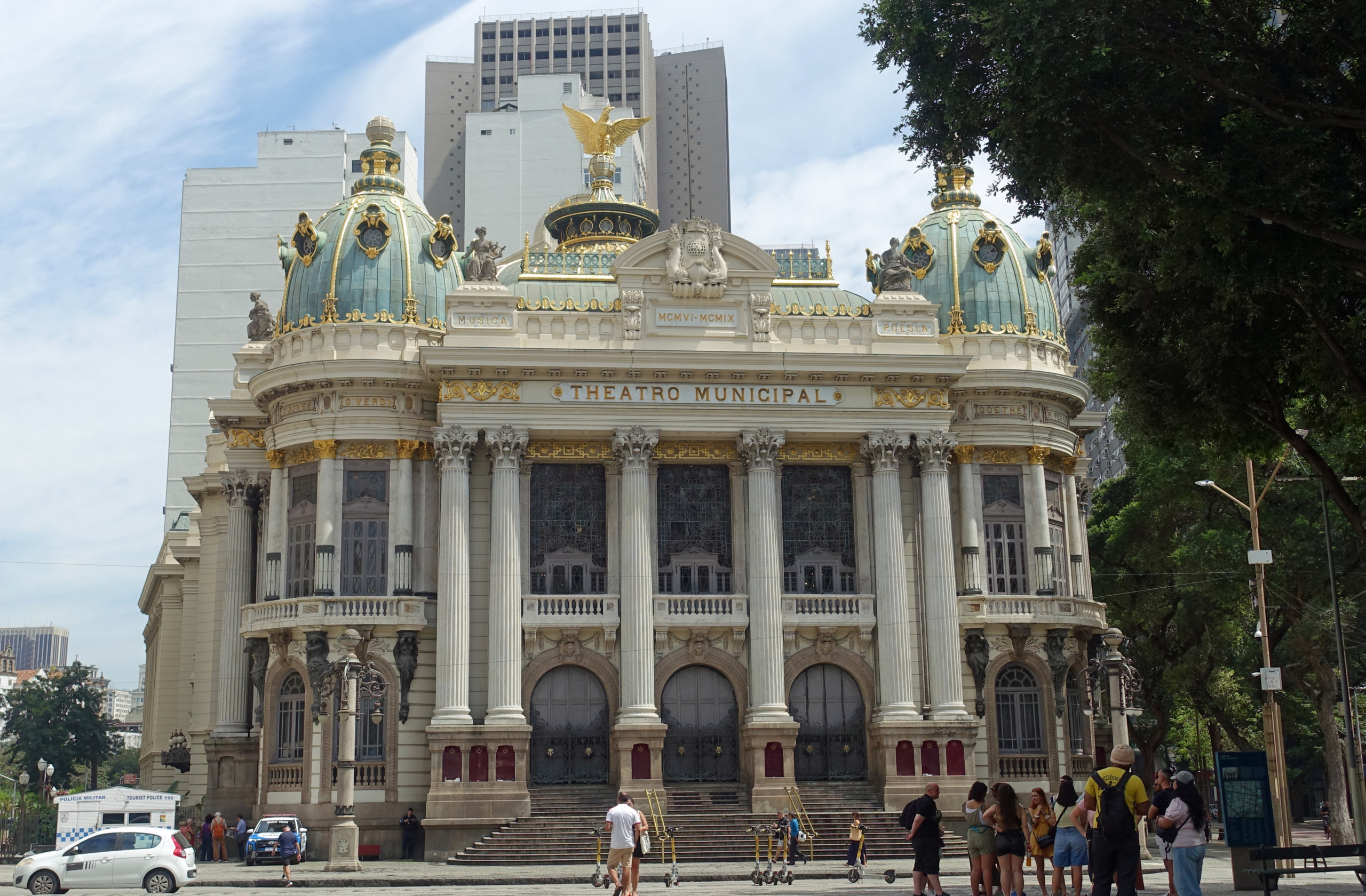
The Theatro Municipal do Rio de Janeiro is one of Brazil’s most prominent opera houses and cultural landmarks. The building opened in 1909 and the design was heavily inspired by the Opera de Paris building. It reflects an eclectic, Beaux-Arts style featuring marble columns, stained glass windows from Germany and copper domes topped with gilded eagles.
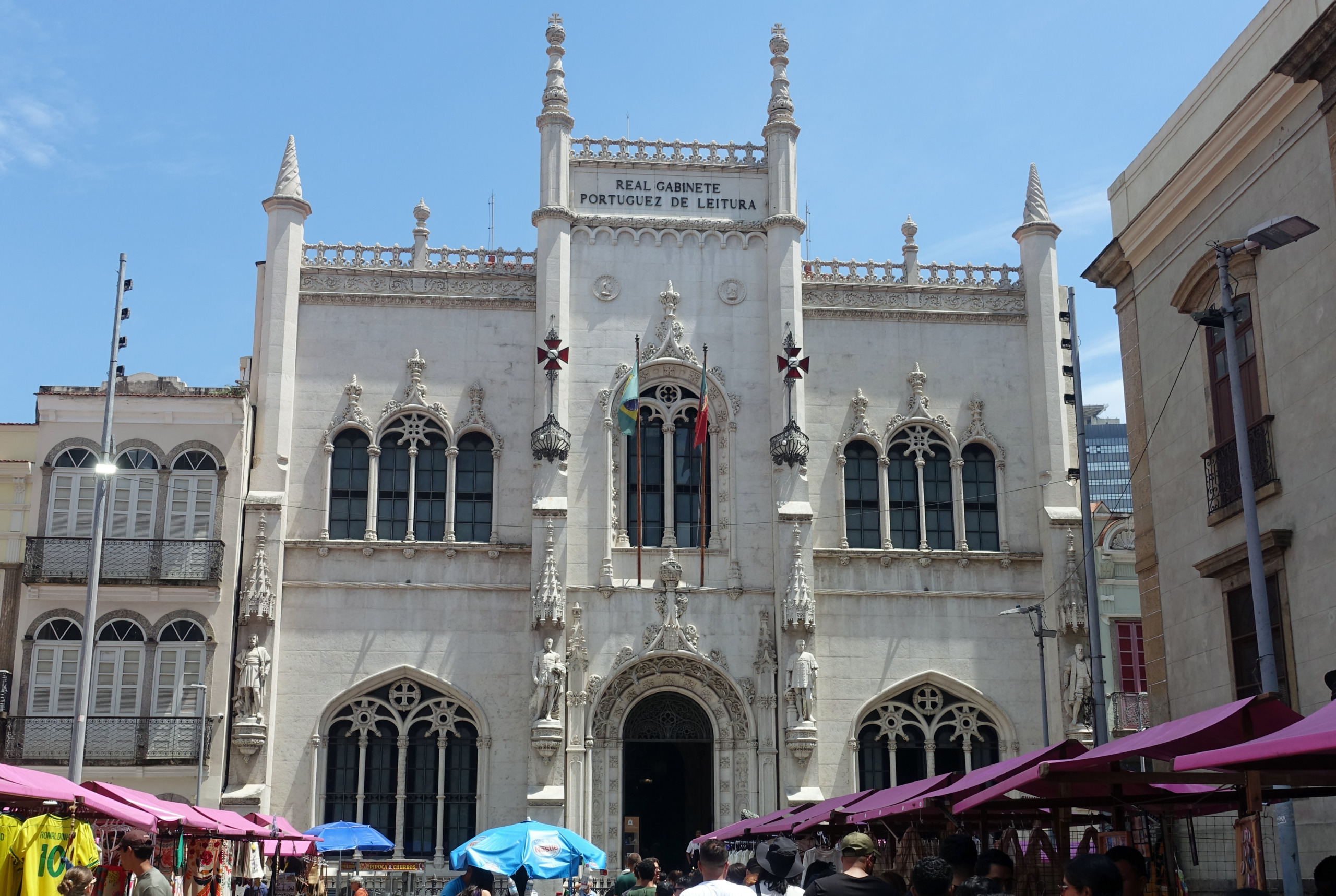
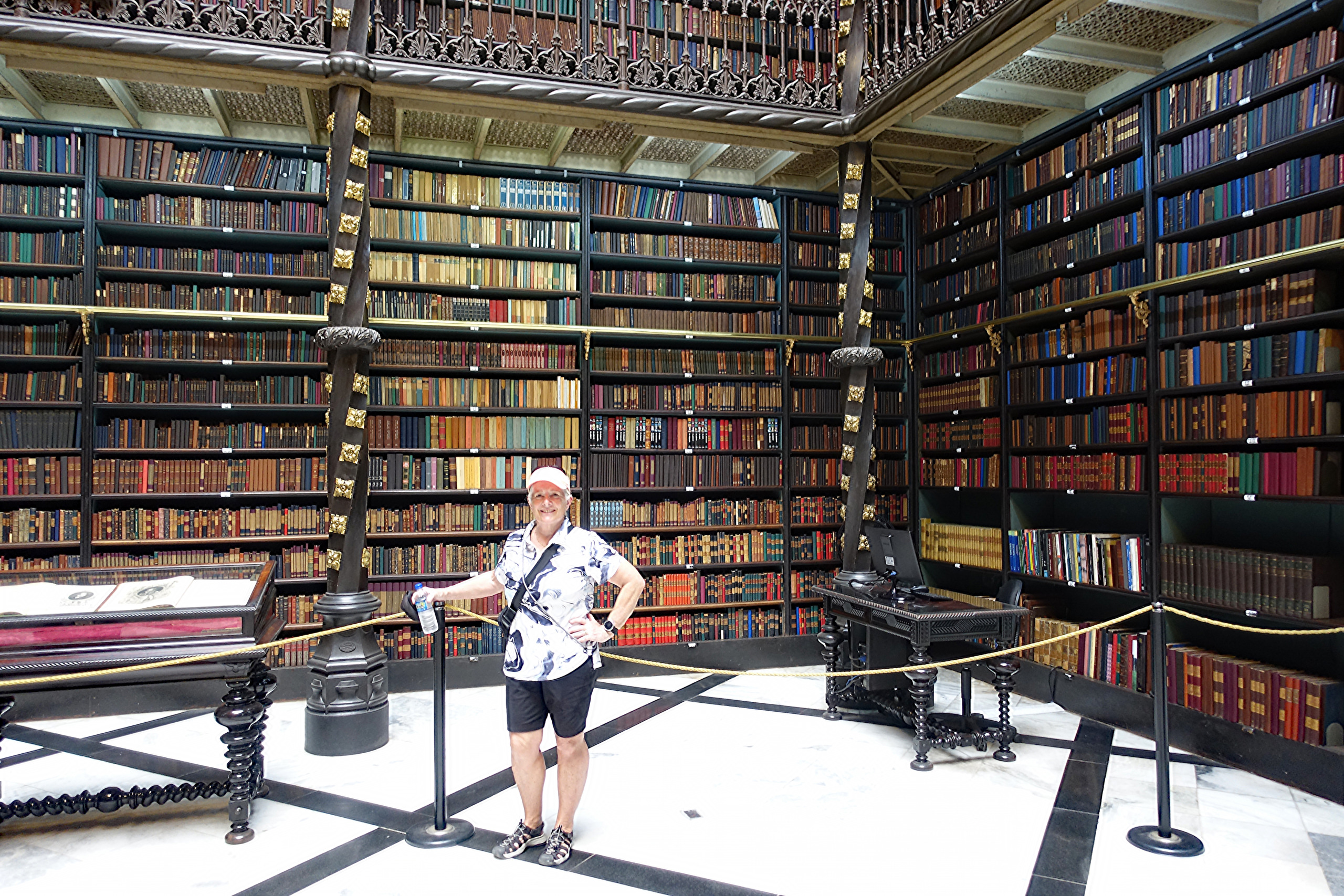
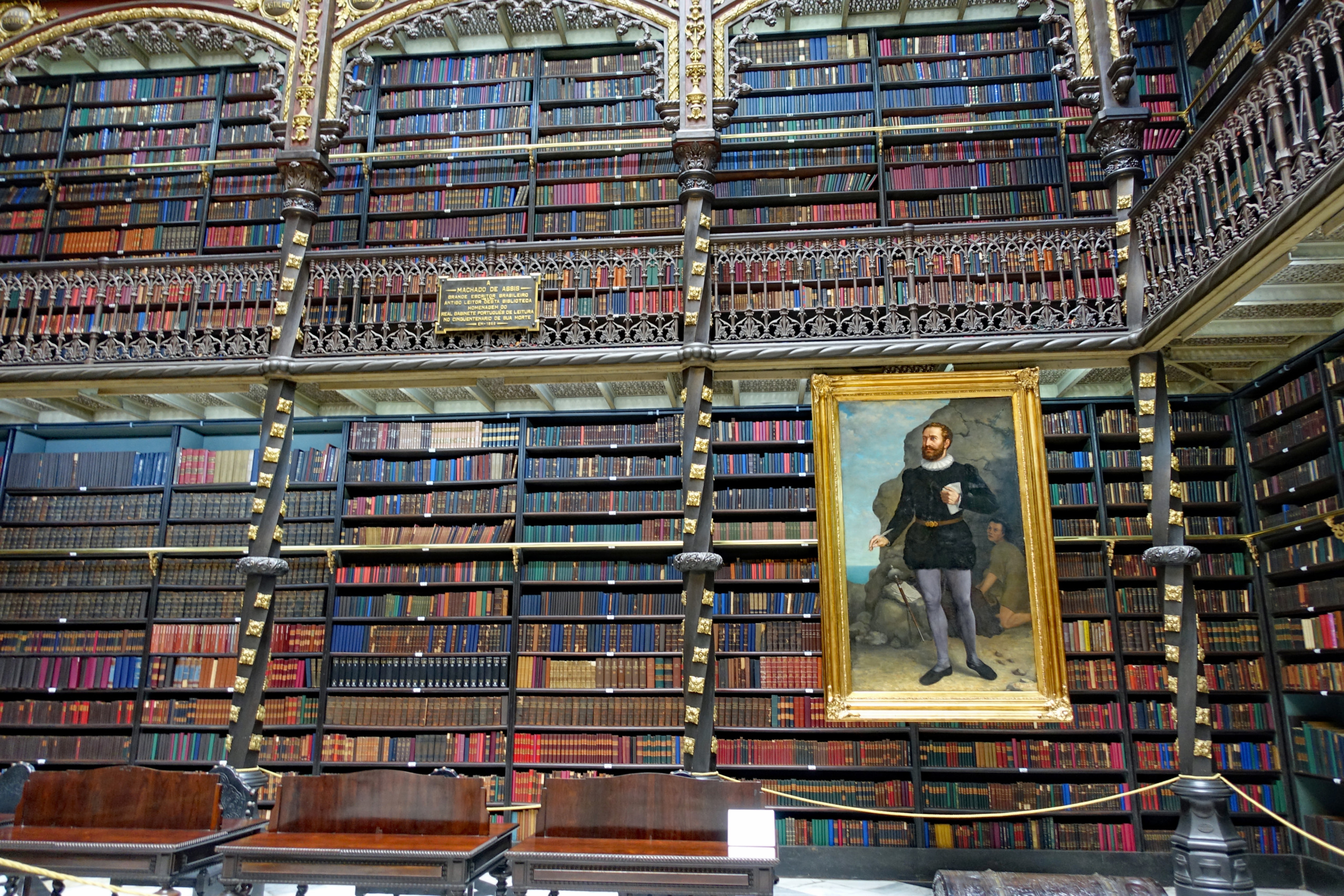
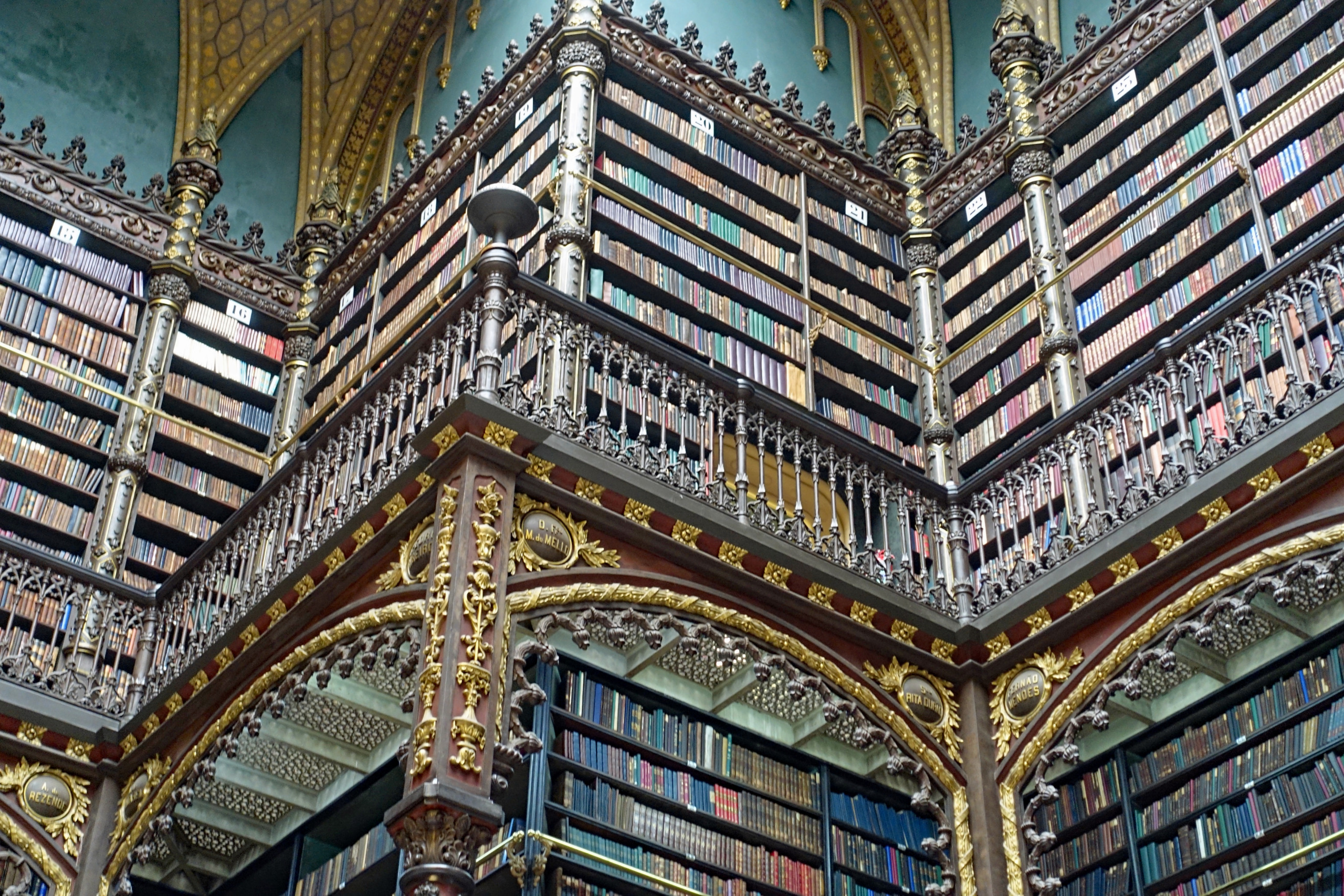
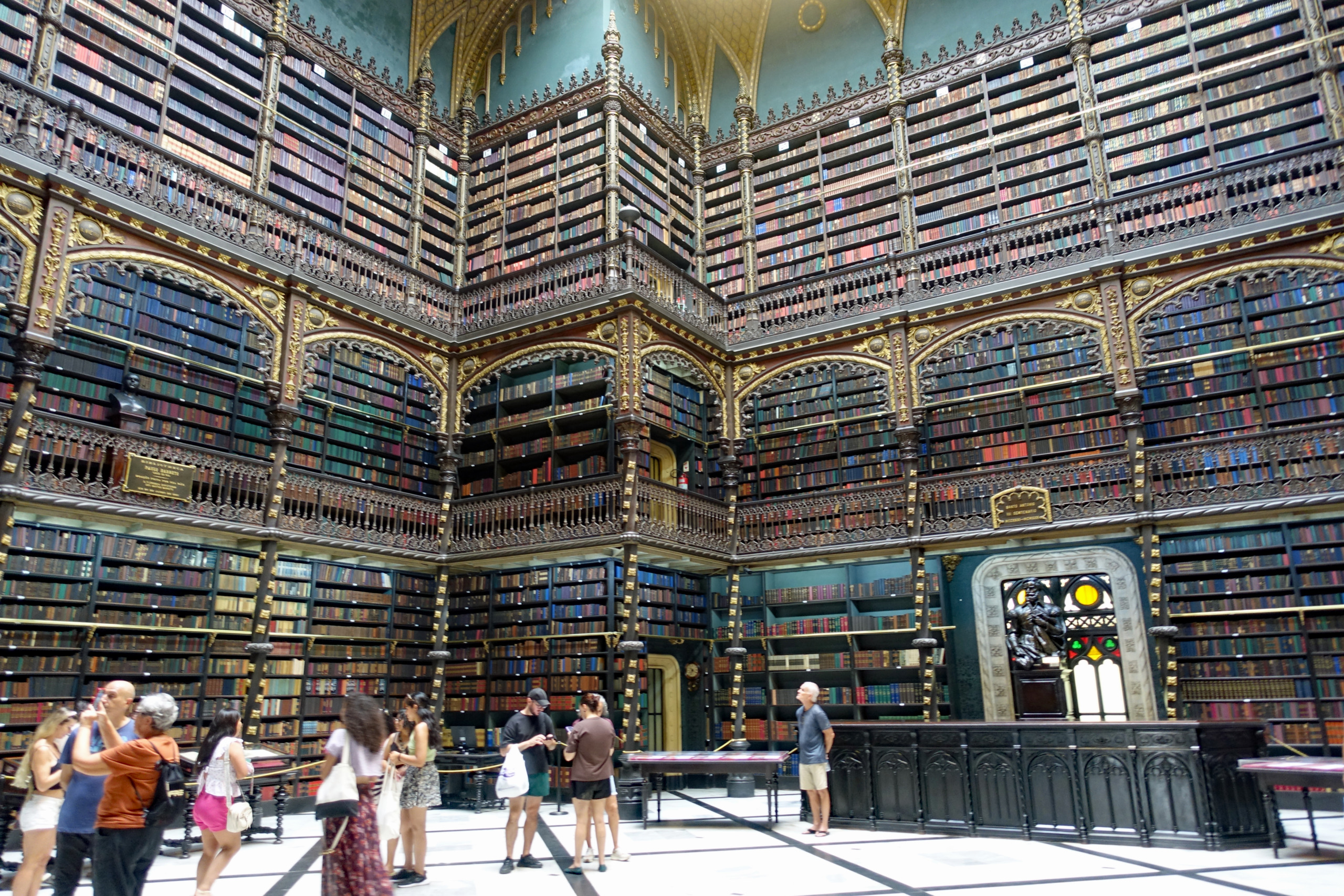
The Real Gabinete Portugues de Leitura (Royal Portuguese Cabinet of Reading) is a 19th-century Neo-Manueline-style (Portuguese Late Gothic style) library in downtown Rio. Widely recognized as one of the most stunning libraries in the world, it houses the largest collection of Portuguese literature outside of Portugal. The limestone facade was carved in Lisbon, shipped to Rio block by block, and assembled on site. It features ornate stonework along with statues of famous Portuguese figures: explorer Pedro Álvares Cabral, poet Luís de Camões, Prince Henry the Navigator, and navigator Vasco da Gama. The main reading room features multi-tiered, carved dark wood galleries soaring toward a wrought-iron dome. There are over 350,000 books filling the shelves. Entry to the library is free but you must line up across the street, roughly 20 people are allowed in at a time for only 10 minutes. I think we waited about half an hour before getting in.

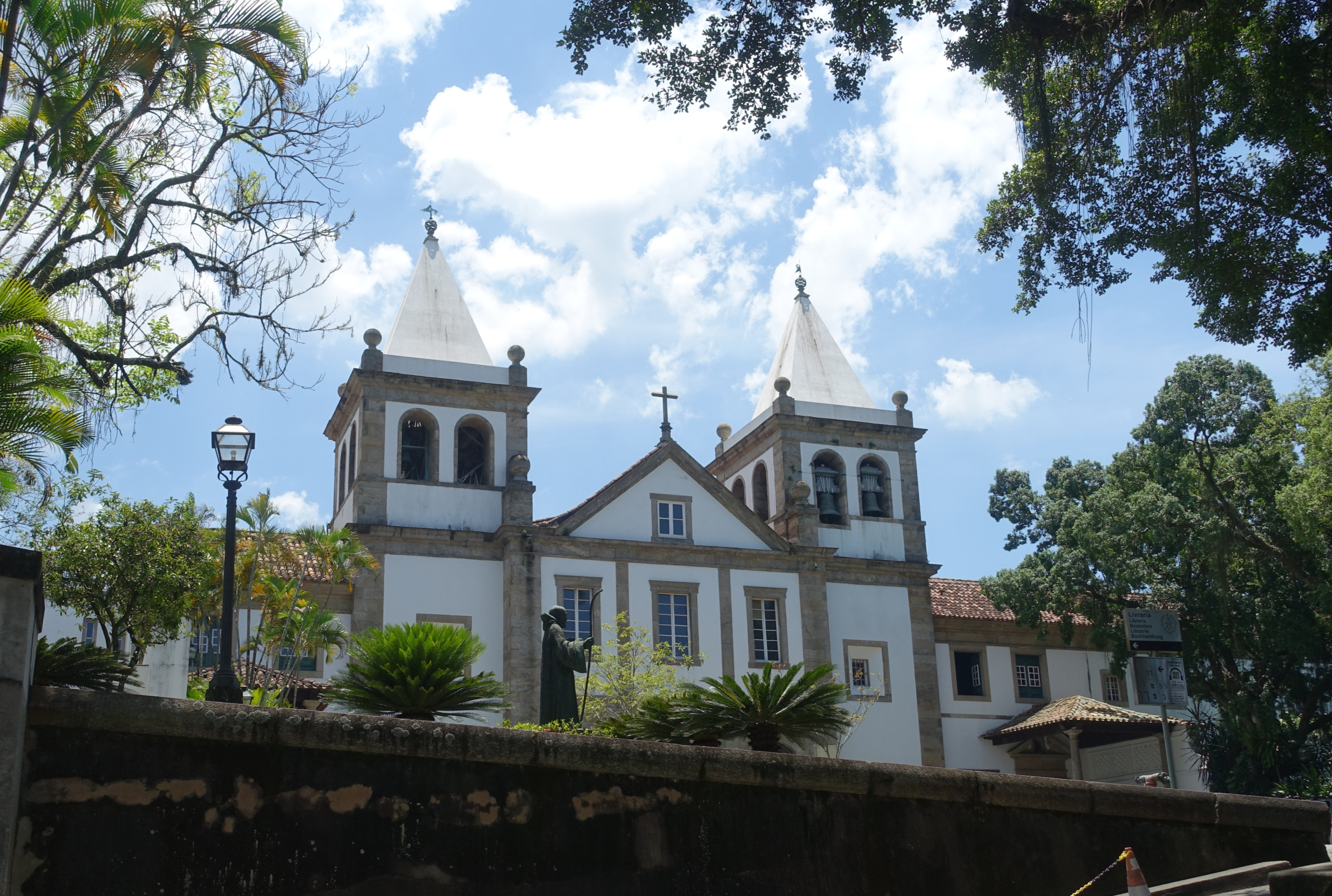
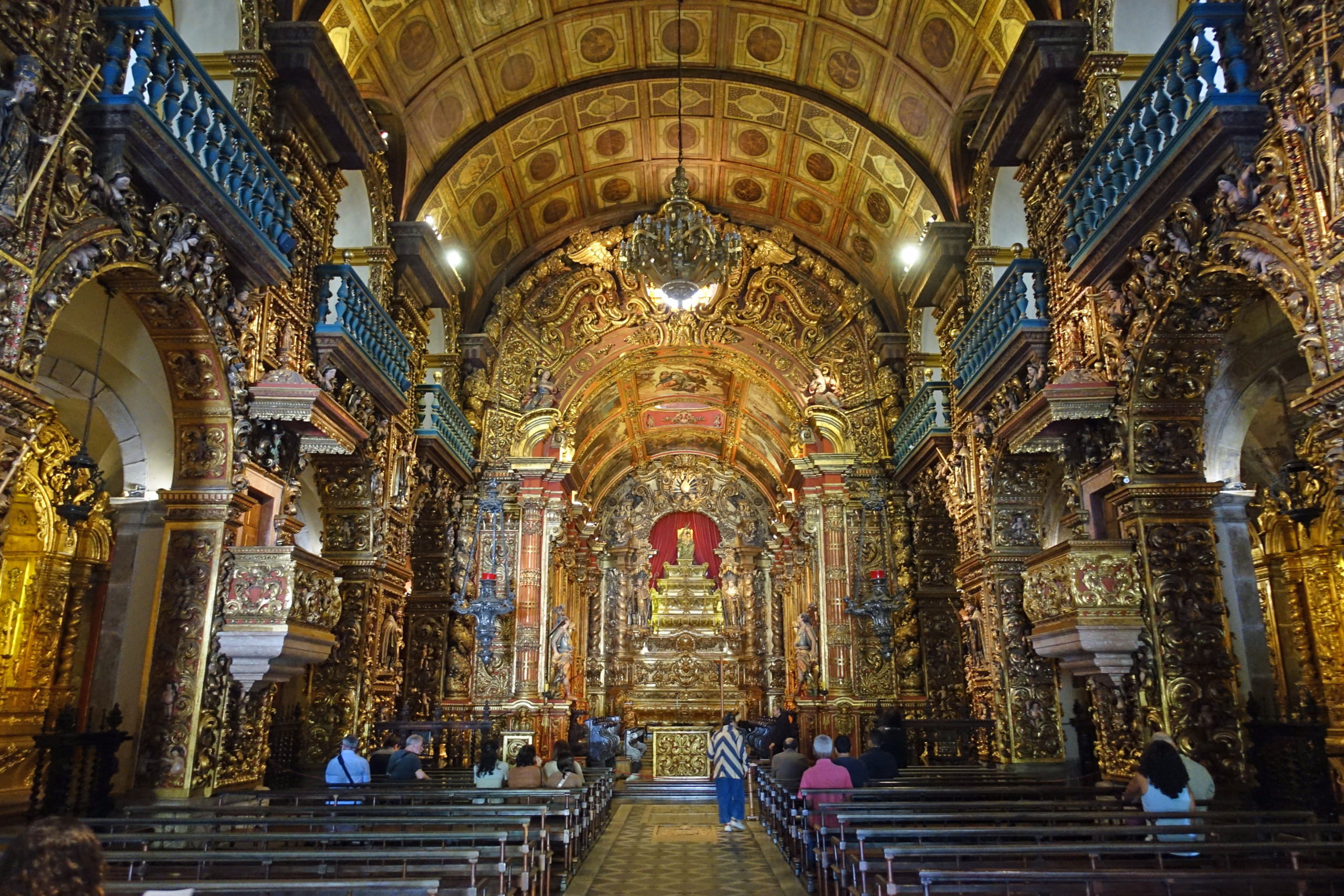
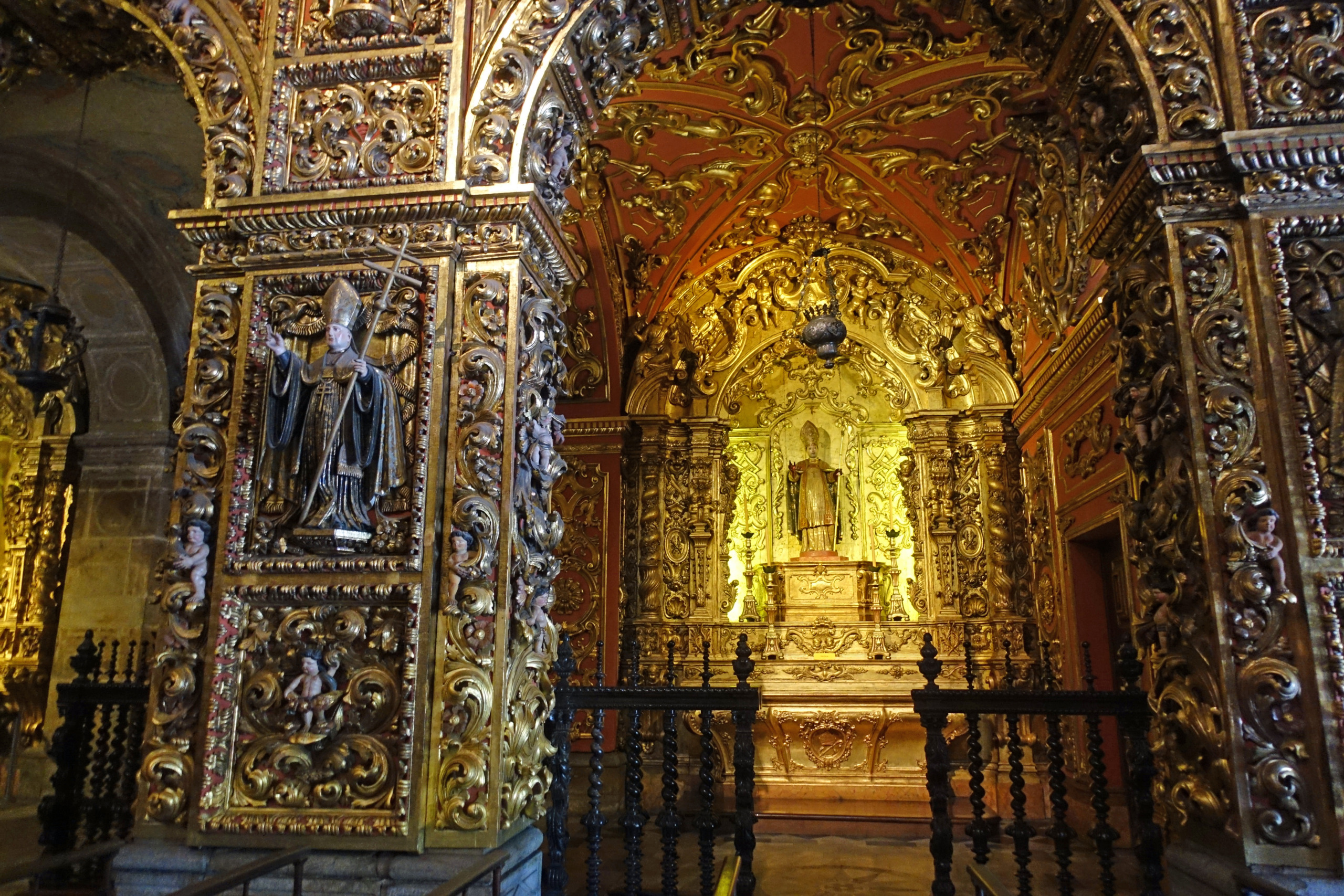
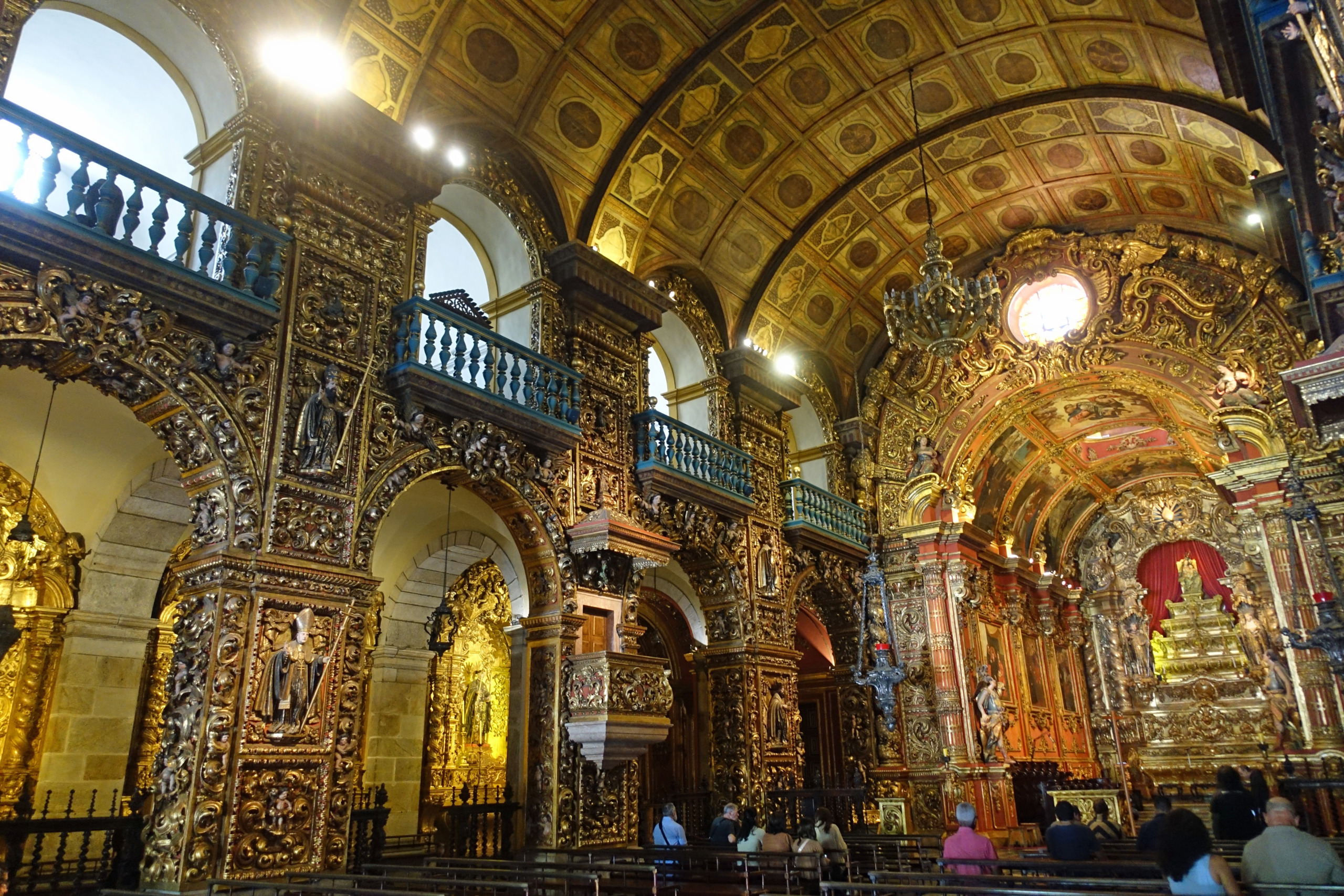
The Mosteiro de Sao Bento is one of Brazil’s finest examples of colonial religious architecture. Founded by Benedictine monks in 1590, the complex is renowned for the dramatic contrast between its austere facade and its opulent, gold-covered Baroque-Rococo interior. Virtually every wall, ceiling panel, and altar is covered in intricate 17th and 18th century wood carvings overlaid in rich gold leaf. The monastery has operated continuously since the late 16th century and remains an active home to a brotherhood of Benedictine monks who live, work, and pray on the premises. We were fortunate to hear the monks perform a traditional Gregorian chant during our visit.
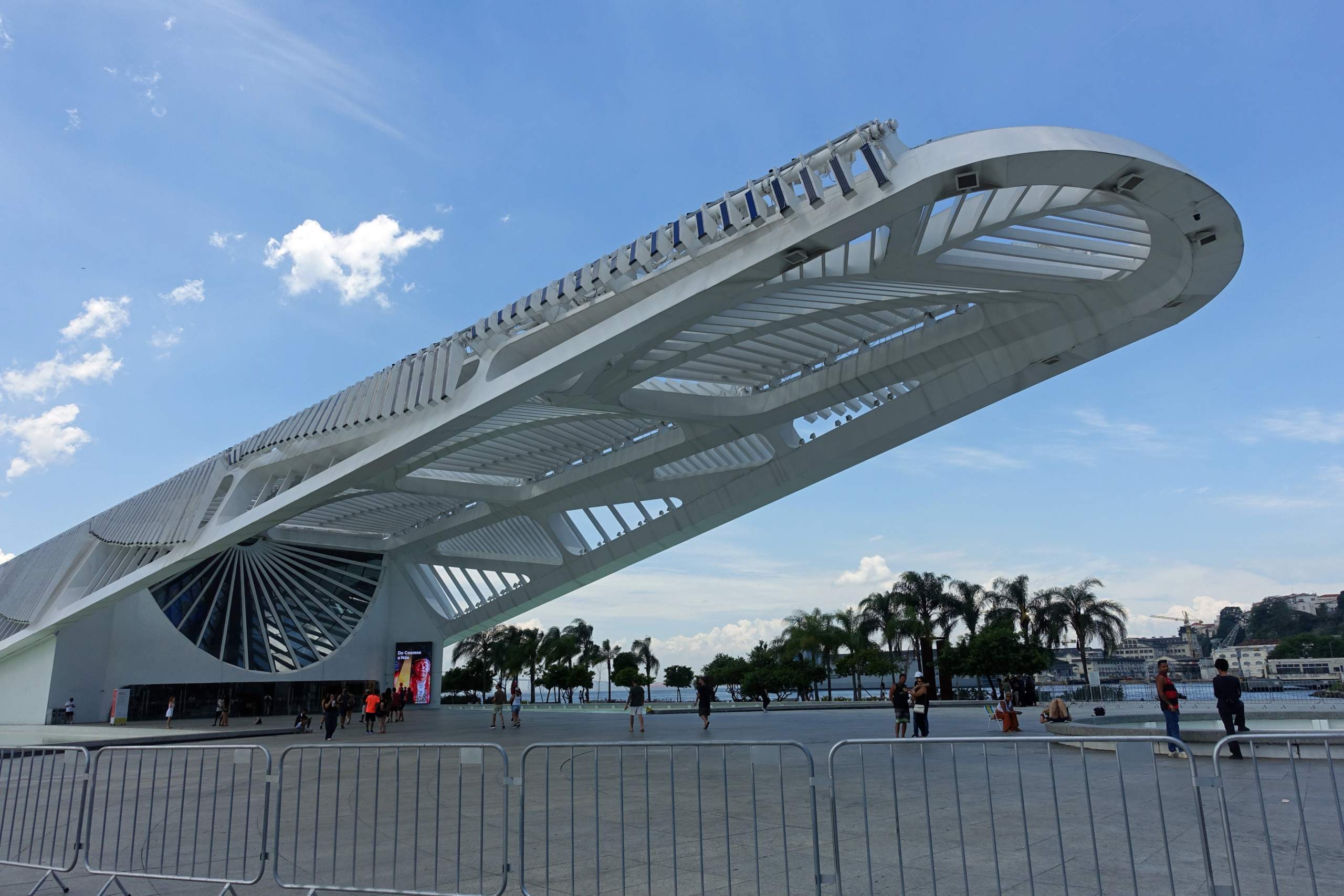
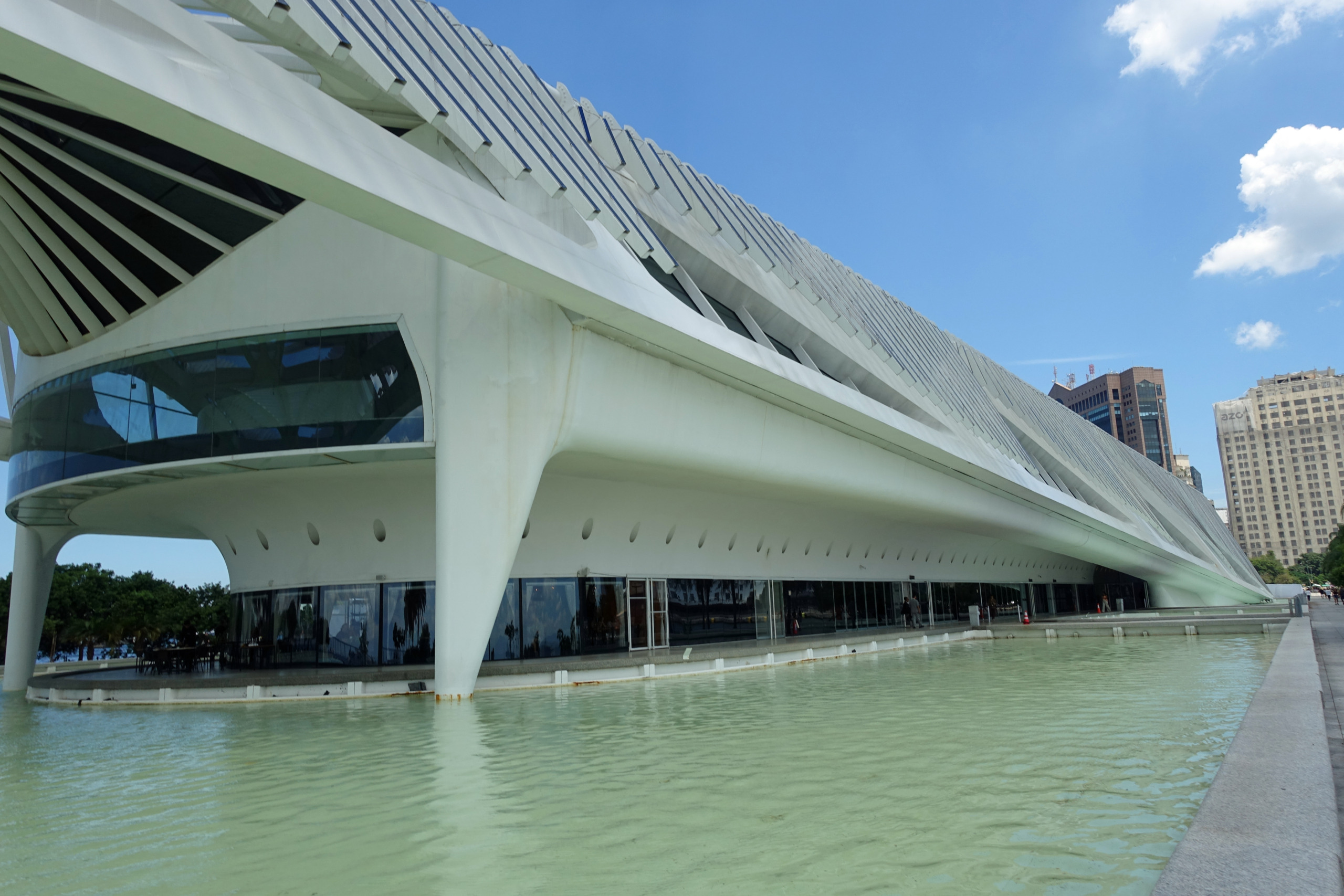
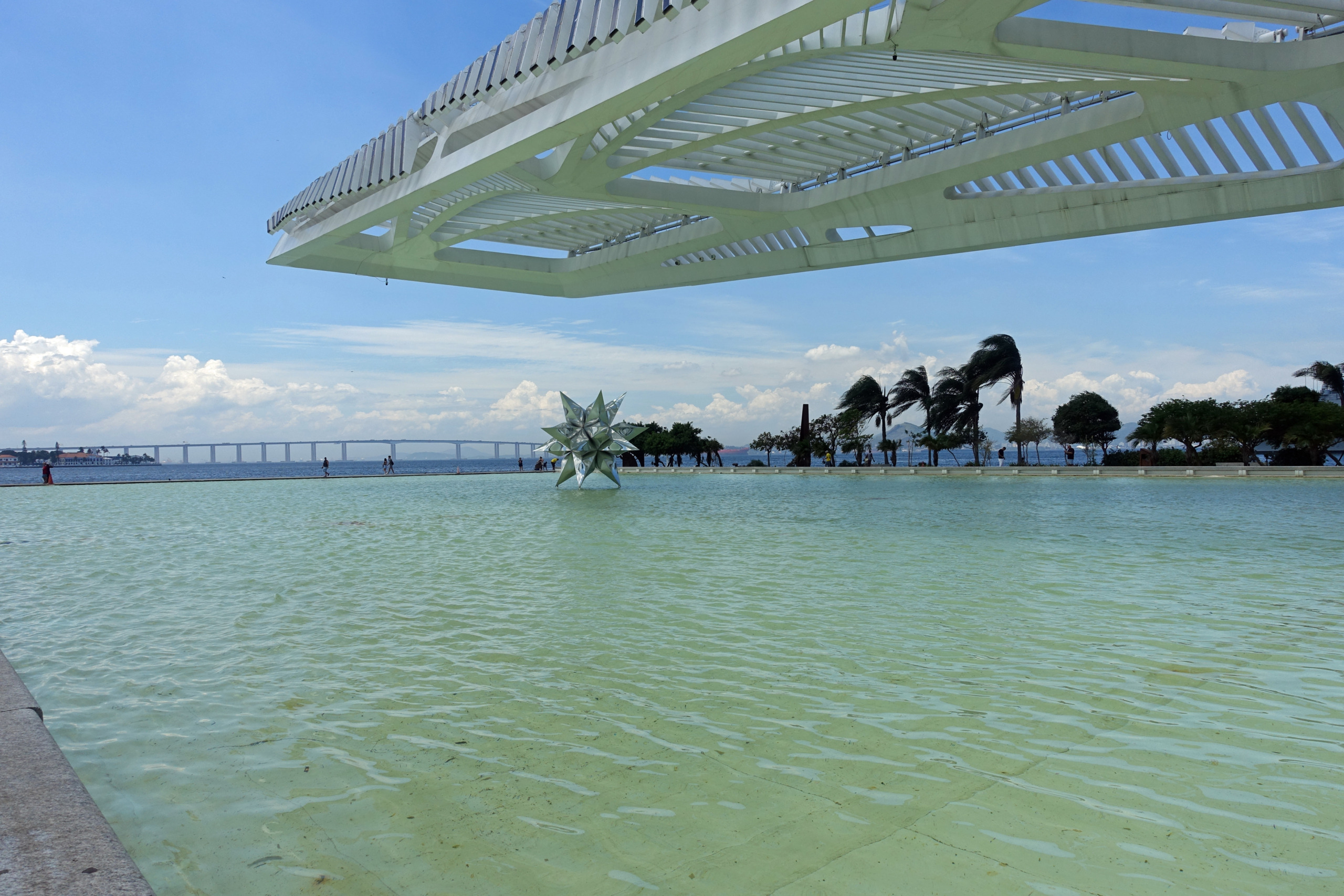
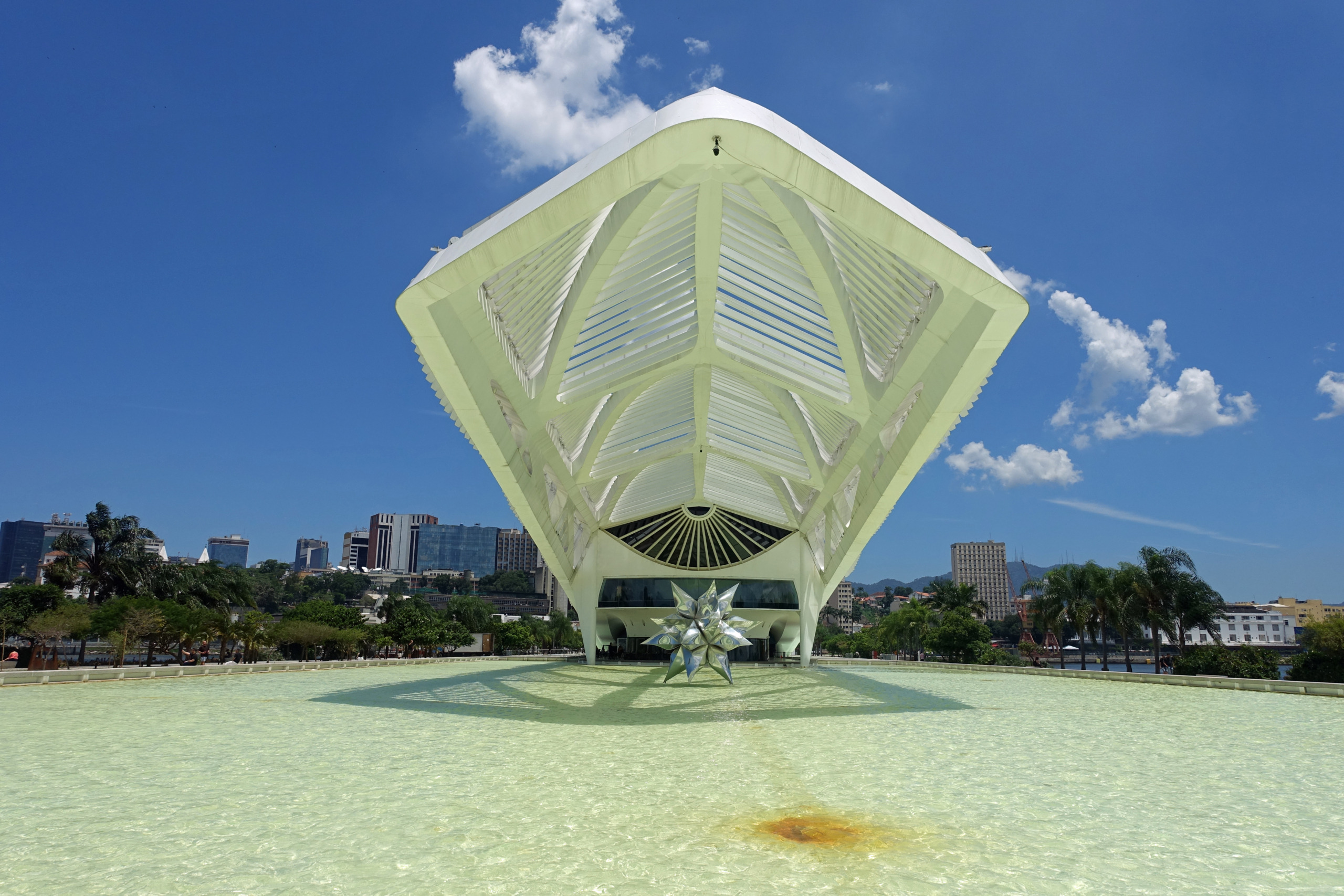
The Museu do Amanhã (Museum of Tomorrow) is an applied science museum located along Rio’s revitalized waterfront district. Opened in late 2015, it quickly became a modern architectural icon for the city. Designed by Spanish neo-futuristic architect Santiago Calatrava, the white skeleton-like structure features massive, wing-like solar panels extending 75 meters out over the plaza towards Guanabara Bay. The design looked familiar to us and it turns out this same architect designed the City of Arts and Sciences complex in Valencia, Spain that we visited back in 2018. He also designed the Peace Bridge in our home town of Calgary, Canada!!
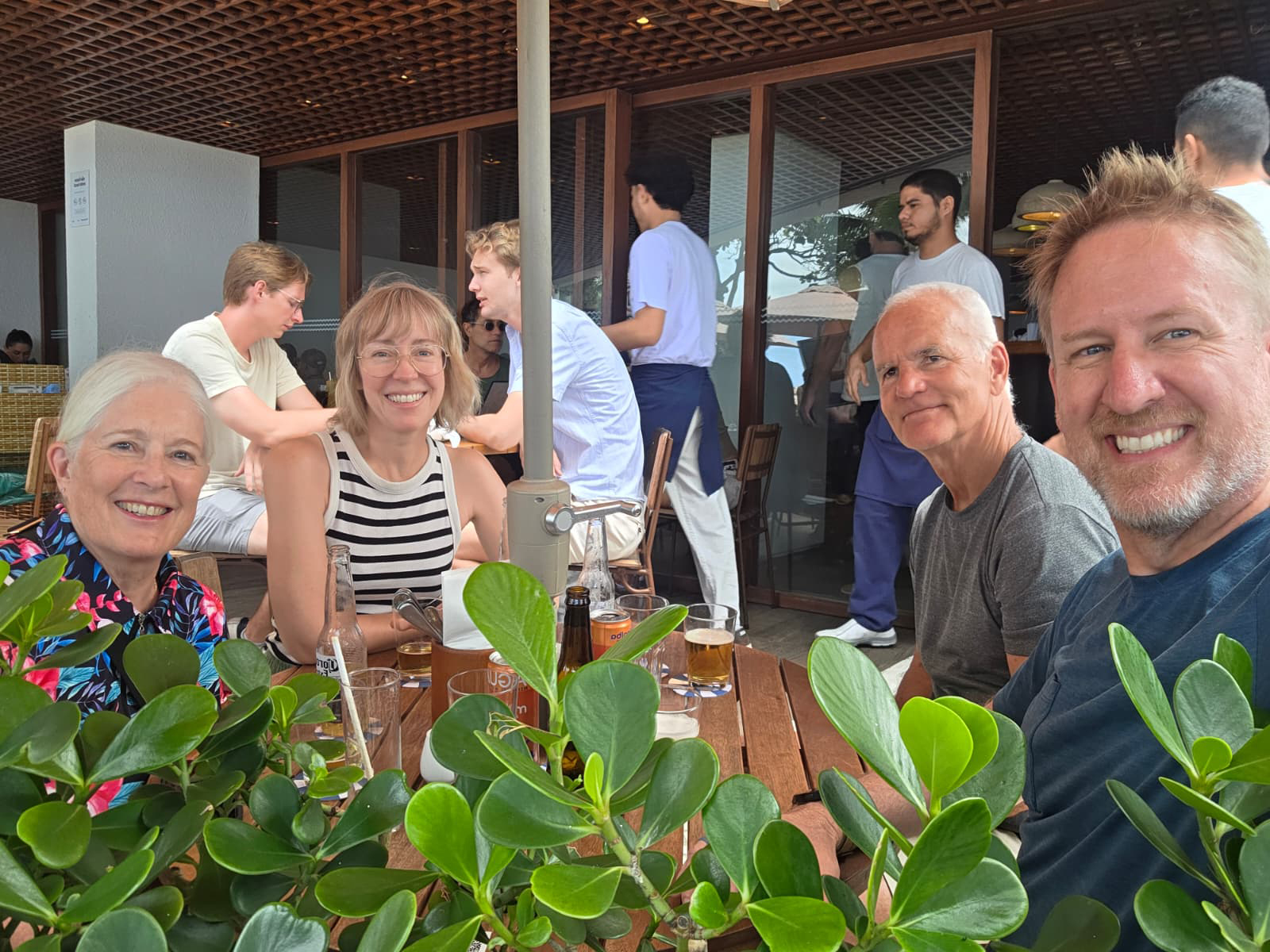
During our time in Rio we really enjoyed spending time with fellow nomads Jerome & Lisa, exploring the city and talking for hours on end. We look forward to seeing them again in late November, this time in Buenos Aires.
Sadly we leave Rio with a bad memory. We have traveled extensively for almost 40 years and full time for 9 years but it finally happened…I was robbed. We were walking down the street in downtown Rio after visiting the library building and someone walking towards me leapt across and snatched the necklace from around my neck. We are very aware travelers and I had on a collared golf shirt zippered up but my necklace must have shown at some point for this to happen, and it happened fast. It was not a flashy or expensive chain but it had an Ankh I bought in Egypt on it that I have worn for 25 years 😢 Two men witnessed this and walked us over to a nearby police car, but the cops could not have cared less, said I could go to a police station if I wanted. I have read that’s a waste of time because theft is a common occurrence in Rio. I was unharmed, but definitely shaken by the experience. Sadly I think we’ll now be even more vigilant and less trustworthy of people around us. And, probably never return to Rio de Janeiro.
Moving on, we are off to Iguazu Falls. The Brazilian side and the Argentinian side…..
.
.
.
.
TRIP TIPS
Canadians need to apply for an e-visa to enter Brazil at this website. Our visas cost USD $80.90 each and were processed in less than one week. They are valid for 5 years and as tourists we can stay for 90 days per visit. This was the only pre-arrival document we had to complete. The airport check-in counter in Panama asked to see our Brazil visa’s before we could board the flight.
Our flight to Rio arrived at 12:30 am so we decided to pre-arrange transport with Welcome Pickups, who I found through an AirBnb link. Arriving so late at night we wanted to make the journey into the city as uncomplicated and safe as possible. We were met in the arrivals terminal by a person holding a sign with our name and escorted to the waiting car. It cost USD $24 for a private driver and in our opinion well worth it.
.
.